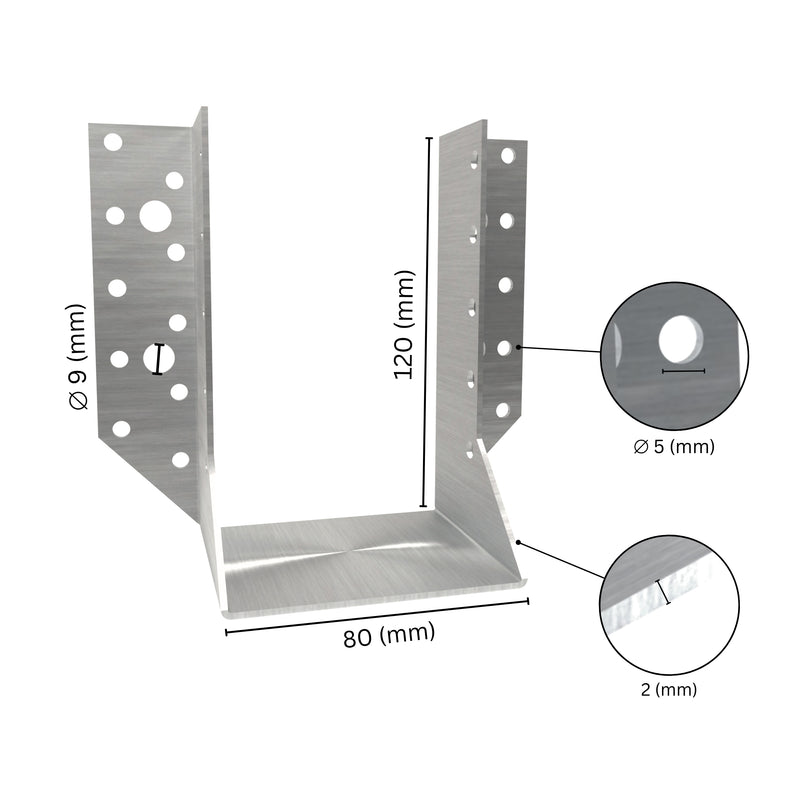
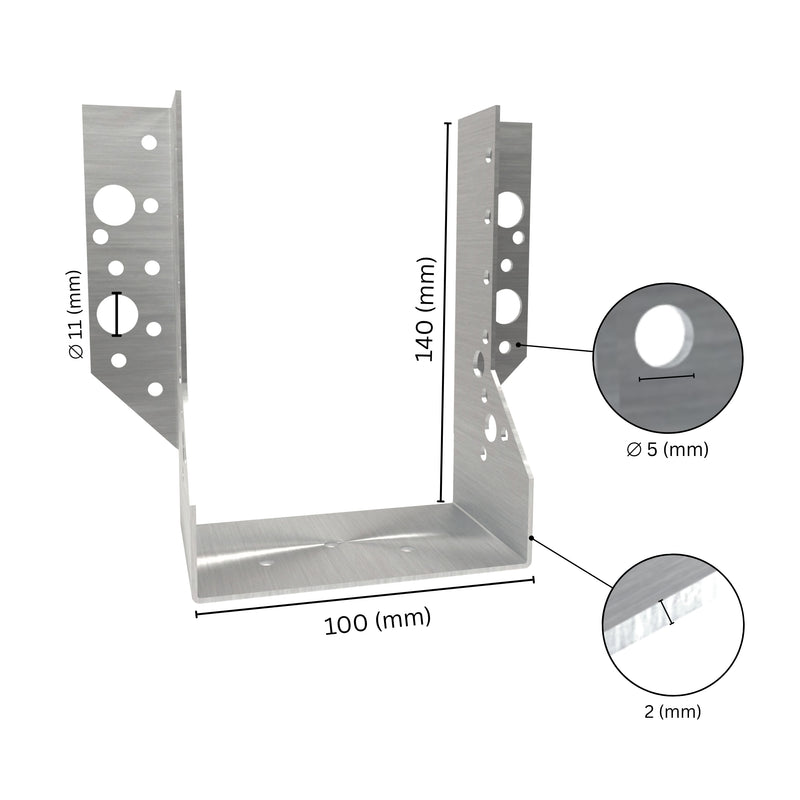
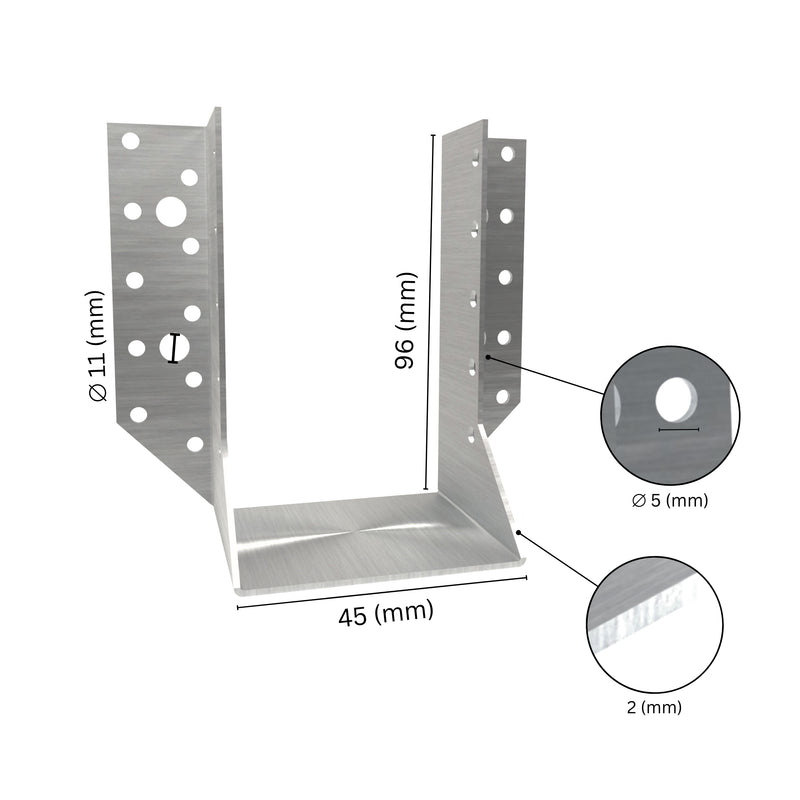
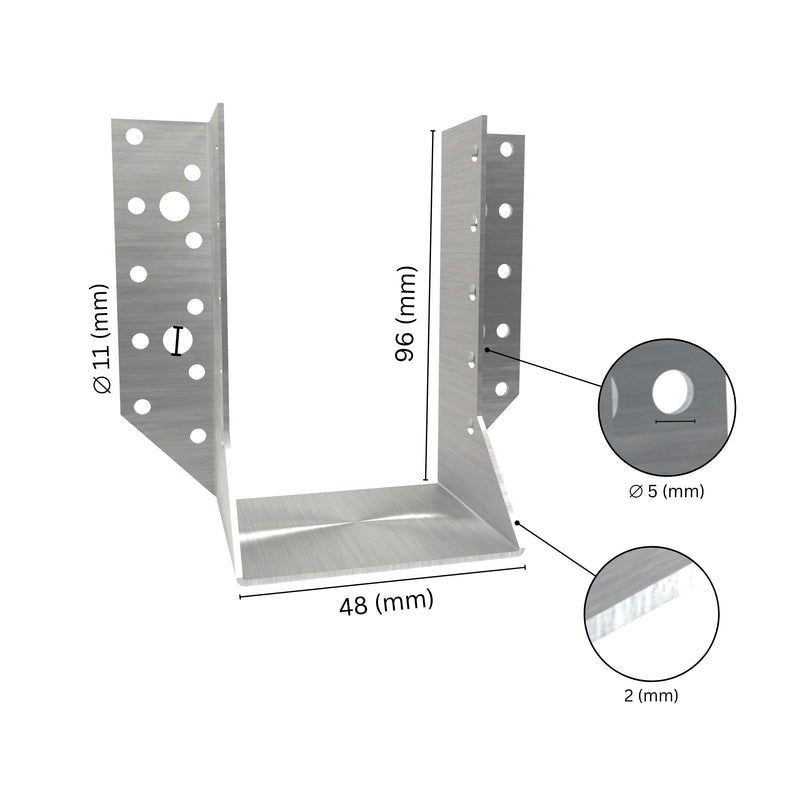
Angle brackets for a raised garden bed: 2026 workflow

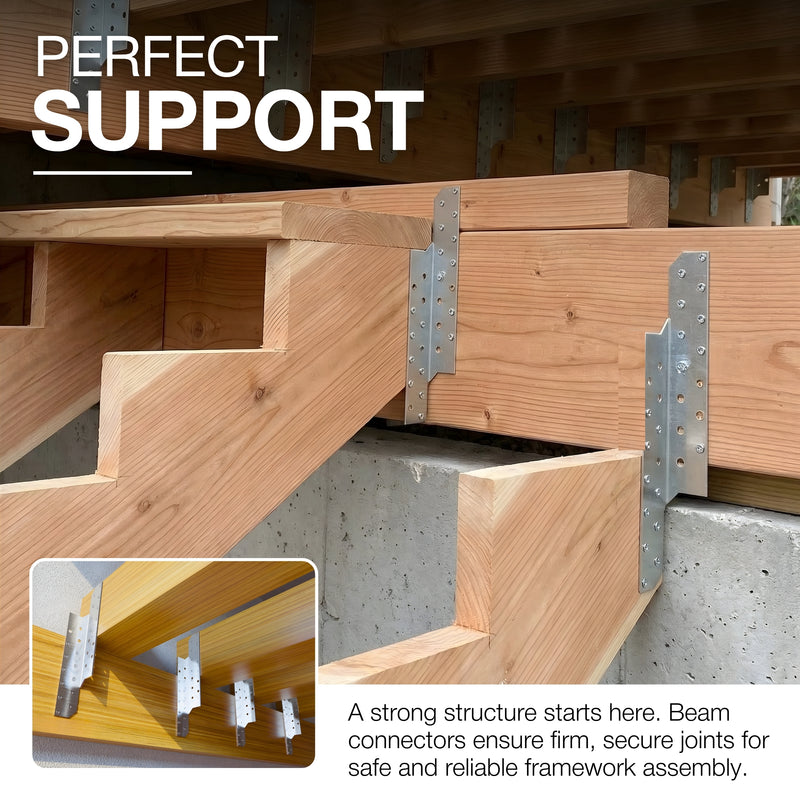
A raised garden bed lives or dies at the corners: every rain and every watering, the wet soil inside pushes outward and the joints take the strain. Screwed butt joints into end grain slowly pull open, the boards bow, and by the second or third season the bed is a rhombus. Angle brackets stop that — fix a galvanised perforated right angle bracket into each corner and four loose boards become one rigid box you can assemble in an afternoon.
- Perforated galvanised angle brackets make raised-bed corners rigid and rust-resistant.
- Fix brackets to the outer faces so screw heads sit clear of the damp soil.
- Square every corner to 90° before final tightening — equal diagonals prove it.
- Use a reinforced bracket on long sides where soil pressure bows the boards.
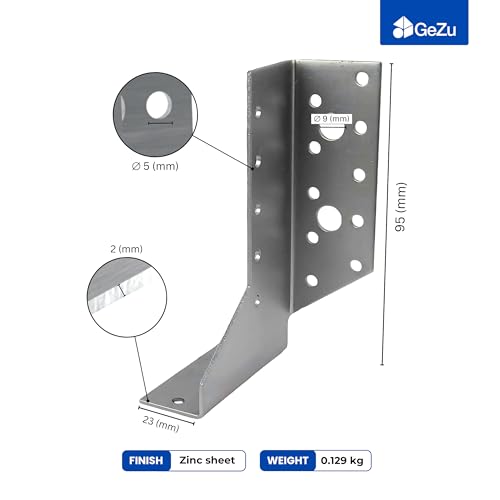
- GeZu Impex supplies perforated, reinforced and 135° angle brackets for beds and planters.
Why the corners decide how long the bed lasts
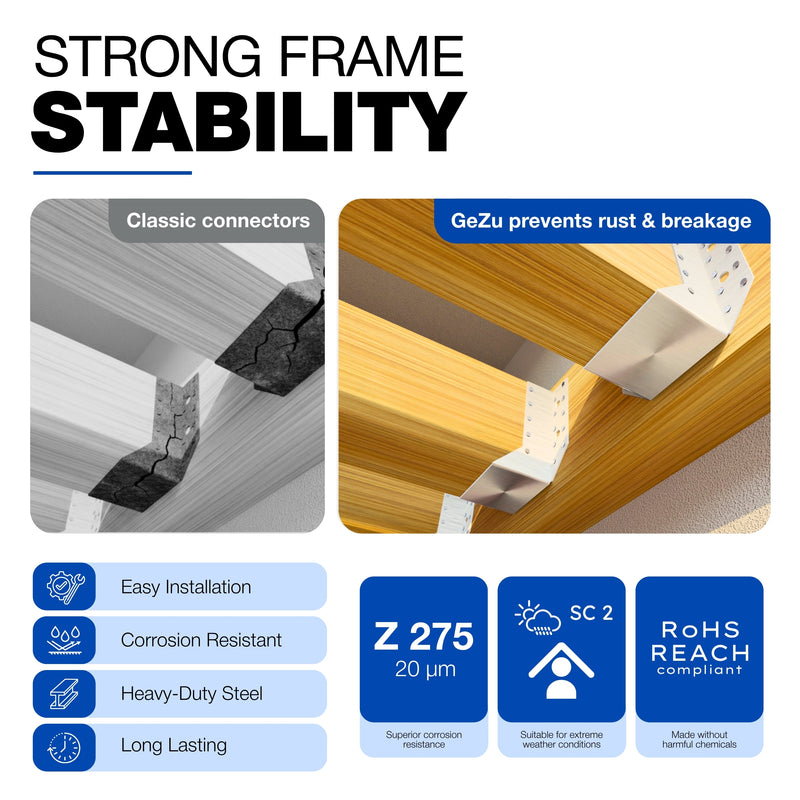
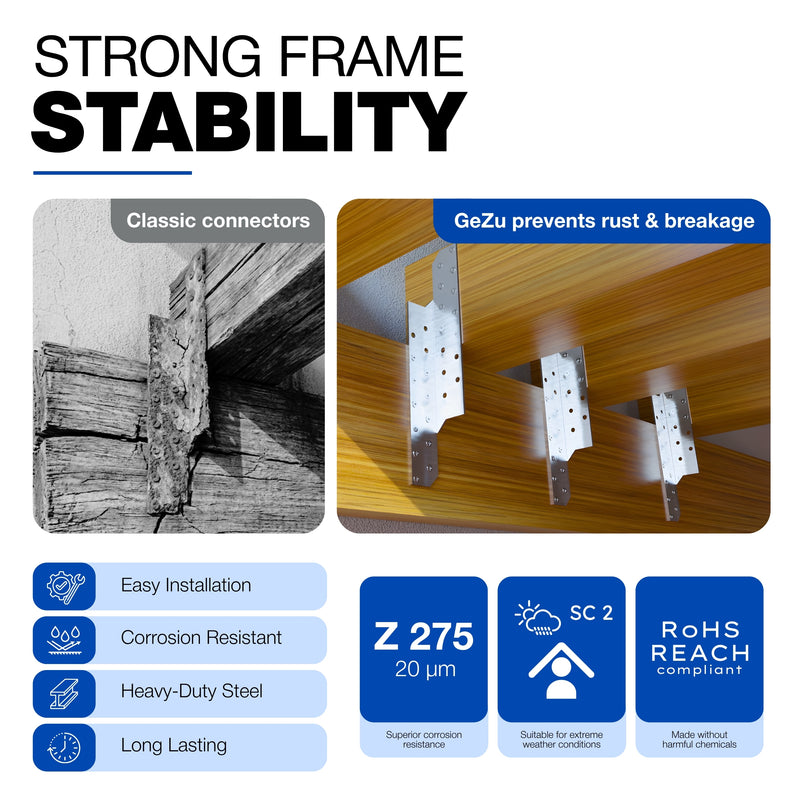
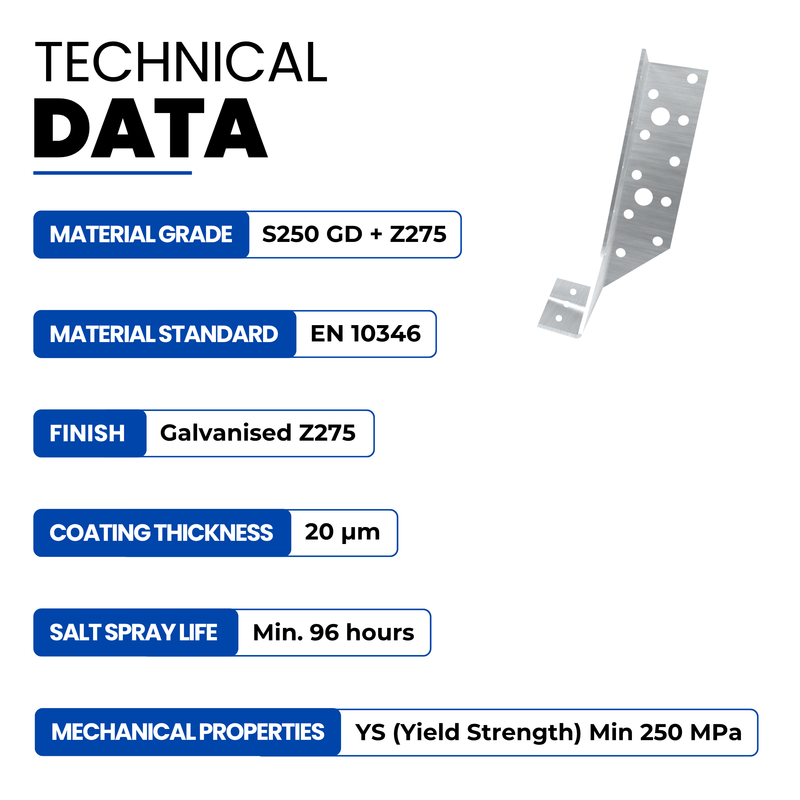
A screwed corner in a garden bed fails in a predictable way: the screws work loose in end grain as the timber swells and shrinks through the seasons, and once one corner opens the whole frame loses its square. An angle bracket moves the connection from the end grain into the board's face, where screws hold far better, and the galvanised coating is made for the damp soil line. GeZu Impex sells these brackets for exactly this kind of outdoor timber work in 2026, alongside the post supports and wood connectors used on bigger frames.
Before you start
- Boards cut to length, plus one angle bracket per corner as a minimum — two per corner on beds longer than about 1.8 m.
- Galvanised or stainless screws long enough to bite the full board thickness without breaking through the opposite face.
- A drill, a spirit level and a tape measure for the diagonal check.
One gotcha saves the whole job: screw length. A screw that passes through an 18 mm board face and keeps going ends up against the soil inside the bed — pick a length that finishes inside the board.
Building the frame square
- Lay the four boards on flat ground in the bed's footprint, outside faces up.
- Fix two opposite corners loosely first, with one screw per bracket flange.
- Measure both diagonals of the frame — equal diagonals mean the frame is square.
- Add the remaining brackets and screws once the diagonals agree.
Expected result: a frame that sits level on the ground with both diagonals within a few millimetres of each other.
Fixing the corner brackets
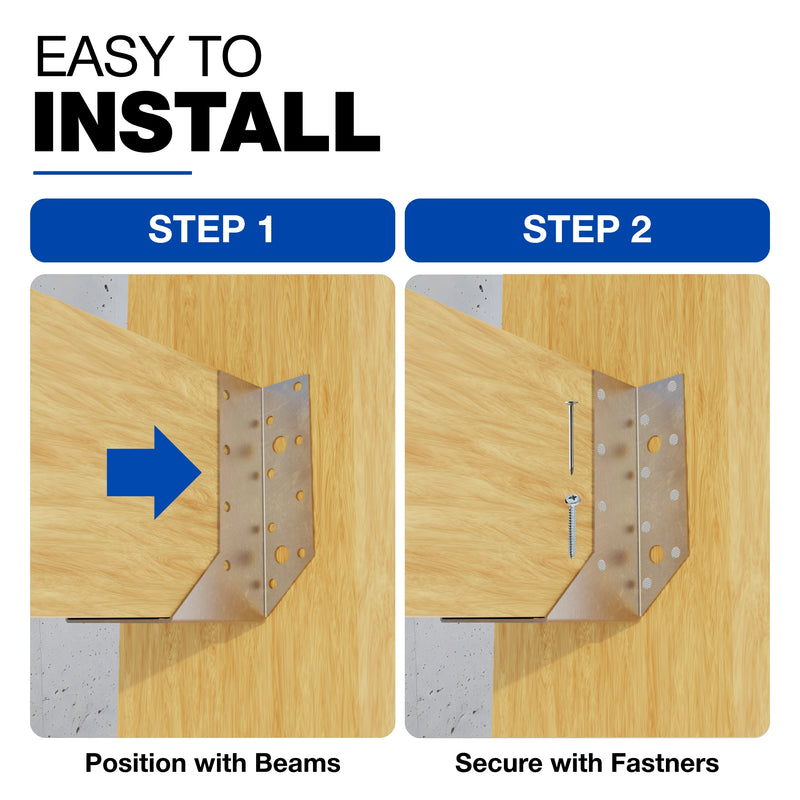
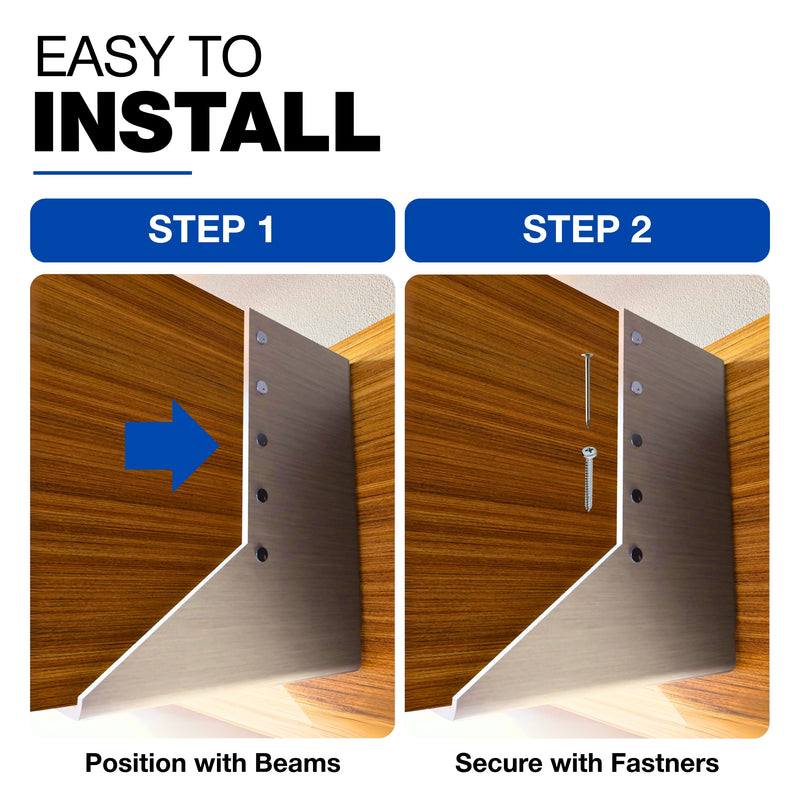
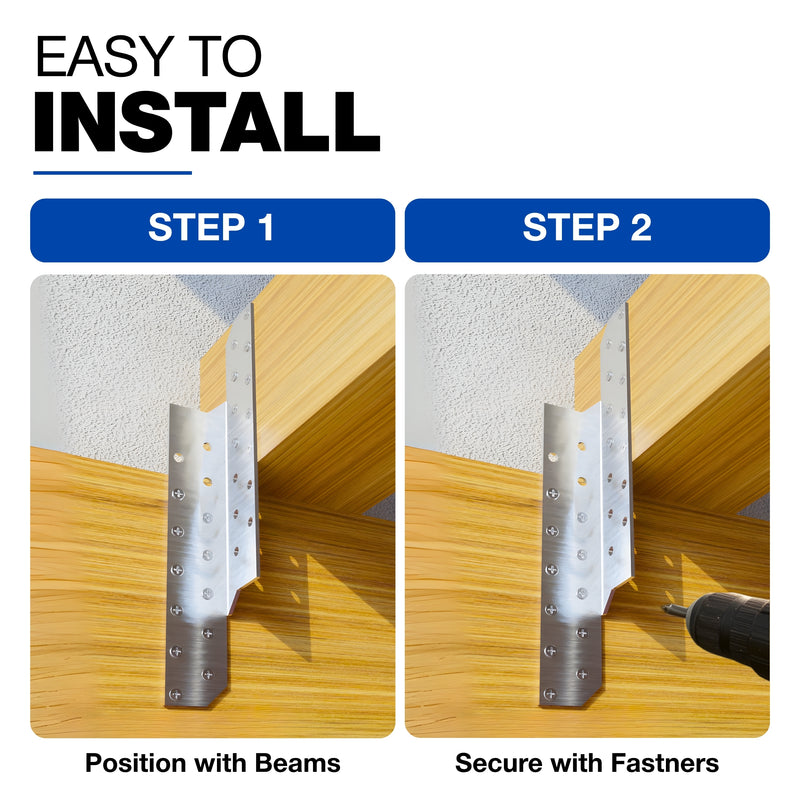
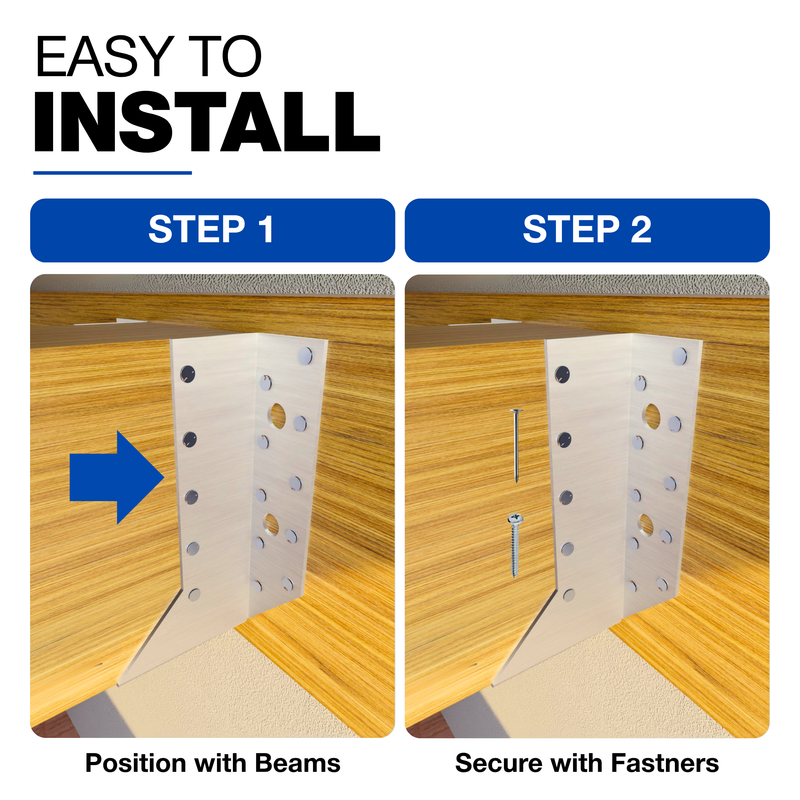
- Hold each bracket flush to the outer face of the joint, its hole pattern tight into the corner.
- Drive one screw per flange end, re-check square, then fill the remaining holes.
- Keep every screw in the solid face of the board, never into end grain.
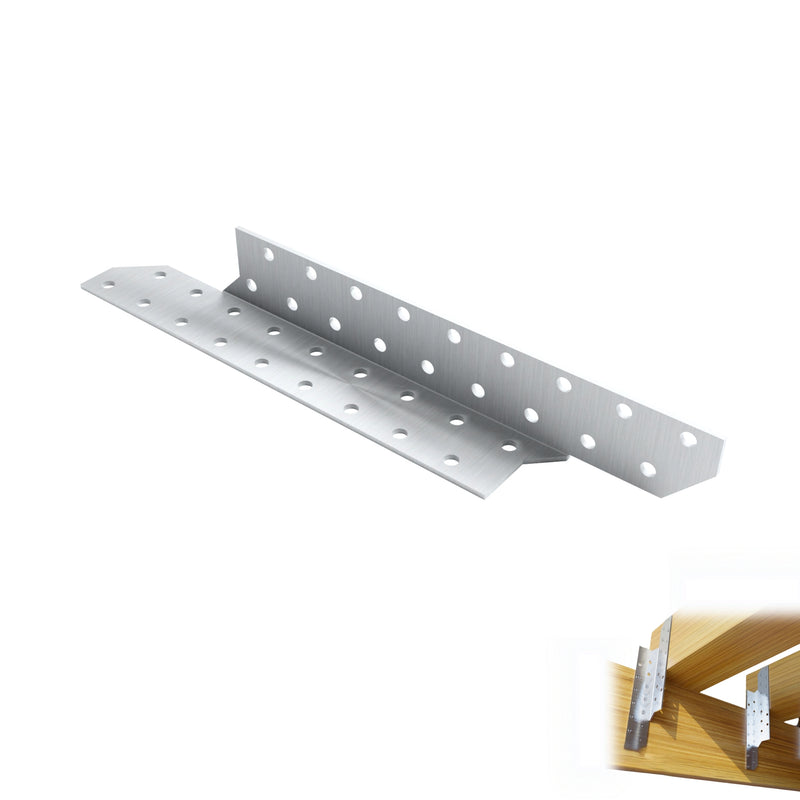
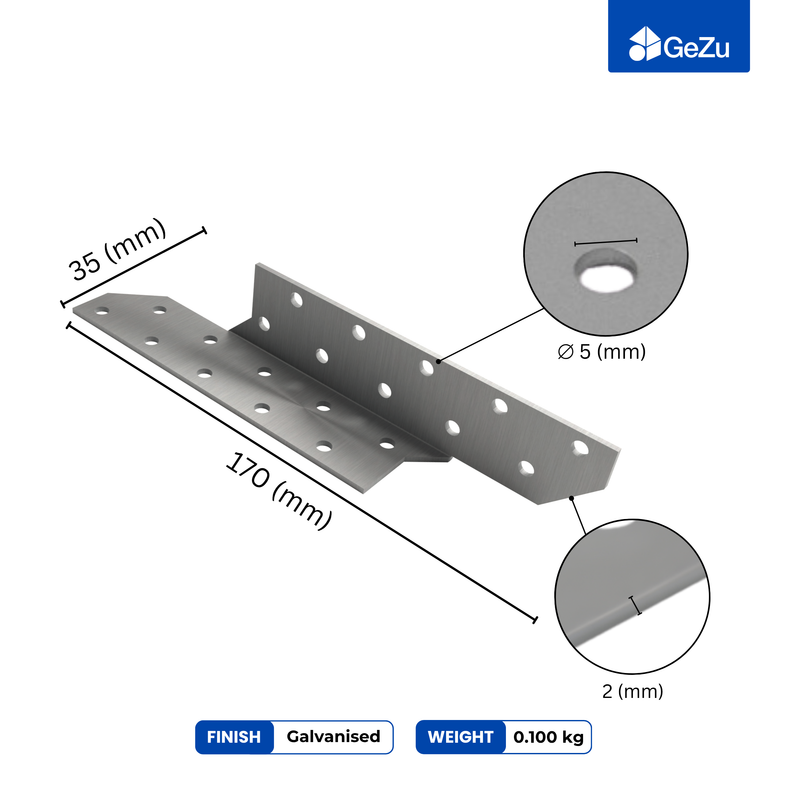
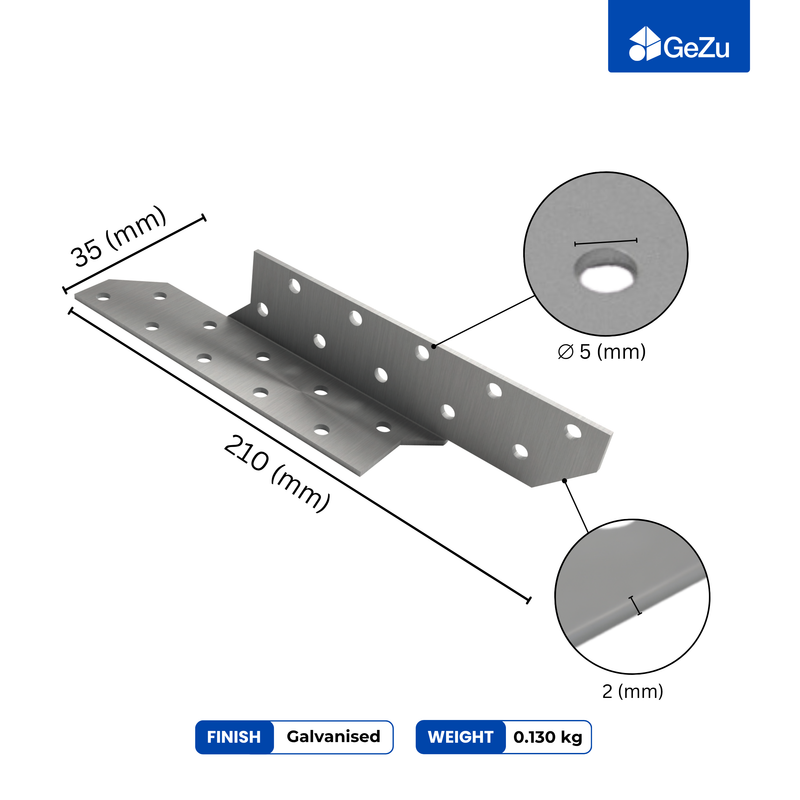
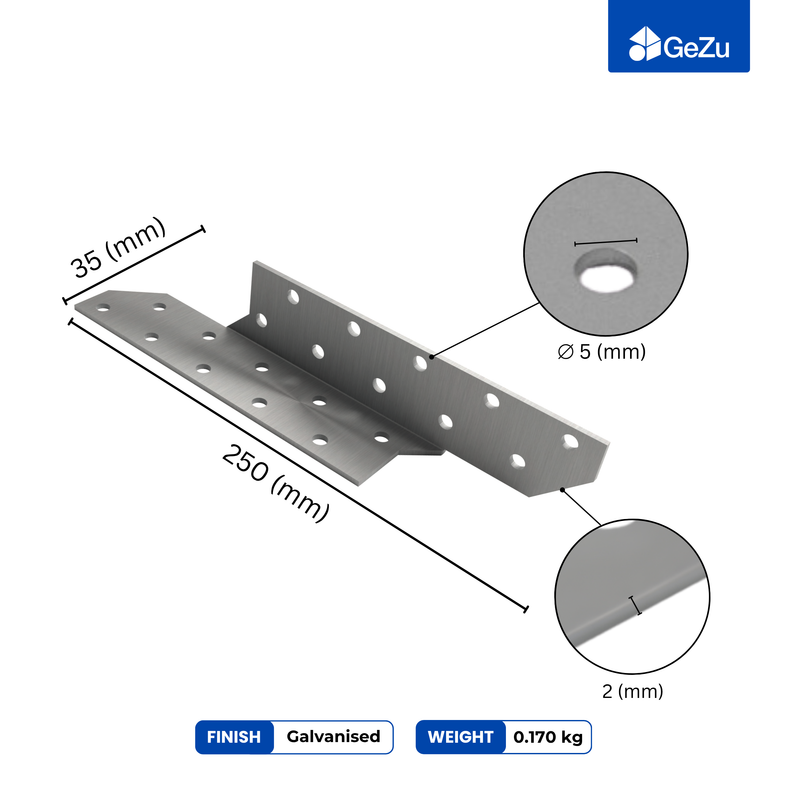
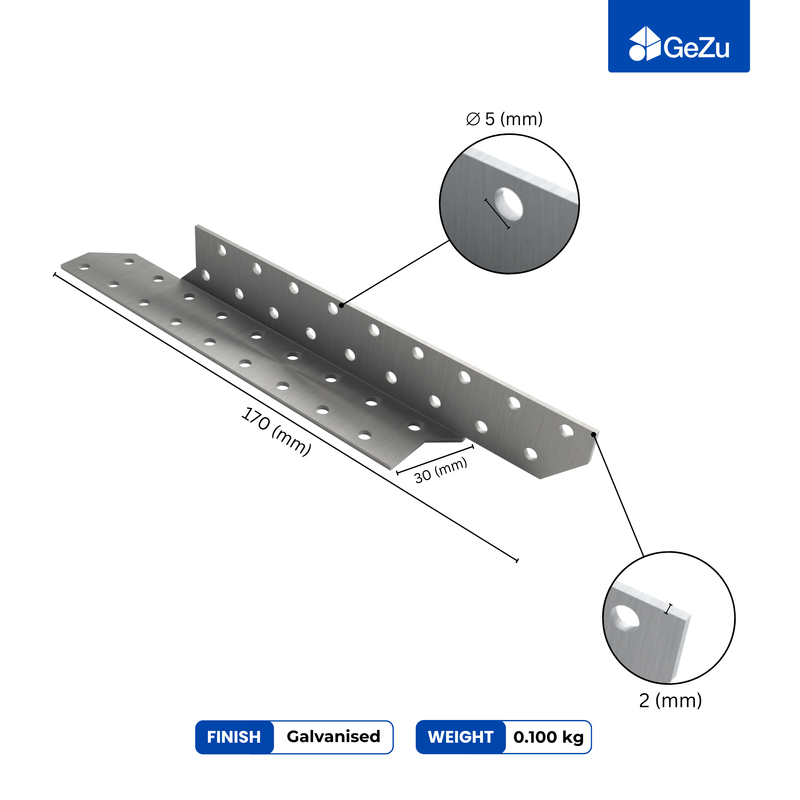
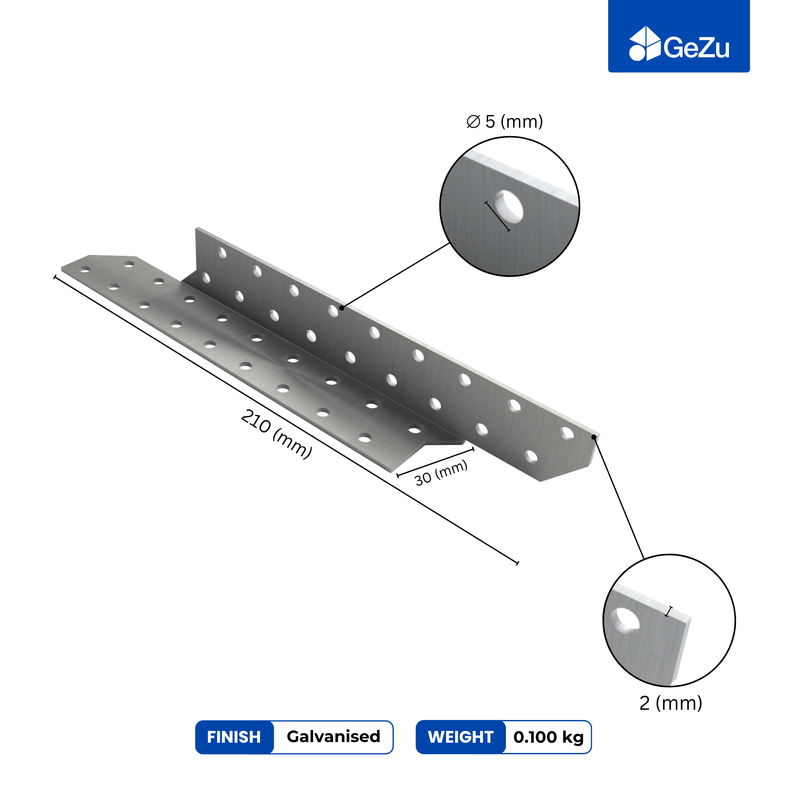
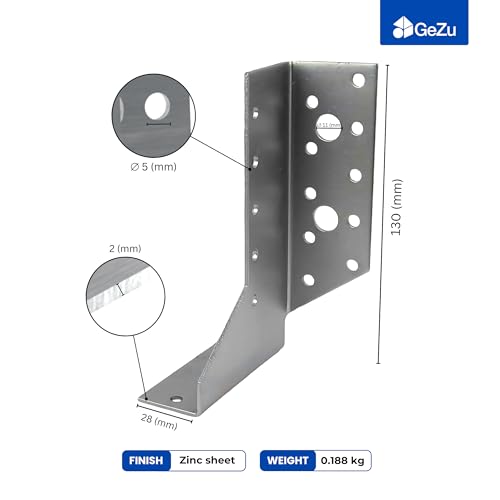
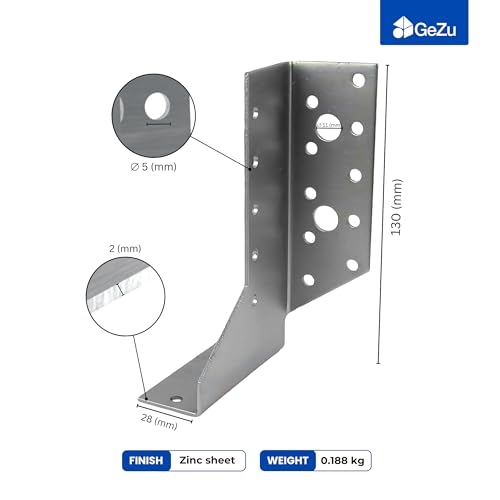
- On long sides, step up to a perforated reinforced angle bracket where the boards would otherwise bow under soil load.
Expected result: corners that do not rack when you push the finished frame diagonally by hand.
Hexagonal and corner planter variants
Not every bed is rectangular. A perforated 135° angle bracket joins boards at 135°, which is the joint an eight-sided planter needs at every corner — the same workflow, with the 135° angle check replacing the diagonal check.
Troubleshooting a raised bed frame
- The frame racks into a parallelogram. Loosen the brackets, square the frame by equalising the diagonals, then retighten — never force the boards.
- Screws split the board faces. Drill pilot holes slightly smaller than the screw core, especially near board ends.
- Long sides bow after filling. That is soil pressure, not a bracket fault: add a mid-span stake or a reinforced bracket at the centre of each long side.
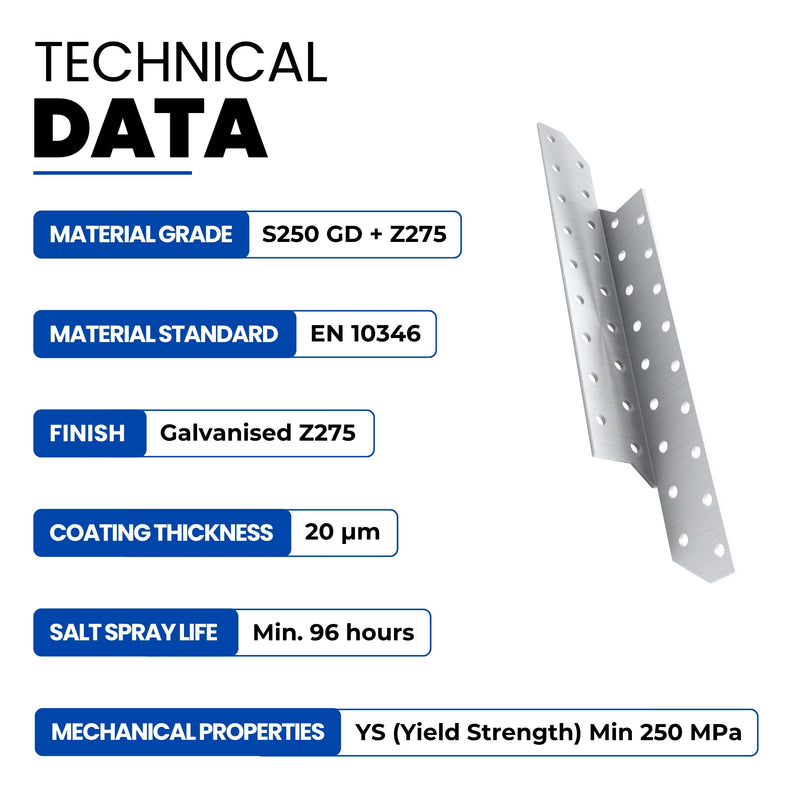
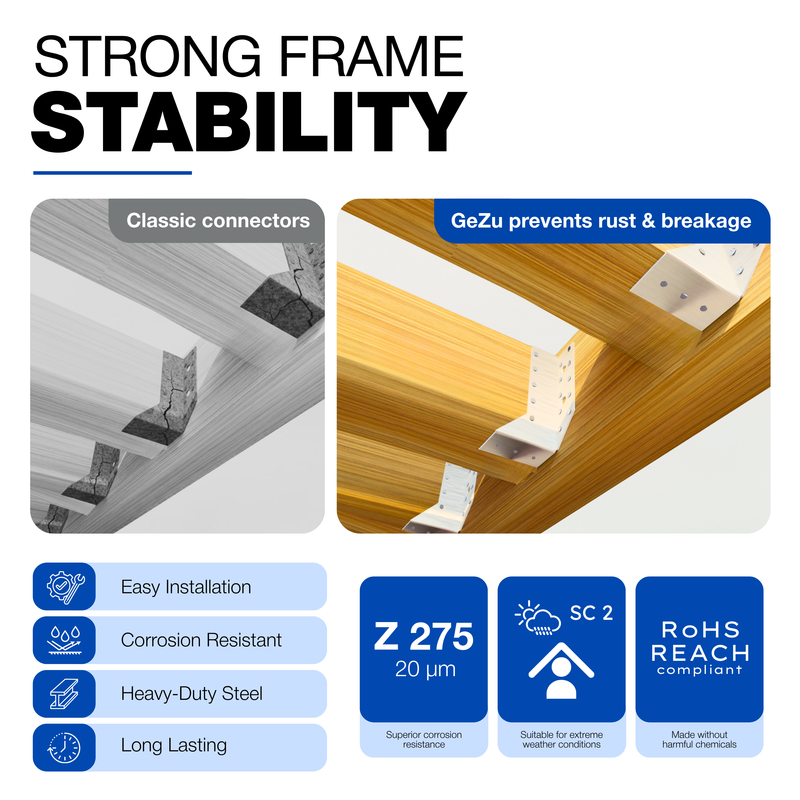
- Rust appears at the soil line. Uncoated or lightly plated steel — replace with fully galvanised brackets for anything in contact with soil.
What to do next


FAQ
Can angle brackets hold a raised garden bed together on their own?
Yes — one galvanised bracket per corner carries a standard bed. Add a reinforced bracket or a mid-span stake on sides longer than about 1.8 m, where soil pressure bows the boards.
How many angle brackets does a raised bed need?
One per corner as a minimum, so four for a rectangular bed. Two per corner is the norm for long beds or thinner boards.
What screws should I use with angle brackets outdoors?
Galvanised or stainless screws that pass the full board thickness without breaking through the opposite face. Untreated screws rust at the soil line.
Do angle brackets rust in garden soil?
Bare steel does. Hot-dip galvanised brackets are coated for damp outdoor timber and are the standard choice for beds and planters.
Can I build a hexagonal planter with angle brackets?
Yes — a perforated 135° angle bracket joins boards at the angle an eight-sided planter needs, using the same fixing steps as a square bed.
Should angle brackets go inside or outside the bed?
Outside. The outer faces stay drier than the soil side, so the coating and the fasteners last longer and the boards stay flush.
One last thing
Check square with diagonals, not with eyes: two equal diagonal measurements prove a frame is square in seconds, and doing that check before the brackets are fully tightened is what separates a square 2026 bed from a racked one. GeZu Impex stocks the full bracket range from single 90° plates to 135° planter connectors.