7 best galvanized pipe fittings compared in 2026

The best galvanized pipe fitting in this 2026 comparison is the swivel coupler for builds that need a variable angle, ahead of the right-angle coupler, unbeatable on fixed structural joints, and the half coupler, the most economical choice for simple fixings. This guide compares seven hot-dip galvanized fittings from the GeZu Impex catalogue on strength, real site use and ease of installation.
- The swivel coupler wins for variable angles on scaffolding and outdoor structures in 2026.
- The right-angle coupler remains the most rigid galvanized pipe fitting for fixed 90° joints.
- The half coupler is the most economical fitting in the GeZu Impex catalogue.
- Block Connect 71x71 mm fittings suit square tube structures, not round scaffold tube.
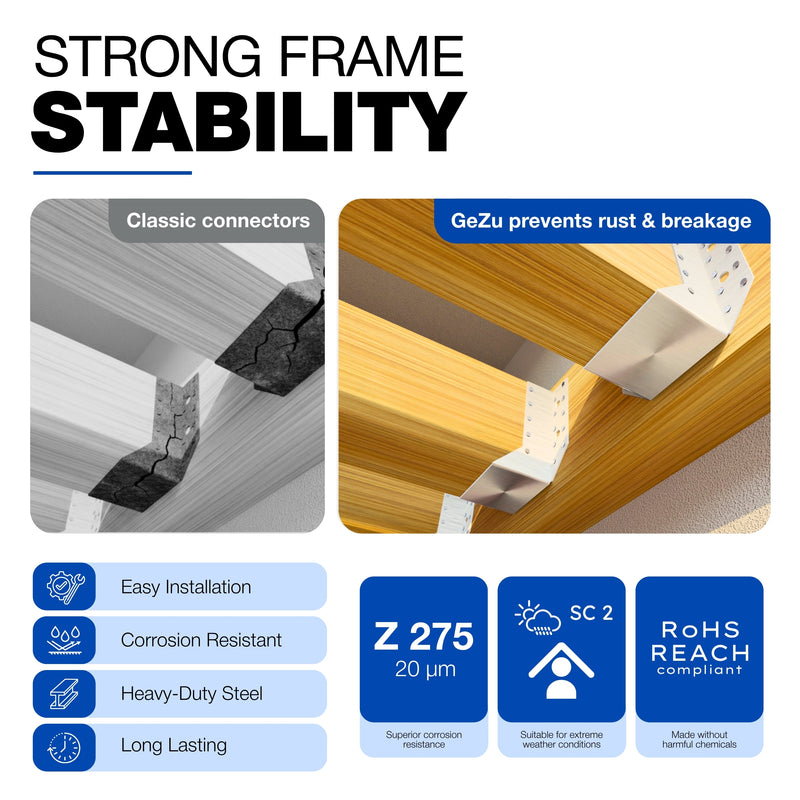
- All seven fittings compared here are hot-dip galvanized, a thicker protection than electro-galvanizing.
Why this choice matters
A badly chosen galvanized pipe fitting gives way before the tube it is supposed to hold. On a scaffold, a poor coupler shows up as play in the structure; on a fence or a garden shed, it is the first point of rust, well before the rest of the assembly.
The swivel coupler shows the stakes clearly: its pivoting ring absorbs variable angles without straining the thread, unlike a fixed fitting mounted out of true. In 2026, most sites still mix round scaffold tube and square profiles for fences or pergolas, which is why it pays to compare seven fitting types rather than one before ordering.
What defines the best galvanized pipe fittings
- Galvanizing thickness: hot-dip galvanizing (HDG) lays down a thicker zinc layer than electro-galvanizing, so it holds up better outdoors.
- Connection type: fixed angle, variable angle or T-extension — each fitting matches a specific use.
- Tube compatibility: round tube diameter for scaffolding versus 71x71 mm square tube section.
- Load and rigidity of the build: a coupler does not carry the same load as a bolted angle fitting.
- Ease of installation on site: number of bolts, tools needed, adjustment possible after tightening.
- Intended use: professional scaffolding, garden fence, pergola or DIY structure.
At a glance
| Fitting | Best for | Standout feature | Limitation |
|---|---|---|---|
| Swivel coupler | Variable angles on scaffolding | 360° pivoting ring | Less rigid than a fixed fitting |
| Right-angle coupler | Fixed 90° joints | Maximum structural rigidity | No angle adjustment possible |
| Half coupler | Fixing a single tube | Most economical fitting in this comparison | Does not connect two tubes to each other |
| Half coupler with brace pin | Diagonal bracing | Integrated anti-slip pin | Use limited to diagonal builds |
| Scaffold wall tie anchor tube | Wall anchoring | Stabilizes the structure without an extra coupler | Needs a solid wall fixing |
| Block Connect 90° fitting 71x71 mm HDG | 90° corners in square tube | Weld-free assembly for square profiles | Incompatible with round tube |
| Block Connect T-fitting 71x71 mm HDG | T-joints in square tube | Extends a structure in one piece | Reserved for 71x71 mm profiles |
1. Swivel coupler: best galvanized pipe fitting for variable angles
The swivel coupler connects two round tubes at any angle thanks to its pivoting ring, with no need for a different fitting for each inclination. Hot-dip galvanized, it serves tubular scaffolding just as well as custom round-tube garden structures. Its versatility makes it the most requested fitting in the GeZu Impex catalogue for builds that do not follow a fixed angle grid.
Swivel coupler, pros:
- Adapts to any angle with no dedicated fitting
- Hot-dip galvanizing that resists outdoor exposure
- Can be set before final tightening, useful during assembly
Swivel coupler, cons:
- Less rigid than a right-angle coupler under fixed load
- The pivoting mechanism needs regular tightening checks
Best for: variable-angle builds, complex scaffolding, custom garden structures. Verdict: Buy.
2. Right-angle coupler: best for fixed structural joints
The right-angle coupler locks two round tubes at exactly 90° with no play once the bolts are tight. It carries vertical load better than a swivel coupler because nothing pivots once the build is complete. On professional scaffolding it is the reference fitting for standard-to-ledger connections, and it remains the most common on site in 2026.
Right-angle coupler, pros:
- Maximum rigidity once tightened
- No risk of angle slip in service
- Compatible with the majority of round scaffold tube
Right-angle coupler, cons:
- No adjustment possible after assembly
- Unusable for angles other than 90°
Best for: professional scaffolding, fixed right-angle structures. Verdict: Buy.
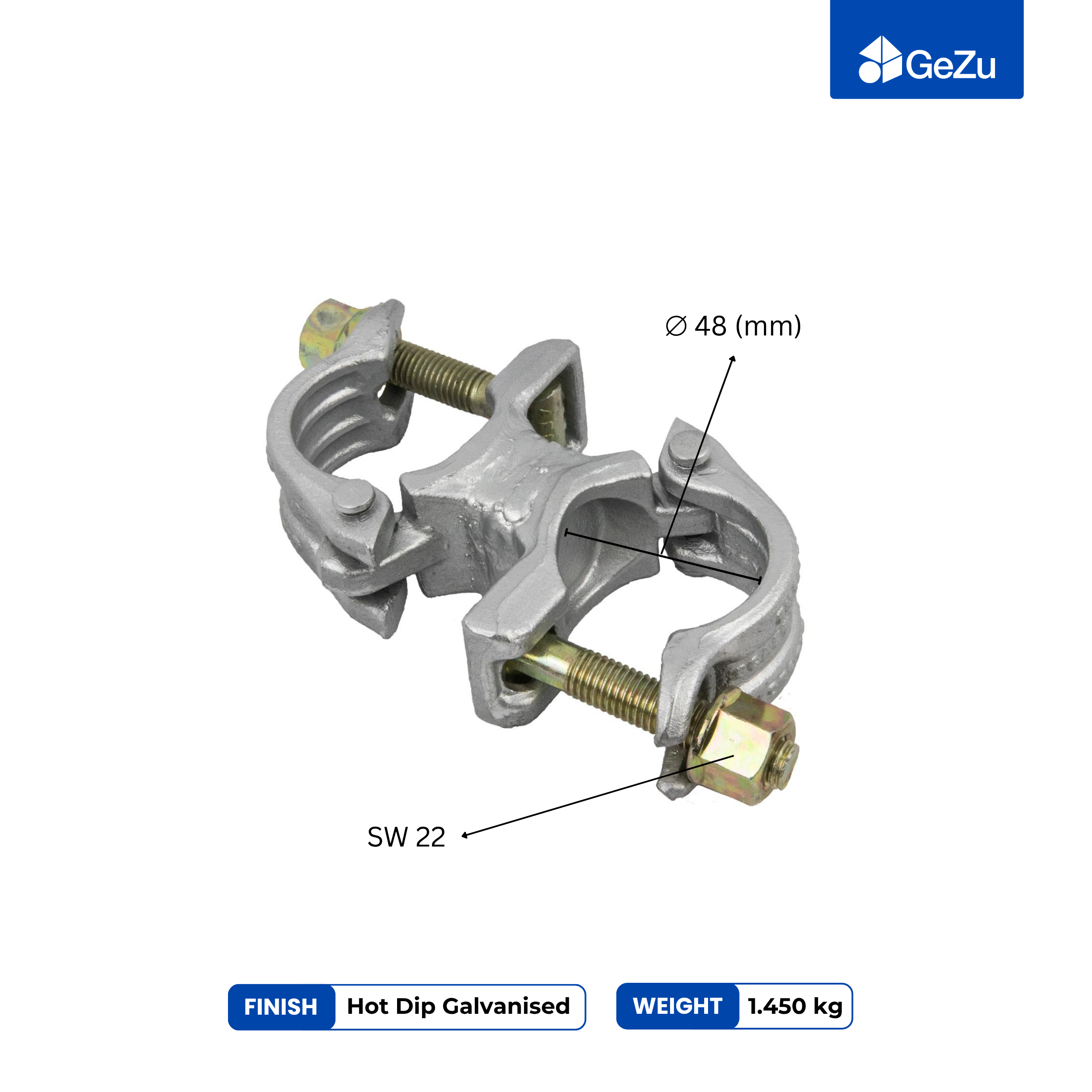
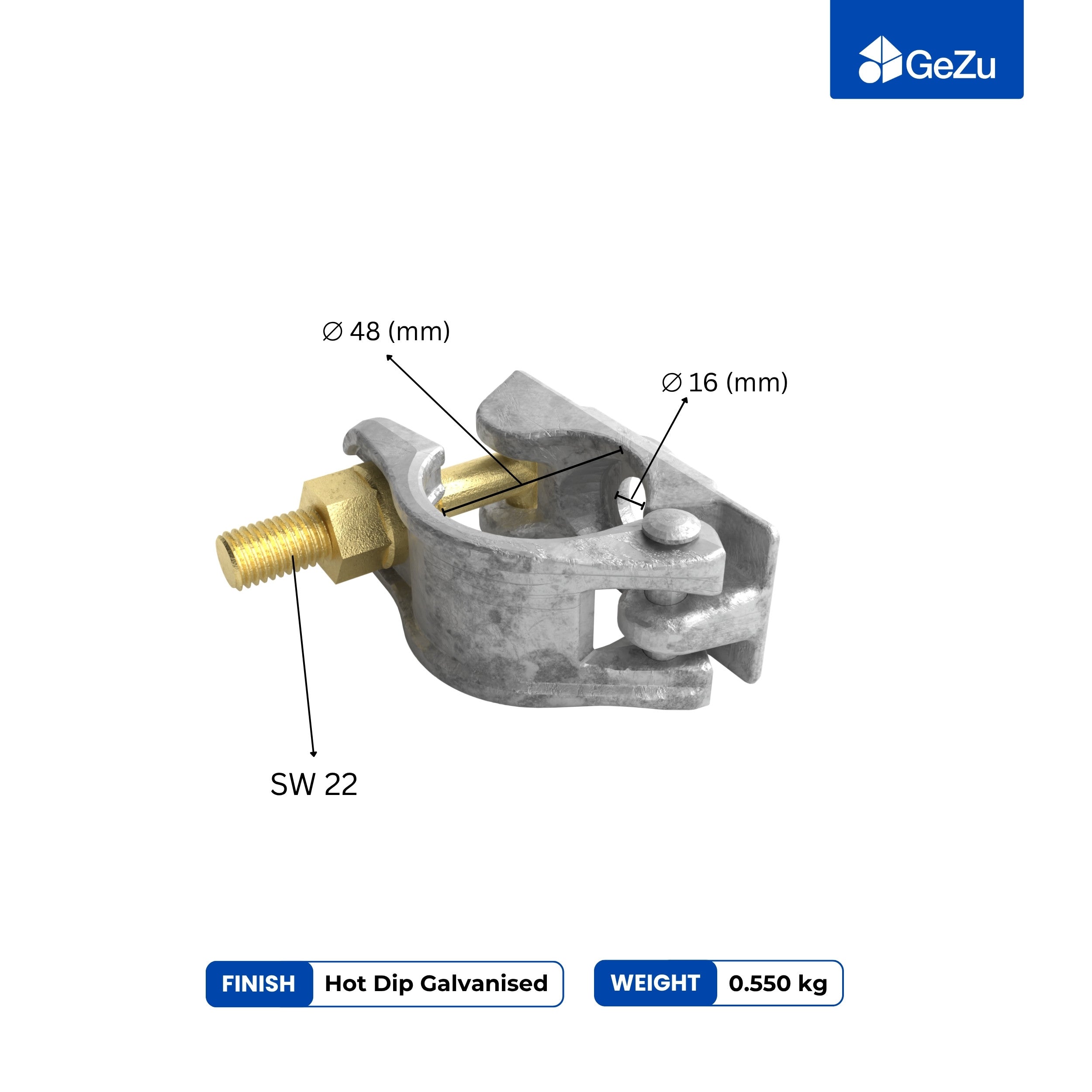
3. Half coupler: the most economical galvanized pipe fitting
The half coupler fixes a single tube against a flat surface or a profile, rather than joining two tubes to each other. It is the simplest fitting in this comparison and the cheapest to buy in the GeZu Impex catalogue. It suits one-off fixings where a double coupler would be oversized — for example holding a tube against an existing beam.
Half coupler, pros:
- The most economical fitting in the range
- Quick to fit, a single bolt to tighten
- Same hot-dip galvanizing as the other couplers
Half coupler, cons:
- Does not connect two tubes to each other
- Weaker under side load than a full coupler
Best for: simple fixings, tight budgets, one-off builds. Verdict: Buy if budget comes first.
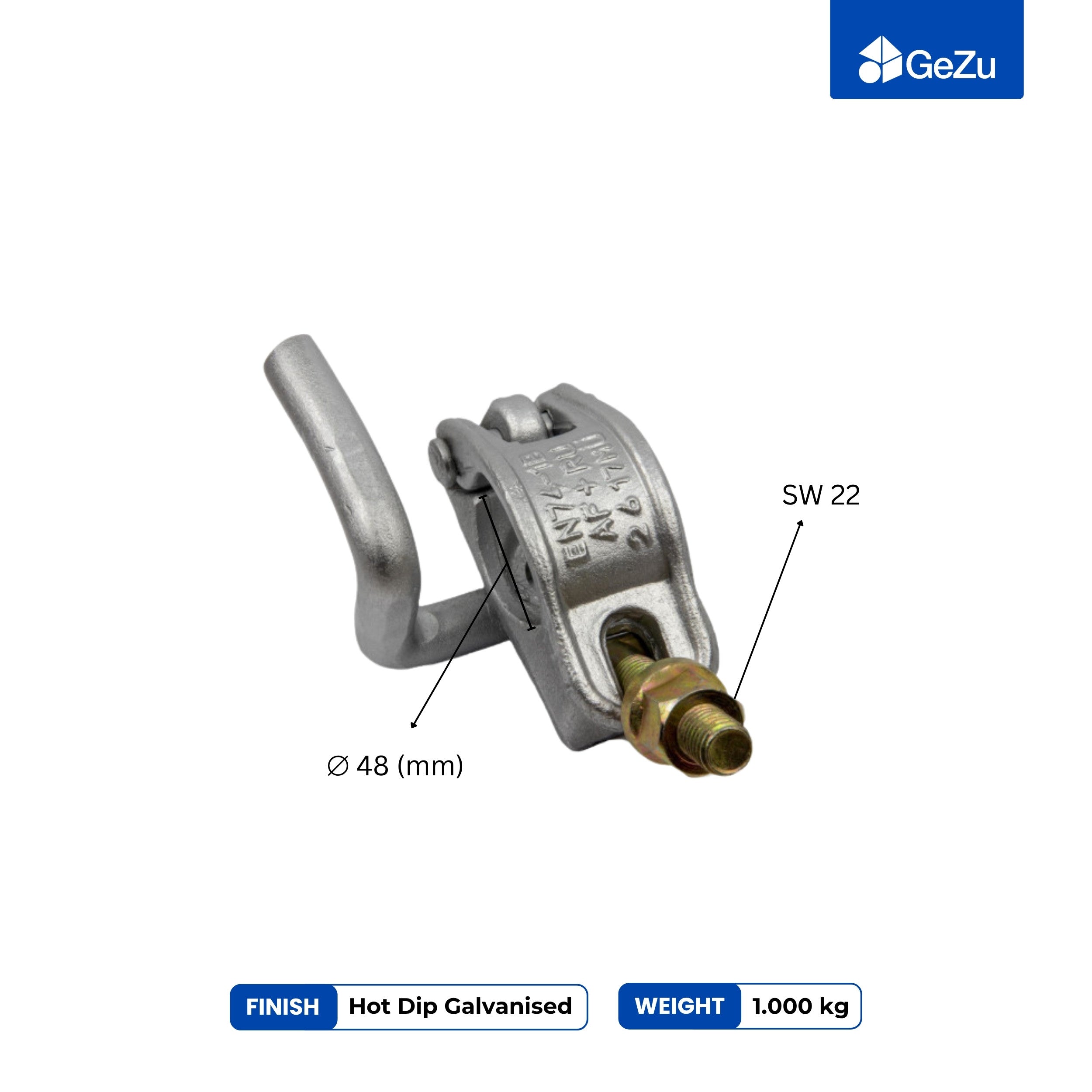
4. Half coupler with brace pin: best for diagonal bracing
This half coupler has an integrated pin that locks a bracing diagonal in place so it cannot slip under load. It answers a specific need: stabilizing a scaffold or structure against lateral movement from wind. Outside that use, it adds nothing over a standard half coupler.
Half coupler with pin, pros:
- Locks the diagonal against slipping
- Simplifies bracing assembly
- Same level of galvanizing as the rest of the range
Half coupler with pin, cons:
- Use limited to diagonal bracing
- Not suited to a simple straight-tube fixing
Best for: scaffold bracing, structures exposed to wind. Verdict: Buy for this specific use.
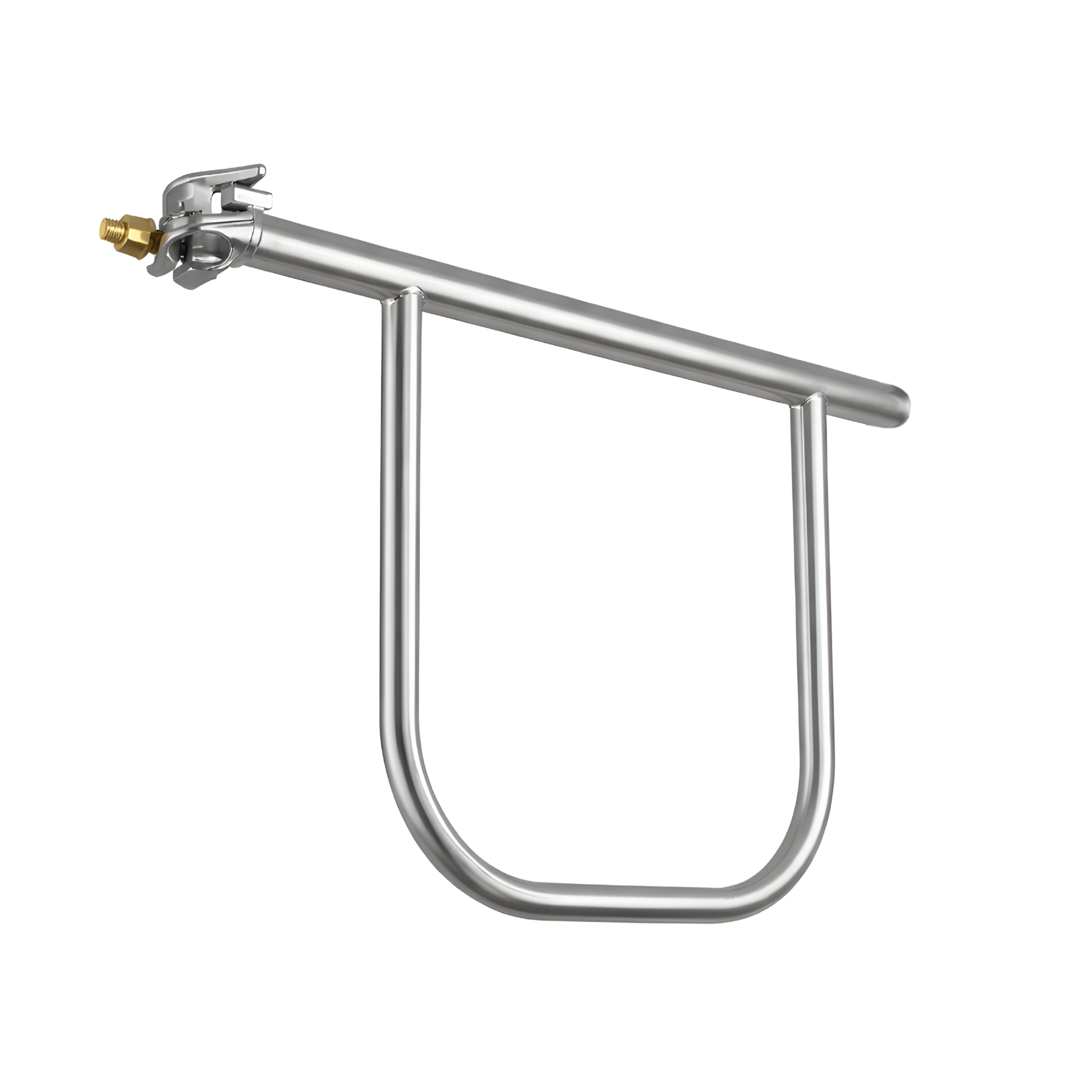
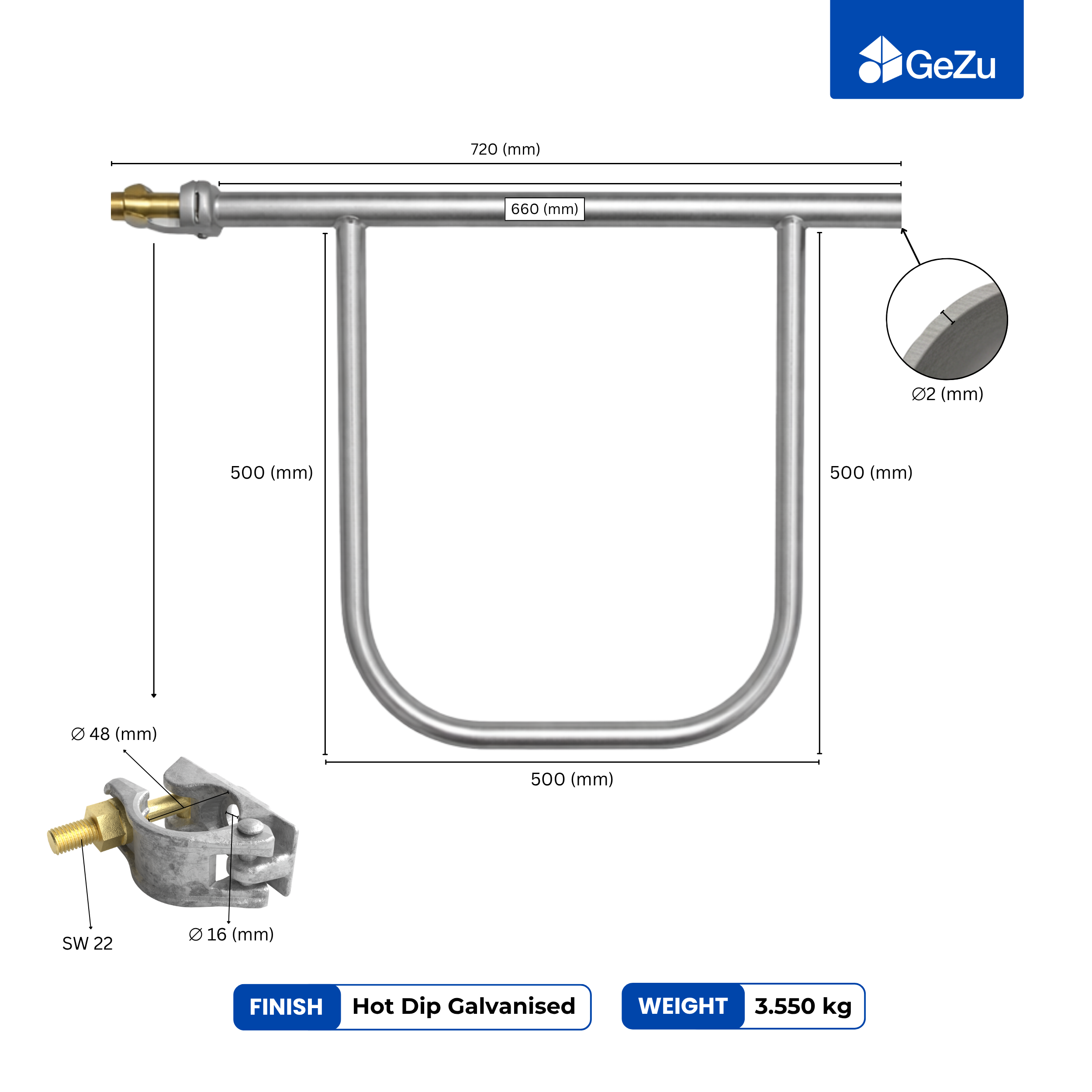
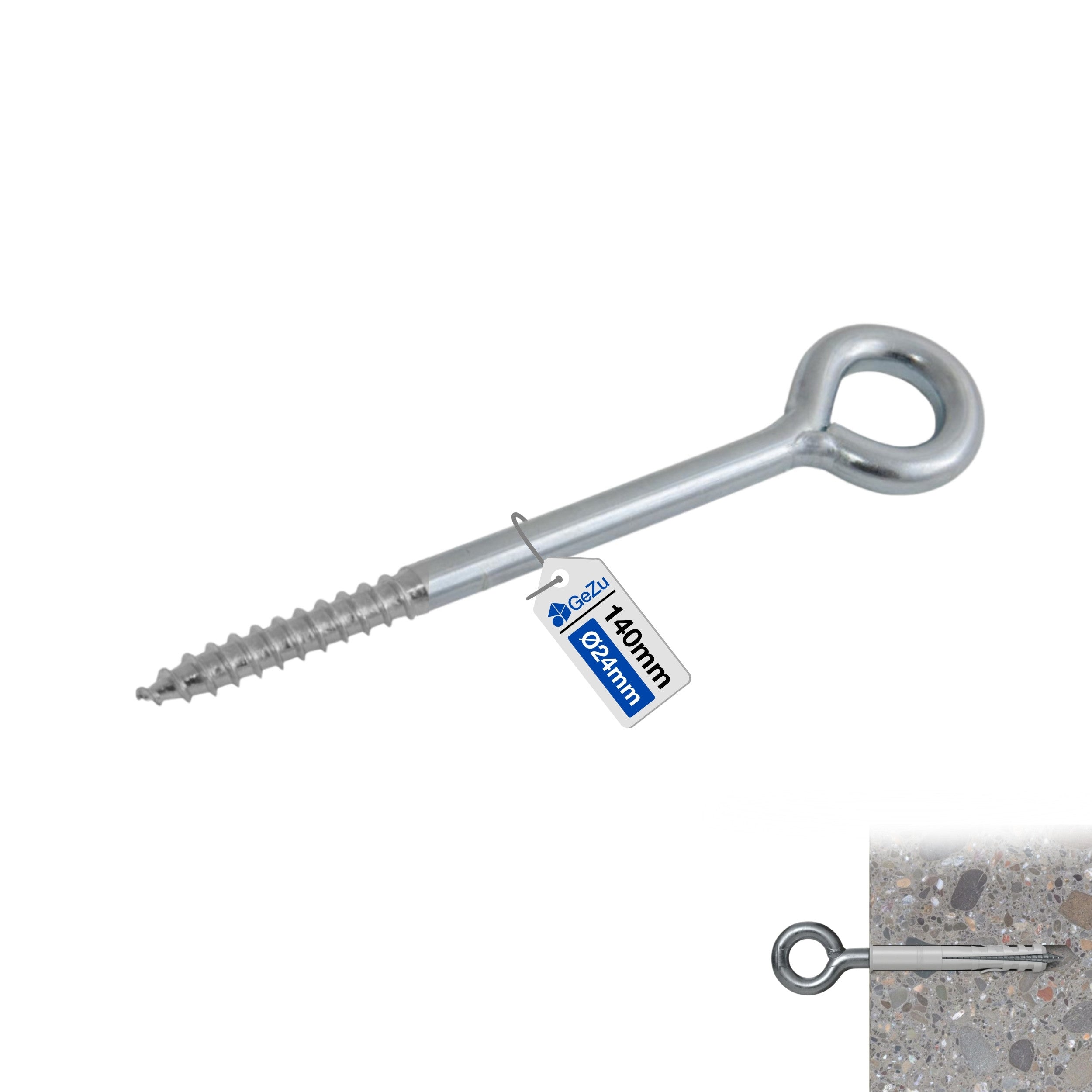
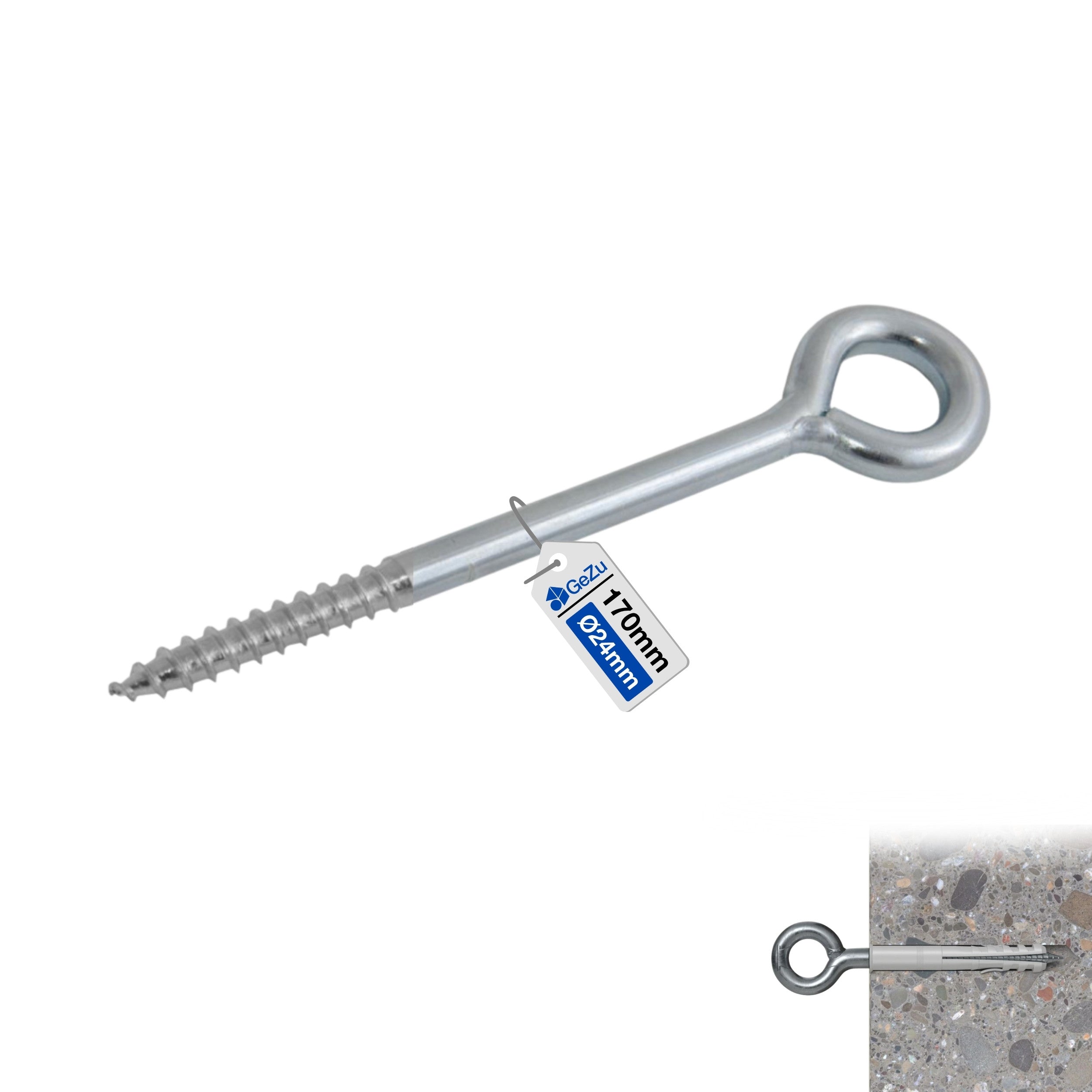
5. Scaffold wall tie anchor tube: best for anchoring to a wall
The wall tie anchor tube connects the scaffold to the building facade — a fixing point that neither a coupler nor an angle fitting can replace. It reduces the number of couplers needed by taking load directly onto the wall. It is a complementary fitting, not a substitute for standard couplers, and it becomes essential as scaffold height increases.
Wall tie anchor tube, pros:
- Stabilizes the structure directly from the wall
- Reduces load on the neighbouring couplers
- Hot-dip galvanized for extended outdoor use
Wall tie anchor tube, cons:
- Requires a wall fixing in good condition
- Does not replace couplers on the rest of the structure
Best for: scaffolds against a facade, work at height. Verdict: Buy as a complement.
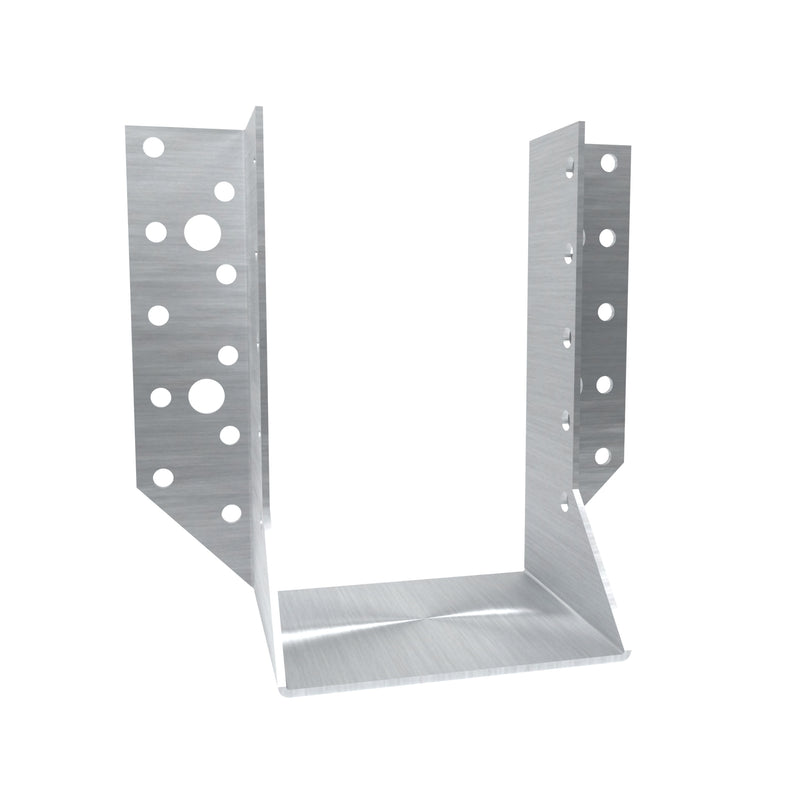
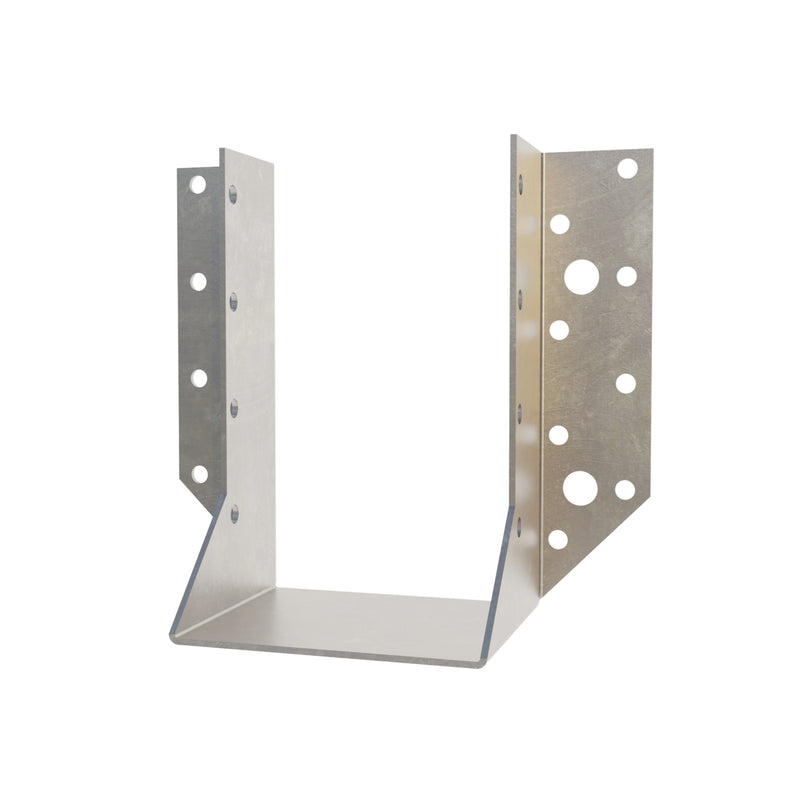
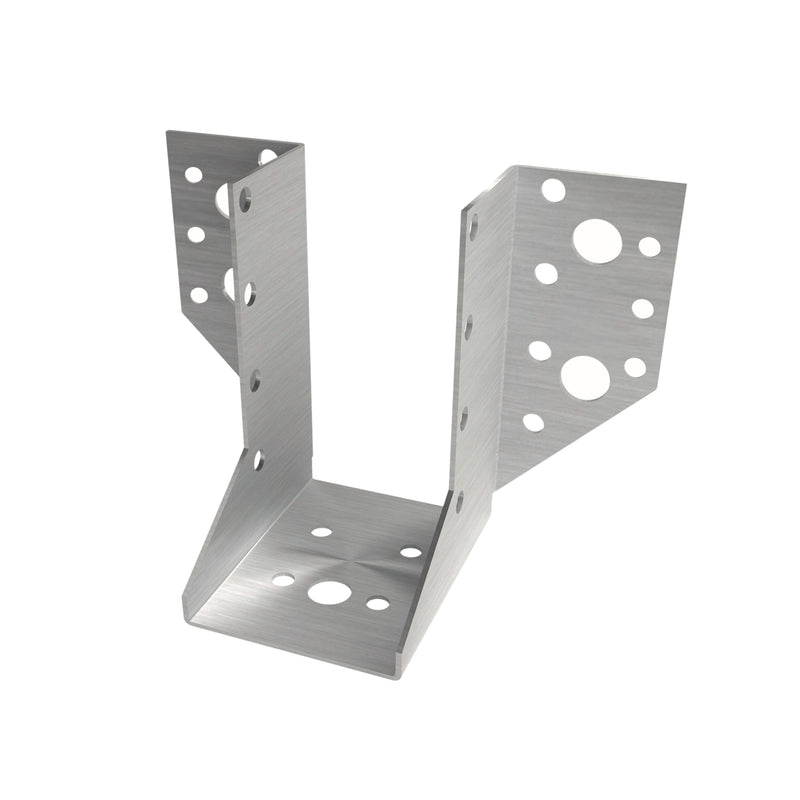
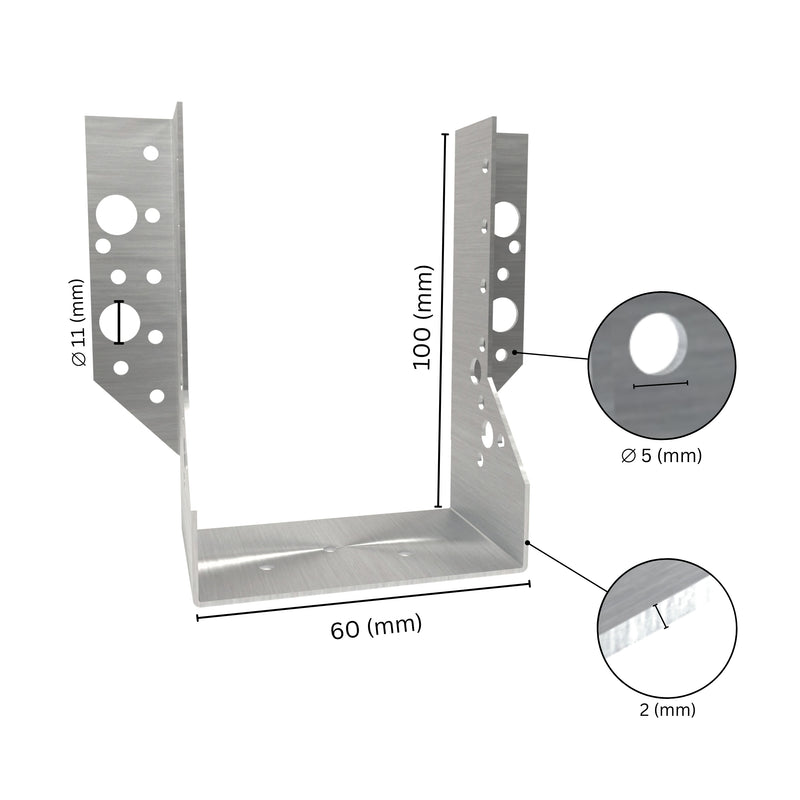
6. Block Connect 90° fitting 71x71 mm HDG: best for square-tube corners
Unlike the five previous fittings, the Block Connect angle fitting is designed for 71x71 mm square profiles, not round scaffold tube. It joins two profiles at 90° without welding, which makes it useful for fences, pergolas or garden structures built from square tube. The hot-dip galvanizing protects the joint as well as a standard coupler.
Block Connect angle fitting, pros:
- Bolted, weld-free assembly for square tube
- Hot-dip galvanizing identical to the scaffold fittings
- Fixed 90° angle with no play once tight
Block Connect angle fitting, cons:
- Incompatible with round tube
- Reserved for the 71x71 mm format
Best for: fences, pergolas, garden structures in square tube. Verdict: Buy for square tube.
7. Block Connect T-fitting 71x71 mm HDG: best for T-joints in square tube
The T-fitting extends a square-tube structure without redoing the whole build: it adds a perpendicular branch onto an existing length. It is the logical companion to the Block Connect angle fitting for building a complete frame in a single drilling campaign. Like the previous fitting, its use is reserved for galvanized square profiles.
Block Connect T-fitting, pros:
- Adds a T-branch without recutting the structure
- Completes the Block Connect range for a full frame
- Hot-dip galvanized for outdoor use
Block Connect T-fitting, cons:
- Reserved for 71x71 mm profiles
- Only one T anchor point per fitting
Best for: extending square-tube structures. Verdict: Buy to complete a square frame.
How we ranked these fittings
The 2026 ranking rests on the six criteria listed above: galvanizing thickness, connection type, tube compatibility, rigidity under load, ease of installation and intended use. Each fitting occupies a distinct place because no one of the seven covers the same use — a swivel coupler does not replace a Block Connect fitting, and vice versa. The decisive criterion is tube compatibility: round for classic scaffolding, 71x71 mm square for Block Connect structures.
Which galvanized pipe fitting should you choose in 2026?
For a classic scaffold with variable angles, the swivel coupler remains the default choice. For fixed 90° joints that will never move again, prefer the right-angle coupler — more rigid, less flexible, and impossible to adjust once assembled.
If the project is a fence, a pergola or a garden structure in square tube, the Block Connect 71x71 mm fittings replace standard couplers to good effect, since the latter are incompatible with that format. When in doubt about the tube format, check the diameter or section before ordering: it is the most common mistake seen with this kind of galvanized pipe fitting in 2026.
FAQ
What is the best galvanized pipe fitting in 2026?
The swivel coupler is the best choice for most builds in 2026 because it adapts to any angle. For fixed 90° joints, the right-angle coupler offers more rigidity.
What is the difference between hot-dip and electro-galvanizing?
Hot-dip galvanizing deposits a thicker zinc layer than electro-galvanizing, which protects better against outdoor corrosion. All seven fittings in this comparison are hot-dip galvanized.
Is a swivel coupler as strong as a right-angle coupler?
No, a right-angle coupler is more rigid once tightened because nothing can pivot. The swivel coupler favours angle flexibility at the cost of some rigidity.
Does the half coupler work for professional scaffolding?
Yes for simple single-tube fixings, but it does not join two tubes like a full coupler. On a load-sharing build, a right-angle coupler remains preferable.
What tube section works with Block Connect 71x71 mm fittings?
Block Connect fittings are designed for 71x71 mm square profiles and do not fit round scaffold tube. Check the profile section before ordering.
Does every scaffold build need a brace pin?
No, the brace pin is only useful on diagonals exposed to wind or side loads. A standard straight build is fine with a standard coupler.
Do Block Connect fittings replace a round-tube coupler?
No, they address different tube formats: square for Block Connect, round for standard couplers. The choice depends only on the tube section used on site.
Does the wall tie anchor tube replace couplers?
No, it complements couplers by taking part of the load directly onto the wall. The structure still needs couplers on the rest of the scaffold.
One last point
Standard EN ISO 1461 sets a minimum hot-dip galvanizing thickness of about 55 microns for steel over 6 mm thick — a useful benchmark for checking that a fitting sold as galvanized really goes the distance against rust. Before ordering several identical fittings for one site, measure the exact diameter of the existing tube: a few millimetres of difference is enough to make a coupler unusable.