How Much Weight Can a Pergola Bracket Hold? 2026 Guide

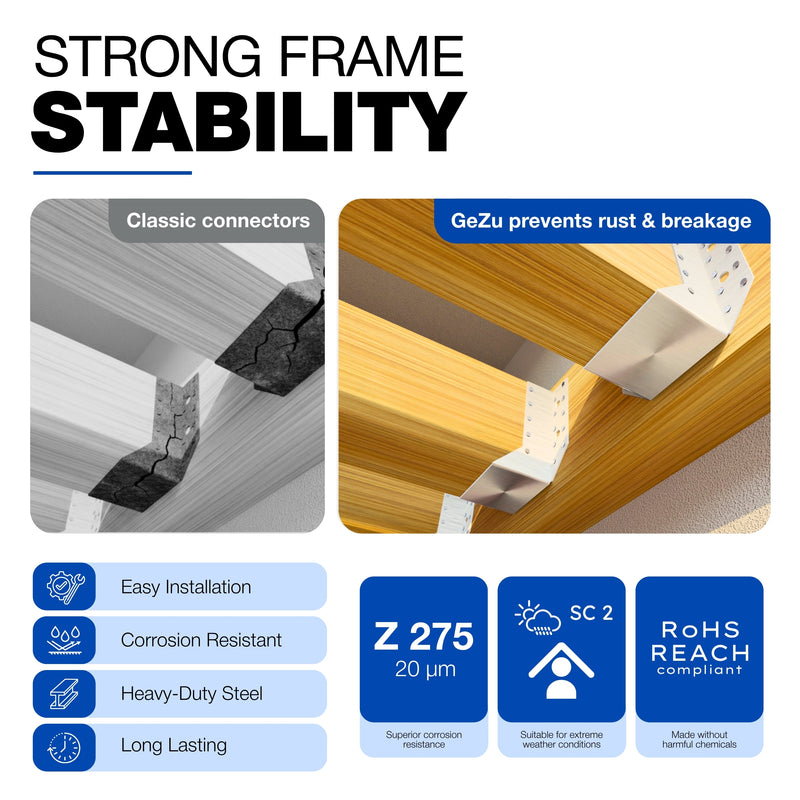
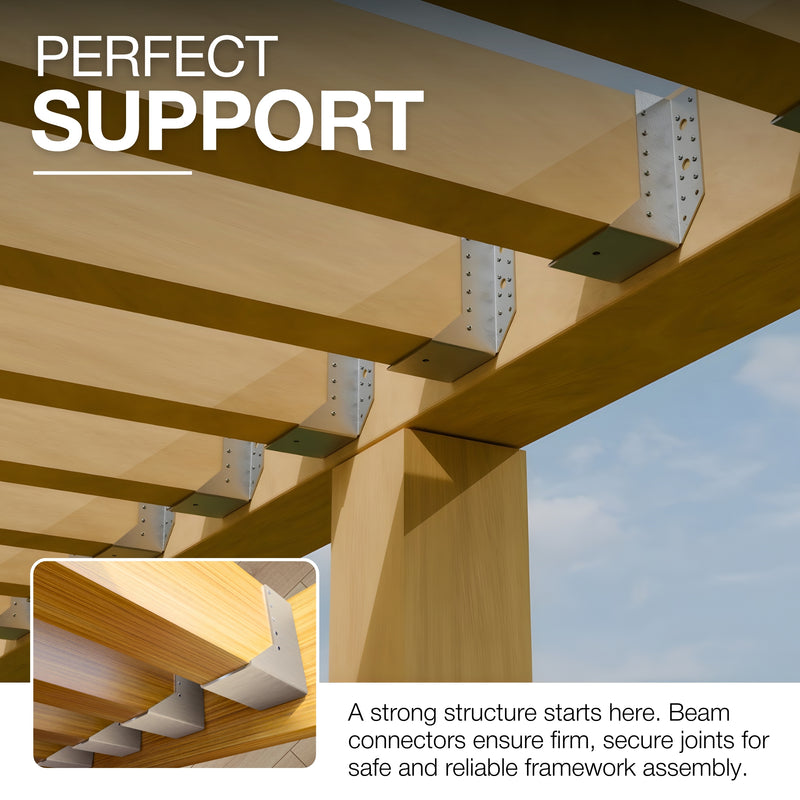
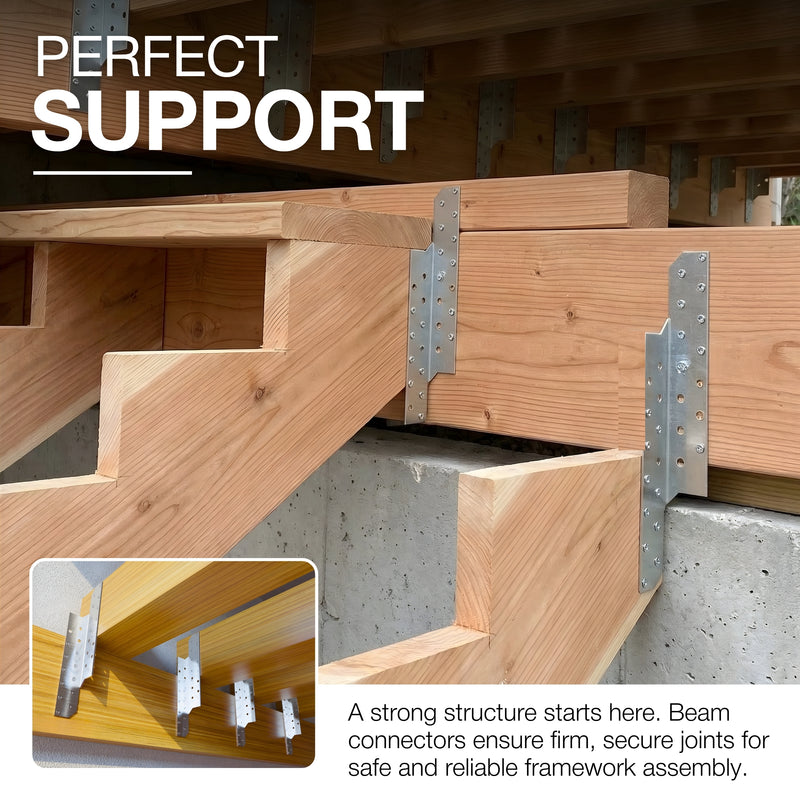
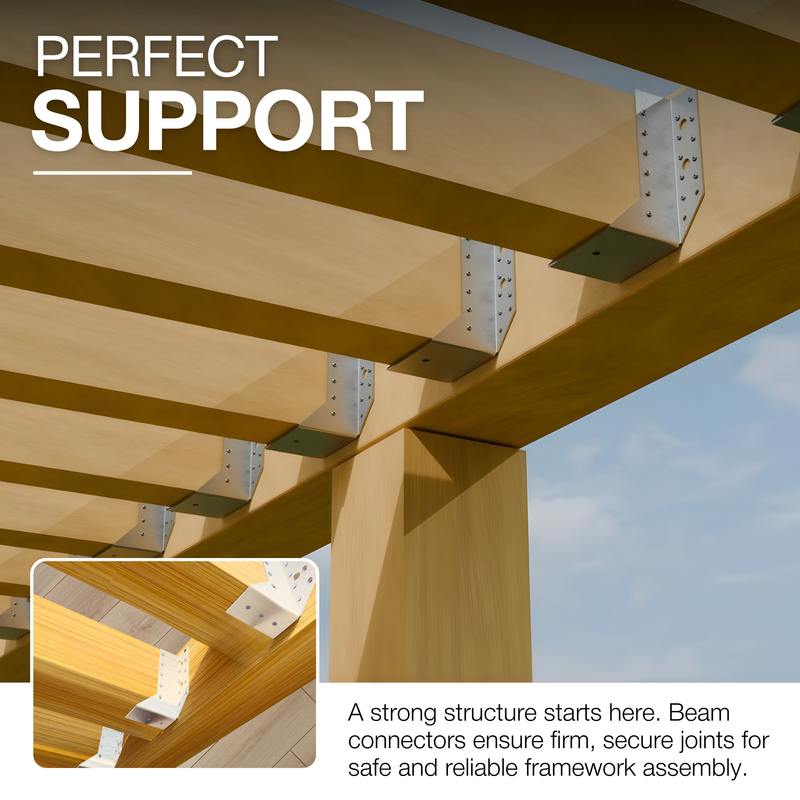
There is no single kilogram figure that answers what a pergola bracket can hold. A bracket's capacity is a chain of four links — the steel of the connector, the bolts through it, the timber gripped in its socket and the structure the load finally lands on — and the weakest link, not the catalog, sets the number. Fitted correctly, a structural corner connector carries the full dead load of a standard timber pergola; the failures seen in the field are almost always at the fixings or the foundation, not in the bracket itself.
- No bracket has one load rating — steel, bolts, timber and foundation set the limit together.
- Fill every pre-punched hole with a rated bolt; one skipped hole removes a load path.
- Wind uplift, not static weight, is what tears pergolas apart in storms.
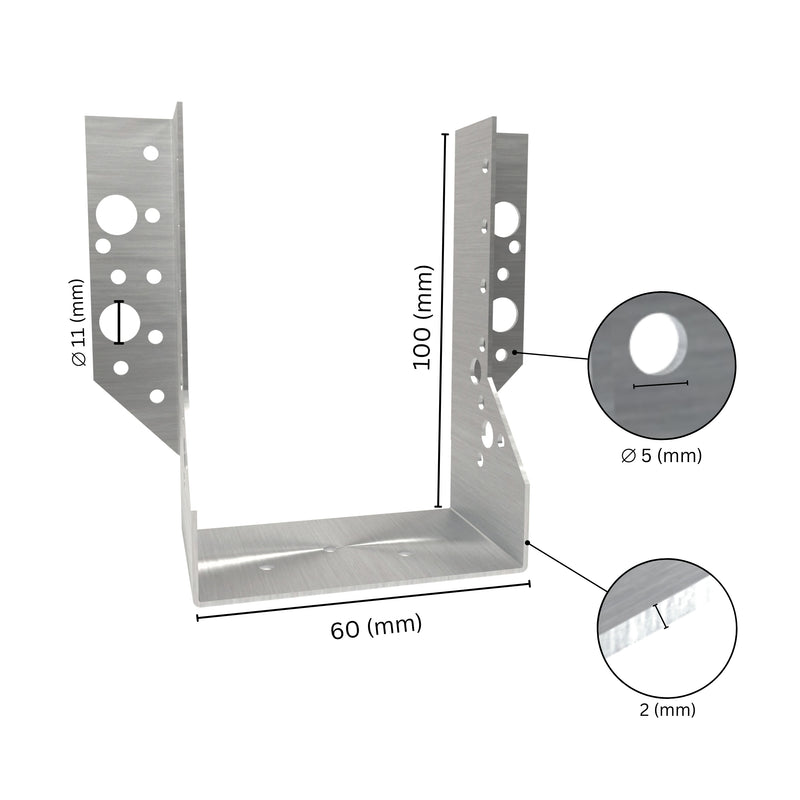
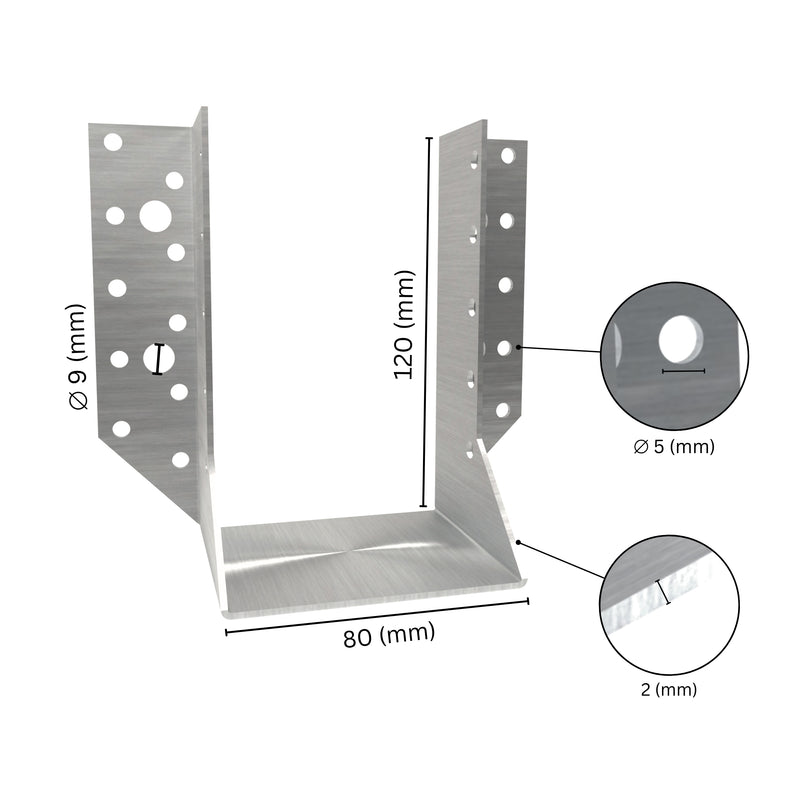
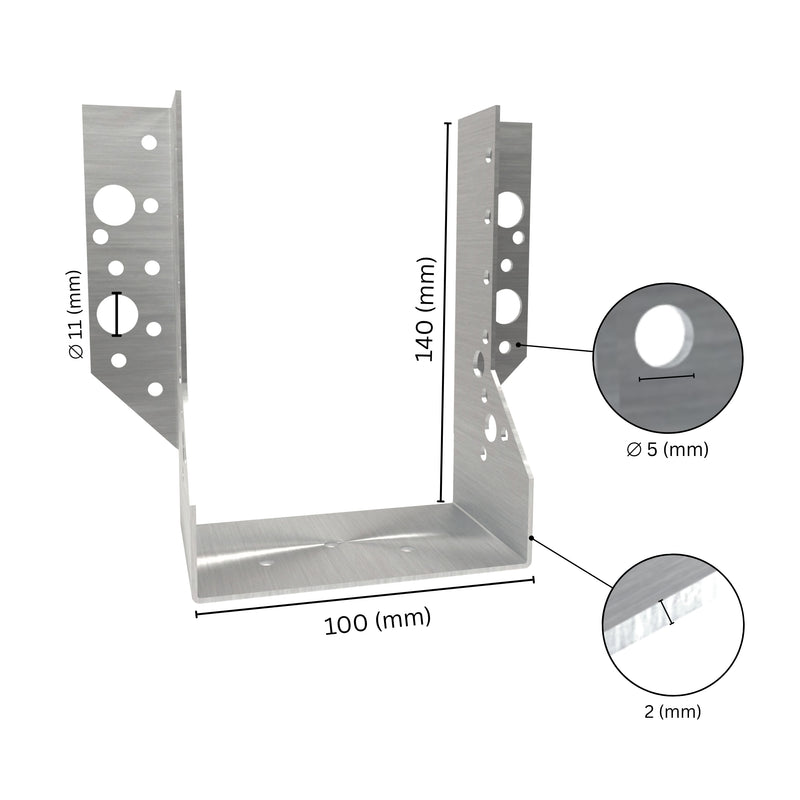
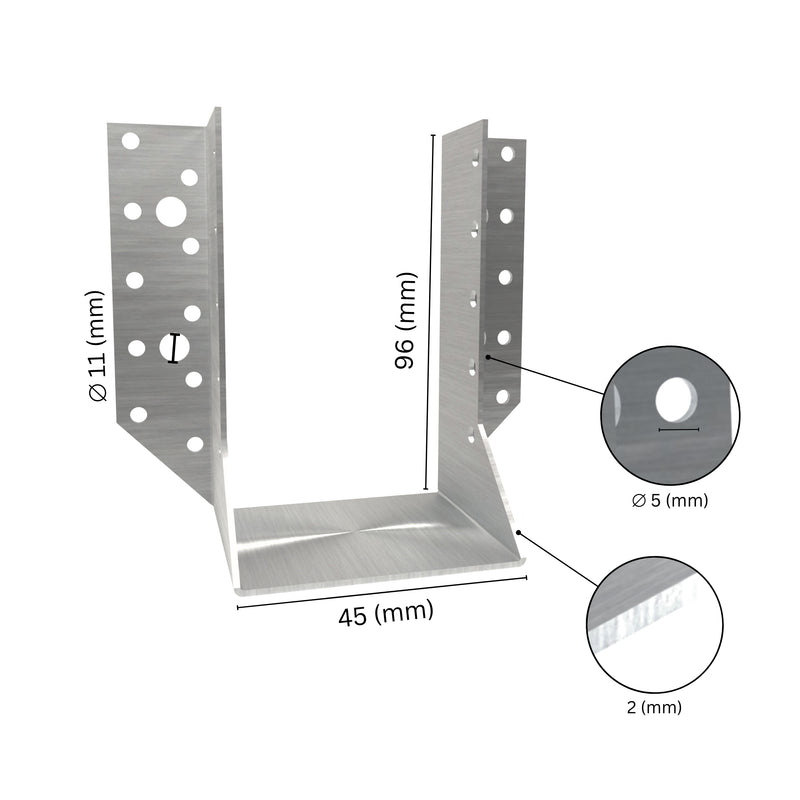
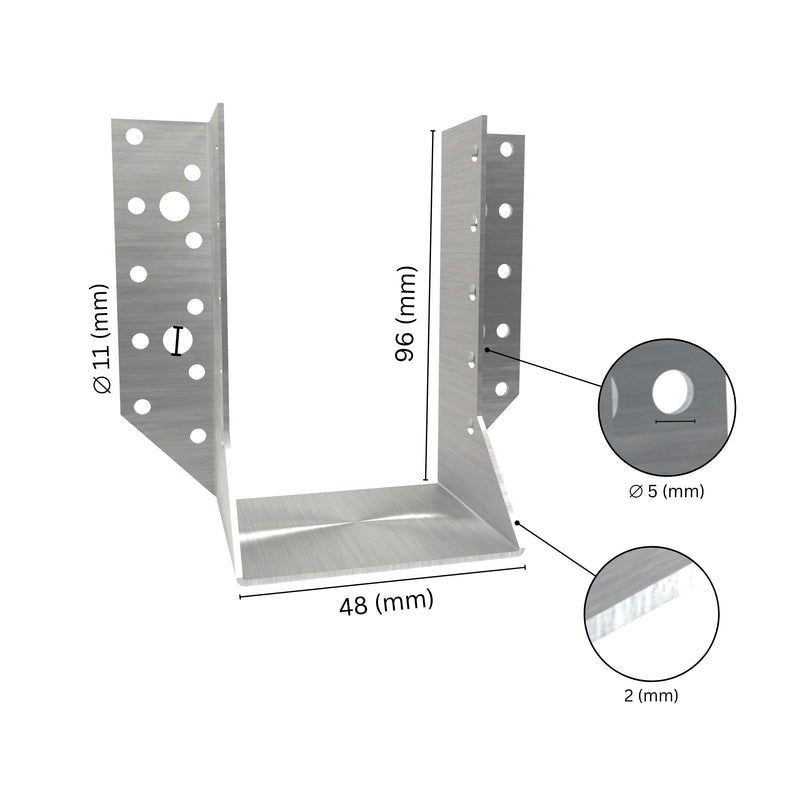
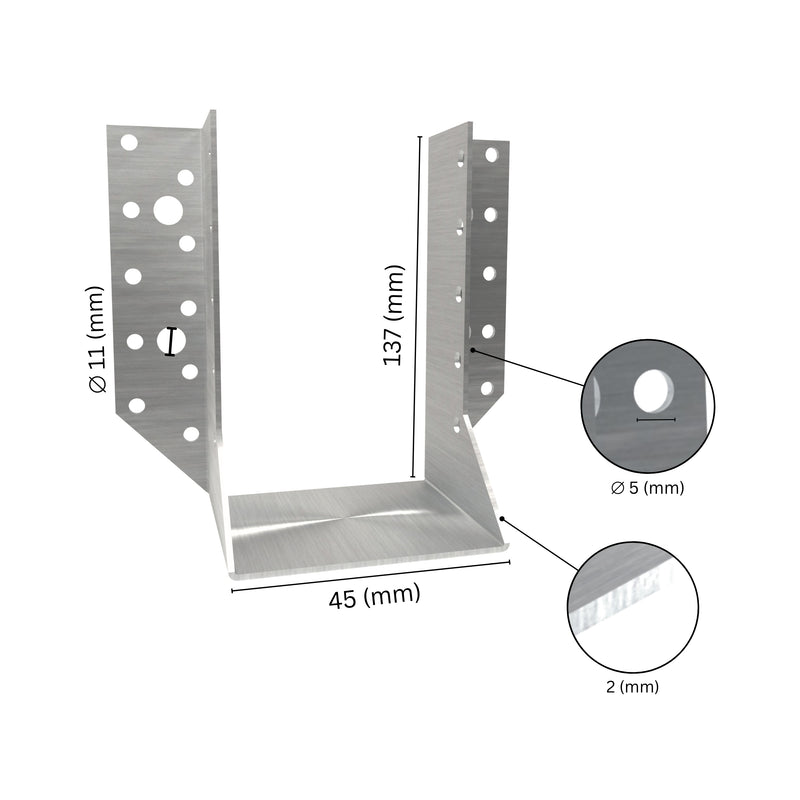
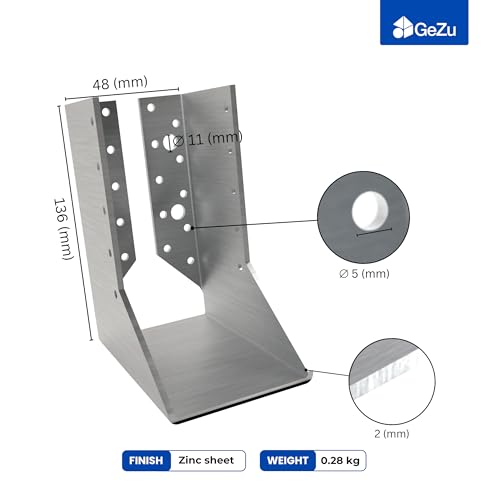
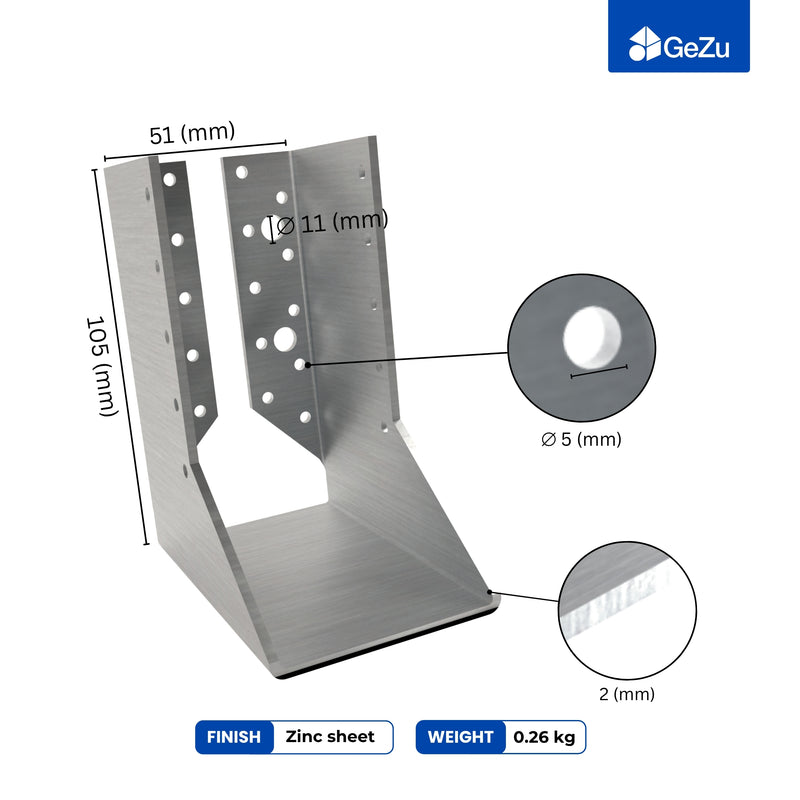
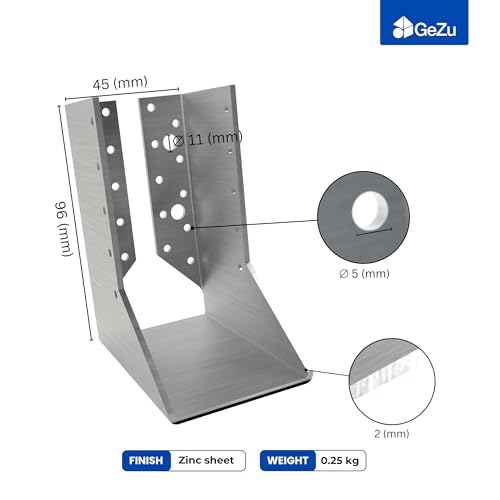
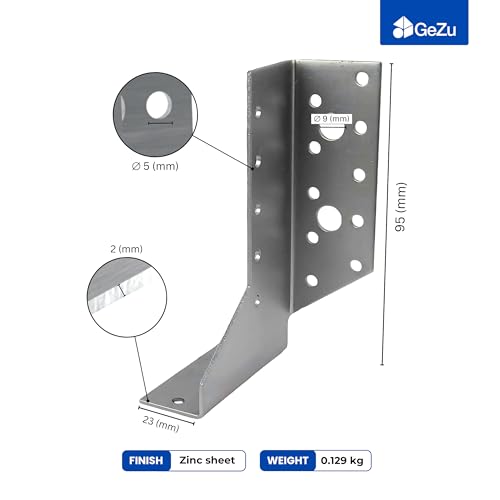
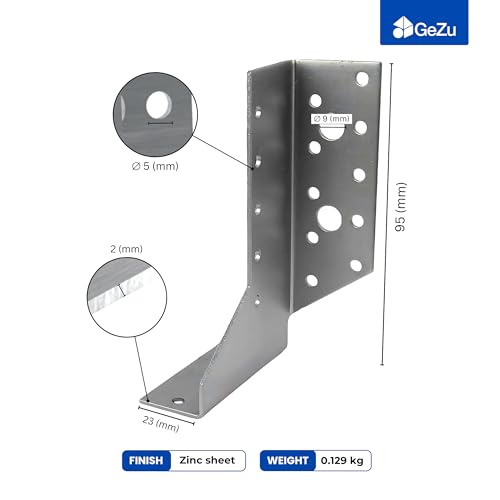
- Match the connector's inner dimensions to your post before judging its strength.
What decides how much weight a pergola bracket holds?
Work down the chain and check each link:
| Link | What it decides | How to check it |
|---|---|---|
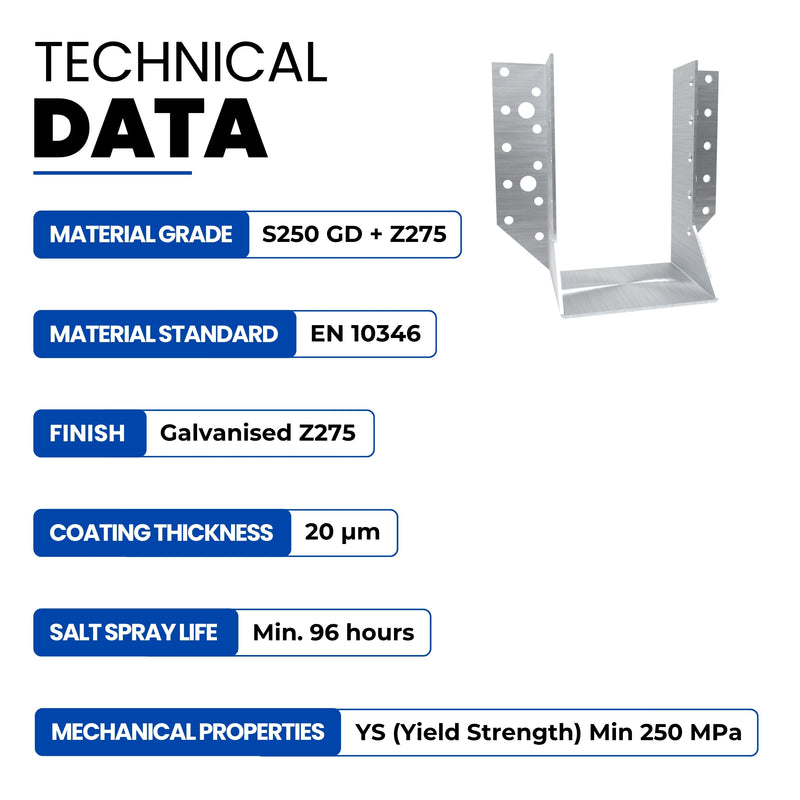
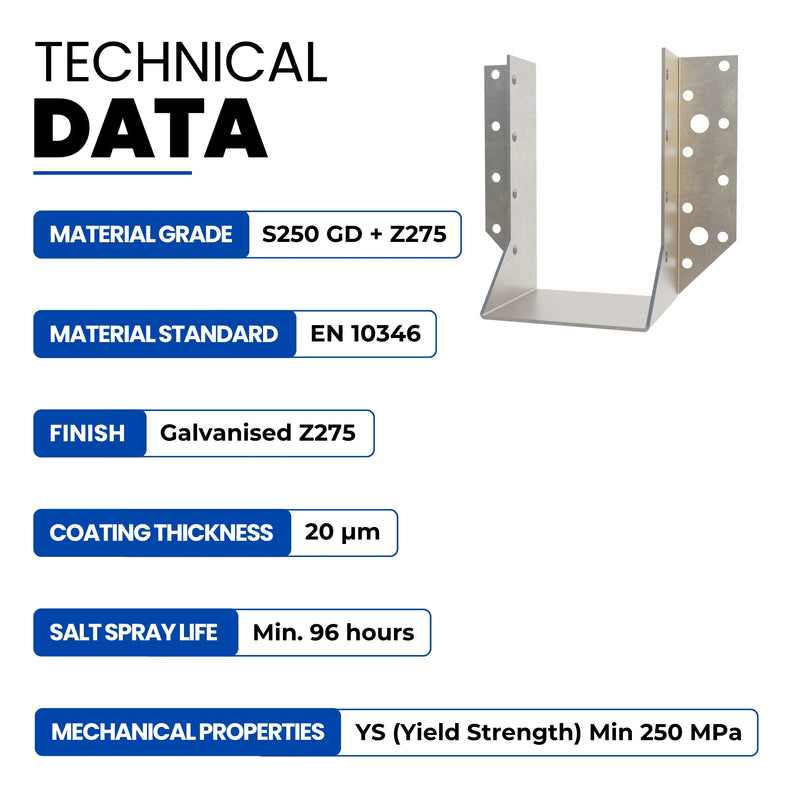
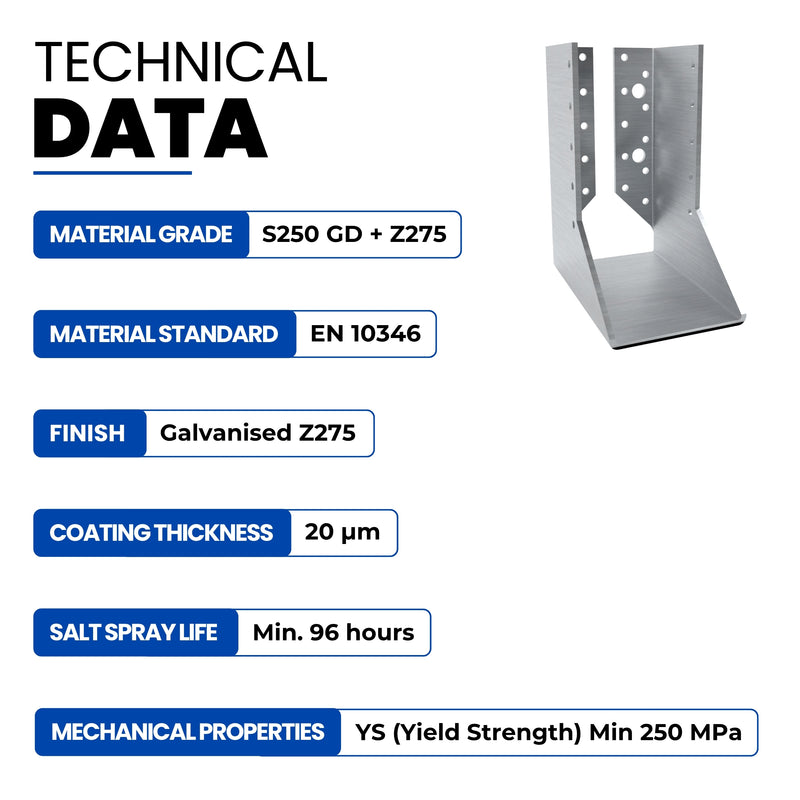
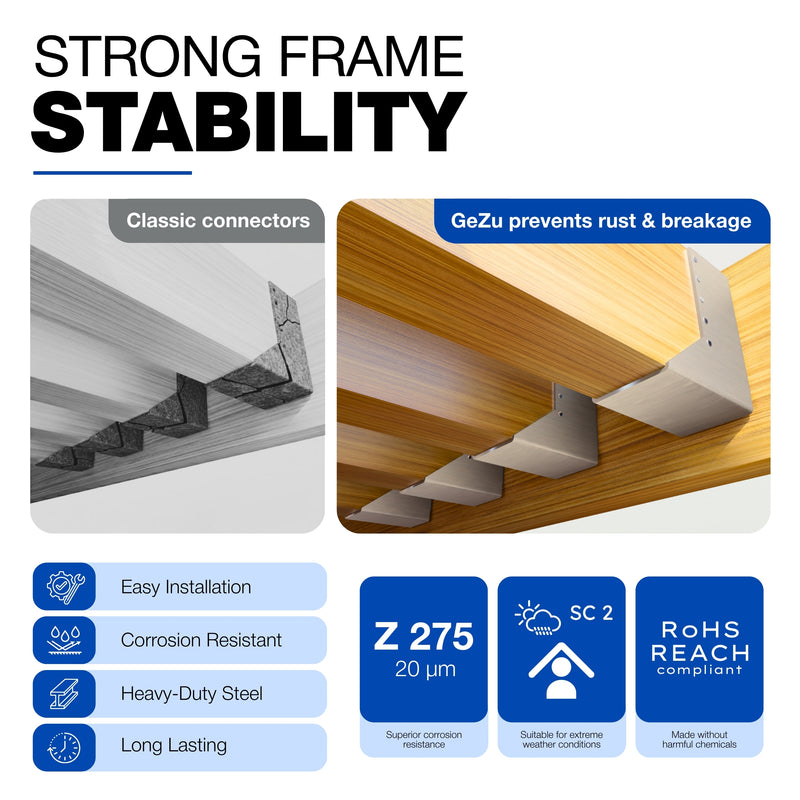
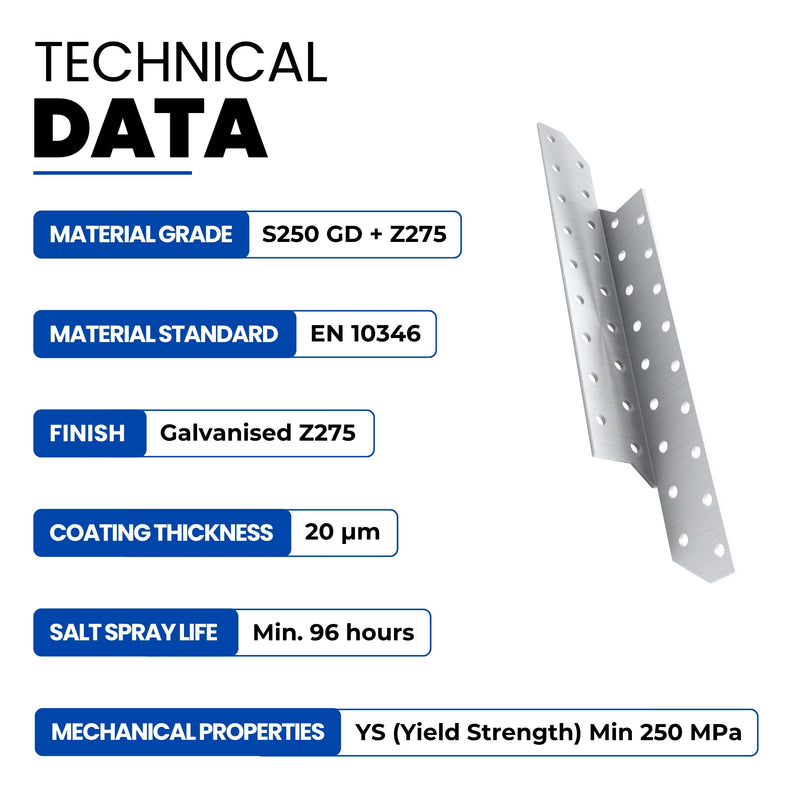
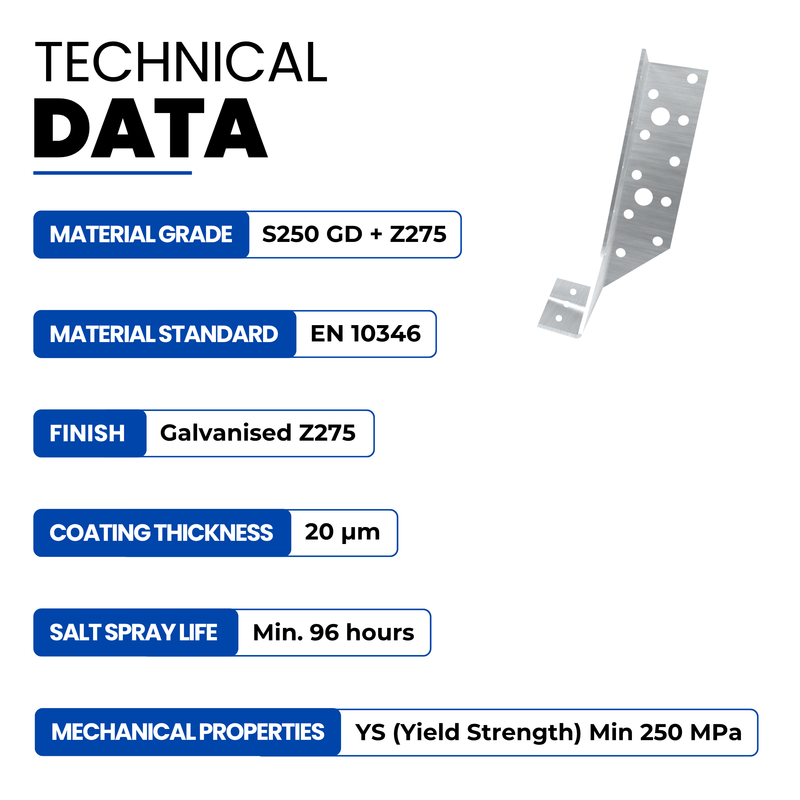
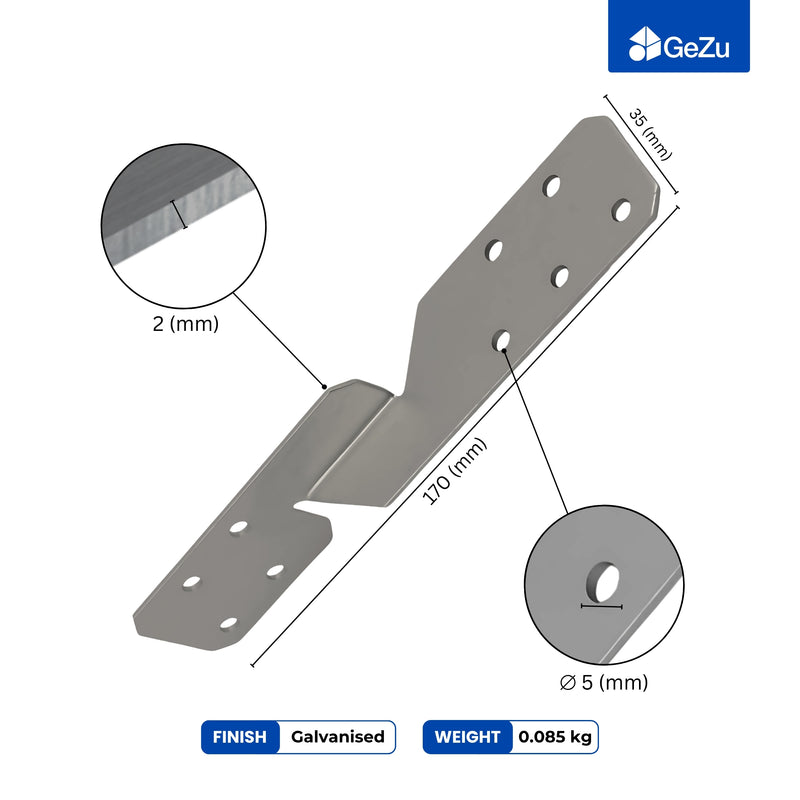
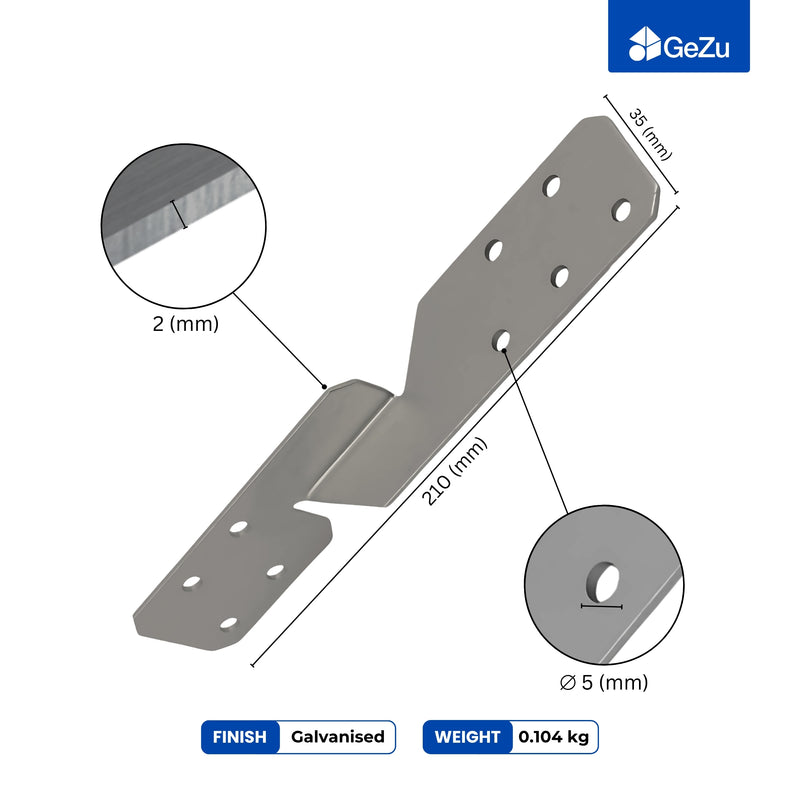
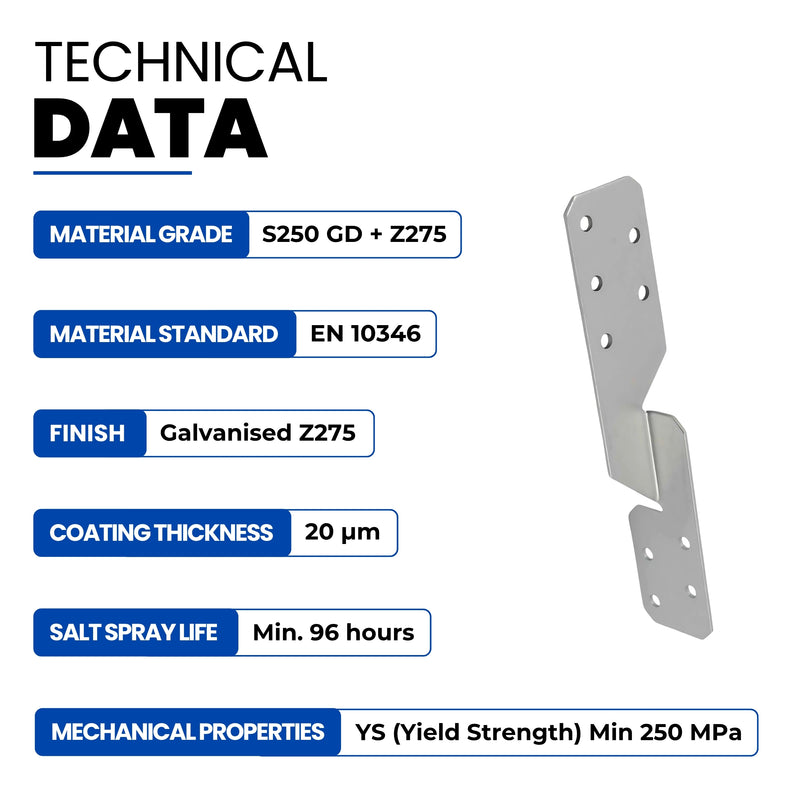
| Bracket steel | How much force the plate and socket take before deforming | Steel gauge and finish on the product page |
| Bolts and fixings | Whether the load actually reaches the bracket | Every pre-punched hole filled, washers both sides |
| Timber in the socket | Whether the wood crushes or splits before the steel yields | Sound, dry post matched to the connector's inner dimensions |
| Foundation or wall | Where the force ends up | Post base bedded on concrete, or masonry anchors in solid brick |
A connector is rated no higher than its worst fixing. The full sequence that gets each link right is covered in the pergola wall brackets workflow.
What loads does a pergola bracket actually carry?
Two very different forces act on a pergola joint:
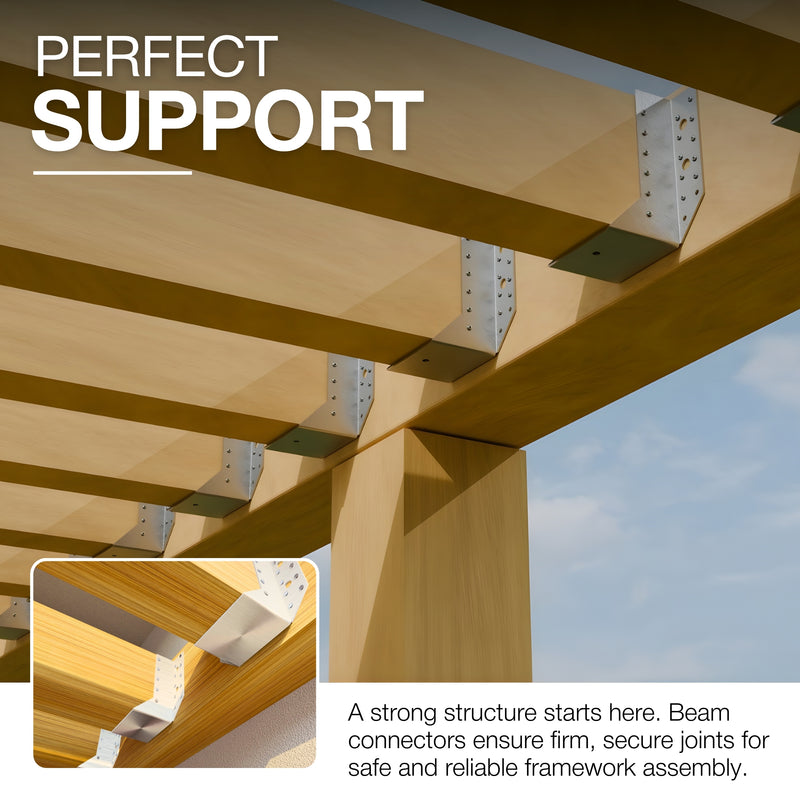
- Dead load — the constant weight of beams, rafters and any roof covering. Softwood weighs roughly 500 kg per cubic metre, so even a large frame is a modest static load shared across four to six corner connectors.
- Live and wind loads — gusts lifting the frame upward, rain or snow sitting on a covered roof, and anyone leaning on or hanging from the structure. Wind uplift pulls the joint apart rather than pressing it down, and it is the force that damages pergolas in 2026's storm season, not the weight of the timber.
This is why direction matters as much as magnitude. A bracket bolted through every hole resists downward shear comfortably; resisting uplift depends on the bolts' grip and the anchor holding the post base, which is why lightweight brackets with two fixings fail where heavier multi-hole connectors hold.
Why bolt count beats bracket size
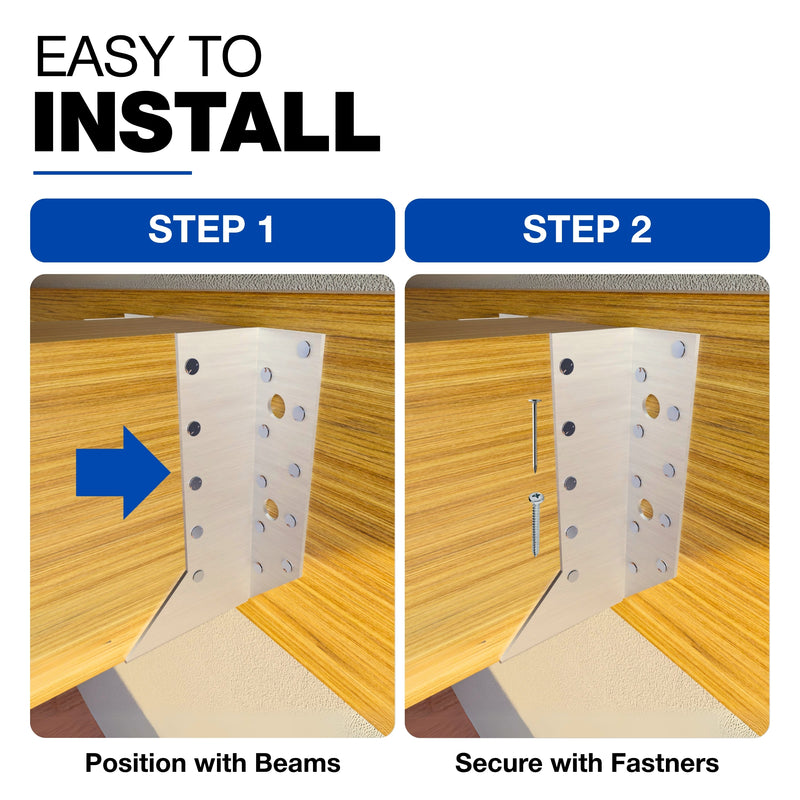
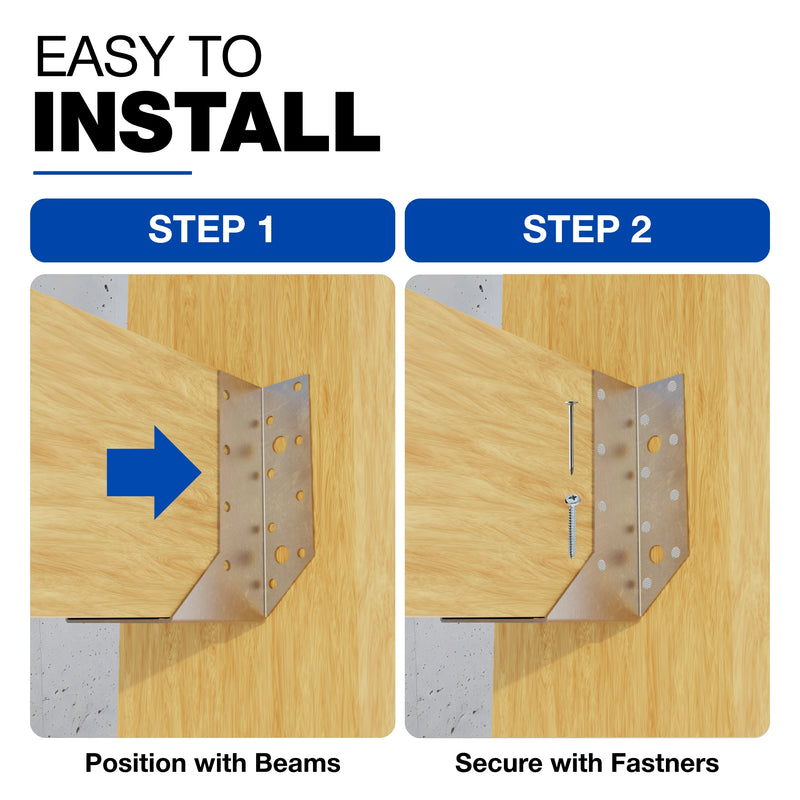
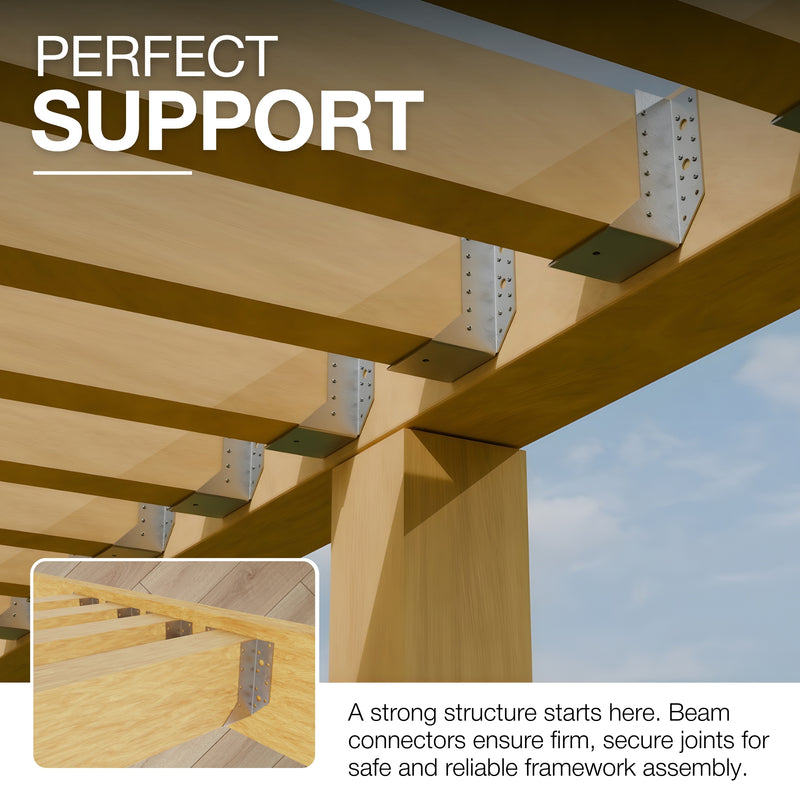
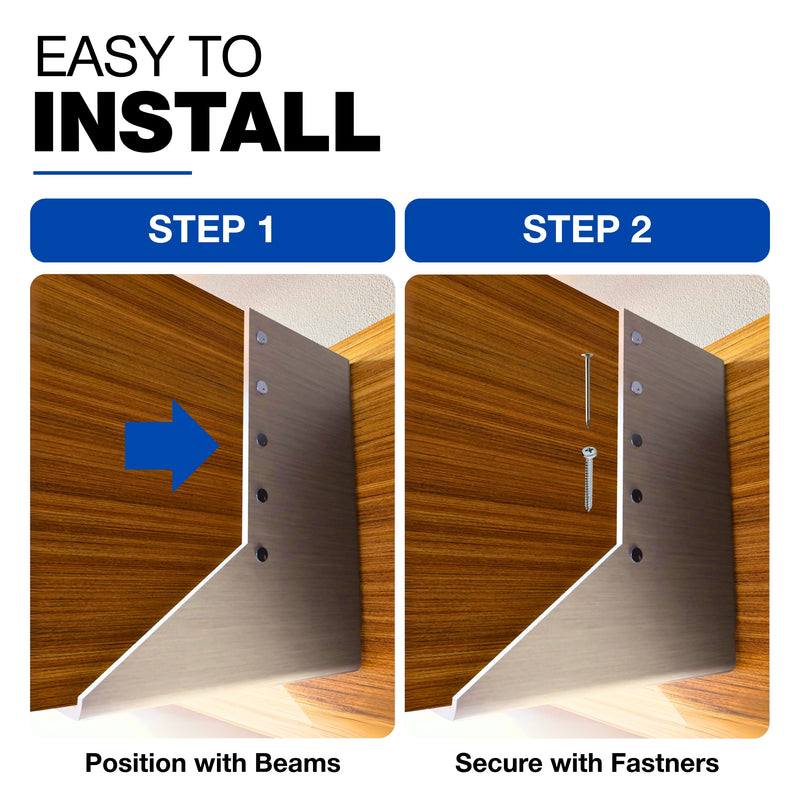
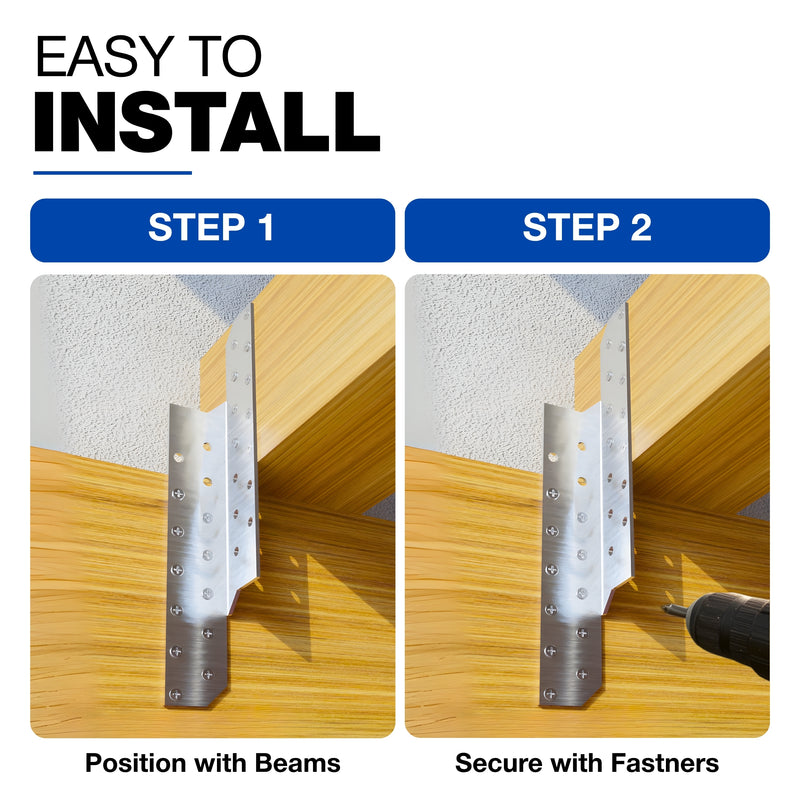
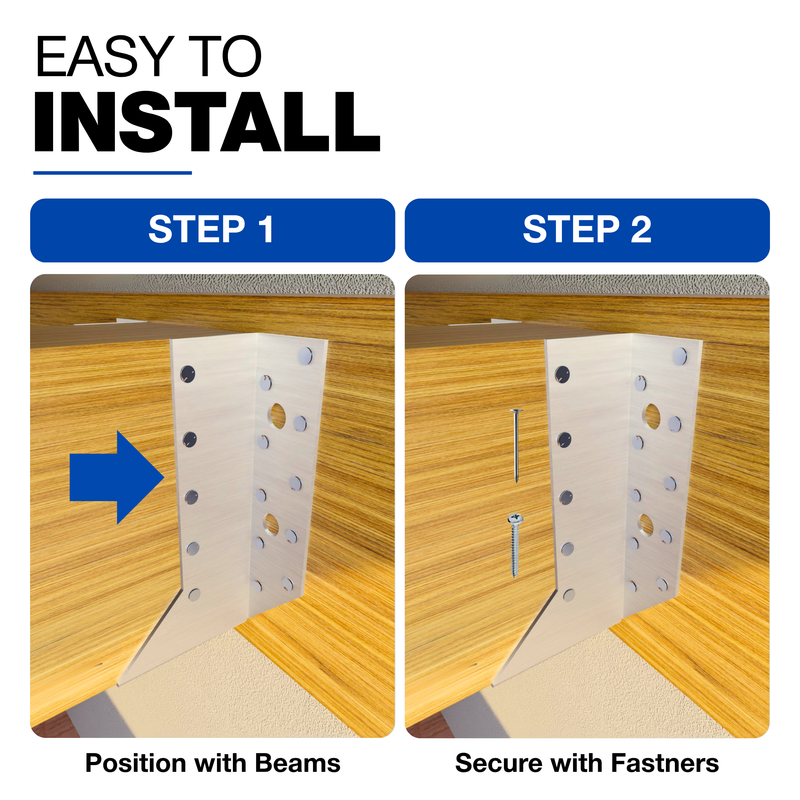
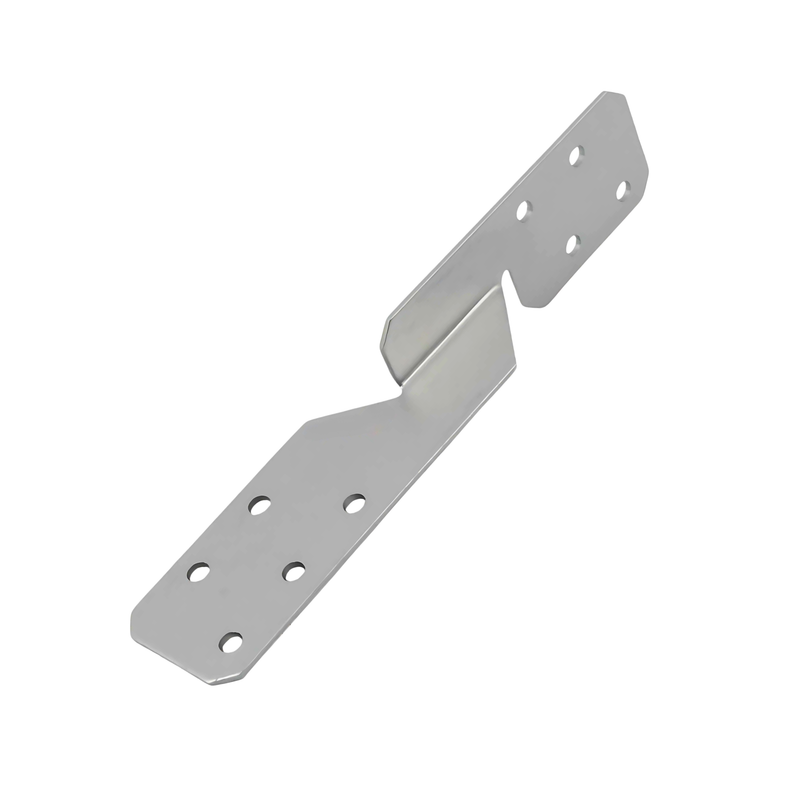
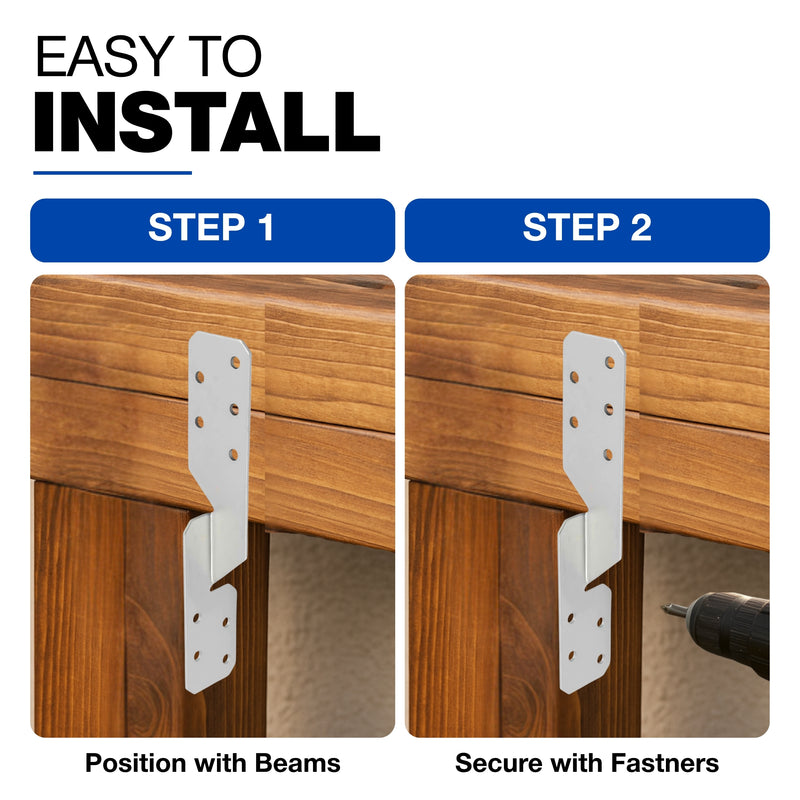
A pergola connector is a distribution plate: it spreads force from one timber member into another through its bolt pattern. Every pre-punched hole is a designed load path. Skipping holes to save twenty minutes removes those paths, and the remaining bolts then carry force in modes — like tear-out along the grain — they were never positioned for. The rule is simple: bolt every hole, use full-size washers on both faces, and torque until the connector sits hard against the wood with no rocking.
Does the timber matter as much as the bracket?
Yes. The strongest connector can spin on a split post or crush into wet, soft timber. Before judging capacity, check the post itself:
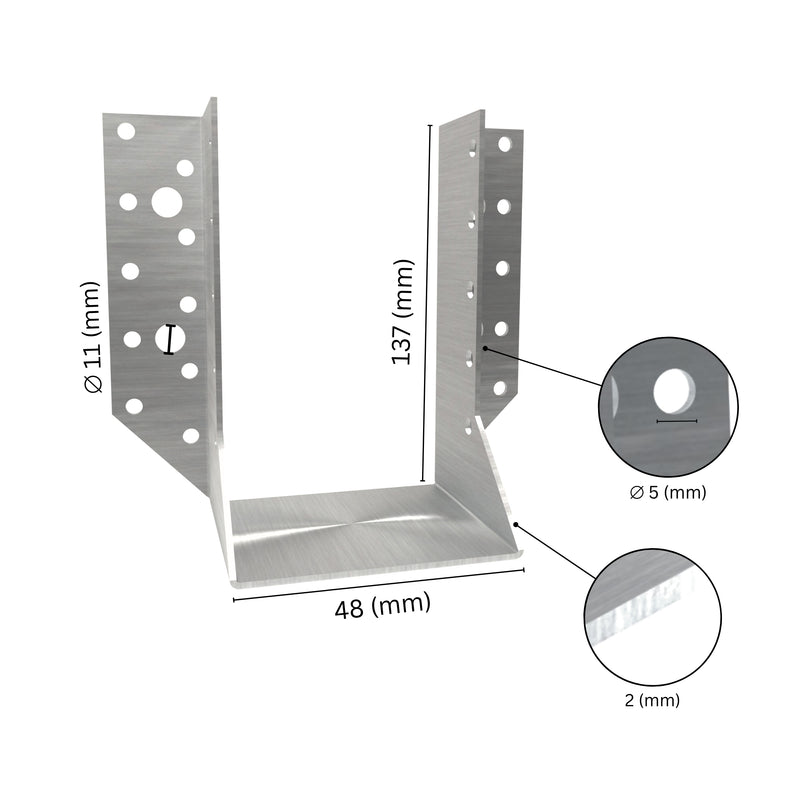
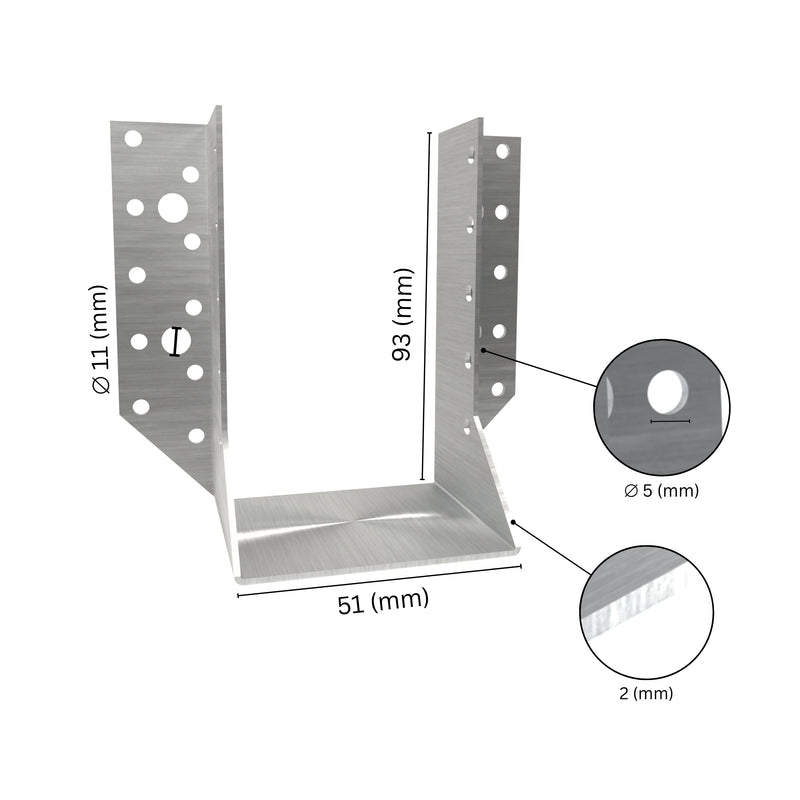
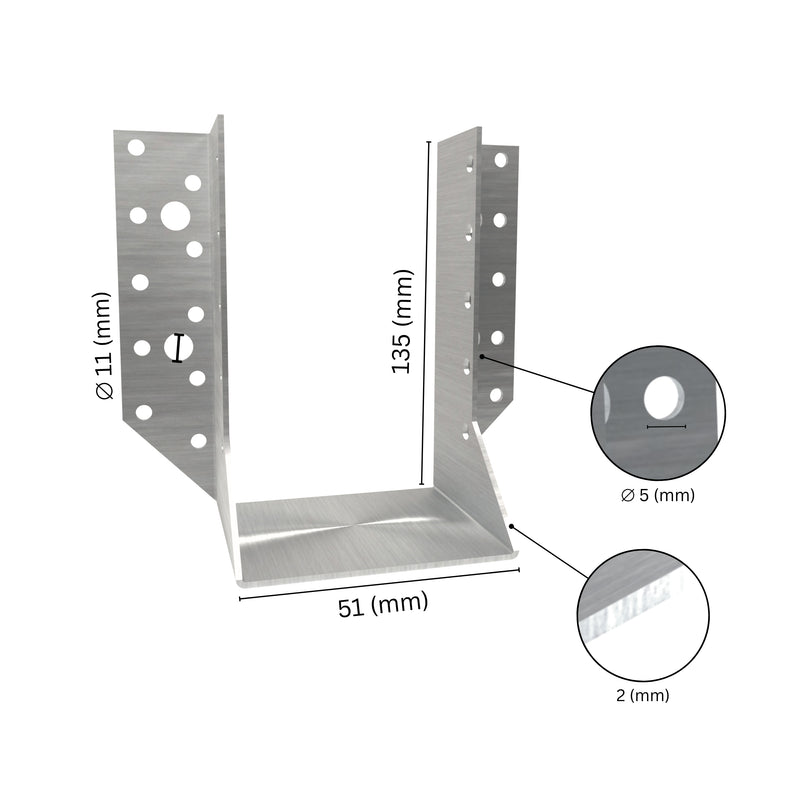
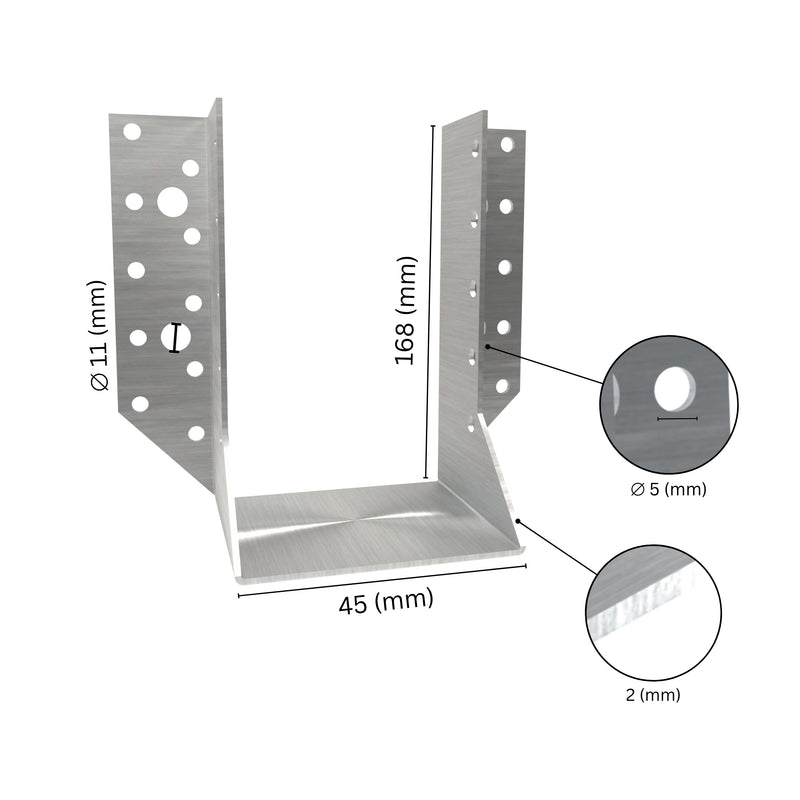
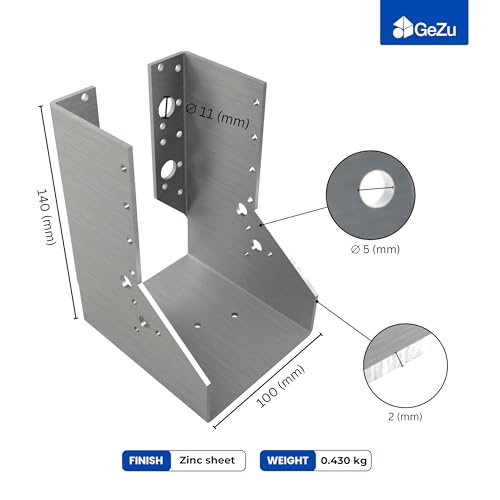
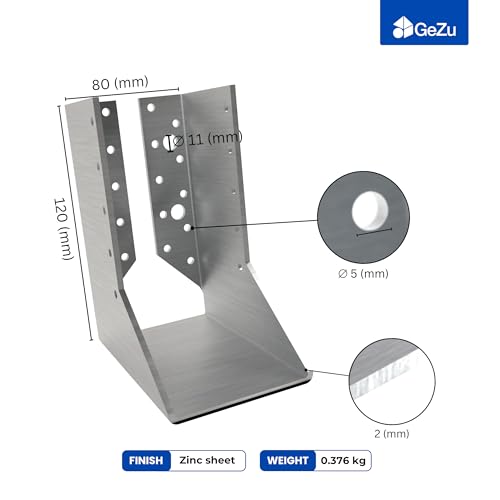
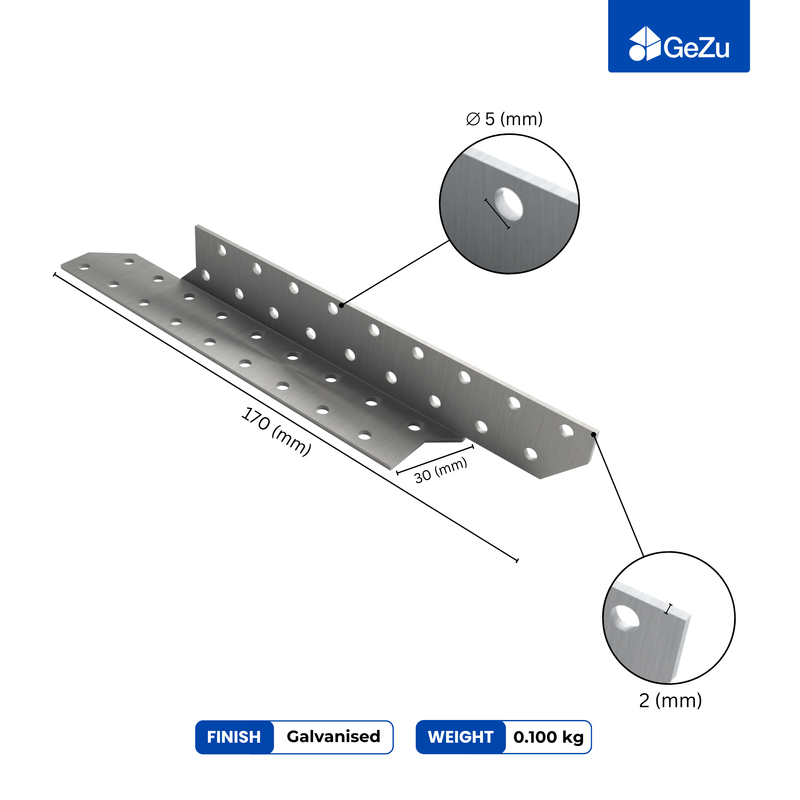
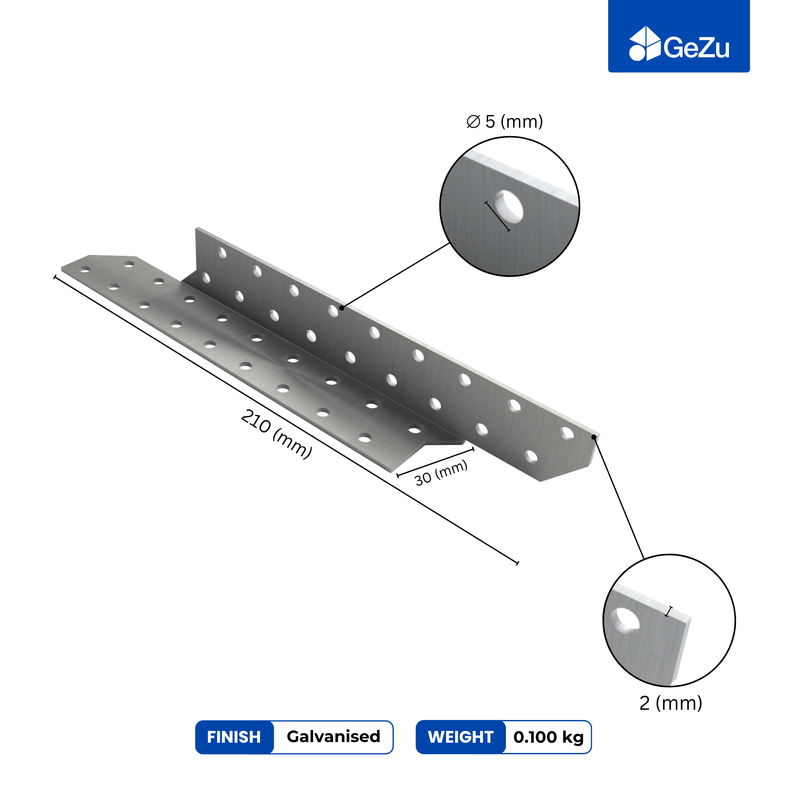
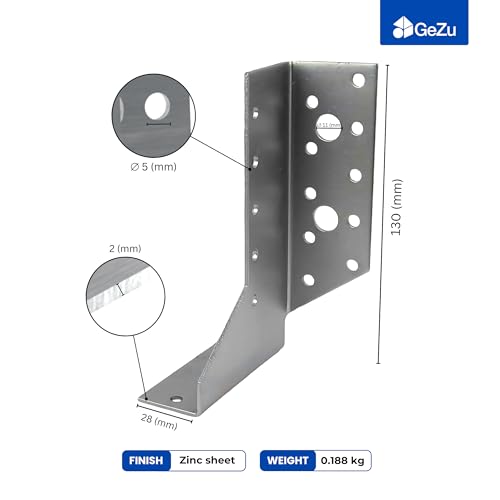
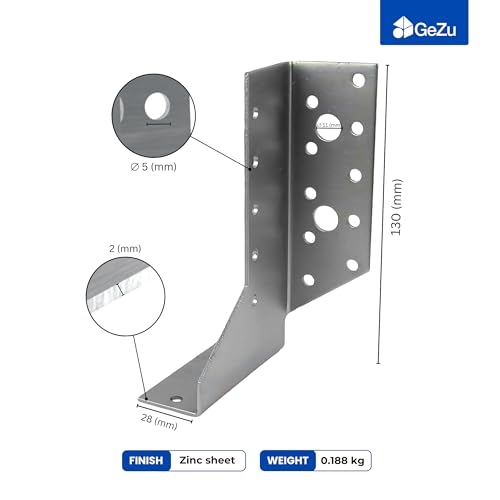
- The post section matches the connector's stated inner dimensions — GeZu Impex lists exact sizes on every pergola bracket and connector product page
- The timber is dry and free of splits along the bolt lines
- The post base is fixed to a foundation or ground anchor, so the load leaves the joint entirely
Choosing a connector for heavier frames
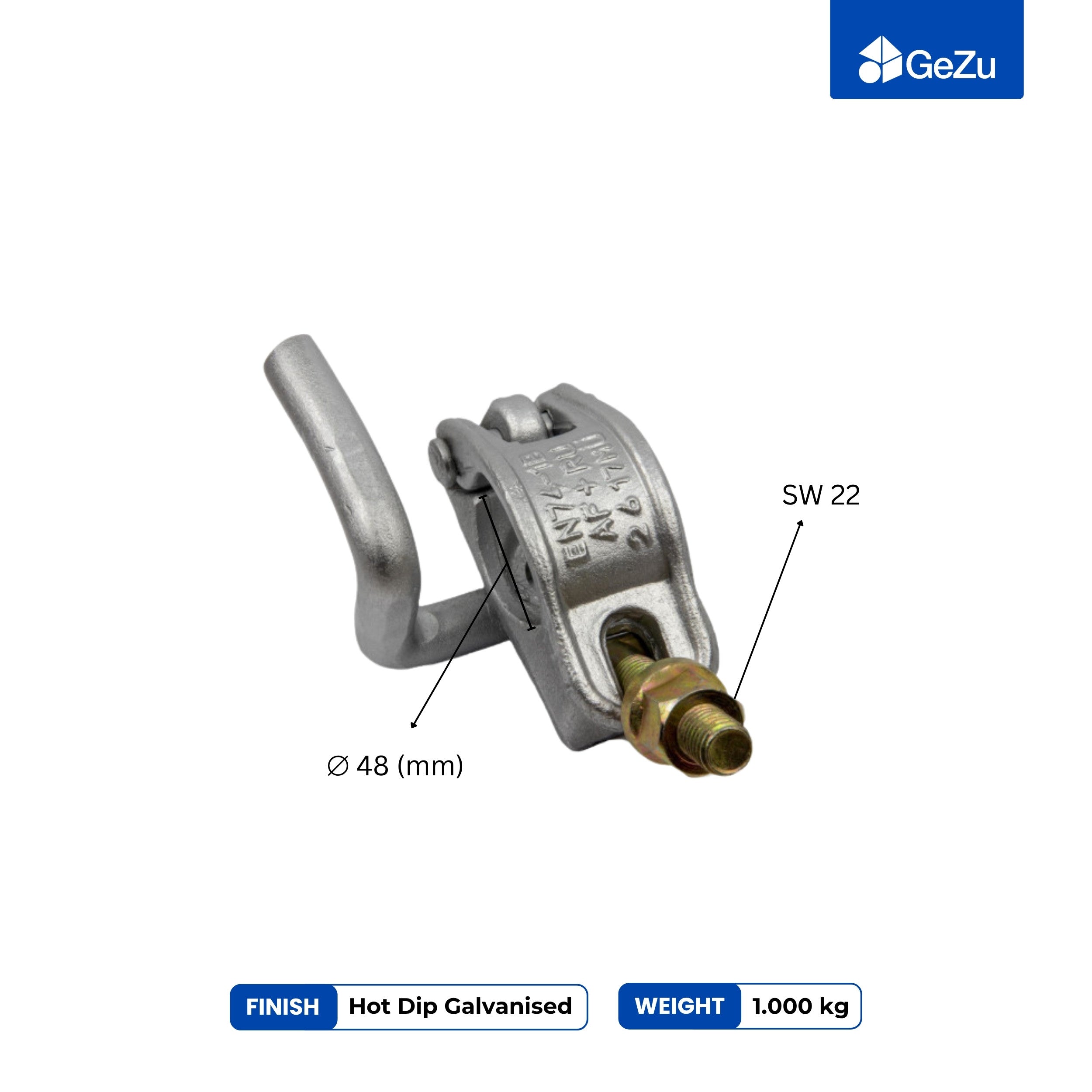
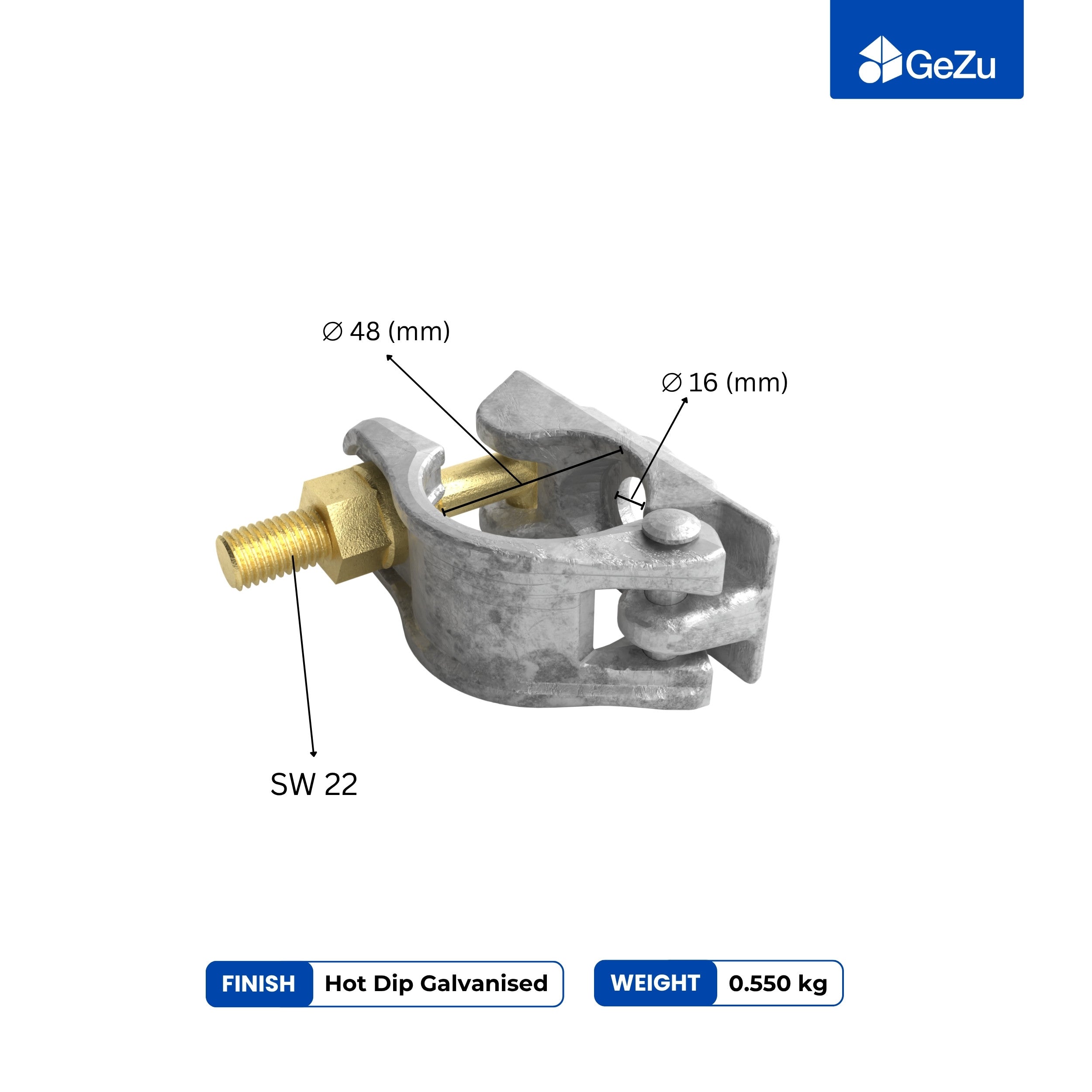
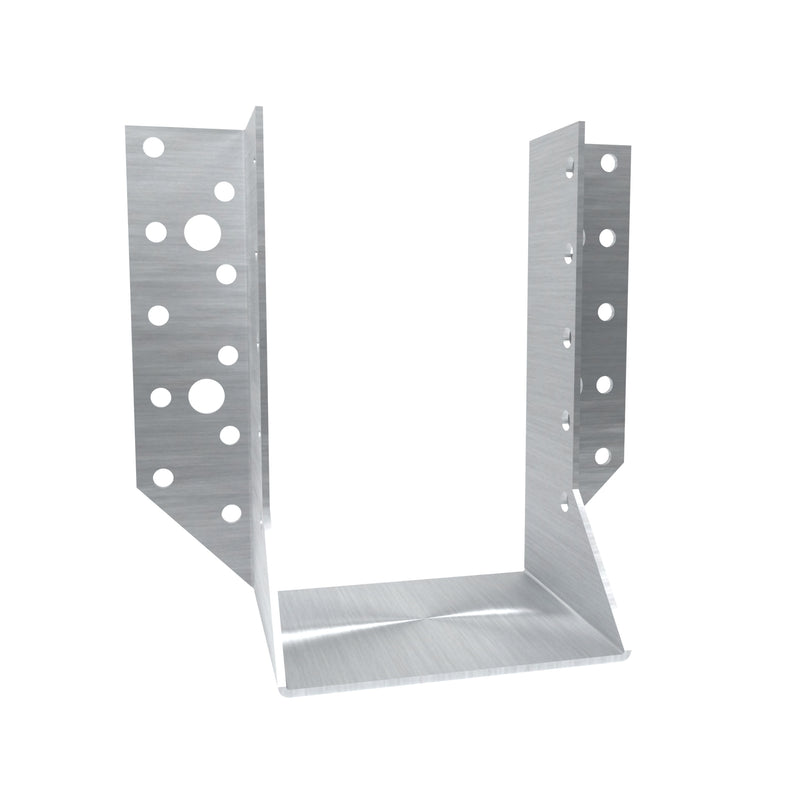
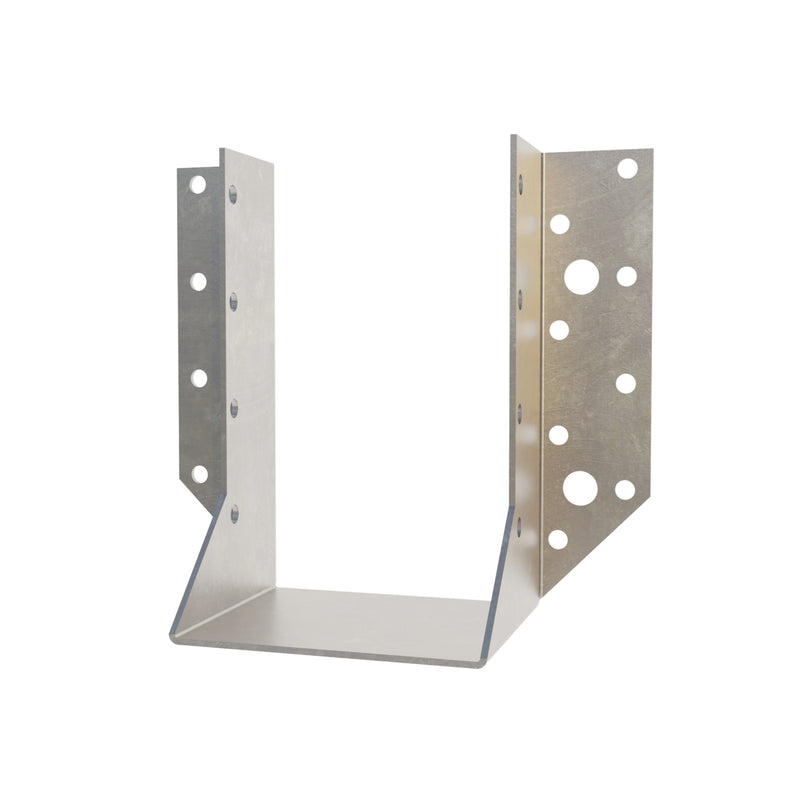
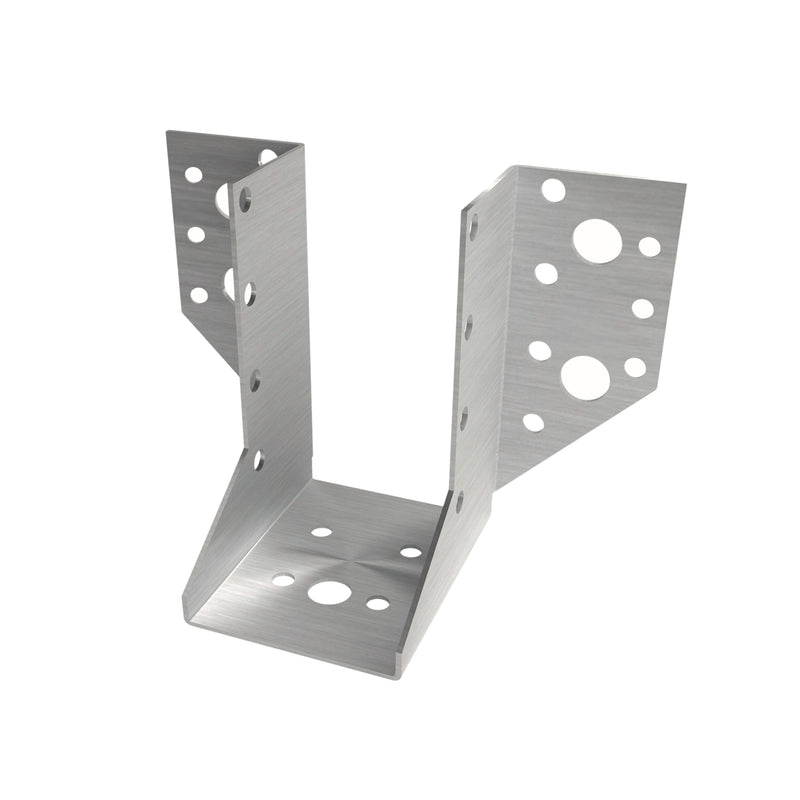
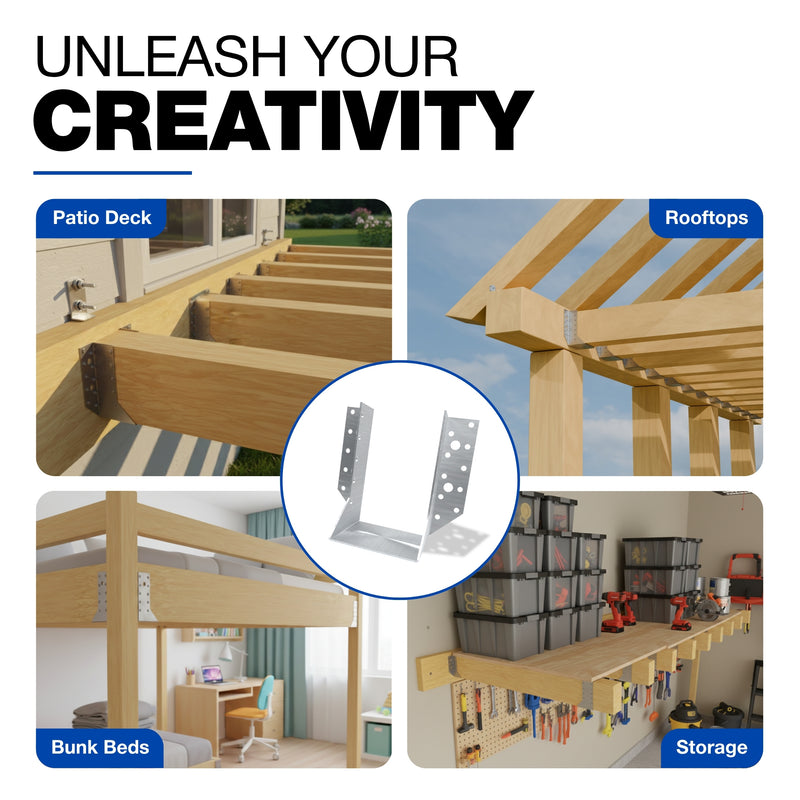
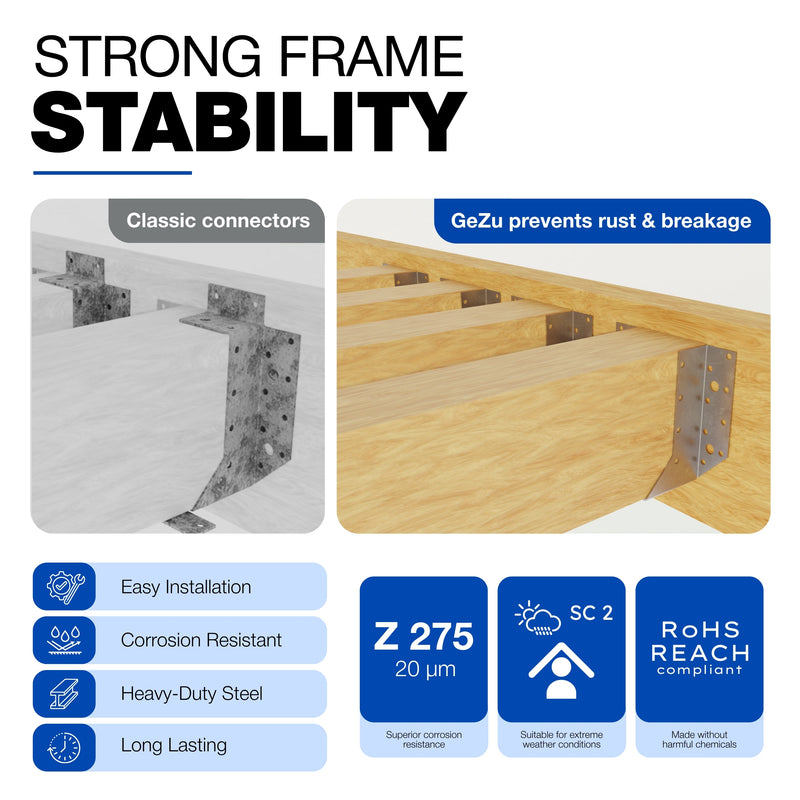
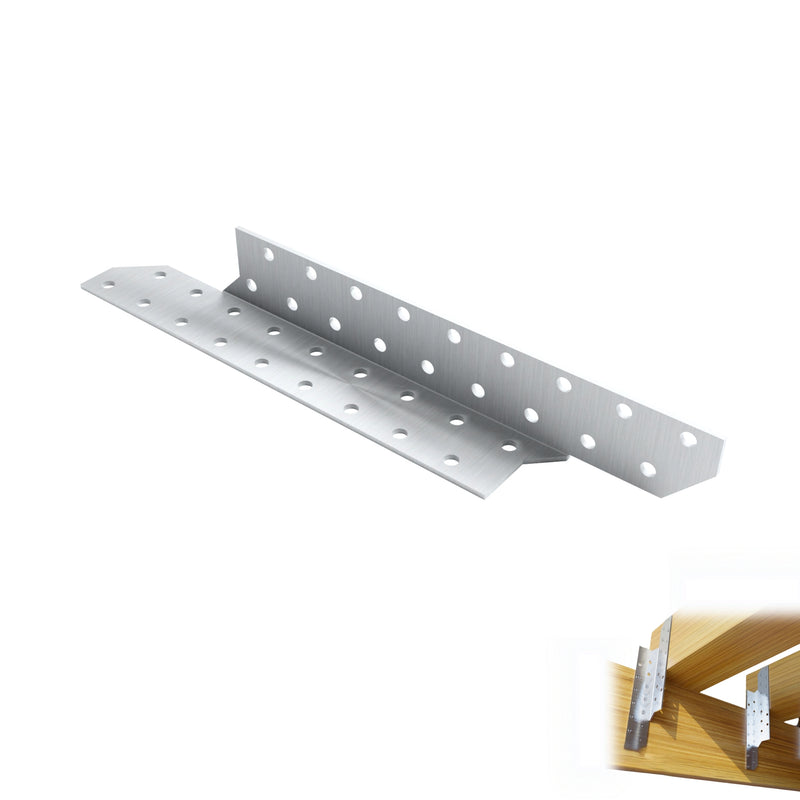
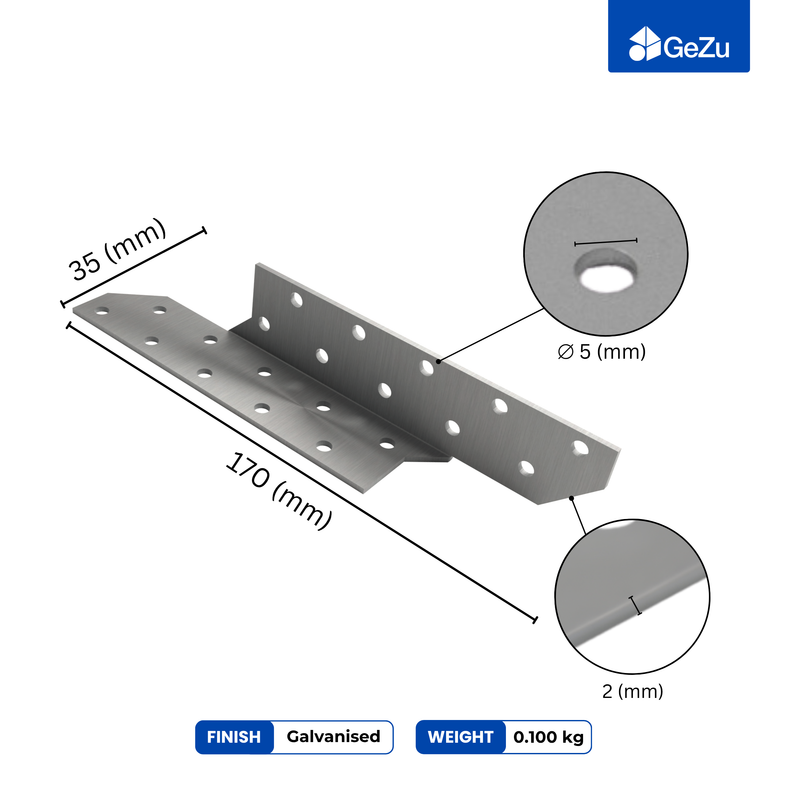
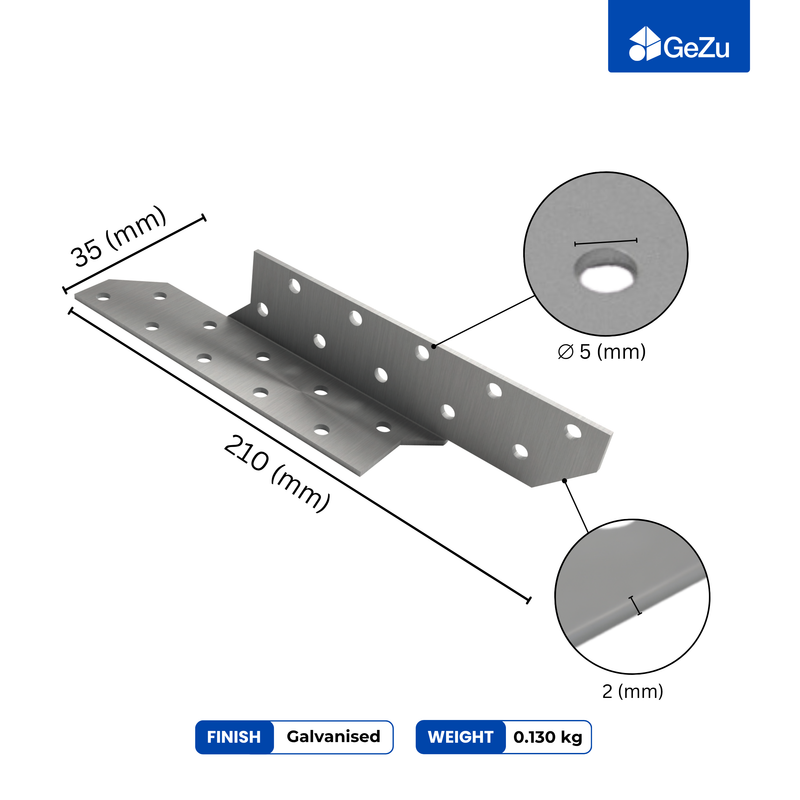
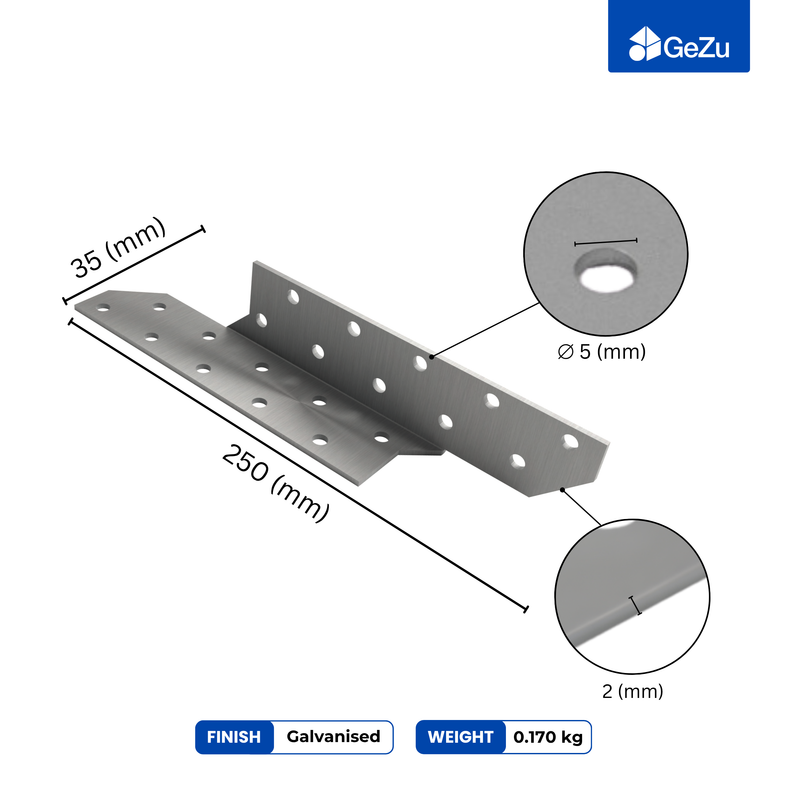
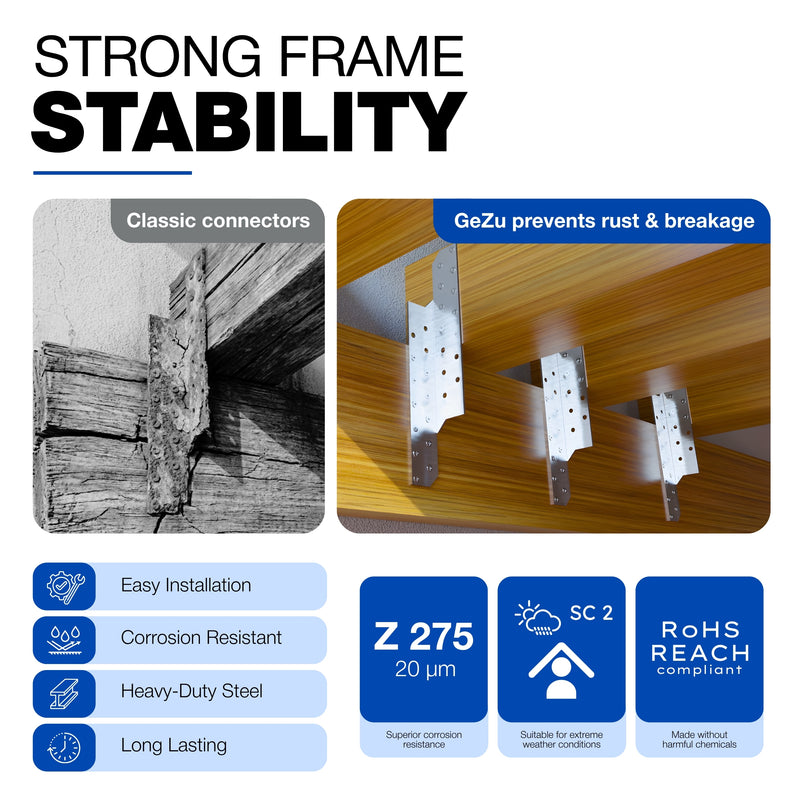
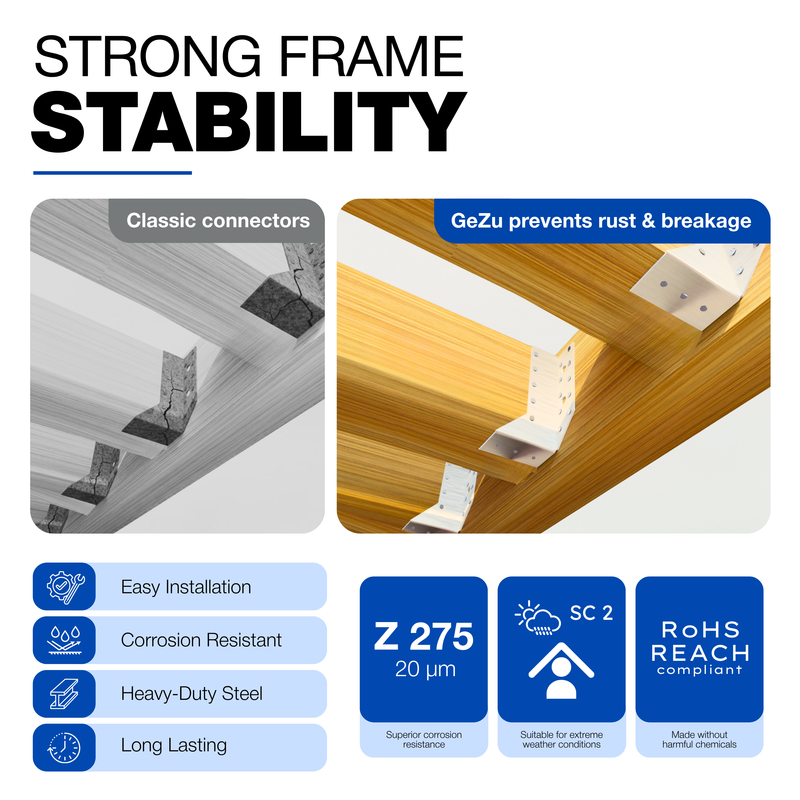
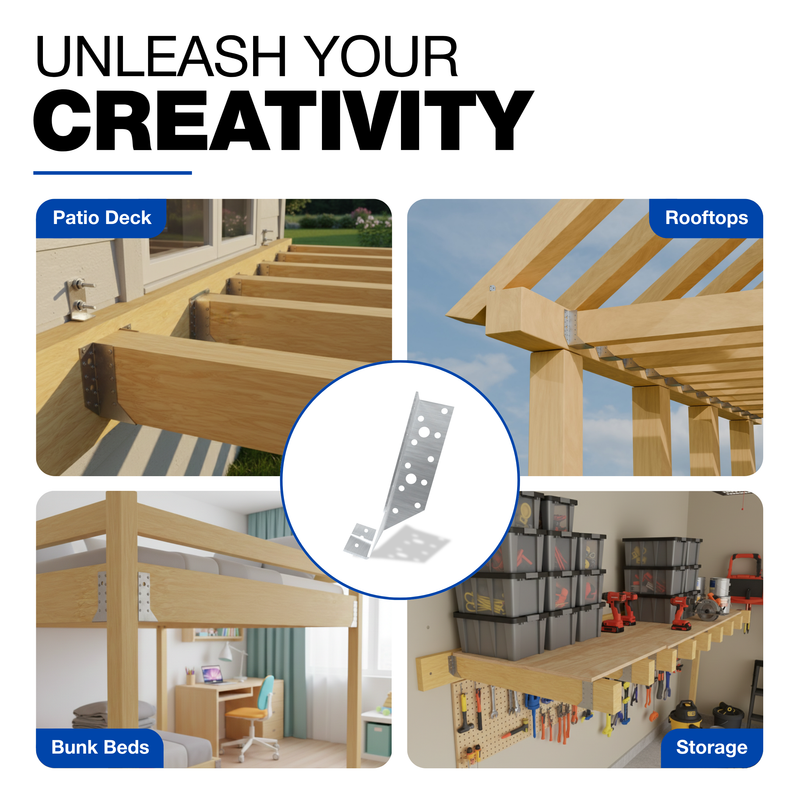
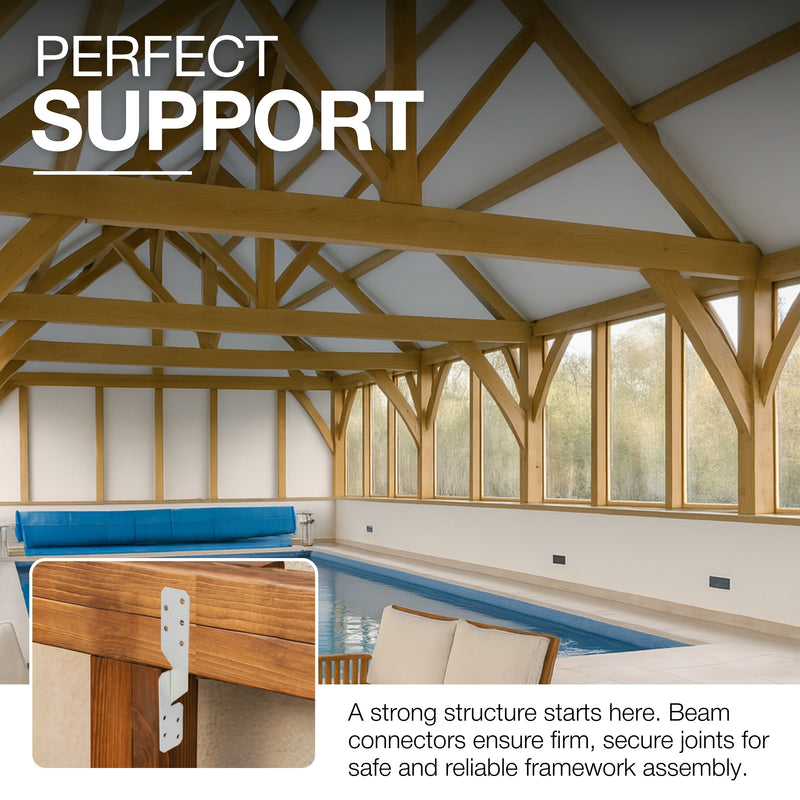
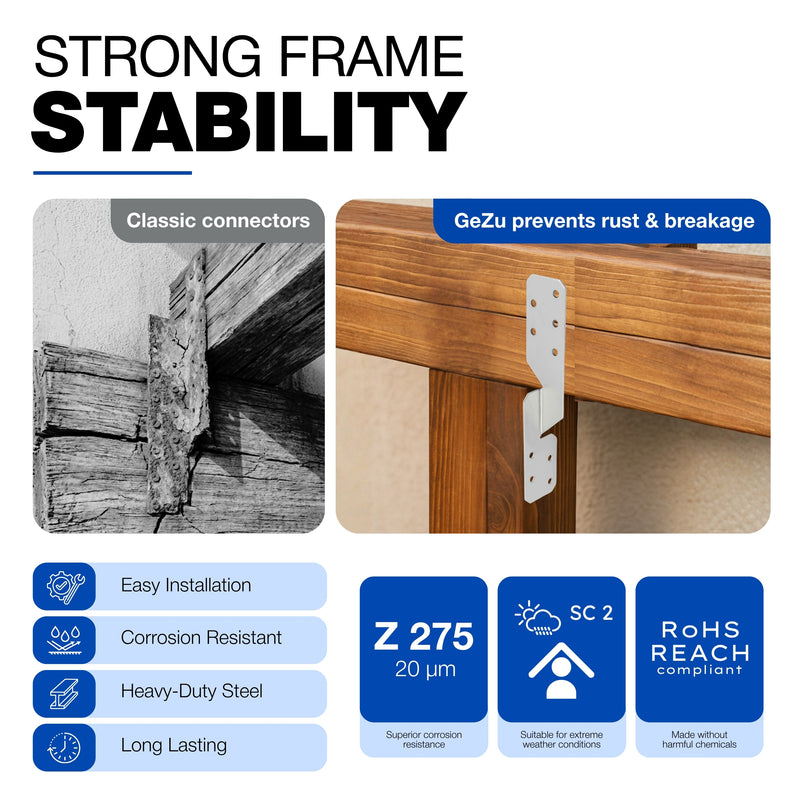
Heavier or covered pergolas put more demand on the corner joints, so the connector choice follows the frame layout. The Pergola Bracket | Post Connectors L handles a two-member corner, the T-shape version takes a beam mid-span, and the 3-way and 4-way connectors carry frames where three or four members meet one post. All are hot-dip galvanised structural connectors, so the steel itself is not the weak link when the bolt pattern is respected.


How do you size a bracket for your pergola?
-
Estimate the dead load. Multiply the timber volume of beams and rafters by roughly 500 kg/m³ for softwood, then add the roof covering's weight if the pergola is covered.
-
Divide by the joints. A rectangular frame spreads that load across its corner connectors — four as standard, more where intermediate posts break the spans.
-
Check the connector against the post. Match the connector's inner dimensions to the post section listed on the product page, and confirm the bolt pattern suits the joint's direction of load.
-
Fix the base. A bolt-down post support on a concrete pad, or a ground screw anchor, takes the load out of the joint and into the ground.
-
Inspect after the first storm. Re-torque the bolts once in autumn 2026 and again in spring; a creaking joint is a loose bolt long before it is a broken bracket.
FAQ
How much weight can a pergola bracket hold in 2026?
There is no single figure — capacity is set by the bracket steel, the bolts, the timber and the foundation together. A correctly bolted structural connector carries the dead load of a standard timber pergola.
Can a pergola bracket fail even if the steel is strong?
Yes. Most failures happen at the fixings: skipped bolt holes, missing washers, or anchors set into soft mortar or loose soil rather than the bracket deforming.
Do I need a heavier bracket for a covered pergola?
A covered roof adds dead load and catches wind, so choose multi-hole connectors such as the 3-way and 4-way versions and fill every hole. Check the product pages for exact dimensions before buying.
What is wind uplift and does it affect bracket choice?
Uplift is the upward force gusts exert on a pergola frame. It pulls joints apart instead of pressing them down, so bolted multi-hole connectors and anchored post bases matter more than bracket thickness alone.
Should I use washers on pergola bracket bolts?
Always, on both faces. Washers spread the bolt's clamping force and stop the head or nut pulling into the timber as the joint works.
How do I know if my pergola joints are overloaded?
Warning signs are a rocking connector, elongated bolt holes, or splits in the post along the bolt lines. Re-torque first; if movement returns, add connectors or intermediate posts.
One last thing
If you want a single number for a specific build in 2026, the honest route is a five-minute calculation, not a catalog claim: weigh your timber, divide by the number of corner connectors, and then compare that per-joint load against the bolt pattern you plan to fill. Buyers who do this discover the bracket was never the bottleneck — the post base or the wall anchor usually is, and that is the link worth spending the extra euro on.