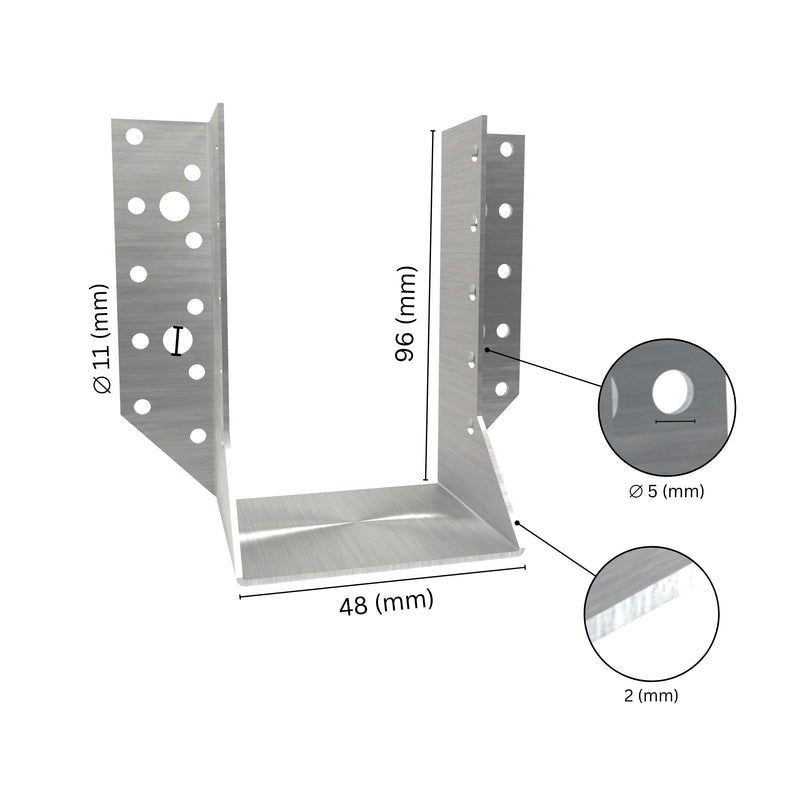
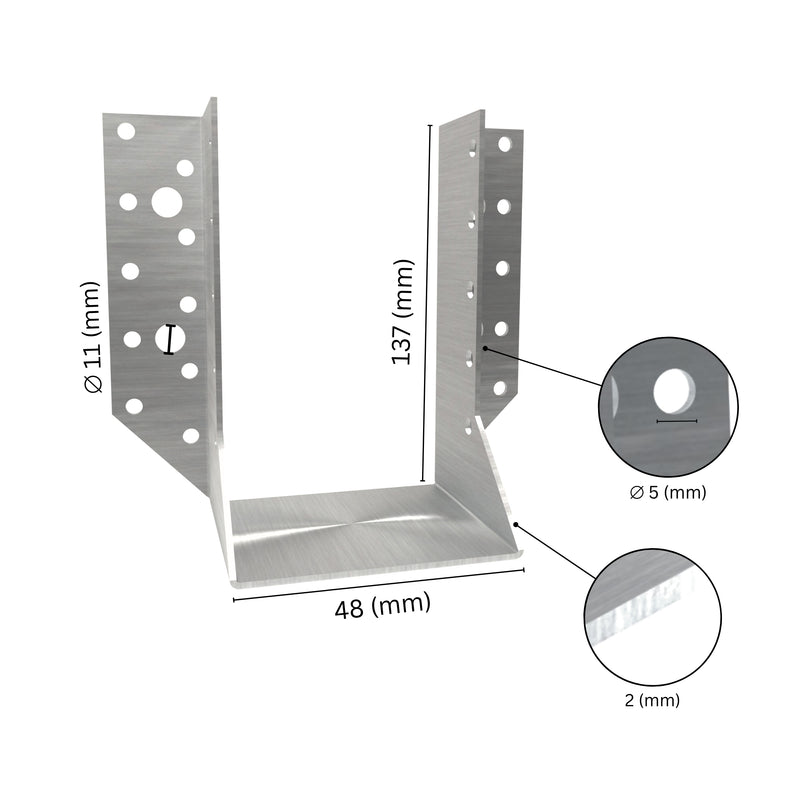
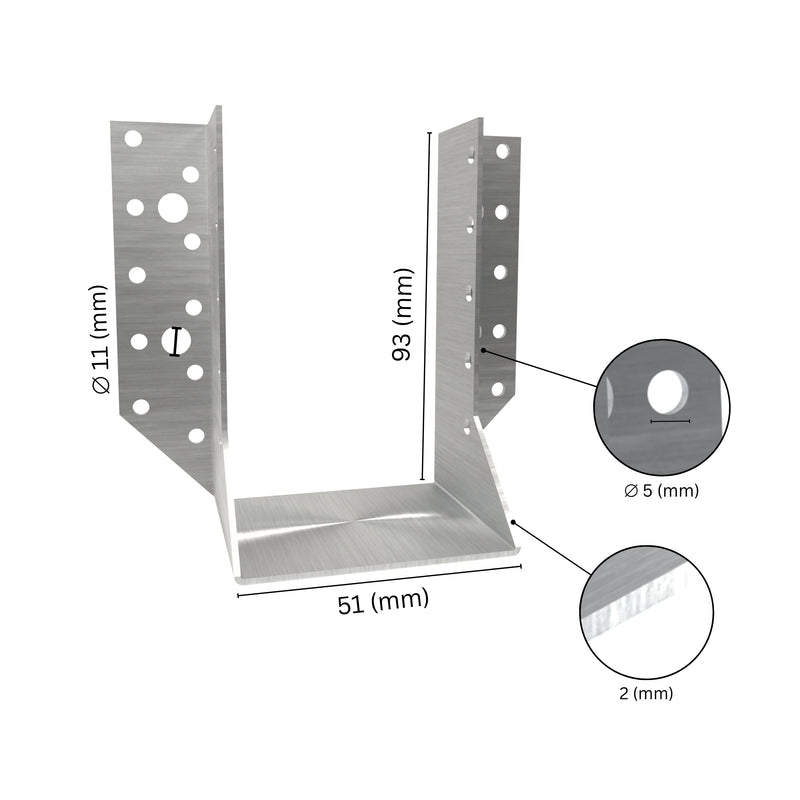
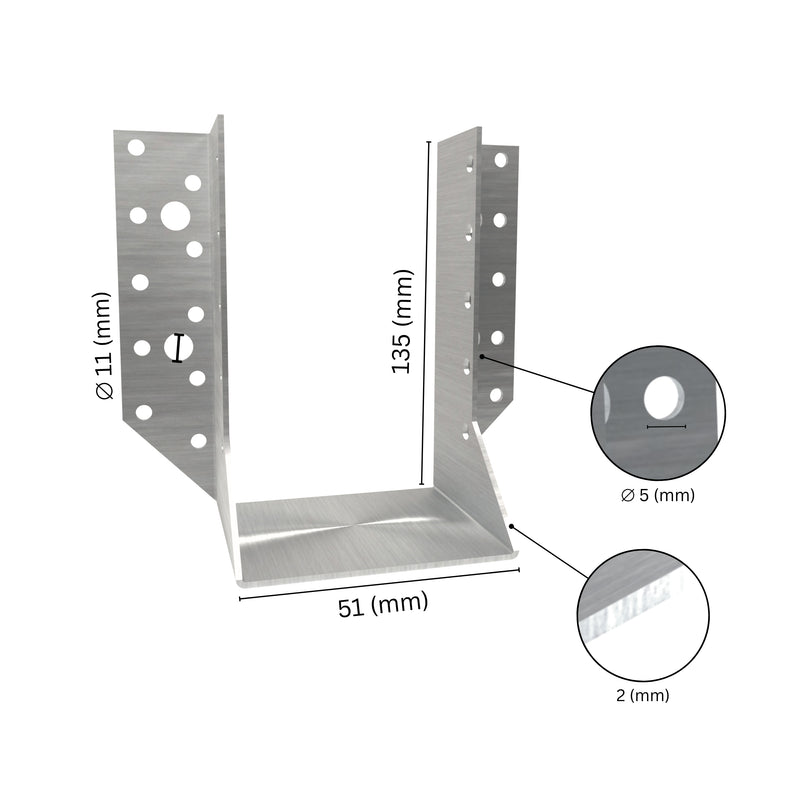
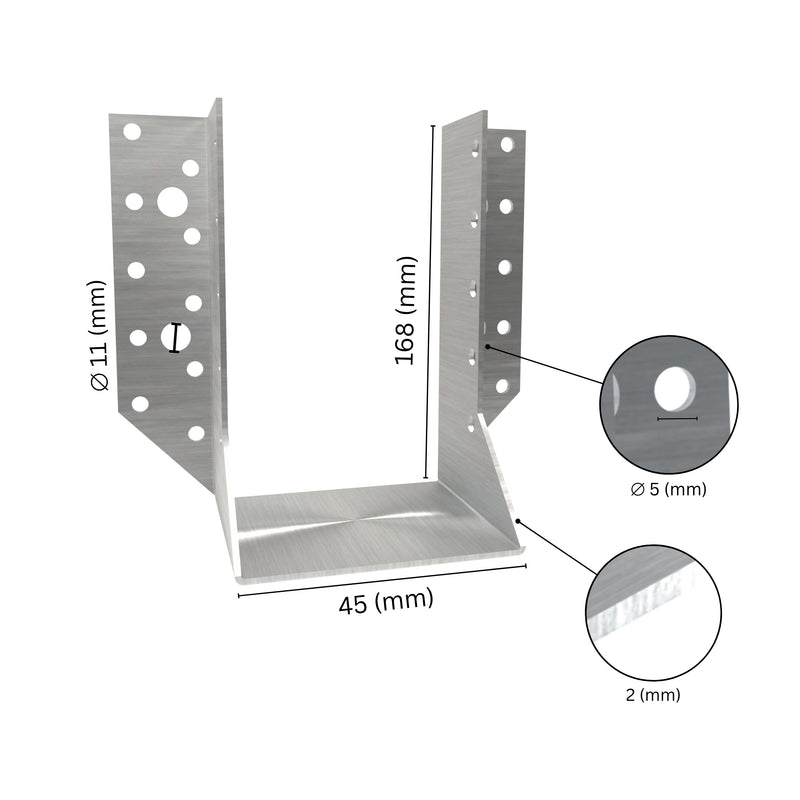
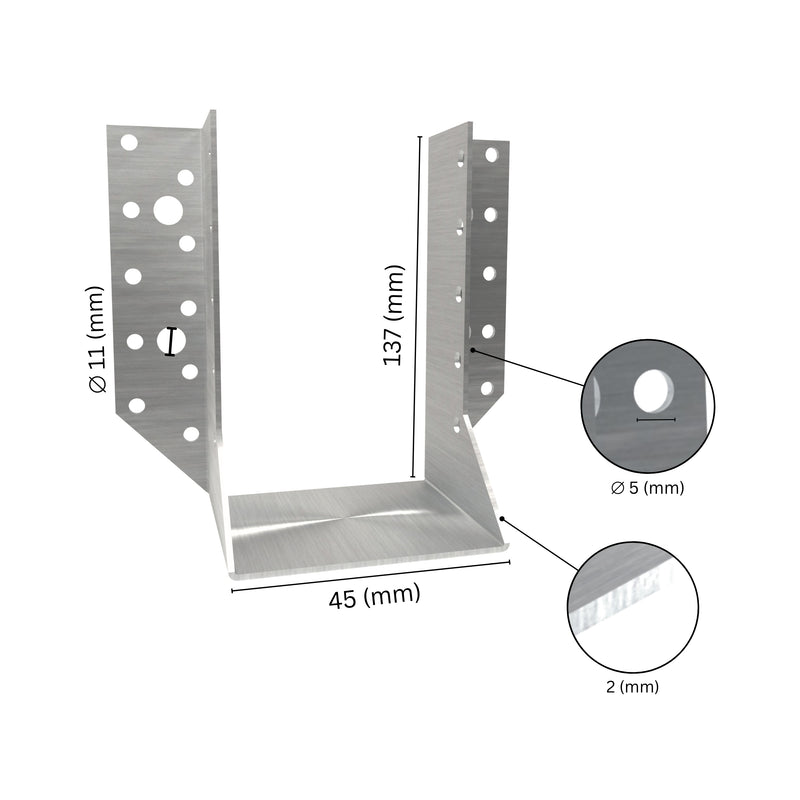
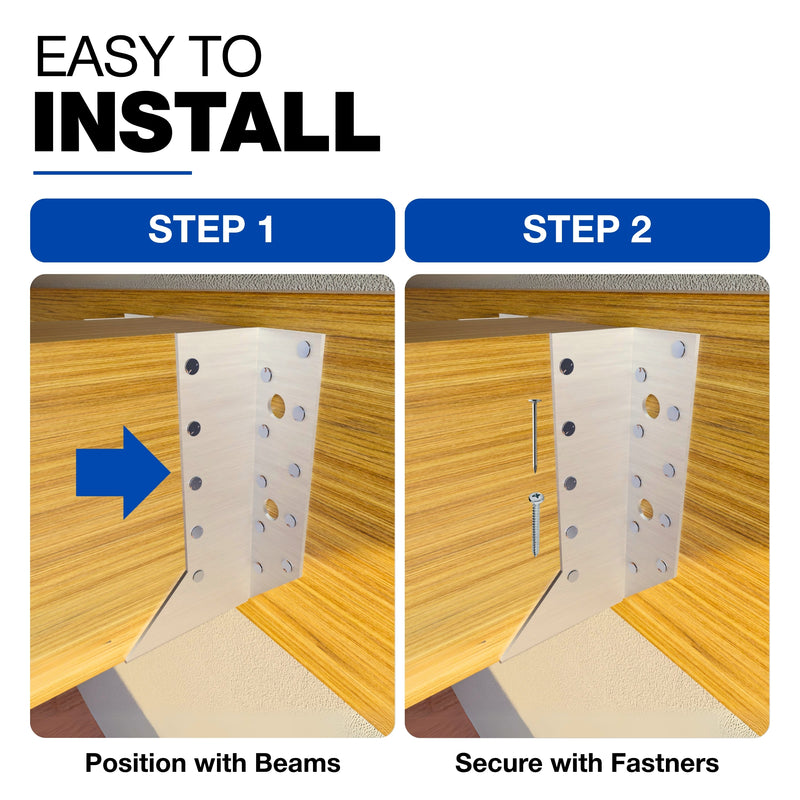
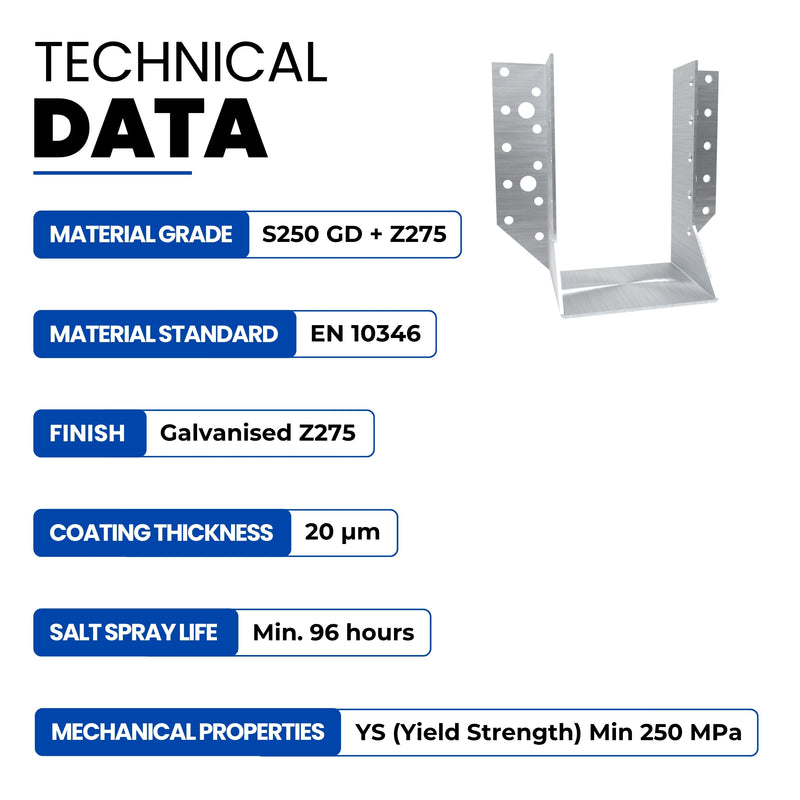
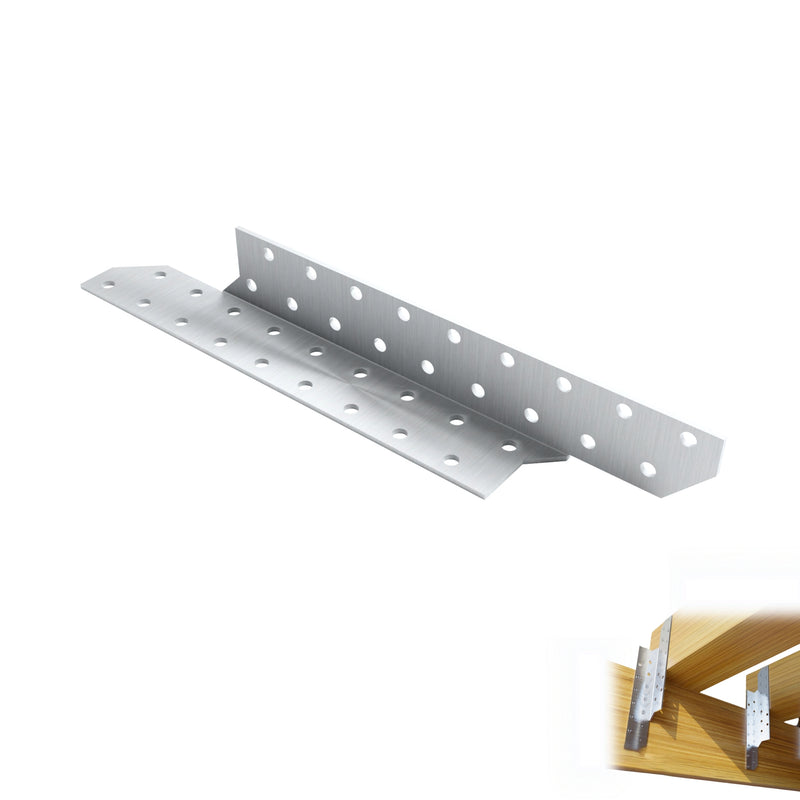
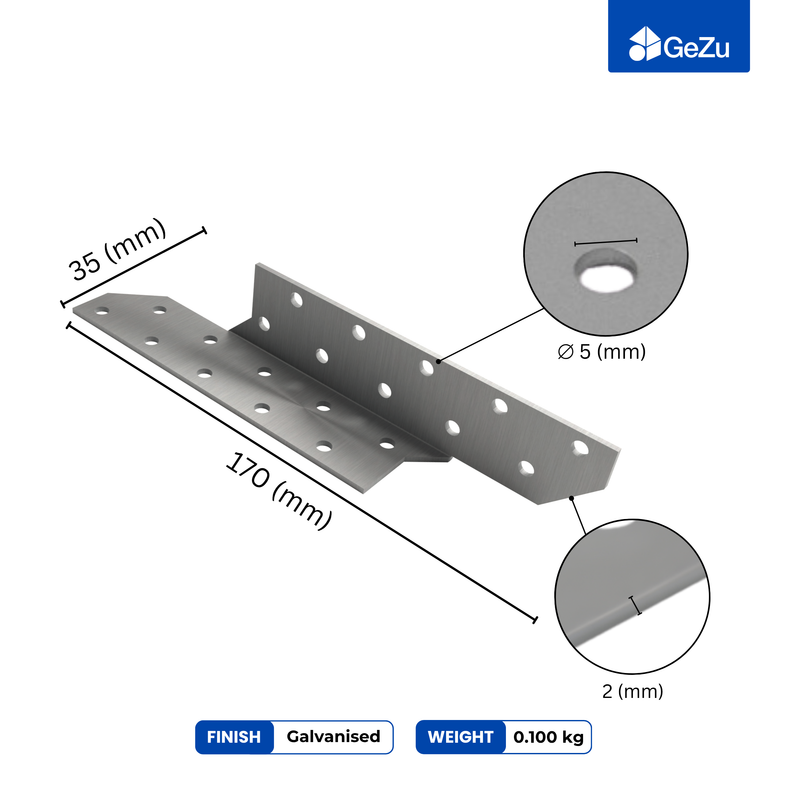
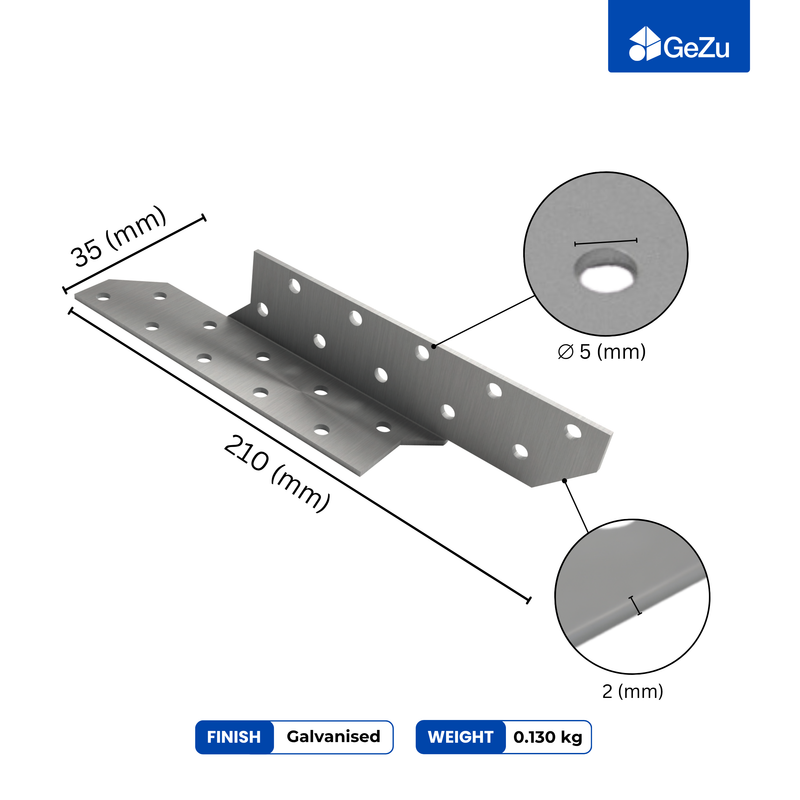
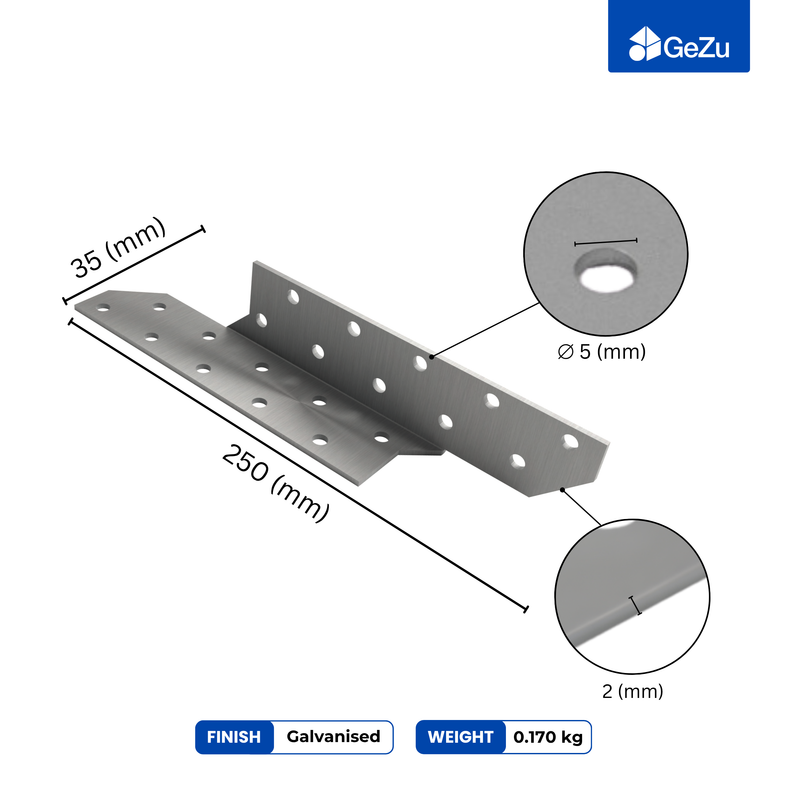
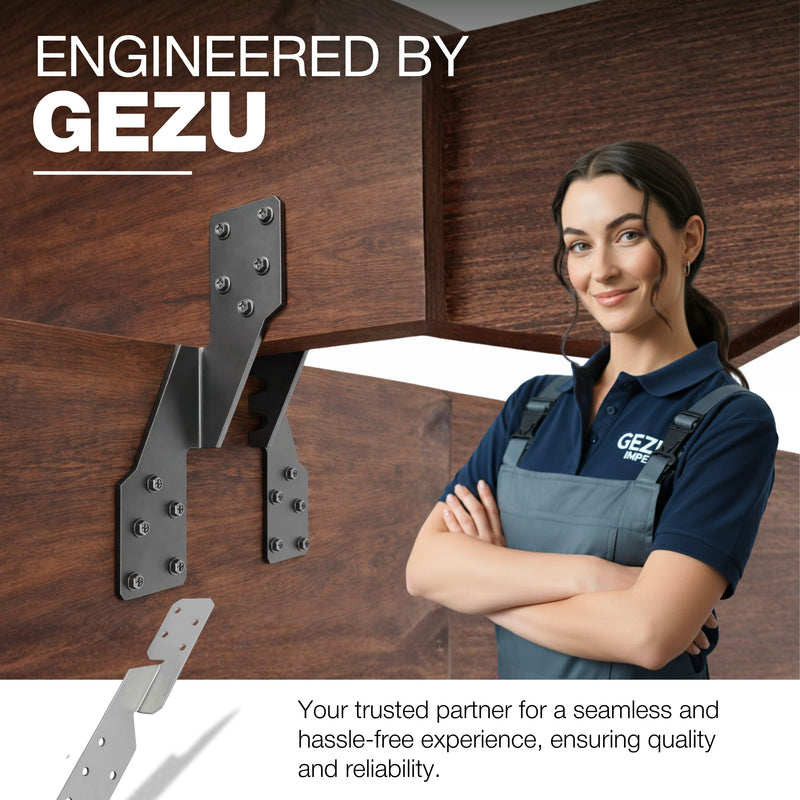
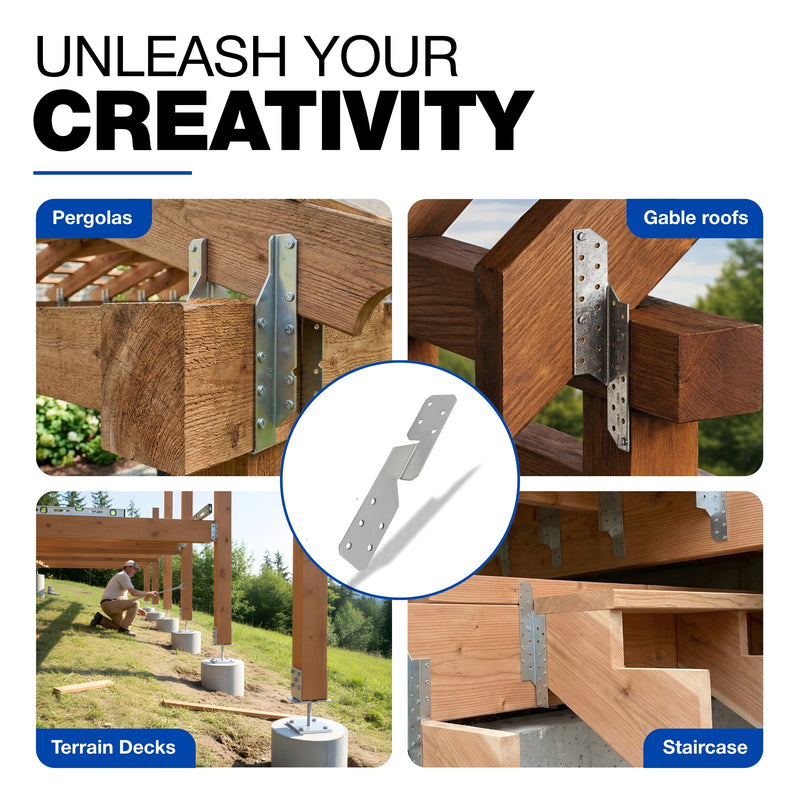
Angle brackets ranked by load capacity in 2026

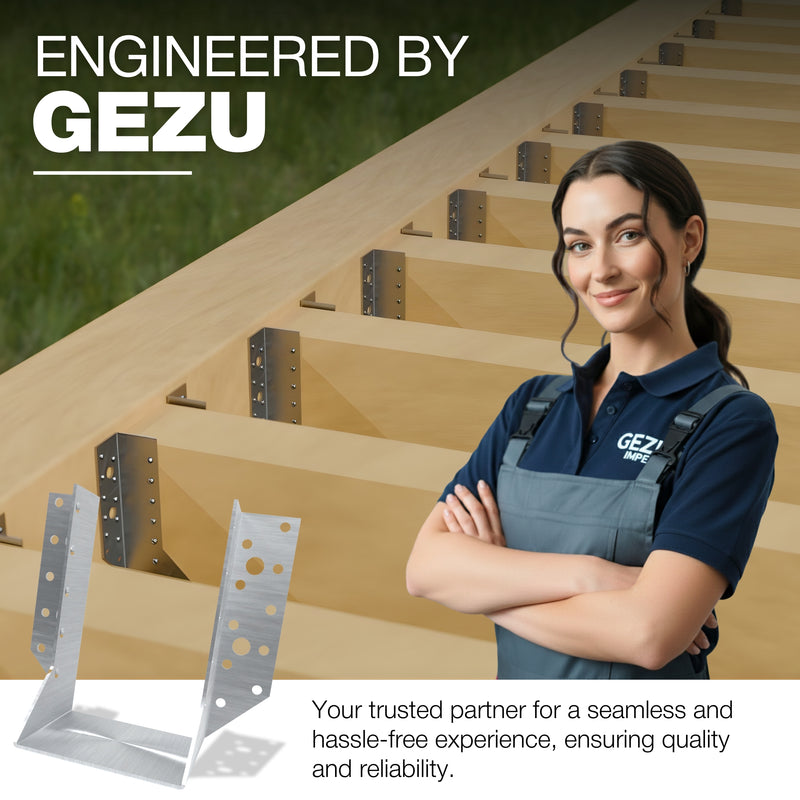
Angle brackets are ranked by three measurable factors: steel thickness, the presence of a reinforcement rib, and the number of fixing points. This 2026 guide ranks six GeZu Impex models by their real load capacity, not by price.
Best overall: the reinforced angle bracket. Best for non-standard angles: the 135° bracket. Best budget option: the perforated corner bracket.
- The reinforced angle bracket remains the best angle bracket for load-bearing joints in 2026.
- Galvanised brackets protect better against moisture but add no stiffness over the standard model.
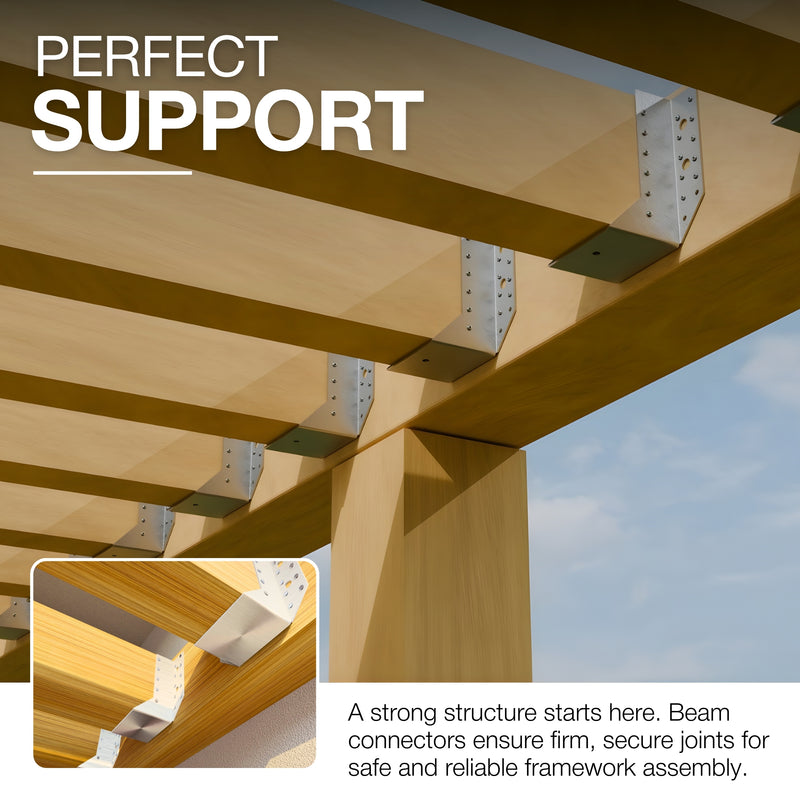
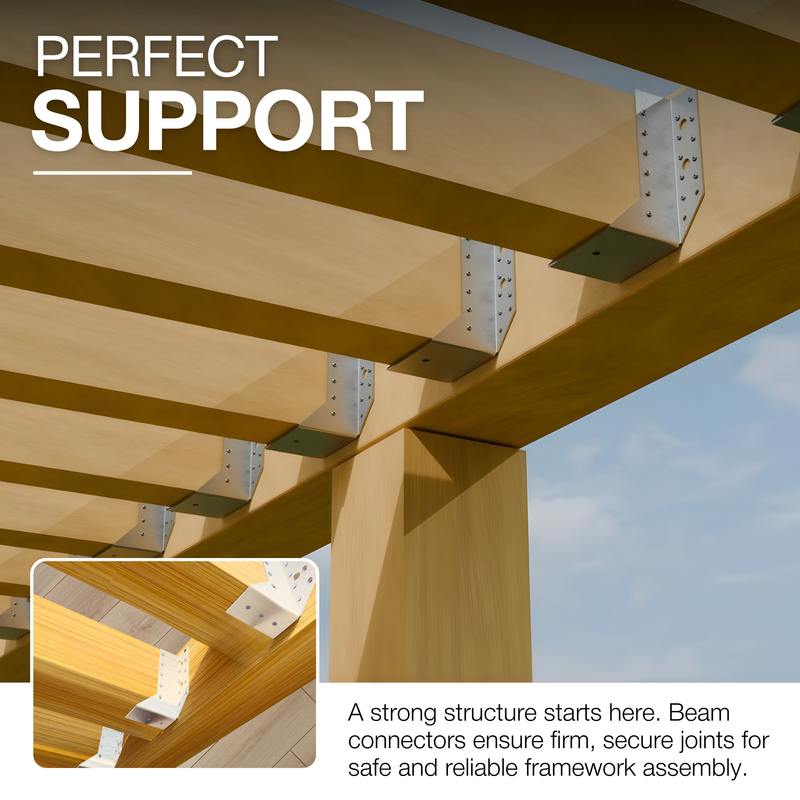
- The perforated 135° bracket is the only option in this ranking for non-standard angles such as pergola roofs.
- The perforated corner bracket is the economical choice for light loads, not for load-bearing work.
- Adjustable brackets trade stiffness for installation flexibility.
Why this ranking matters
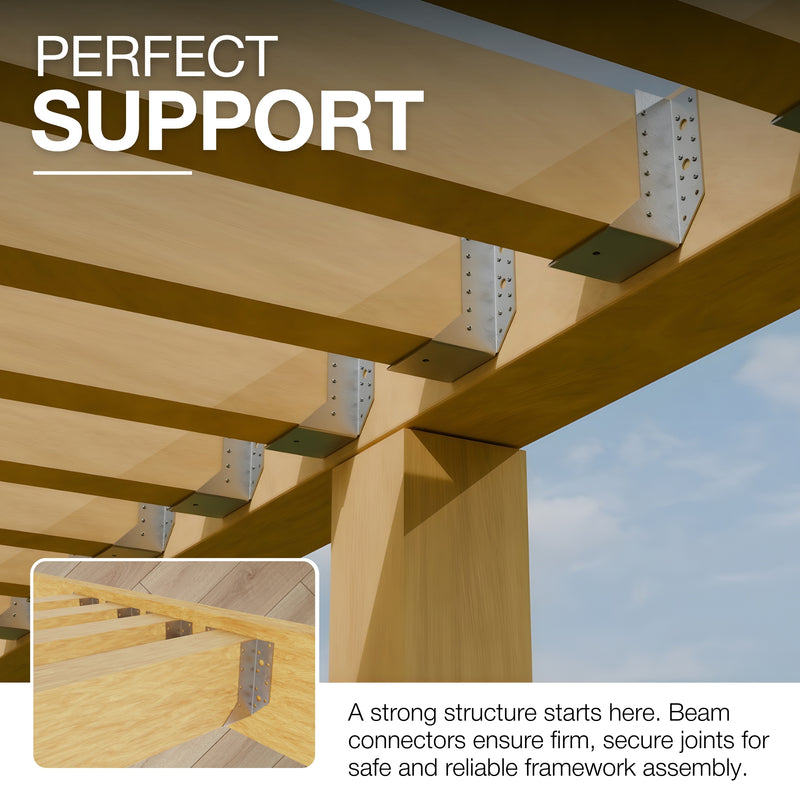
A badly chosen angle bracket bends or pulls its fixings out before the timber splits — a sign of undersizing, not a defect in the wood. This is distinct from right-angle couplers for scaffold tube, which deal with a completely different load case on steel tube.
In 2026, most buyers compare only the price per kilo of steel. That is a mistake: two brackets of the same size can carry very different loads depending on whether or not they have a reinforcement rib.
What defines the best angle bracket in 2026
- Steel thickness: the higher the gauge, the higher the resistance to bending under load.
- Central reinforcement rib: spreads the load across the whole surface instead of concentrating it on the fixing holes.
- Number and layout of holes: more anchor points spread the load over more screws.
- Fixed or adjustable angle: a fixed 90° angle is structurally stiffer than an adjustable system.
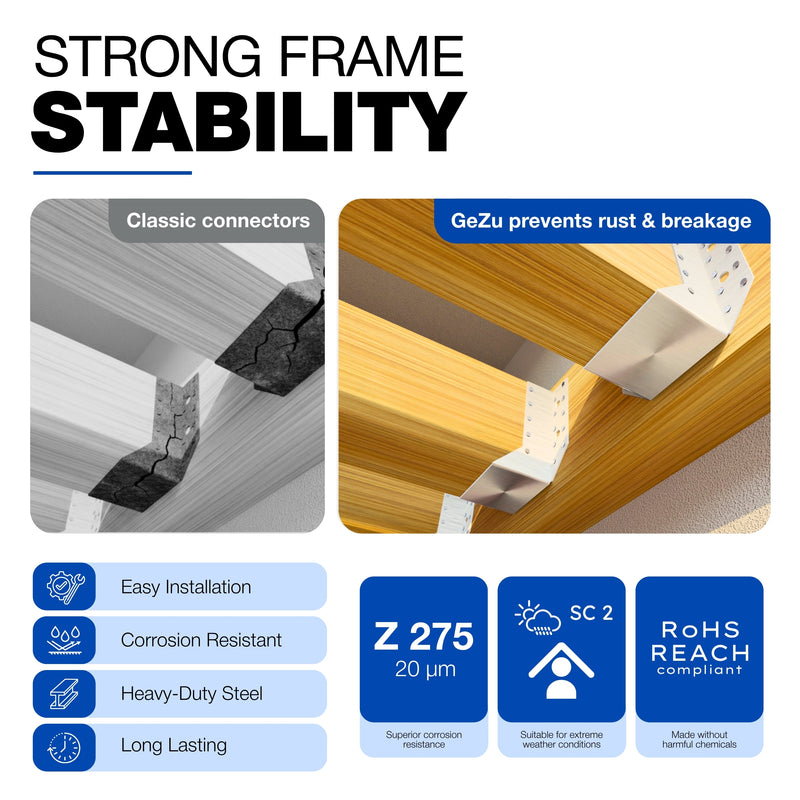
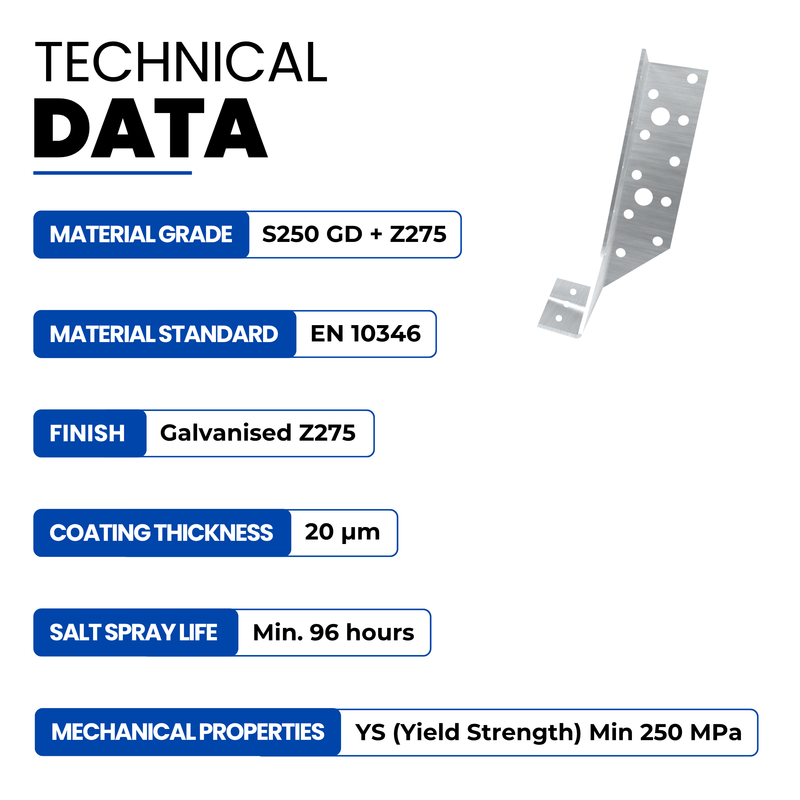
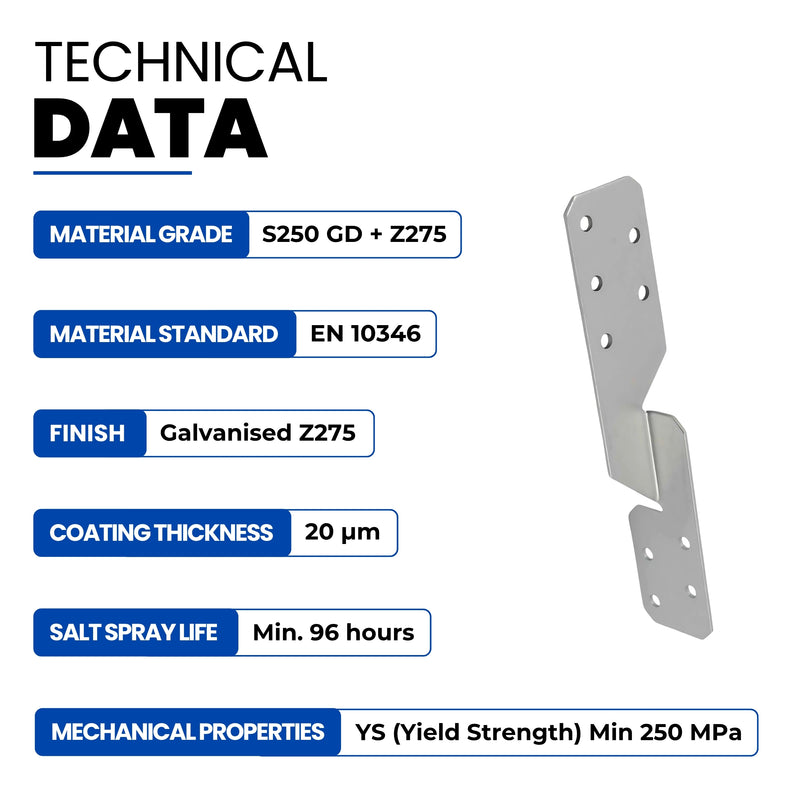
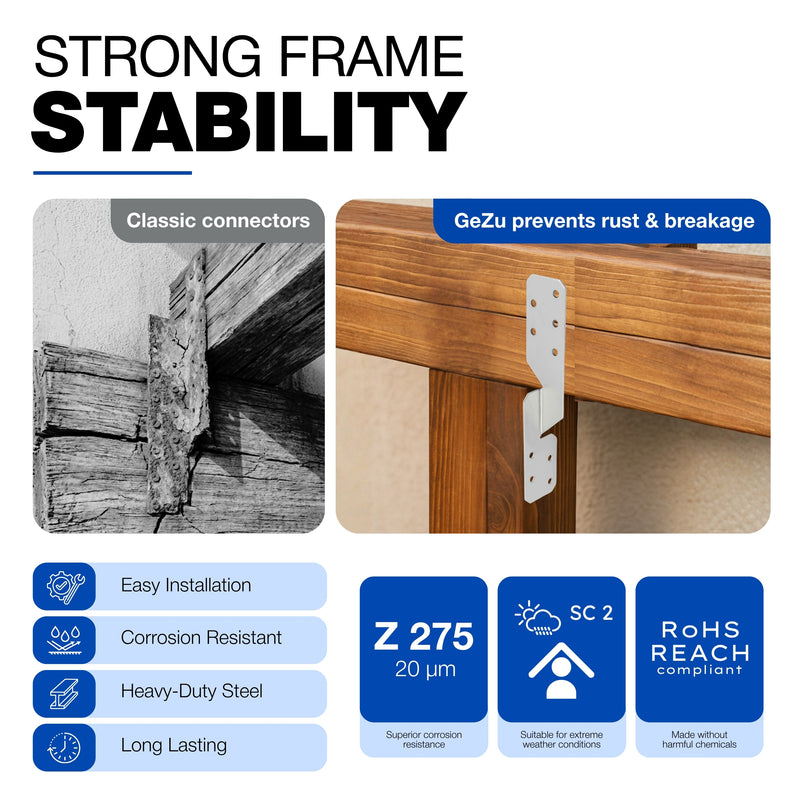
- Galvanising: protects mechanical strength over time by preventing the corrosion that weakens steel.
- Pack format: a standardised pack guarantees uniform strength across a whole project.
At a glance
| Bracket | Best for | Standout feature | Main limitation |
|---|---|---|---|
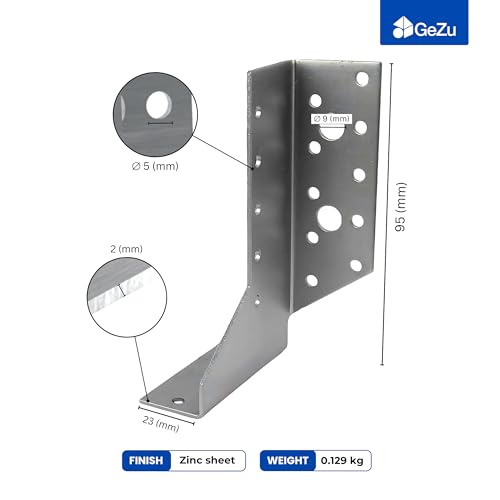
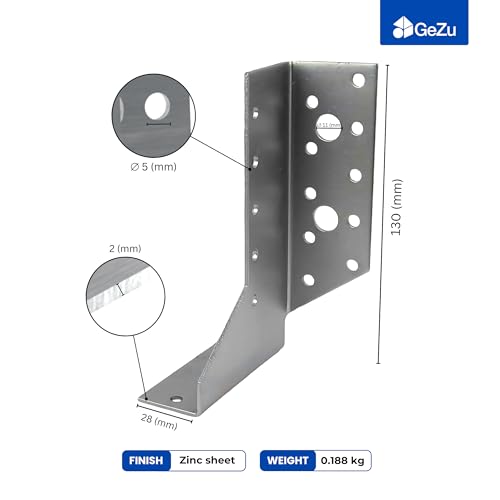
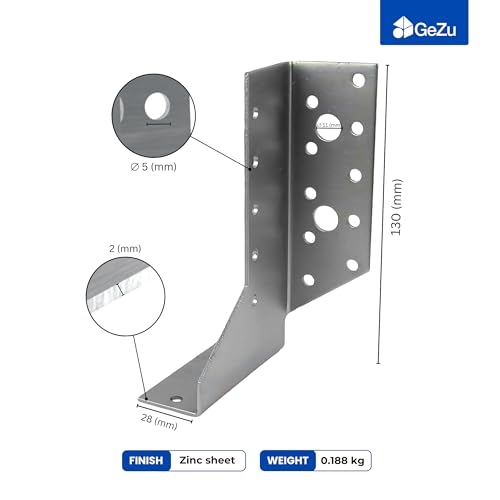
| Reinforced angle bracket | Heavy load-bearing joints | Central reinforcement rib | Bulkier, less suited to visible finishes |
| Galvanised bracket | Outdoor and humid environments | Corrosion resistance | Stiffness close to the standard model, not higher |
| Perforated right-angle bracket | General framing | Good hole-to-surface ratio | No reinforcement for heavy loads |
| 135° bracket | Non-standard angles (roofs, pergolas) | Only option for that angle | Unsuitable for 90° joints |
| Adjustable bracket | Variable spacing | Installation flexibility | Less stiff than a fixed angle under constant load |
| Perforated corner bracket | Light duty, tight budget | Lowest entry price | Lowest load capacity in this ranking |


1. Reinforced angle bracket: the best angle bracket for heavy load-bearing joints
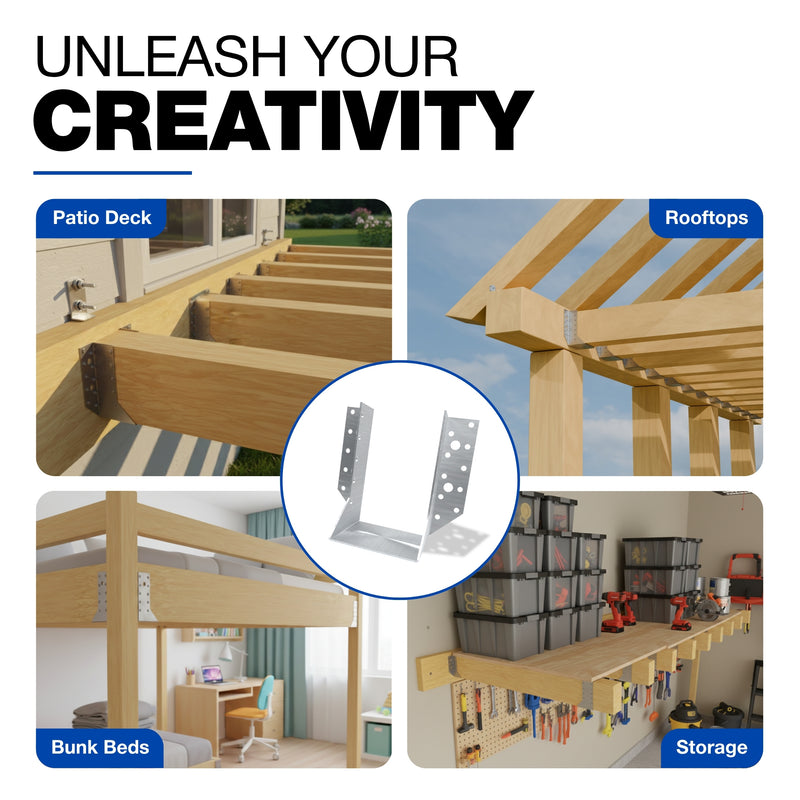
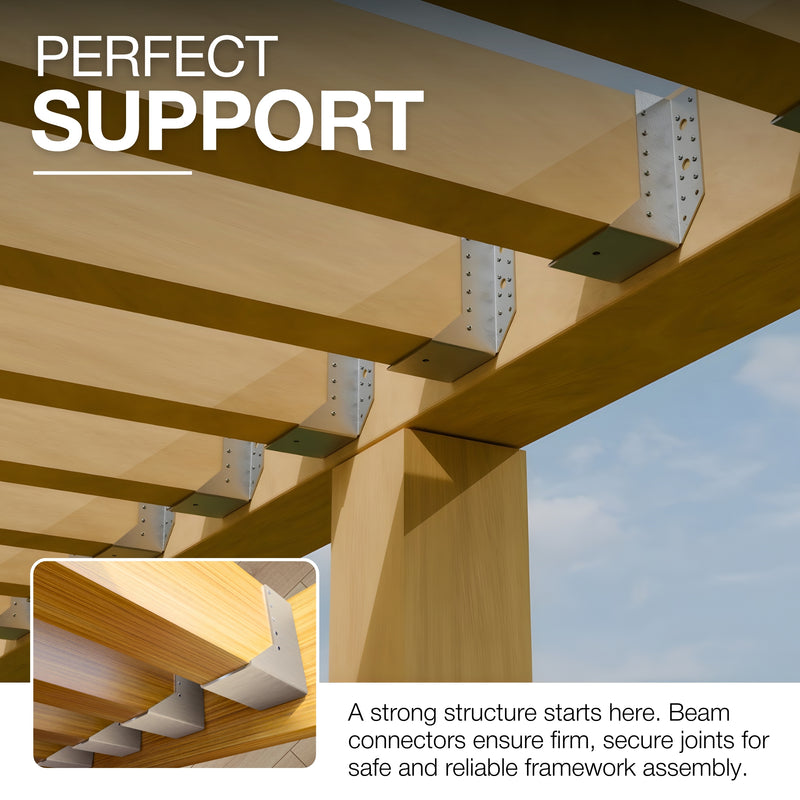
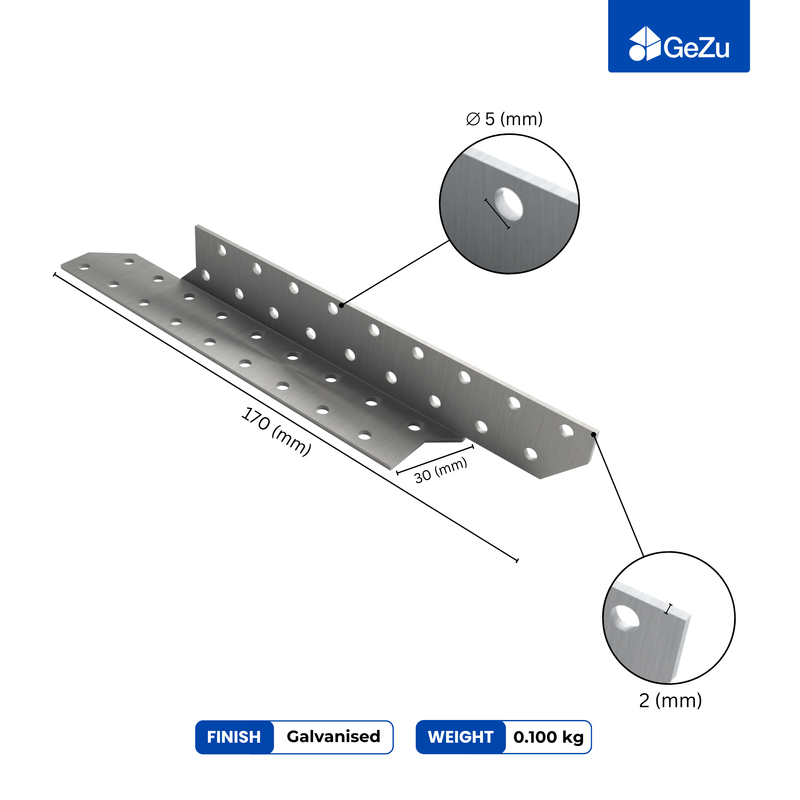
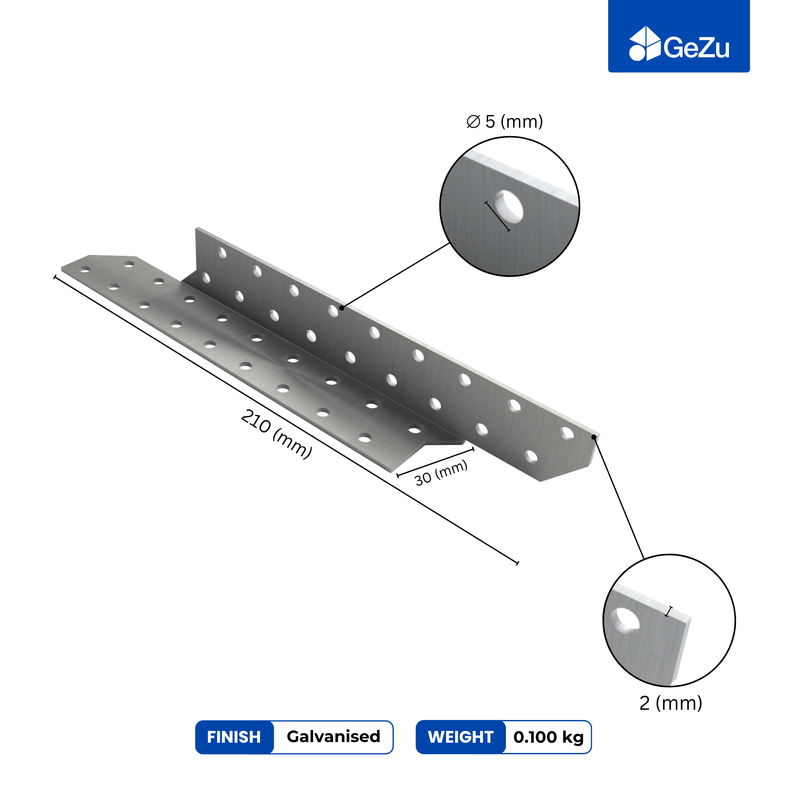
This bracket adds a central rib that spreads the load across the whole surface instead of concentrating it on the fixing holes. It suits load-bearing roof, deck and outdoor structure joints where bending under load is the main risk.
Reinforced angle bracket pros:
- Reinforcement rib that increases resistance to bending
- Good behaviour under repeated load (vibration, frequent traffic)
- Compatible with most standard timber sections
Reinforced angle bracket cons:
- Bulkier, visible on exposed finishes
- Higher cost per piece than the plain perforated model
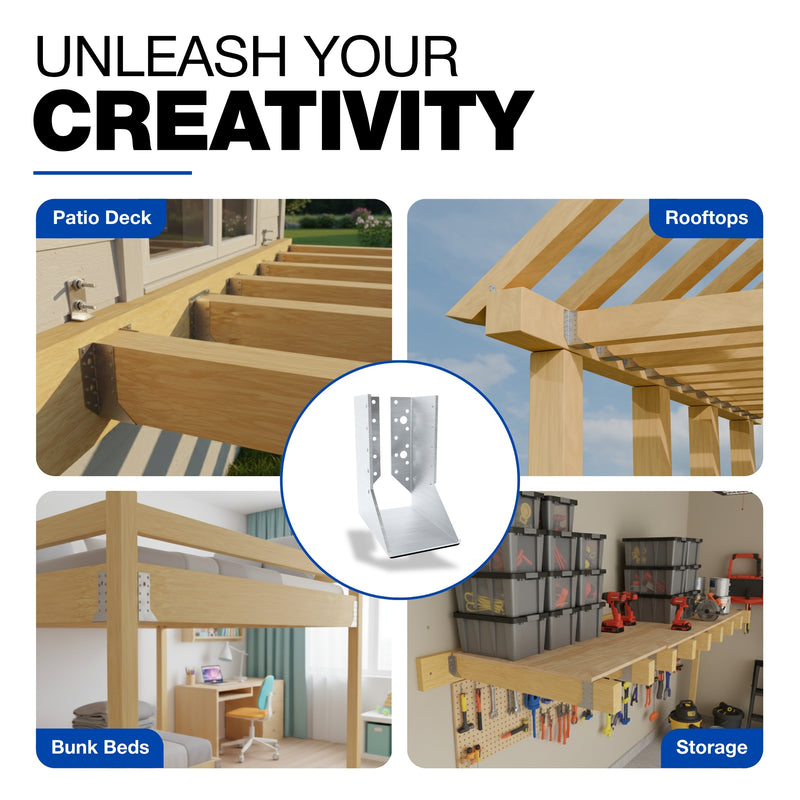
Best for: load-bearing joints (decks, roof frames, outdoor structures). Verdict: Buy.
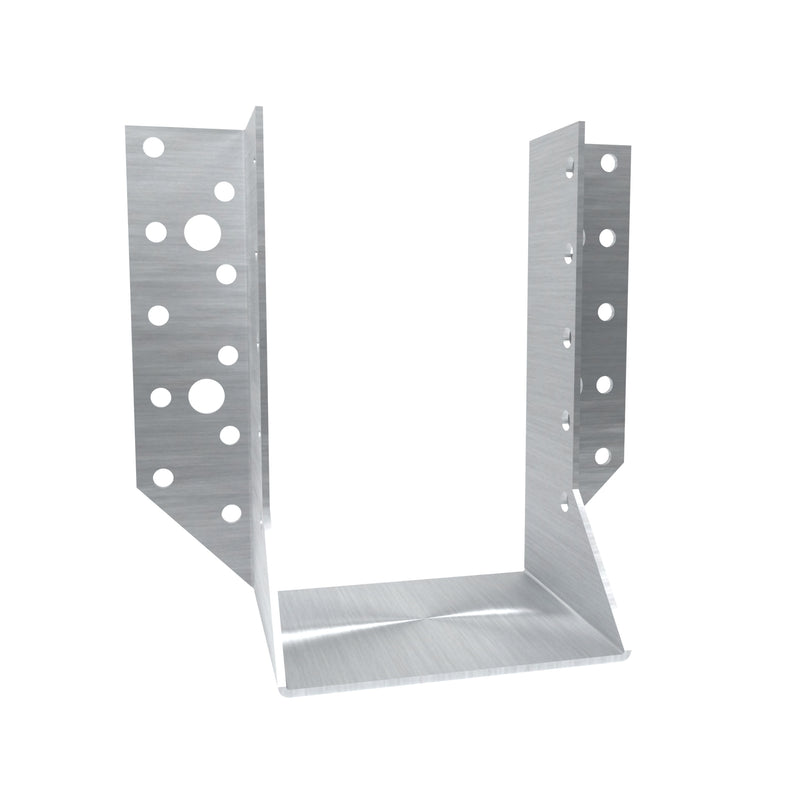
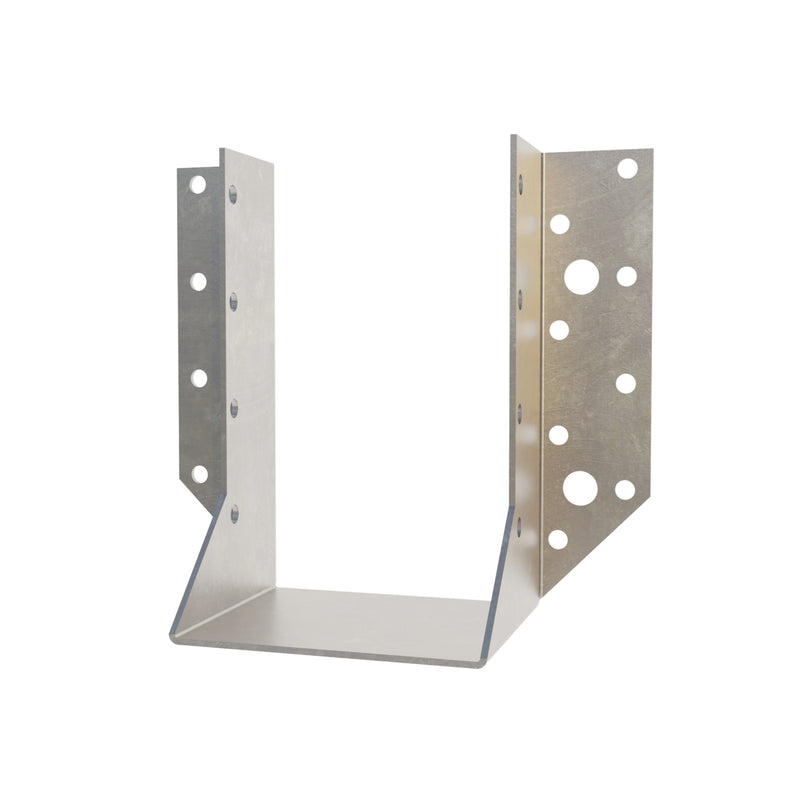
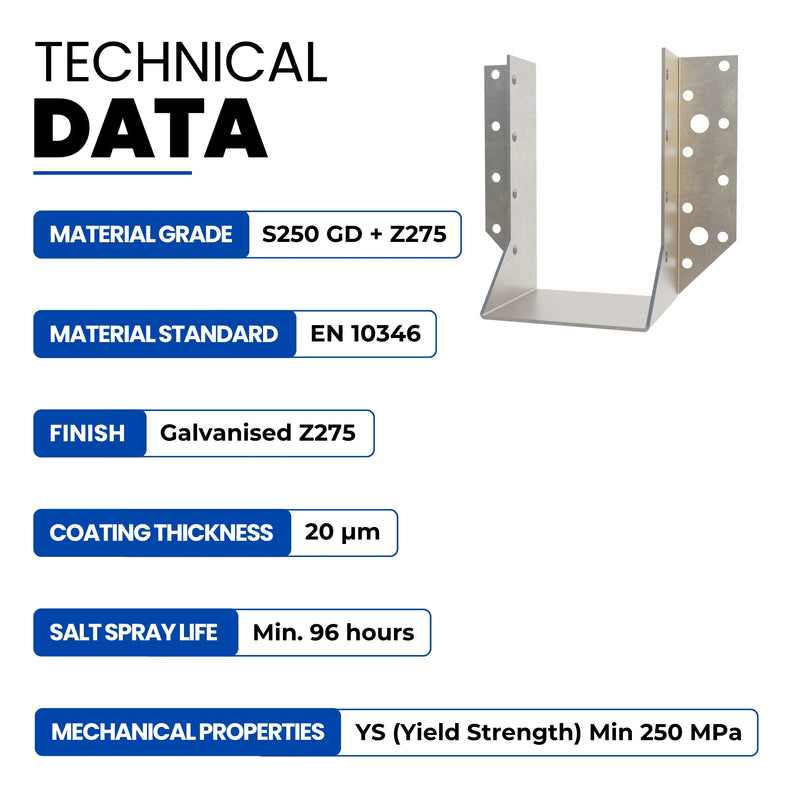
2. Galvanised bracket: the best angle bracket for outdoor and humid environments
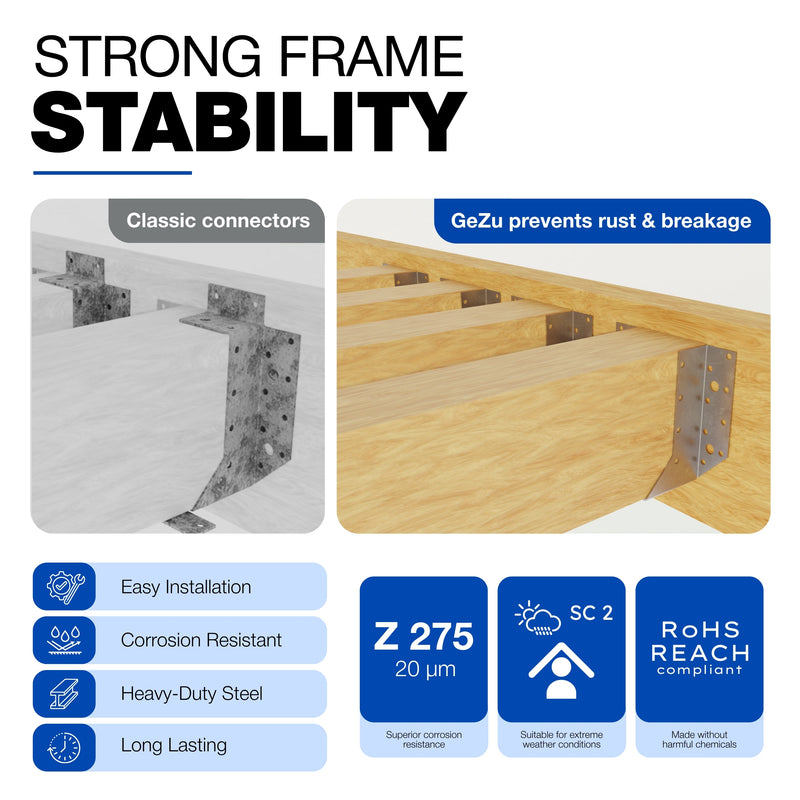
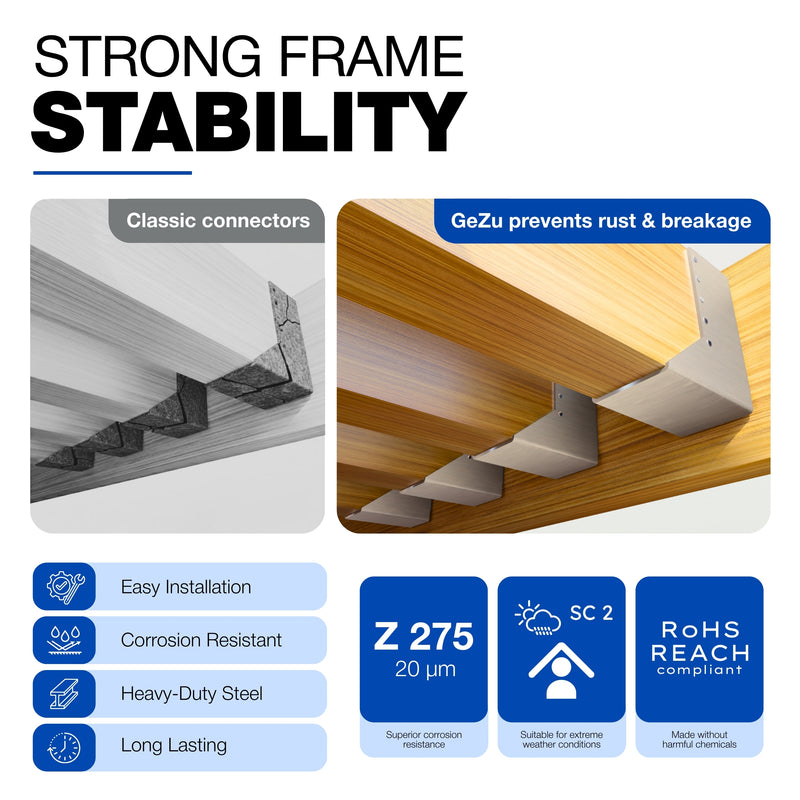
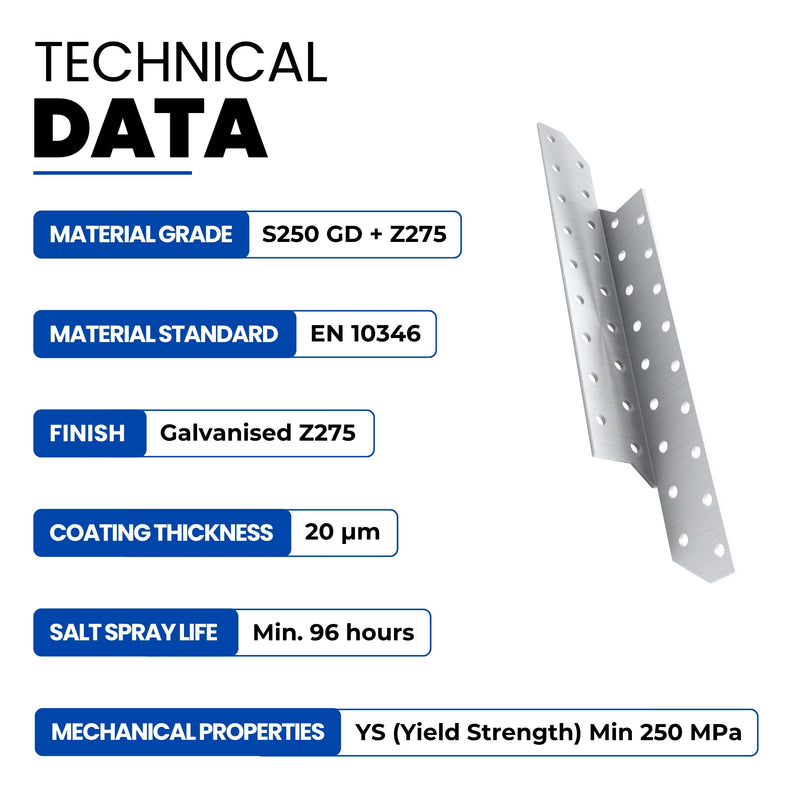
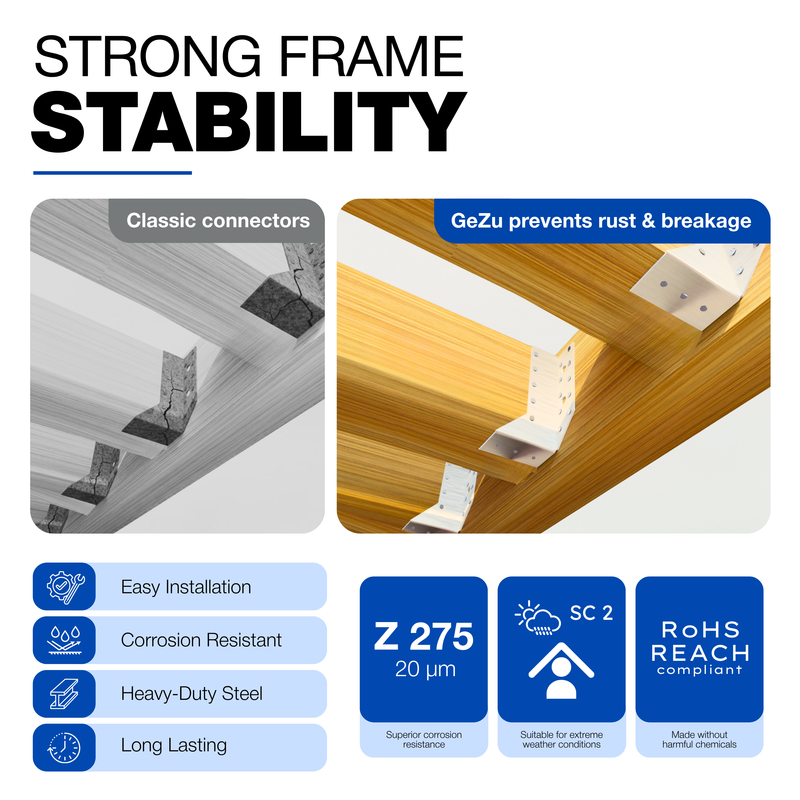
This galvanised angle bracket protects against corrosion without changing the geometry of the joint. Its stiffness stays close to that of a standard perforated bracket: galvanising protects the steel over time, it does not increase the immediate load capacity.
Galvanised bracket pros:
- Corrosion resistance outdoors and in humid environments
- Keeps its mechanical strength longer than an untreated bracket
- Pack format practical for large sites
Galvanised bracket cons:
- No reinforcement rib, so no load-capacity gain over the standard model
- Less suited to occasional heavy loads than the reinforced bracket
Best for: outdoor projects exposed to rain or humidity. Verdict: Buy for outdoor use.
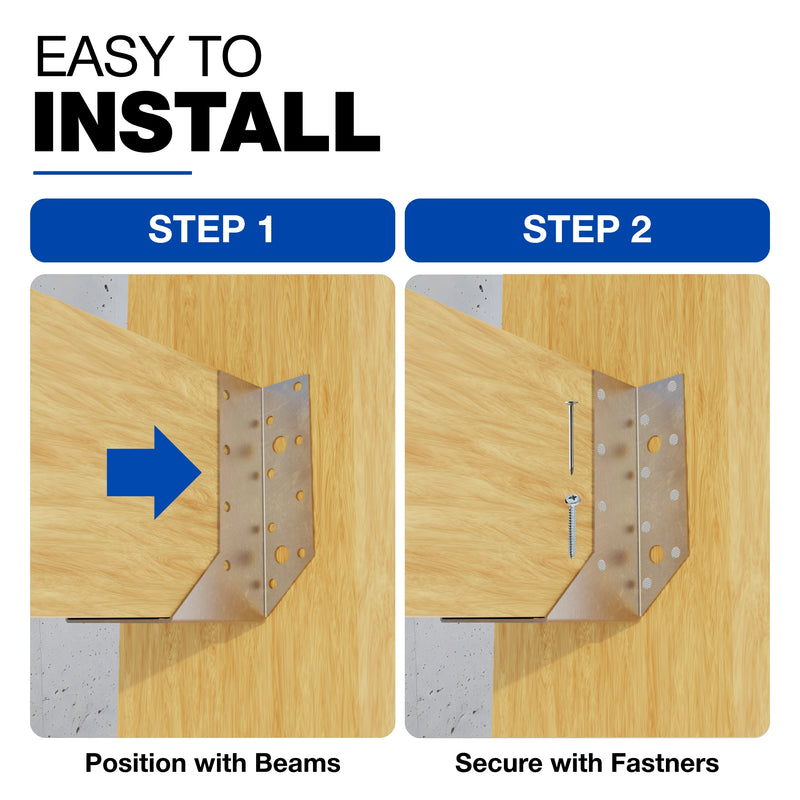
3. Perforated right-angle bracket: the best angle bracket for general framing
This is the reference bracket for 90° joints with no exceptional load requirement. Its good ratio of perforated area to bearing surface makes it a solid choice for everyday timber framing in 2026.
Perforated right-angle bracket pros:
- Versatile across the majority of 90° joints
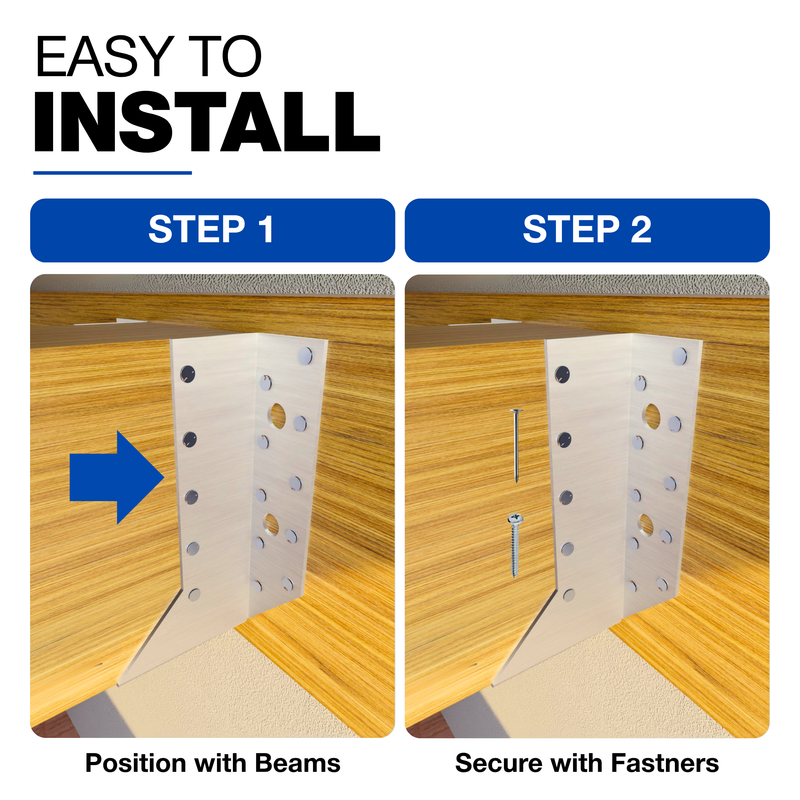
- Easy to fit, standard hole layout
- Good strength-to-bulk ratio for general use
Perforated right-angle bracket cons:
- No reinforcement, so lower load capacity than the reinforced model
- Not suited to non-standard angles
Best for: general framing and everyday joints. Verdict: Buy for standard use.
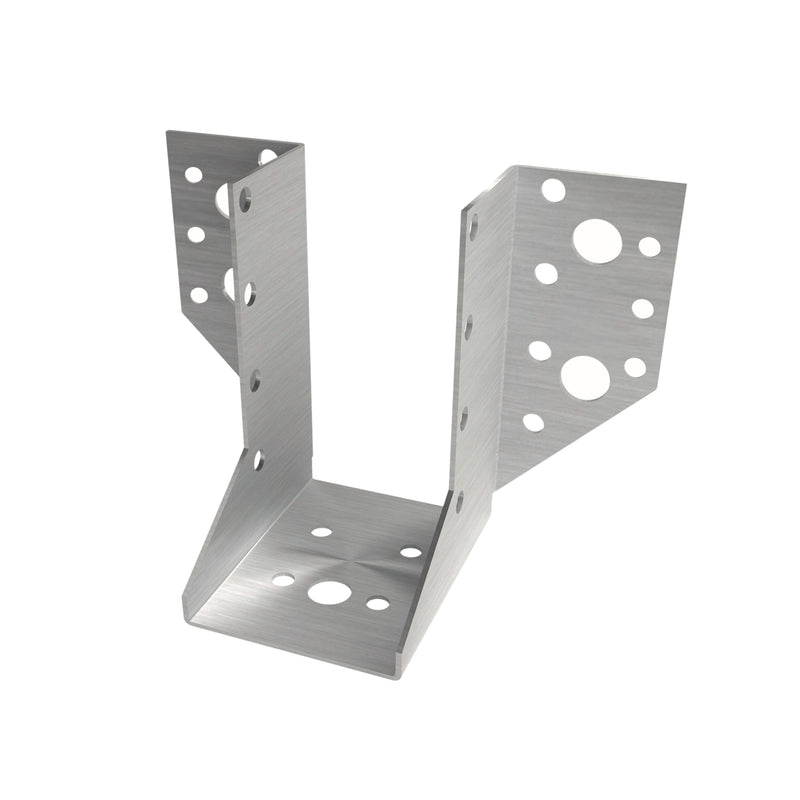
4. Perforated 135° bracket: the best angle bracket for non-standard angles
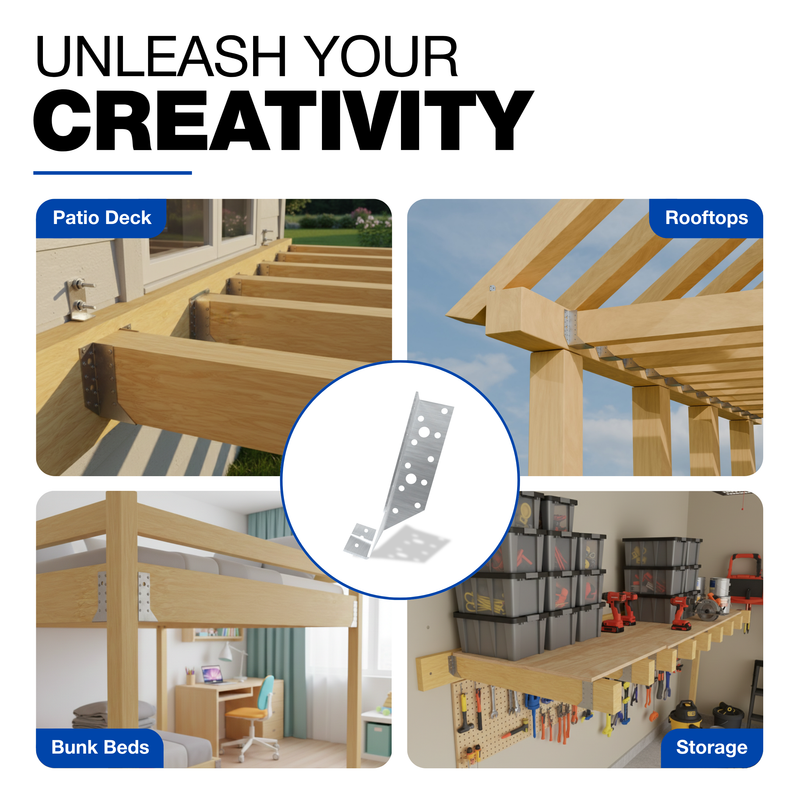
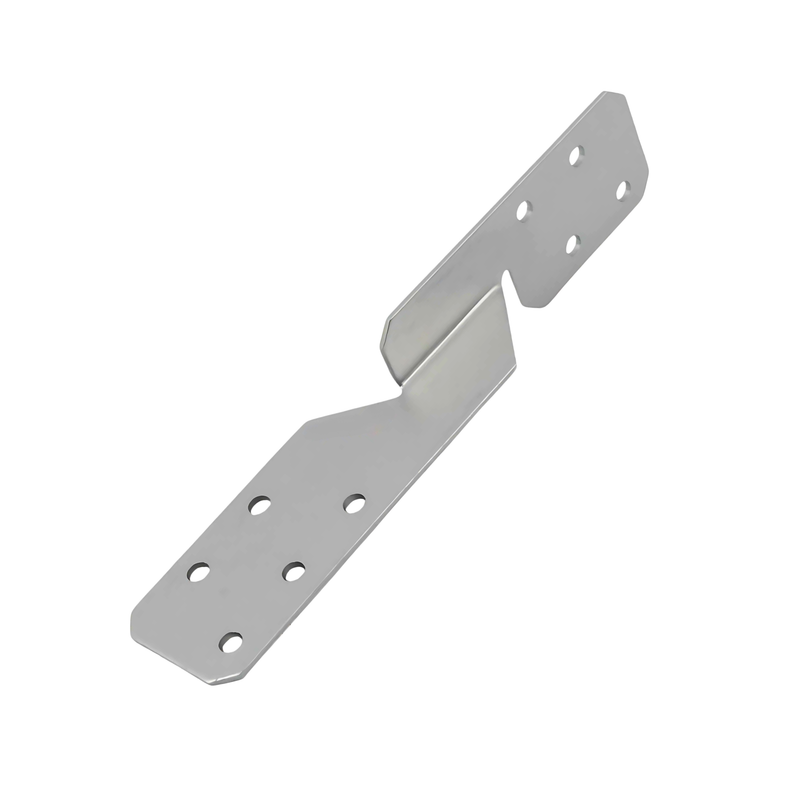
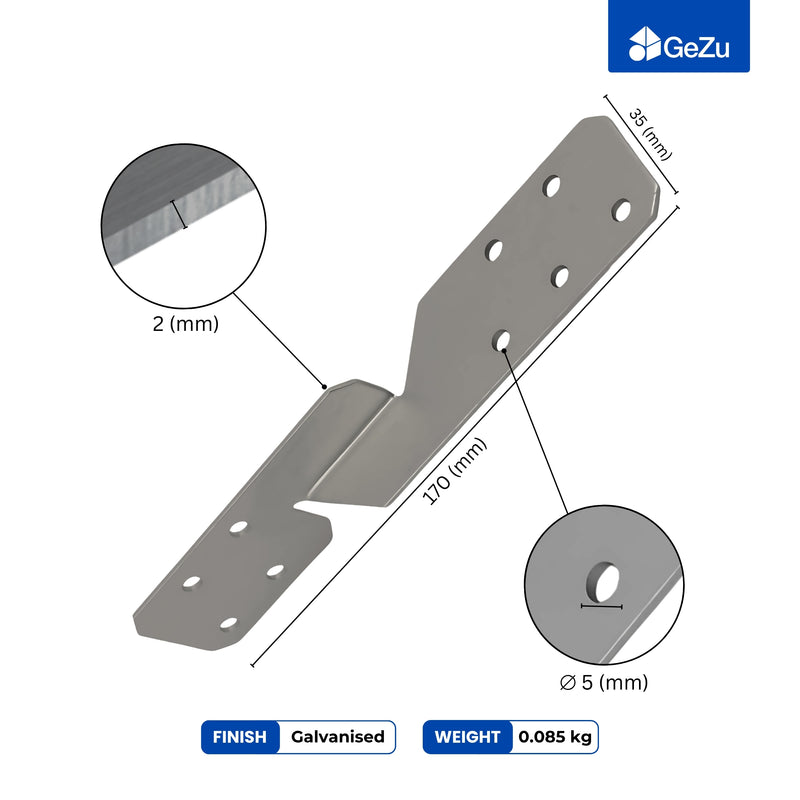
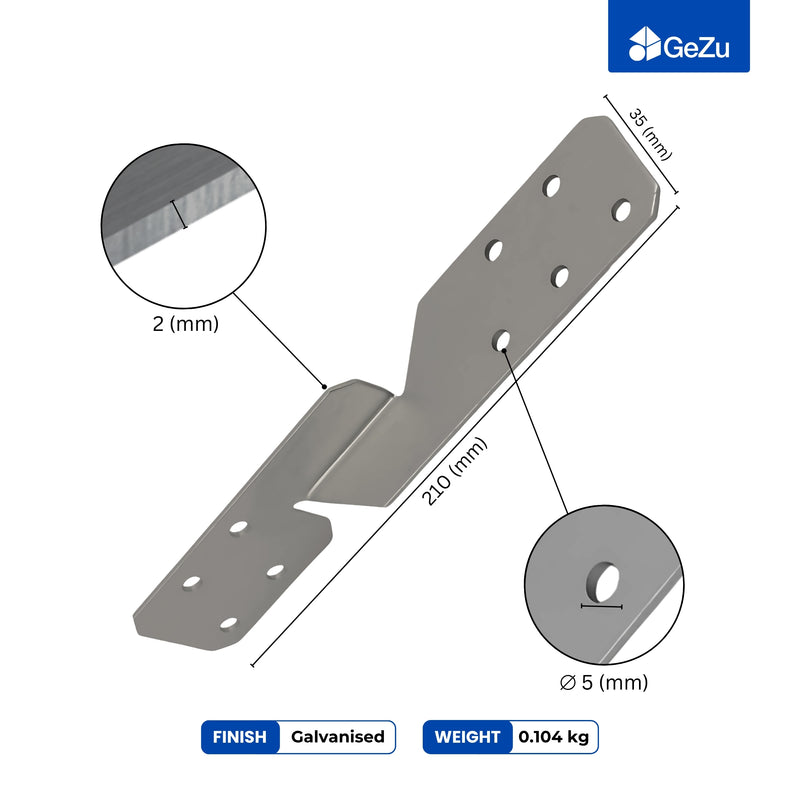
When the joint is not 90°, this 135° bracket is the only option in the ranking. It is typically used on pergola roofs, struts and sloped structures where a straight bracket cannot be fitted properly.
135° bracket pros:
- Only geometric option for a 135° angle
- Enough perforations for a stable anchor on sloped timber
- Relevant for pergola-type and sloped-frame structures
135° bracket cons:
- Unusable on a 90° joint
- Niche market, fewer variants available than the straight bracket
Best for: pergola-type roofs and sloped structures. Verdict: Buy if the project's angle requires it.
5. Adjustable bracket: the best angle bracket for variable spacing
This bracket lets you set the mounting distance through multiple holes, useful when timber sections are not perfectly standardised. It trades a little stiffness for that fitting flexibility.
Adjustable bracket pros:
- Multiple holes to adjust the mounting distance
- Useful on reclaimed timber or irregular sections
- Simplifies fitting on site when measurements vary
Adjustable bracket cons:
- Less stiff than a fixed angle under constant load
- Not recommended for heavy load-bearing joints
Best for: projects with irregular timber sections. Verdict: Reserve for light to medium loads.
6. Perforated corner bracket: the best budget angle bracket
This is the entry-level option in the ranking: a plain perforated bracket, without reinforcement, for light joints such as shelving, tool boxes or small outdoor furniture.
Perforated corner bracket pros:
- Lowest entry price in the ranking
- Enough for light loads and small furniture
- Easy to find in large quantities
Perforated corner bracket cons:
- Lowest load capacity on the list
- Avoid on any load-bearing or exposed outdoor joint
Best for: light DIY and small-budget projects. Verdict: Buy only for non-load-bearing work.
“If the bracket bends before the timber splits, the size or reinforcement chosen does not match the project's real load.”
How this ranking was built
The ranking rests on the criteria listed above: steel thickness, presence of reinforcement, number of fixing points, fixed or adjustable angle, galvanised protection and pack format. Each bracket is placed by the criterion where it stands out most, not by a single score across all loads.
Which angle bracket should you choose in 2026?
For a load-bearing joint or a deck in 2026, the reinforced angle bracket remains the default choice. For damp outdoor use without exceptional load, the galvanised bracket is enough. For a non-standard angle such as a sloped pergola, the 135° bracket is the only viable option, and for light DIY the perforated corner bracket covers the need without paying for unused load capacity.
FAQ
What is the best angle bracket for a heavy load in 2026?
The reinforced angle bracket is the best option in 2026 for heavy loads thanks to its reinforcement rib, which spreads the load across the whole surface.
Is a galvanised bracket stronger than the standard bracket?
No, galvanising protects against corrosion over time but does not increase the immediate load capacity compared with a standard perforated bracket.
When should you use a 135° bracket instead of a straight bracket?
A 135° bracket is used when the joint is not 90°, typically on pergola roofs or sloped structures where a straight bracket cannot be fitted properly.
Is an adjustable bracket suitable for load-bearing structures?
No, the adjustable bracket is less stiff than a fixed angle under constant load and should be reserved for light to medium loads.
Is the perforated corner bracket enough for an outdoor deck?
No, this bracket has the lowest load capacity in the ranking and should be reserved for non-load-bearing work such as shelving or small furniture.
How do you know if an angle bracket is undersized?
If the bracket bends or the screws pull out before the timber splits, the bracket's load capacity is insufficient for the project.
Should you choose a reinforced bracket or a plain perforated one?
The reinforced bracket suits load-bearing joints; the plain perforated one is enough for general framing with no exceptional load requirement.
The detail that changes everything
The reinforcement rib does not always show in a product photo: it is the detail that separates a load-bearing angle bracket from a decorative one in 2026, far more than the apparent thickness of the steel.