Scaffolding Couplers And Clamps (Complete Guide)

Scaffolding is the backbone of most construction projects, you know. But scaffolding couplers are the real backbone of the tube and fitting scaffold system. Scaffold tubes provide the structure, while scaffolding clamps make the entire system stable and adaptable on-site.
Scaffolding systems are only as strong as the connections that hold tubes and boards together. Without these connections, scaffolding would be unstable and impossible to adapt to construction site conditions.
Whether you’re working on a small residential renovation or a large commercial build, understanding scaffold couplers is important. So, let’s learn all about scaffold couplers and clamps!

What is a Scaffolding Coupler?
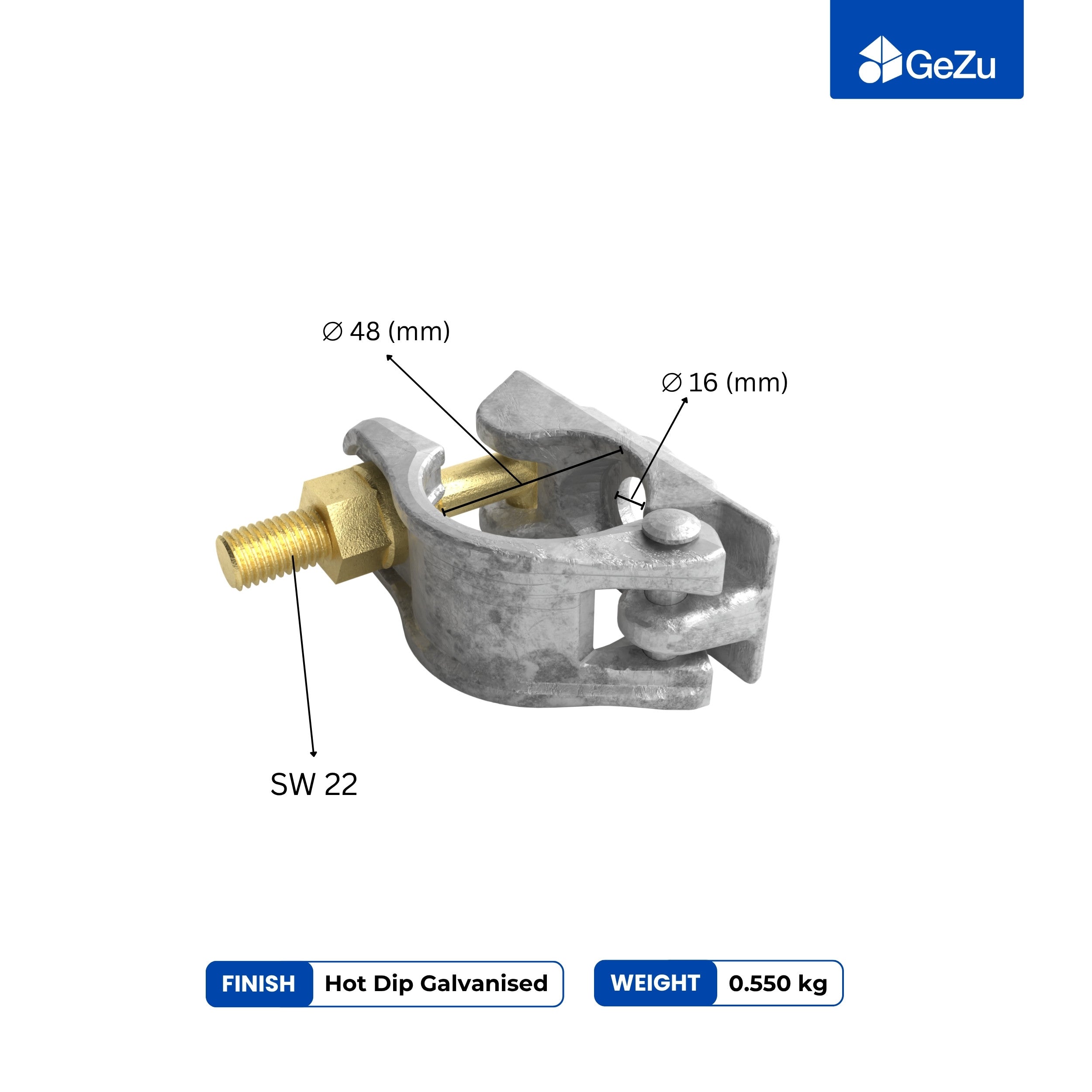
A scaffolding coupler is a metal connector used to join scaffold tubes together to create a strong framework. These clamps connect two or more steel tubes and hold them in place under load. Scaffold clamps are the core component of tube and clamp scaffolding systems.
Scaffold couplers are designed to create secure connections between tubes, whether you're joining them at right angles, parallel to each other, or at various other positions. Without them, you'd just have a pile of metal tubes with no way to build a safe working platform.
Apart from this, couplers allow scaffolding to be assembled, adjusted and disassembled quickly, unlike welded or fixed systems. This flexibility is why tube and coupler scaffolding is still widely used across construction, maintenance and industrial projects worldwide.
In simple terms, scaffold couplers are the joints that turn tubes into a working structure. Besides, scaffolding couplers are also called:
-
Scaffolding clamps
-
Scaffold tube clamps
-
Scaffold pipe clamps
-
Scaffold connectors
-
Scaffold fittings
-
Scaffold joints
What is the Purpose of the Scaffolding Coupler?
The main purpose of a scaffold coupler is to connect scaffold tubes at specific angles and positions and create a stable scaffold structure that workers can rely on. But if we dig deeper, scaffold connectors serve several specific functions.
They transfer loads between connected tubes, ensuring that weight is distributed throughout the structure. Besides, they also provide flexibility in scaffold design. You can build structures that fit around obstacles, reach different heights and adapt to unique building shapes.
Without scaffold tube clamps, every scaffold would need to be welded together, which would be impractical and expensive. Apart from this, safety is another major purpose. Properly installed couplers prevent tubes from slipping or rotating, which could lead to serious failures.
Purposes of Scaffold Couplers:
-
Connect scaffold pipes to form a stable structure.
-
Transfer loads between connected tubes.
-
Provide flexibility in scaffold design for different heights and shapes.
-
Allow scaffolds to be easily assembled, adjusted, and taken apart.
-
Ensure safety by preventing tubes from slipping or rotating.
-
Support strict load requirements without permanent welding.
What are the Components of Scaffolding Clamps?
Scaffolding clamps design may vary, but most clamps are made up of these basic parts:

1. Clamp Base (Main Body)
The clamp base serves as the structural foundation of the coupler assembly. It rests against the scaffold tube and provides the primary support structure that holds all other parts together. Its curved design cradles the tube while maintaining the clamp's integrity.
2. Clamp Cap (Movable Section)
The clamp cap is the upper, movable part of the clamp. The movable section sits opposite the main body and features an adjustable upper portion that creates the gripping action. This component moves toward the base when tightened, wrapping around the tube to complete the secure hold.
3. Tightening Bolt (Fastening Screw)
Bolt is a threaded screw component that runs through both the base and cap sections of the clamp. When rotated, it draws the movable section closer to the fixed body and generates the force needed to secure the connection between scaffolding tubes.
4. Securing Nut (Threaded Fastener)
Used alongside the bolt, the nut is rotated to fasten the clamp components together, locking the structure in place. The threaded fastener pairs with the bolt to complete the tightening mechanism. Turning this nut or the bolt head tightens the entire assembly around the tube.
5. Distribution Washer (Load Spreader)
Washers sit between the bolt and nut to distribute pressure evenly, prevent damage to the clamp surfaces, and reduce the risk of loosening. It also reduces the likelihood of fasteners working loose during use, contributing to connection reliability.
6. Retention Pin (Rivet)
Some clamps incorporate a rivet or retention pin as a permanent joining element for specific internal components. This fastener is installed through the metal parts using pressure techniques, creating an additional anchoring point that enhances structural stability.
These components work as an integrated system rather than independent parts. When you understand how each element contributes to the overall function, you can better assess clamp quality.
What are the Different Scaffolding Clamp Types?
Different scaffold connections require different types of clamps. Here are the most common types of scaffolding couplers:

1. Right Angle Coupler (Double Coupler)
Right angle couplers are the most common scaffold clamp. They connect two tubes at a 90-degree angle, which is perfect for attaching ledgers to standards or creating square corners.
2. Swivel Coupler
Swivel couplers allow you to connect tubes at any angle, not just 90 degrees. These are incredibly useful when you're working around irregular building shapes or need to create bracing at specific angles.
3. Putlog Coupler (Single Coupler)
Putlog couplers are designed to support putlogs or ledgers from a single tube. One jaw clamps onto the vertical or horizontal tube, while the other has a flat blade that rests on a ledger or sits in the building's wall.
4. Sleeve Coupler
Sleeve couplers join two tubes end-to-end in a straight line. These are essential when you need to extend the height of standards or the length of ledgers beyond what a single tube can provide.
5. Beam Coupler (Girder Coupler)
Beam clamps attach scaffolding tubes to steel beams or girders. These are less common but important when you're building scaffolding from structural steel rather than starting from the ground.
6. Board Retaining Couplers
Board retaining clamps (BRC) are smaller clamps designed specifically to prevent scaffold boards from sliding off the framework. BRCs are used to secure wooden or metal boards on scaffolding.
In Which Materials Scaffolding Clamps are Available?
Most scaffolding clamps are made from steel because it offers excellent strength and durability for construction use. The type of steel depends on the load requirements and the working environment. Common materials include:
Forged Steel Couplers
Forged steel clamps are the strongest option available. The forging process compresses the metal under high heat and pressure, creating a dense structure that can handle heavy loads. These clamps are best suited for heavy-duty and long-term scaffolding projects.
Pressed Steel Couplers
Pressed steel clamps are made by shaping steel sheets using a pressing process. They are more affordable and commonly used for standard scaffolding work. While not as strong as forged steel, properly manufactured pressed steel couplers are reliable and safe for most applications.
Stainless Steel Couplers
Stainless steel clamps are used in special environments such as marine areas or chemical plants where corrosion is a serious concern. They offer excellent resistance to rust but come at a higher cost, so they are used only when required.
Protective Coatings for Scaffold Couplers
To prevent rust and extend service life, most steel scaffold couplers are finished with a protective coating.
Hot-Dip Galvanized Couplers
Hot-dip galvanizing is the most effective and widely used coating method. The coupler is dipped into molten zinc, forming a thick protective layer that provides long-lasting corrosion resistance. Hot-dip galvanized couplers are ideal for outdoor and severe weather conditions.
Electroplated Couplers
Electroplated couplers have a thin zinc coating applied through an electrochemical process. They offer basic corrosion protection and are a cost-effective choice for indoor use or short-term outdoor scaffolding. But hot-dip galvanizing offers the best protection against rust.
What are the Common Scaffold Clamps Sizes for Scaffold Tube?
Scaffolding clamps are designed to match standard scaffold tube diameters. 48.3 mm steel tubes are the most common size for scaffolding systems. Therefore, most scaffold couplers are designed to connect 48.3 mm tubes.
48.3 mm has become the industry standard globally and is widely used in the UK, Europe, Asia and most other regions. Having said that, some regions also use 48 mm tubes, which are nearly identical and compatible in most cases.
For heavy-duty scaffolding systems and specialized support structures, larger tube sizes such as 60 mm are also used. However, 60 mm scaffold couplers are less common, as the standard pipe for scaffolding meets the needs of most construction projects.
So, scaffolding couplers are available in 48 x 48 mm and 48 x 60 mm sizes.

What are the Applications of the Scaffold Tube Coupler?
Beyond just connecting tubes, scaffolding clamps have several practical applications on construction sites. Scaffold tube couplers are used in:
-
Construction scaffolding systems
-
Industrial maintenance scaffolds
-
Temporary access platforms
-
Bridge and infrastructure work
-
Shipbuilding and offshore structures
-
Event staging and rigging
-
Temporary fencing and handrail systems
How to Choose the Right Scaffold Coupler Clamp?
Selecting the right coupler involves considering several factors beyond just size.
-
Load Requirements: Check the working load limit and tensile strength of the coupler. For construction scaffolding, EN 74 Class A or equivalent is recommended.
-
Application Type: Choose couplers based on the type of connection. Right-angle couplers are for standard frameworks; swivel couplers are for complex structures.
-
Compliance and Certification: Safety first! Only pick couplers that meet local standards, like EN 74 in Europe or ANSI in the U.S. and check for certification stamps.
-
Material Quality: Stronger usually means safer. Forged steel lasts longer and handles more weight, while pressed steel works well for lighter, temporary scaffolds.
-
Galvanizing Quality: Rust can ruin scaffolding fast. Hot-dip galvanized couplers last the longest, especially outdoors or in wet conditions.
-
Bolt Quality: Don’t overlook bolts. Bolts should be made from hardened steel with proper threading. Avoid cheap bolts that strip or break under load.
-
Brand Reputation: Go with trusted brands like GeZu Impex; they offer better quality control. All couplers are made of heavy-duty galvanised steel, in compliance with EN74 standards.
Final Thought
Scaffolding couplers are used wherever scaffold tubes need to meet, cross, or support one another. They connect vertical standards to horizontal ledgers, secure tubes that carry scaffold boards and create diagonal bracing that stops the structure from swaying.
Beyond standard scaffolding, scaffold clamps are also used for temporary handrails, edge protection, access platforms and even event staging. Their versatility makes them one of the most useful fittings on any construction site, especially when custom layouts are required.
So, always buy from reputable suppliers and verify that products meet industry standards. The few extra dollars spent on quality couplers are insignificant compared to the cost of an accident or project delay.