Best wood post connectors for framing in 2026

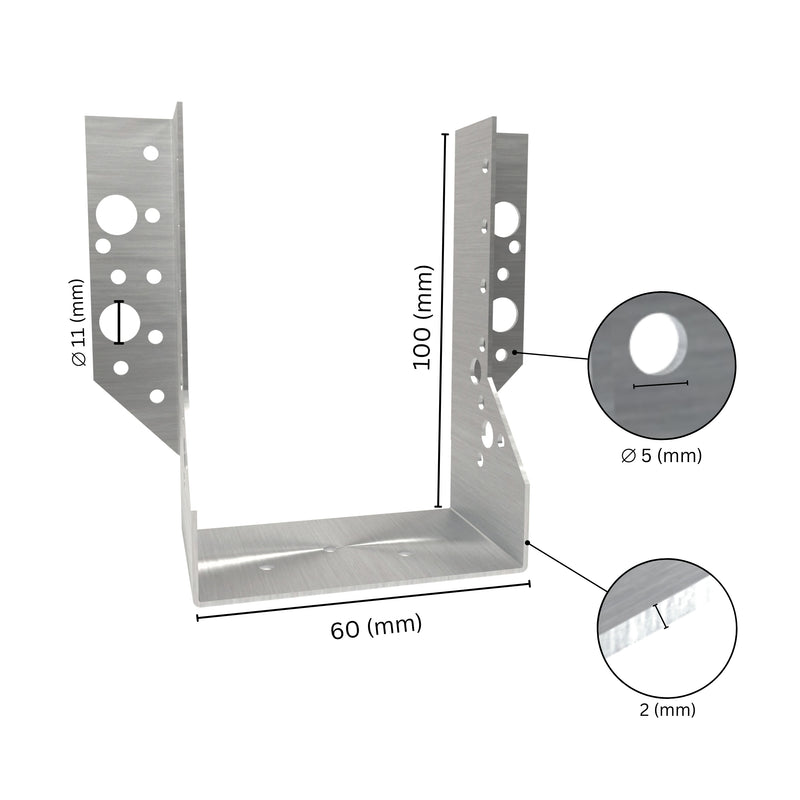
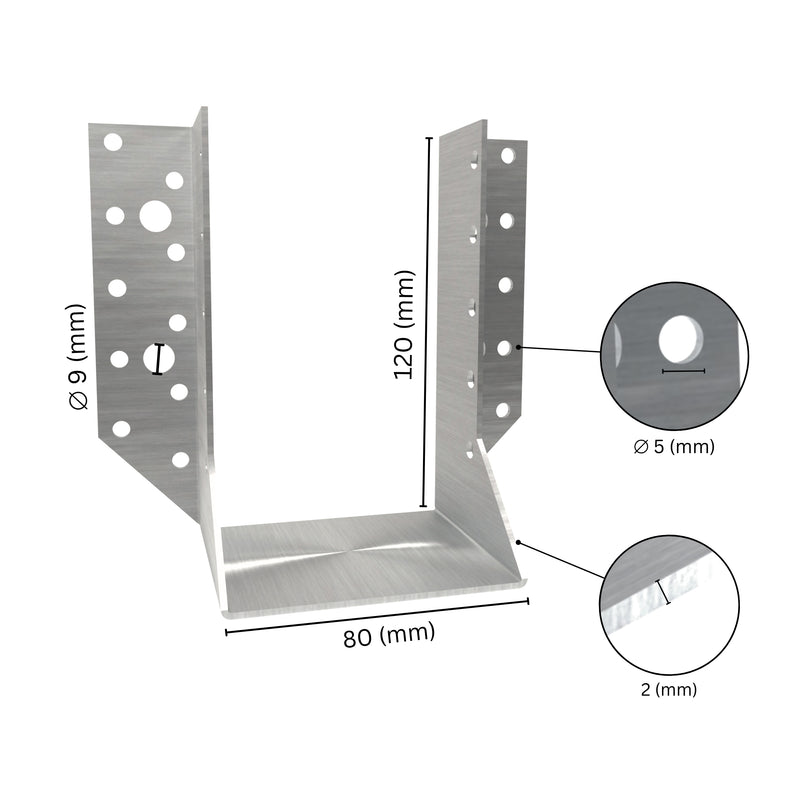
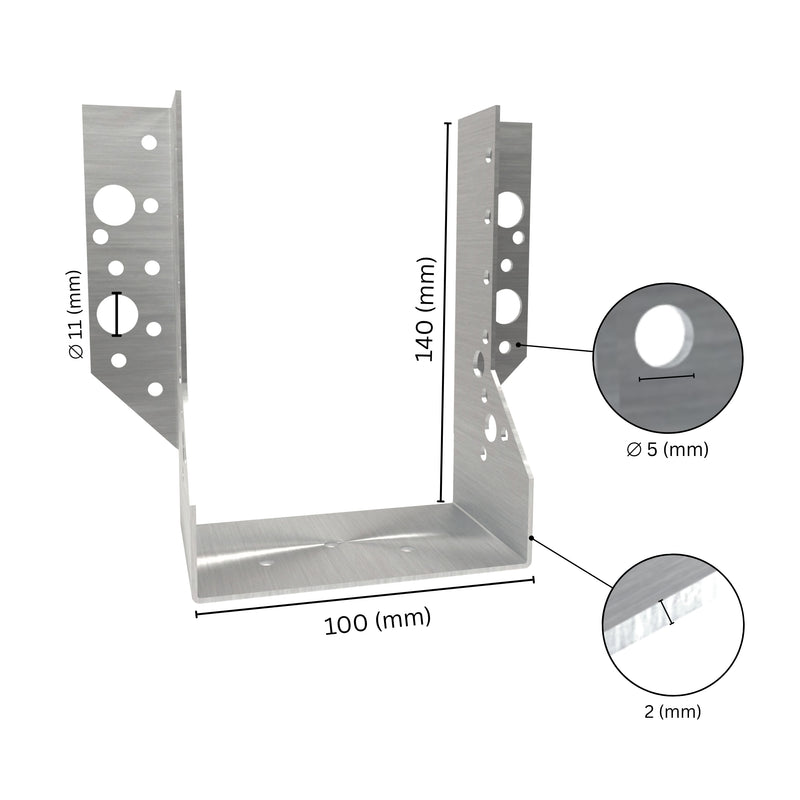
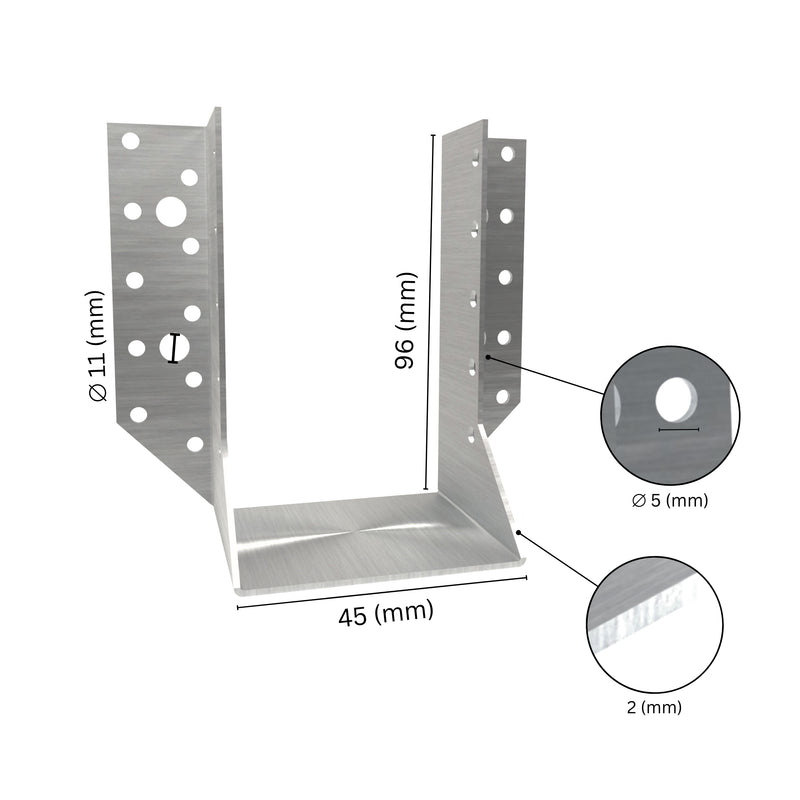
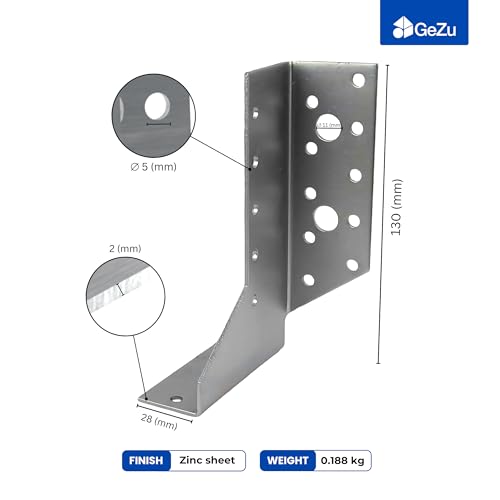
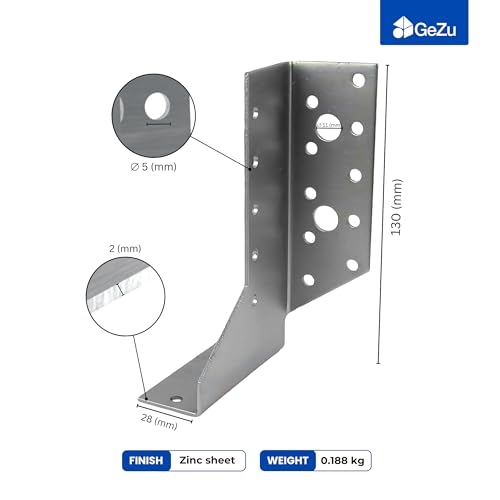
In a 2026 framing job, the connectors decide whether the frame stays square for decades or racks loose within a season: each joint between a post, a beam and a rail transfers load, and timber alone cannot hold those loads without hardware. Best wood post connector for framing overall: the Joist Hanger Beam Shoe Type A from GeZu Impex, for seating a joist or beam square onto a post with its flanges outside. Best for corner posts: the 3-Way Post Connector Y Shape, 71 x 71 mm. Best for rail-to-post joints: the 3-Way Post Connector T Shape, in black powder-coated steel.
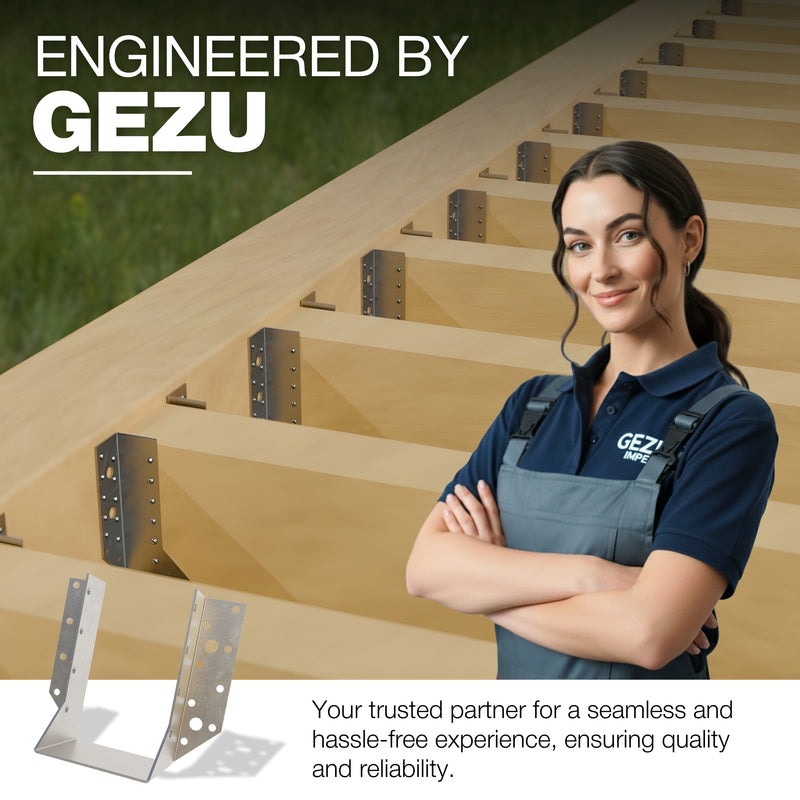
- The Joist Hanger Beam Shoe Type A is the best wood post connector for framing a beam onto a post in 2026.
- The 3-Way Y connector carries corner posts where two rails meet at an angle.
- The 3-Way T connector handles mid-run rail junctions in black or galvanised finish.
- Perforated angle brackets tie posts, rails and panels at any right angle.
- Flat connector plates join timber face to face where a corner piece is overkill.
Why the right post connector matters
Timber framing fails at its joints. A post standing between two rails works in compression, which wood handles easily; the connection, however, must stop the rail pulling away, twisting or racking under wind and live load. Nails alone cannot do that work — the joint needs steel plates that spread the load over the timber face.
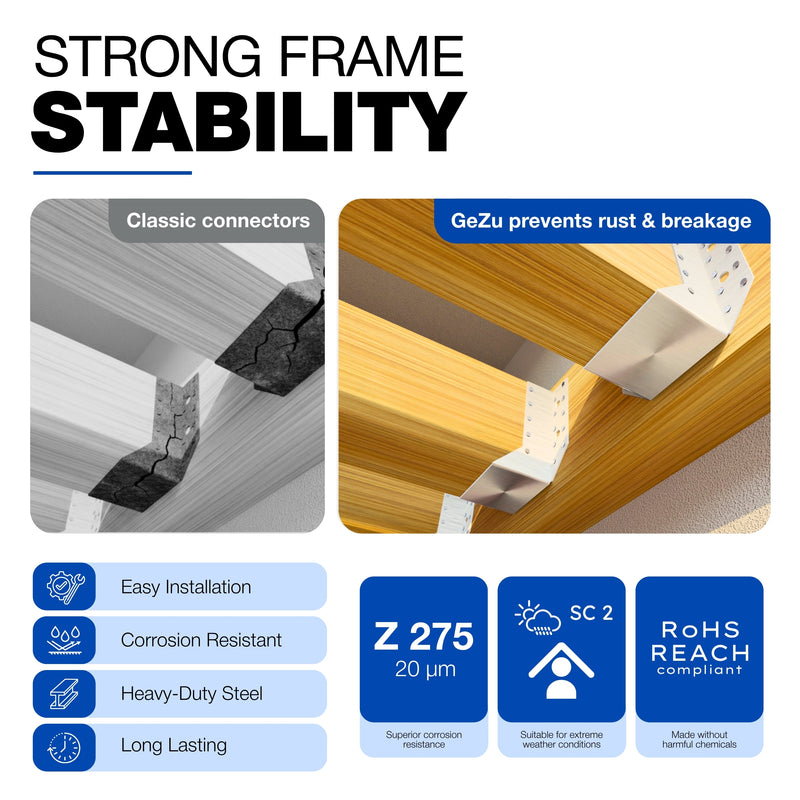
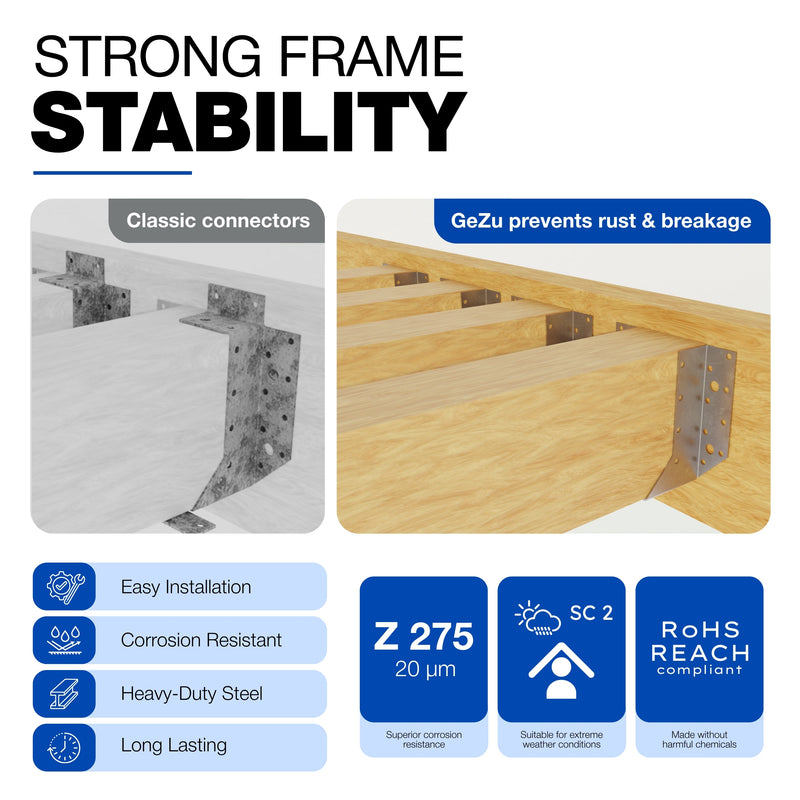
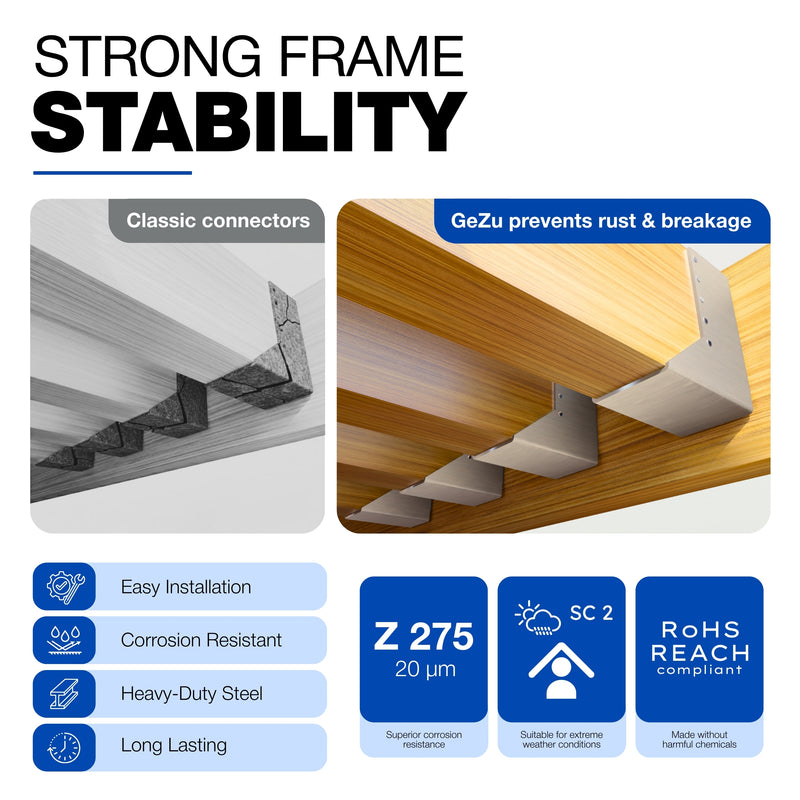
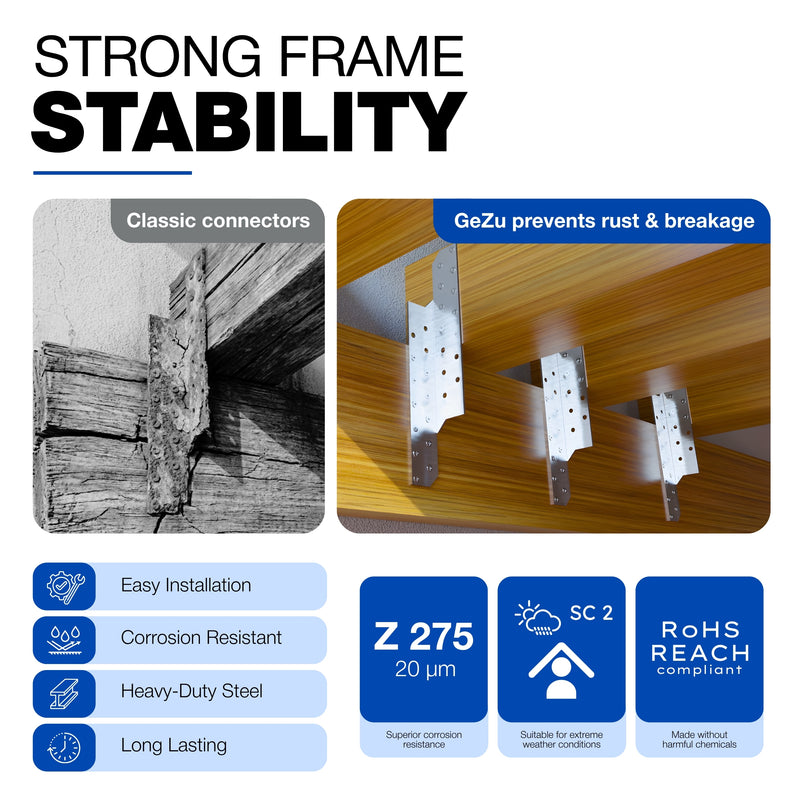
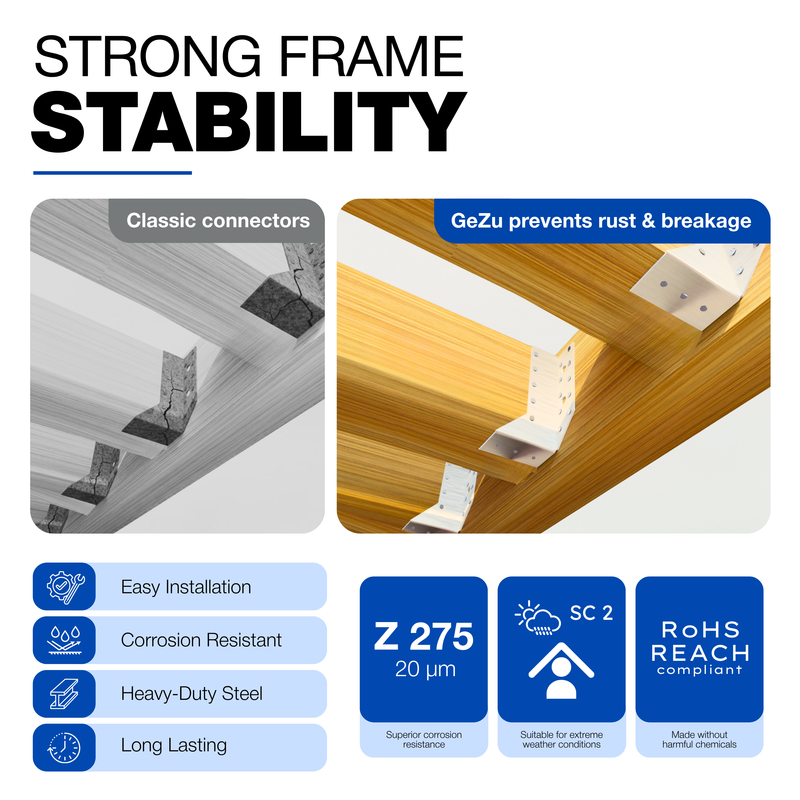
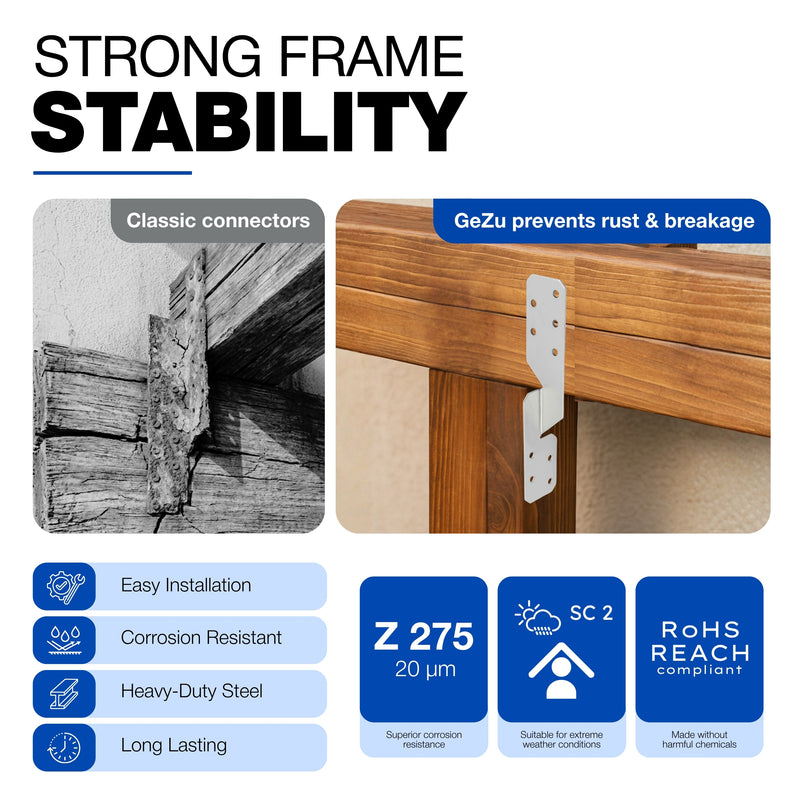
Hardware also decides the weather performance. A post connector that keeps the timber clear of soil or off a slab prevents the classic end-grain rot that kills garden framing from the ground up. Choosing galvanised steel for buried or outdoor use, and hot-dip rather than electro-plated where the part sits at ground level, is the difference between a structure you rebuild in five years and one you never touch.
What makes a good wood post connector for framing
- Timber size: 71 x 71 mm is the common post dimension these connectors are built for — match the slot to the actual post, not the nominal name.
- Joint direction: a 2-way L for corners, a 3-way T or Y for mid-run junctions, a 4-way X for cross posts.
- Finish: hot-dip galvanised for outdoor framing; powder-coated black where the frame stays visible.
- Fixings: screw holes positioned for structural screws, driven in pairs, never single fasteners in a corner hole.
- Drainage: an open-style bracket lets water run out from under the post end; a closed socket traps it.
- Load path: the connector must sit so loads pass through the steel, not through fasteners in withdrawal.
Wood post connectors for framing in 2026: at a glance
| Connector | Best for | Standout feature | Key limitation |
|---|---|---|---|
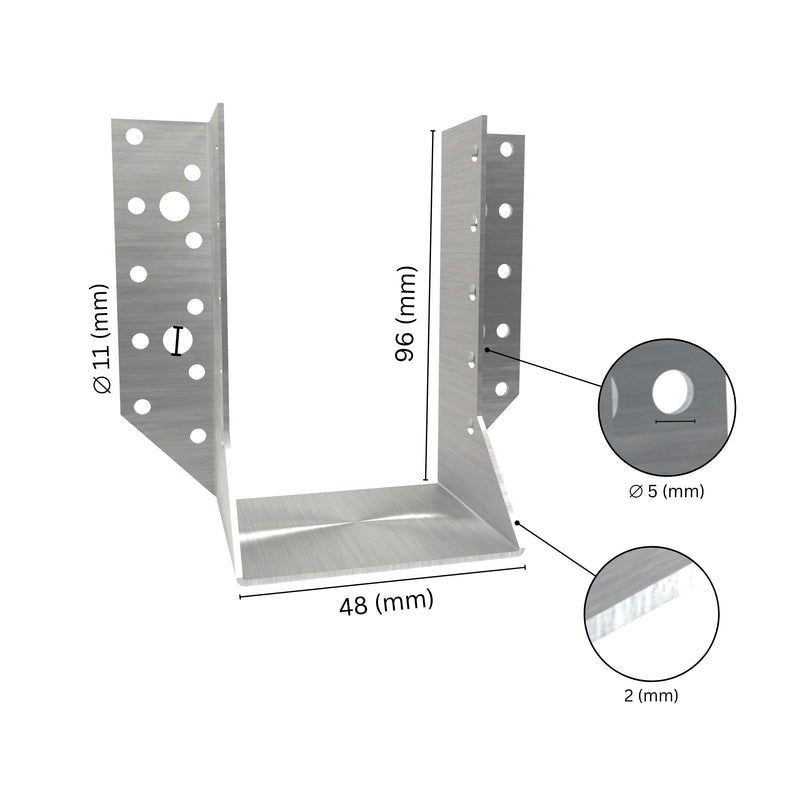
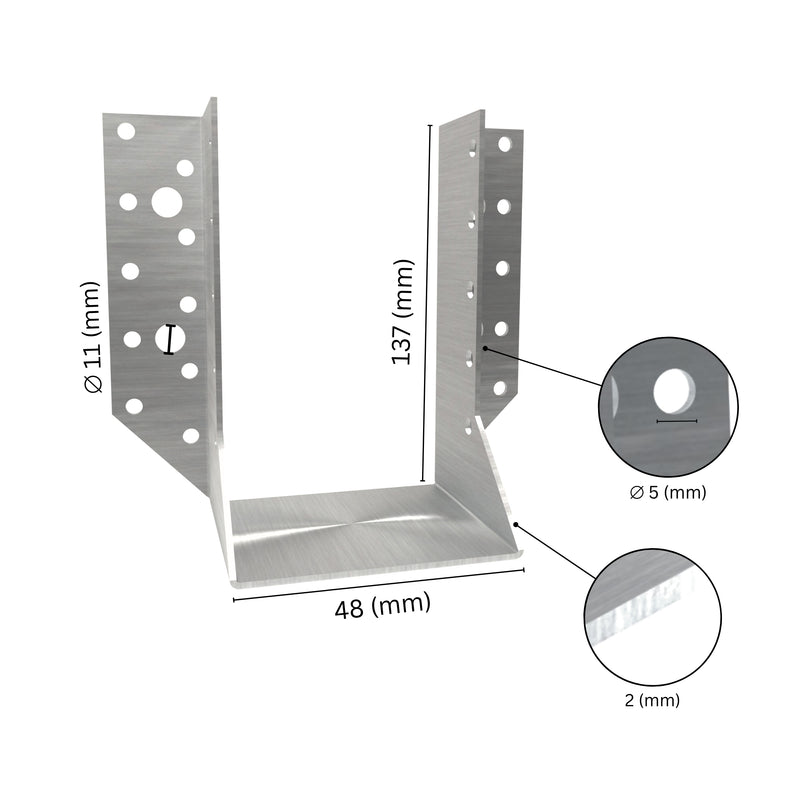
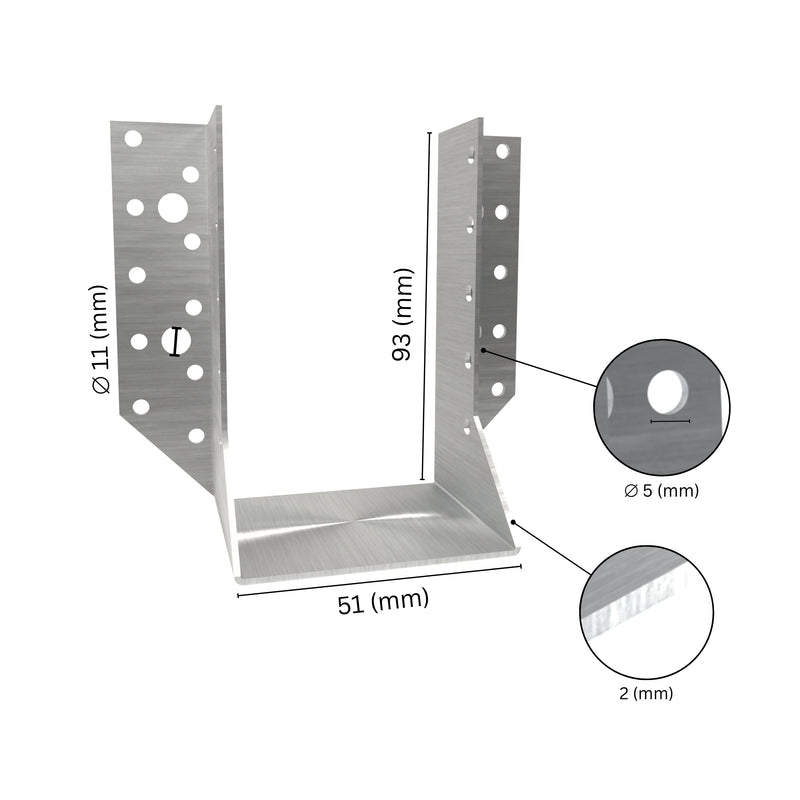
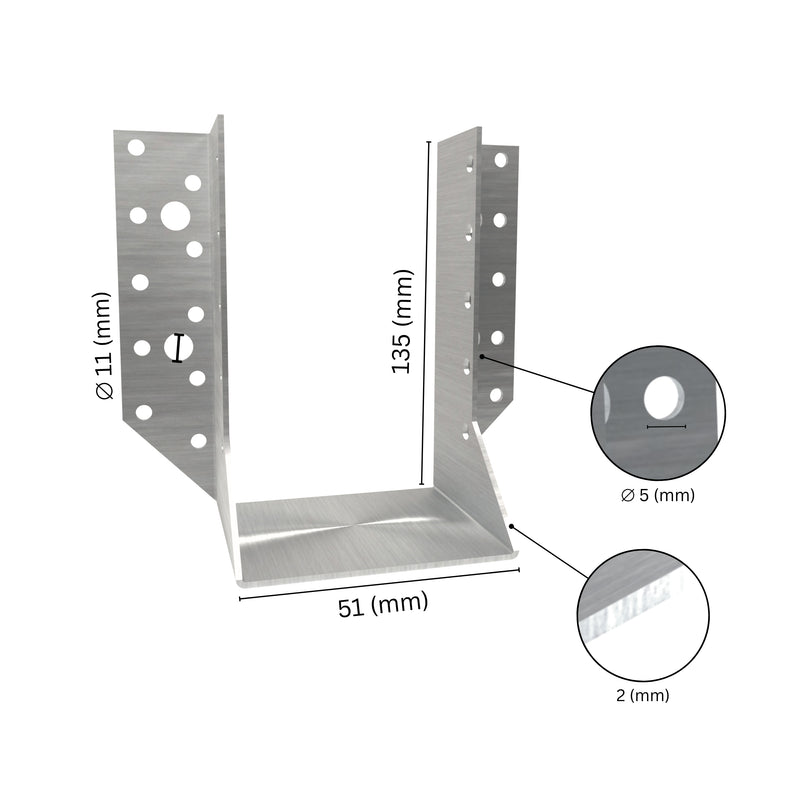
| Joist Hanger Beam Shoe Type A | Beam seated on a post | External flanges, clean seating face | Post must be cut square |
| Joist Hanger Beam Shoe Type B | Beam between two supports | Internal flanges, tighter fit | Less room for the fixing driver |
| 3-Way Post Connector Y Shape | Corner posts | Three directions in one piece | 71 x 71 mm posts only |
| 3-Way Post Connector T Shape | Mid-run rail junction | Black powder-coated finish | Not for corner loads |
| Perforated Angle Bracket | Reinforcing any right angle | Pre-drilled, cut to length | Flat steel only, no socket |
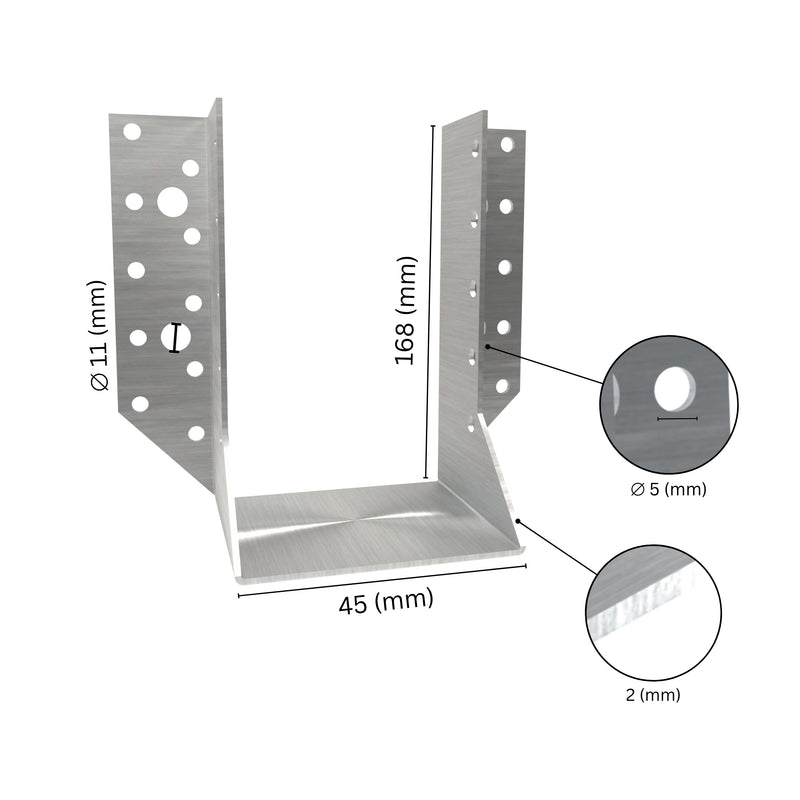
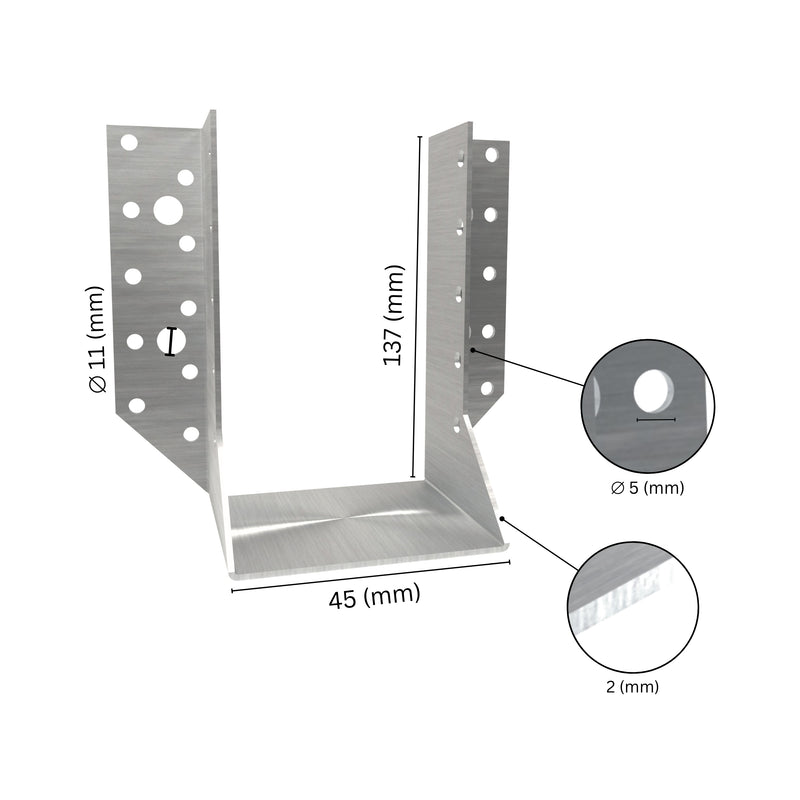
1. Joist Hanger Beam Shoe Type A: the best connector for a beam on a post
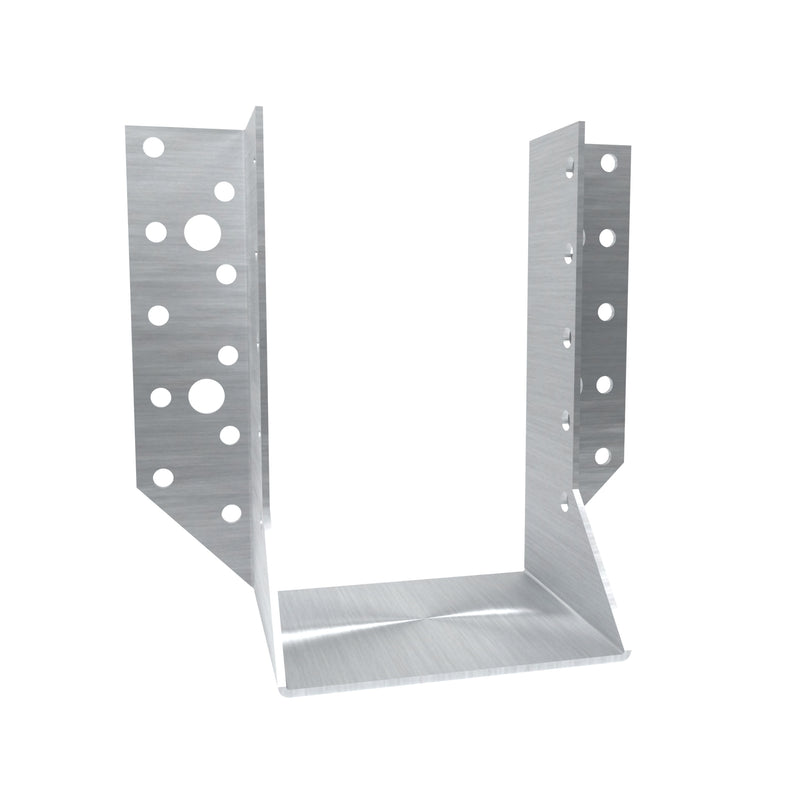
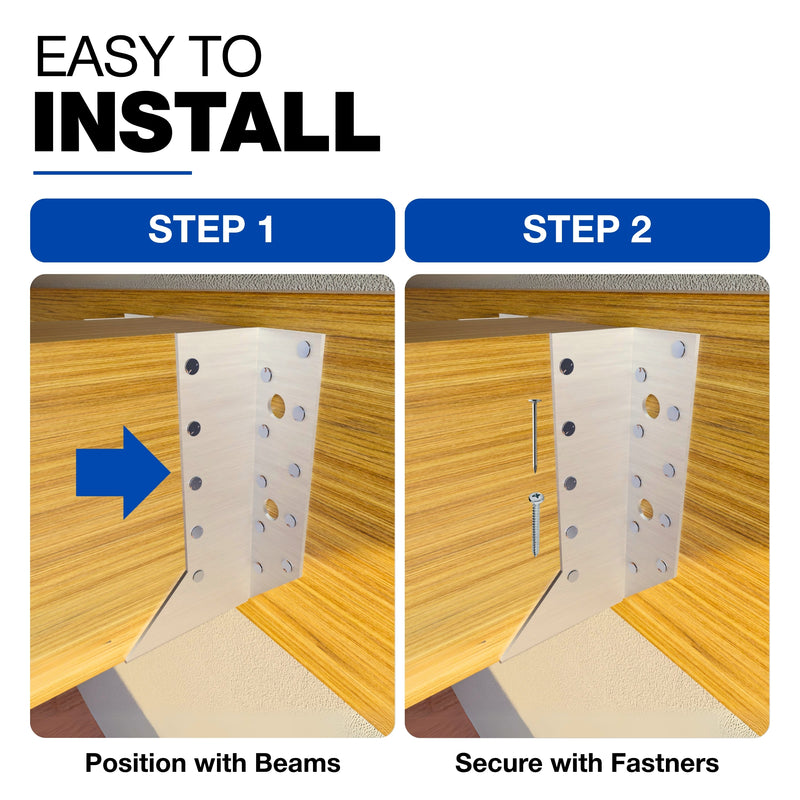
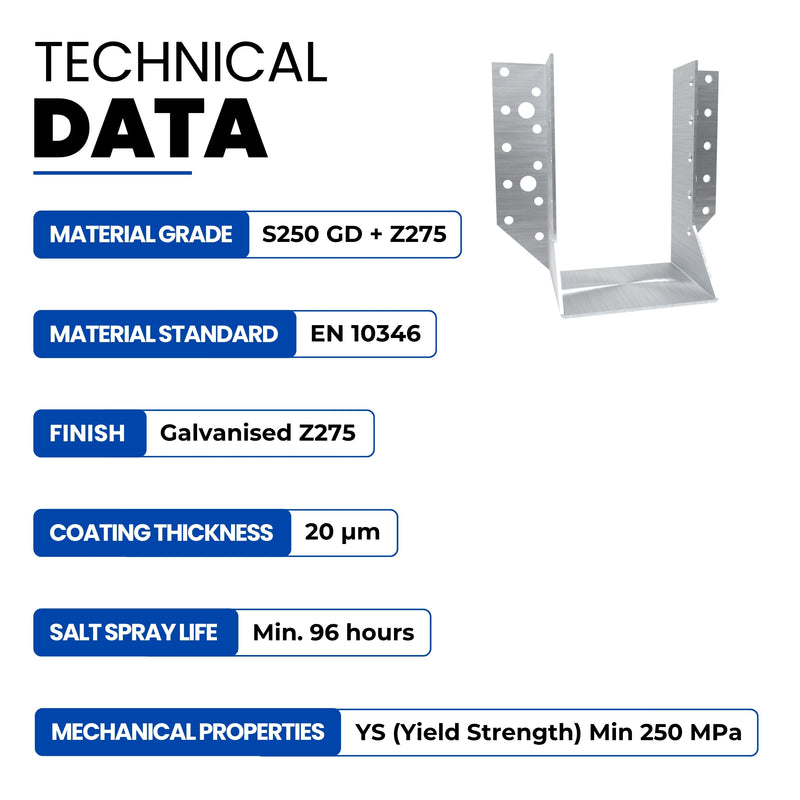
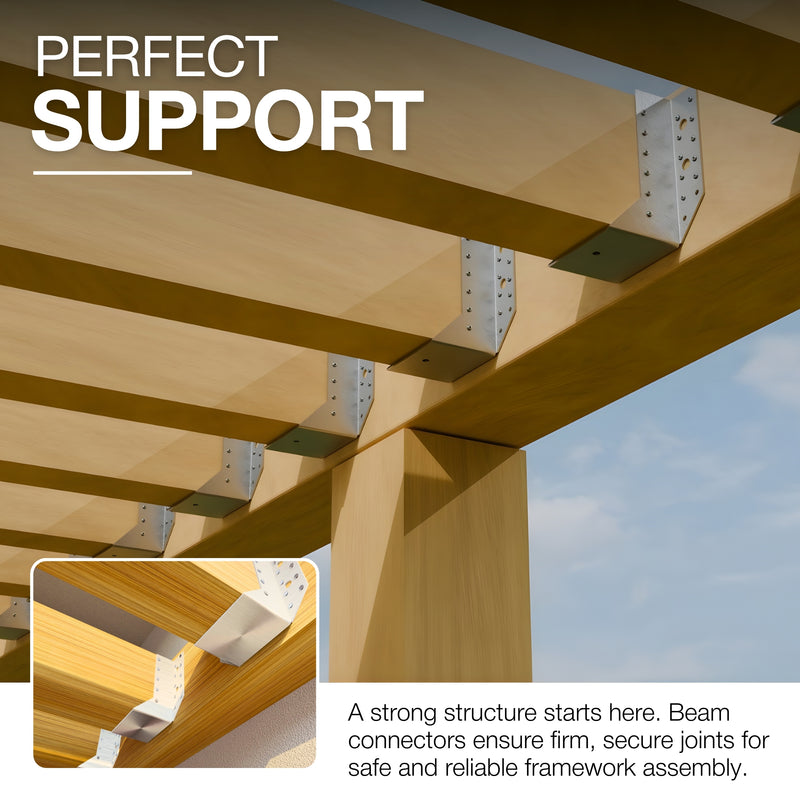
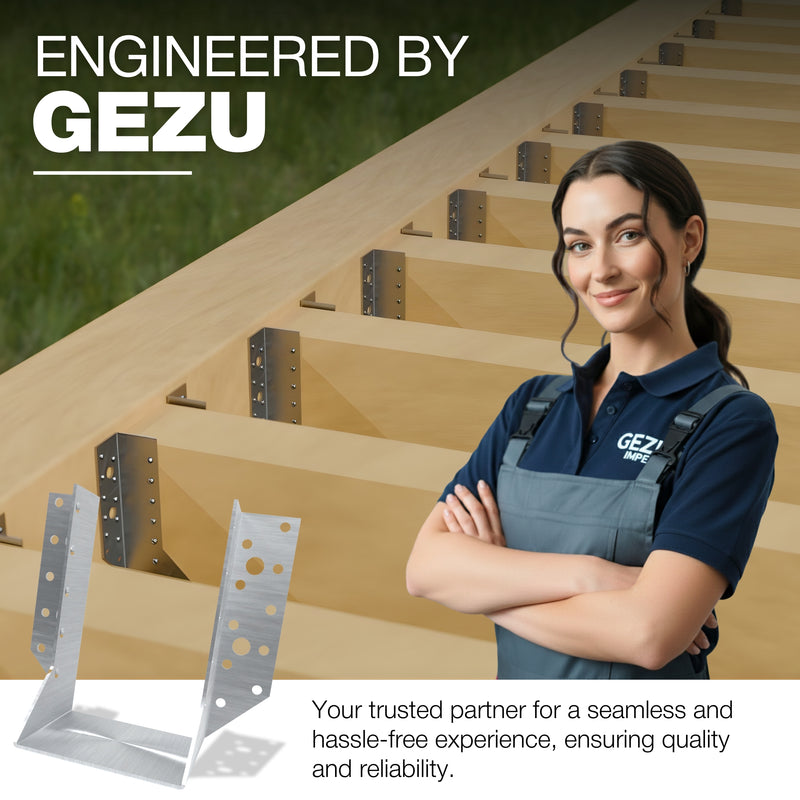
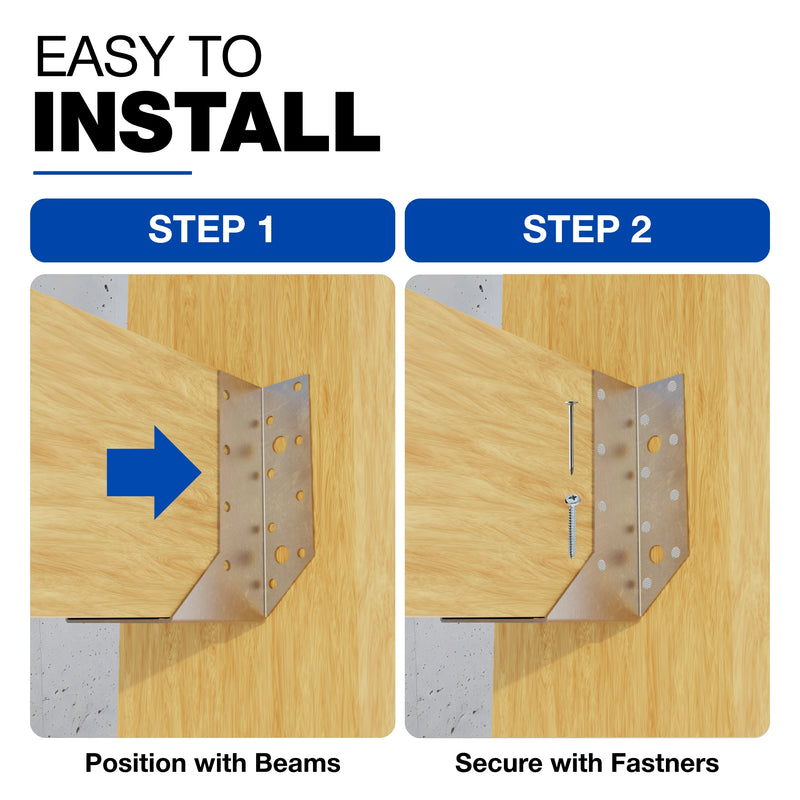
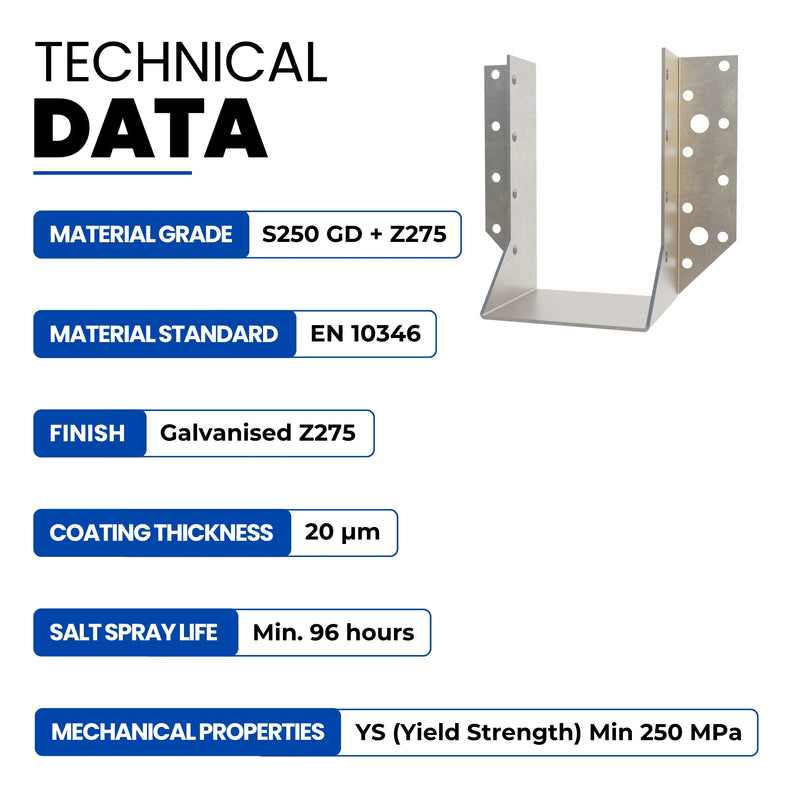
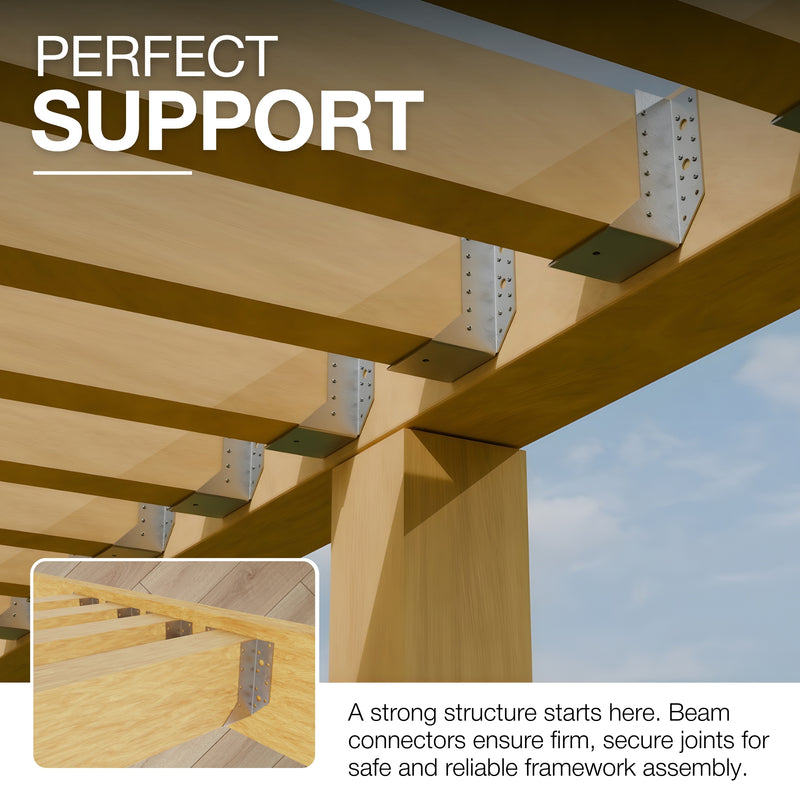
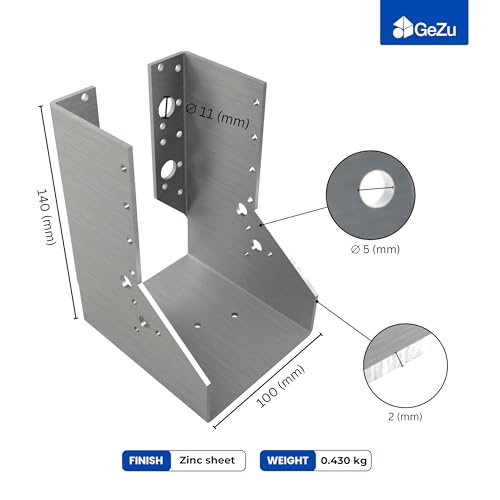
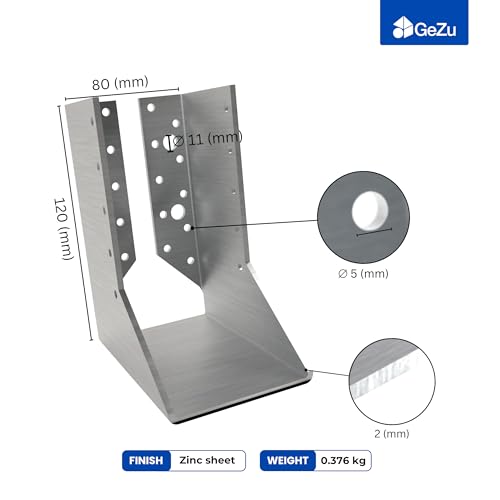
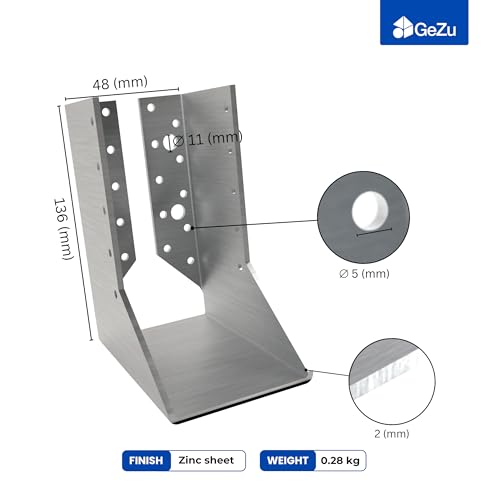
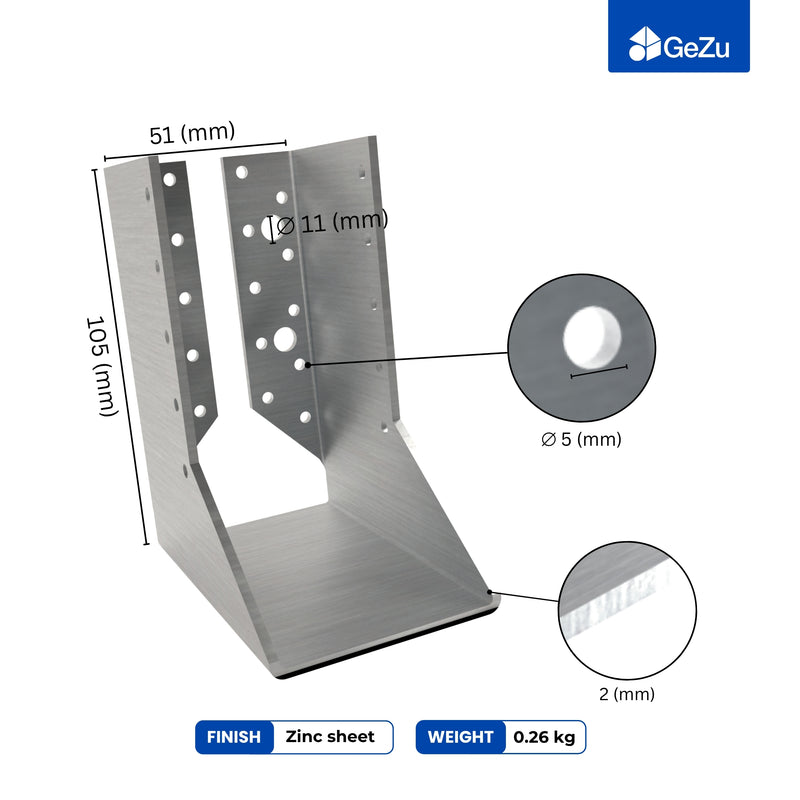
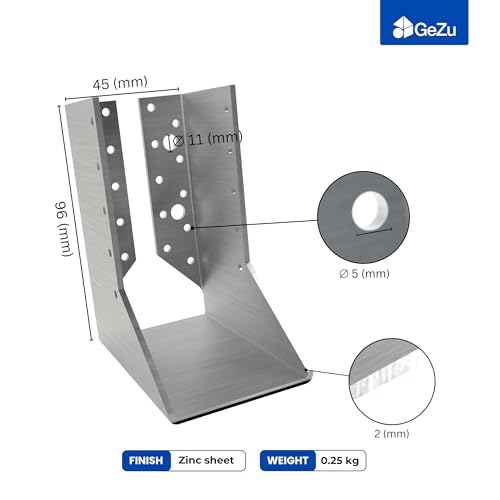
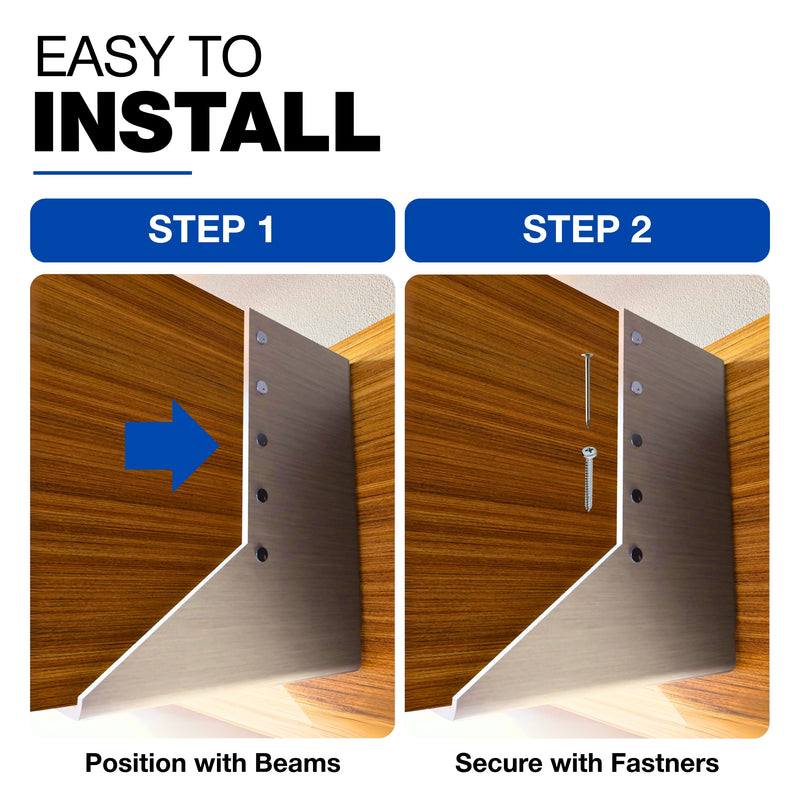
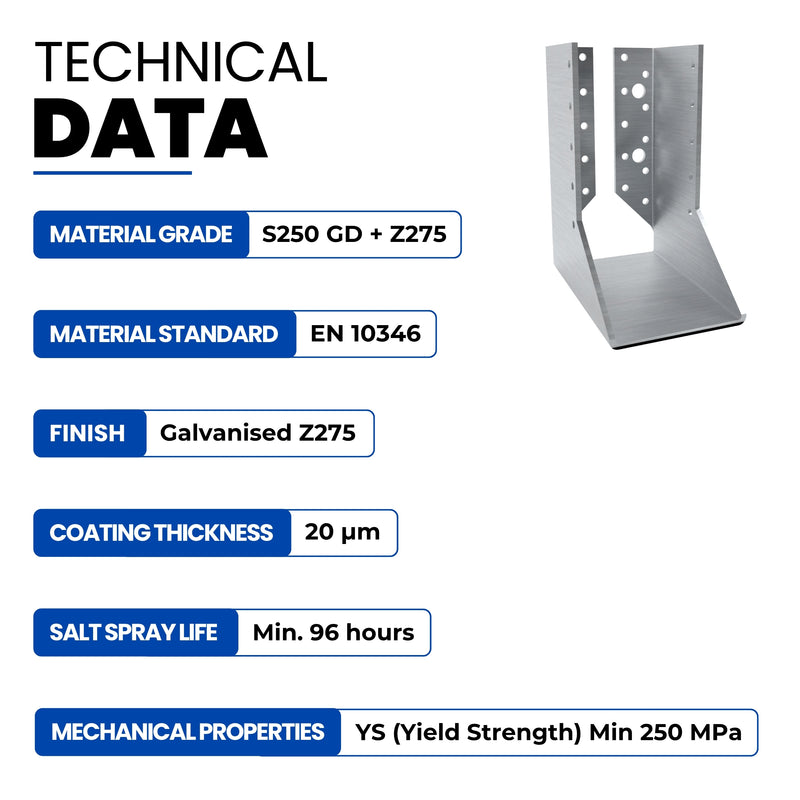
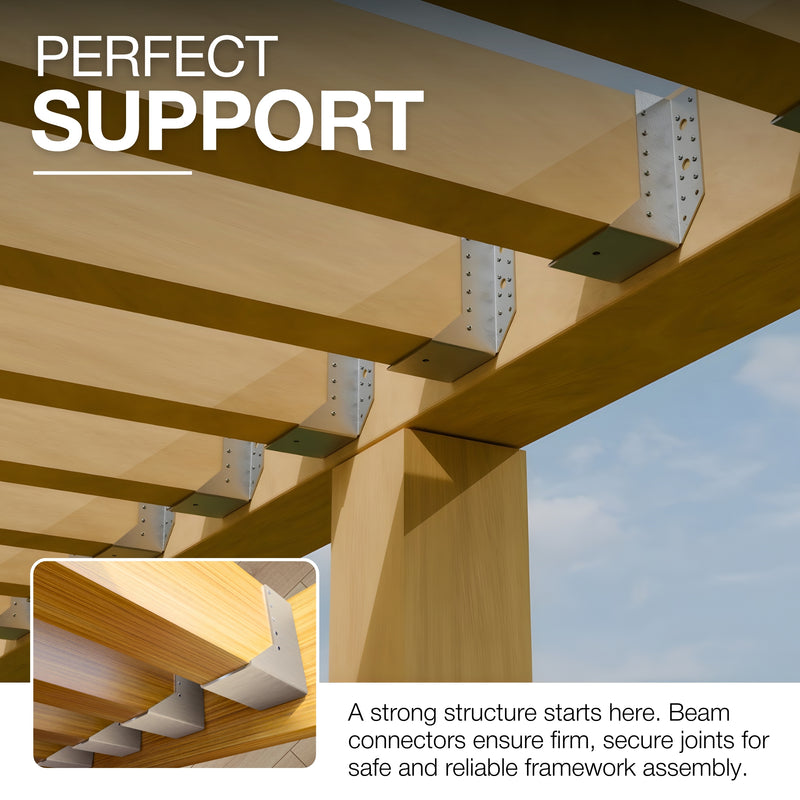
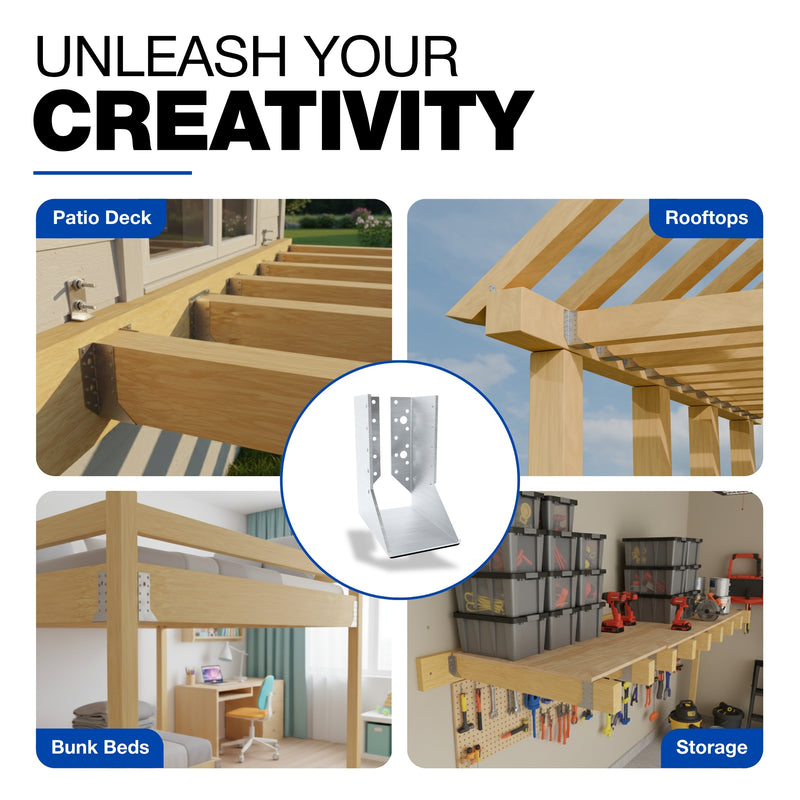
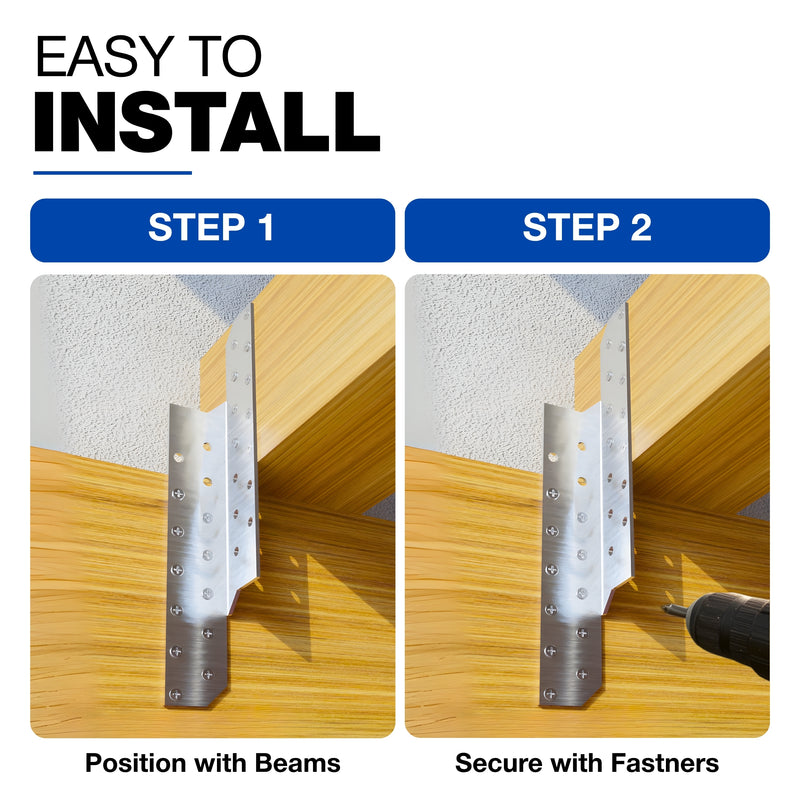
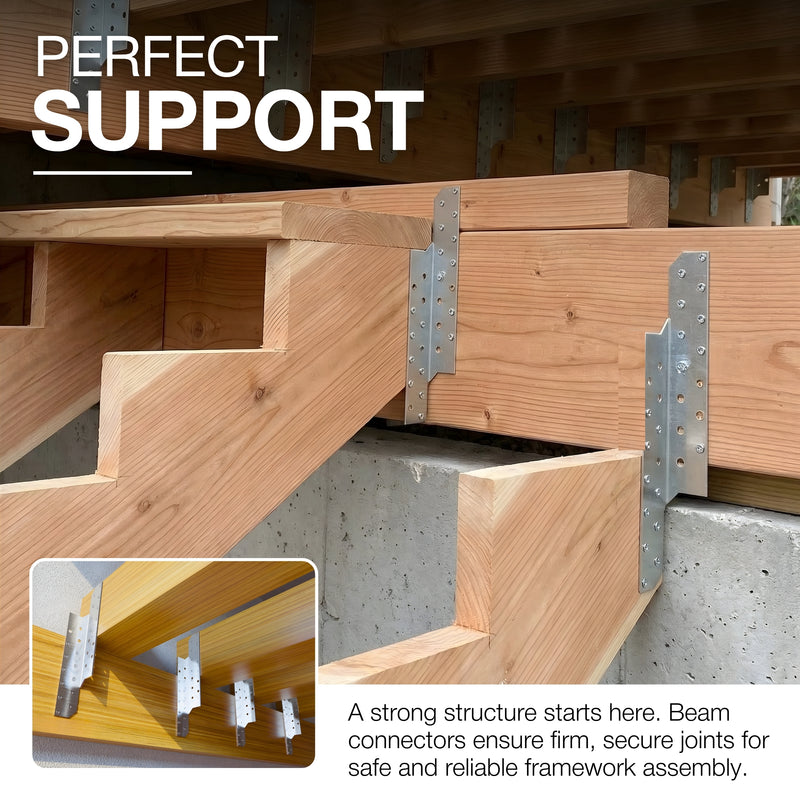
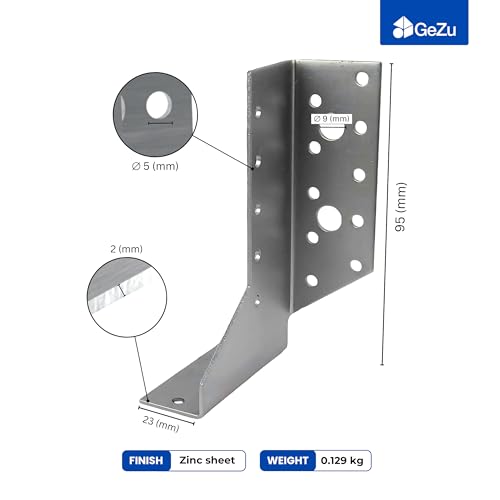
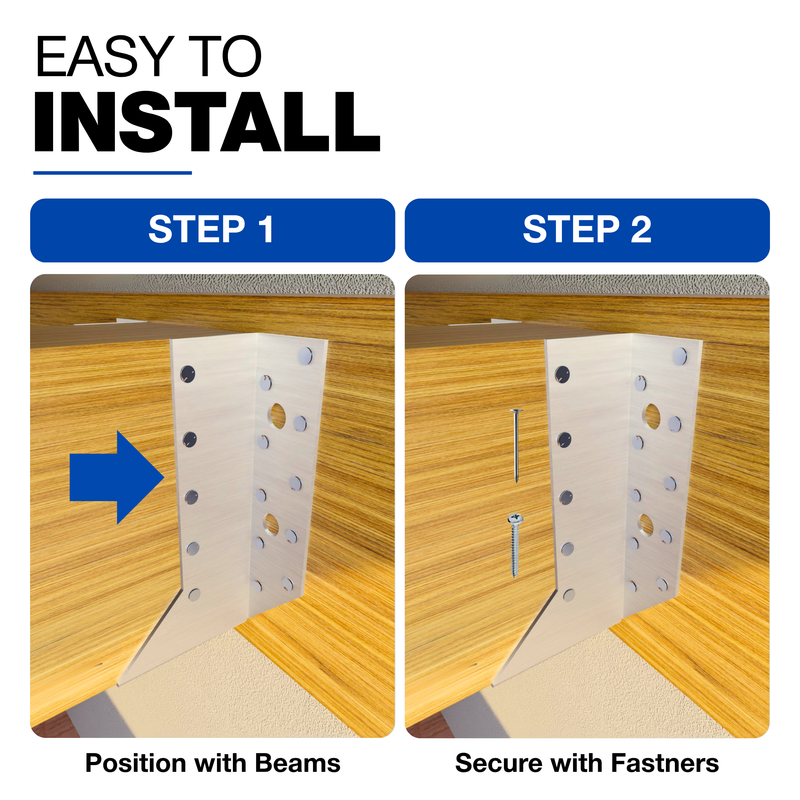
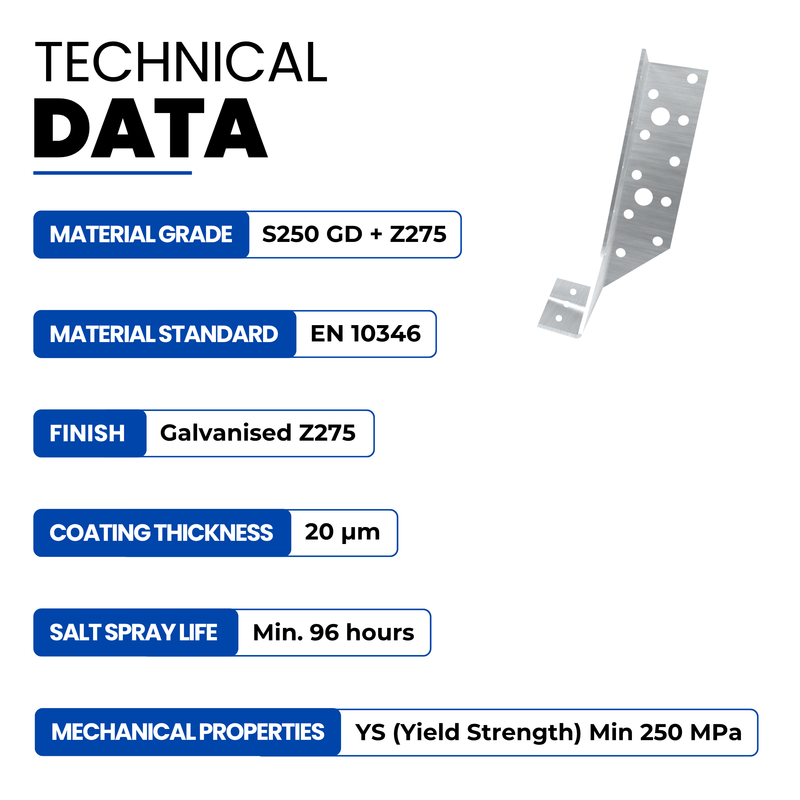
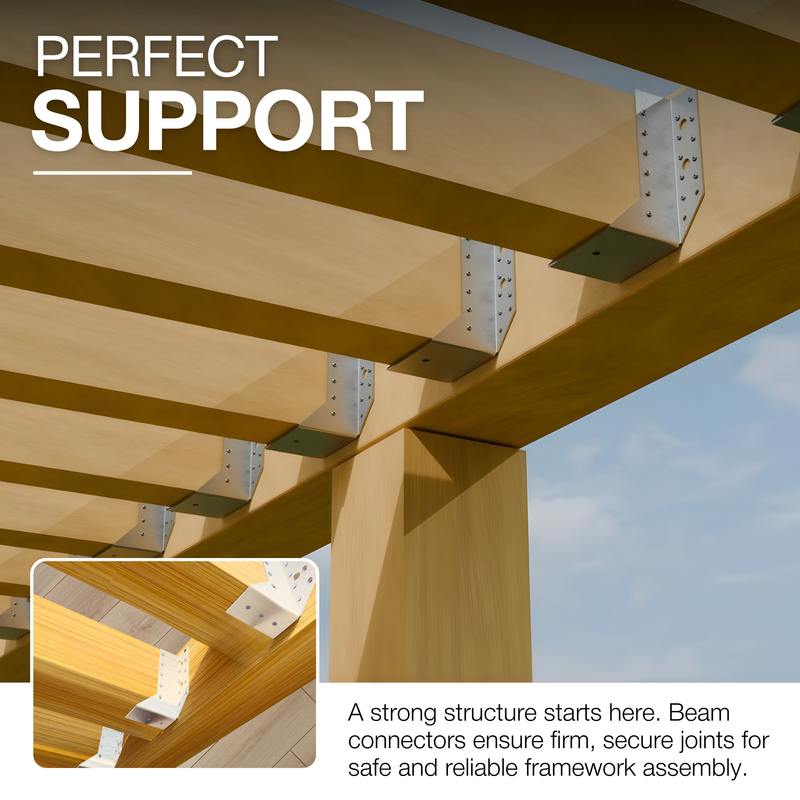
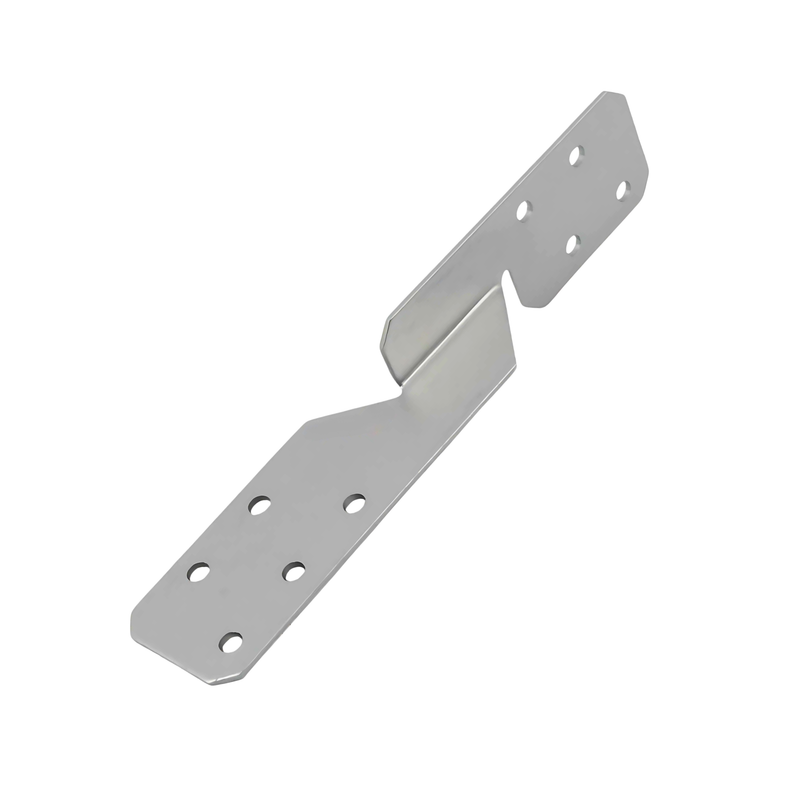
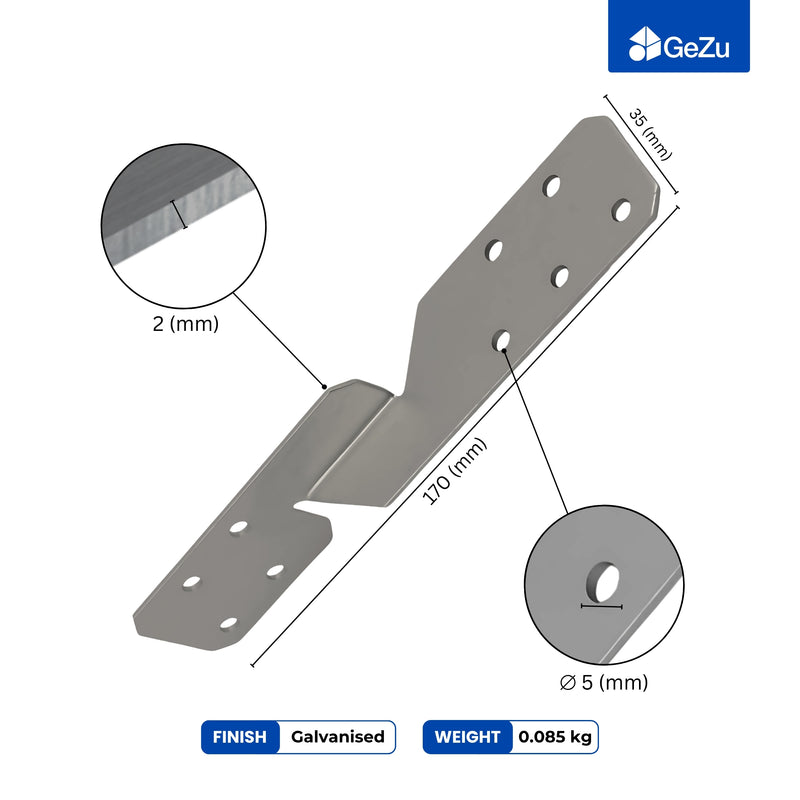
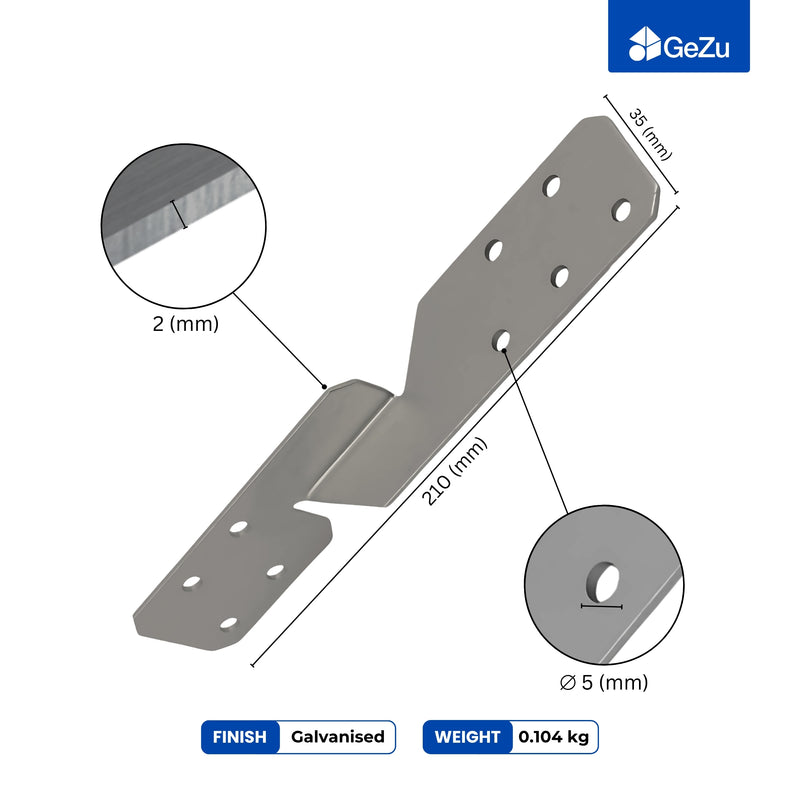
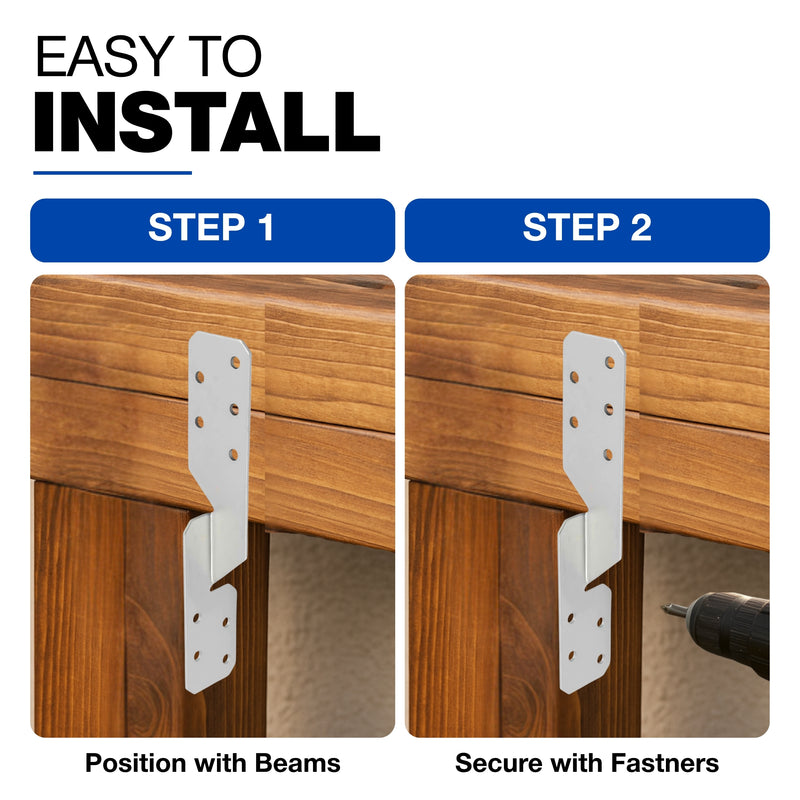
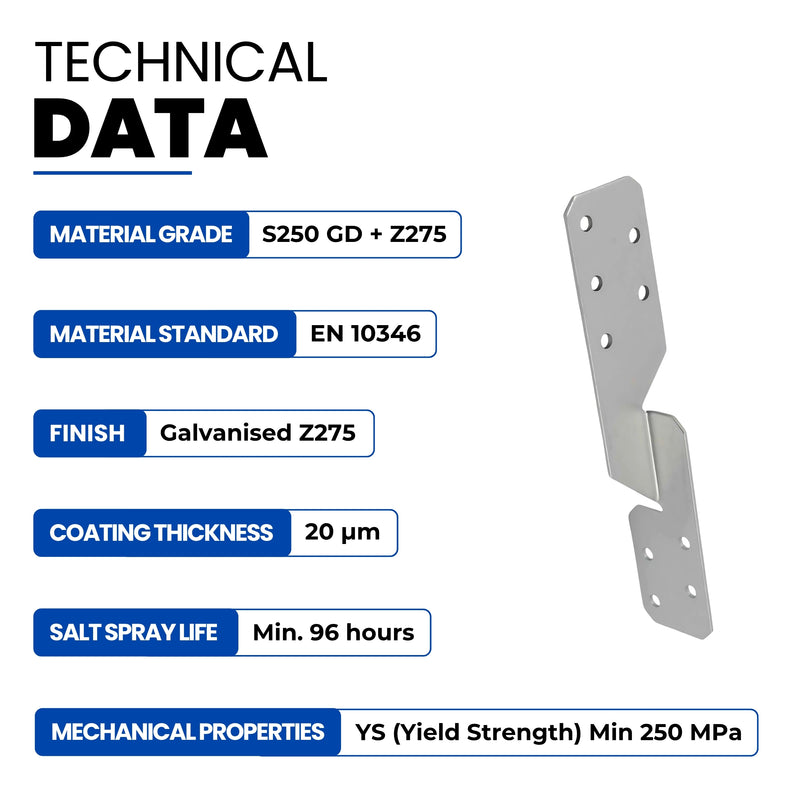
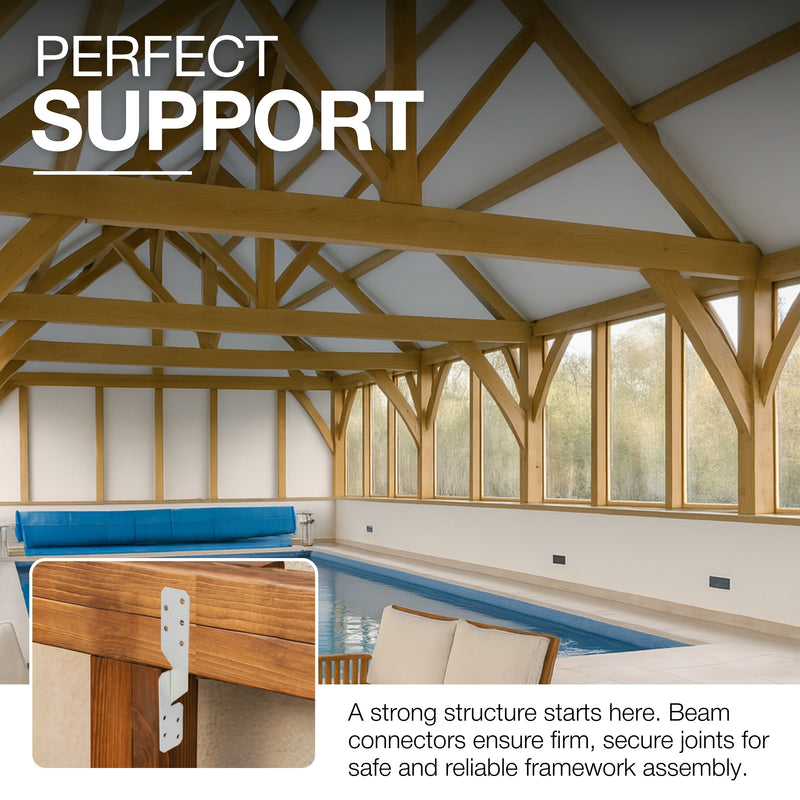
The Type A beam shoe is a U-shaped joist hanger with its flanges on the outside of the beam: the beam end sits in the shoe, and structural screws through the flanges pull the joint tight. Because the flanges sit outside, the beam keeps its full cross-section inside the shoe and the fixing points stay on clean face timber. The Joist Hanger Beam Shoe Type A from GeZu Impex is hot-dip galvanised and available in sizes for common beam widths.
Joist Hanger Beam Shoe Type A pros:
- Full beam section inside the shoe, no notching
- External flanges are easy to screw through
- Hot-dip galvanised for outdoor framing
Joist Hanger Beam Shoe Type A cons:
- Beam ends must be cut square and accurate
- The shoe adds visible steel at each post
Verdict: Buy. The default connector for seating beams on posts in 2026.
2. Joist Hanger Beam Shoe Type B: the best connector for internal flanges
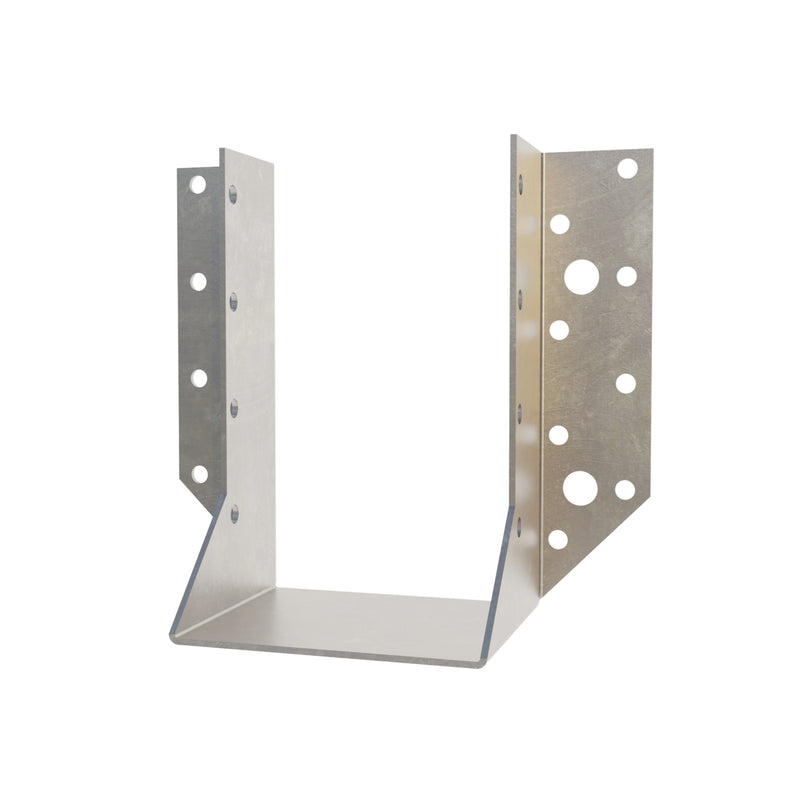
The Type B shoe does the same work with its flanges inside the beam, which suits tighter builds where the external flanges would clash with cladding or a neighbouring joist. The Joist Hanger Beam Shoe Type B from GeZu Impex keeps the same galvanised steel and fixing pattern, just folded inward.
Joist Hanger Beam Shoe Type B pros:
- Internal flanges stay clear of adjacent timber
- Same fixings and steel as the Type A
- Suits beams between two uprights
Joist Hanger Beam Shoe Type B cons:
- The internal fold slightly narrows the seating width
- Harder to screw once the beam is seated tight
Verdict: Buy where space is tight. Otherwise the Type A is easier to work.
3. 3-Way Post Connector Y Shape: the best connector for corner posts
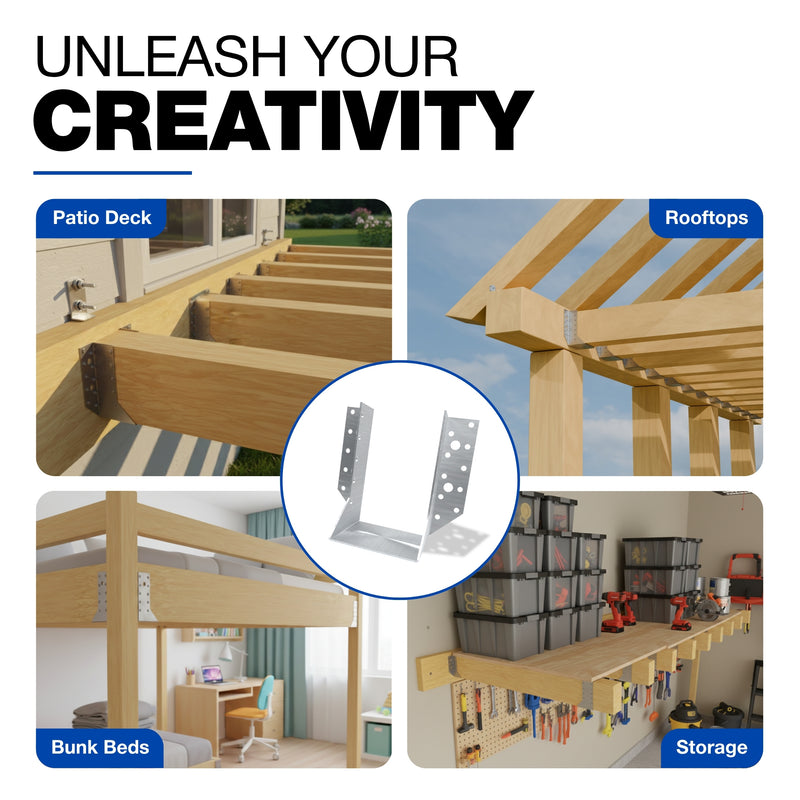
Where two rails meet a post at a corner — a pergola leg, a carport upright, a garden frame — the Y-shaped connector carries all three members in one galvanised casting. The post slots through the bottom, two rails enter at the top at right angles, and the whole corner locks square without a second bracket. The 3-Way Post Connector Y Shape, 71 x 71 mm from GeZu Impex is built for 71 x 71 mm posts.
3-Way Post Connector Y Shape pros:
- One piece does a whole corner joint
- Hot-dip galvanised for permanent outdoor use
- Keeps the post end off the ground
3-Way Post Connector Y Shape cons:
- Sized for 71 x 71 mm timber only
- Three fixings faces make assembly fiddly in tight corners
Verdict: Buy. The cleanest corner joint for garden framing in 2026.
4. 3-Way Post Connector T Shape: the best connector for mid-run junctions
Where a rail crosses the middle of a run — a mid-rail post, a division between two bays — the T-shaped connector takes two rails in line and the cross member at 90°. The black powder-coated version of the 3-Way Post Connector T Shape from GeZu Impex suits frames that stay visible, such as planter frames and pergola beams.
3-Way Post Connector T Shape pros:
- Aligns two rails and one cross member in one piece
- Black finish suits exposed frames
- Same 71 x 71 mm fit as the rest of the range
3-Way Post Connector T Shape cons:
- Not a corner piece: loads must come from three defined directions
- Bulkier than a plain angle bracket on thin stock
Verdict: Buy. For any T junction in a post frame, it replaces two brackets with one.
5. Perforated Angle Bracket: the best connector for everything else
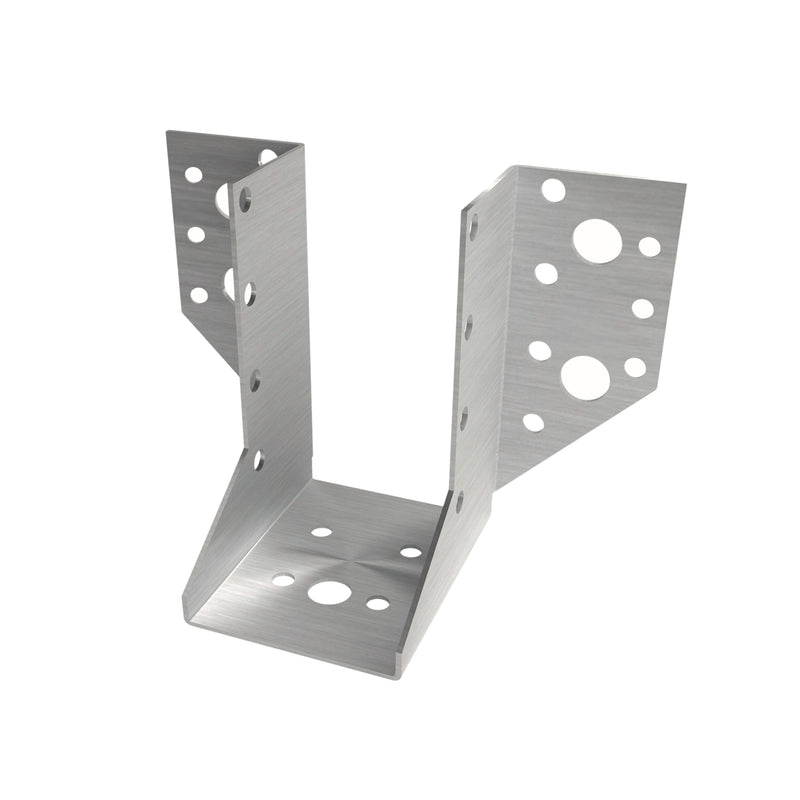
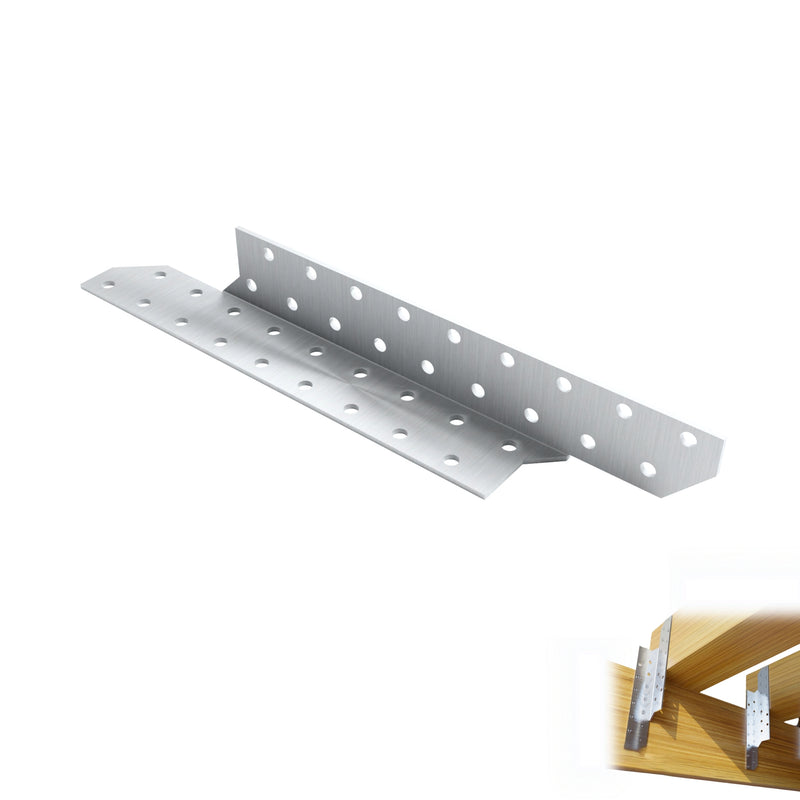
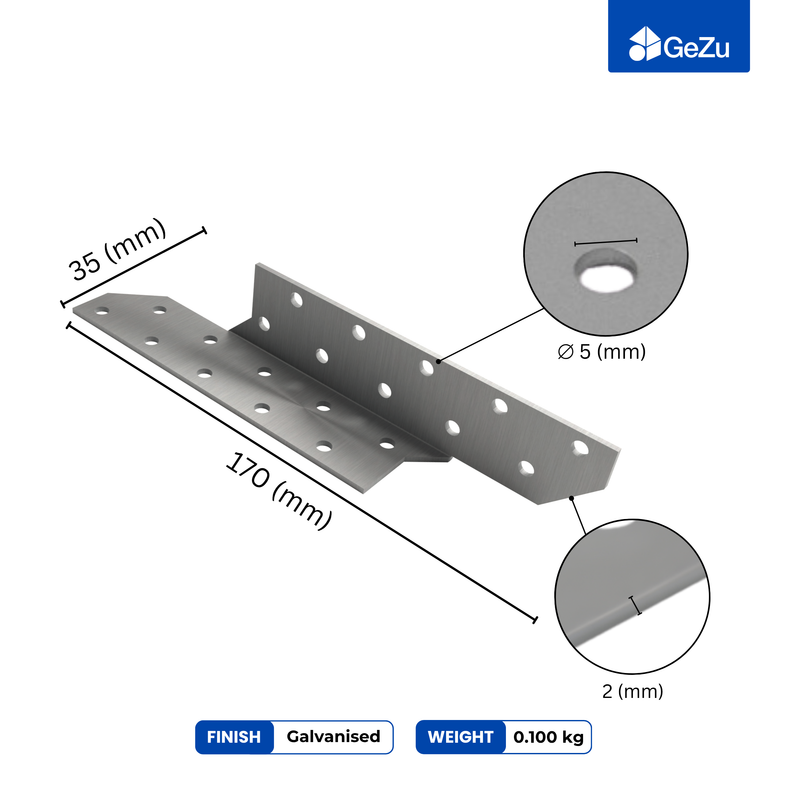
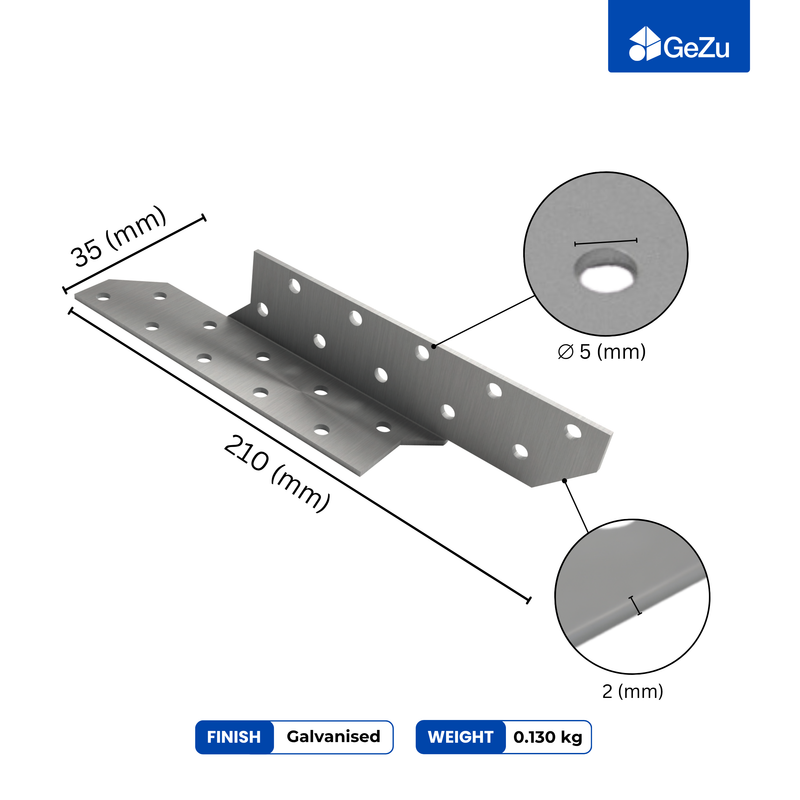
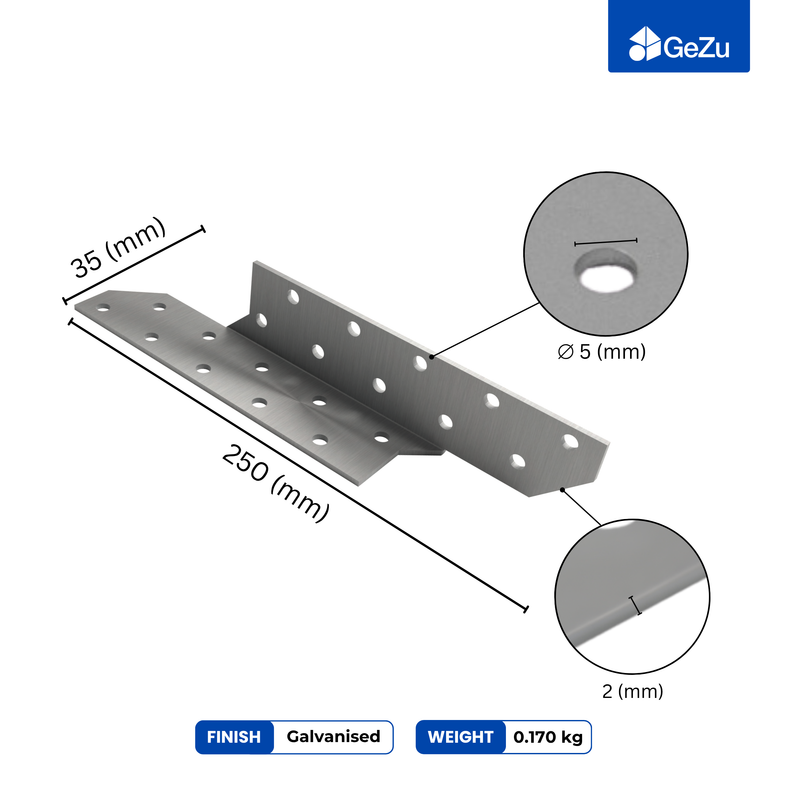
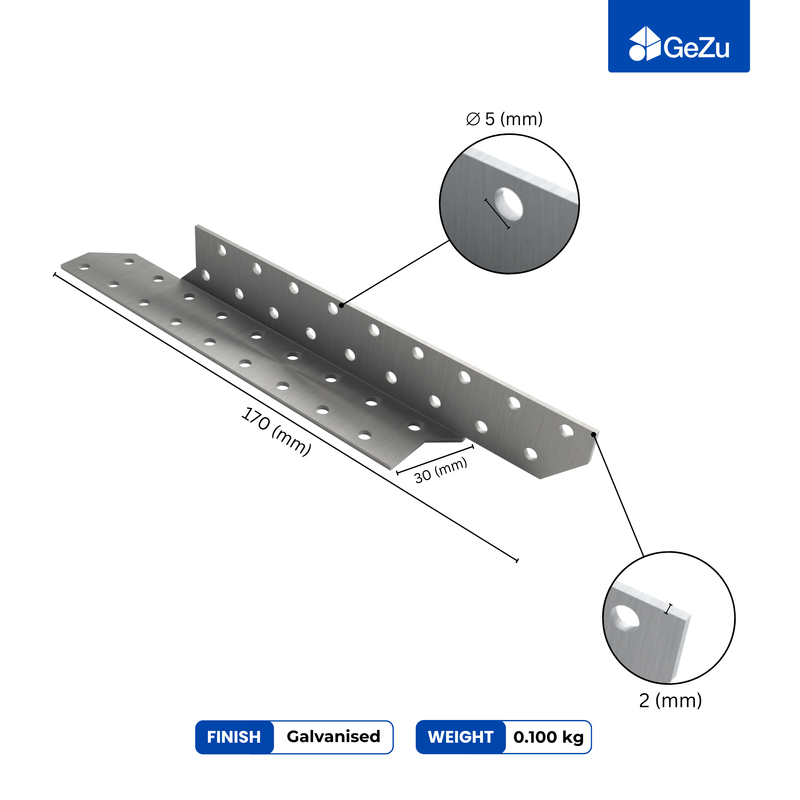
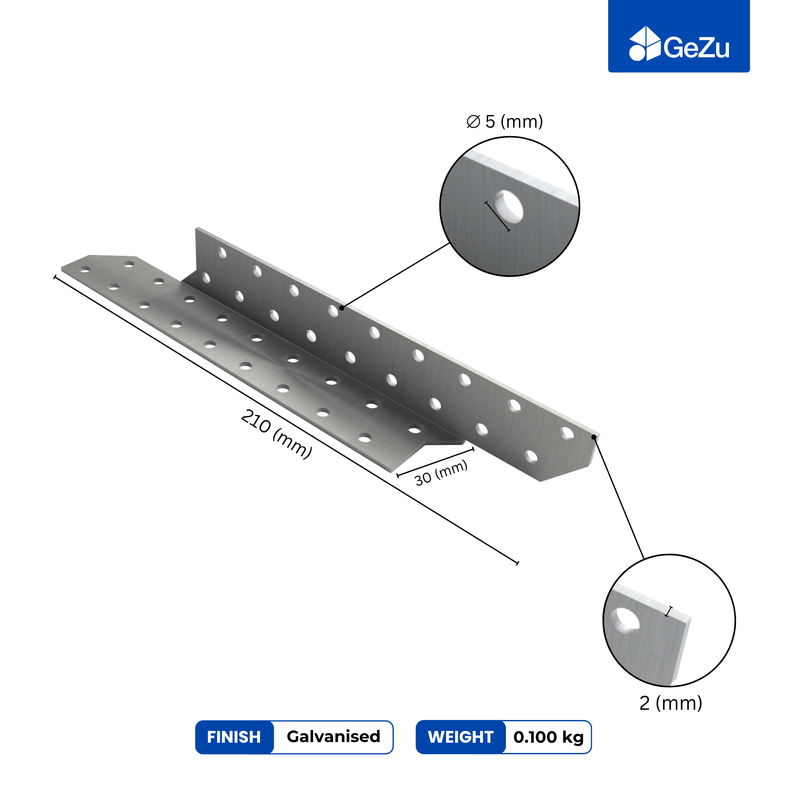
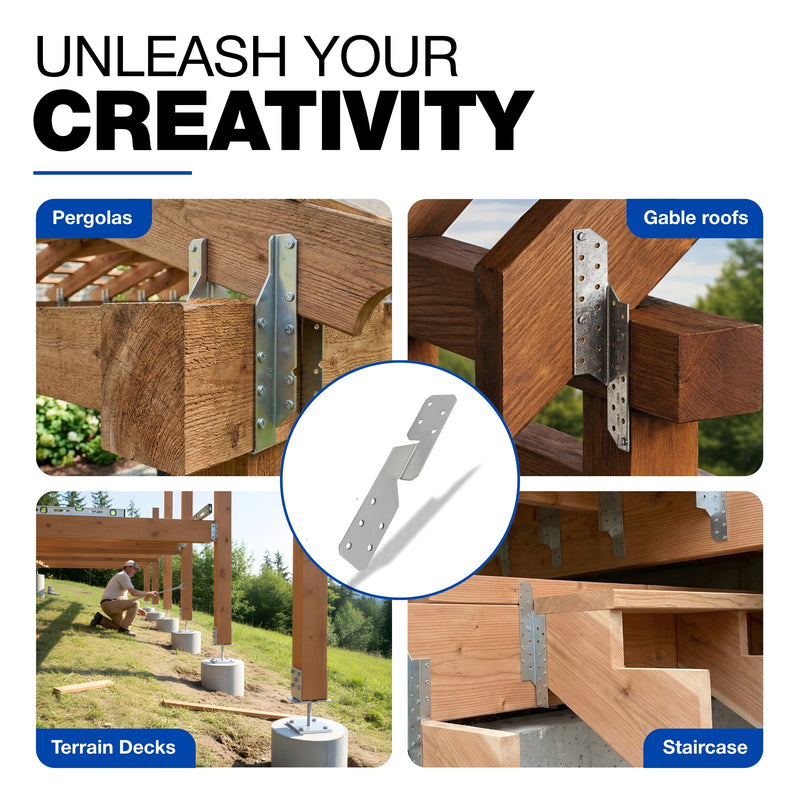
No catalogue covers every joint, and the perforated angle bracket is the answer to the ones left over. Screws through the punched holes reinforce right angles that the purpose-built connectors do not reach: a rail scarf, a stud to a plate, a gate frame corner. The Perforated Reinforced Angle Bracket from GeZu Impex is galvanised steel with a stiffening fold; the adjustable angle bracket covers angles that are not square.
Perforated Angle Bracket pros:
- Fits any angle, any timber size, cut to length
- Cheap insurance on joints the main connectors miss
- Available in reinforced and 135° versions
Perforated Angle Bracket cons:
- Flat steel only: it does not hold a post end off the ground
- Strength depends entirely on screw quality and number
Verdict: Buy as a supplement. Every framing kit needs a box of these alongside the purpose-made connectors.
How these connectors were ranked
The ranking applies the criteria above — timber size, joint direction, finish, fixings, drainage and load path — to the joints a 2026 framing job actually contains: a beam seated on a post, a corner post with two rails, a mid-run junction, and the odd angles in between. Each connector is placed where it carries the most load with the fewest fixings.
Which wood post connector should you choose for framing?
For beams on posts, the Joist Hanger Beam Shoe Type A remains the default choice in 2026; use the Type B where flange space is tight. For corners, the 3-Way Y connector does the whole joint in one piece; for mid-run T junctions, the 3-Way T connector. Keep perforated angle brackets on hand for everything else. Match every connector to the real post dimension before ordering, use structural screws in every hole, and keep every post end out of standing water.
FAQ
What is the best wood post connector for framing a beam to a post?
The Joist Hanger Beam Shoe Type A with external flanges is the best connector for seating a beam on a post in 2026. The beam keeps its full section and the flanges screw into clean face timber.
What size posts do these connectors fit?
The L, T, Y and X shaped post connectors in the range are built for 71 x 71 mm posts. Joist hanger beam shoes are sized by beam width — measure before ordering.
Do I need galvanised connectors for outdoor framing?
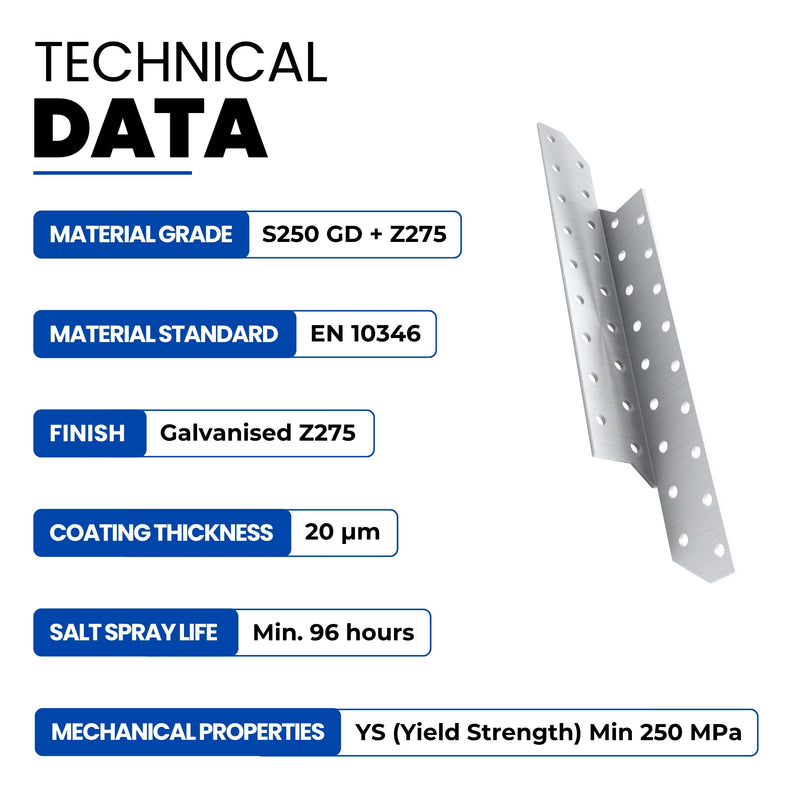
Yes. Hot-dip galvanised steel is the right choice for anything outdoors or near the ground; powder-coated black versions suit frames that stay visible and mostly sheltered.
What is the difference between the Y and T shaped connectors?
The Y connector joins three members at a corner, with the post at the bottom. The T connector joins two rails in line plus one cross member at 90°, for a junction mid-run.
Can angle brackets replace purpose-made post connectors?
No. Angle brackets reinforce joints but do not carry a post end off the ground or resist racking the way a cast post connector does. Use them together.
Which screws should I use with wood connectors?
Use structural screws sized for the connector holes, driven through every hole in pairs where possible. Never rely on a single screw in a corner hole.
Why keep the post end off the ground?
End grain wicks water upward and rots fastest. A connector that holds the timber clear of soil and standing water is what makes an outdoor frame last decades.
One last detail
The connector is only as strong as the timber it grips. Check the post ends before installing any bracket: if the end grain is soft, split or already darkened by moisture, cut back to sound wood first — the shoe will clamp a rotten post, but the joint below it will still fail.