Can Angle Brackets Be Used Outdoors Without Rusting? 2026

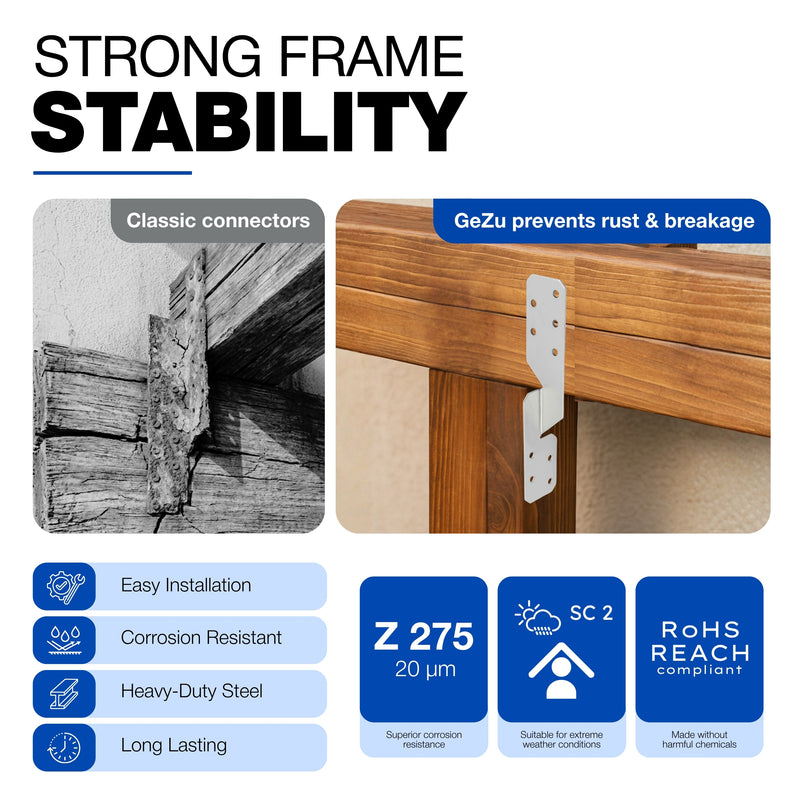
Yes — angle brackets can be used outdoors for years without rusting when the steel is hot-dip galvanised or stainless and the joint is built so water can drain away. Plain or lightly zinc-plated brackets corrode quickly once rain reaches bare metal. The finish on the bracket, the screws you pair with it and the way the corner sheds water decide how long the joint lasts — in that order.
- Hot-dip galvanised angle brackets are the default choice for exposed outdoor timber.
- Zinc-plated brackets belong indoors or under permanent cover.
- Stainless steel (A2/A4) is the coastal and high-salt upgrade.
- Pair brackets with galvanised or stainless screws — a rusted fixing fails first.
- Seal cut edges and build joints that do not hold standing water.
Why this matters
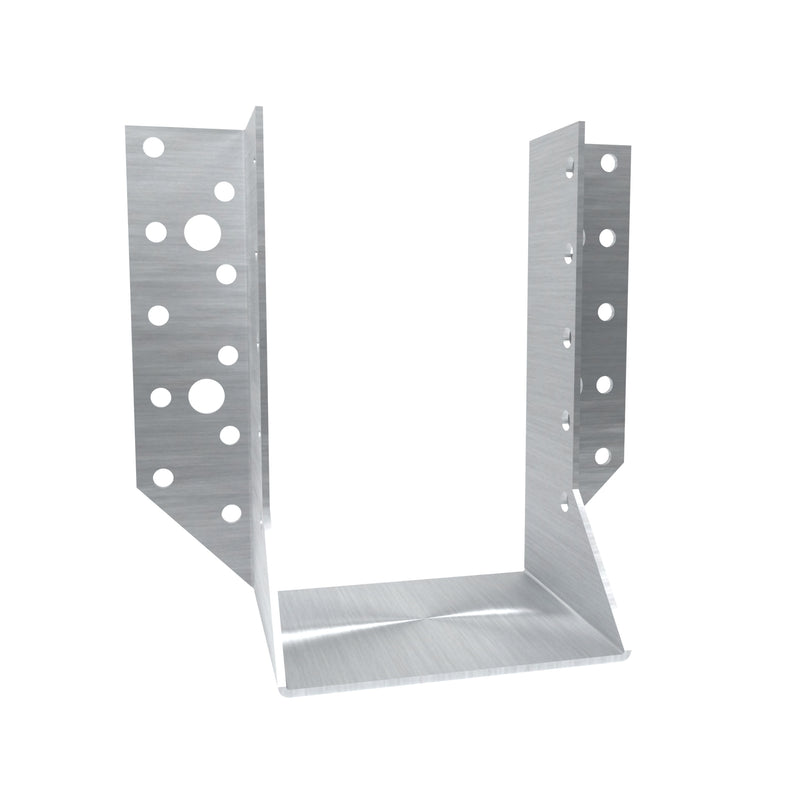
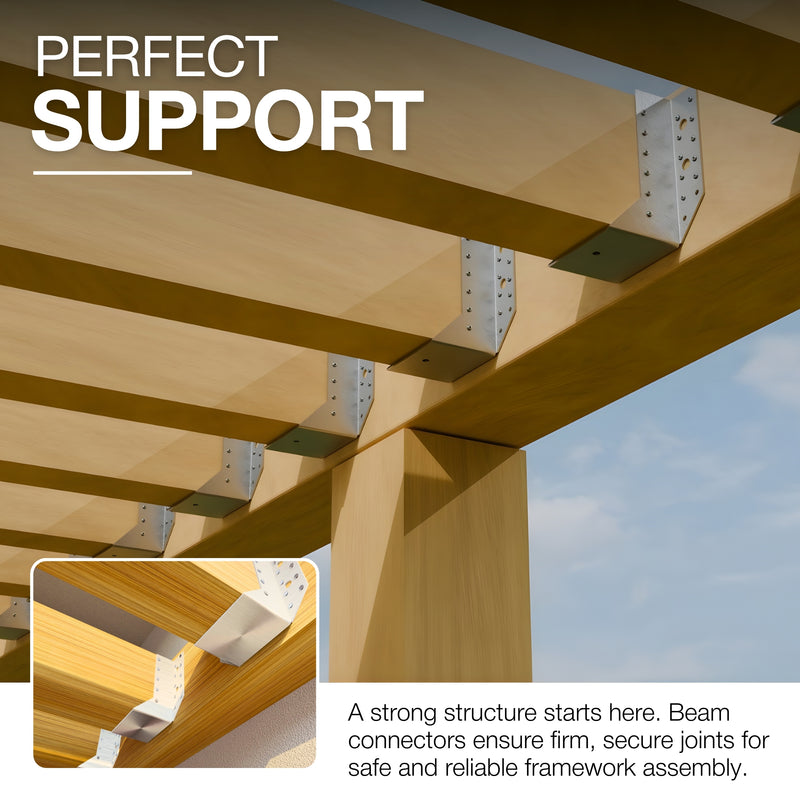
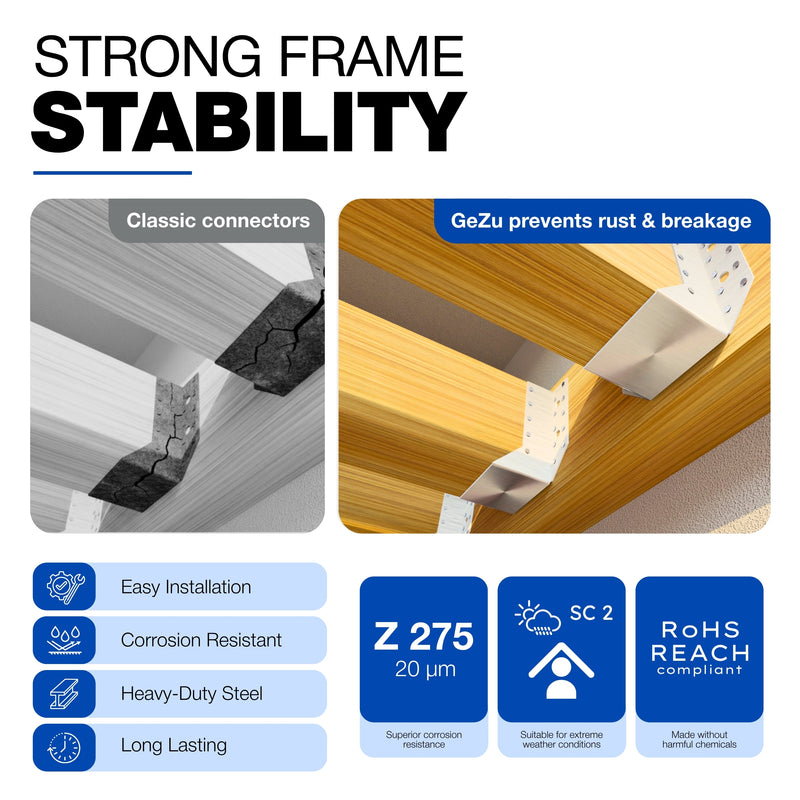
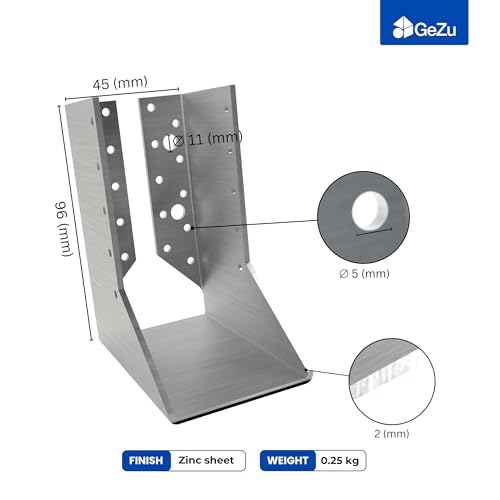
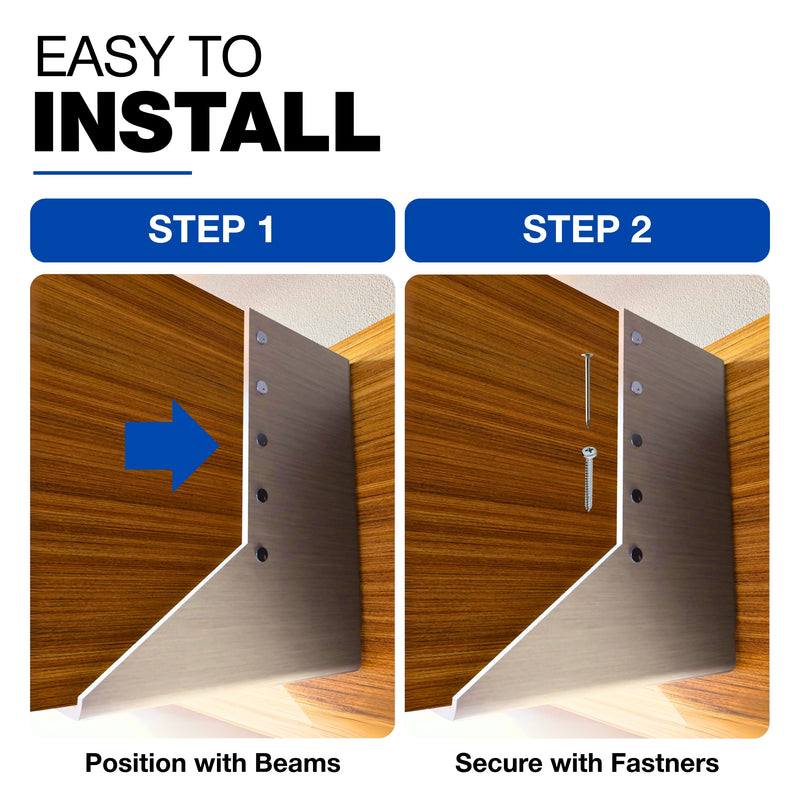
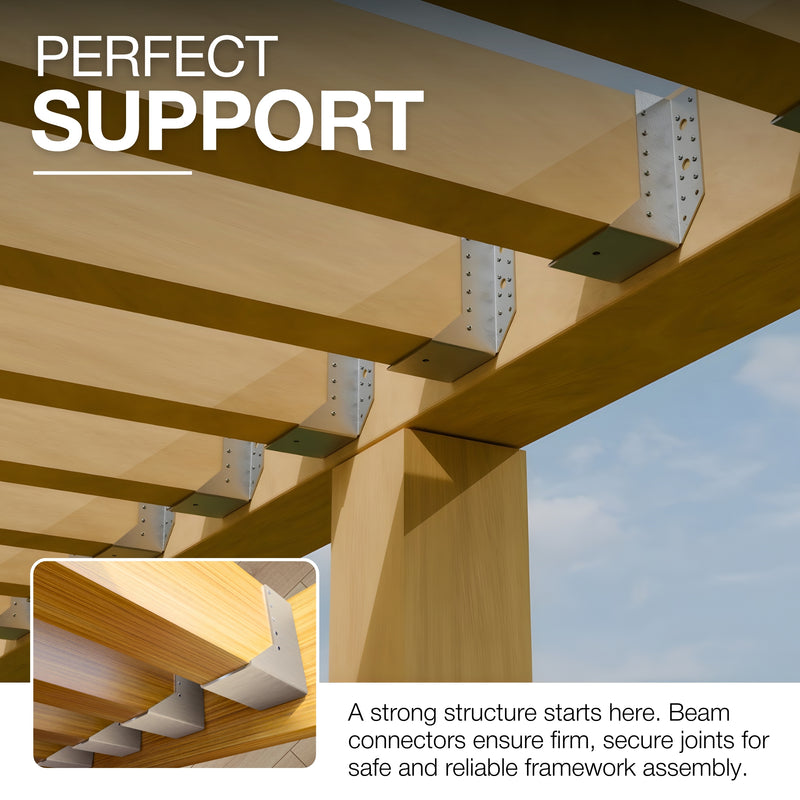
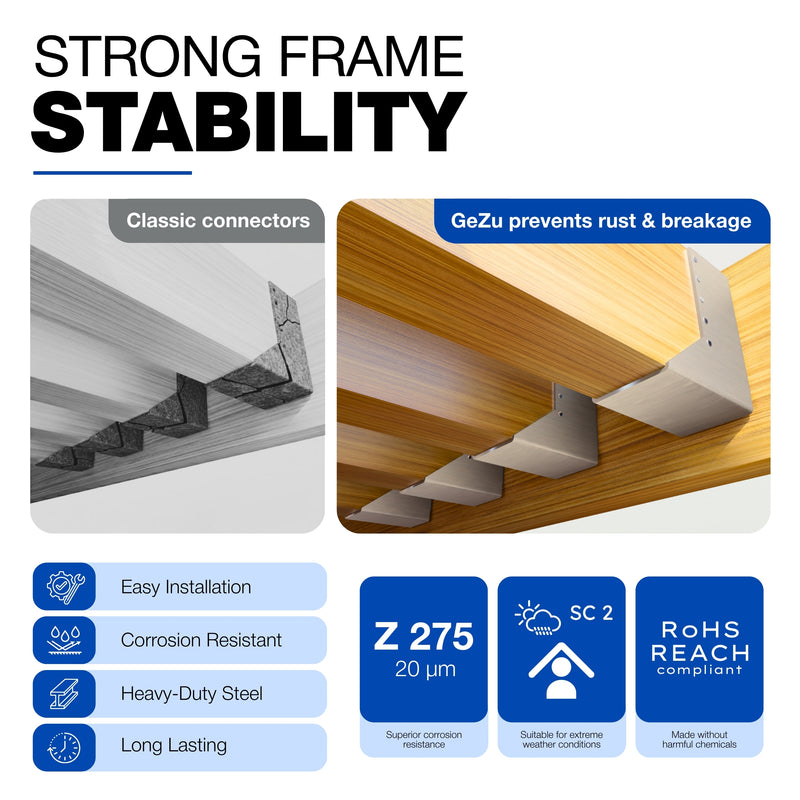
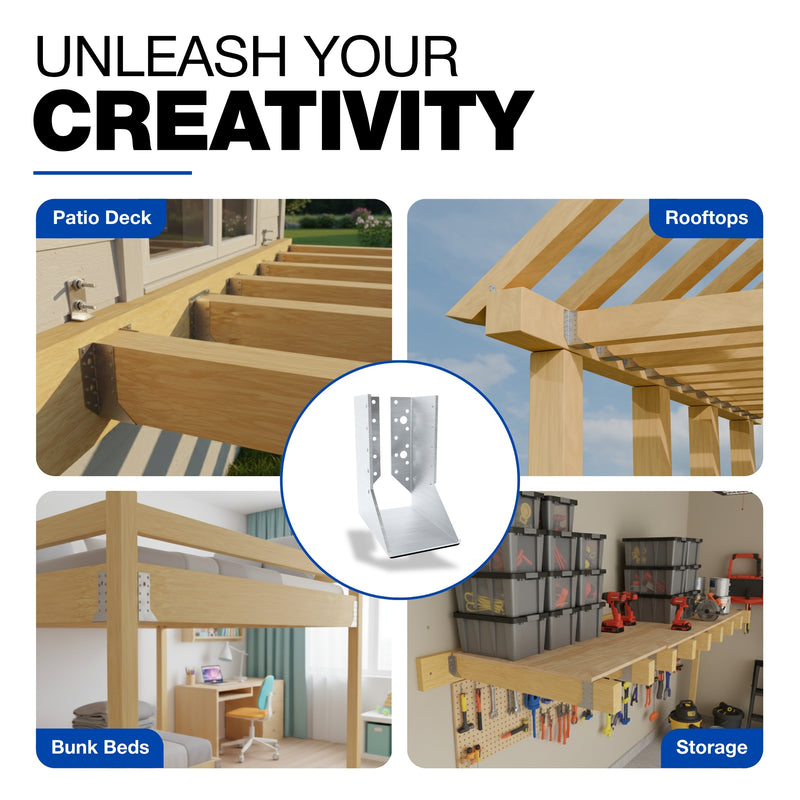
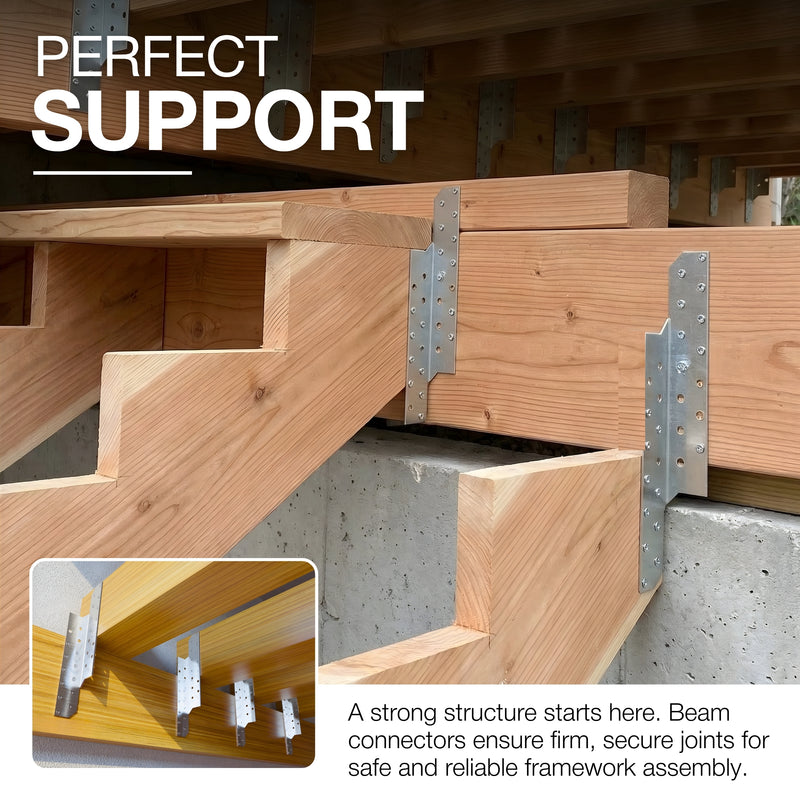
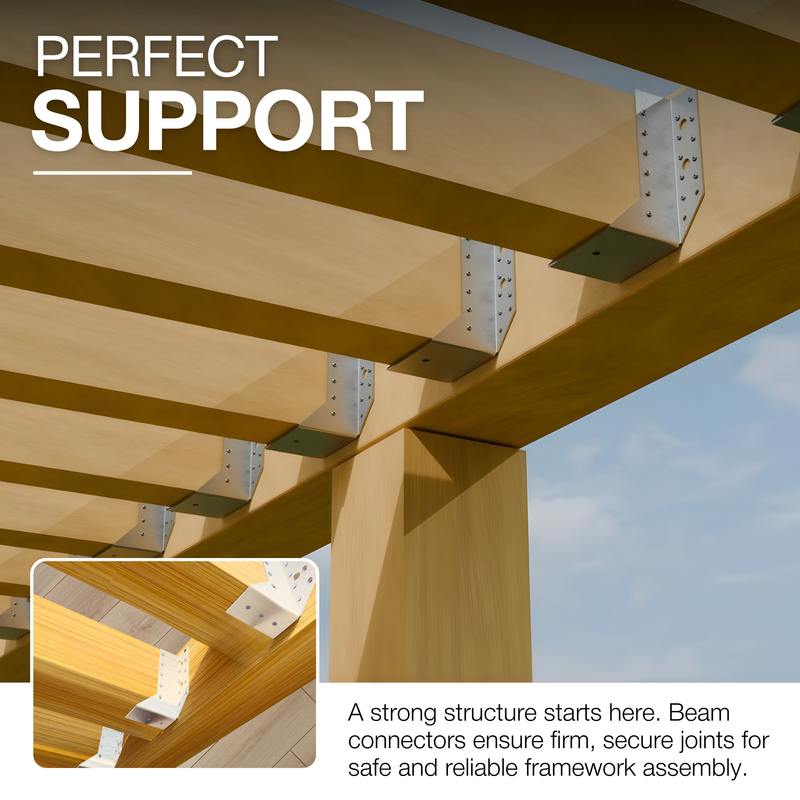
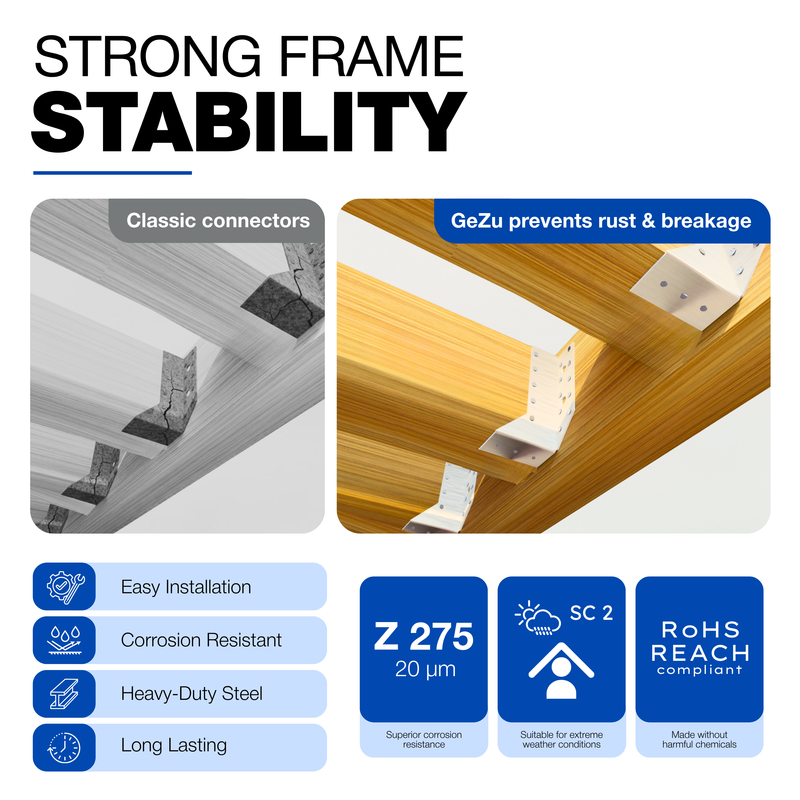
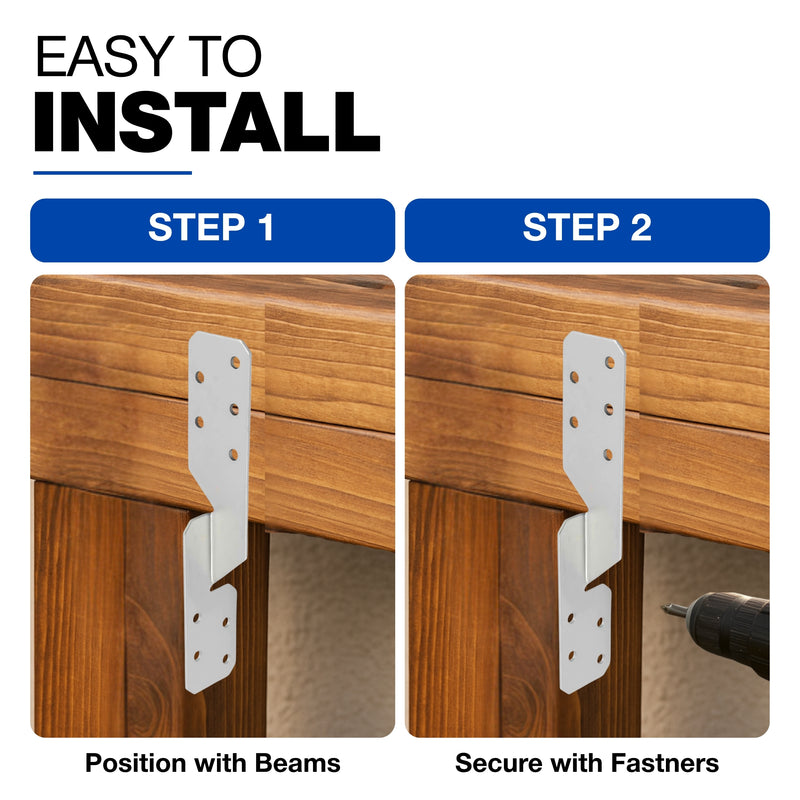
An outdoor corner bracket sits in the worst spot for steel: pressed tight against timber that soaks up rain, in a gap where air barely moves. The coating is the only barrier between the steel and that damp wood. Pick the right finish and a galvanised bracket from GeZu Impex will outlast the timber around it; pick the wrong one and you will be cutting out rusted corners within a couple of seasons. The same brackets are fitted step by step in angle brackets to a raised garden bed: complete 2026 workflow.
Can angle brackets be used outdoors without rusting?
Here is the decision table by finish:
| Finish | Outdoors | Best for | Watch out for |
|---|---|---|---|
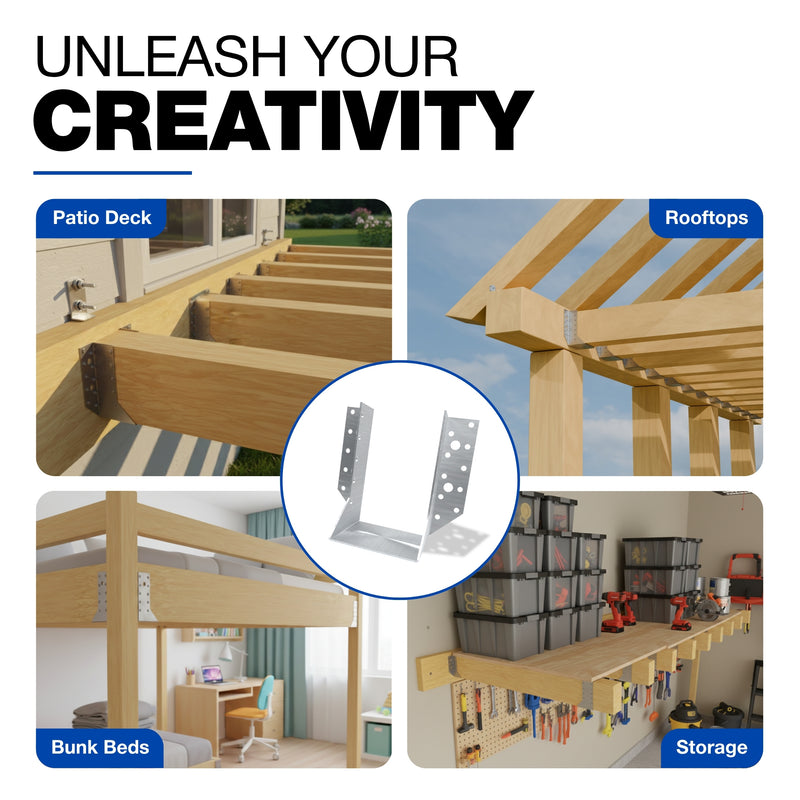
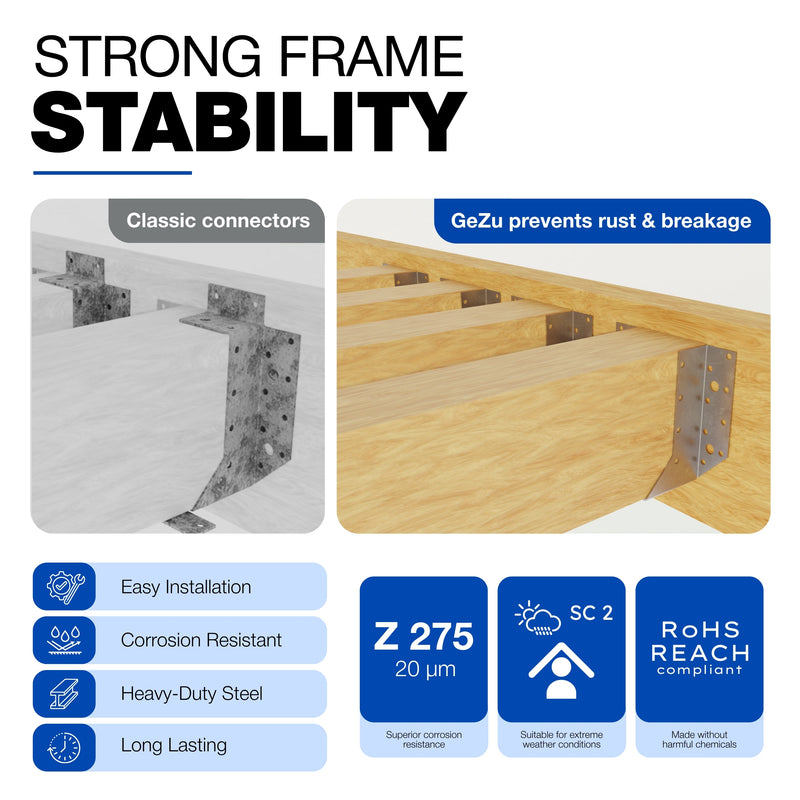
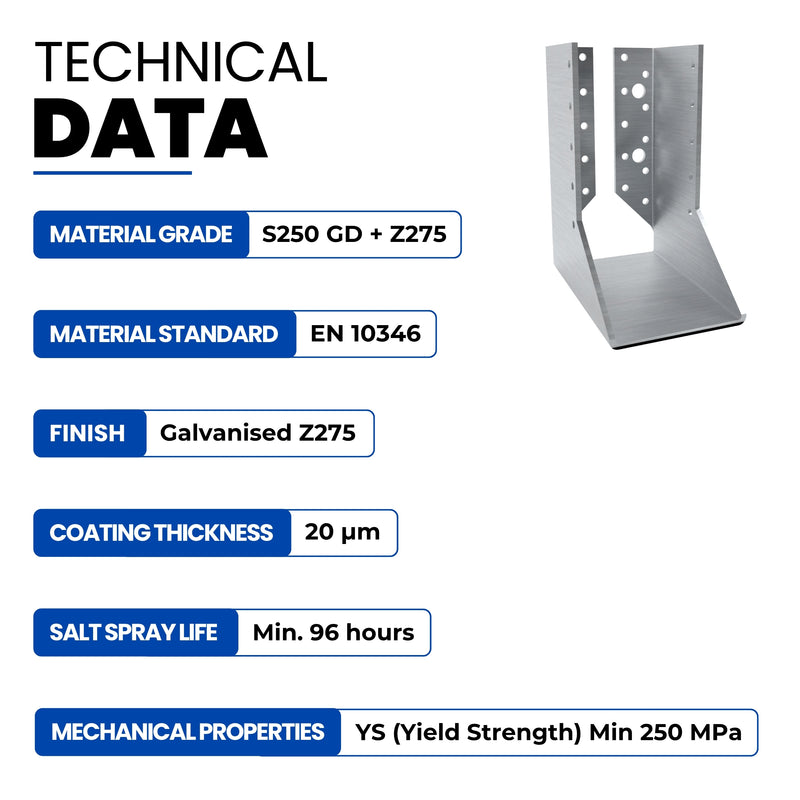
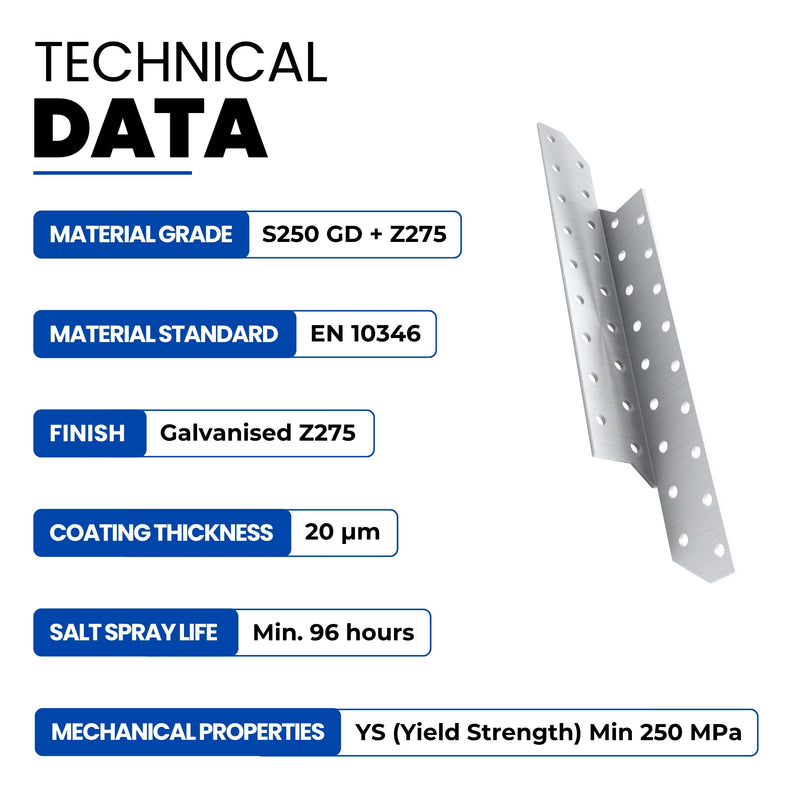
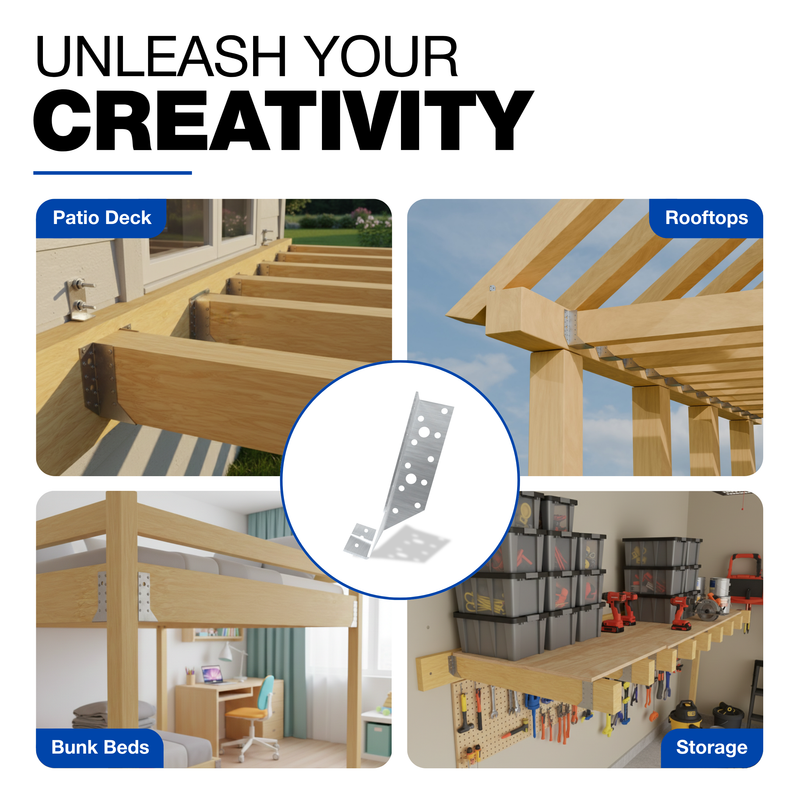
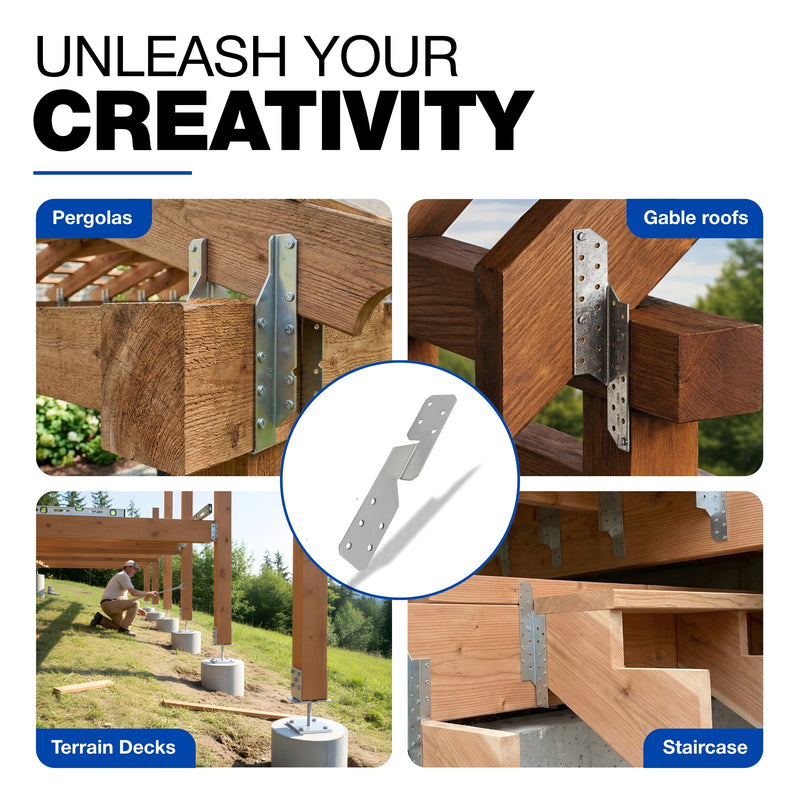
| Hot-dip galvanised | Yes | Fences, pergolas, decks, raised beds, garden structures | Cut edges and drilled holes lose part of the zinc layer |
| Electro-galvanised (zinc-plated) | Only under cover | Shed interiors, indoor frames, furniture | Thin plating fails fast in standing rain |
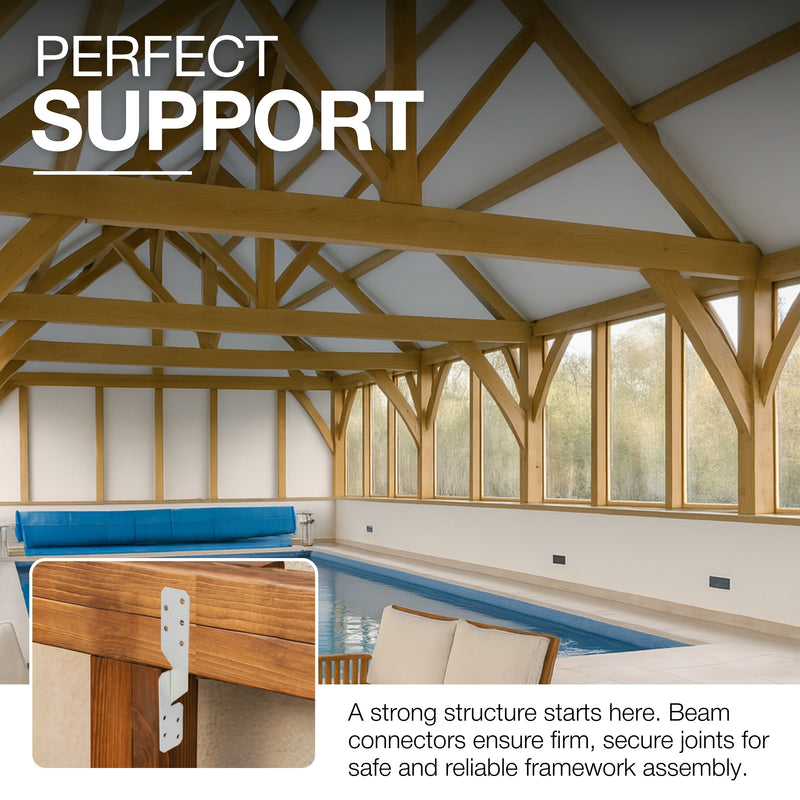
| Stainless steel (A2/A4) | Yes — best of the three | Coastal sites, pool surrounds, salted winter roads | Higher cost; fixings must match |
| Plain or painted steel | No | Dry indoor use only | Scratched paint lets rust start underneath |
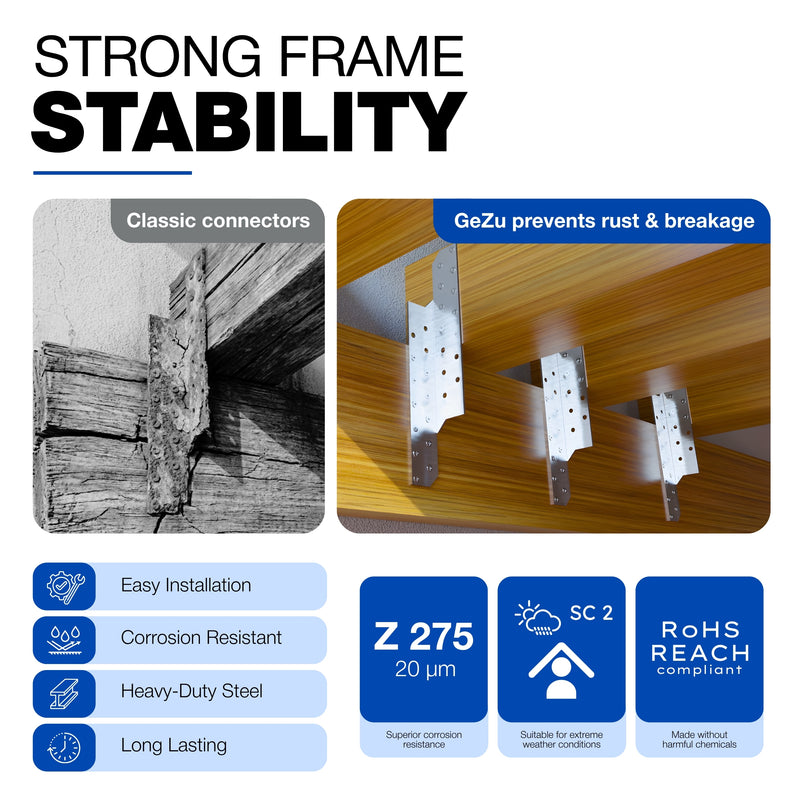
For most outdoor builds in 2026, hot-dip galvanised steel is the practical answer: a thick zinc layer bonded to the steel, at a fraction of the cost of stainless. Stainless earns its price only where salt is in the air or the water.
Why angle brackets rust outdoors
- Trapped moisture — the wood-to-steel gap wicks water and holds it against the coating.
- Wet timber — preservative-treated and naturally acidic woods attack coatings over time.
- Salt — coastal air and winter road grit turn thin zinc plating into a rusty patch within one season.
- Damaged coating — rough handling and over-torqued screws scratch the barrier.
- Wrong fixings — a plain interior screw rusts first and stains the whole joint.
- Standing water — horizontal bracket faces on flat surfaces pool rain after every shower.
Which bracket coating lasts outdoors?
Hot-dip galvanised: the default for outdoor timber
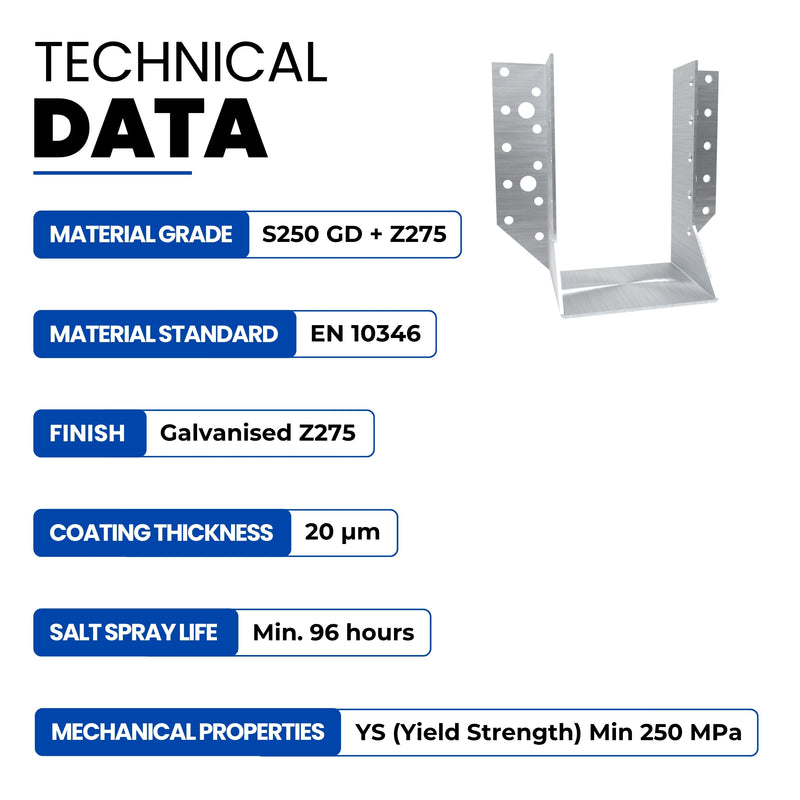
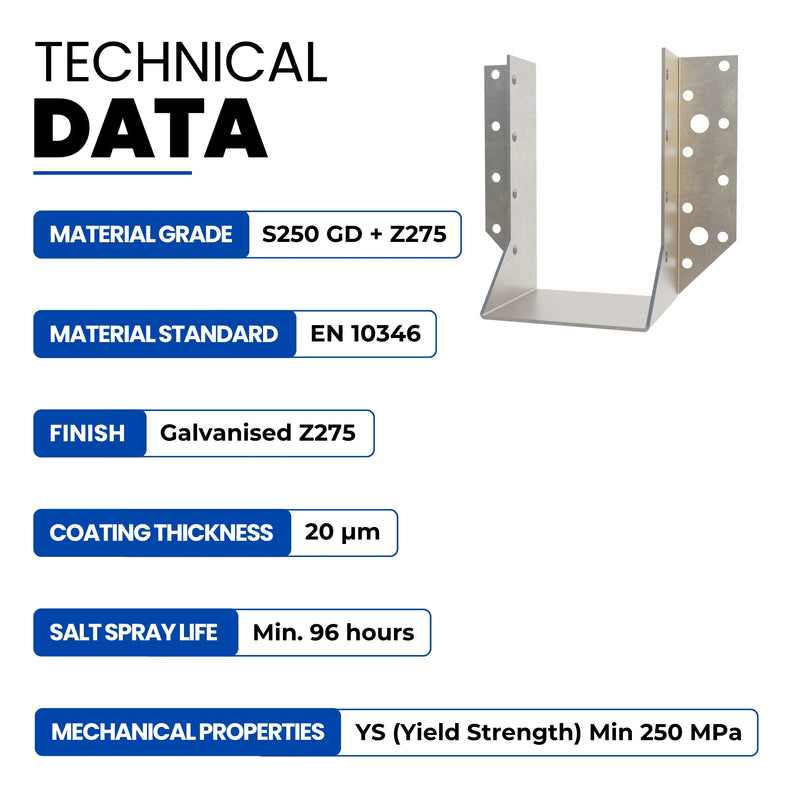
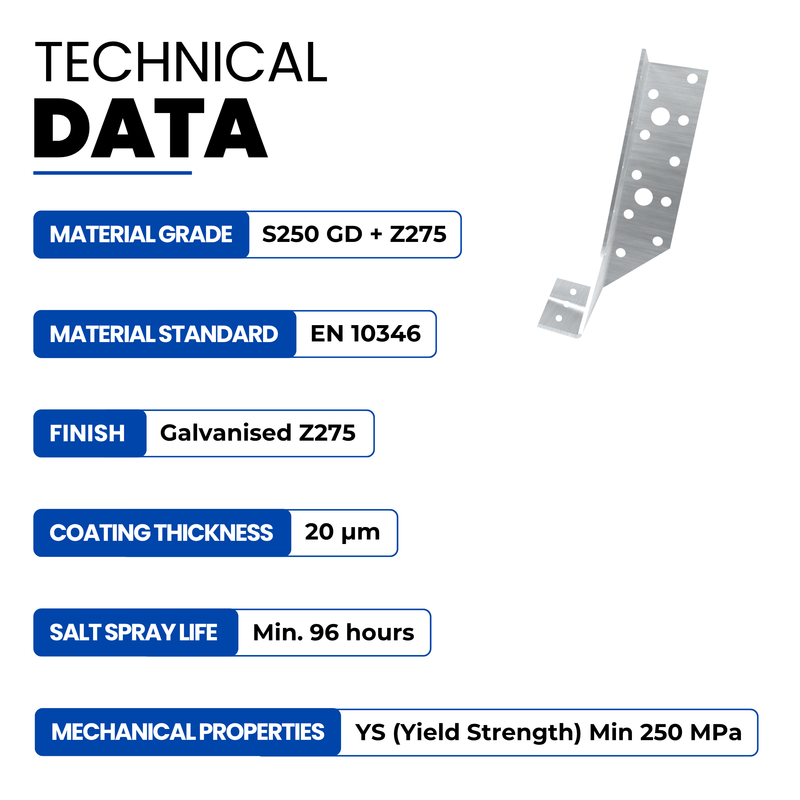
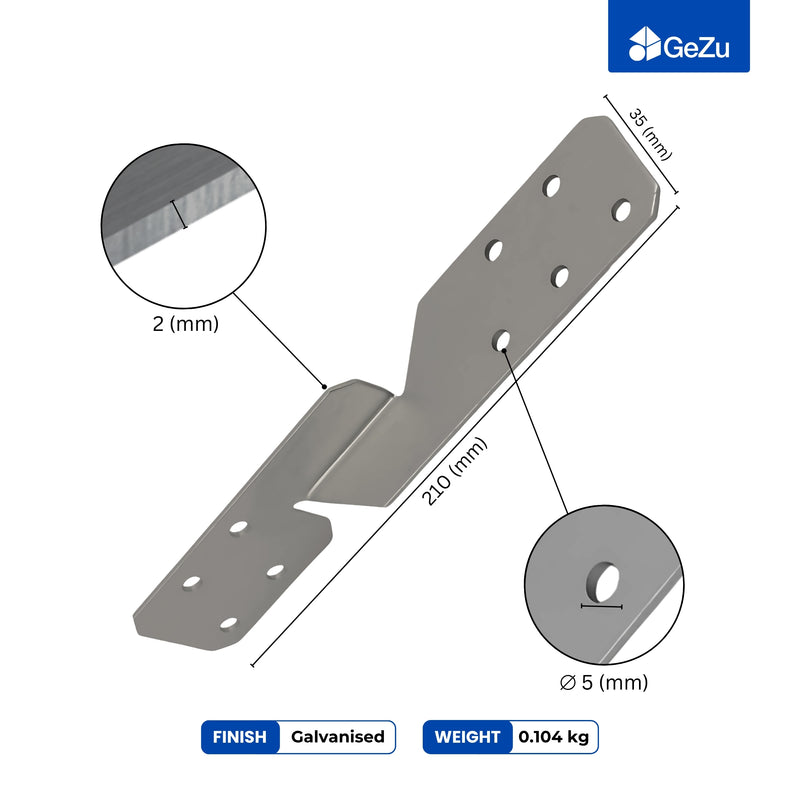
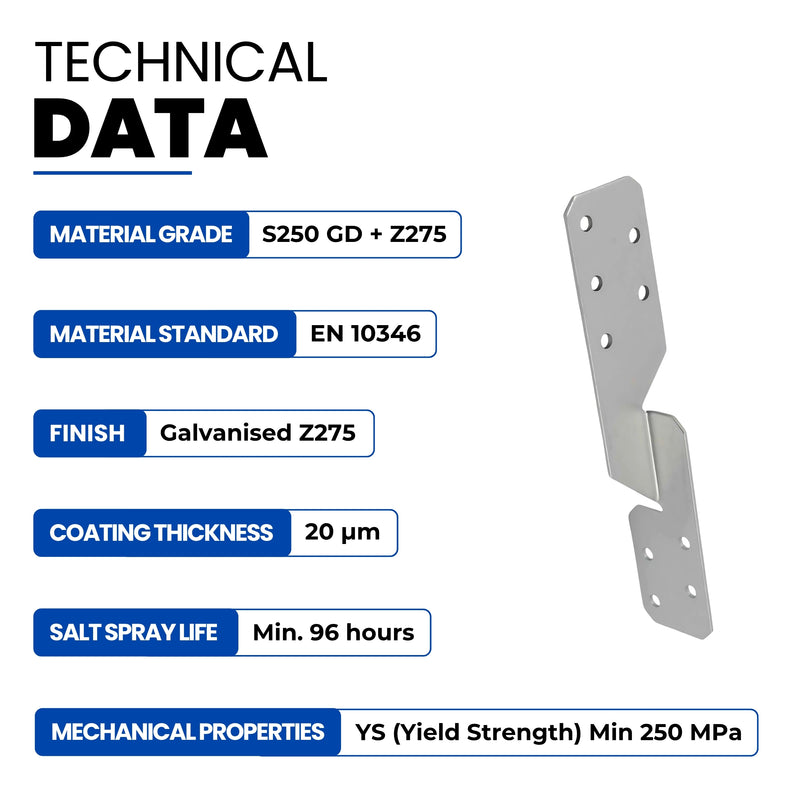
Hot-dip galvanising to EN ISO 1461 dips the finished bracket in molten zinc, forming a bonded layer that also protects exposed edges — zinc corrodes first so the steel underneath does not. GeZu Impex lists hot-dip galvanised wood connectors and pergola brackets for exactly this reason. Verdict: buy hot-dip galvanised for any bracket that sees rain.
Electro-galvanised (zinc-plated): covered use only
Electro-plating deposits a much thinner zinc layer. It looks bright in the packet and handles a dry shed or a sheltered porch, but standing rain strips it quickly. Verdict: skip it for exposed outdoor corners.
Stainless steel: the coastal and harsh-site upgrade
A2 (304) stainless handles most outdoor work; A4 (316) adds molybdenum for chloride resistance near the sea and around pools. Verdict: buy stainless when salt is present, galvanised everywhere else.
How to fit angle brackets so they stay rust-free
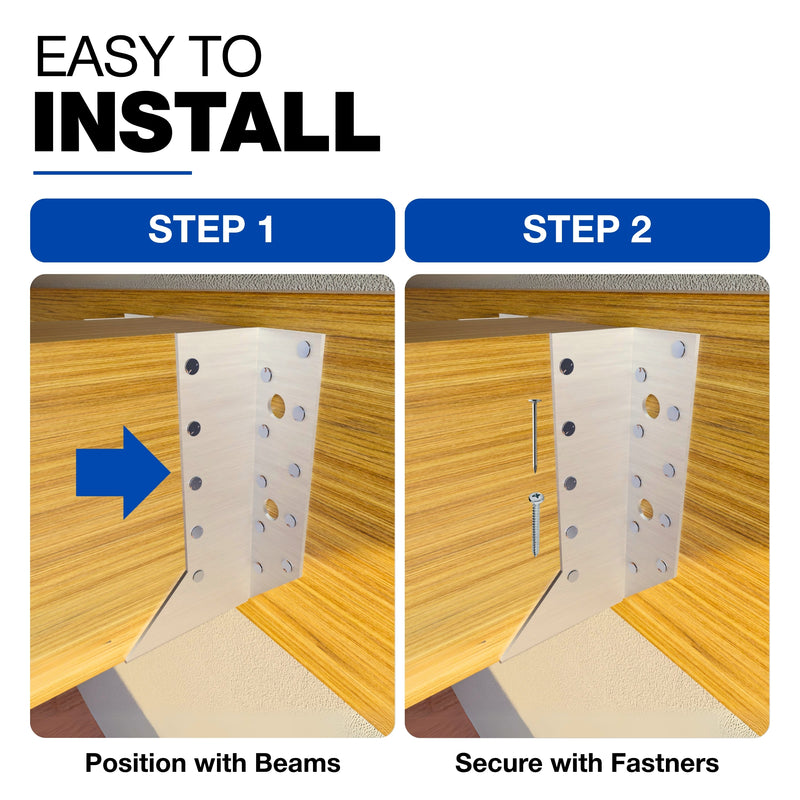
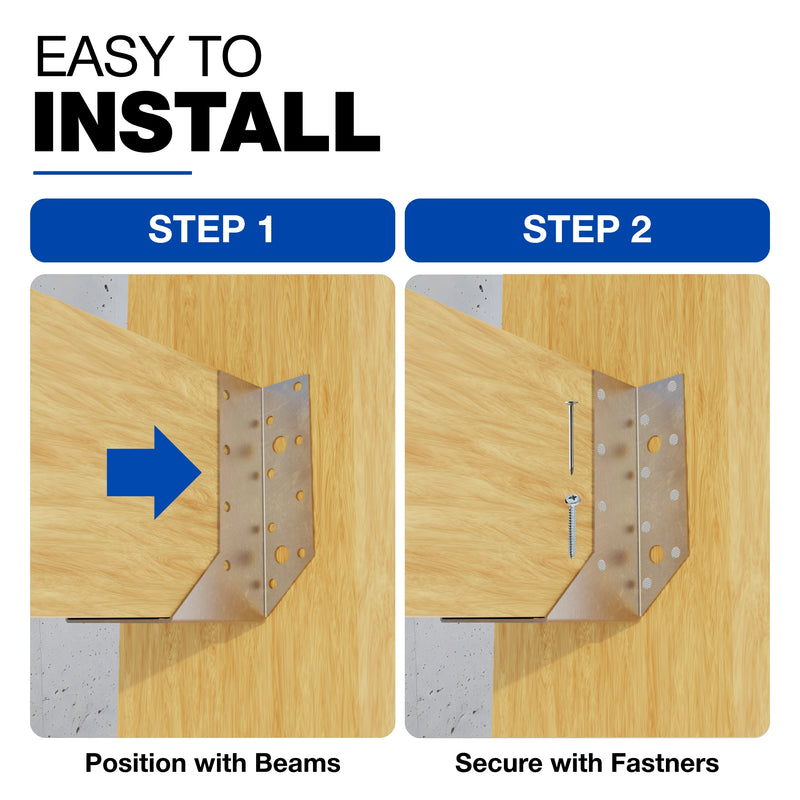
- Choose the finish before the size. Confirm hot-dip galvanised or stainless on the product page before comparing dimensions.
- Drain, don't dam. Leave a few millimetres between the bracket face and any surface that pools water so the joint can dry.
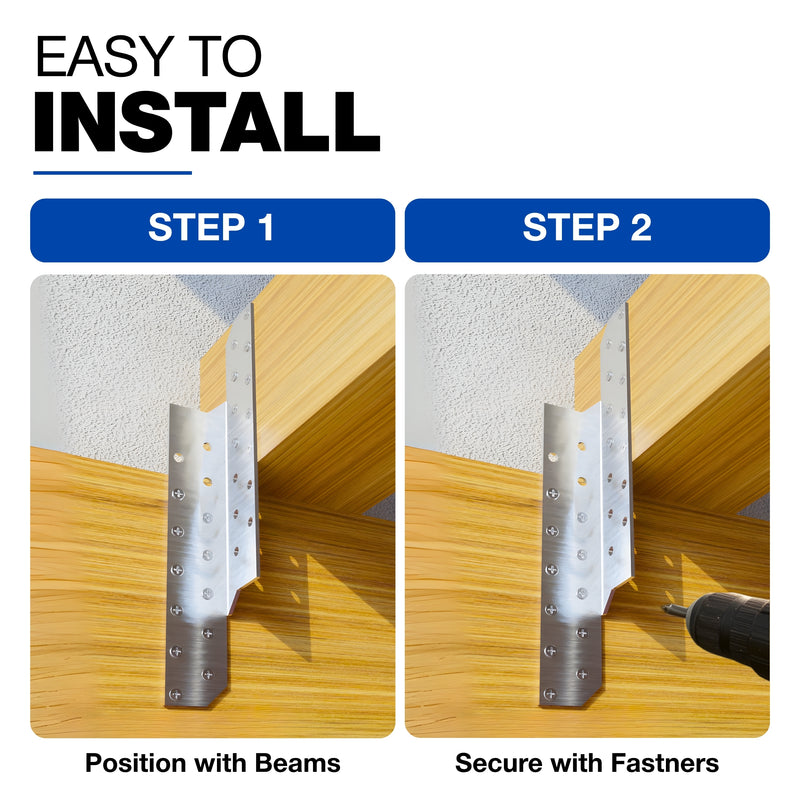
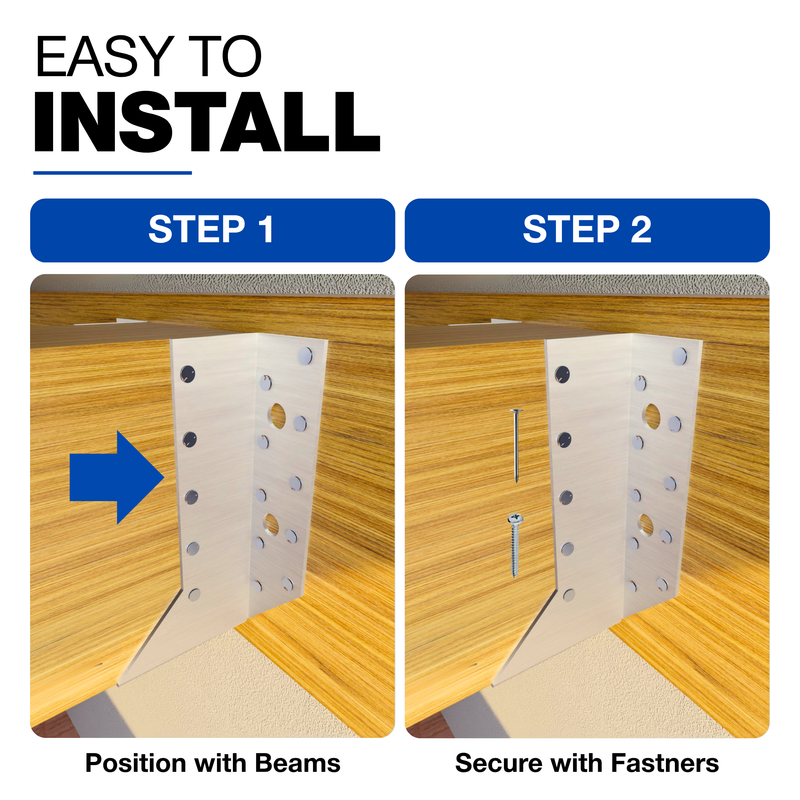
- Match the screws. Exterior-rated coated or galvanised screws with galvanised brackets; stainless screws with stainless brackets.
- Ease the edges. Deburr drilled holes and touch up sawn or drilled bare spots with a zinc-rich paint or cold galvanising spray.
- Check yearly. White zinc oxidation is harmless; orange rust staining means bare steel is exposed and needs action.
Maintaining outdoor brackets year after year
- Rinse salt deposits off brackets near the coast at least once a year.
- Keep soil, mulch and climbing plants away from bracket joints so they can dry out.
- Re-tighten fixings each spring; movement opens gaps that hold water.
- Replace any screw showing orange rust before it stains the timber and seizes in the hole.
Featured angle brackets for outdoor work
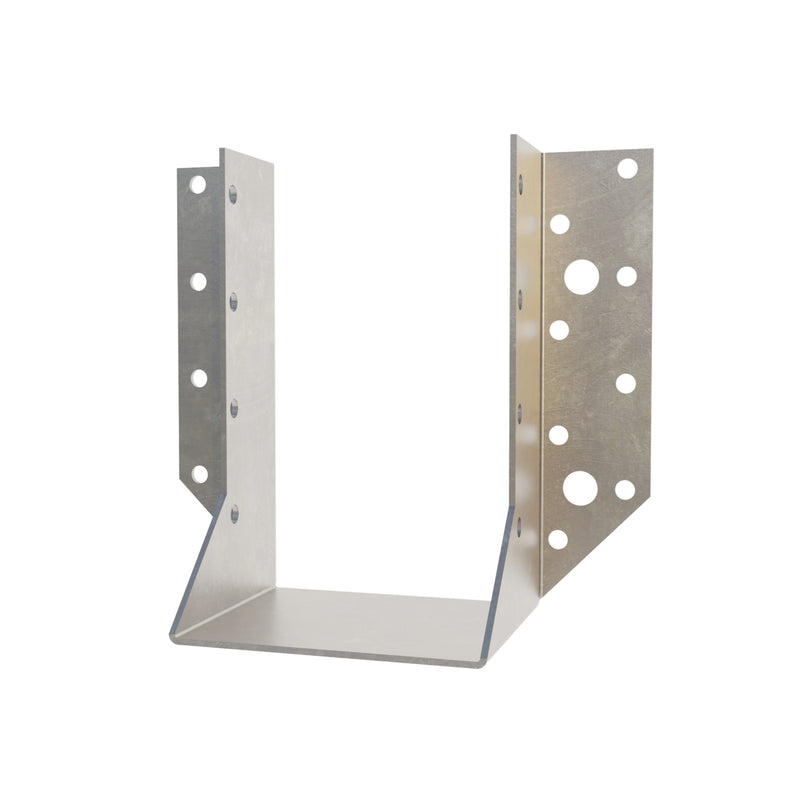
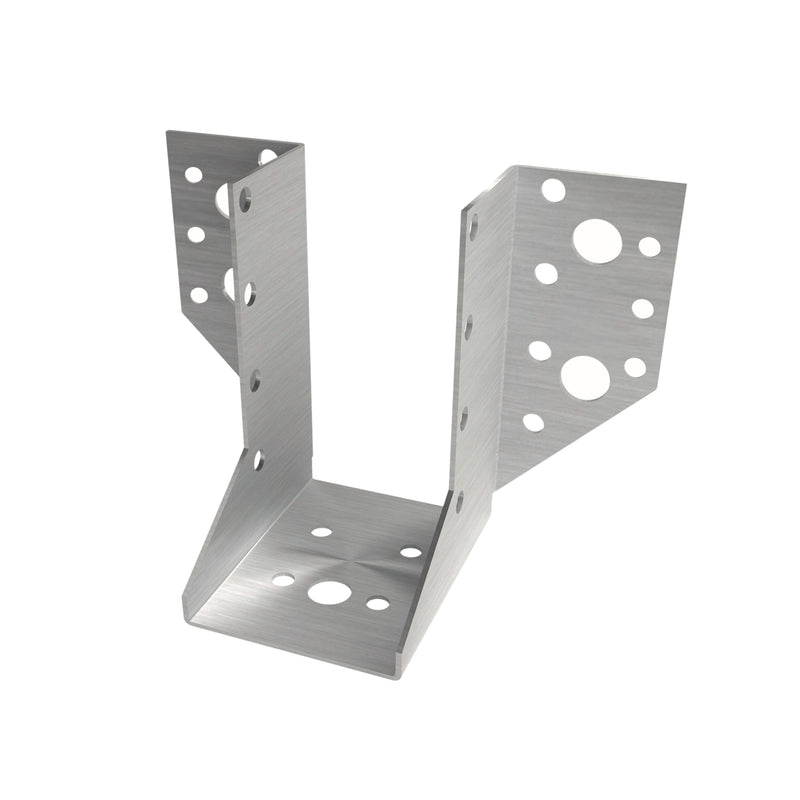
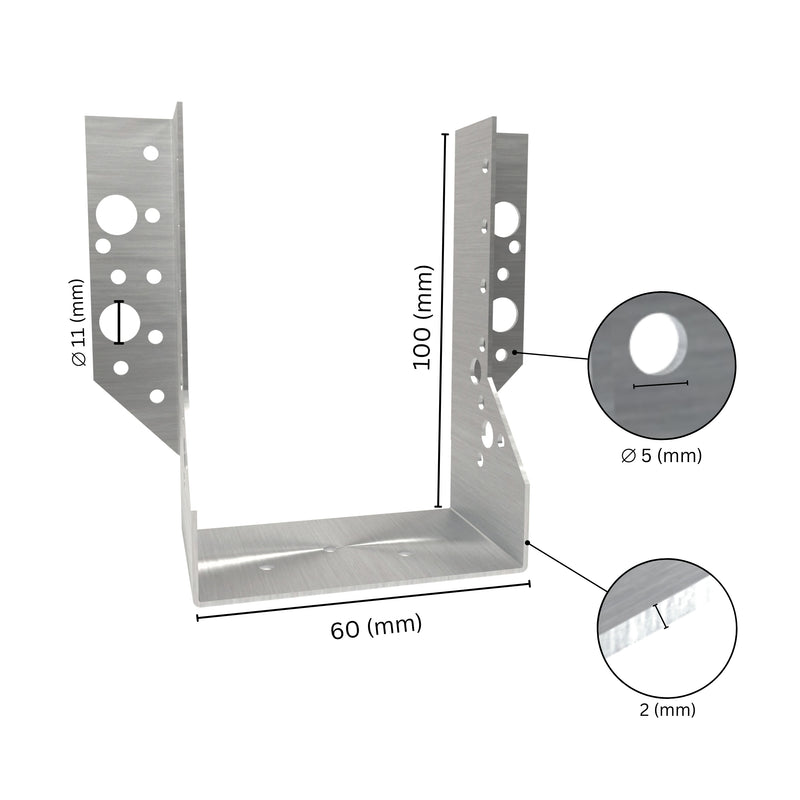
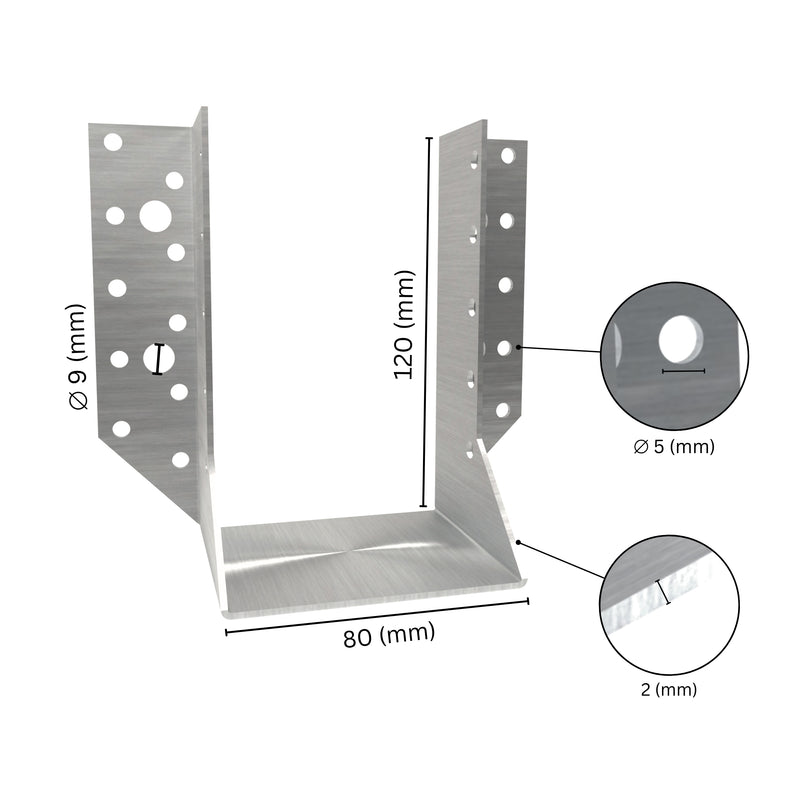
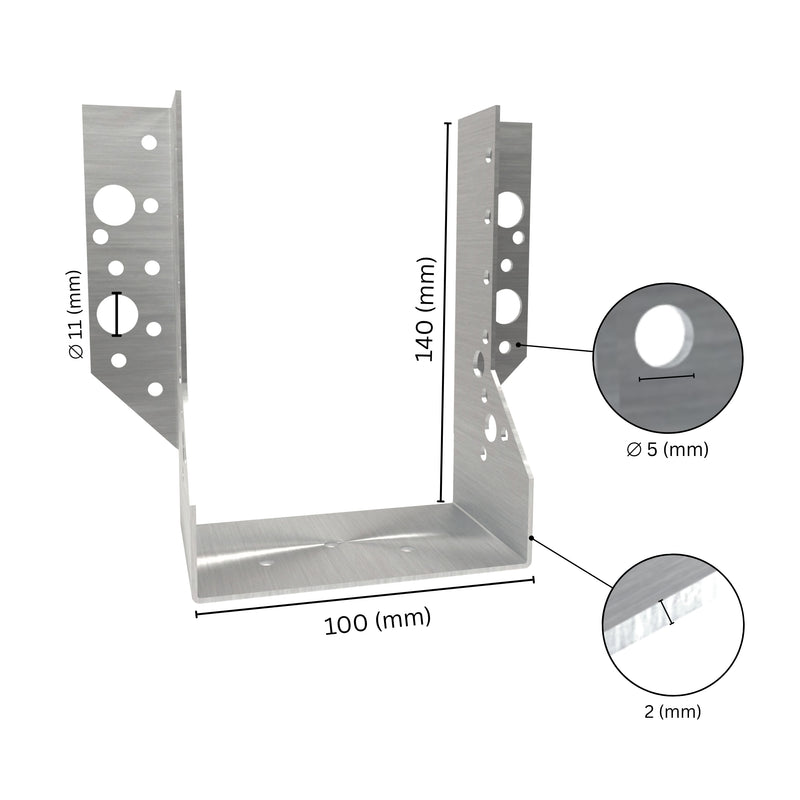
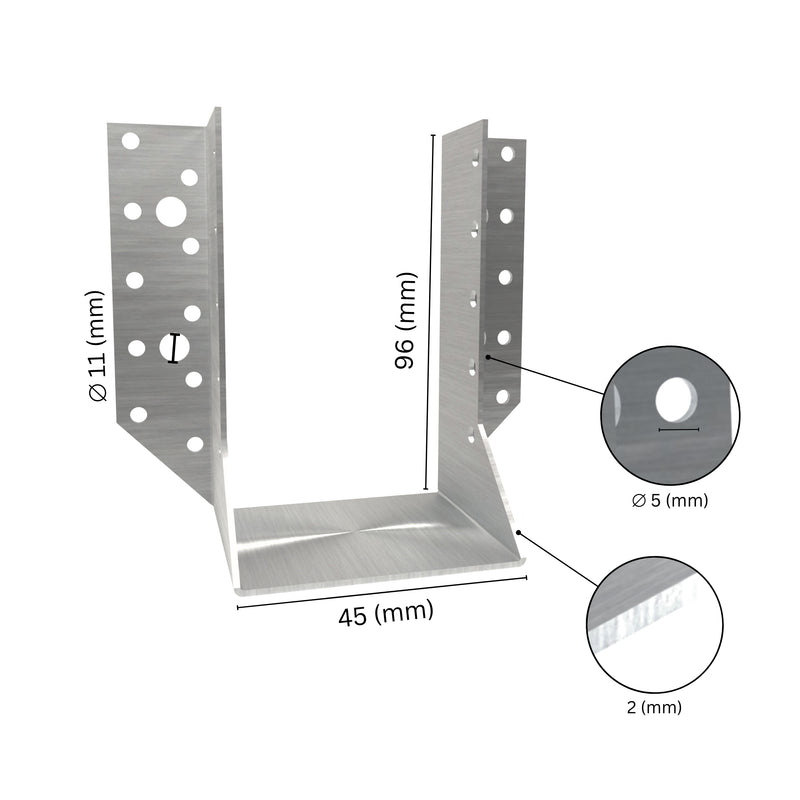
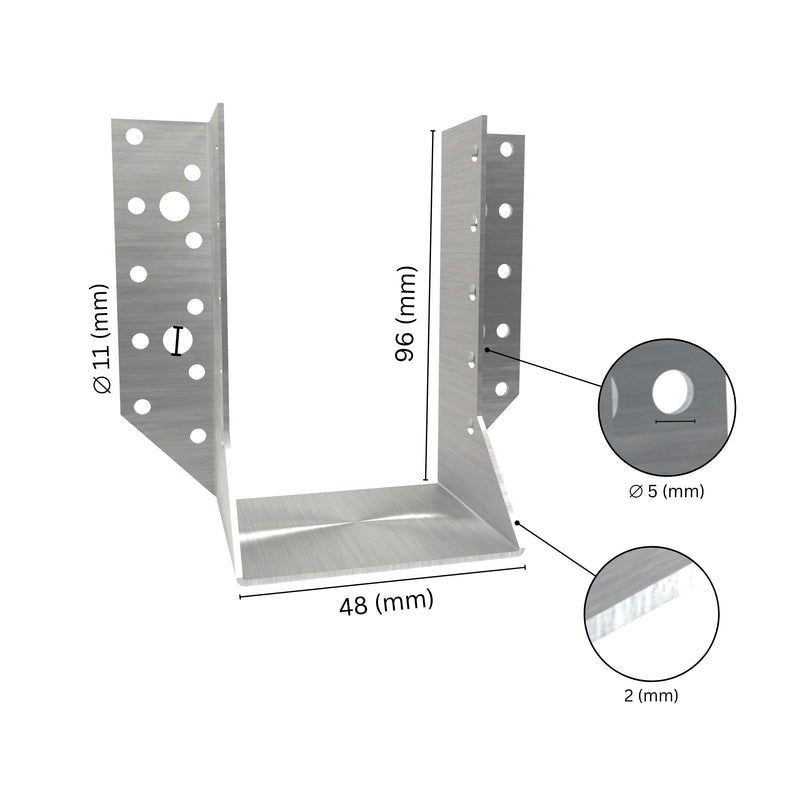
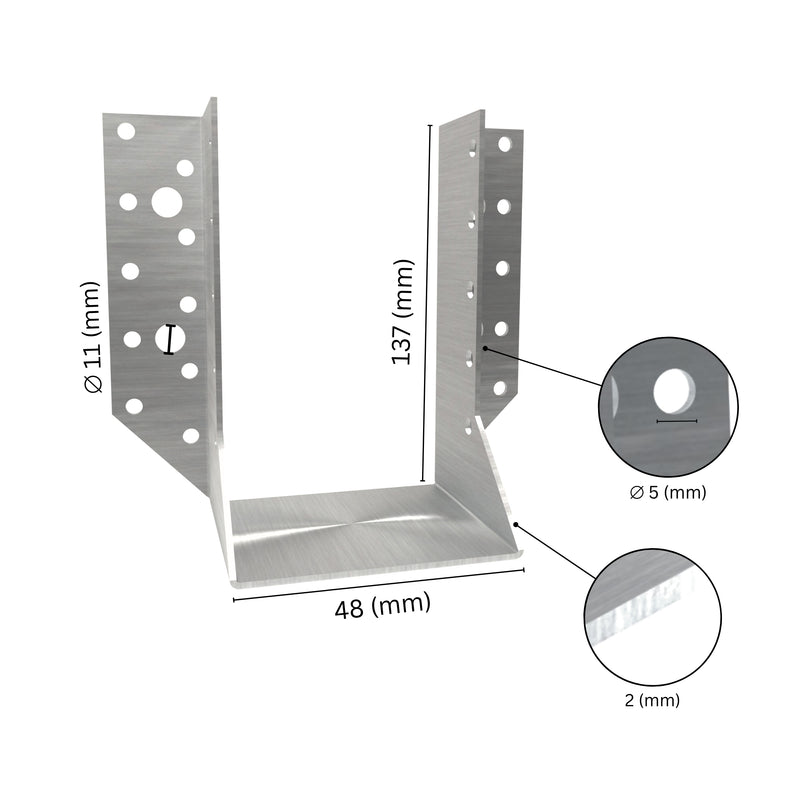
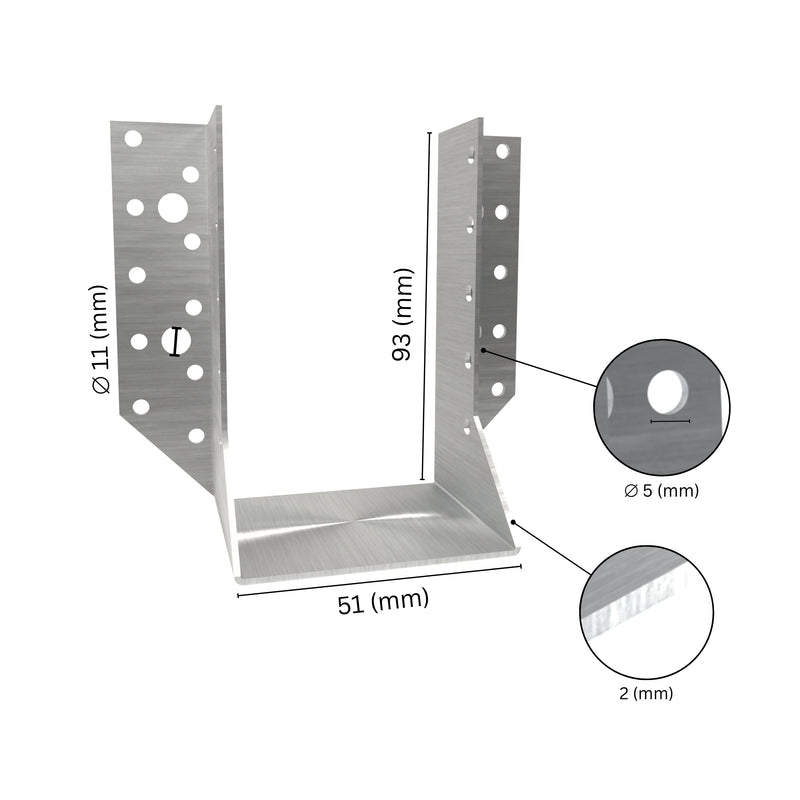
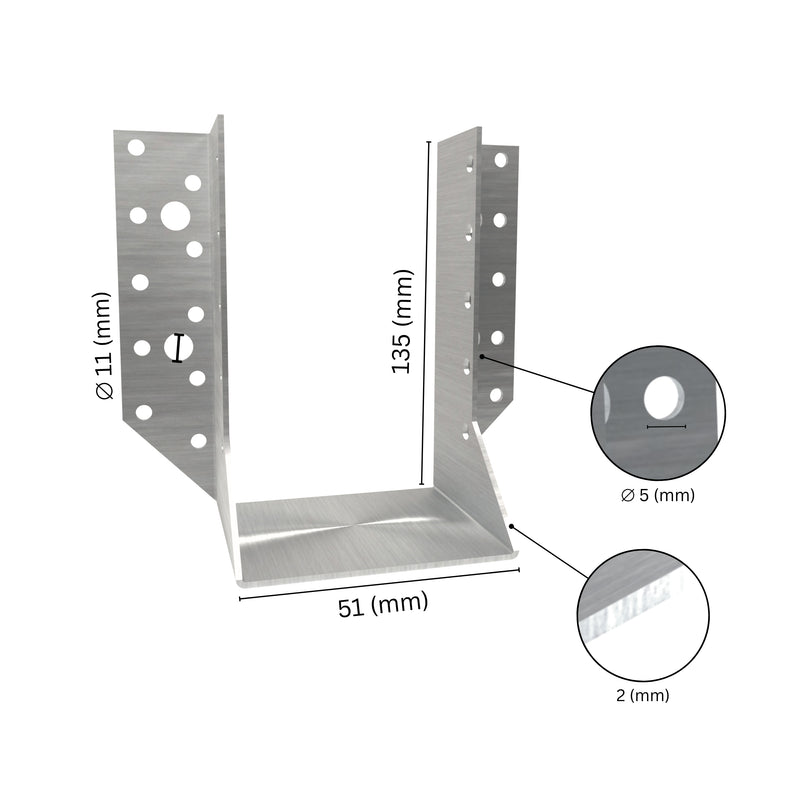
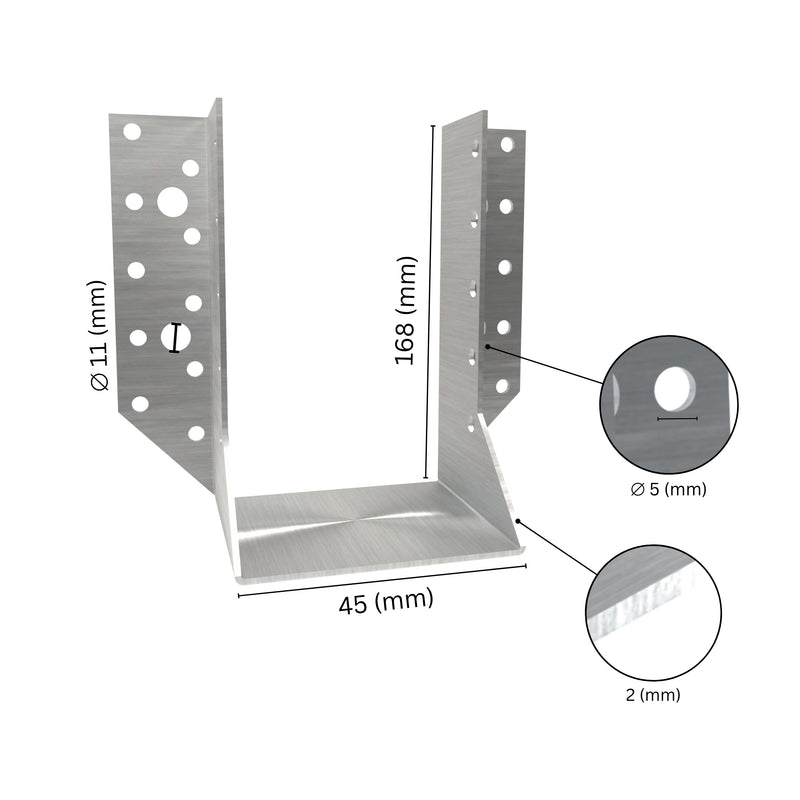
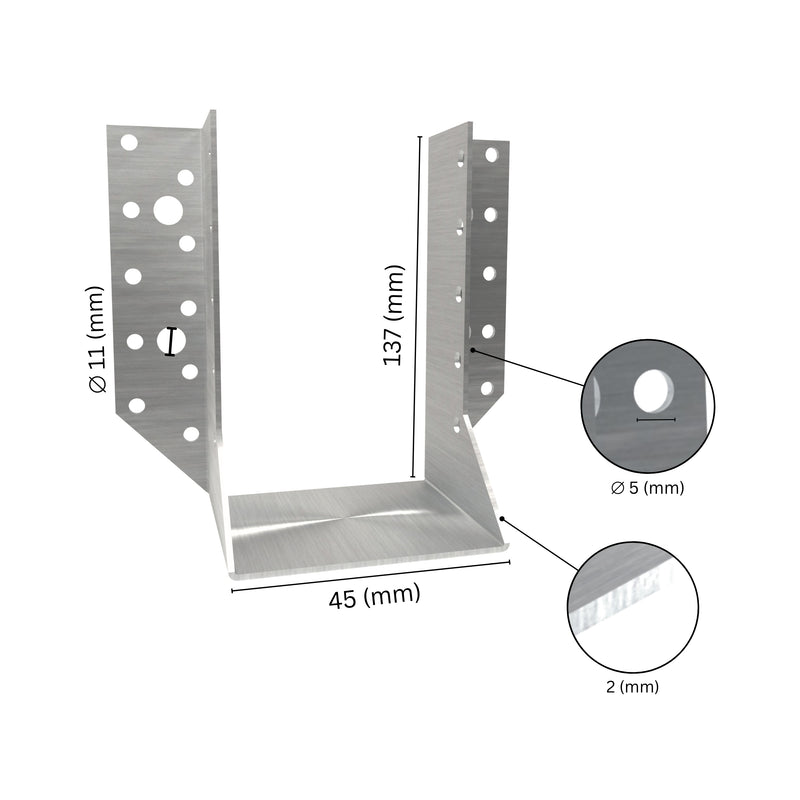
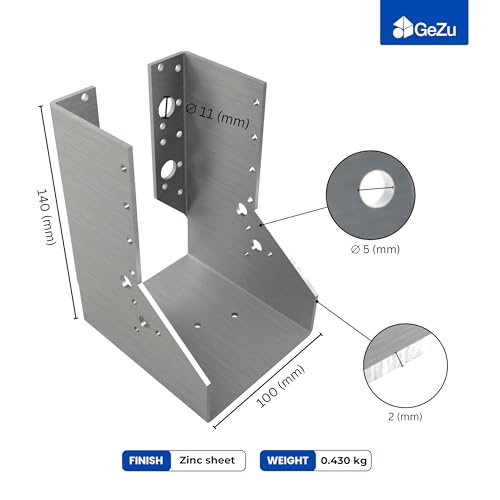
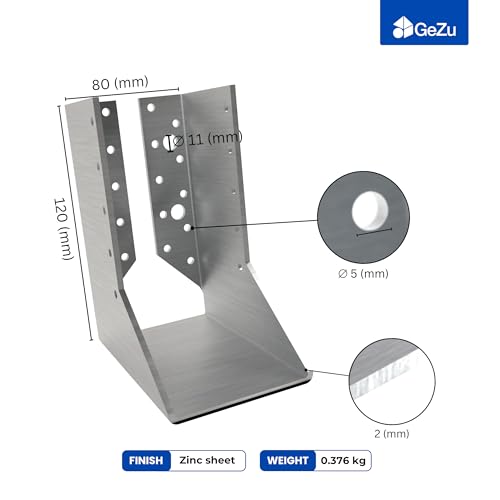
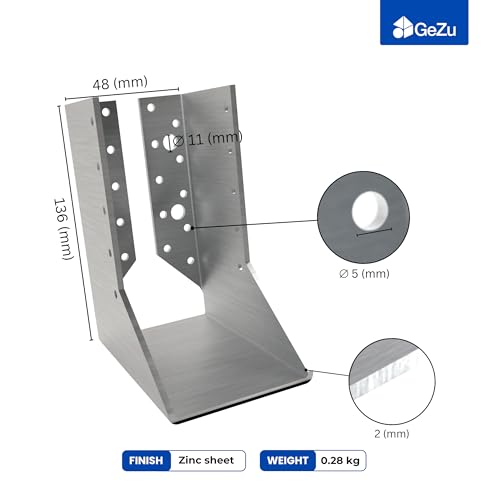
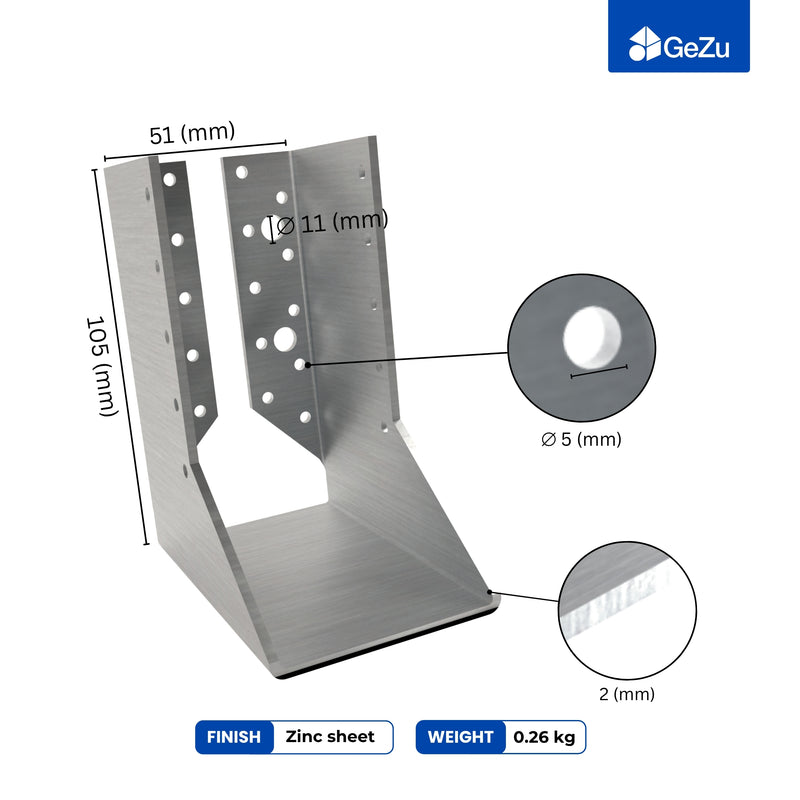
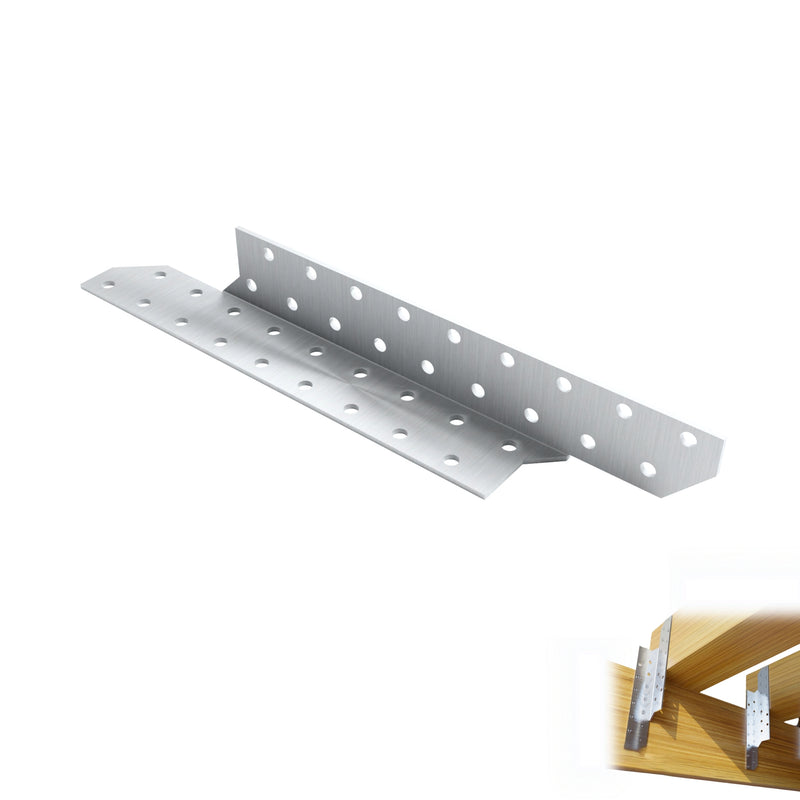
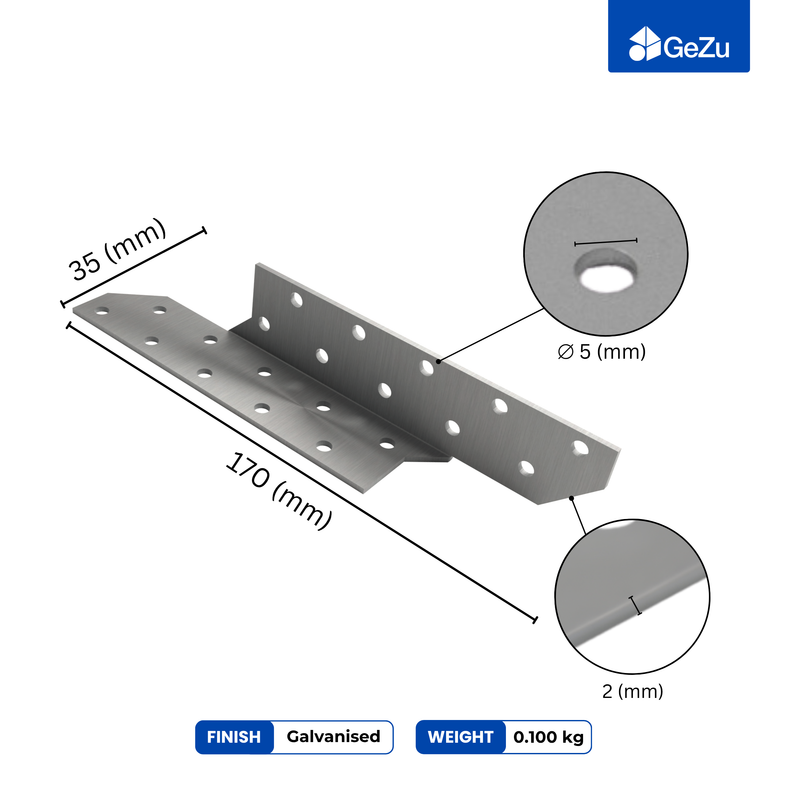
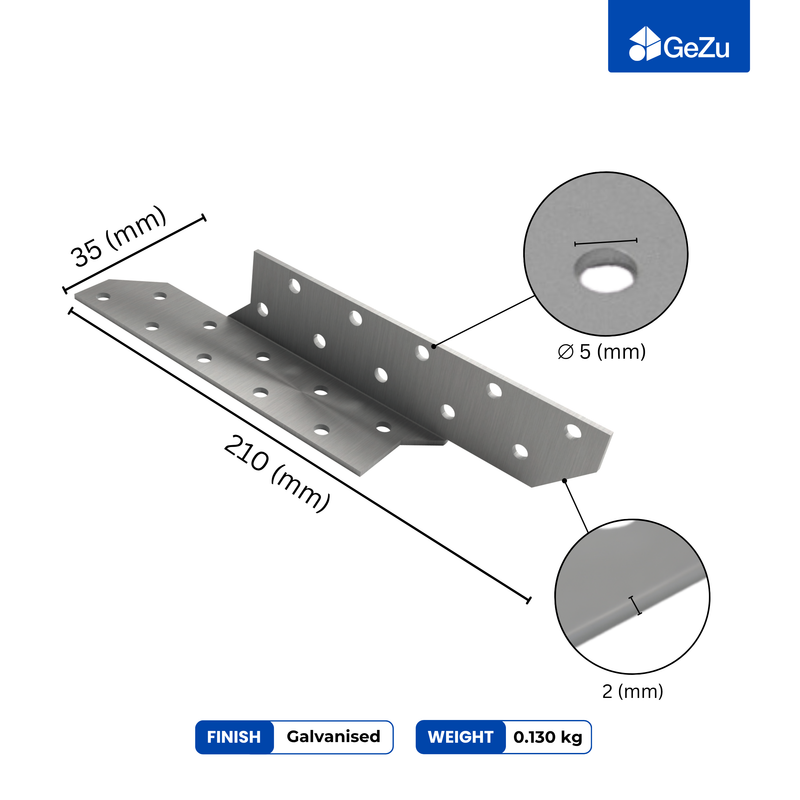
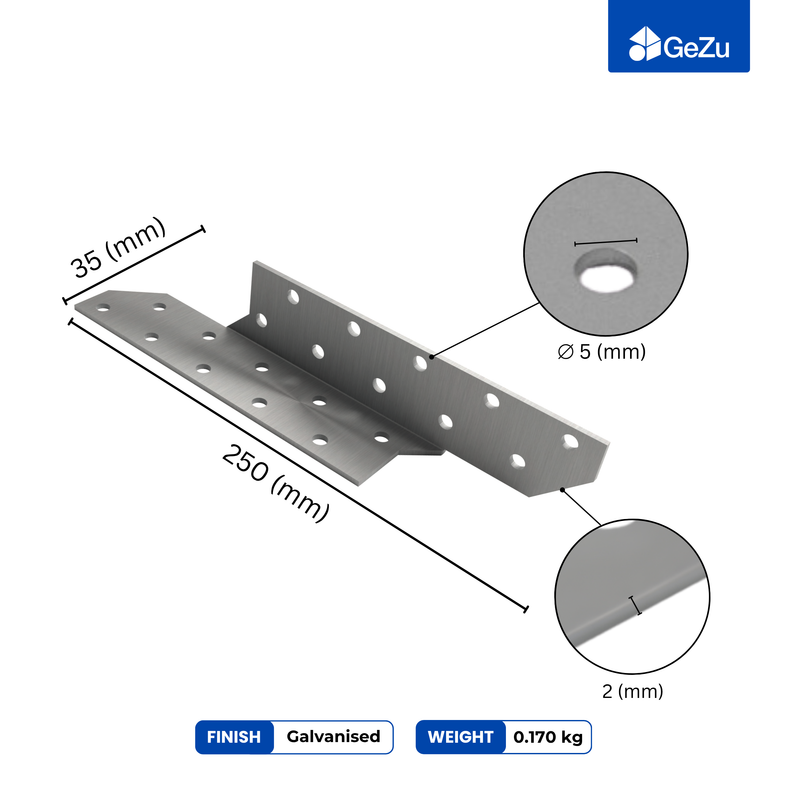
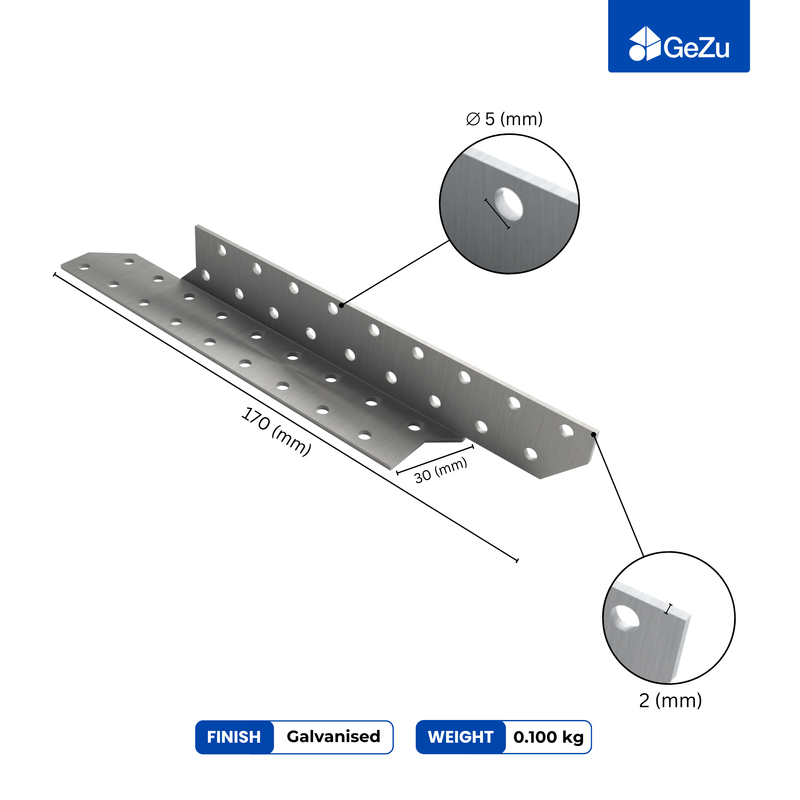
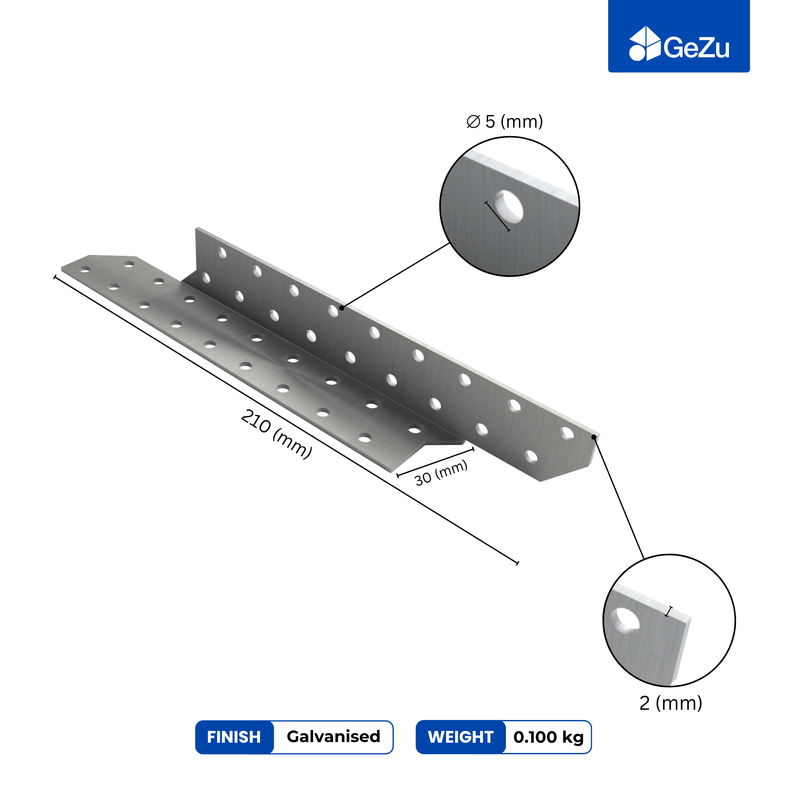
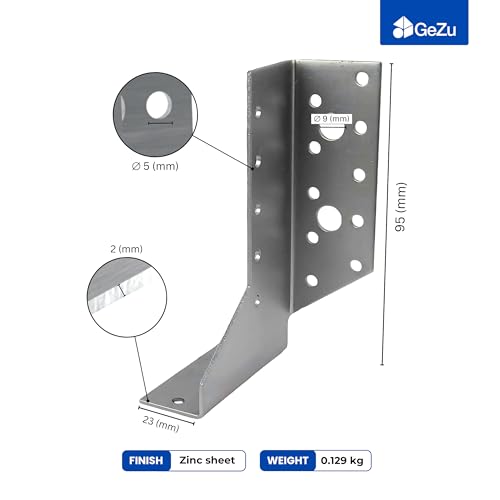
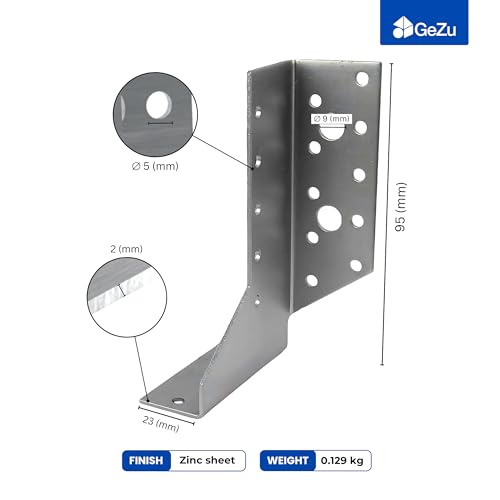
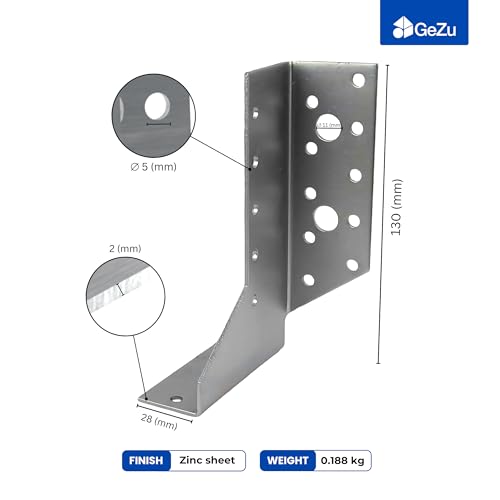
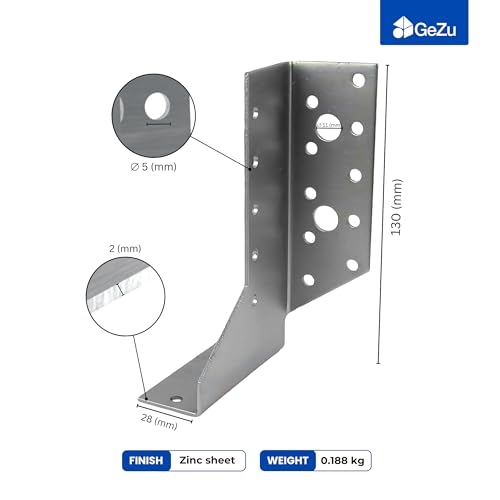
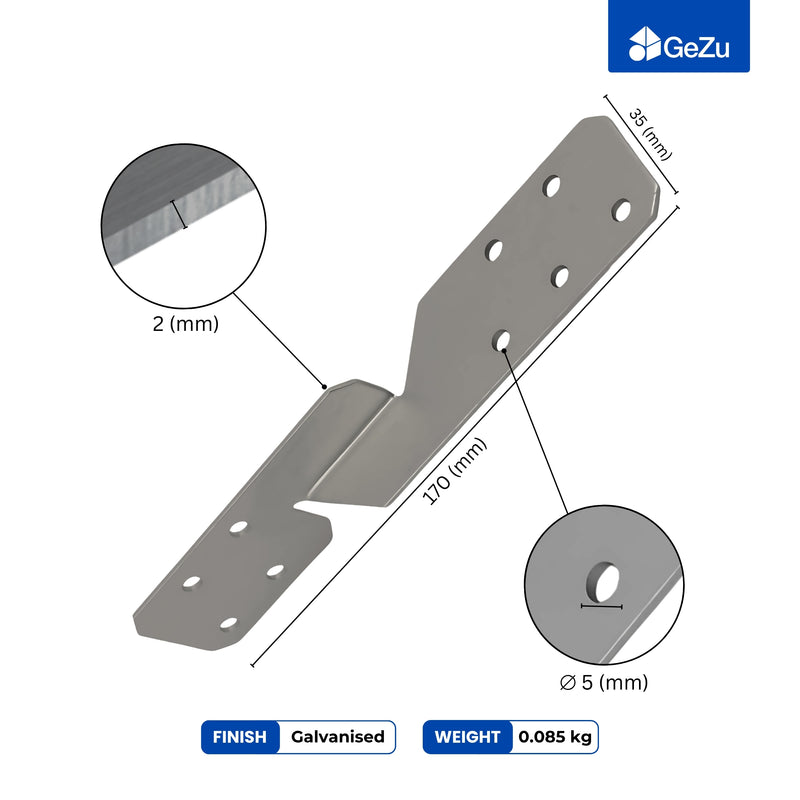
GeZu Impex stocks perforated galvanised angle brackets in the sizes most outdoor frames need:


Do galvanised brackets need stainless screws?
Use exterior-rated screws with a coating rated for outdoor timber — interior screws will rust before the bracket does. With galvanised brackets, coated or galvanised screws keep the metals compatible; stainless screws with galvanised brackets are common in coastal work, where the long life of the fixing matters more than the small risk of galvanic wear on the zinc. Whatever you choose, do not put bare steel screws into an outdoor joint. GeZu Impex product pages state the compatible coating for each bracket.
Related questions
What is the difference between hot-dip galvanised and electro-galvanised brackets?
Hot-dip galvanising bonds a thick zinc layer to the steel by dipping it in molten zinc; electro-galvanising plates a much thinner layer using electricity. For outdoor use, hot-dip wins — the thin electro layer is an indoor finish.
Can you paint over a rusting angle bracket?
Yes, after stopping the rust: wire-brush the loose corrosion, wipe the metal, then apply a zinc-rich primer or cold galvanising spray before a topcoat. Painting over active rust without preparation only seals the moisture in.
How do you stop rust stains on the timber around a bracket?
The stain almost always comes from a rusting screw or a scratched bracket, not from healthy zinc. Replace failed fixings with exterior-rated ones and touch up coating damage — the staining stops once the bare steel is sealed.
FAQ
Can angle brackets be used outdoors without rusting?
Yes — hot-dip galvanised and stainless steel angle brackets are made for outdoor use and resist rust for years. Plain or zinc-plated brackets corrode once rain reaches the coating.
Are galvanised angle brackets rust-proof?
No coating is rust-proof. The zinc layer corrodes slowly instead of the steel, which is why a scratched galvanised bracket still resists rust while a scratched painted one does not.
What bracket finish should I use near the sea?
Stainless steel A4 (316) is the right choice in salt air. A2 (304) stainless and hot-dip galvanised steel degrade noticeably faster where salt spray settles.
Do the screws matter as much as the bracket?
Yes. A plain interior screw rusts through in a single wet season and stains the joint. Use exterior-rated coated screws with galvanised brackets and stainless screws with stainless brackets.
Is white powder on a galvanised bracket rust?
No. White zinc oxide is the coating protecting itself and is harmless. Orange-brown staining means bare steel is exposed and needs cleaning and a zinc-rich touch-up.
Can I use zinc-plated brackets on a covered porch?
Only if rain never reaches them and condensation stays low. Under a dry, enclosed roof they last; on an open porch they will corrode.
How long do galvanised brackets last outdoors?
A hot-dip galvanised bracket in ordinary outdoor exposure typically outlasts the surrounding timber. Exact life depends on coating thickness, moisture and salt — check the joint yearly rather than counting years.
One last thing
Zinc does not just block moisture — it sacrifices itself. That is why a scratched hot-dip galvanised bracket keeps working while a scratched painted one rusts from underneath. When you compare brackets in 2026, ask for the coating type first and the size second.