Self-drilling screws to a leak-free roof: 2026 workflow

A metal roof rarely leaks through the sheet: it leaks through the fixing holes. Screws driven at an angle, overdriven until the sealing washer crushes, or made of steel that rusts through turn every fixing point into a slow drip over the rooms below. Self-drilling roofing screws stop that — a Spengler roofing screw cuts its own hole through the sheet and the supporting timber, seats its sealing washer flat, and holds the sheet down through wind and snow load.
- Self-drilling roofing screws cut, fasten and seal in a single drive.
- The sealing washer does the waterproofing — stop as soon as it seats flat.
- Drive square to the sheet and in the trough positions the sheet profile specifies.
- Stainless or heavily coated screws resist rust at the fixing holes.
- GeZu Impex supplies Spengler roofing screws for metal sheet and roof work.
Why fixing holes are where metal roofs leak
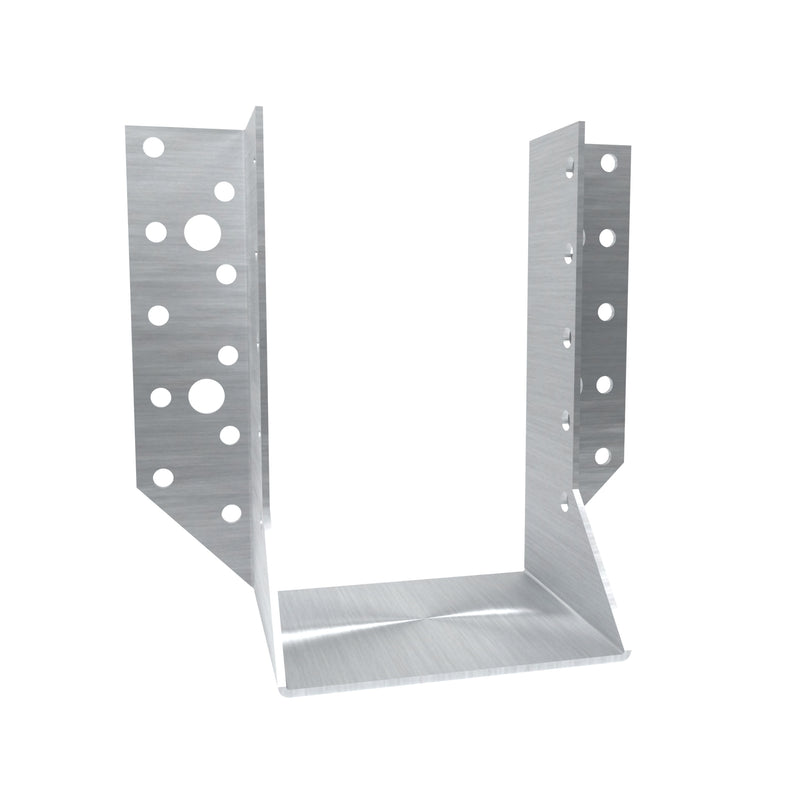
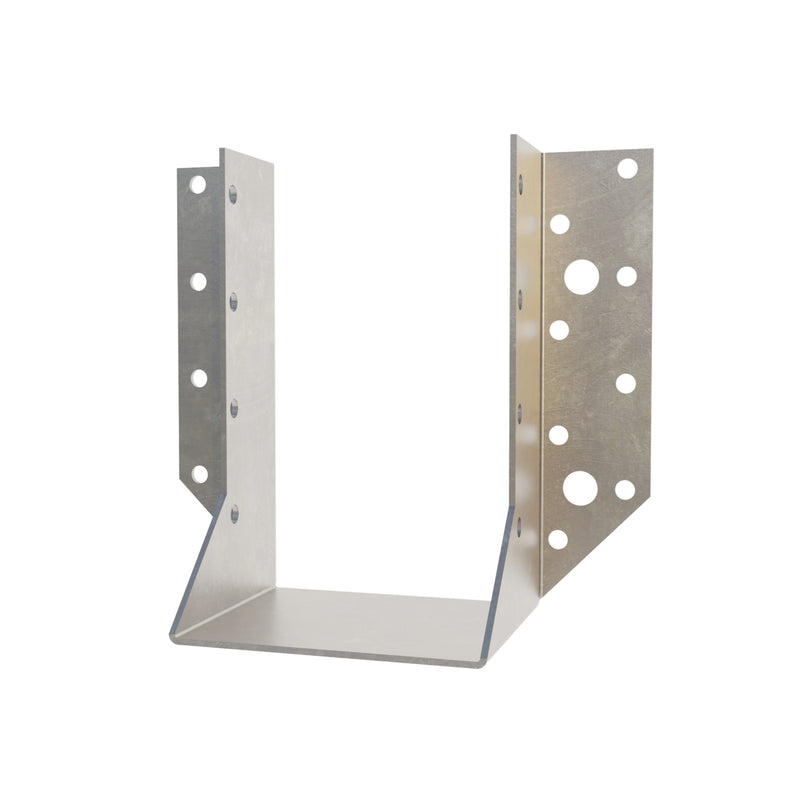
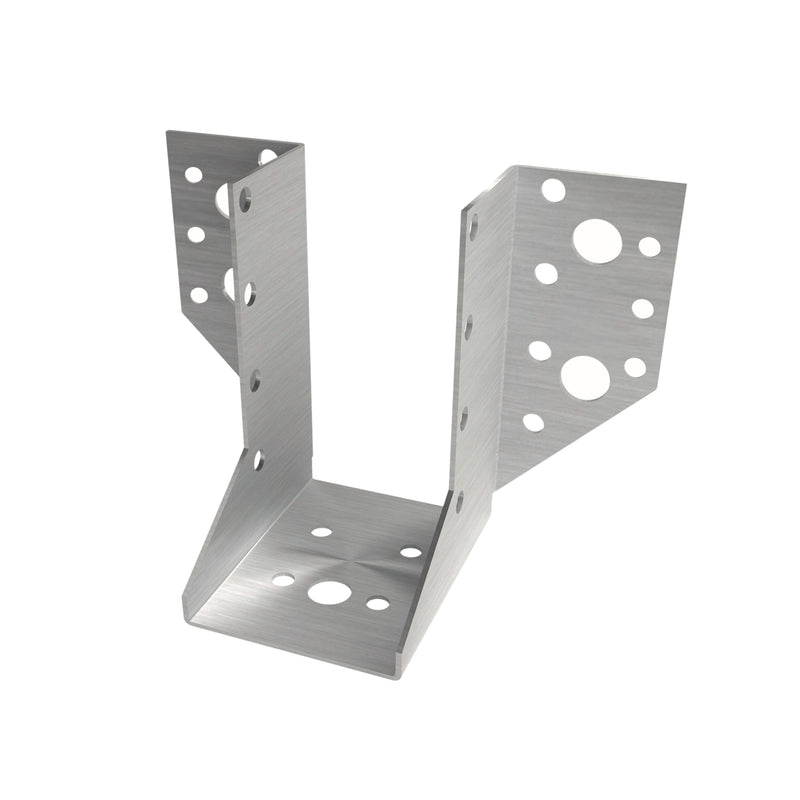
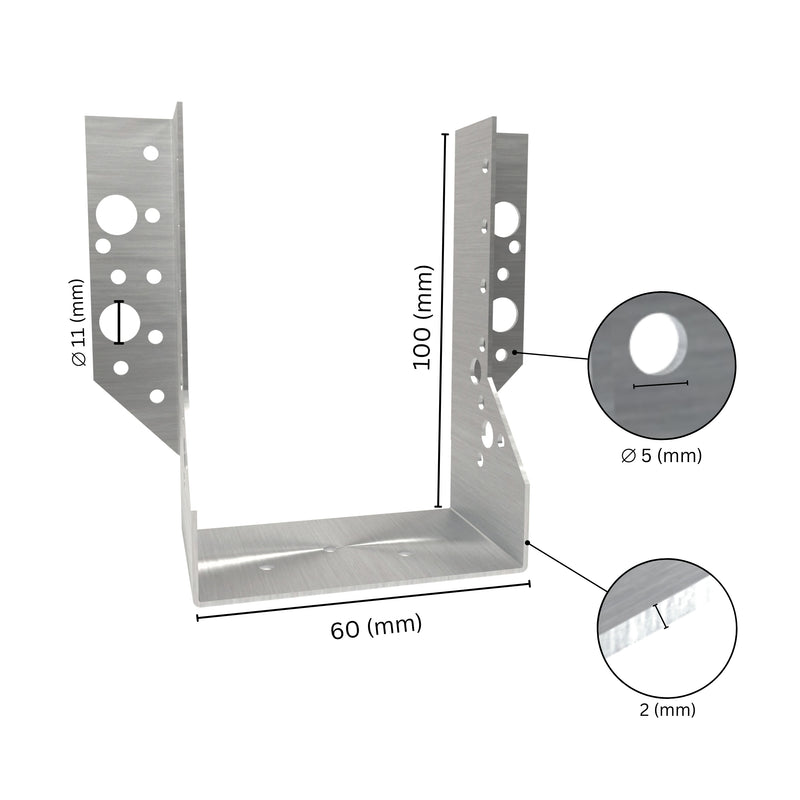
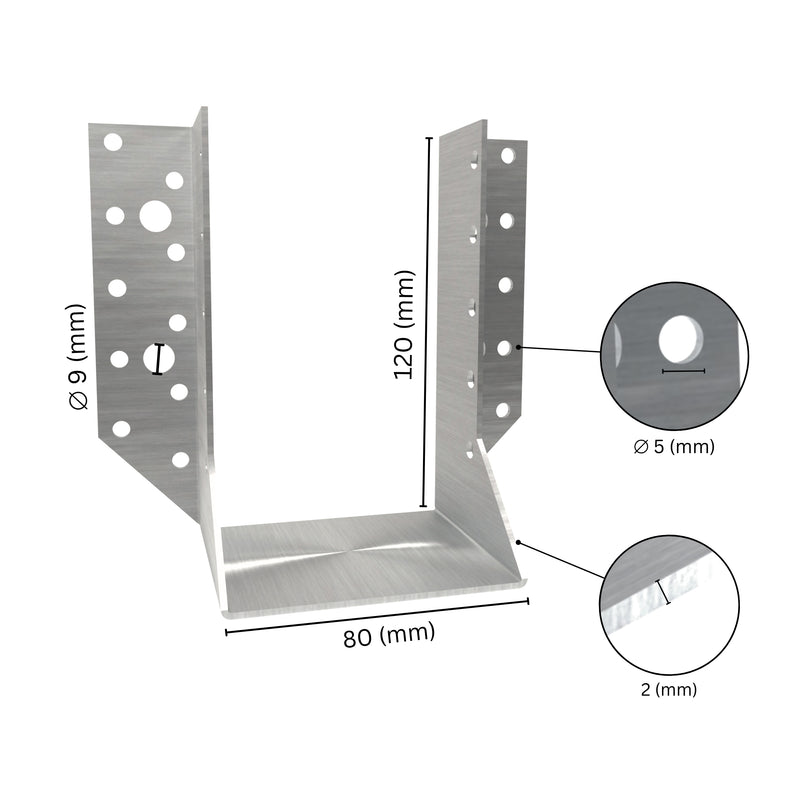
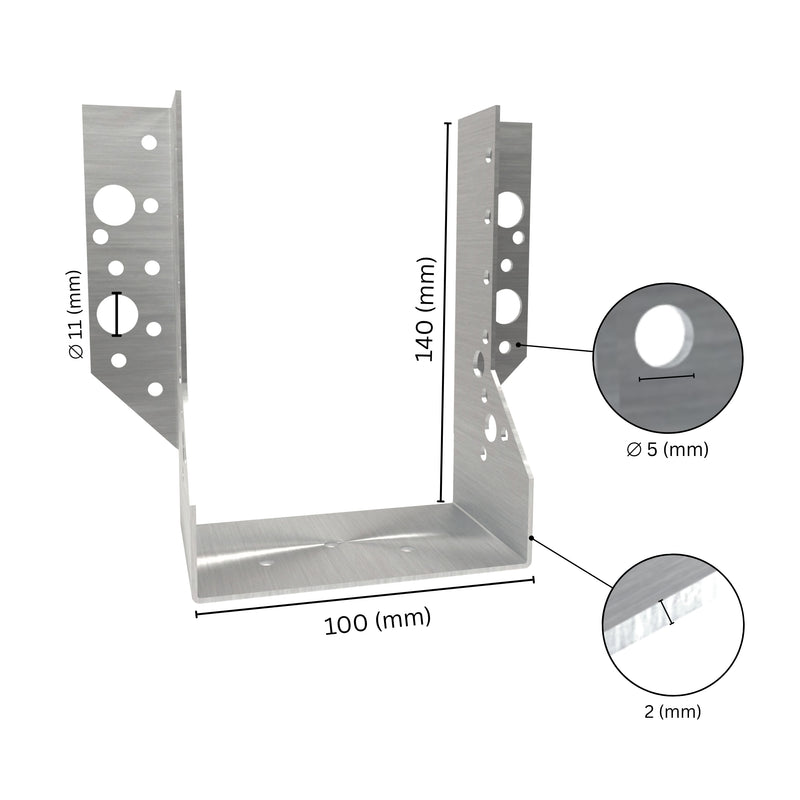
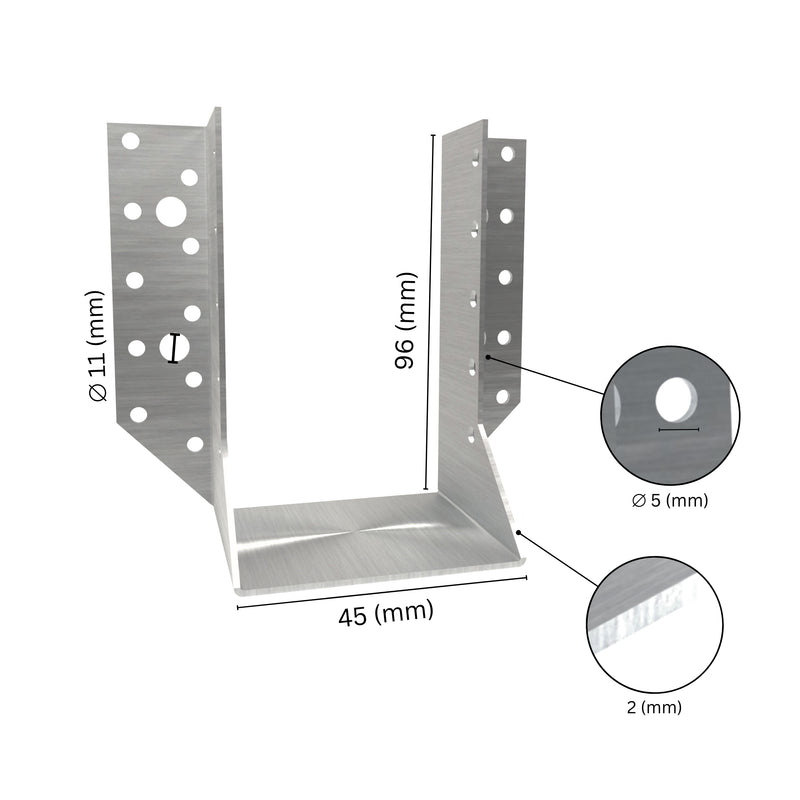
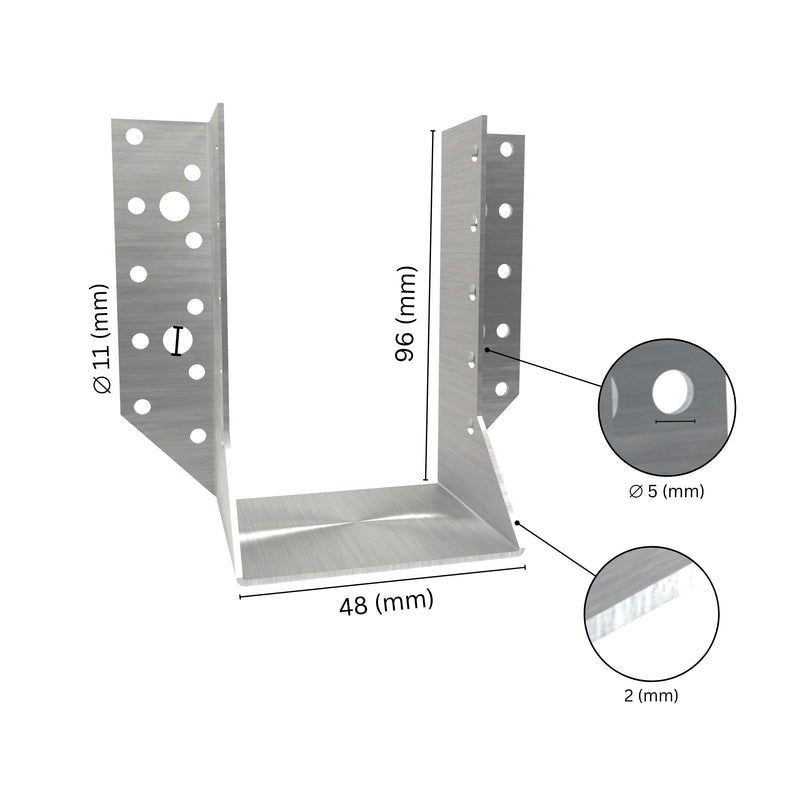
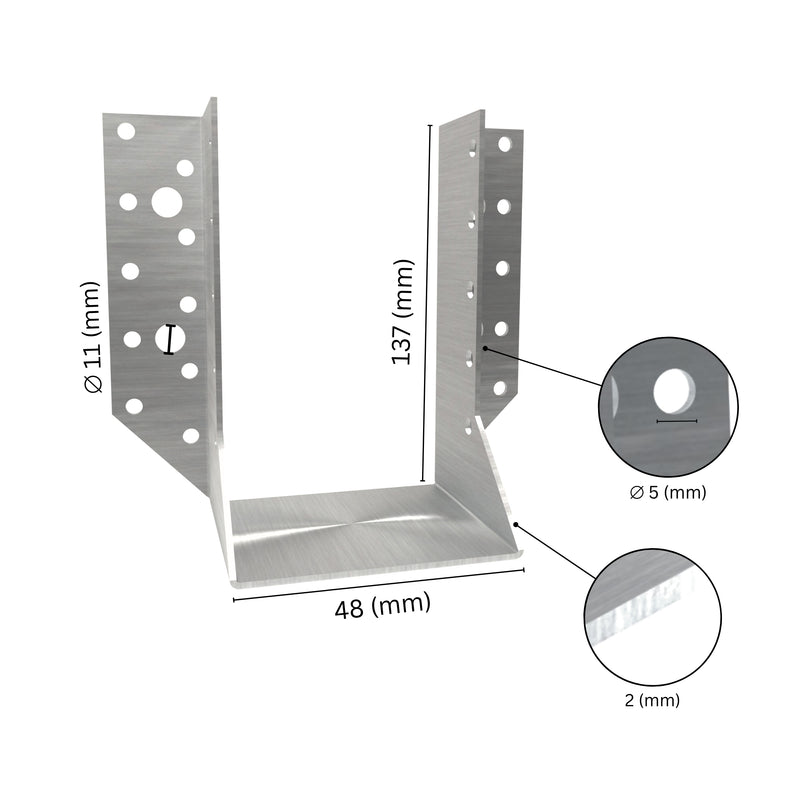
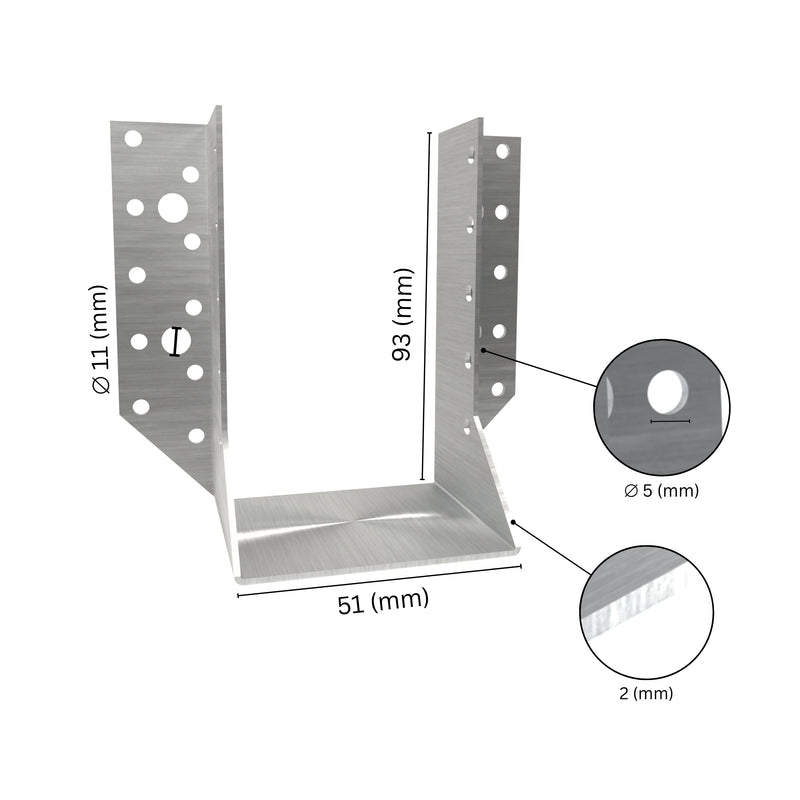
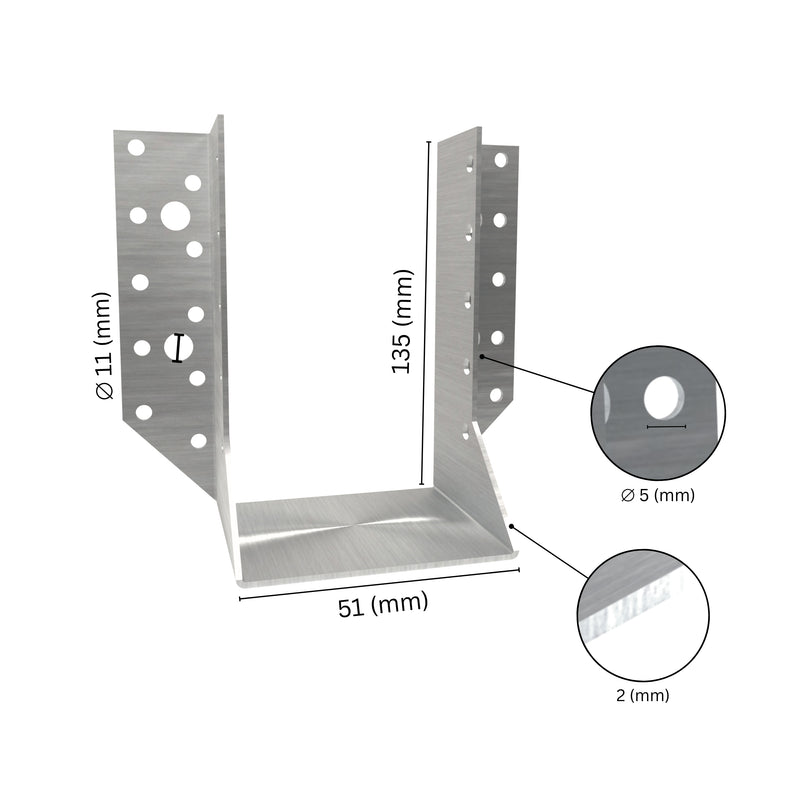
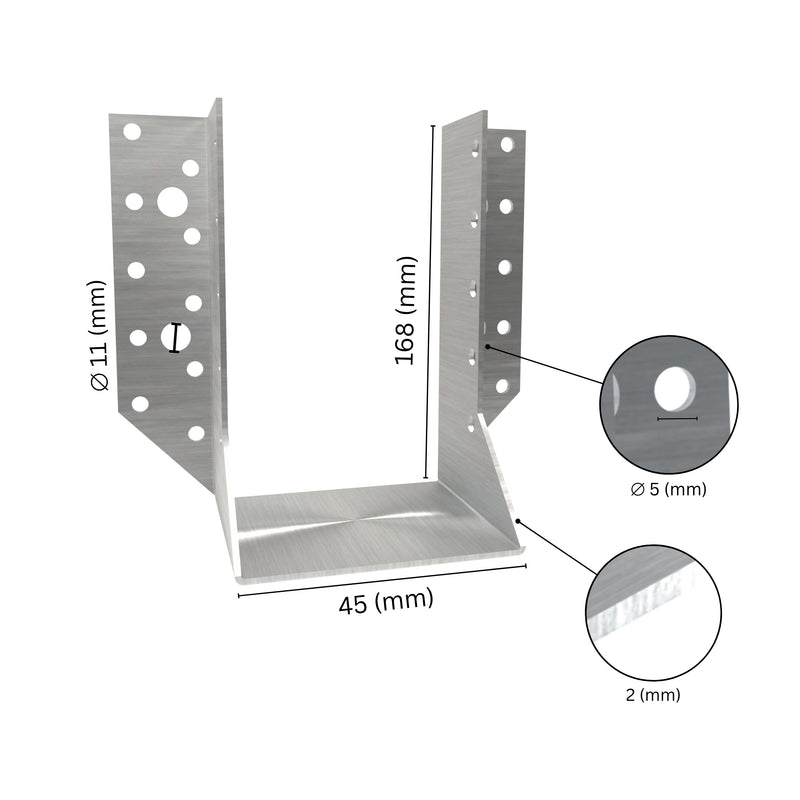
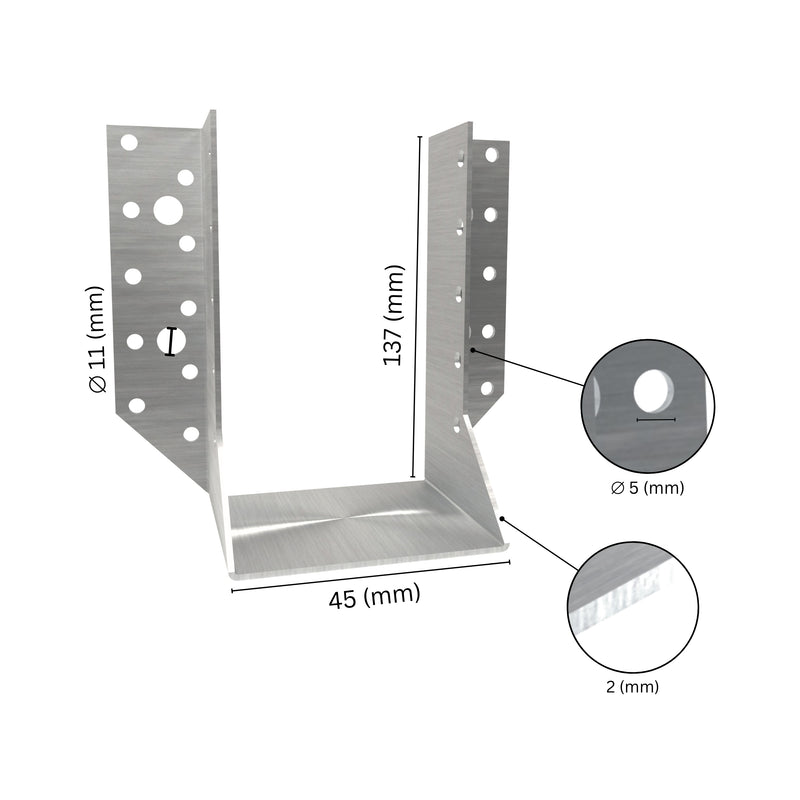
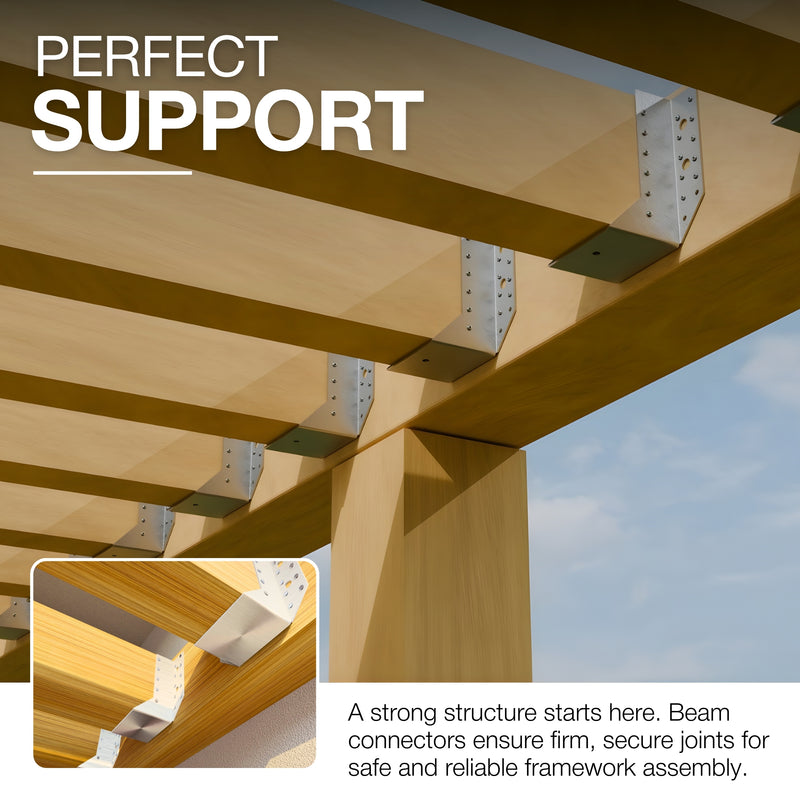
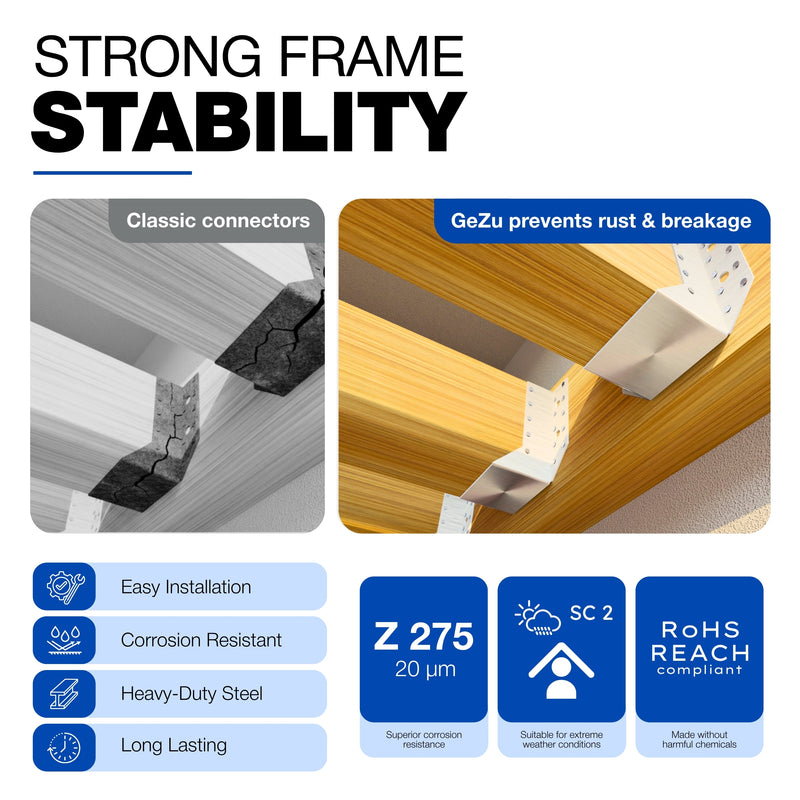
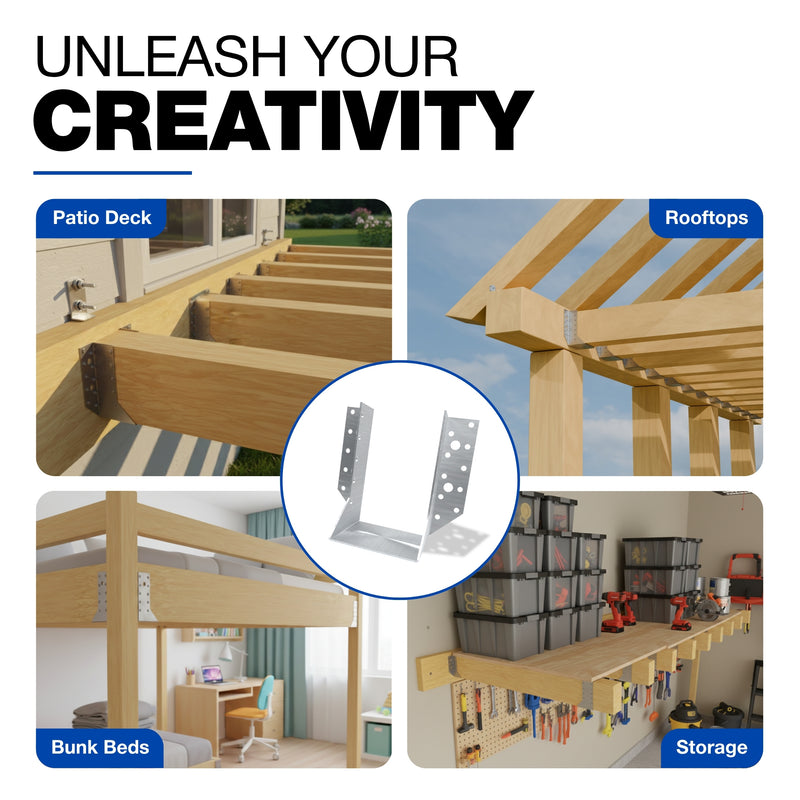
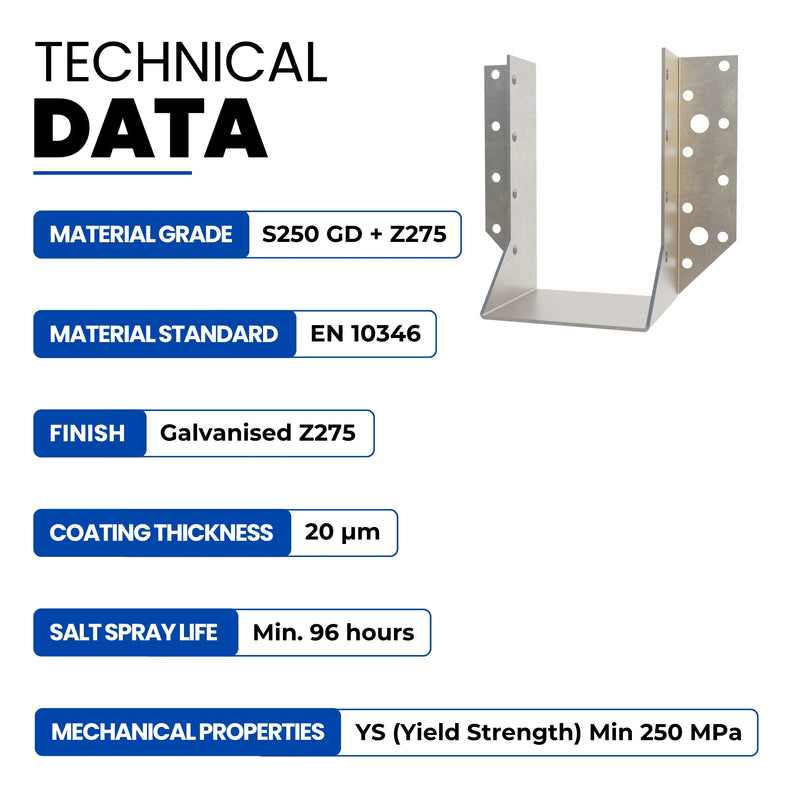
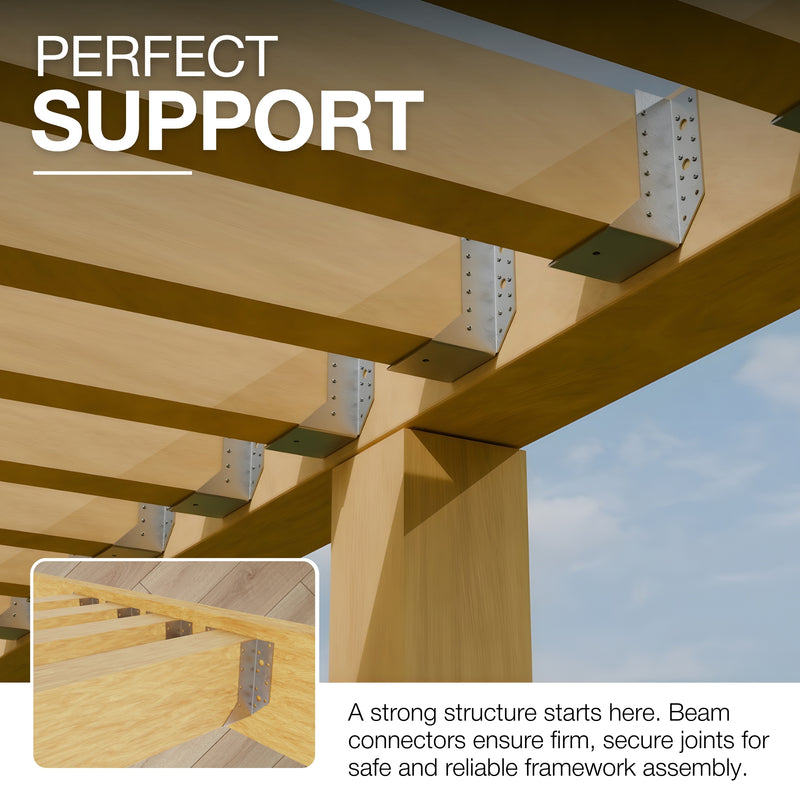
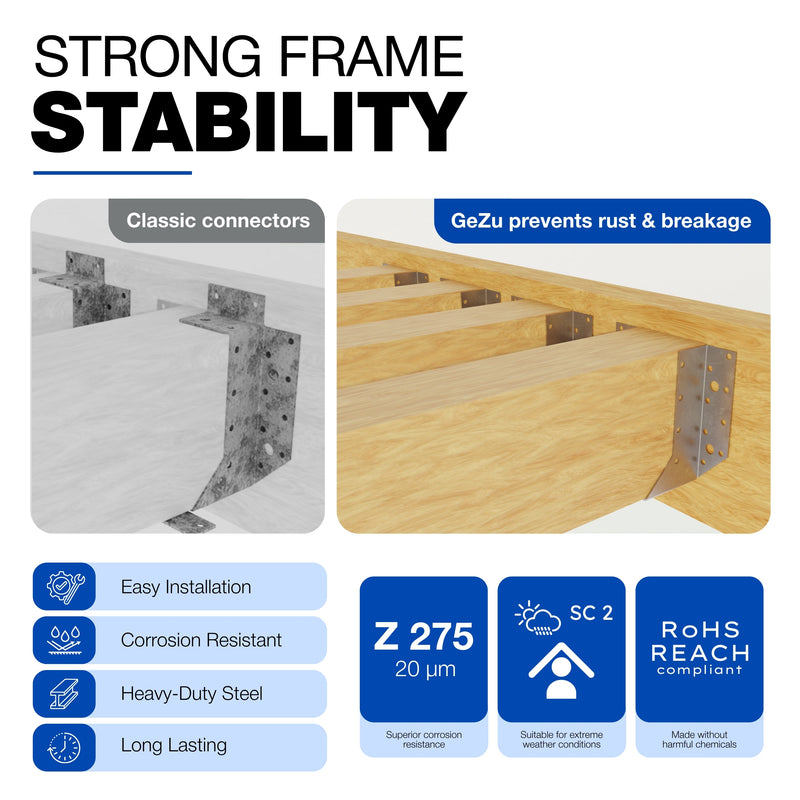
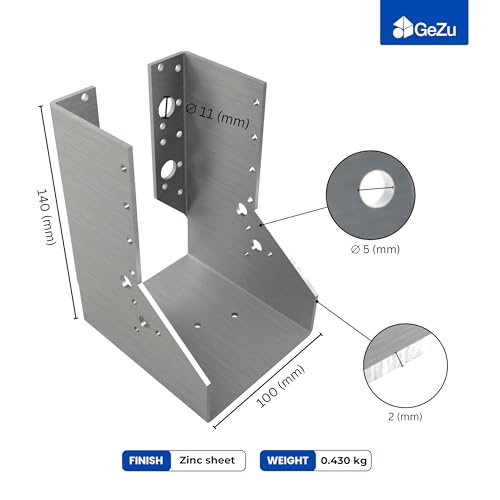
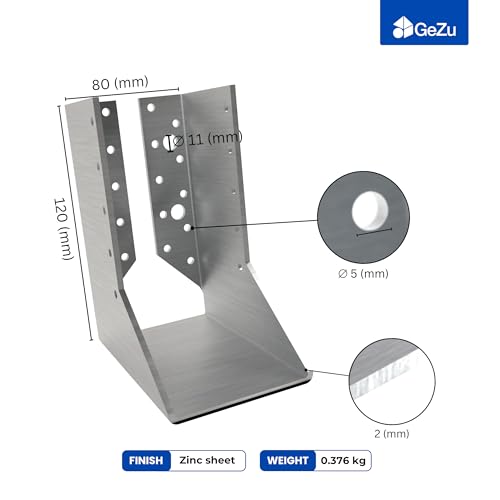
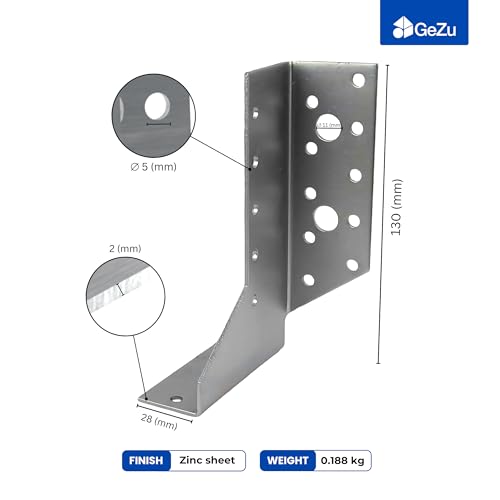
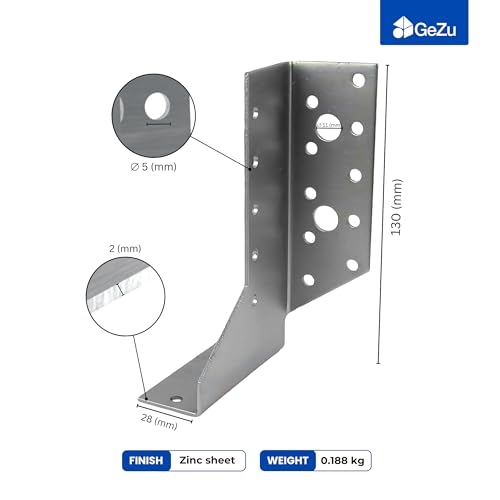
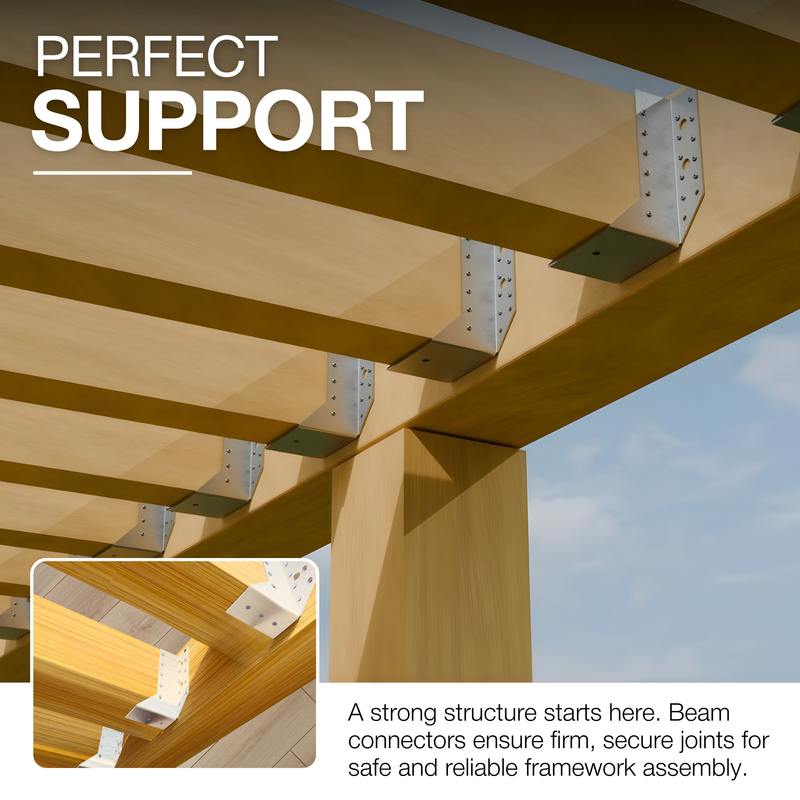
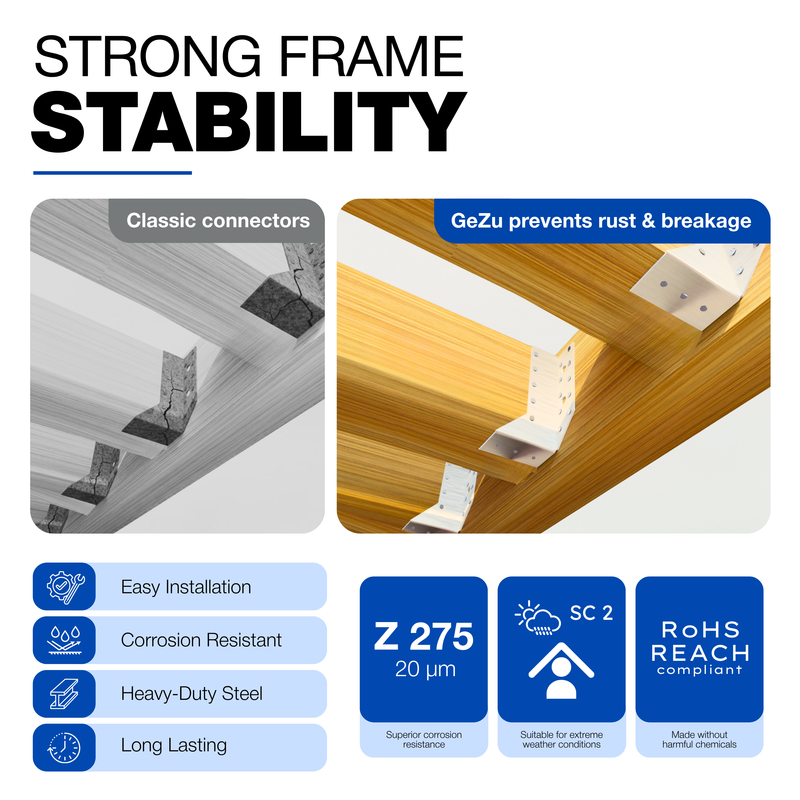
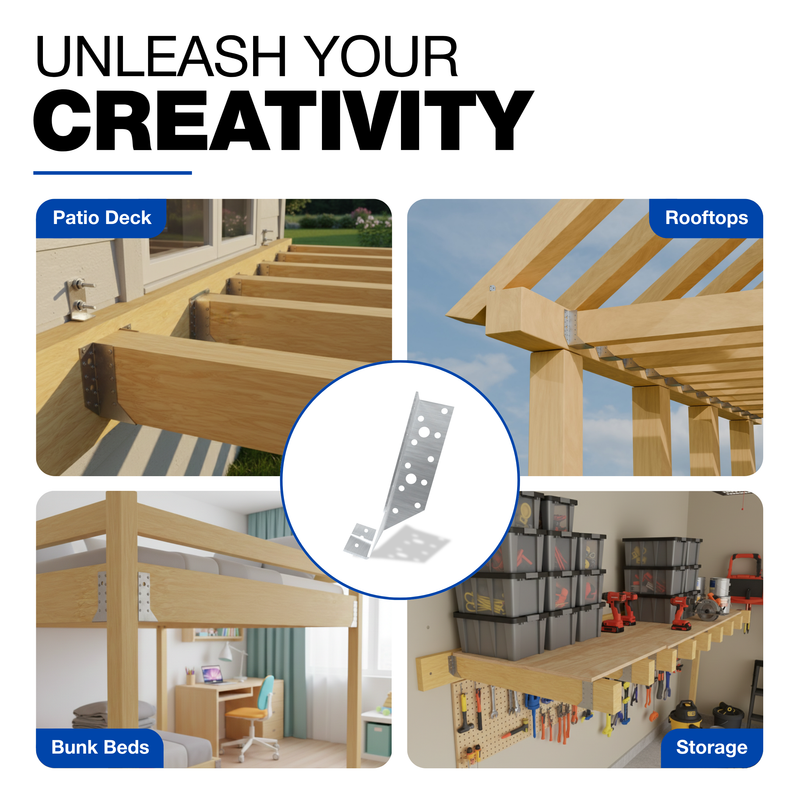
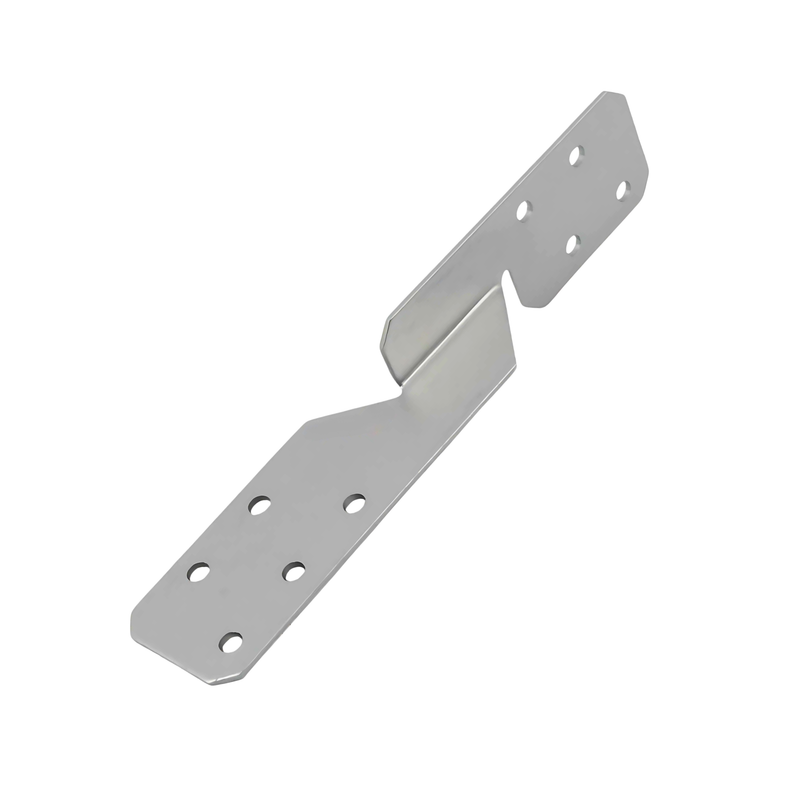
Every screw in a metal roof is a hole in a waterproof skin. The screw itself seals that hole only if two things happen at once: the sealing washer sits flat and compressed against the sheet, and the screw stays put for the life of the roof. A self-drilling screw earns both — its drill point cuts a clean hole instead of pushing the metal aside, the thread grips the timber beneath, and the bonded washer closes the joint. GeZu Impex supplies these roofing screws for exactly this sheet-metal work in 2026, alongside the timber connectors used on the substructure.
Before you start
- One screw per fixing point from the sheet's fixing pattern — eave, ridge and lap positions included.
- A screw length that passes the sheet plus most of the purlin or batten beneath, without breaking through the far side.
- A variable-speed drill or driver with a depth-sensitive socket so the washer cannot be crushed.
- A chalk line for the fixing rows.
One gotcha saves the whole roof: over-driving. Keep driving after the washer seats flat and you crush it — the joint leaks from day one. Stop the driver the moment the washer spreads to the sheet, not after.
Setting out the fixing rows
- Snap chalk lines along the purlin and batten positions so every screw lands on support.
- Mark the sheet's specified fixing points — trough positions for most profiles, as the sheet data states.
- Check screw length against sheet plus support thickness at a corner before committing to the full run.
Expected result: marked rows where every screw lands on solid timber and the length is proven on a test fixing.
Driving the screws leak-free
- Start each screw square to the sheet — a screw driven at an angle seats the washer unevenly and leaks.
- Drive at moderate speed until the drill point breaks through and the thread bites the timber.
- Slow down for the last turns and stop the moment the washer seats flat against the sheet.
- Work along the chalk lines so no fixing point is skipped or doubled.
Expected result: washers sitting flat and evenly compressed all along the run, with no screw angled off vertical.
Stainless Spengler screws for long-life fixings
The fixing point is the rust front of any metal roof. A stainless steel Spengler screw keeps its grip and its appearance where a lightly plated screw weeps rust streaks across the sheet within a few seasons — the same reasoning that applies to coastal sites, animal sheds and anywhere condensation sits on the underside of the sheet.
Troubleshooting roof fixing leaks
- Water tracks from a fixing hole. The washer was over-driven or the screw went in skewed — replace the screw with a fresh one, driven square and stopped early.
- Rust streaks below the screws. Plating too thin for the environment — swap to stainless or heavily coated screws before the streaks etch the sheet.
- Screws back out over time. Vibration and thermal movement; re-drive with the thread fully engaged in solid timber, and never in a stripped hole.
- The drill point burns or snaps. Speed too high or length too short for the support — drop the speed and check the thickness match.
What to do next


FAQ
What is a self-drilling screw?
A screw whose drill-shaped point cuts its own hole through the metal sheet before the thread taps into the timber or steel beneath — no pre-drilling needed for normal sheet and batten thicknesses.
Do self-drilling screws seal the hole themselves?
The screw plus its bonded sealing washer does. The washer must sit flat and evenly compressed — it is the waterproofing, so stop driving the moment it seats.
How tight should a roofing screw be?
Tight enough that the washer spreads to the sheet edge, no further. A crushed washer leaks immediately; an under-driven one leaks as soon as the sheet moves.
Why do roofing screws rust around the head?
Thin plating wears through on the washer and in the drilled hole. Stainless or heavily coated screws are the standard answer in exposed or damp locations.
Can a self-drilling screw go through thick steel?
Only within the screw's specified drilling capacity — check the product data for the maximum steel thickness and use a longer screw if the section demands it.
How many screws does a metal roof sheet need?
Follow the sheet's fixing pattern: eaves, ridge, laps and every purlin crossing. Never reduce the pattern — each point carries wind uplift as well as the sheet's weight.
One last thing
Test-drive one screw before the whole roof: its washer, angle and seating tell you in thirty seconds whether the driver setting is right, and catching that before the full run is what keeps a 2026 roof fixing dry. GeZu Impex supplies the Spengler screw range for sheet-metal roofing.