DIY hardware for self-build homeowners: 2026

DIY hardware for self-build homeowners is the galvanised connector kit — post supports, angle brackets, ground screws and fixings — that turns a weekend garden build into a structure that stays square and upright for years. A self-build homeowner works without a site crew or a merchant account, so the post supports and brackets chosen on day one carry the whole build from the first post to the last board.
- Post supports keep posts out of the wet ground that rots them.
- Ground screws carry a deck frame without digging or concrete.
- Angle brackets square corners on sheds, planters and carports.
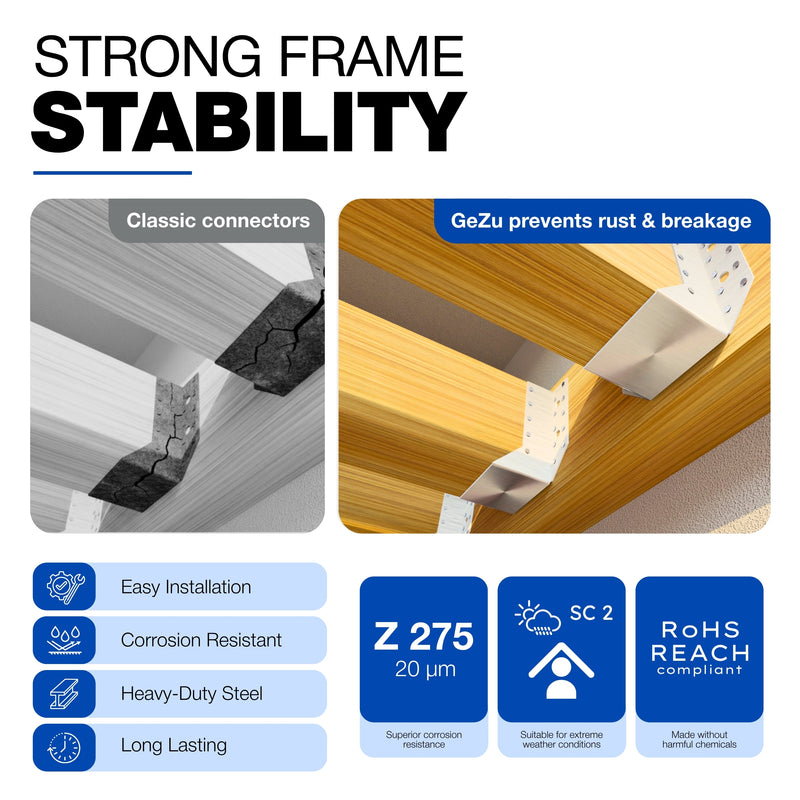
- Hot-dip galvanised hardware suits exposed outdoor structures.
- GeZu Impex supplies DIY hardware in single items and packs.
Why DIY hardware matters for self-build homeowners
Weekend builds fail on their foundations, not their carpentry. The frame of a deck or a shed is straightforward joinery; what decides whether it is still level in five years is what sits between the timber and the ground, and what holds the corners together while the fixings take the load:
- Posts out of the wet. A post set straight into soil rots at the ground line. A post support or ground screw keeps the timber clear of the soil and spreads the load instead.
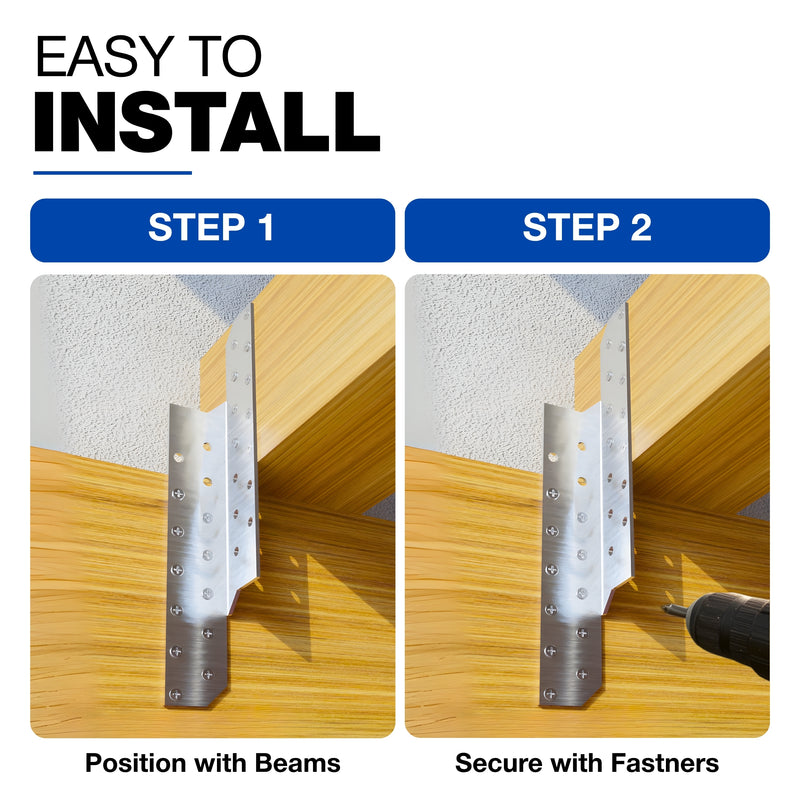
- Square corners without a workshop. Angle brackets hold 90° corners on shed frames, planters and carport uprights while both hands are busy fixing.
- No concrete, no waiting. A ground screw anchor carries a frame the same day it goes in — no mixing, no curing, no digging out stones.
- One supplier, one system. GeZu Impex supplies galvanised DIY hardware in single pieces for a small project and in multi-packs for a whole fence line.
How to plan and fix DIY hardware on a self-build
1. Match the hardware to the structure
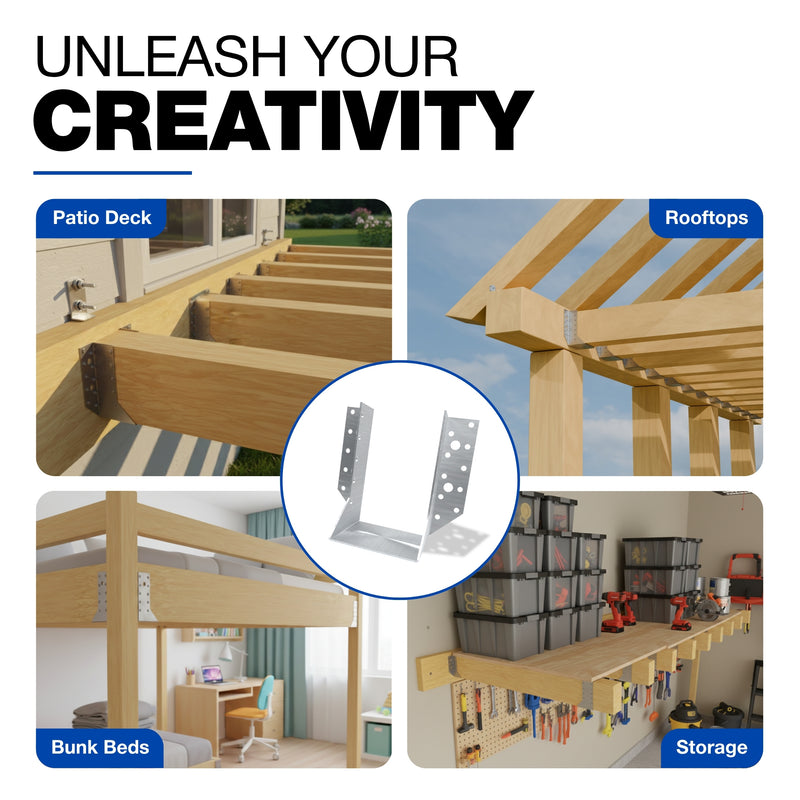
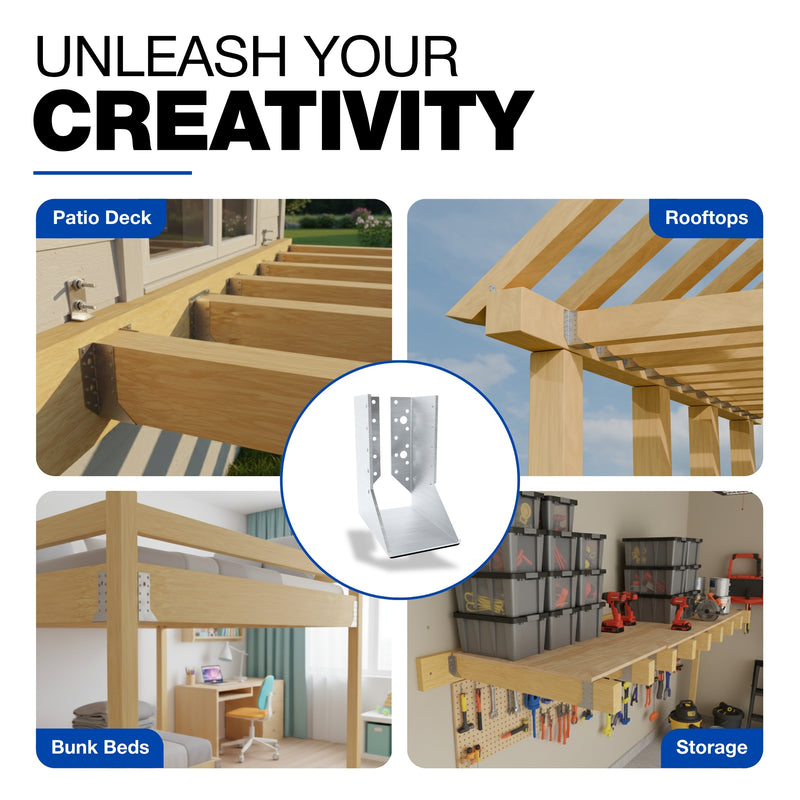
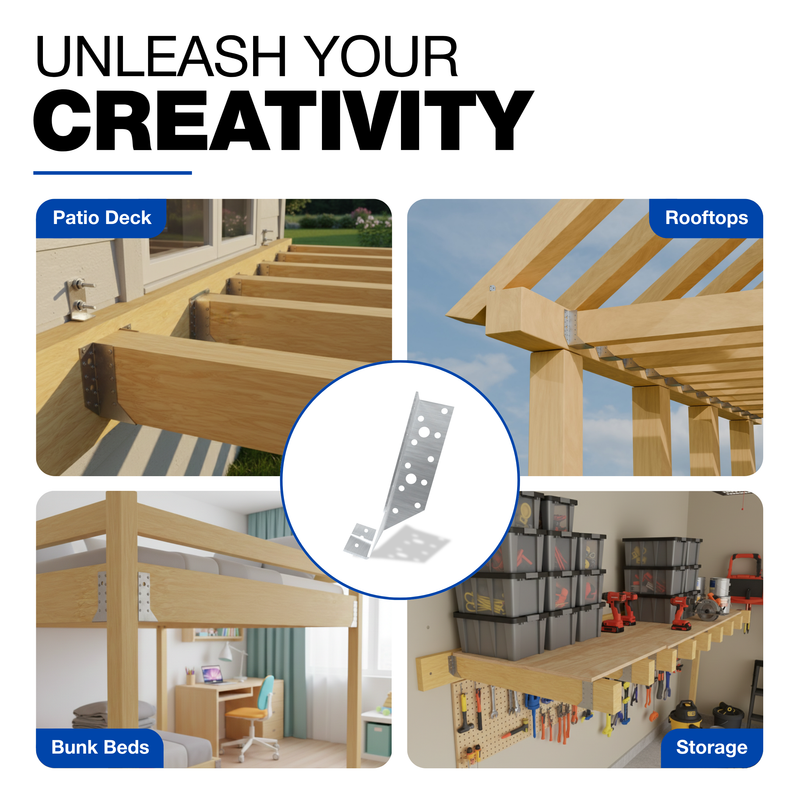
- Decks and raised frames: a ground screw or a post support under every corner plus each intermediate bearing point.
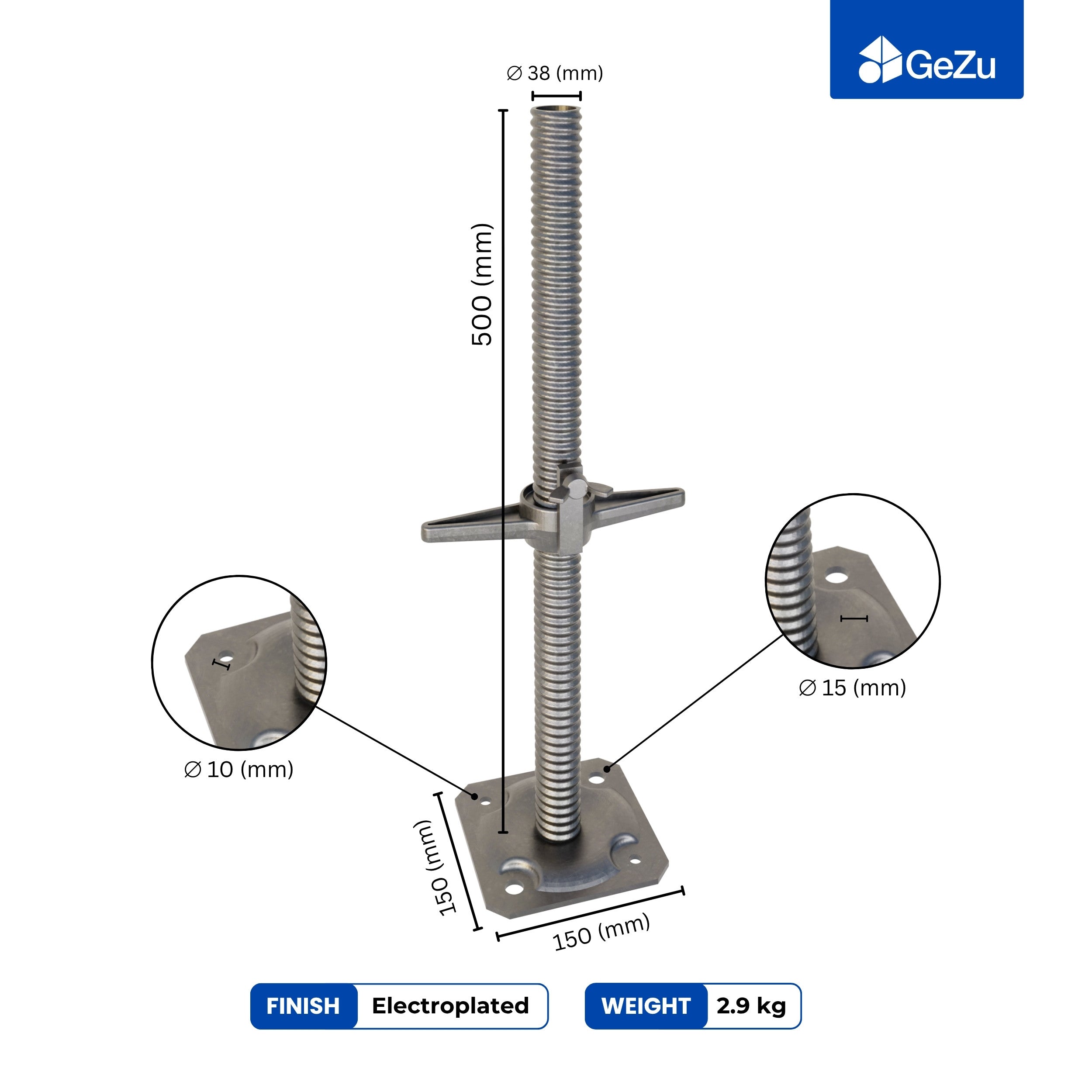
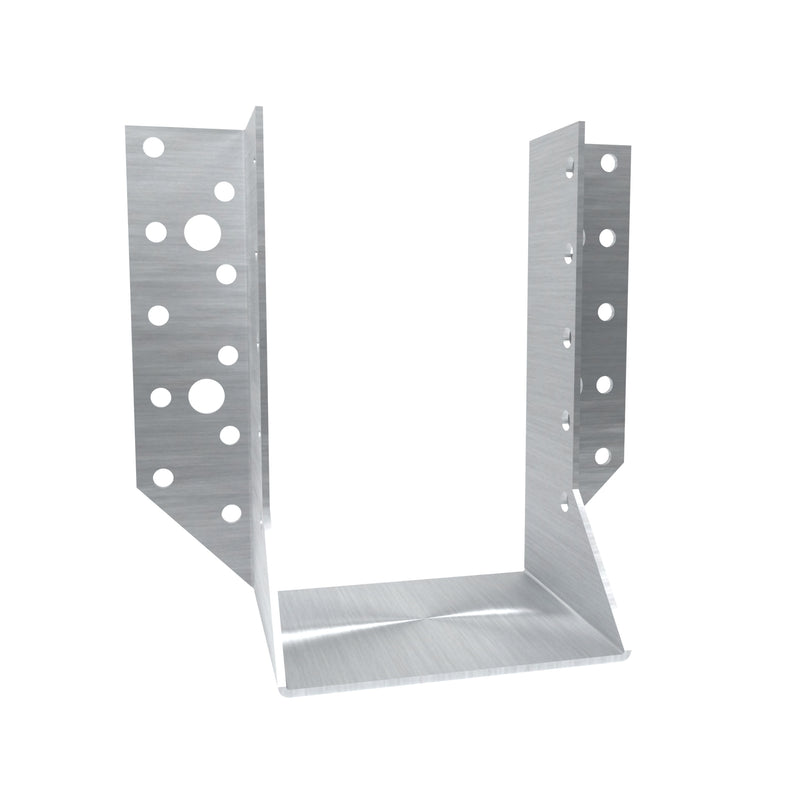
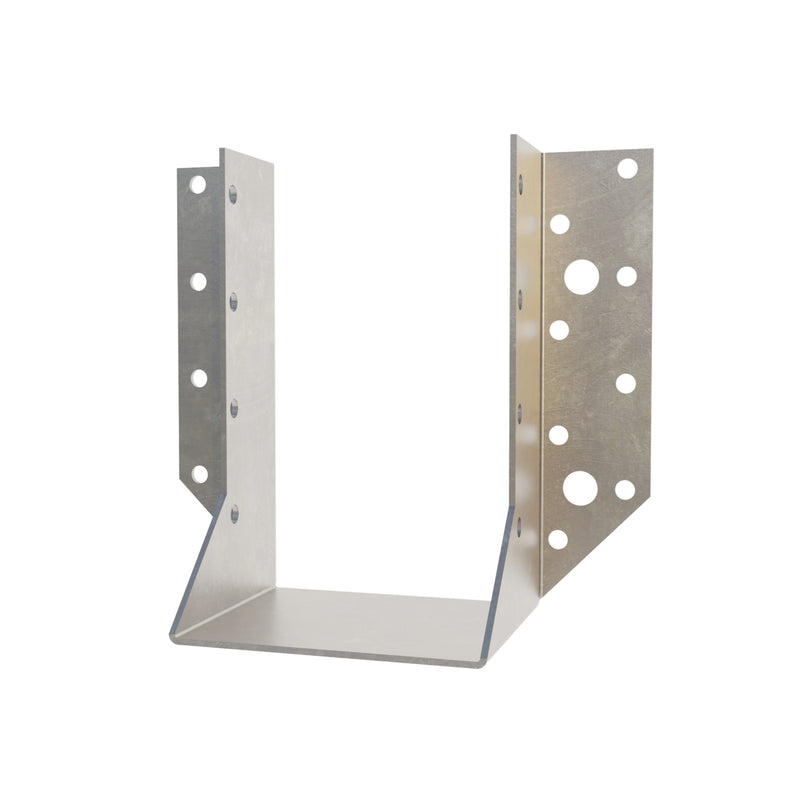
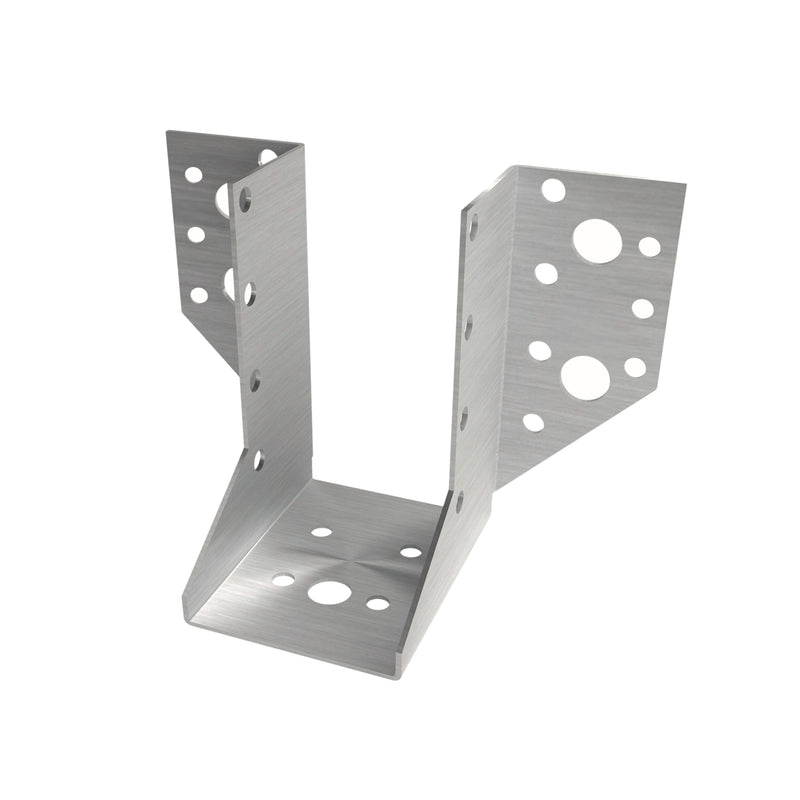
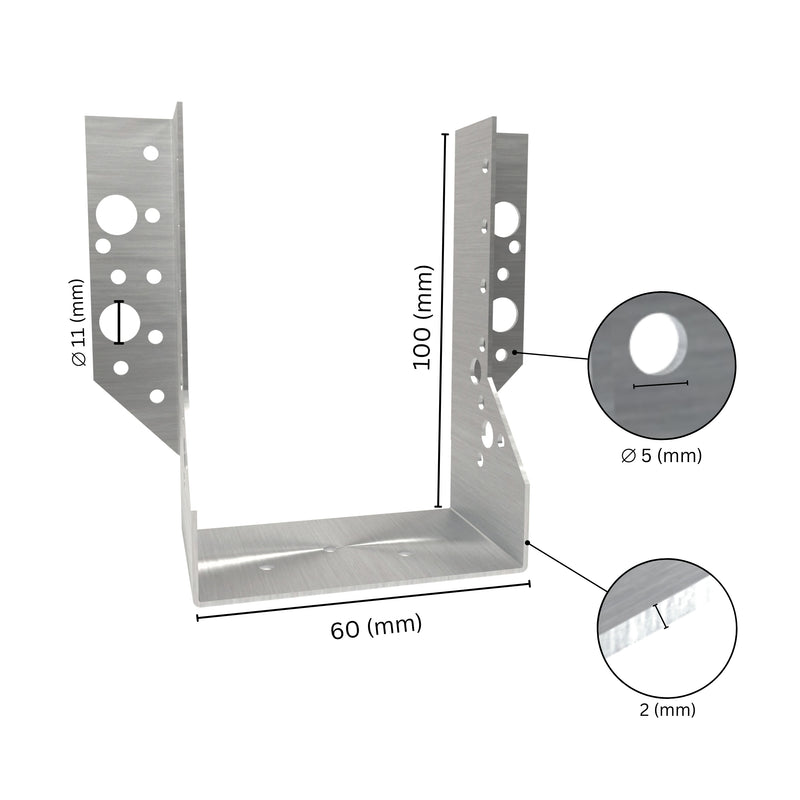
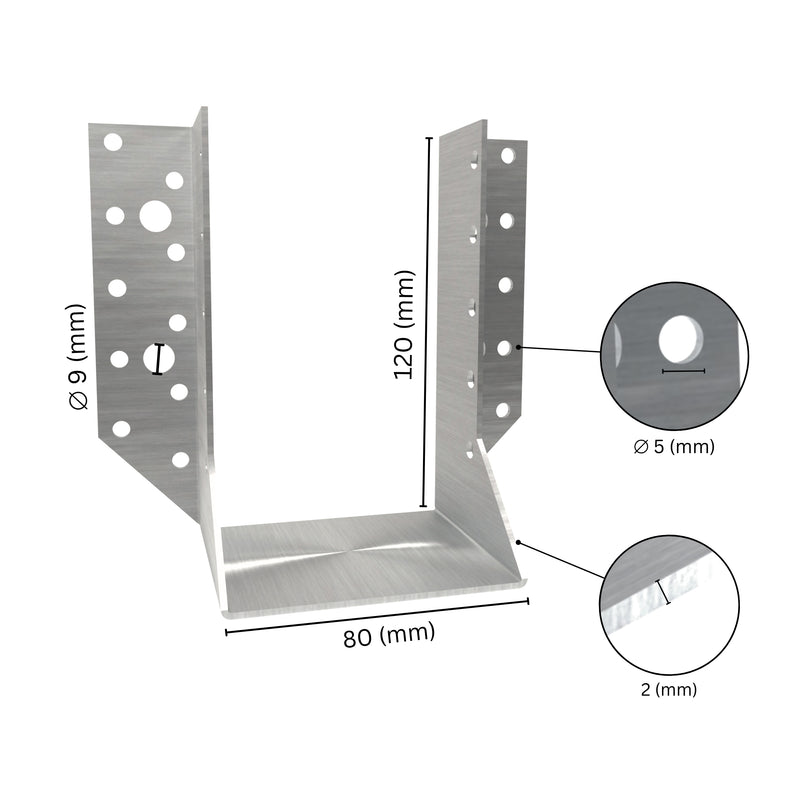
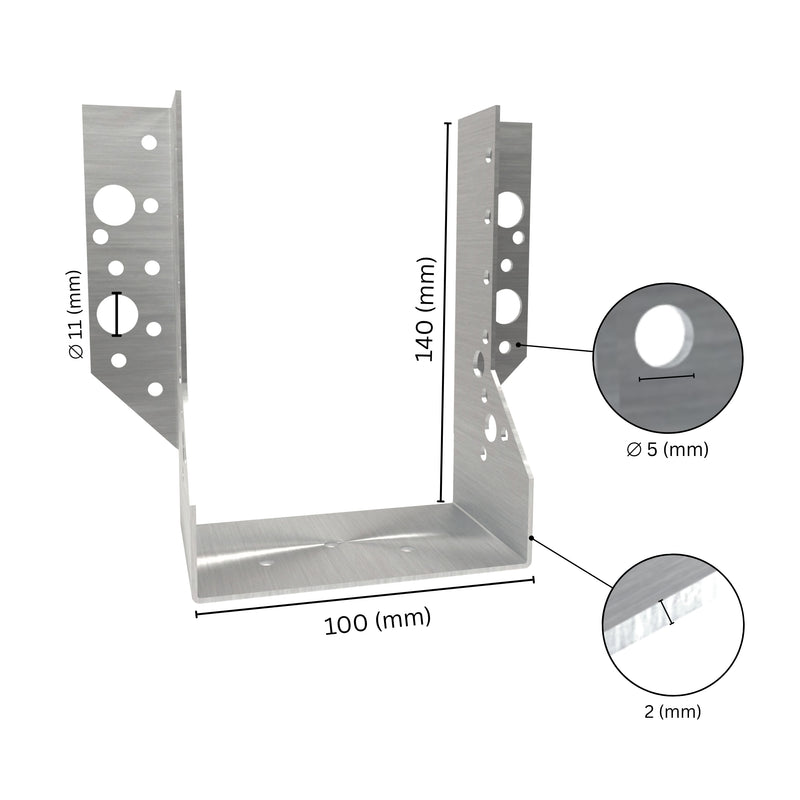
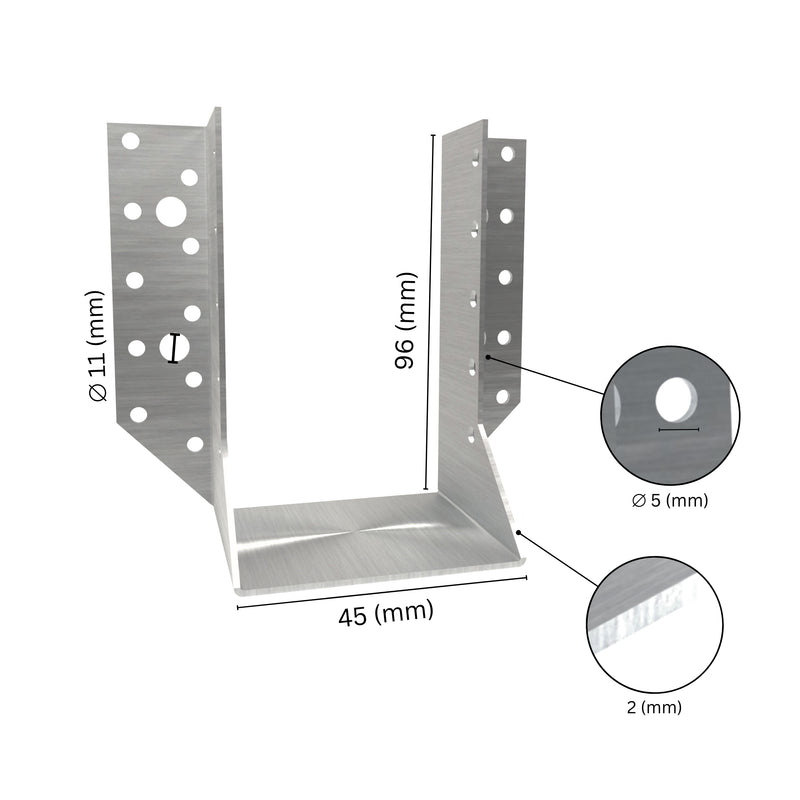
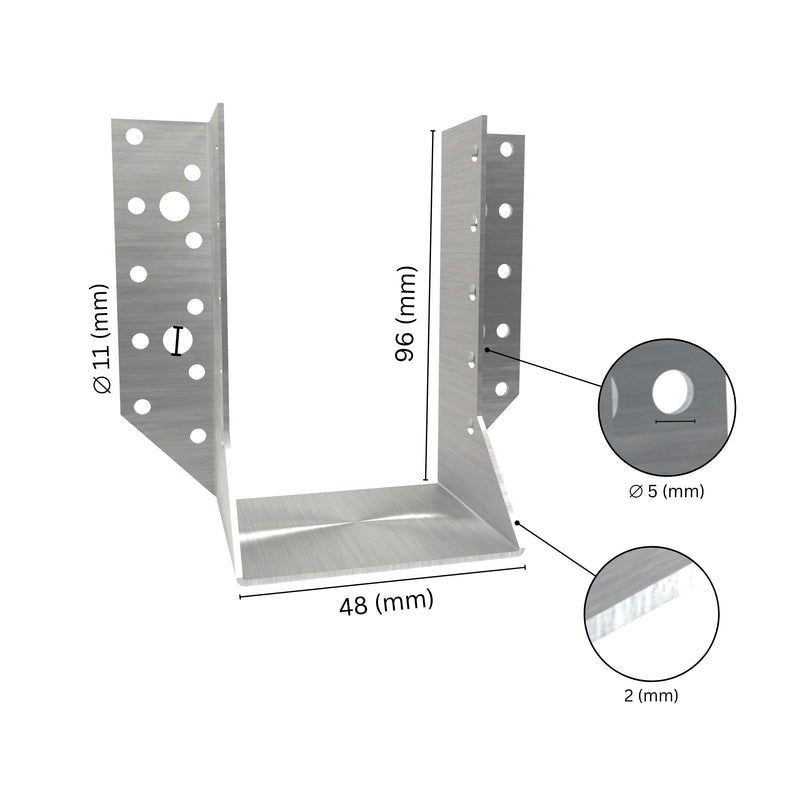
- Sheds and playhouses: height-adjustable bolt-down bases on a slab, or concrete-in U holders in open soil.
- Fence lines: drive-in spikes for speed, concrete-in post holders where the ground is soft.
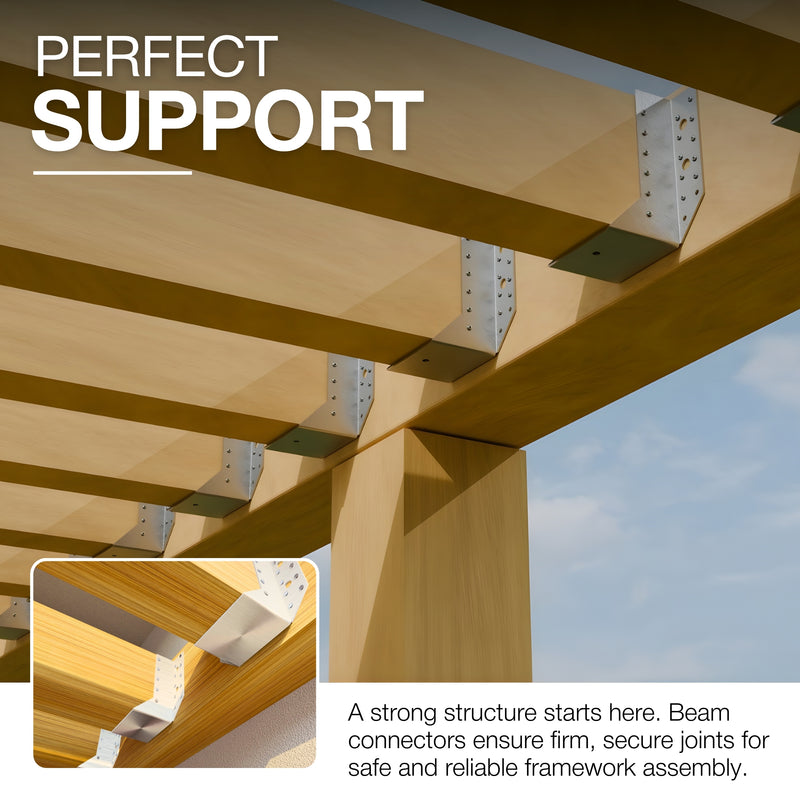
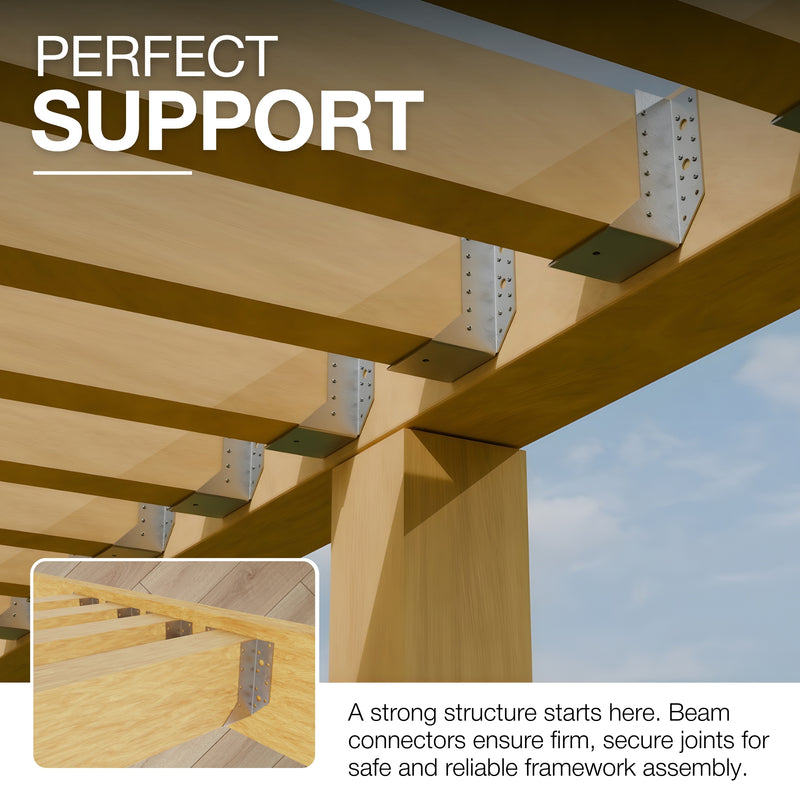
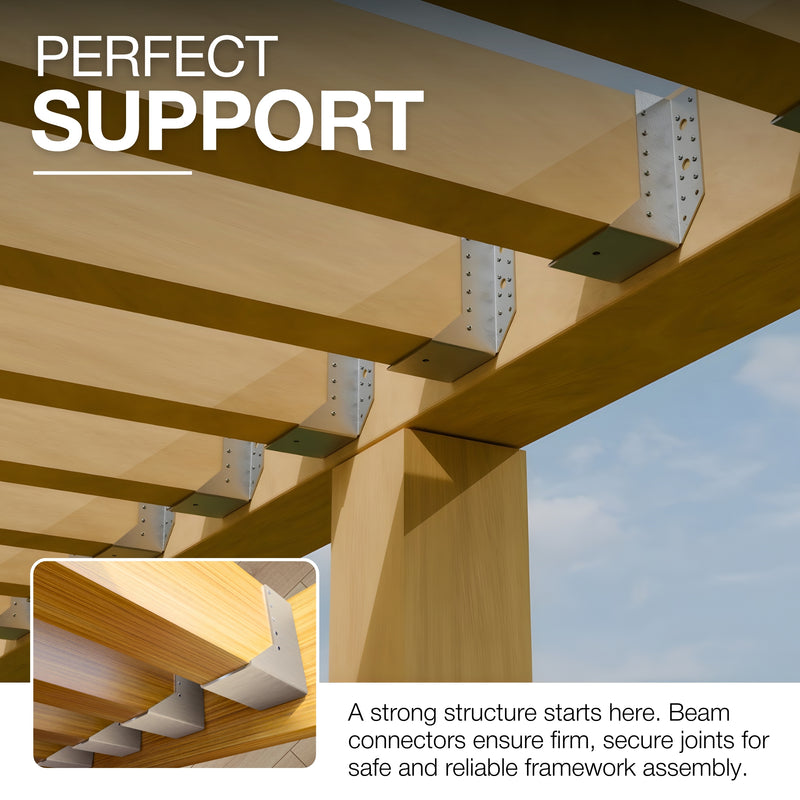
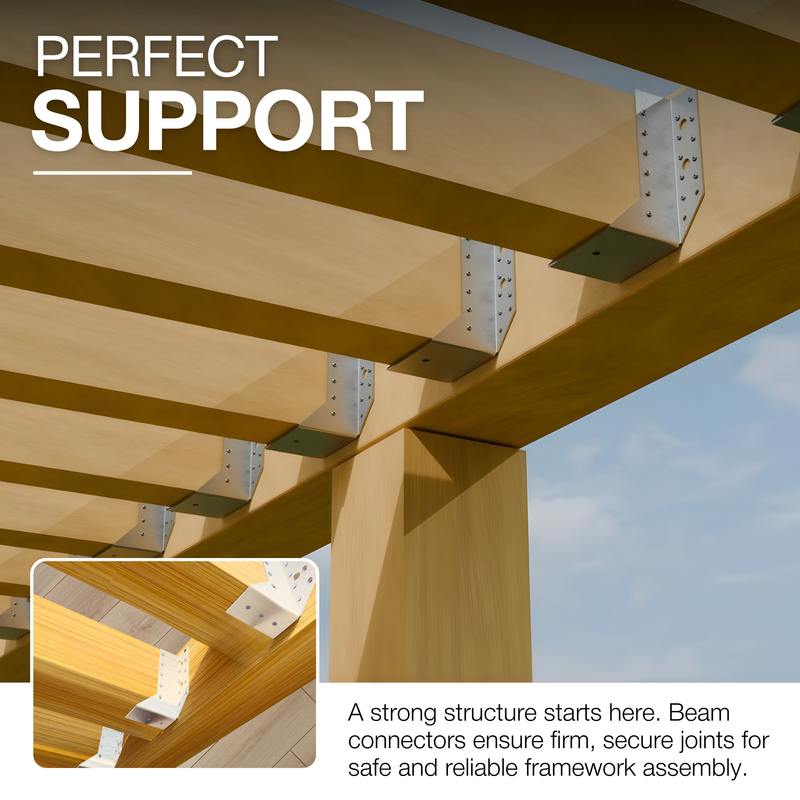
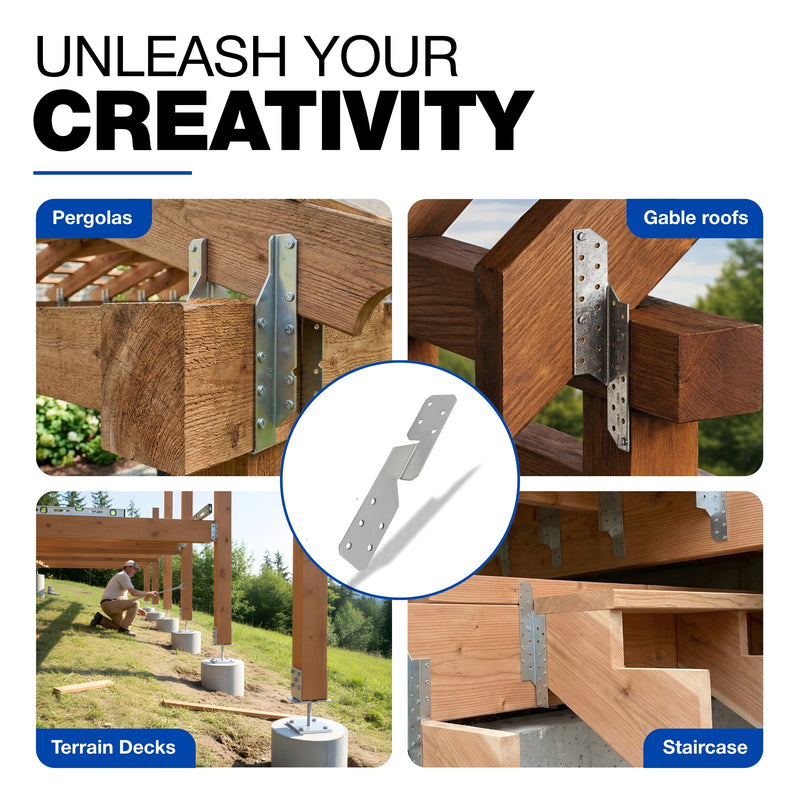
- Pergolas and carports: L and Y corner connectors, which carry the multi-directional loads these frames create.
2. Choose between concrete-in, bolt-down and screwed-in supports
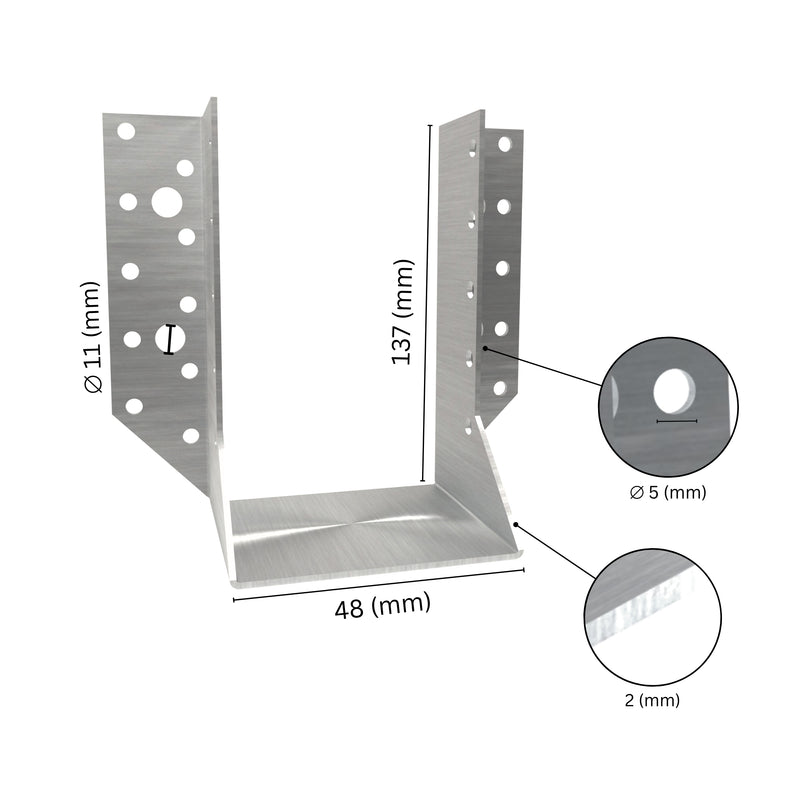
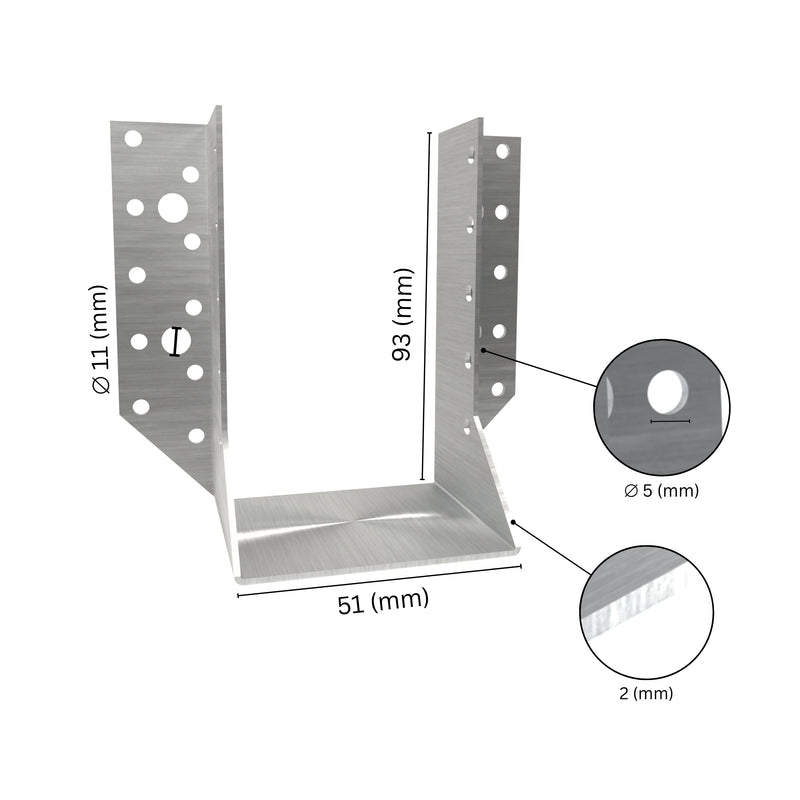
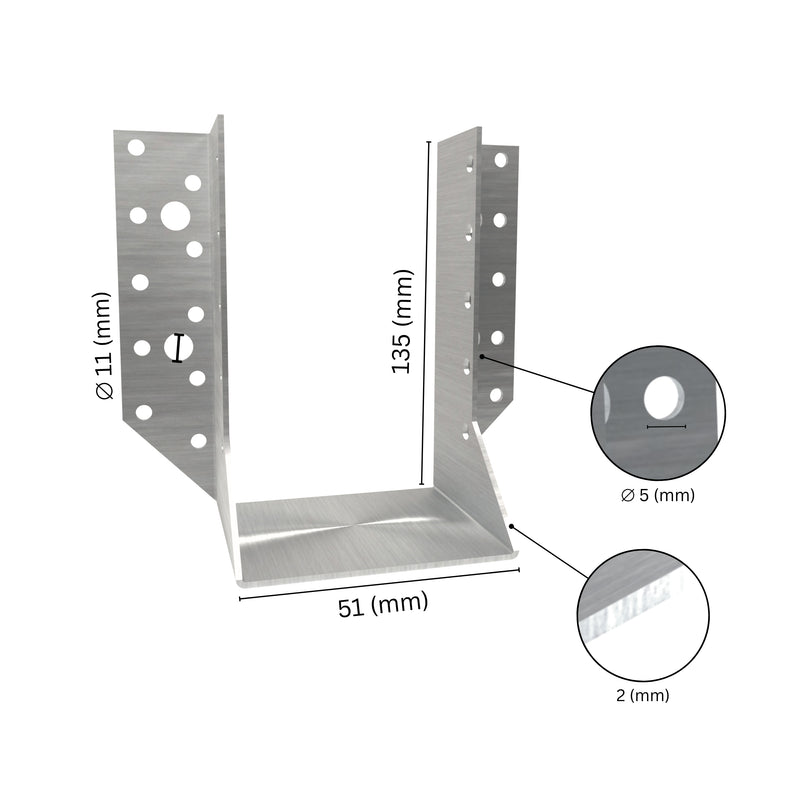
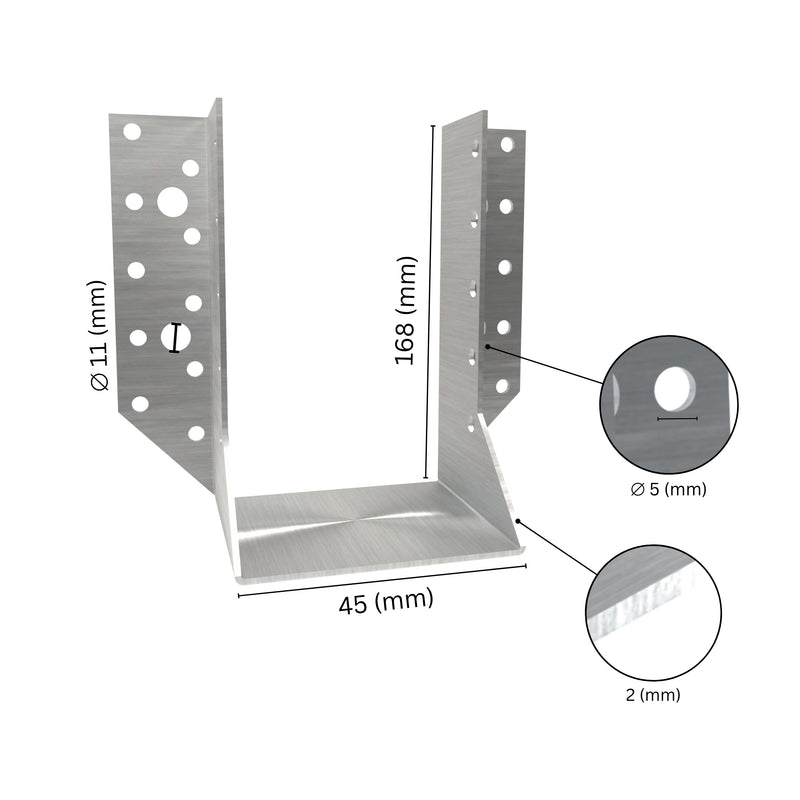
- Concrete-in supports — U-shape post holders, T-post supports — give the strongest permanent fixing and cost you a mixing and curing day.
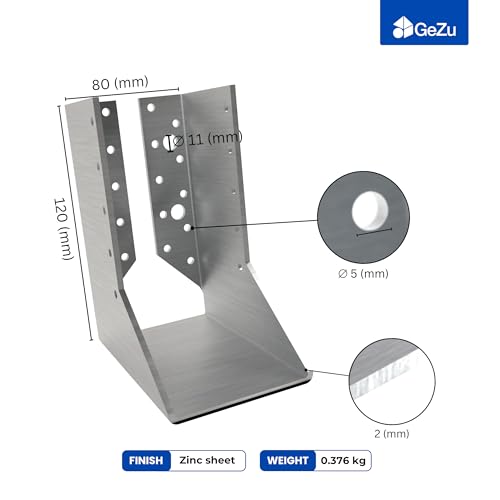
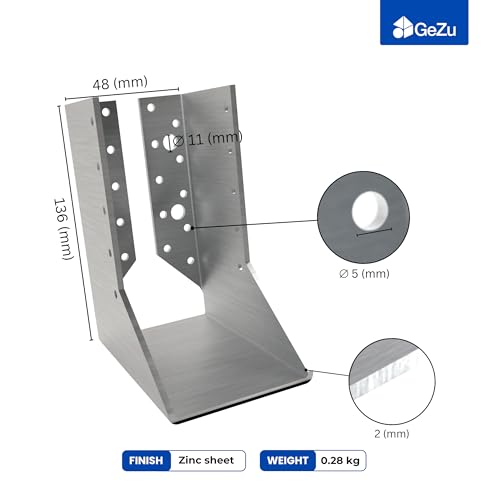
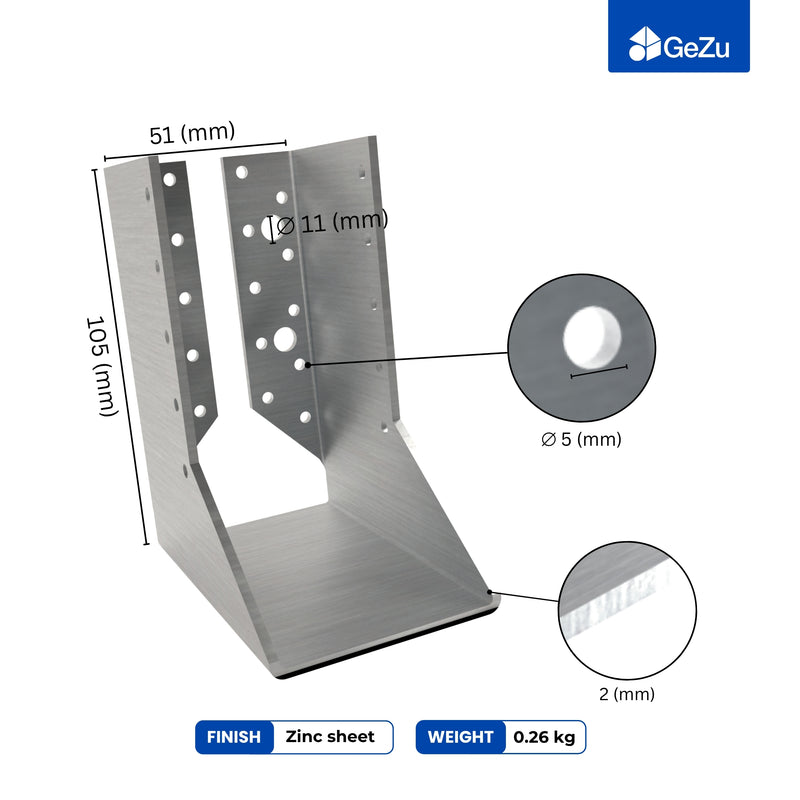
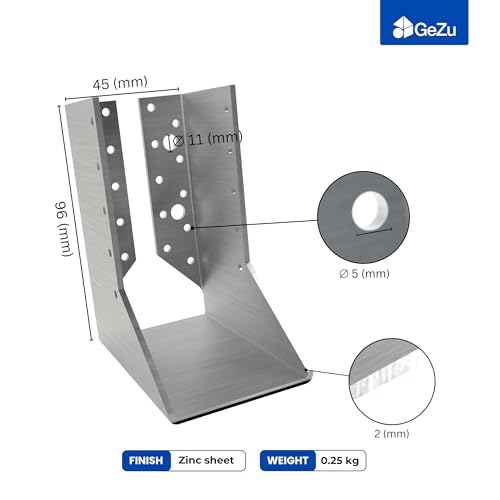
- Bolt-down post supports fix to an existing slab or paved base in minutes and adjust for height at the bolt.
- Ground screws replace both where the soil is firm: they screw in, hold the post above ground, and come back out if the layout changes.
- Fix the same system at every post point — mixing systems across one frame makes the movement uneven.
3. Pick the galvanising for the exposure
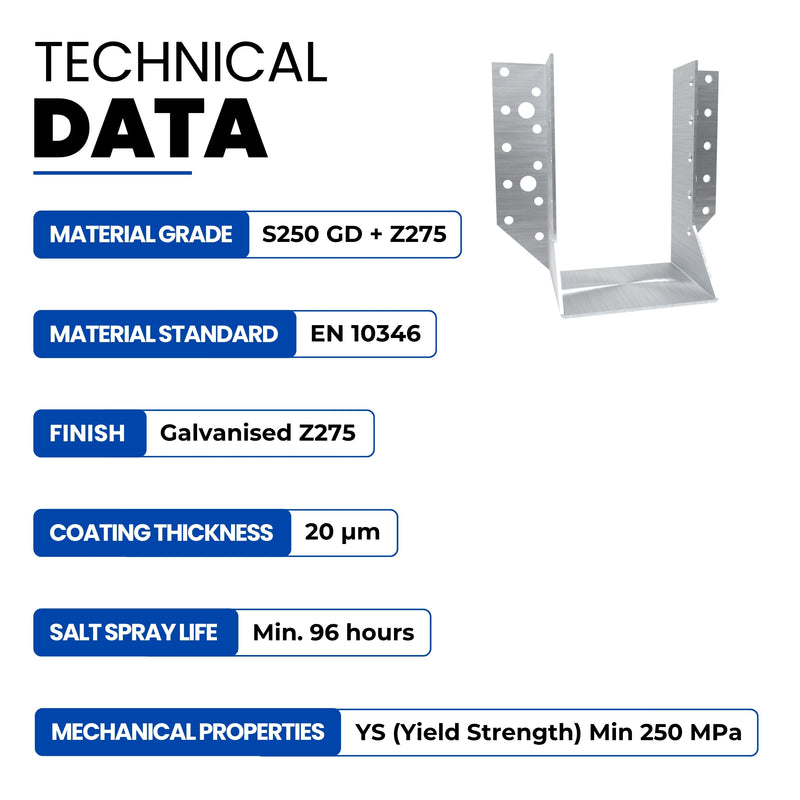
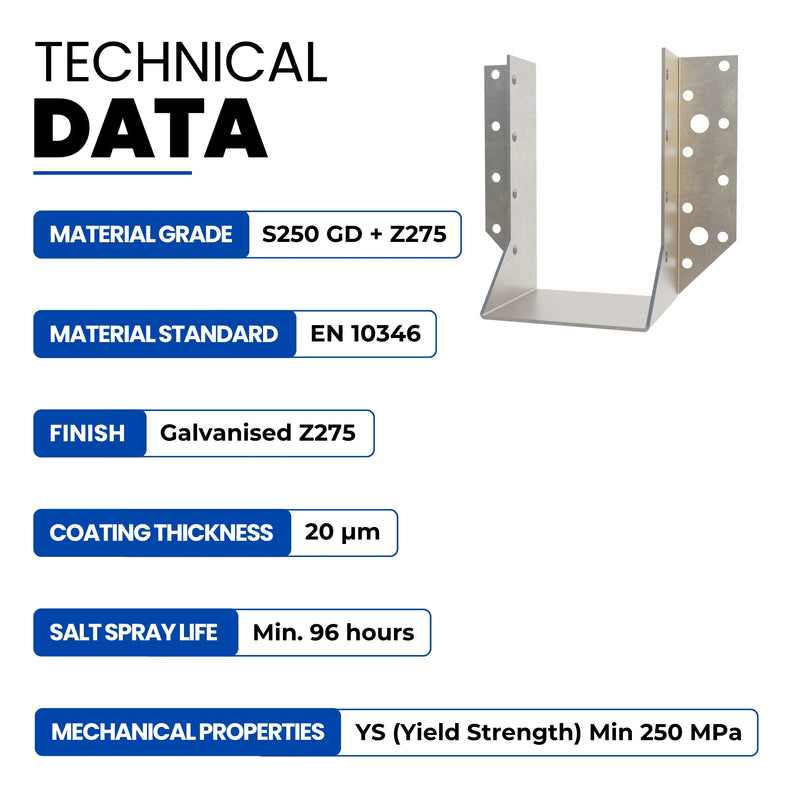
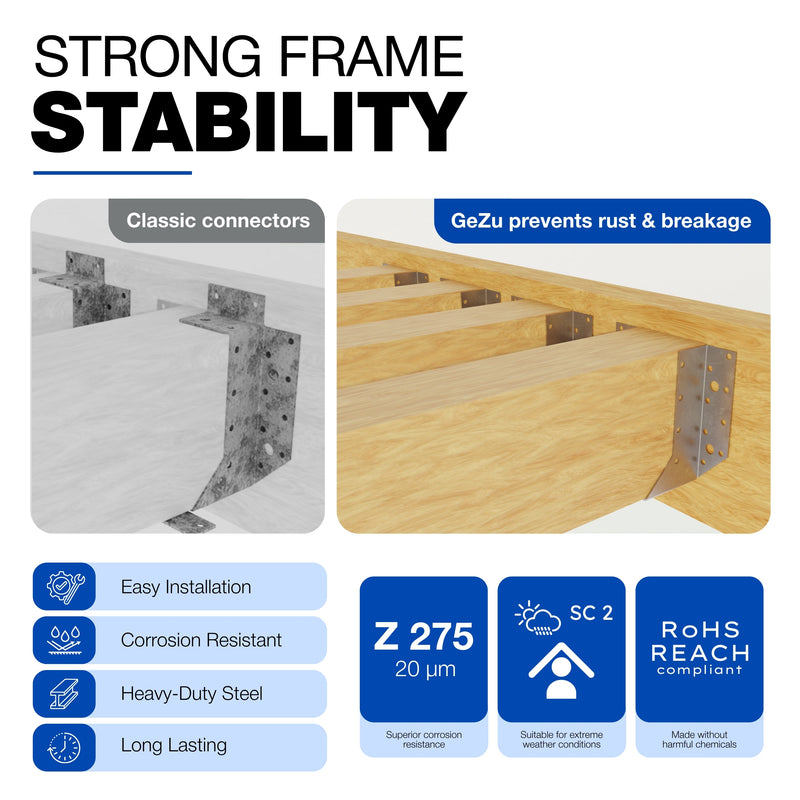
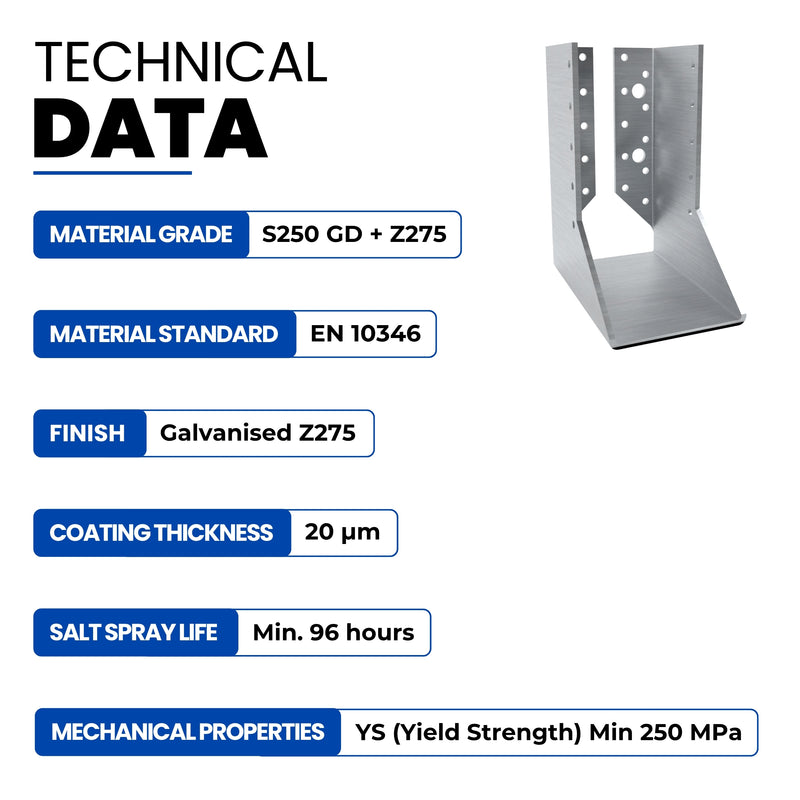
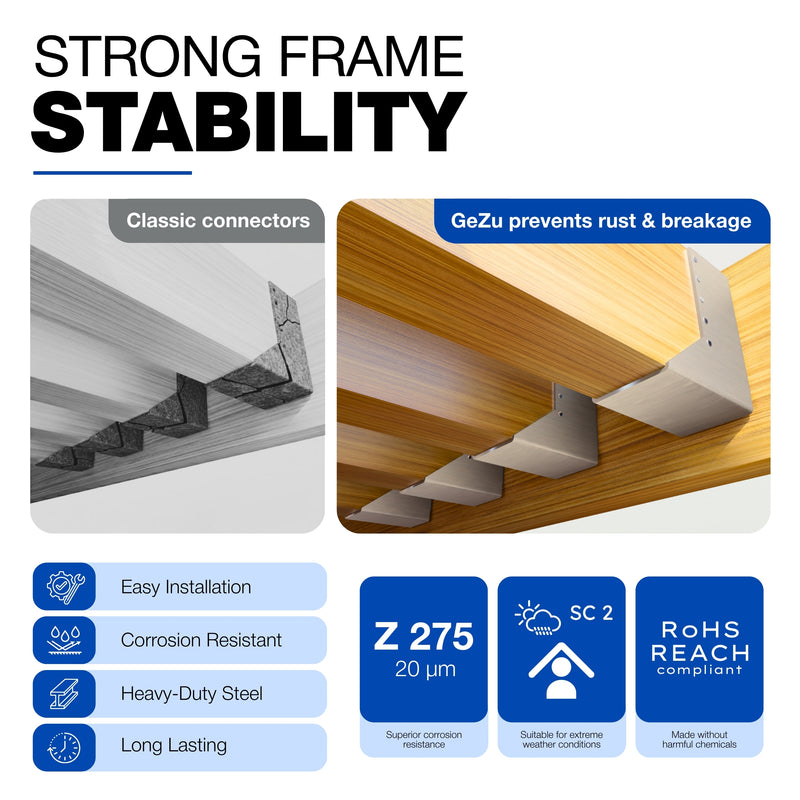
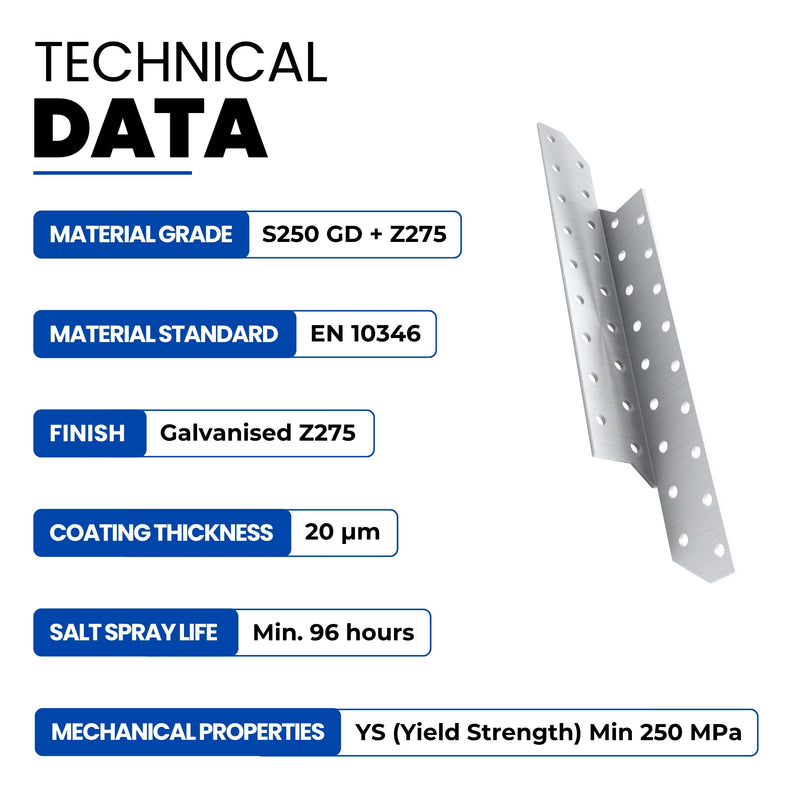
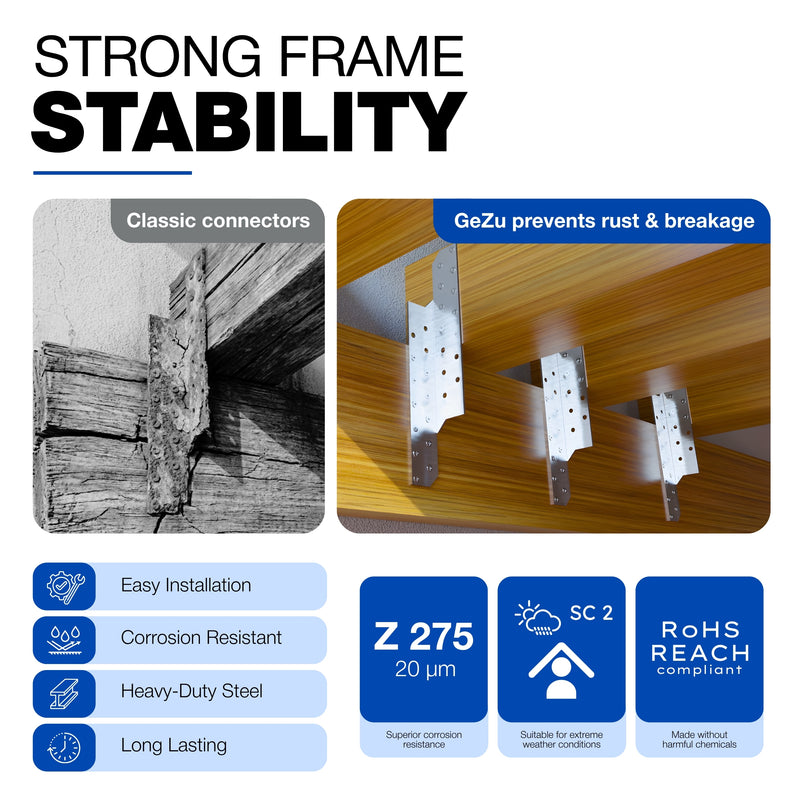
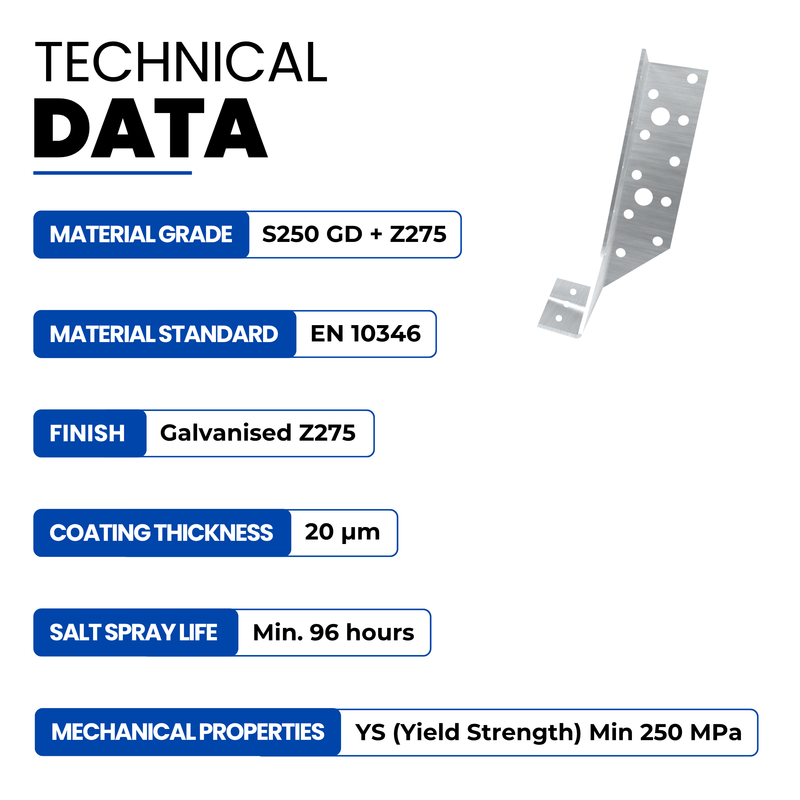
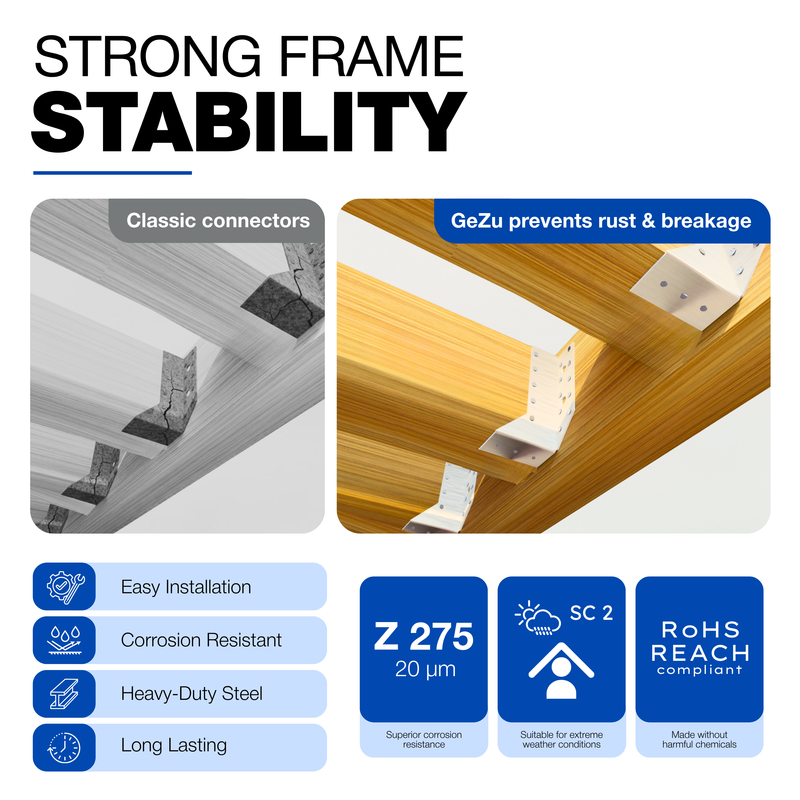
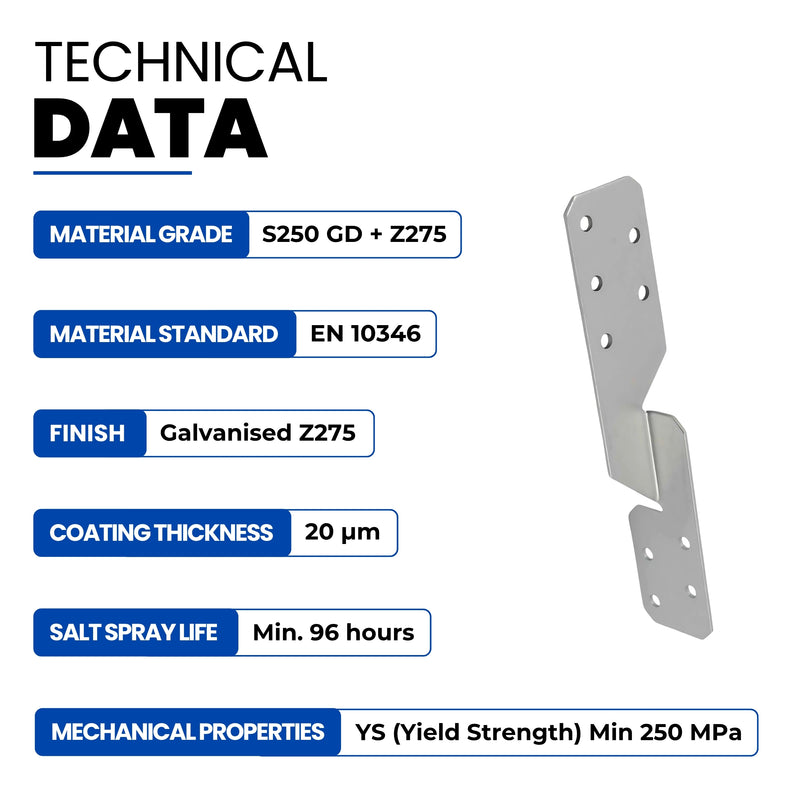
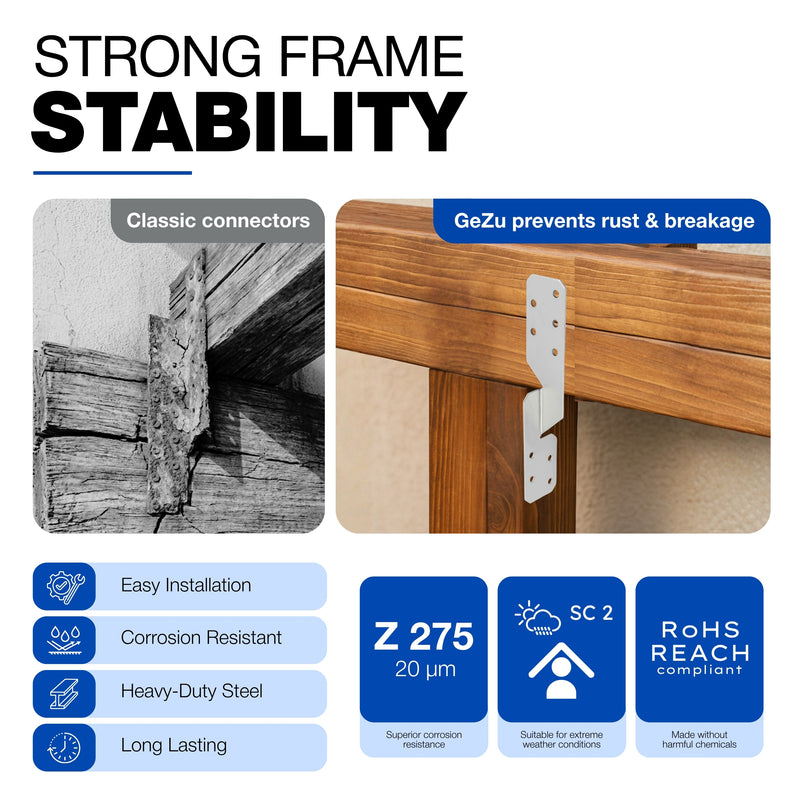
- Anything living outdoors in 2026 — decks, fences, garden structures — should be hot-dip galvanised, not bright zinc.
- Standard galvanised hardware suits dry, covered builds such as a garage rack or an interior workbench.
- Match the fixings to the coating: screws and bolts on an outdoor build need the same protection as the bracket they go into.
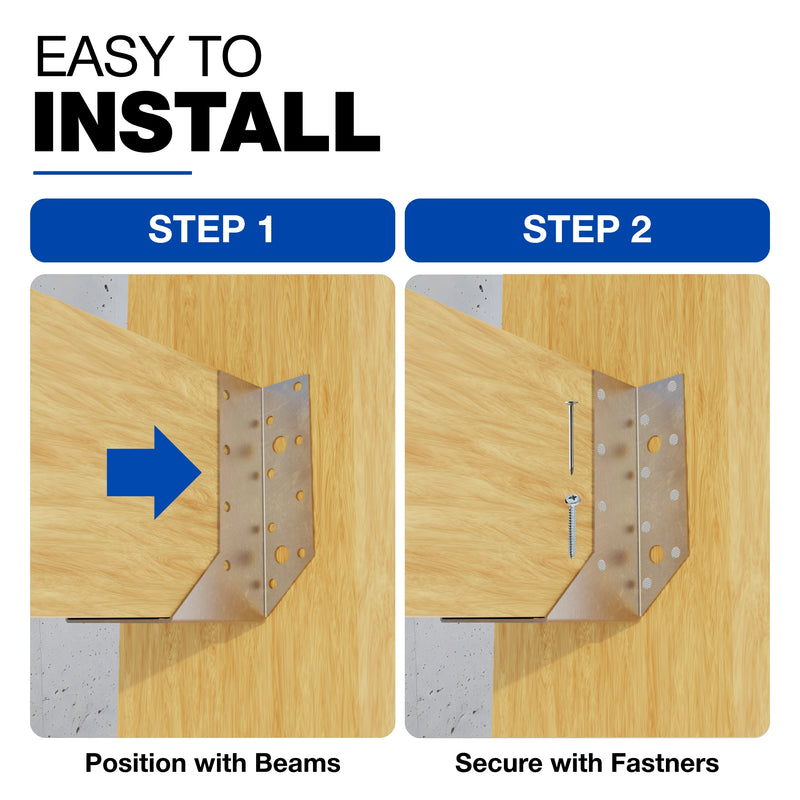
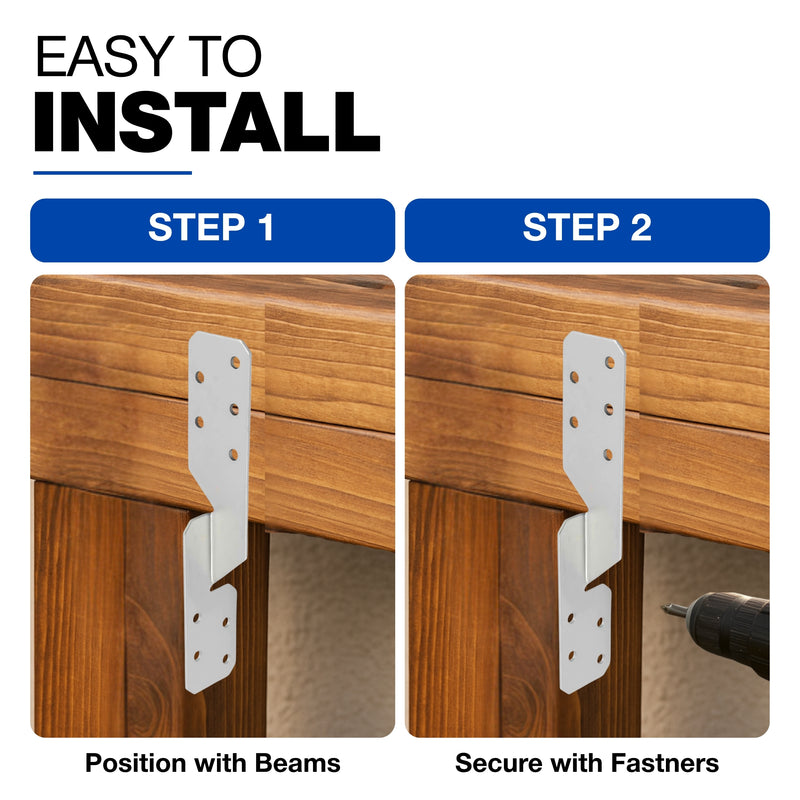
4. Fix brackets with the full fastener count
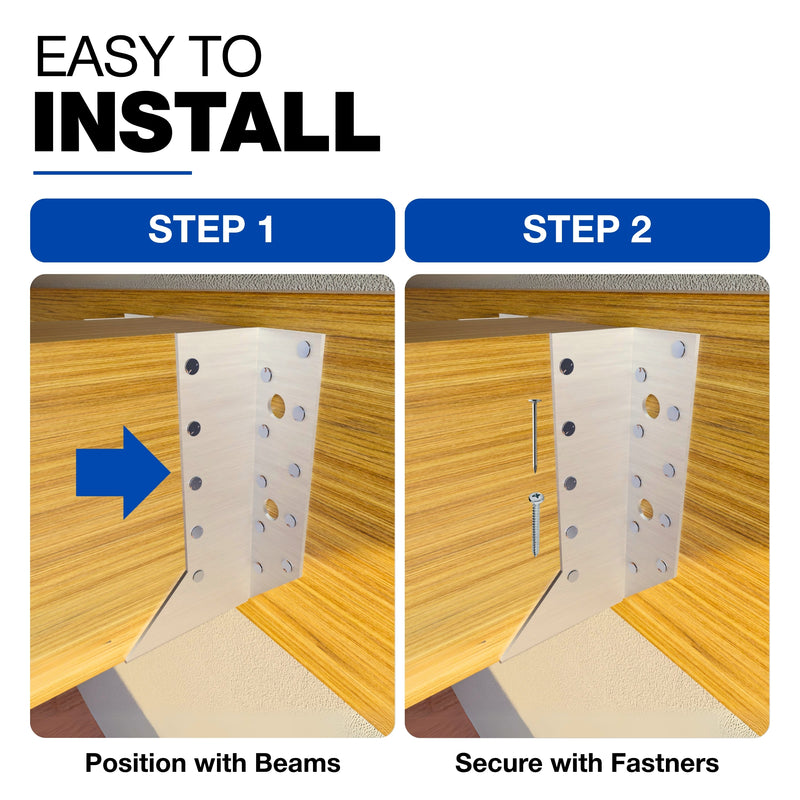
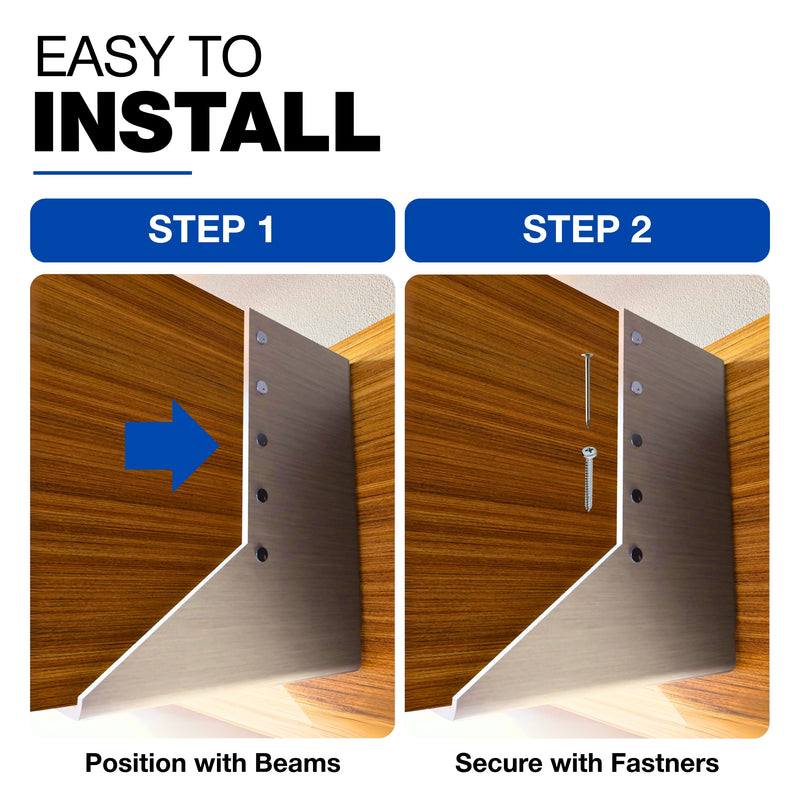
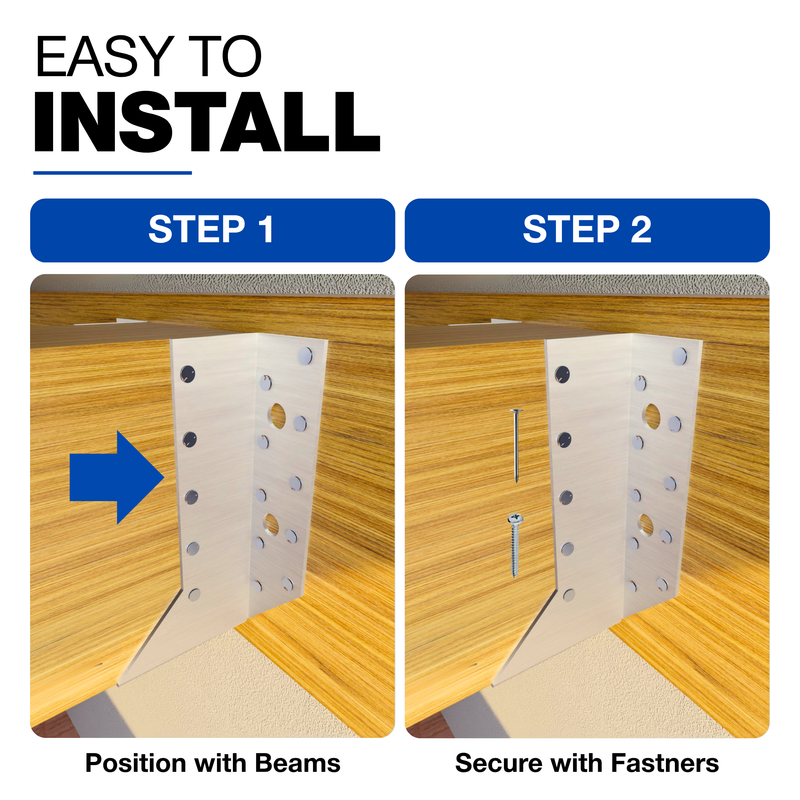
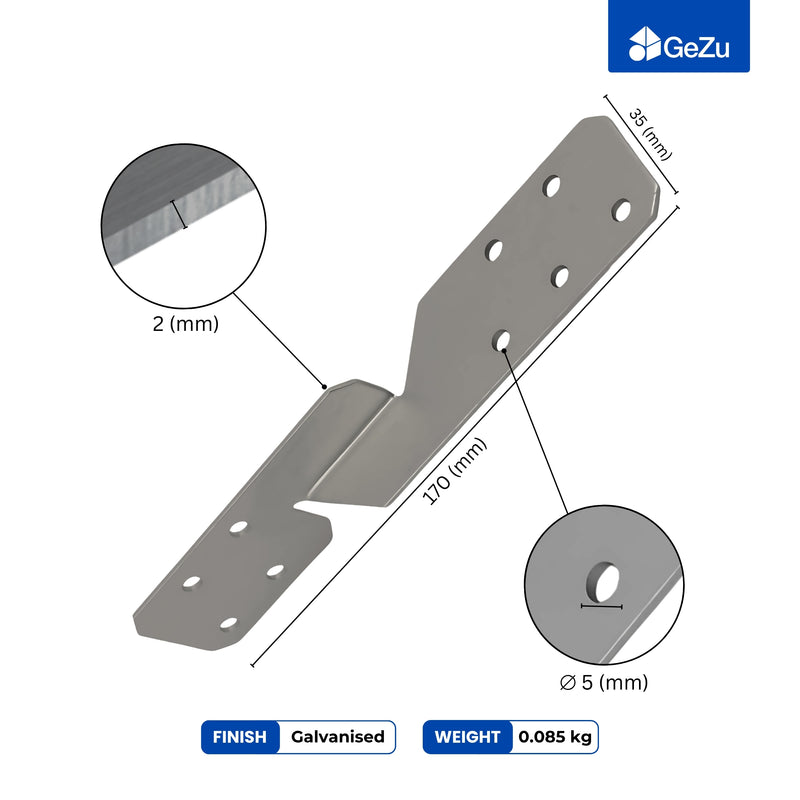
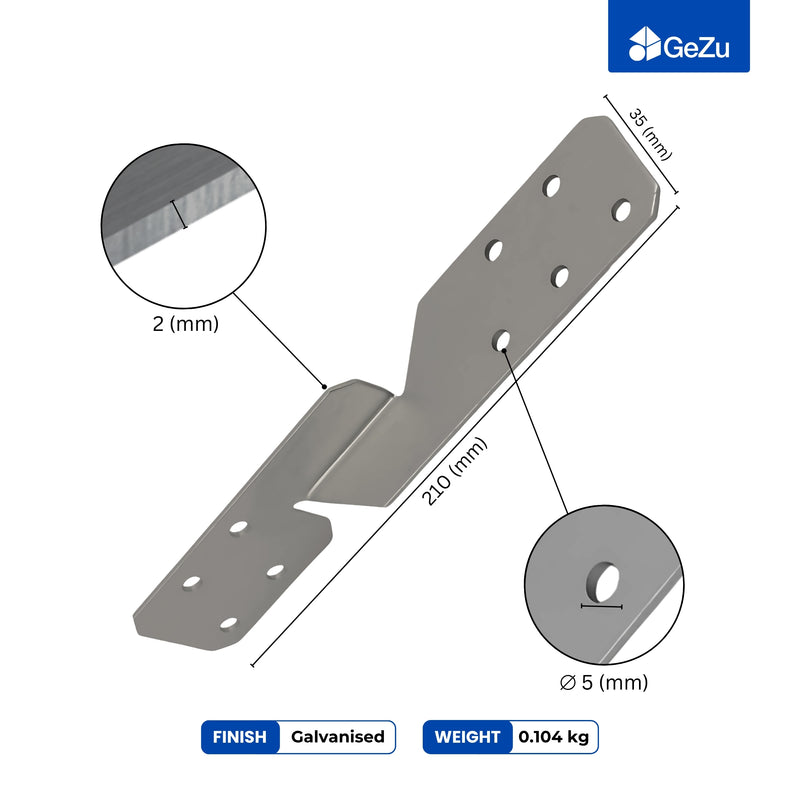
- Fill every punched hole in the bracket — the connector's rating assumes the full pattern.
- Use structural screws or nails of the diameter the holes are punched for.
- Drive fixings square and fully home; a screw left proud of the plate does not grip.
- Keep fixings out of splits and knots in the timber.
5. Check level and line before you load the frame
- Set a string line along fence and deck runs before fixing the first support.
- Check each post plumb in both directions with a spirit level before the frame loads it.
- On multi-support builds, measure heights across all supports together, not one at a time.
- Re-check level after the first full day — screws and spikes can settle in soft soil.
DIY hardware options at a glance
| Option | Best for | Standout feature | Key limitation |
|---|---|---|---|
| Ground screw post anchor | Decks and sheds without digging | Screws into firm soil, carries the frame above ground | Needs firm, obstruction-free soil |
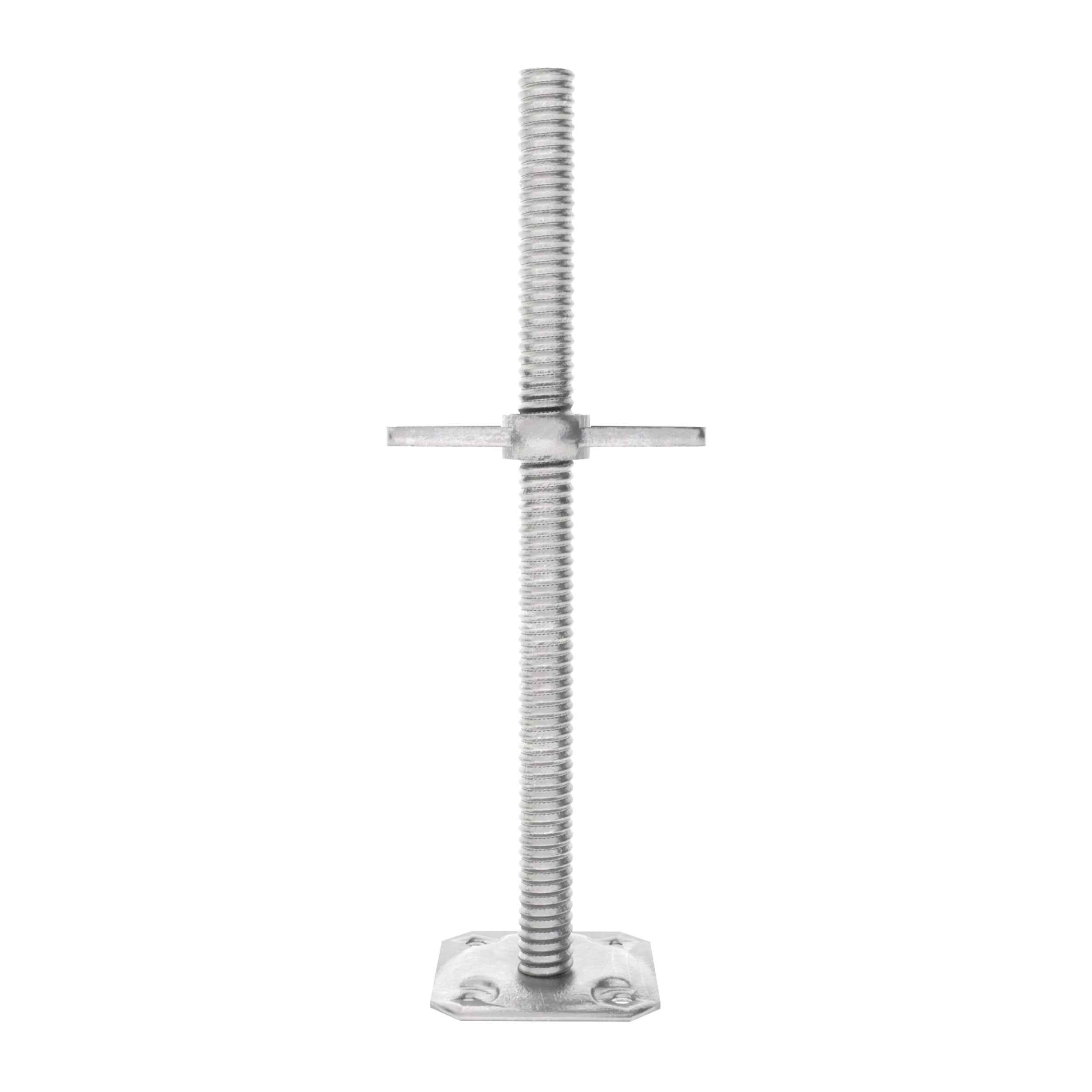
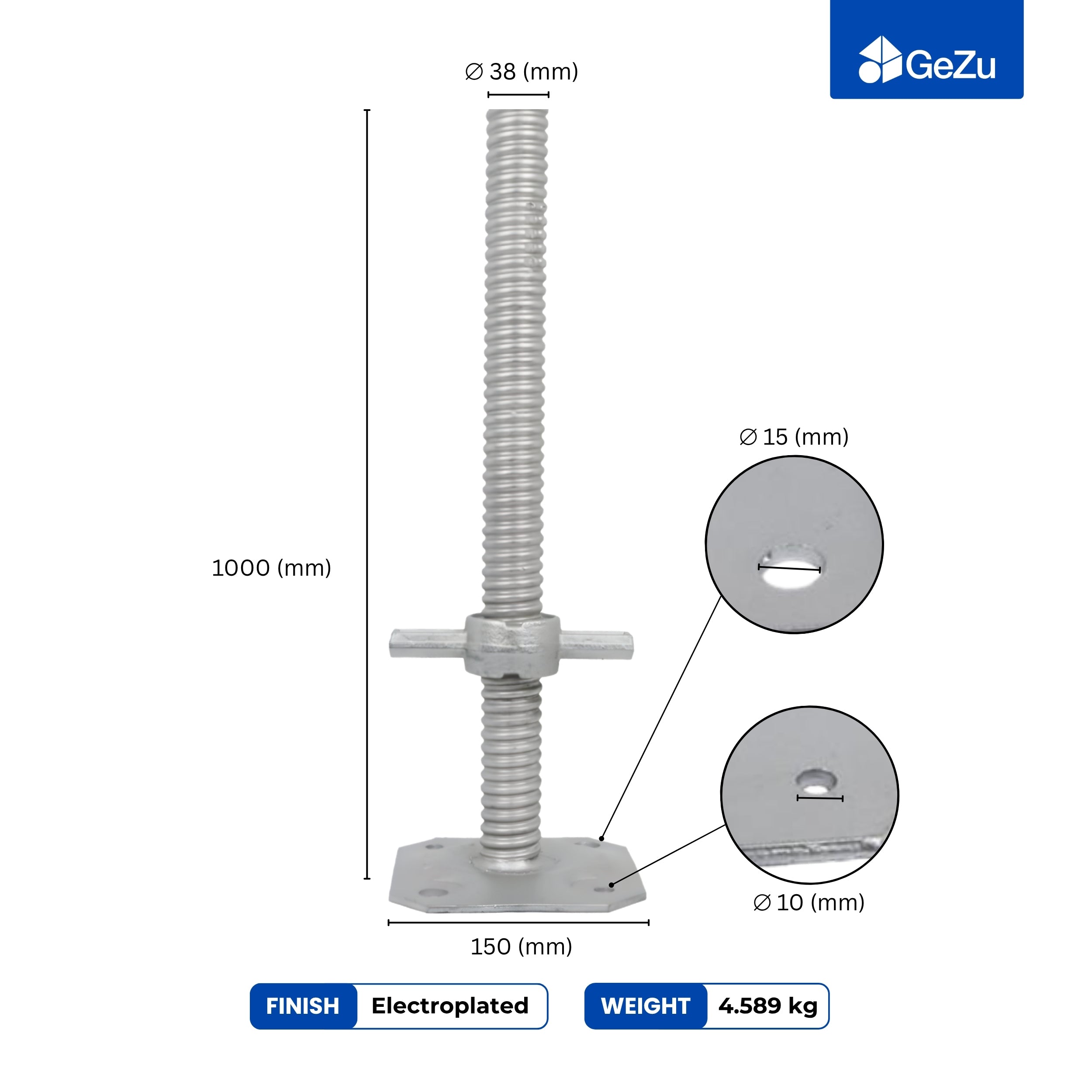
| Height-adjustable bolt-down post support | Shed and carport posts on a slab | Height and standoff adjust at the bolt | Needs a concrete or paved base to bolt into |
| Drive-in fence post spike | Fence lines in open ground | Fastest install — drive it in | Moves on stony ground |
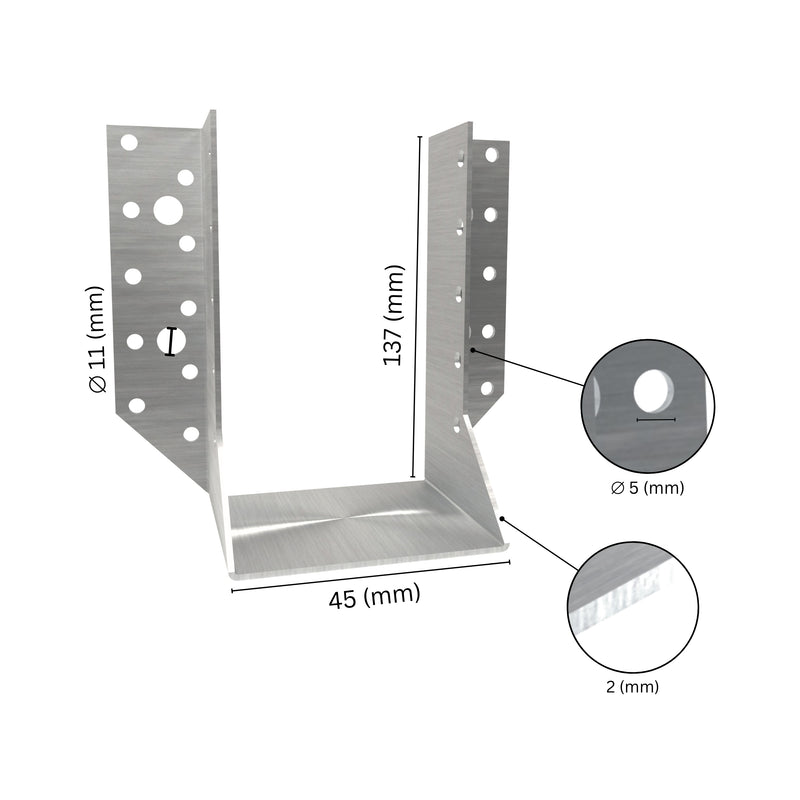
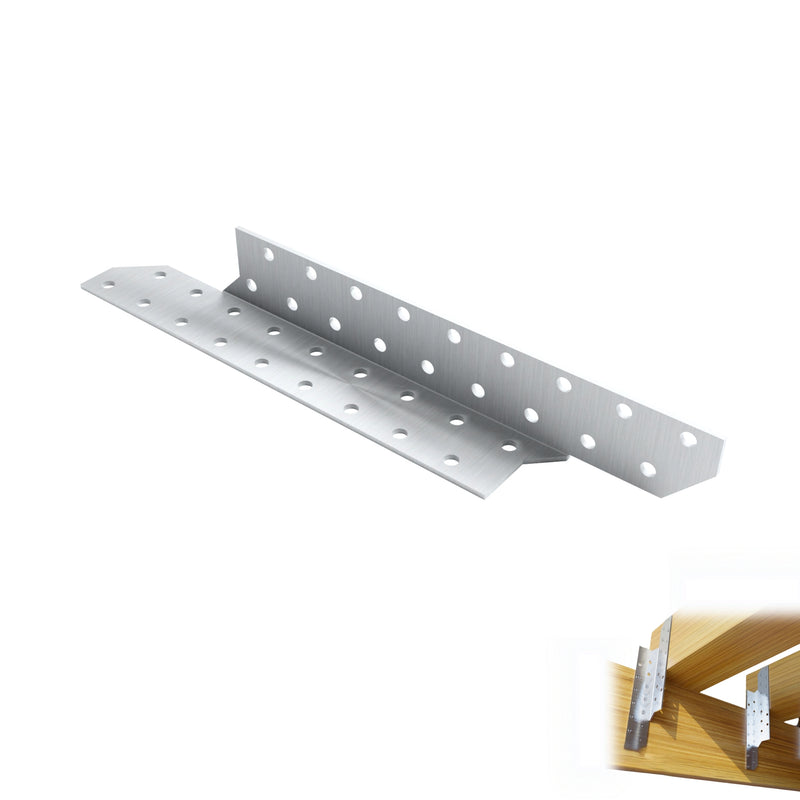
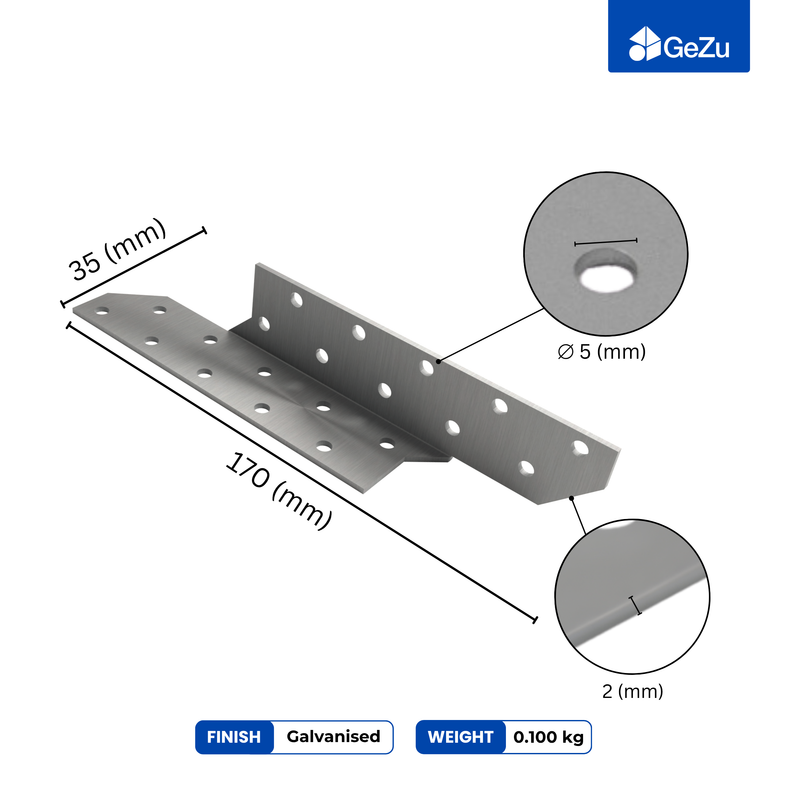
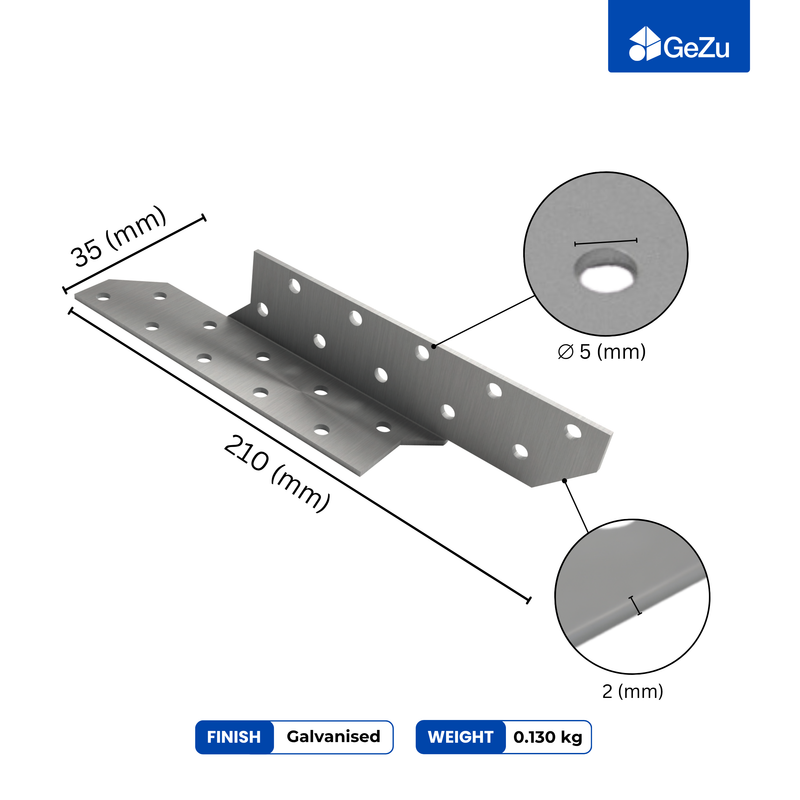
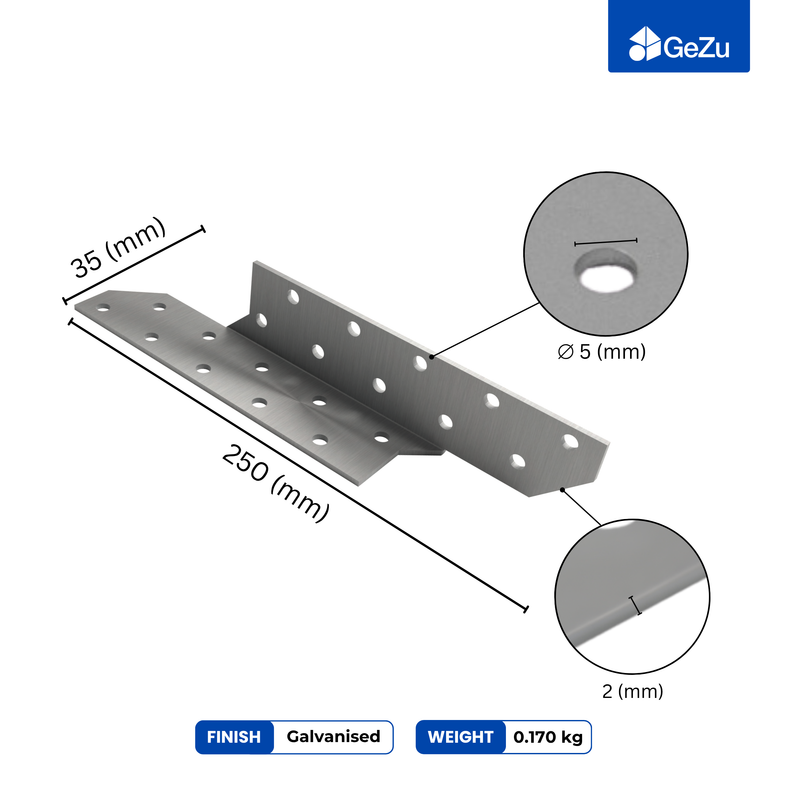
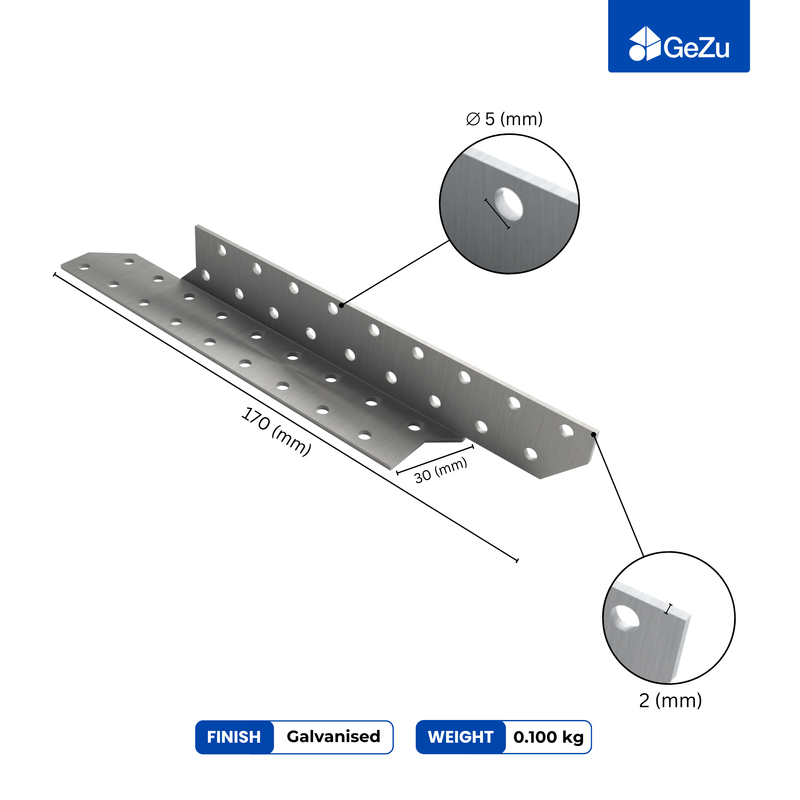
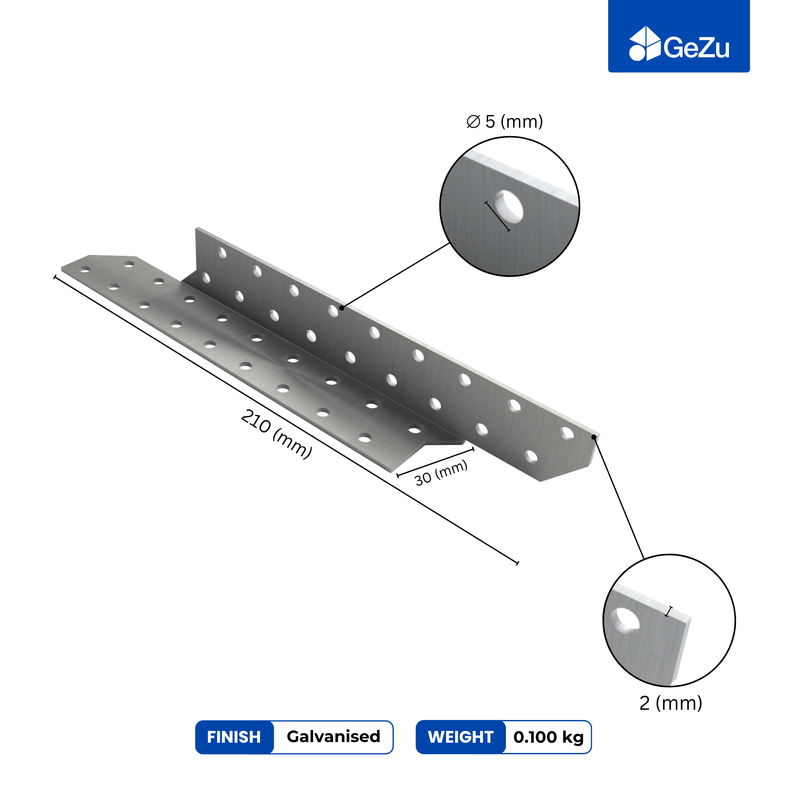
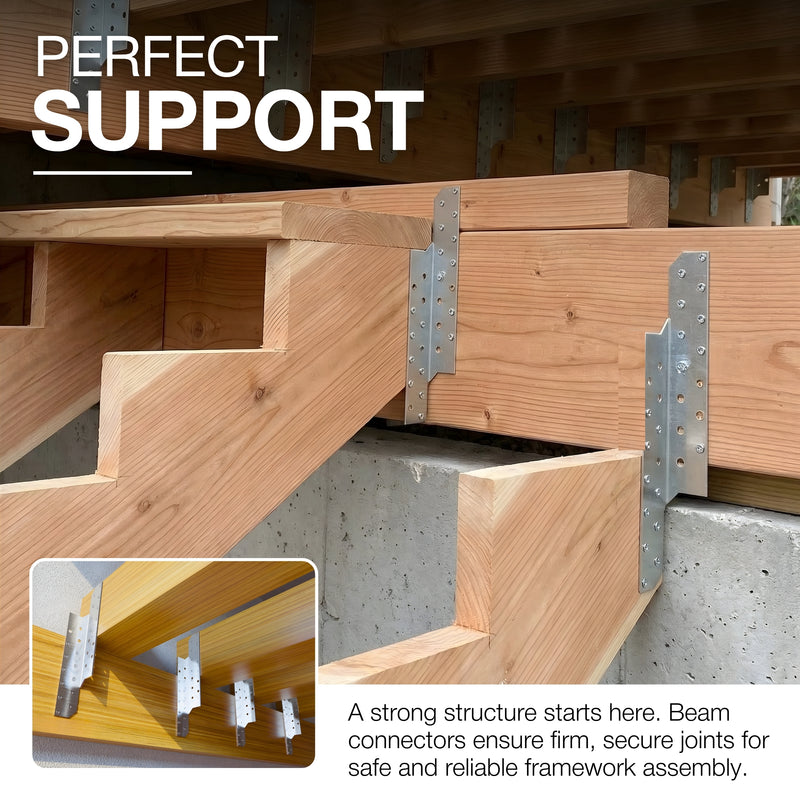
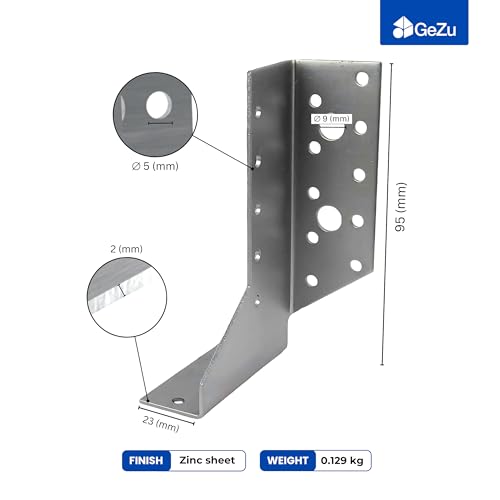
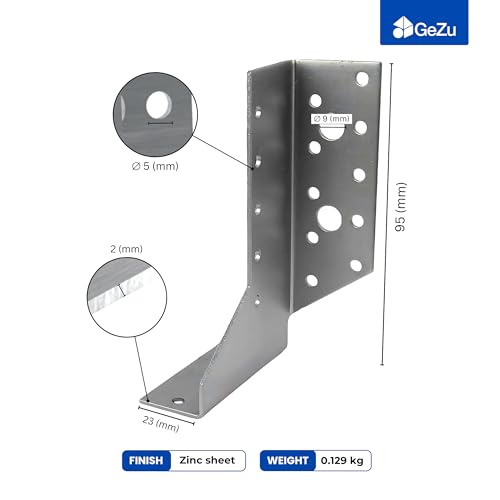
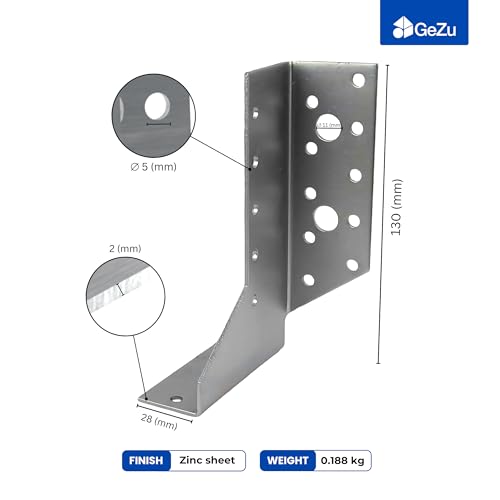
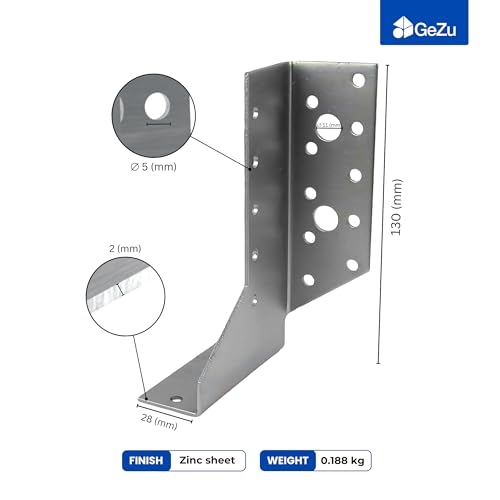
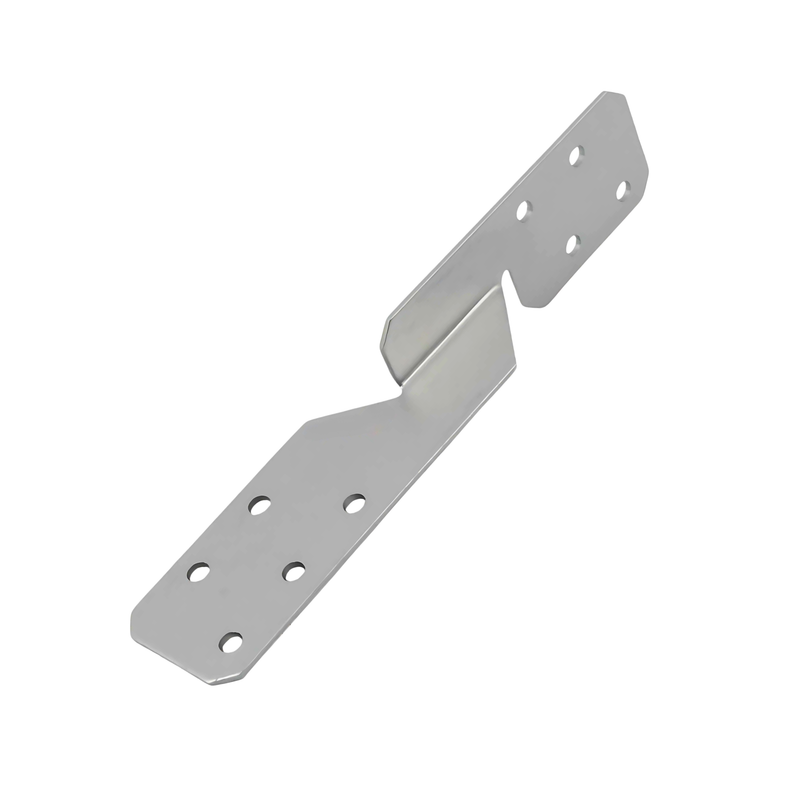
| Perforated angle bracket | Corners on frames and planters | Fast, cheap 90° joinery | Light gauges are not structural |
GeZu Impex stocks the hardware above in single-item and multi-pack quantities for weekend builds.


Common mistakes self-build homeowners make
- Setting posts straight into the ground. Timber in contact with soil rots at the ground line, and the failure is invisible until the post moves.
- Mixing coatings. Bright zinc screws on hot-dip galvanised brackets corrode at the screws first.
- Bolting down without a real base. A bolt-down support needs concrete or paving under it; on bare soil it works loose.
- Skipping the string line. Fence runs and deck edges drift without one, and no bracket fixes a drifting line afterwards.
- Loading the frame before re-checking level. The first day of settling changes heights; check before the boards go down.
FAQ
What DIY hardware do I need for a raised garden bed?
Perforated angle brackets at every corner, plus a galvanised post support under any heavy corner upright. Both fix with standard structural screws.
Can I build a deck without concrete footings?
Yes — a ground screw post anchor screws into firm soil and carries the deck frame above ground. Probe each point for roots and rubble before setting out the grid.
Should I use a bolt-down or a concrete-in post support?
Bolt-down on an existing slab or paving, where it fixes in minutes. Concrete-in where there is no base and the frame is permanent.
What galvanising does outdoor DIY hardware need?
Hot-dip galvanising for anything exposed to weather in 2026 — decks, fences, garden structures. Standard galvanising suits dry, covered builds.
How many post supports does a deck frame need?
One under every corner plus one at each intermediate joist bearing point from the frame layout — count from the layout, not by eye.
Do I need special screws for galvanised brackets?
Structural screws matching the hole diameter and the coating. Bright screws on outdoor brackets are the first point of corrosion.
One last thing
Buy the ground system first and the carpentry second. Self-builders who fix one post support spec and one bracket spec for the whole 2026 project never stall waiting for a missing fitting — and GeZu Impex supplies the full galvanised range from single items to fence-line packs.