Wood connectors for timber frame builders: 2026

Wood connectors for timber frame builders are the galvanised plates, hangers and angle brackets that join studs, head plates, sole plates, joists and beams into one structural frame. A timber frame builder does not buy connectors one at a time — the connector spec repeats across every panel of the build, so the choice decides framing speed as much as it decides strength.
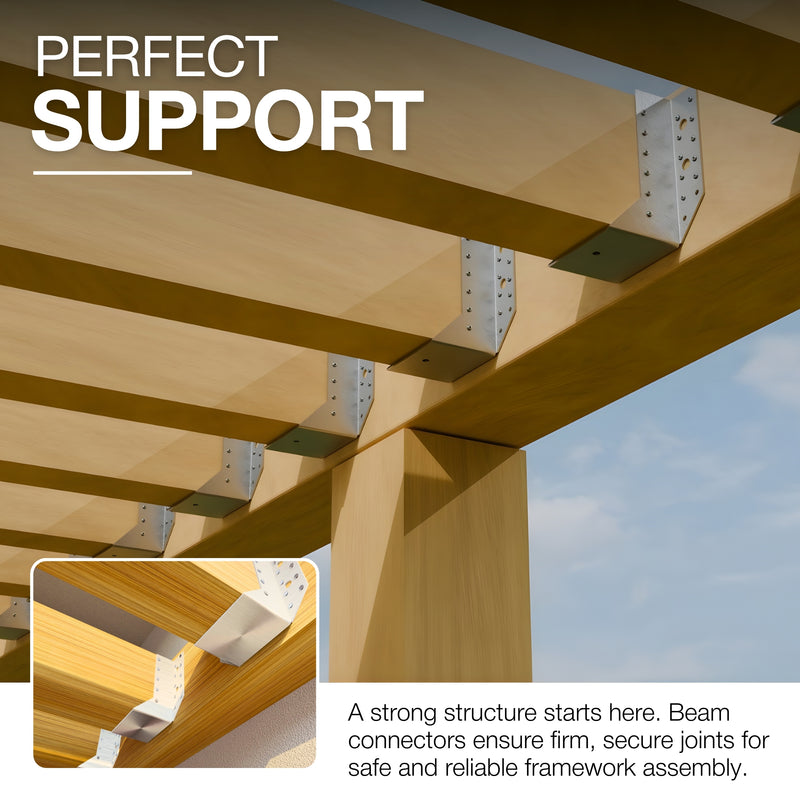
- Joist hangers carry floor and ceiling joists into beams without notching the timber.
- Angle brackets fix studs to plates at 90° and brace every panel corner.
- Perforated flat plates splice and reinforce members over a joint line.
- Match fasteners and galvanising to the connector spec, not to habit.
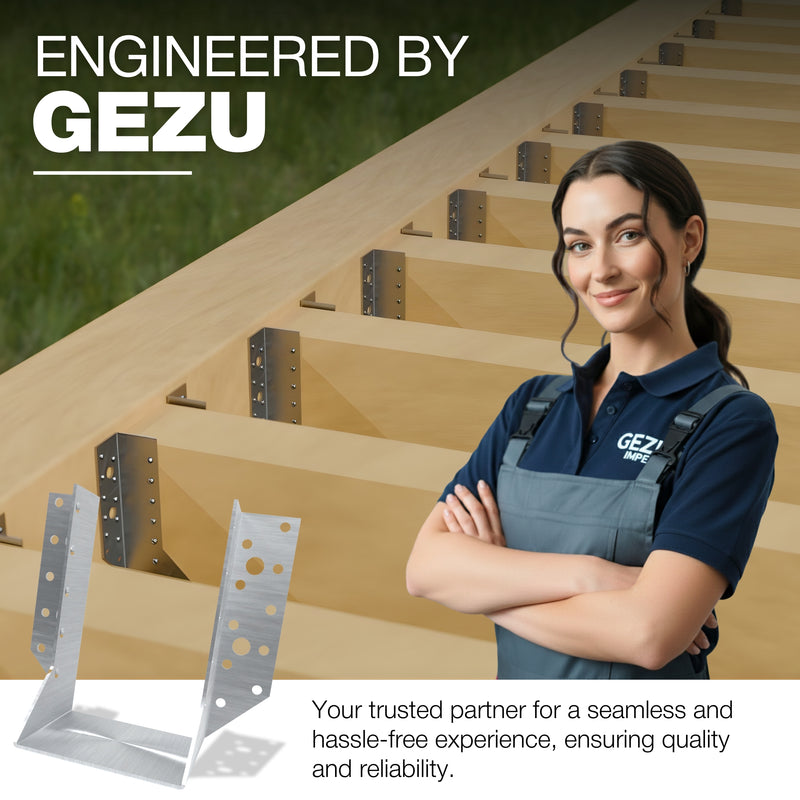
- GeZu Impex supplies galvanised wood connectors in trade quantities.
Why wood connectors matter for timber frame builders
A timber frame stands or fails at its joints. Every load that travels down a stud into a sole plate, or across a floor into a beam, passes through a connector and the fasteners that hold it, and 2026 panel production makes the specification a repeat decision:
- Speed. A connector fixed to a jig-set pattern lets a crew close panels without stopping to work out each joint.
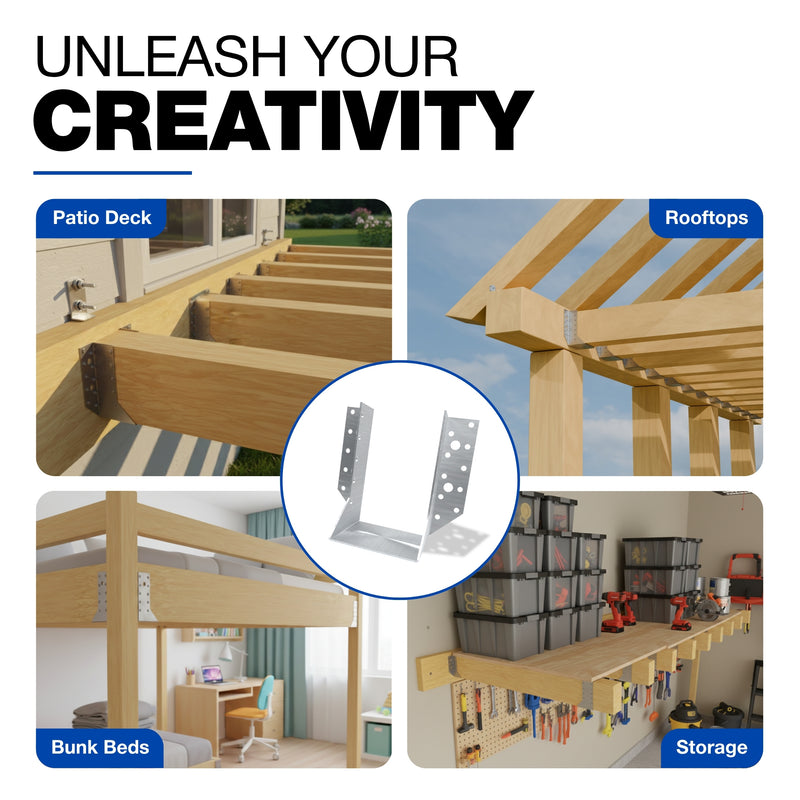
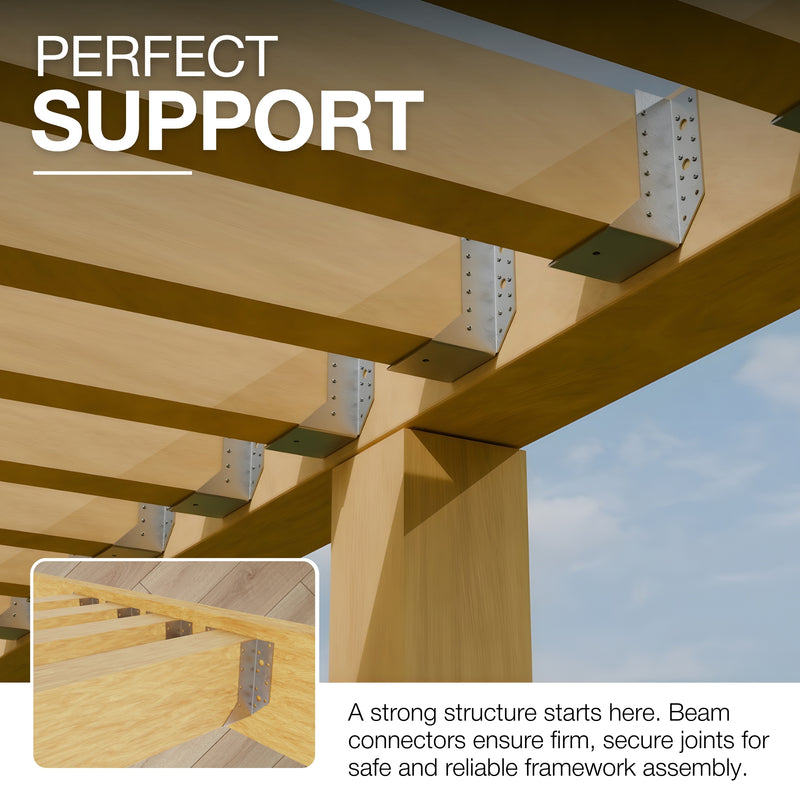
- Strength where the wood is removed. A joist hanger carries a joist into a beam without cutting a full-depth notch that would weaken the beam itself.
- Repeatable panels. The same bracket at the same centres on every stud keeps a production line predictable.
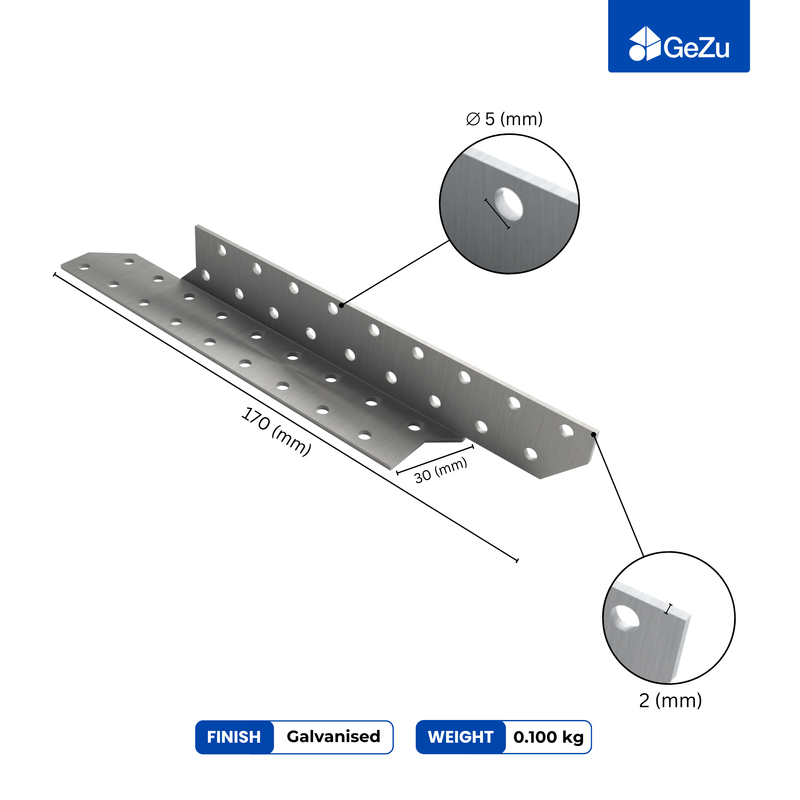
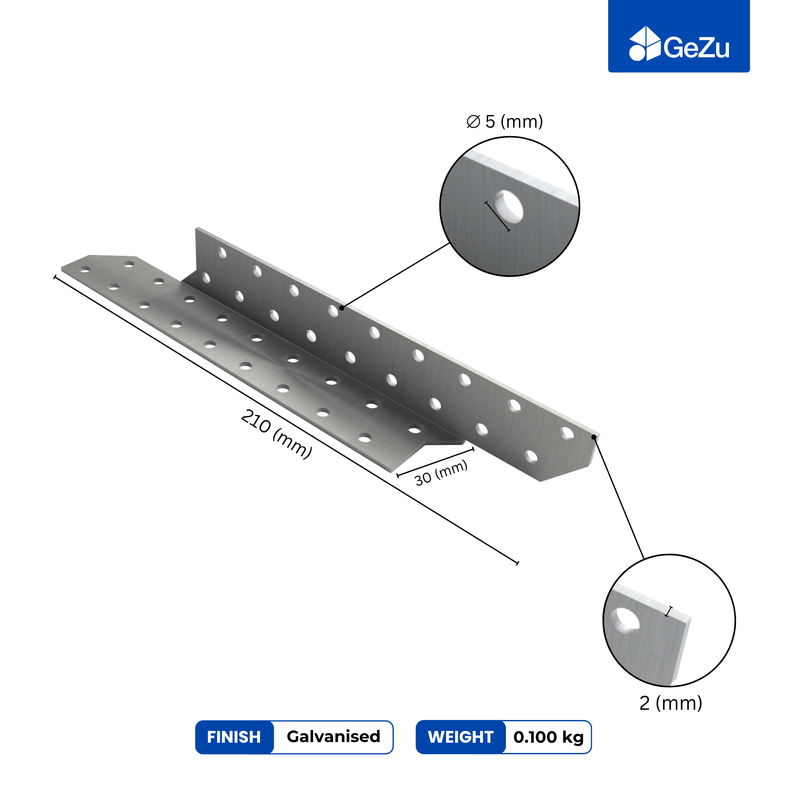
- Trade supply. GeZu Impex supplies joist hanger beam shoes, angle brackets and perforated plates direct in trade quantities.
How to specify and fix wood connectors on a timber frame
1. Map every joint before ordering connectors
- Walk the frame drawing and list every joint type: stud-to-plate, joist-to-beam, beam-to-post, splice and corner.
- Count how many of each joint appear in the build; the counts set the order quantities.
- Note timber sizes at each joint — a connector sized for a 45 mm stud does not close on a 70 mm one.
- Order against the joint list, not against the catalogue.
2. Match the connector to the load path
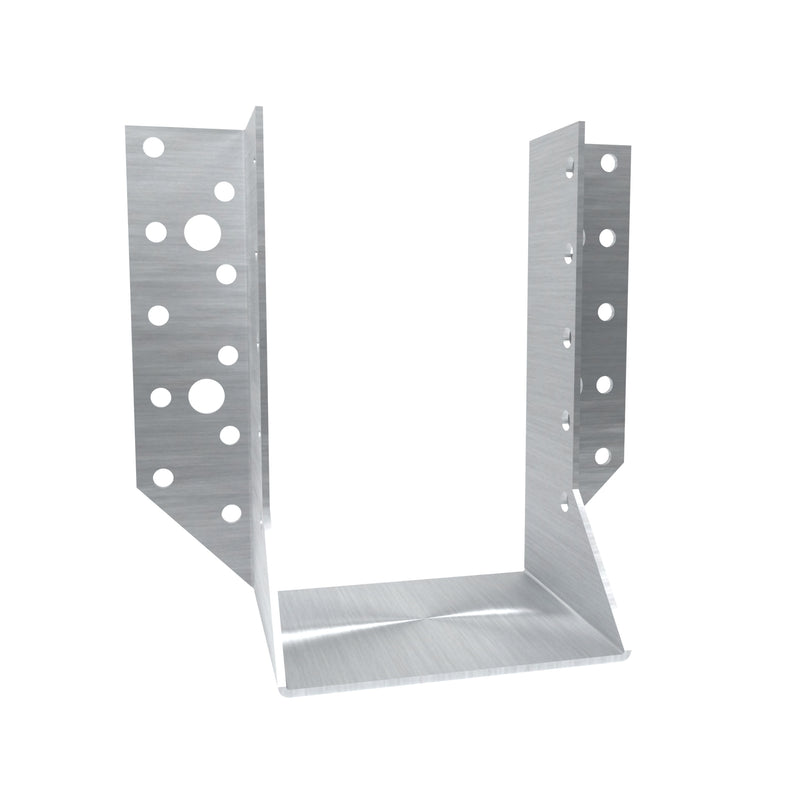
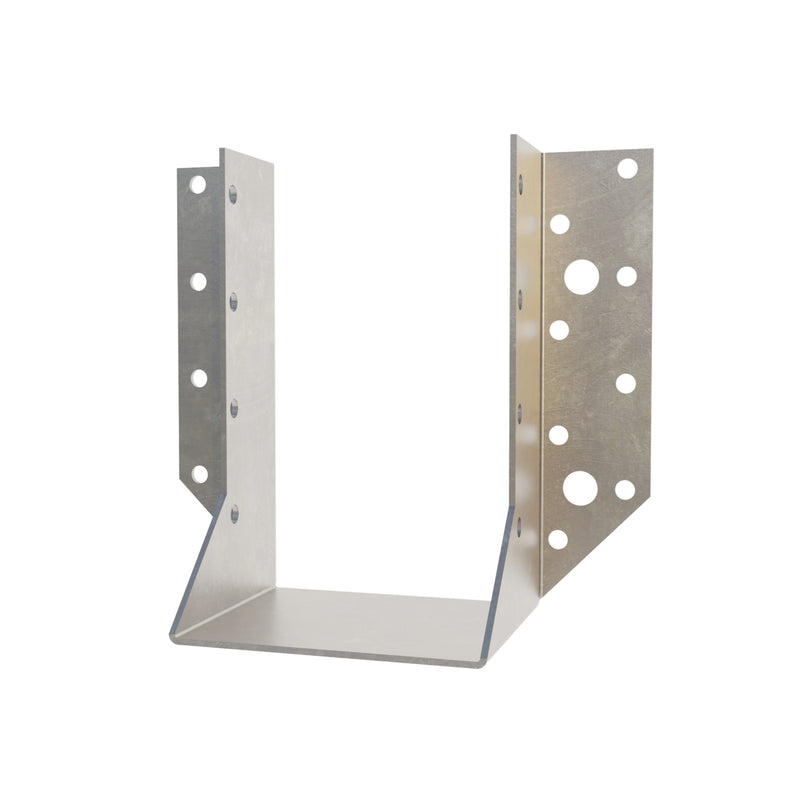
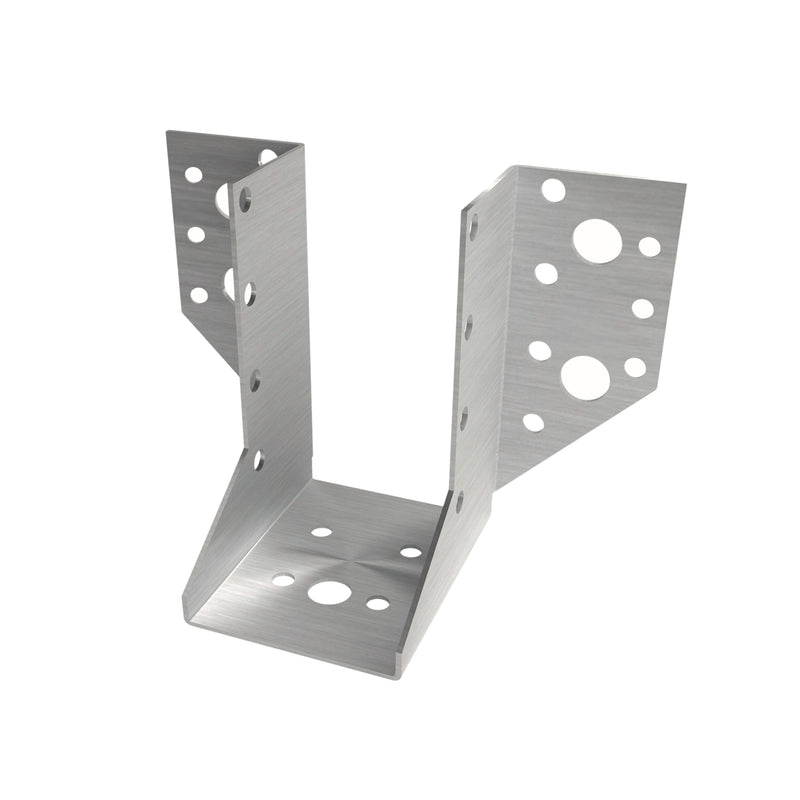
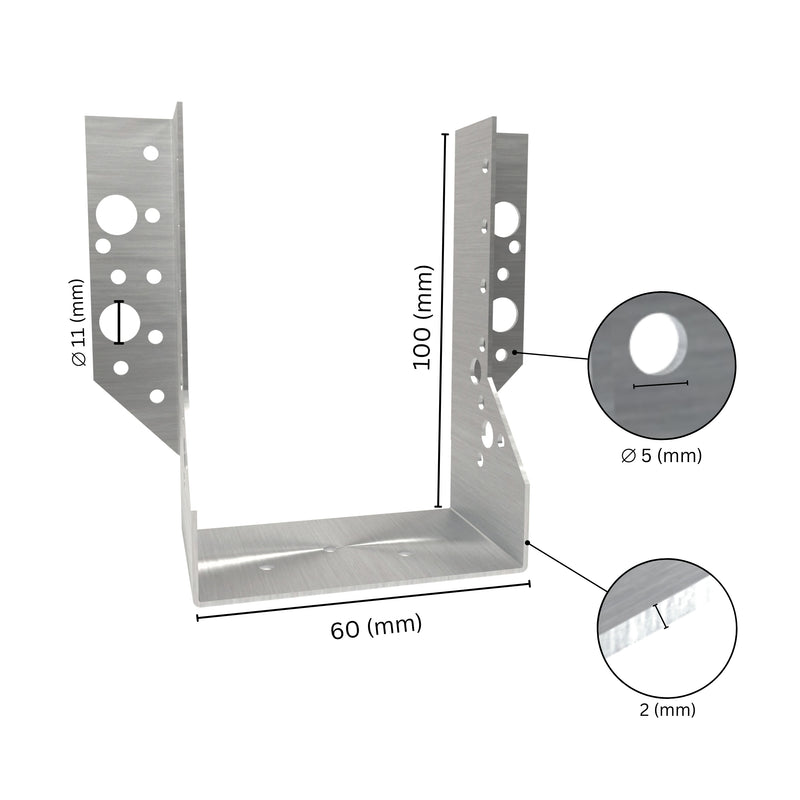
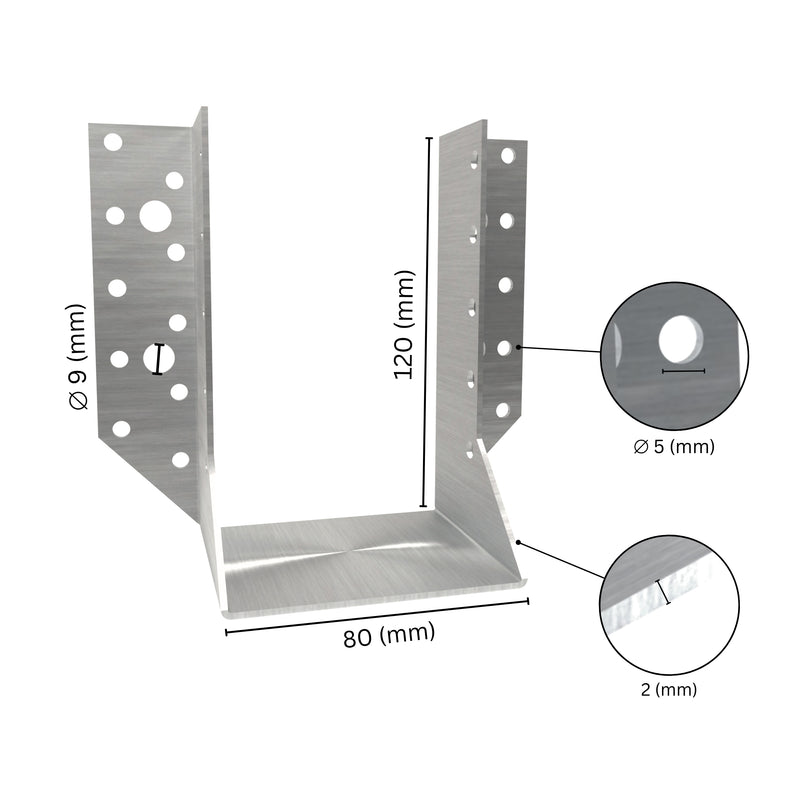
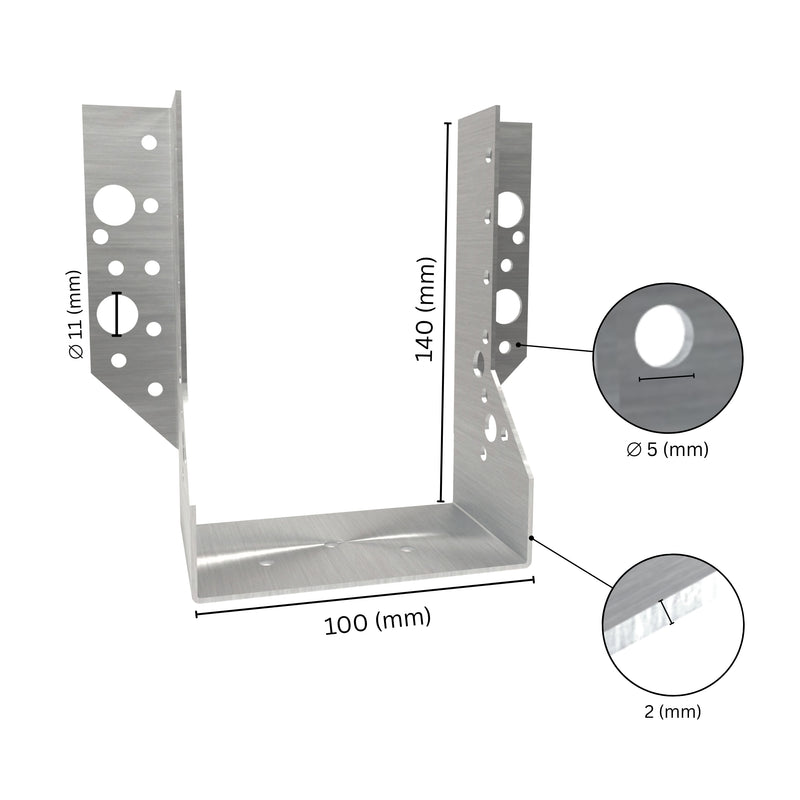
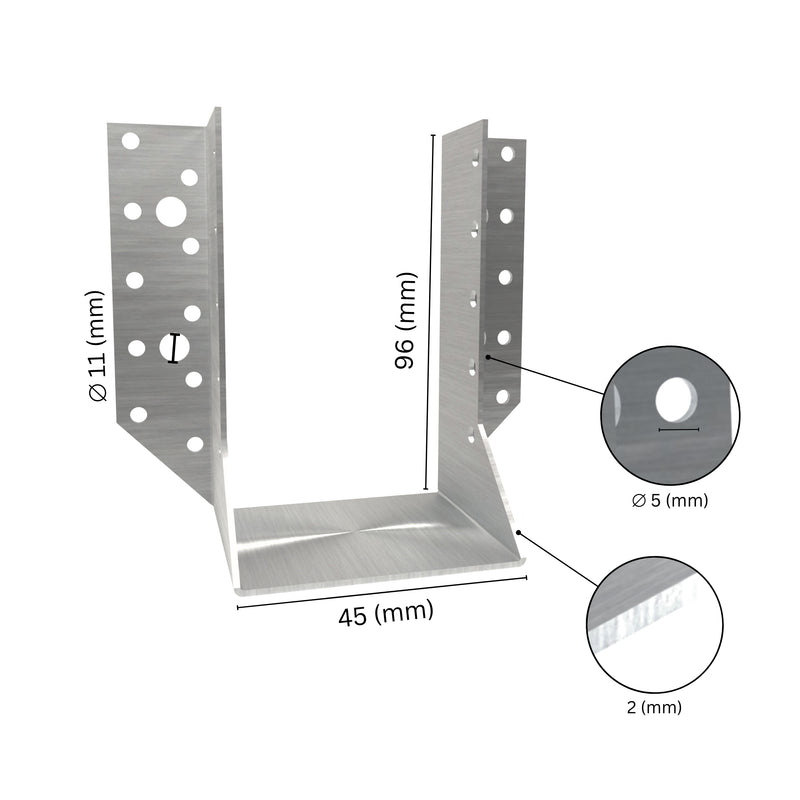
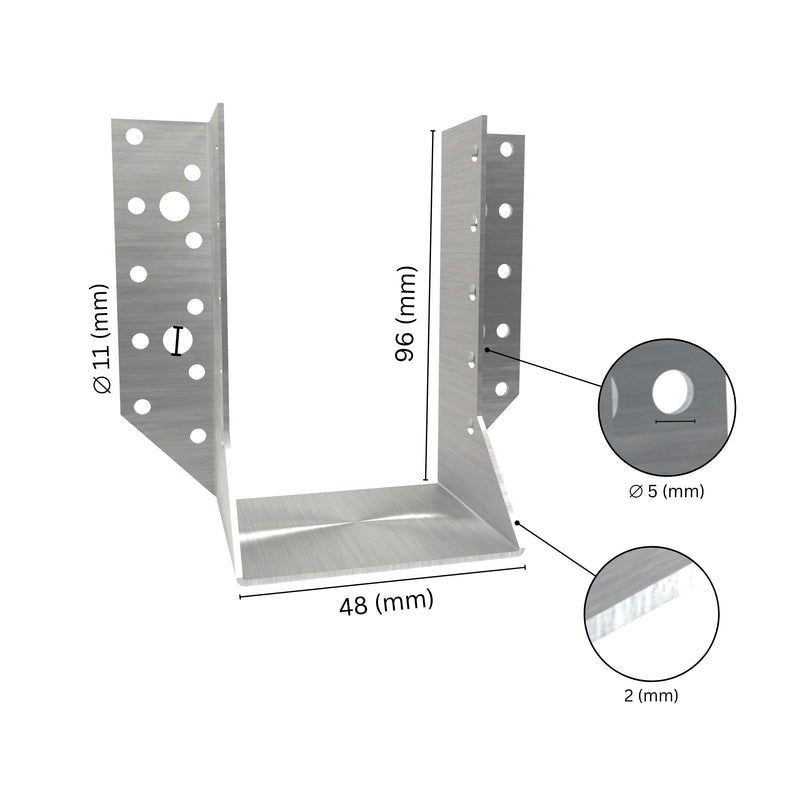
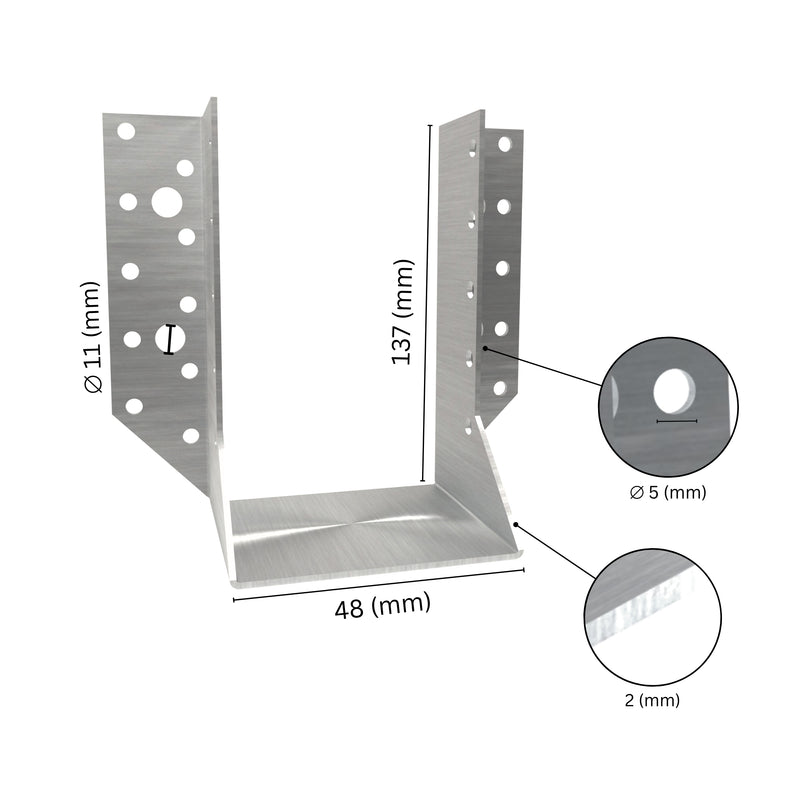
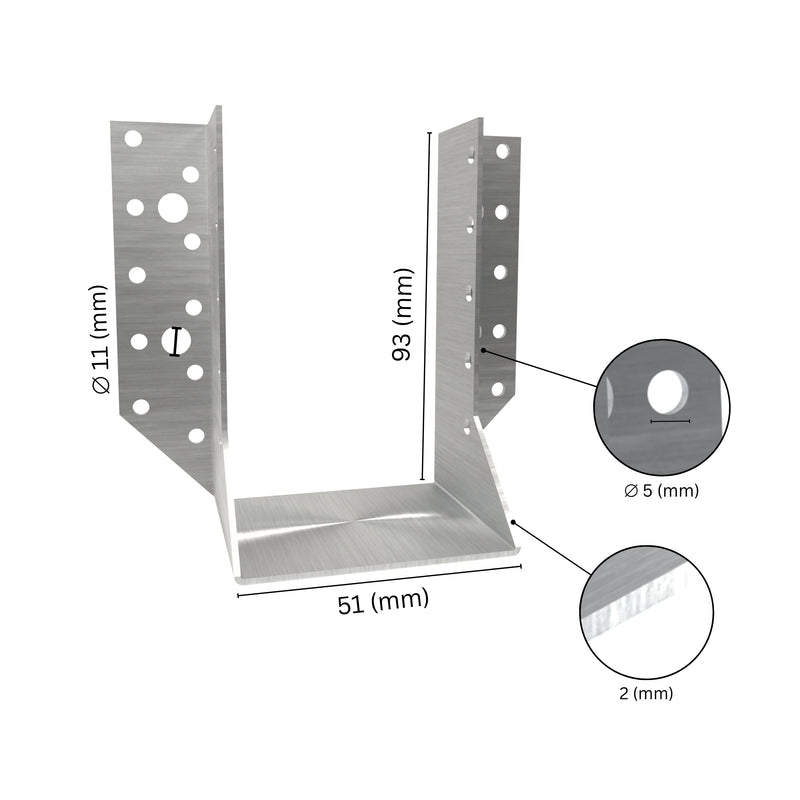
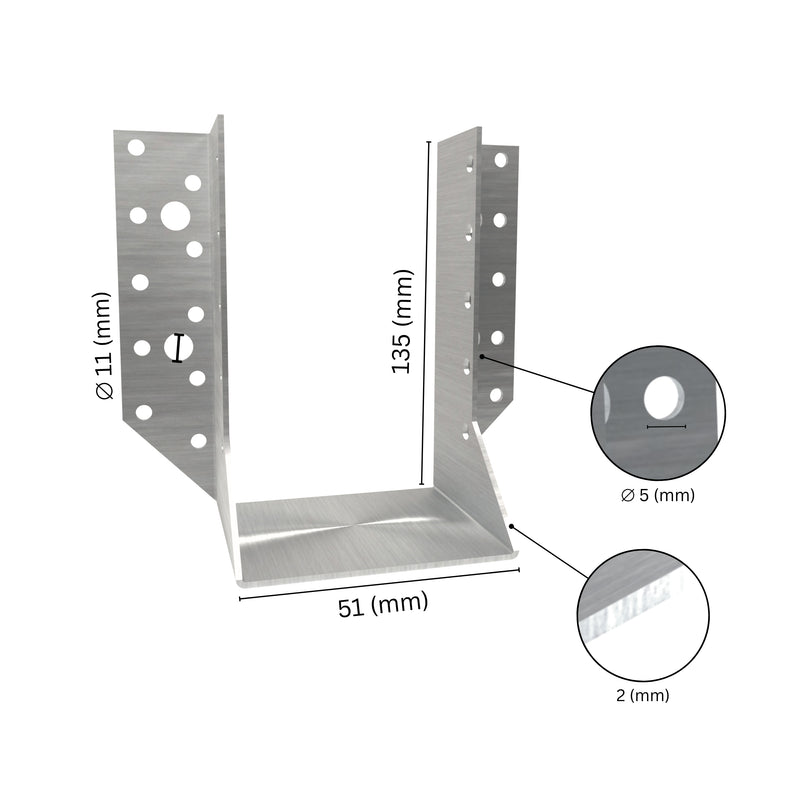
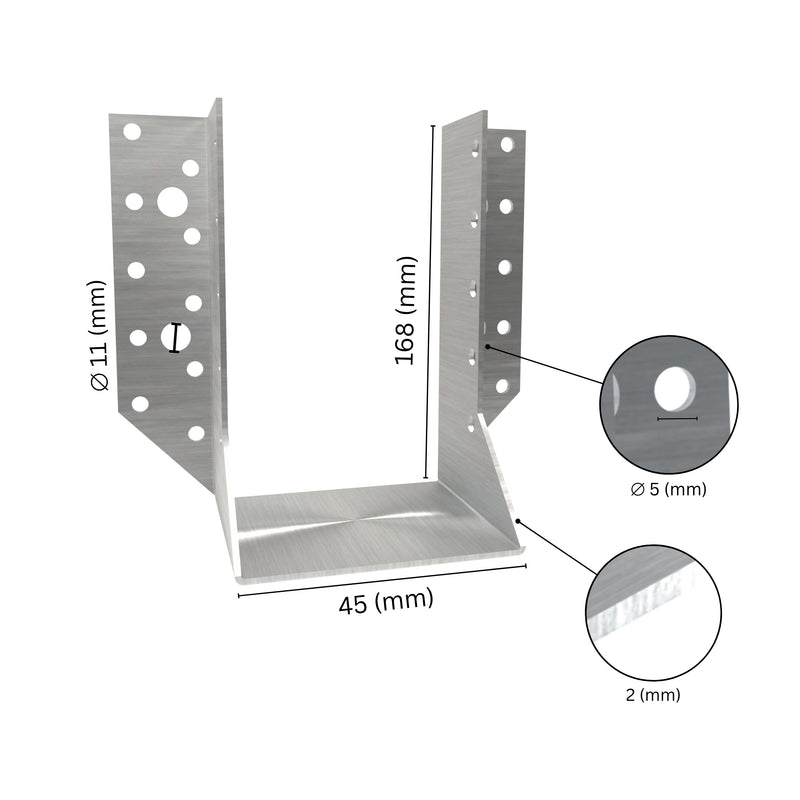
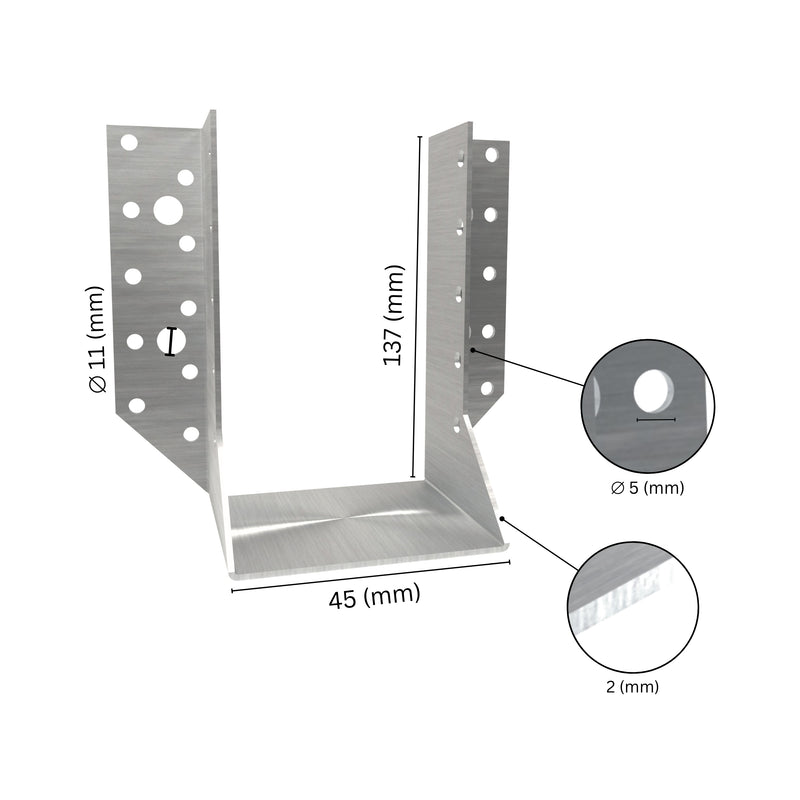
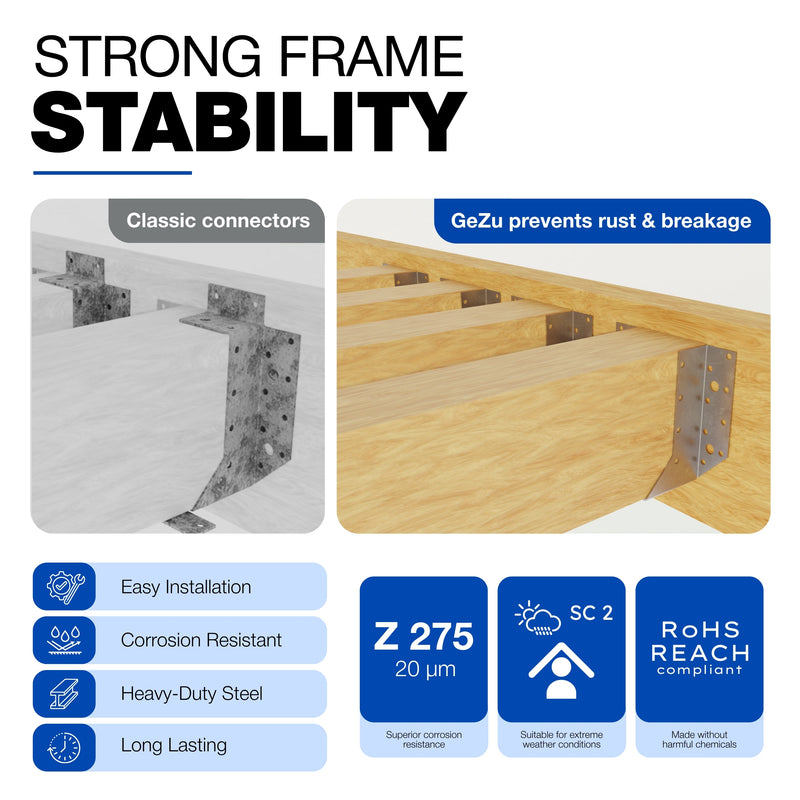
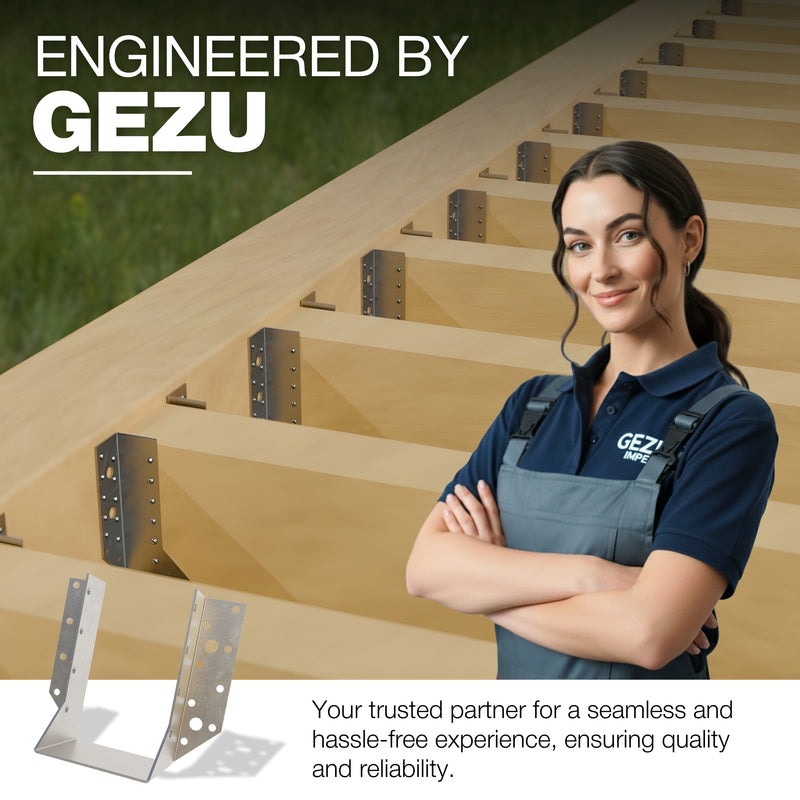
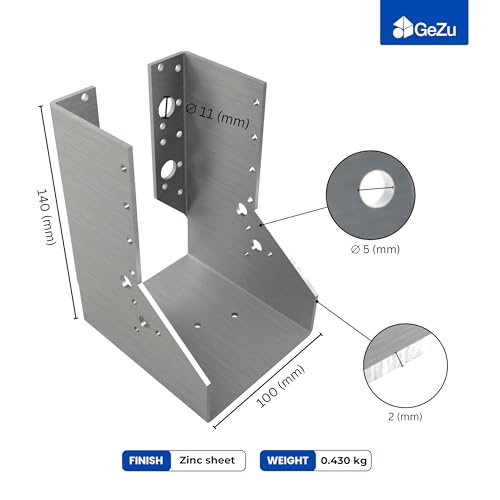
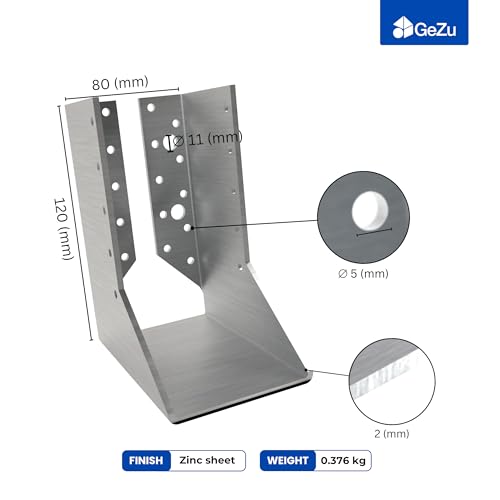
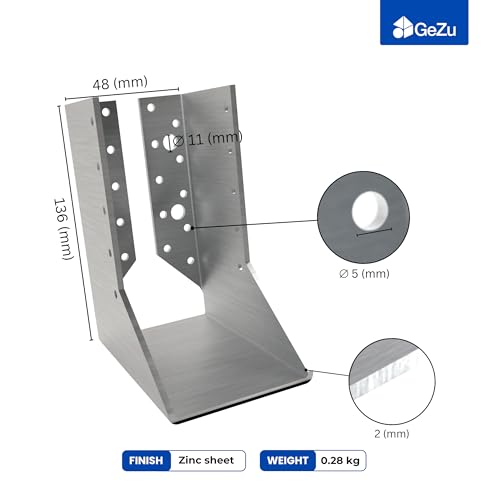
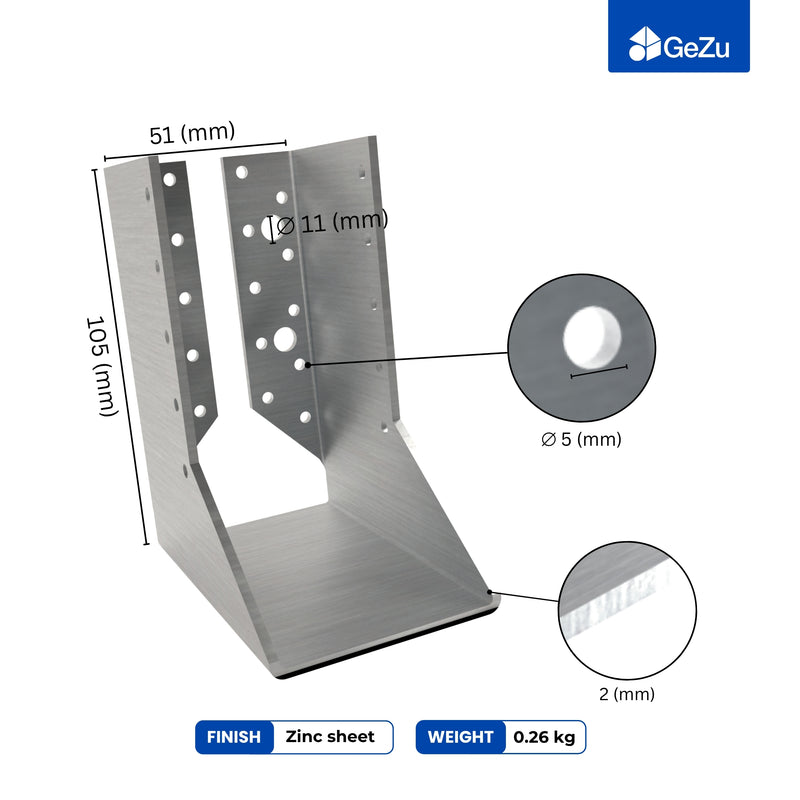
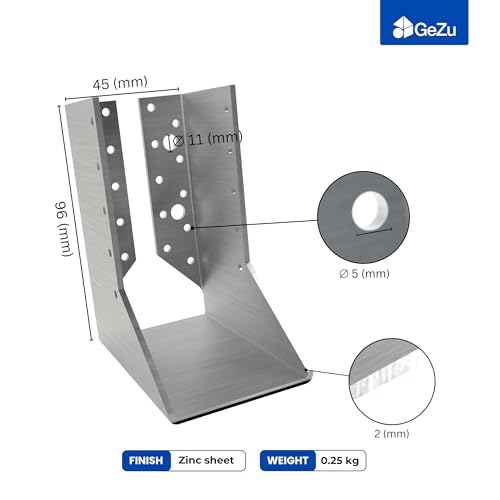
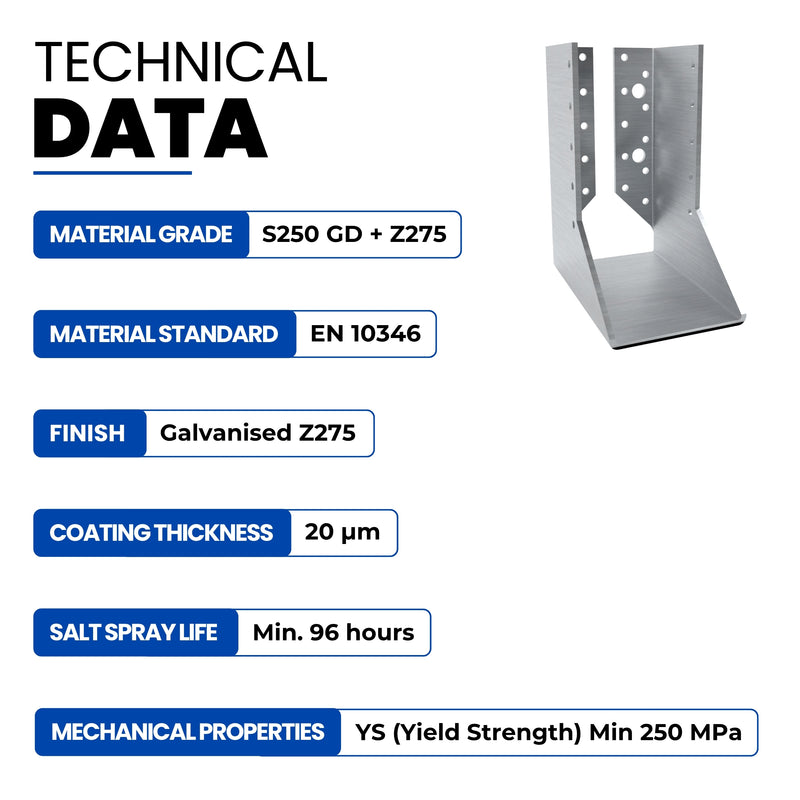
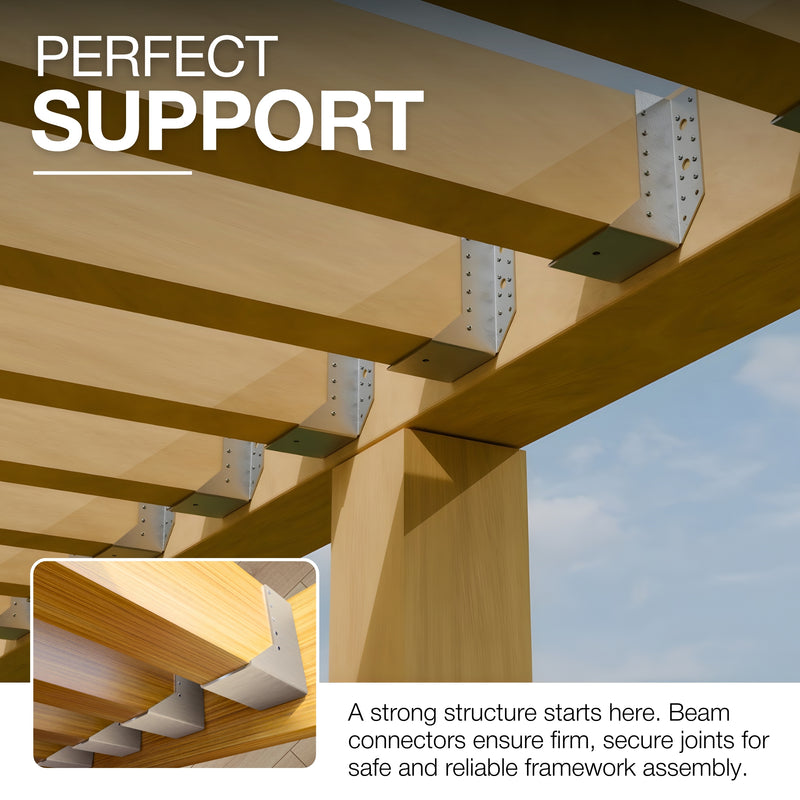
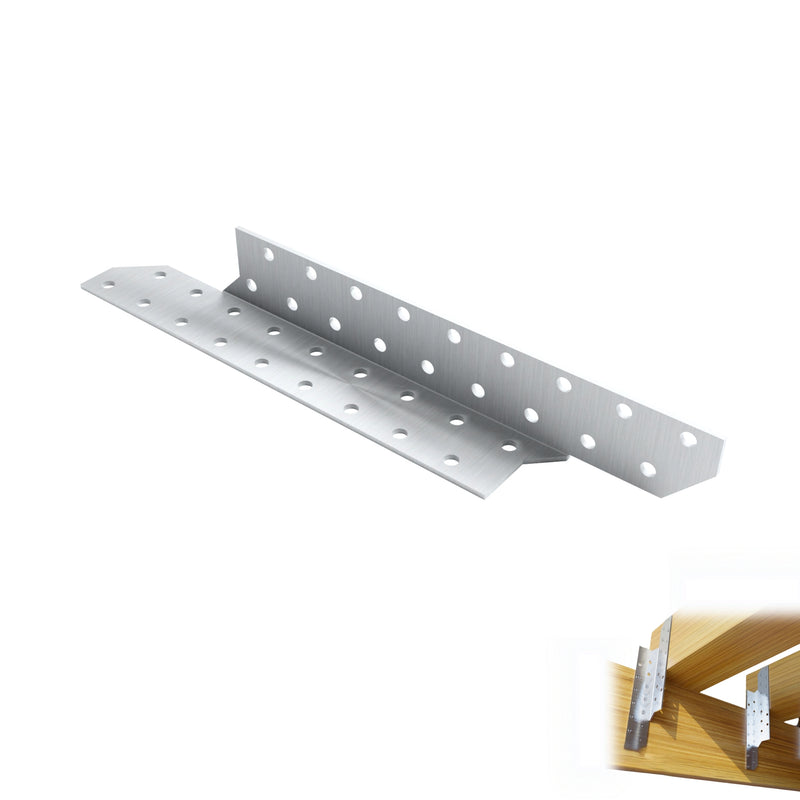
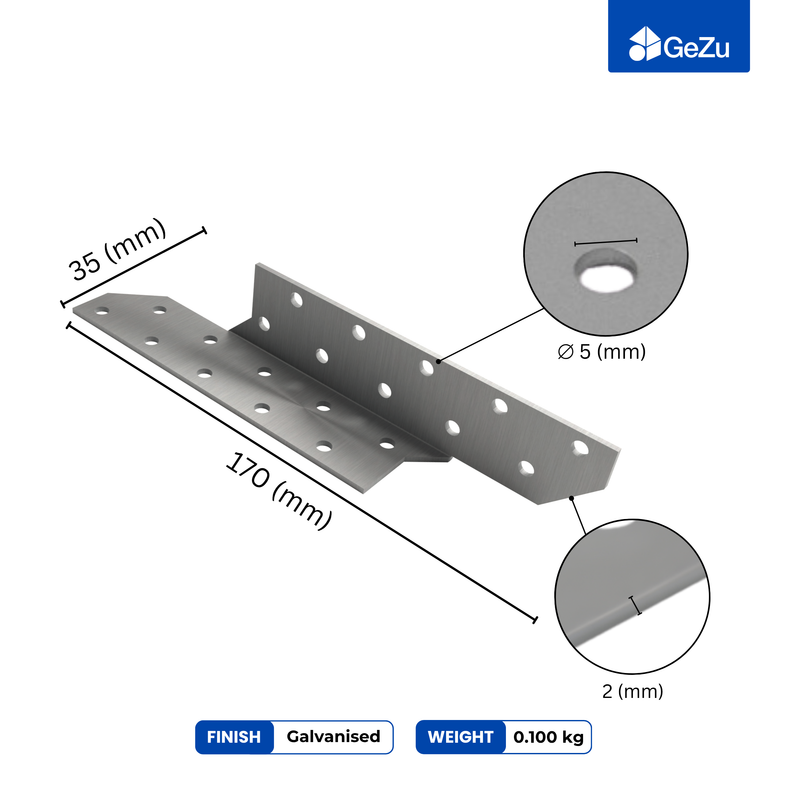
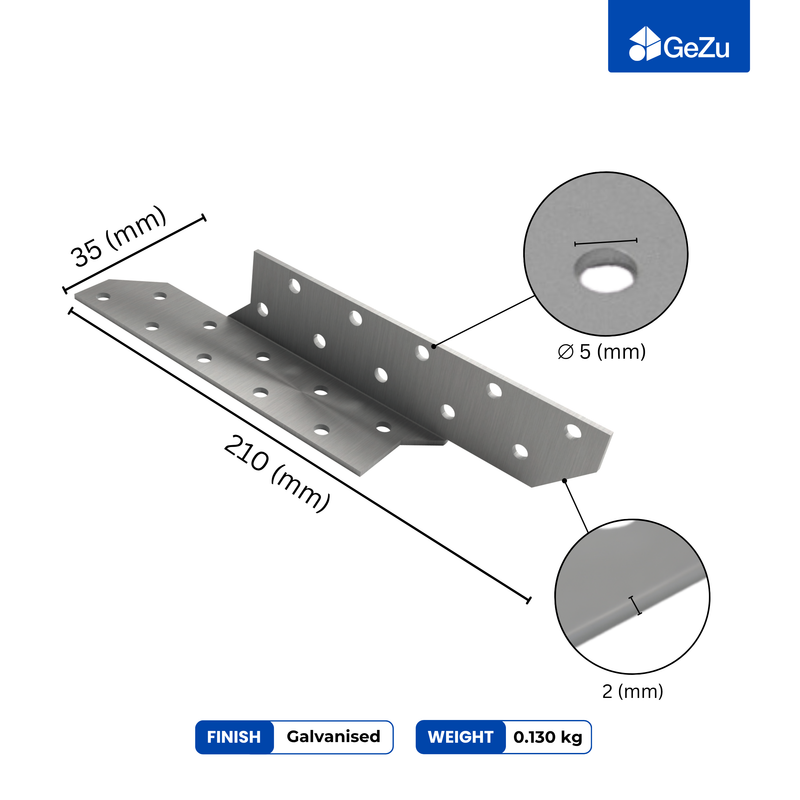
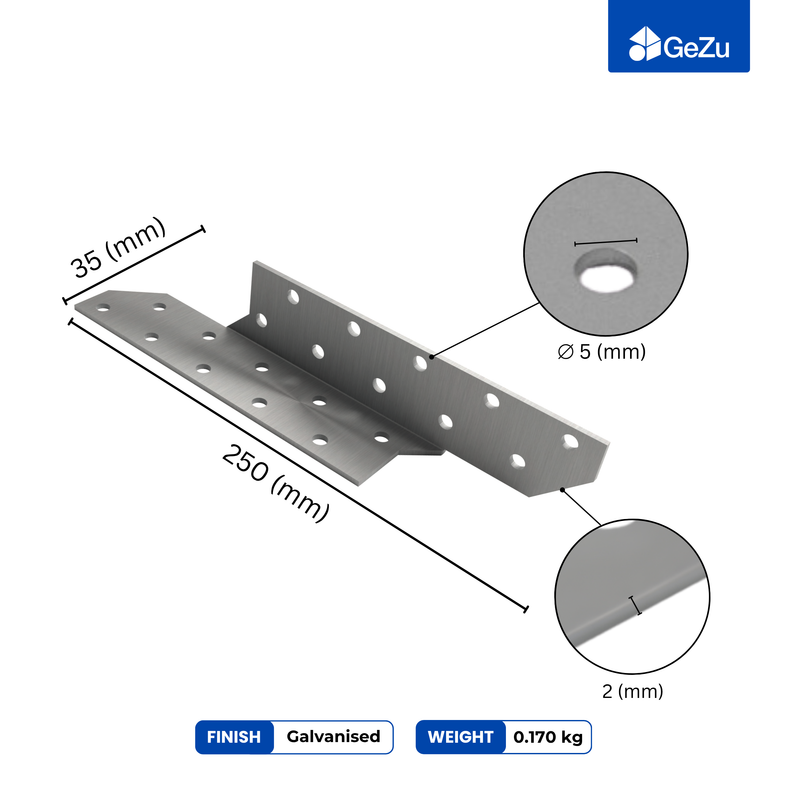
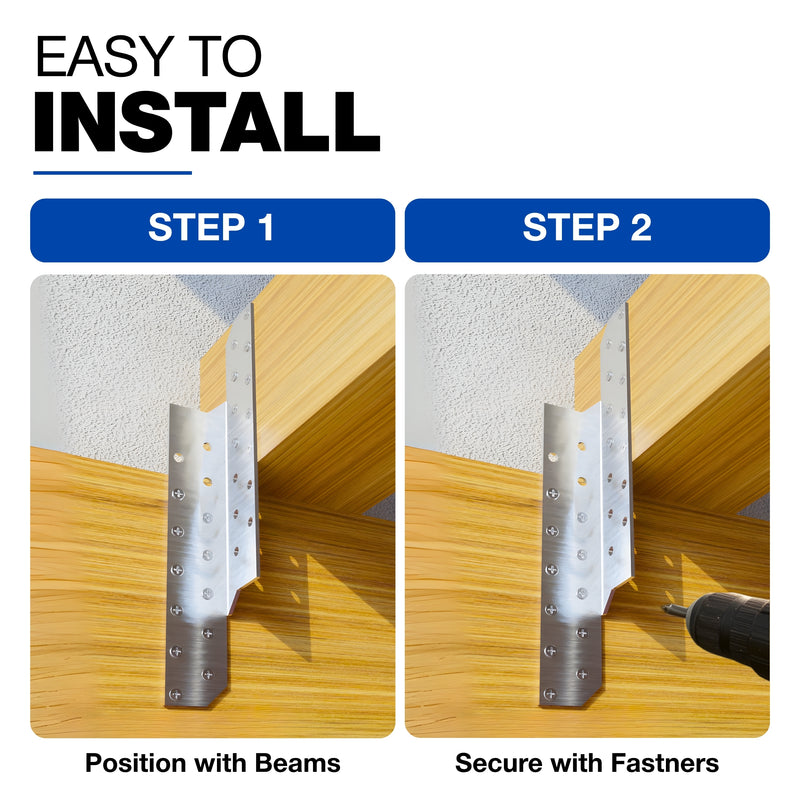
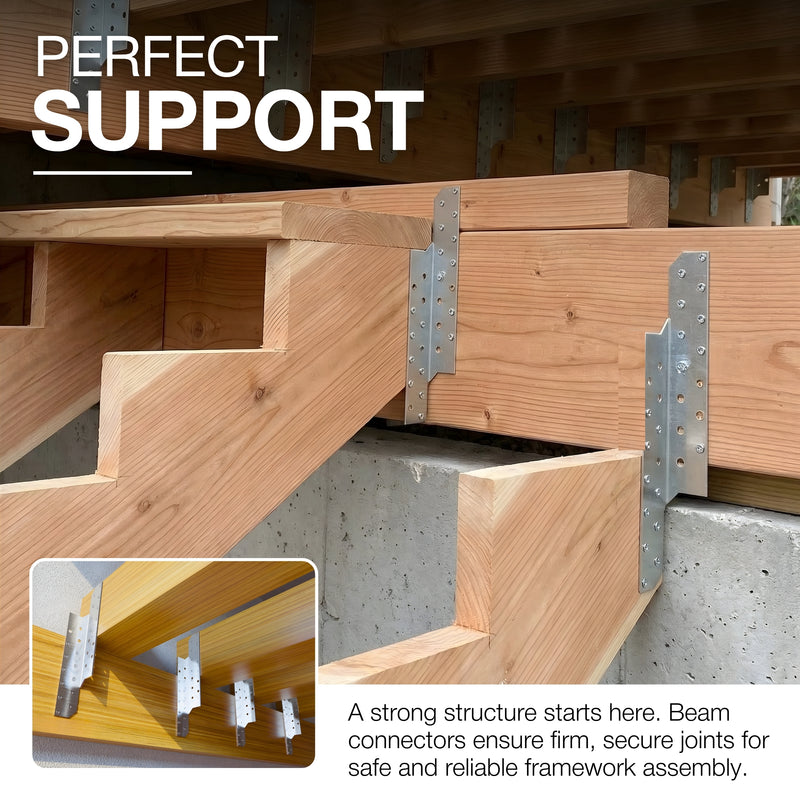
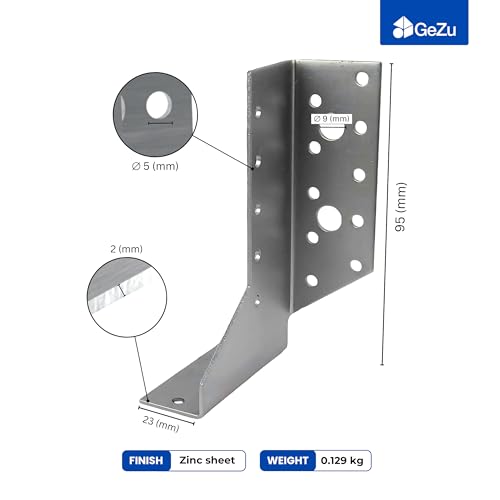
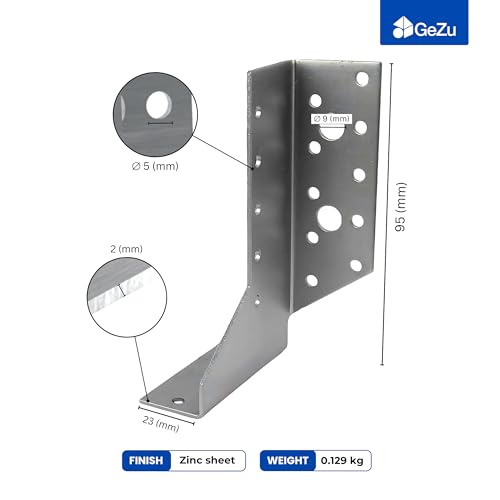
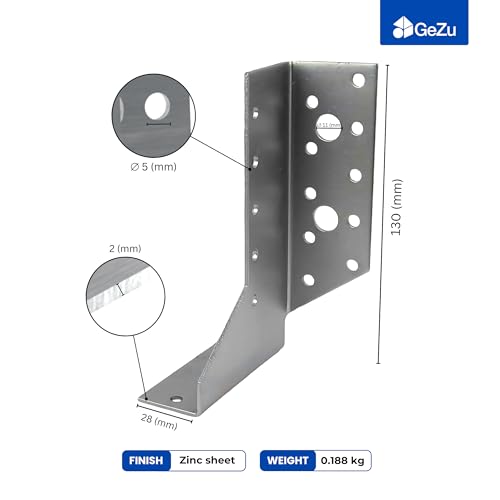
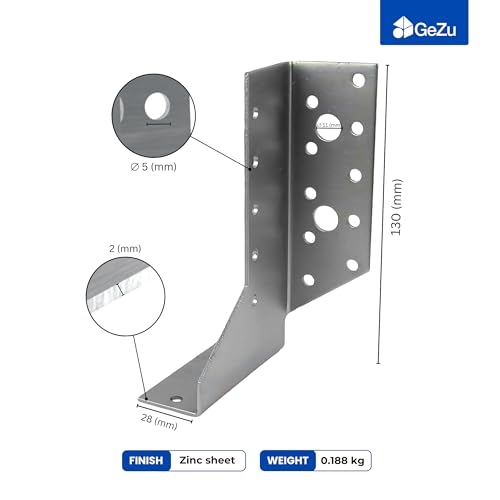
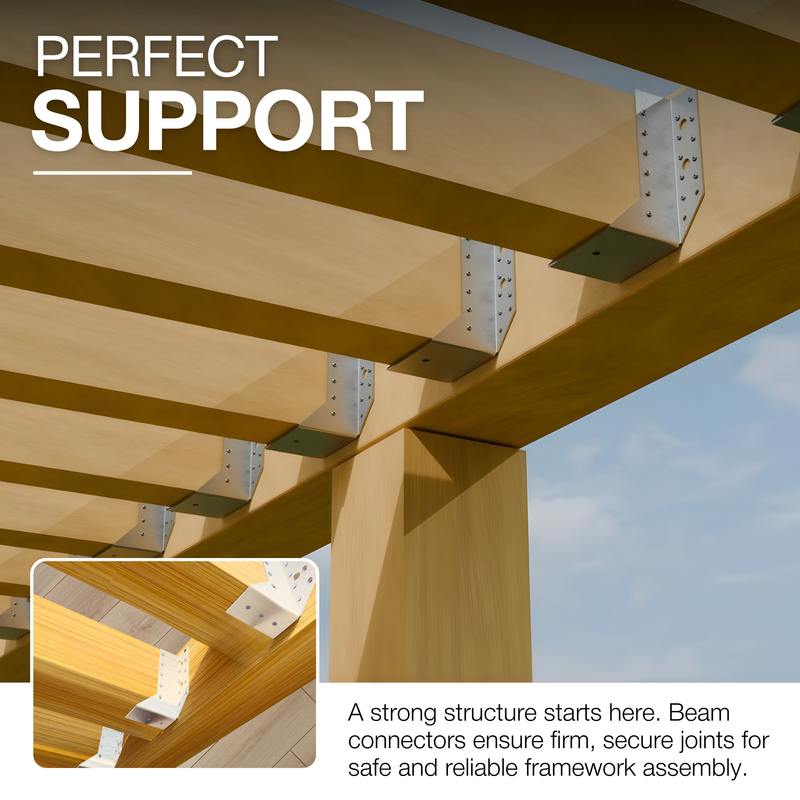
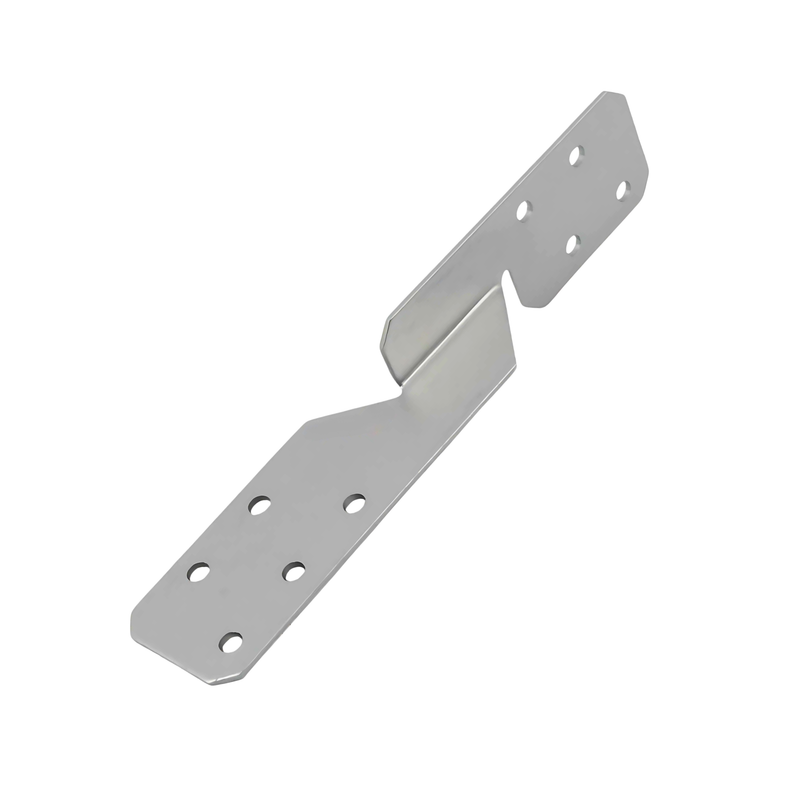
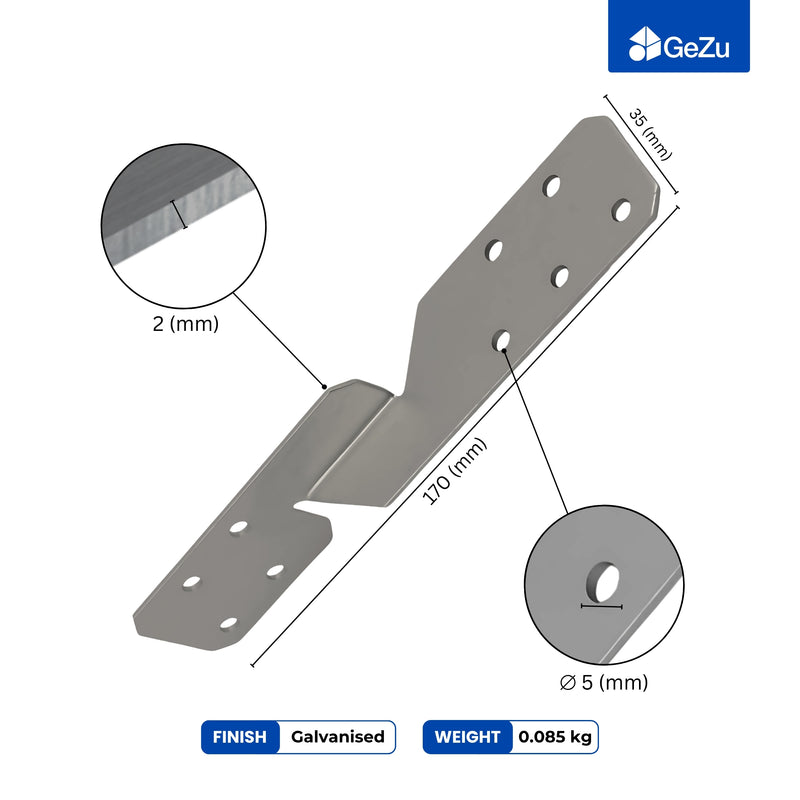
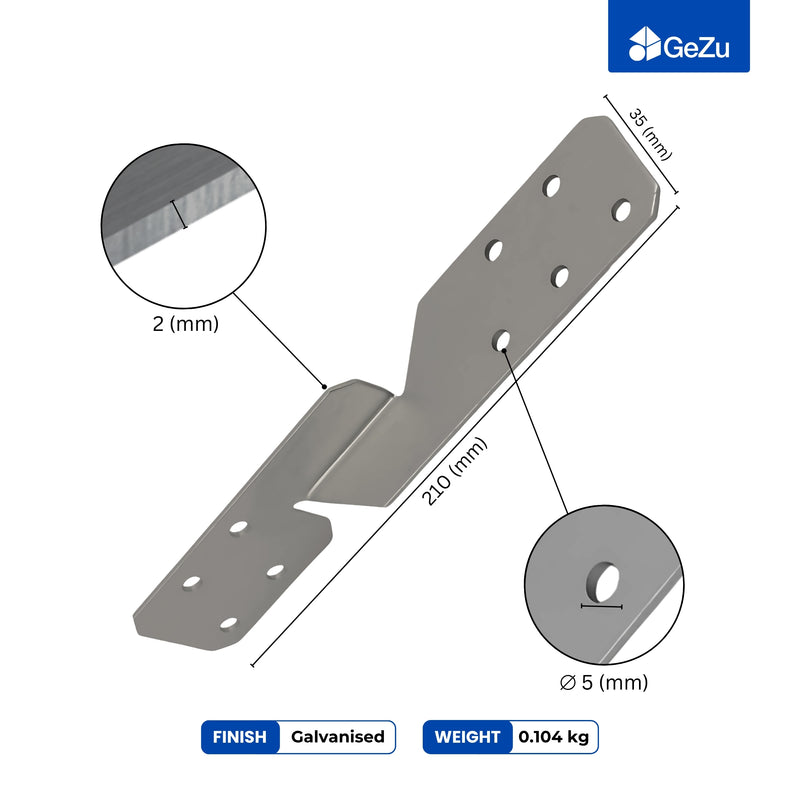
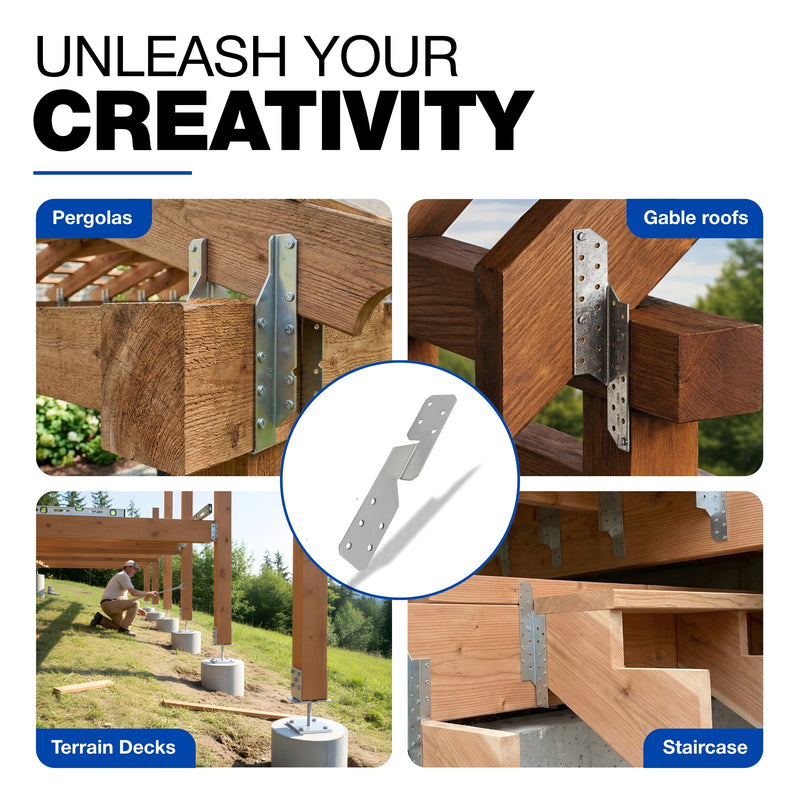
- Joists into beams: a joist hanger or beam shoe type A carries the joist end on an external flange that clears the beam face.
- Studs to plates: angle brackets hold the two members at 90° and resist uplift and racking at the corner.
- Splices and reinforced joints: perforated flat connector plates spread load across a joint line.
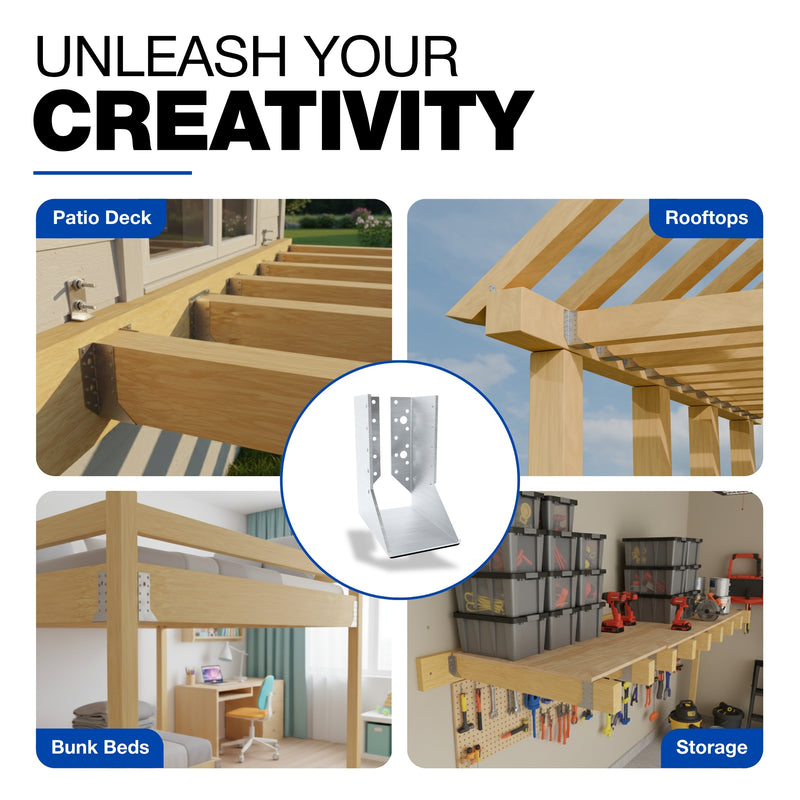
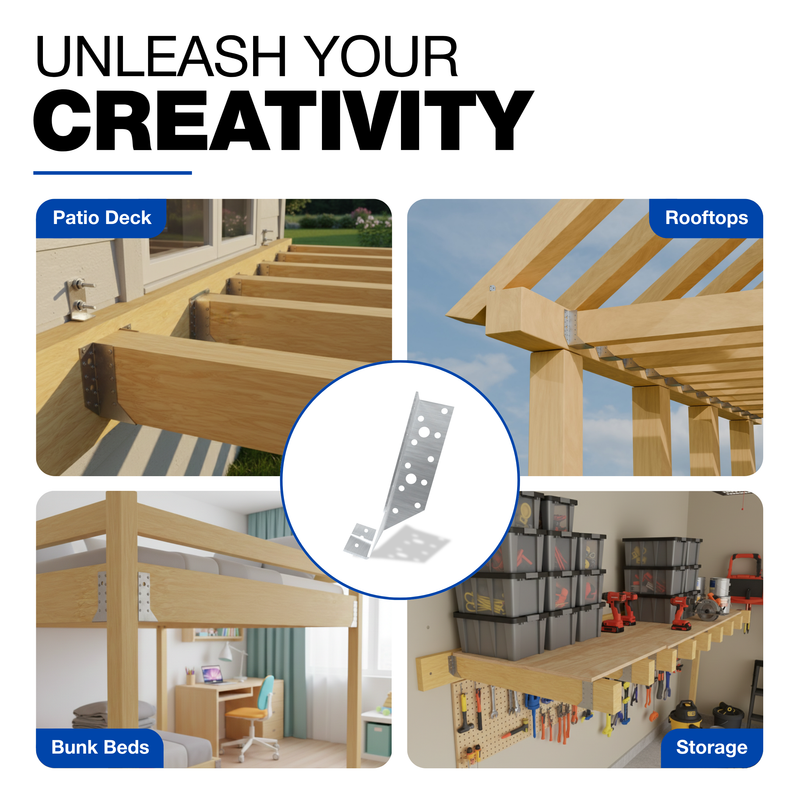
- Posts to beams: corner connectors in L, T, X and Y shapes carry multi-directional pergola and veranda loads.
- Never substitute a lighter connector at a load-bearing joint to save a unit cost.
3. Choose the galvanising by exposure
- Dry interior frames take standard galvanised connectors.
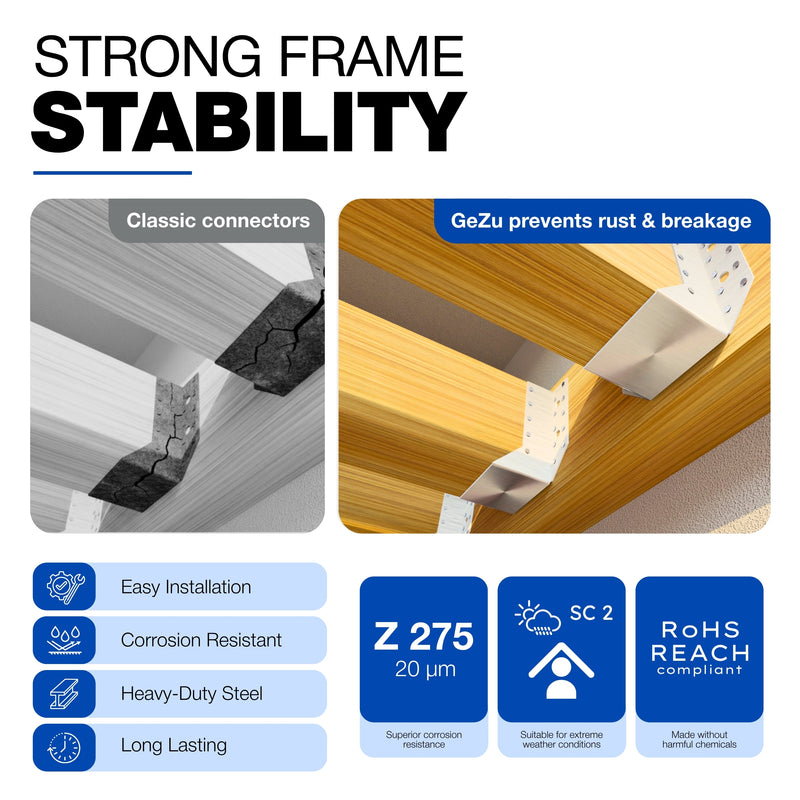
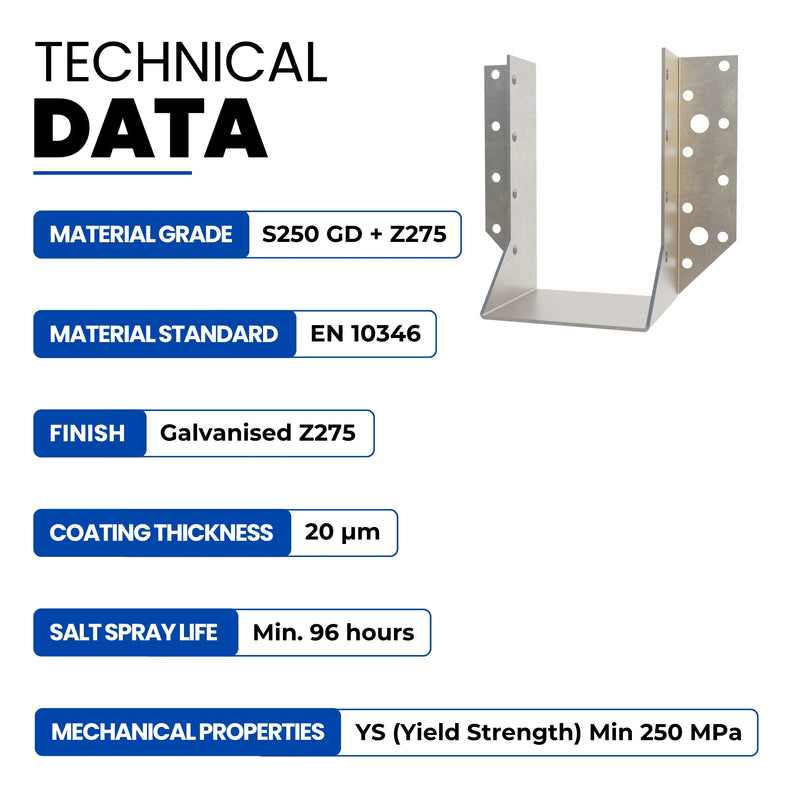
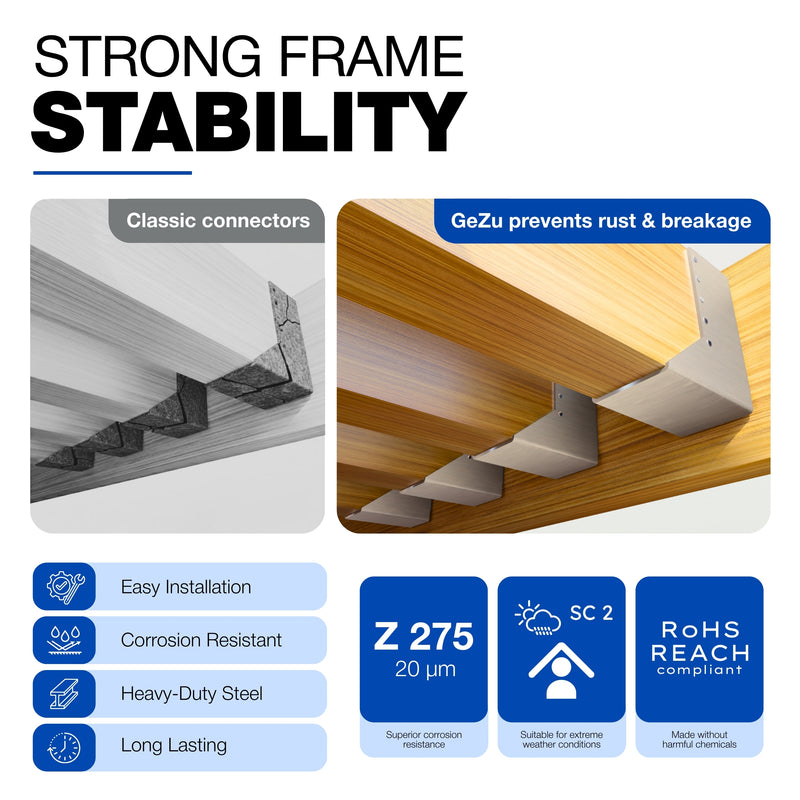
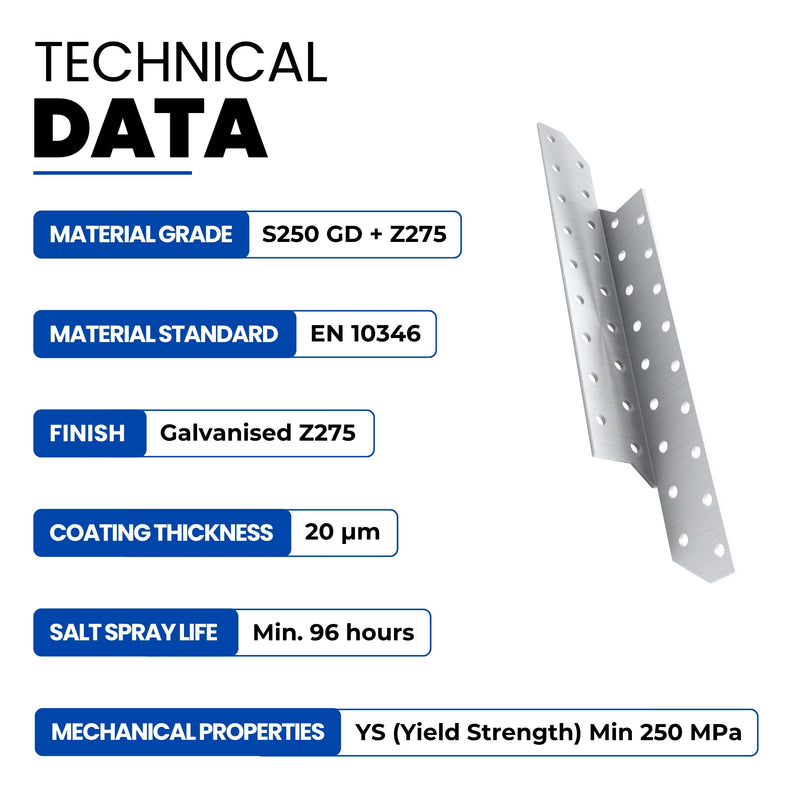
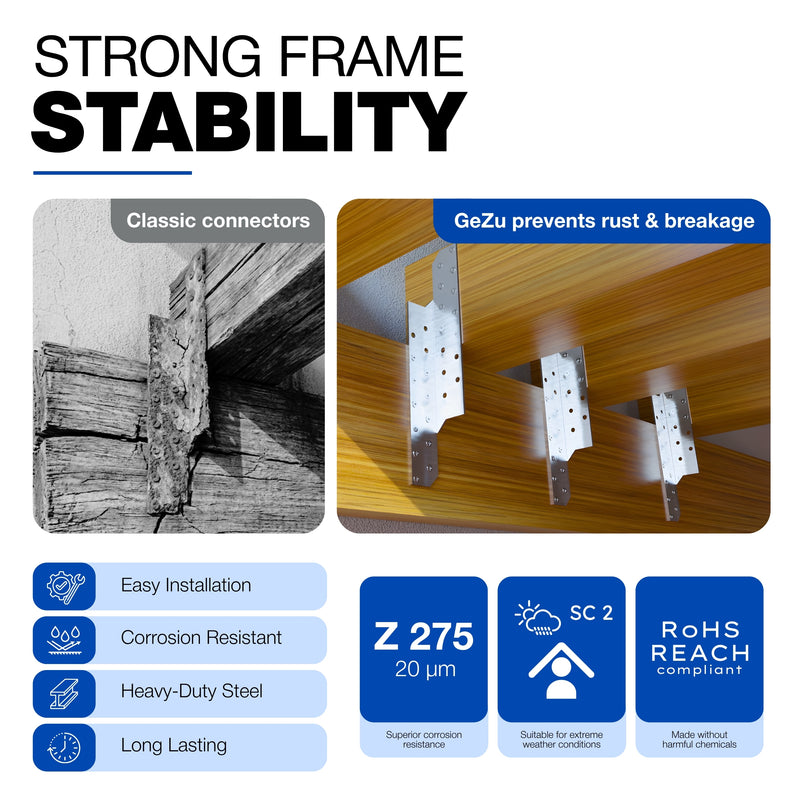
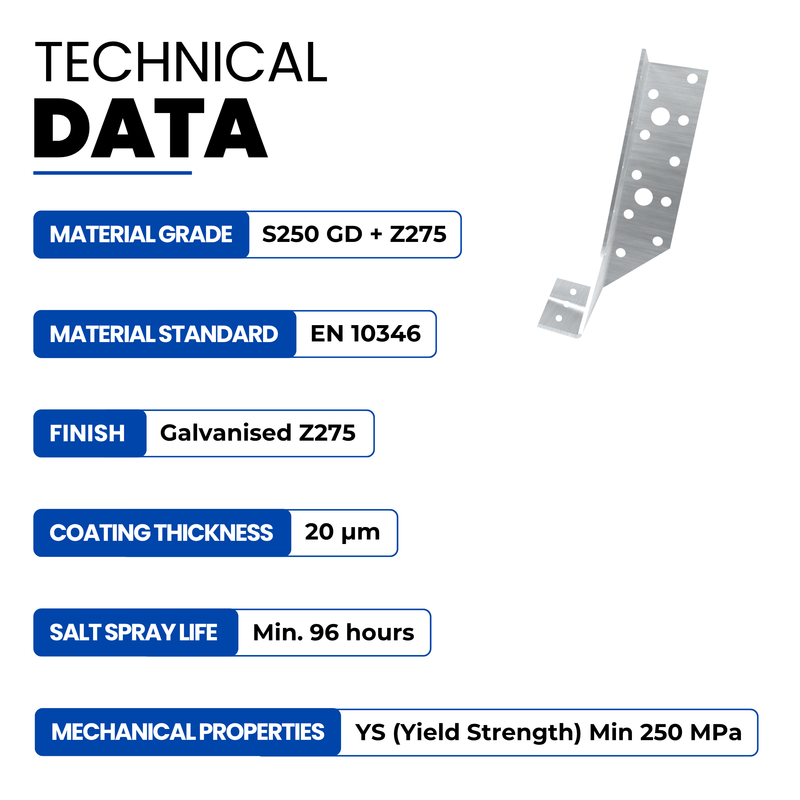
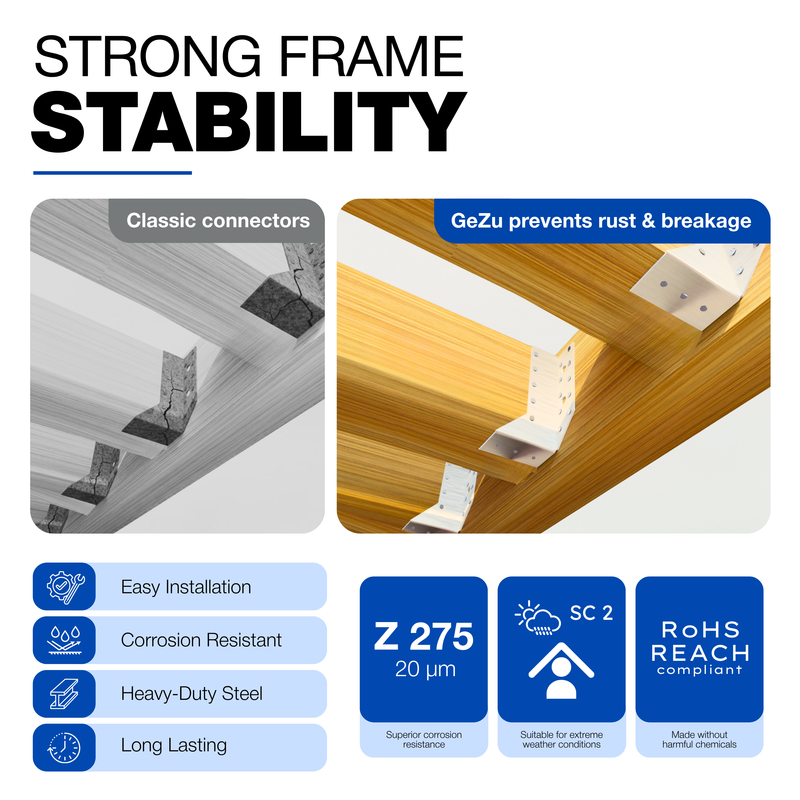
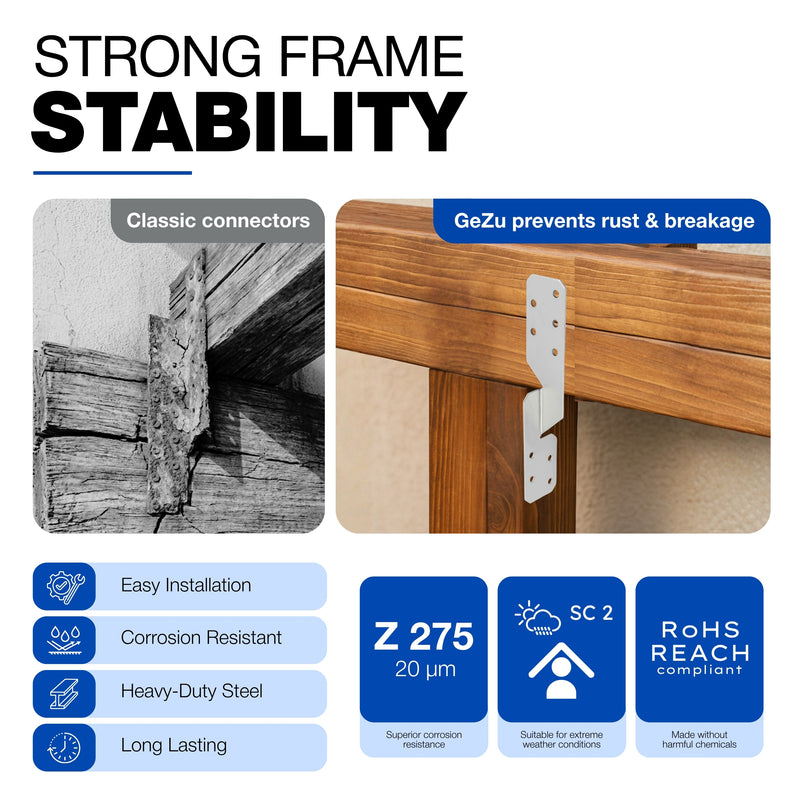
- Exposed external work — verandas, carports, garden structures — needs hot-dip galvanised hardware.
- Keep every fixing on the same coating as the connector so the joint ages evenly.
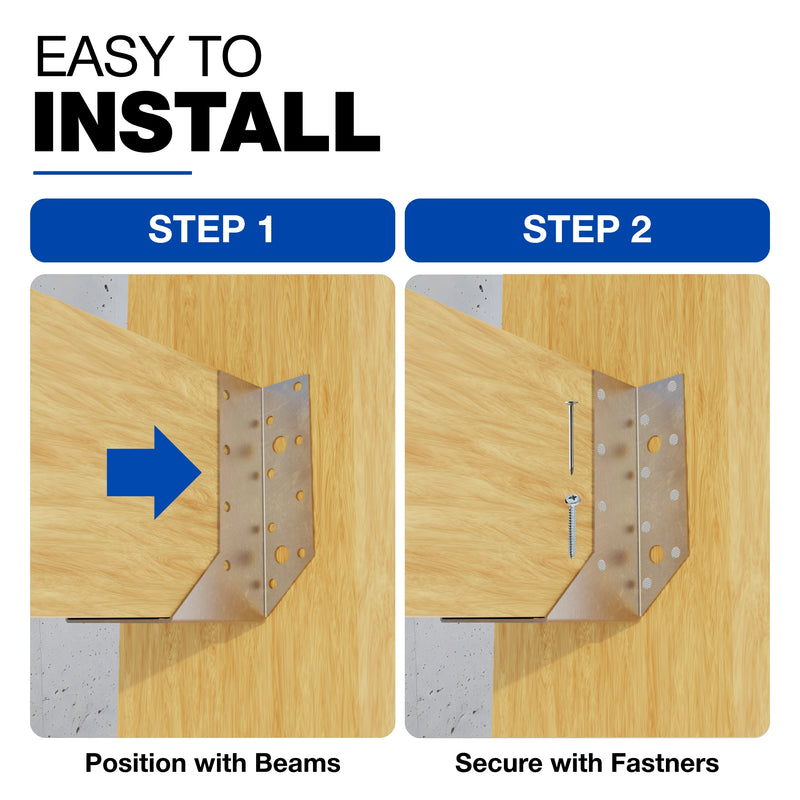
4. Fix with the fasteners the connector is designed for
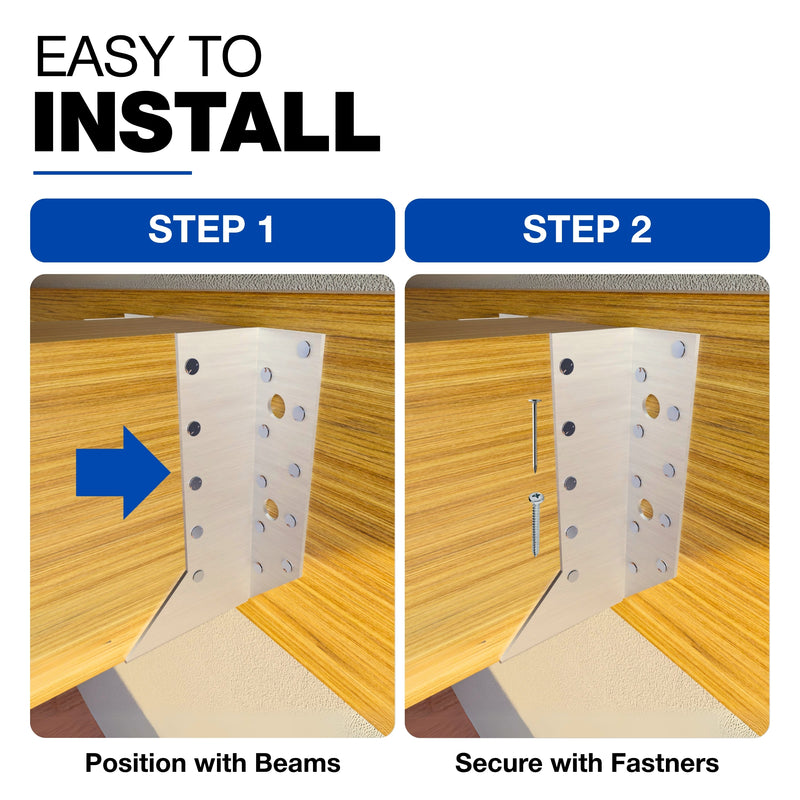
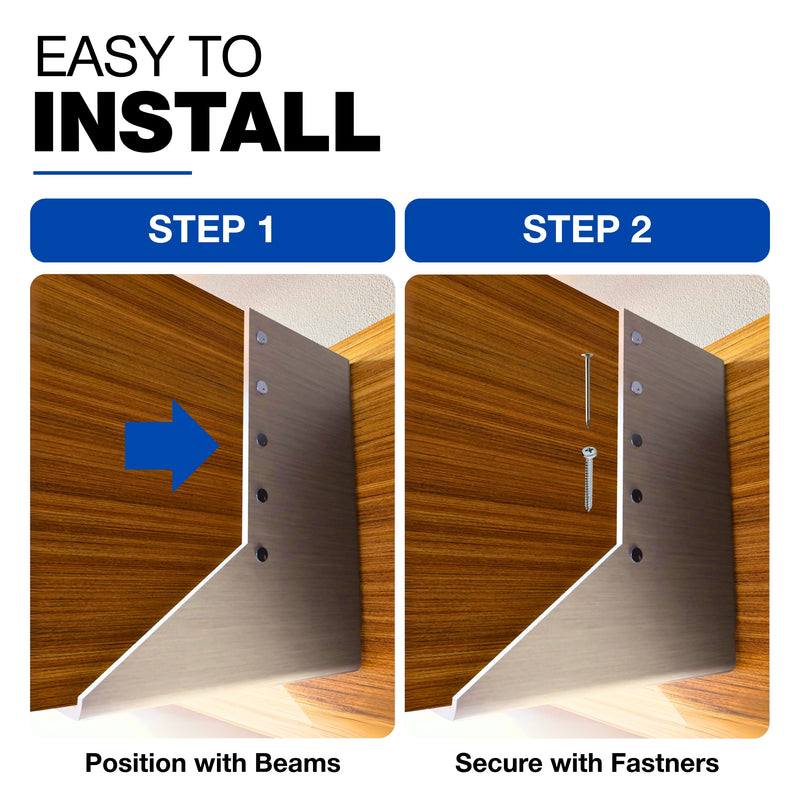
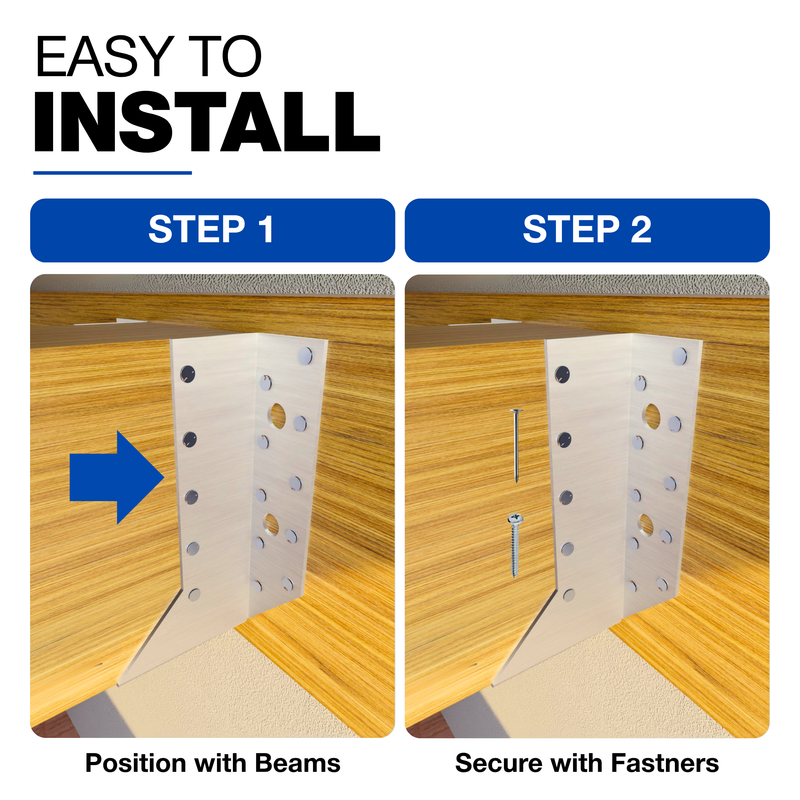
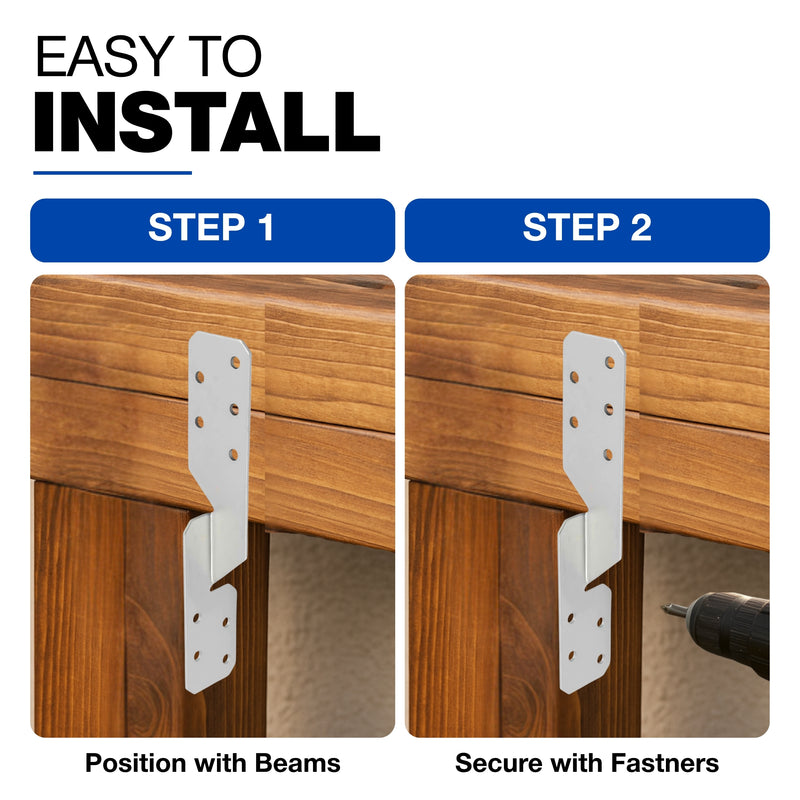
- Follow the fixing pattern printed or punched into the connector; every hole has a job.
- Use the specified structural nails or screws, and the full count — a hanger with half its holes filled is a half-strength hanger.
- Drive fasteners square and fully home; a fastener proud of the plate does not engage.
- Never fix into splits or knots in the timber.
5. Seat and space before closing the panel
- Check every hanger seats tight to the beam face before the joist goes in.
- Keep stud centres consistent — 400 mm and 600 mm centres are the common framing grids in 2026.
- Check brackets line up in the same plane so the panel reads straight.
- Sign the panel off only after every connector is fixed, seated and filled.
Wood connector options for timber framing
| Option | Best for | Standout feature | Key limitation |
|---|---|---|---|
| Adjustable split joist hanger | Joists of varying depth into beams | Adjustable legs close onto the joist | Needs the full specified fixing count |
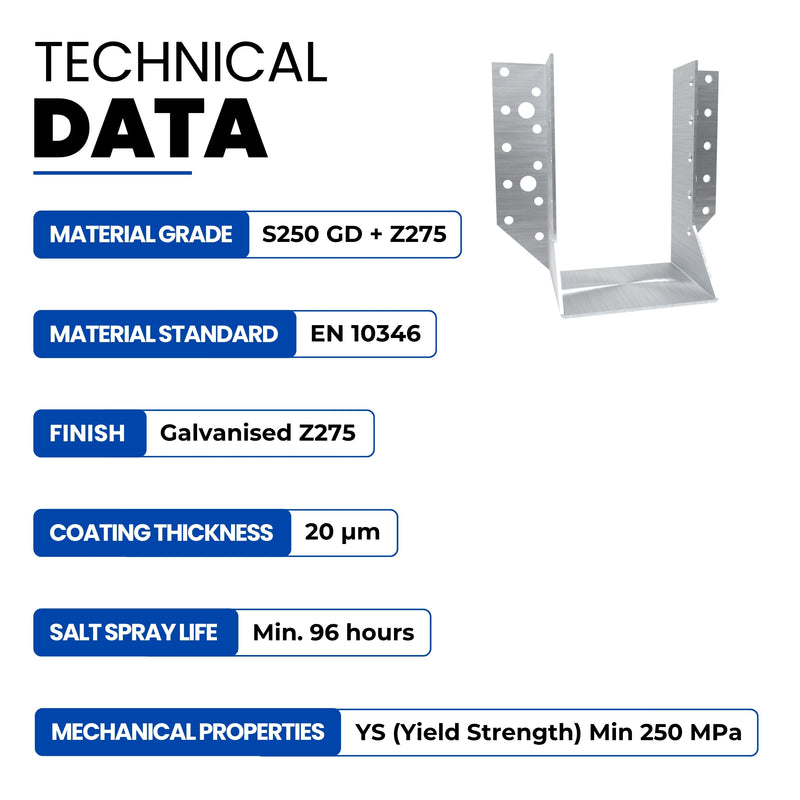
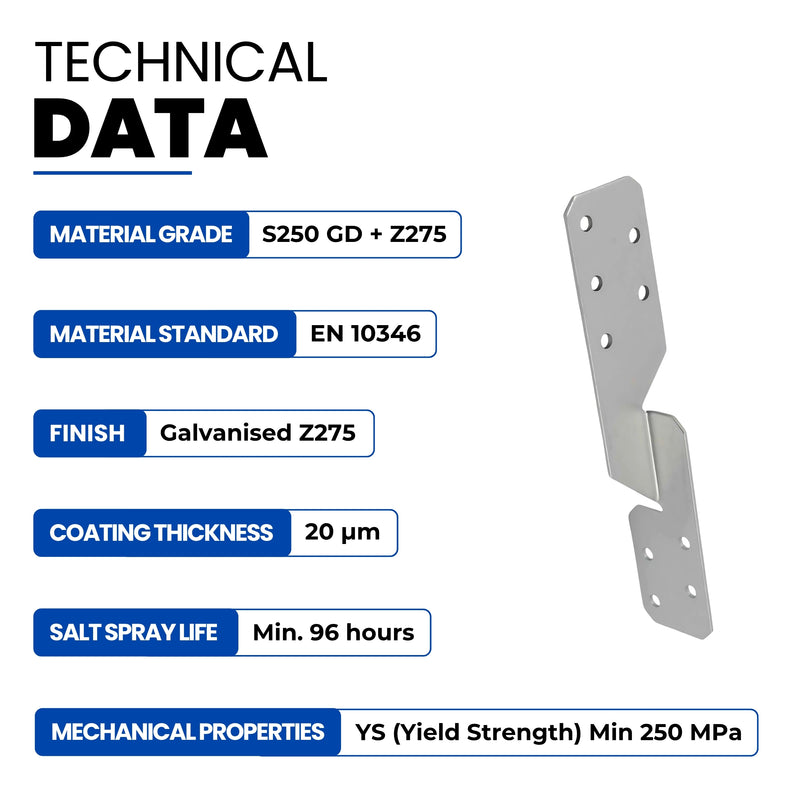
| Joist hanger beam shoe type A | Joists bearing on the outside of a beam | External flange clears the beam face | Sized to one beam width |
| Angle bracket | Stud-to-plate and corner joints | Fast to fix at 90° | Lighter gauges are not structural |
| Flat connector plate | Splices and reinforcement over joints | Perforated for many nail patterns | No stiffness on its own |
GeZu Impex stocks the connector types above for timber frame production in trade quantities.


Common mistakes timber frame builders make
- Under-filling the fixing holes. The connector is rated for a full fastener count; half-filled holes halve the joint.
- Mixing coatings. A hot-dip bracket fixed with bright zinc nails corrodes at the nails first.
- Fixing into splits and knots. Timber that splits at the joint loses the grip the fasteners were counted on for.
- Guessing connector sizes. A hanger a few millimetres too wide leaves the joist loose in the seat.
- Closing panels before inspection. A missing bracket is invisible behind plasterboard.
FAQ
What are wood connectors in timber framing?
Wood connectors are galvanised steel plates, hangers and brackets that join timber members into a structural frame — angle brackets at studs and plates, joist hangers at beams, and flat plates over splices.
What connector joins a joist to a beam?
A joist hanger or beam shoe. A beam shoe type A with an external flange lets the joist bear against the outside of the beam instead of cutting a notch into it.
Do angle brackets add structural strength to a frame?
Structural-gauge angle brackets resist uplift and racking at stud-to-plate and corner joints. Light shelving gauges are not rated for structural duty.
What is a perforated flat connector plate for?
It spreads load across a joint line — splicing two members over a cut or reinforcing a weak section. It carries load only through its fasteners.
Which fasteners fix wood connectors?
The structural nails or screws specified for the connector, driven into every hole. Substituting lighter fasteners or skipping holes lowers the joint below its rating.
Do wood connectors rust outdoors?
Standard galvanised connectors suit dry interior frames. Exposed external structures in 2026 take hot-dip galvanised connectors and matching fixings.
One last thing
Order connectors against the frame drawing's joint list, not by feel. Builders who hold one beam shoe, one angle bracket and one plate spec in stock close every panel of a 2026 build without a mid-week collection run — and GeZu Impex supplies the full galvanised connector range in trade quantities.