What is Galvanized Steel Pipe Used For (Shocking Reveal)

As galvanized steel tube is used in many industries, it’s no surprise that people often ask what galvanized steel pipe is used for. When you ask, you’re opening the door to more than you might expect.
You see it helping water flow through basements, adding strength to buildings and supporting bridges you cross every day. It may not grab your attention, but it’s always there, doing important work behind the scenes.
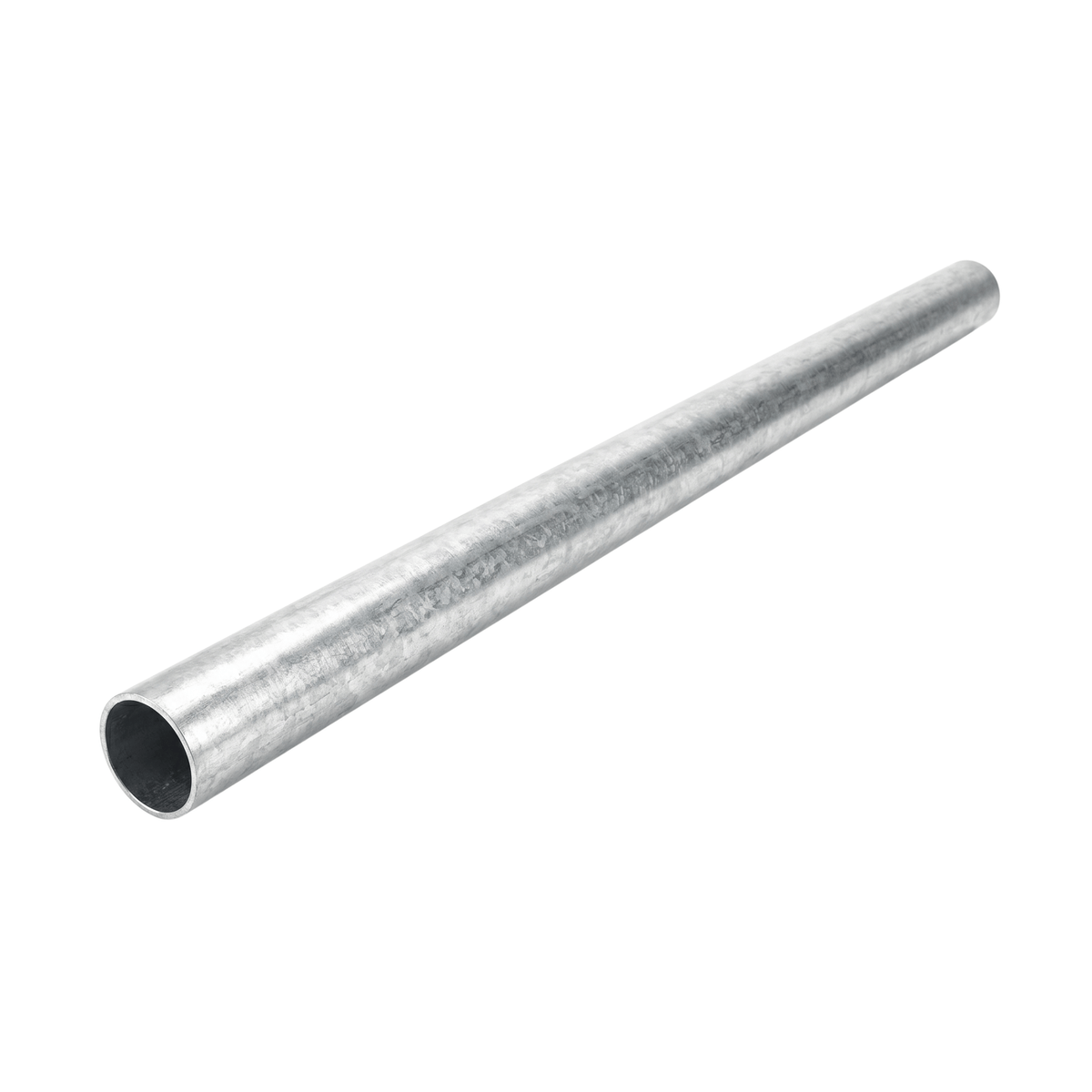
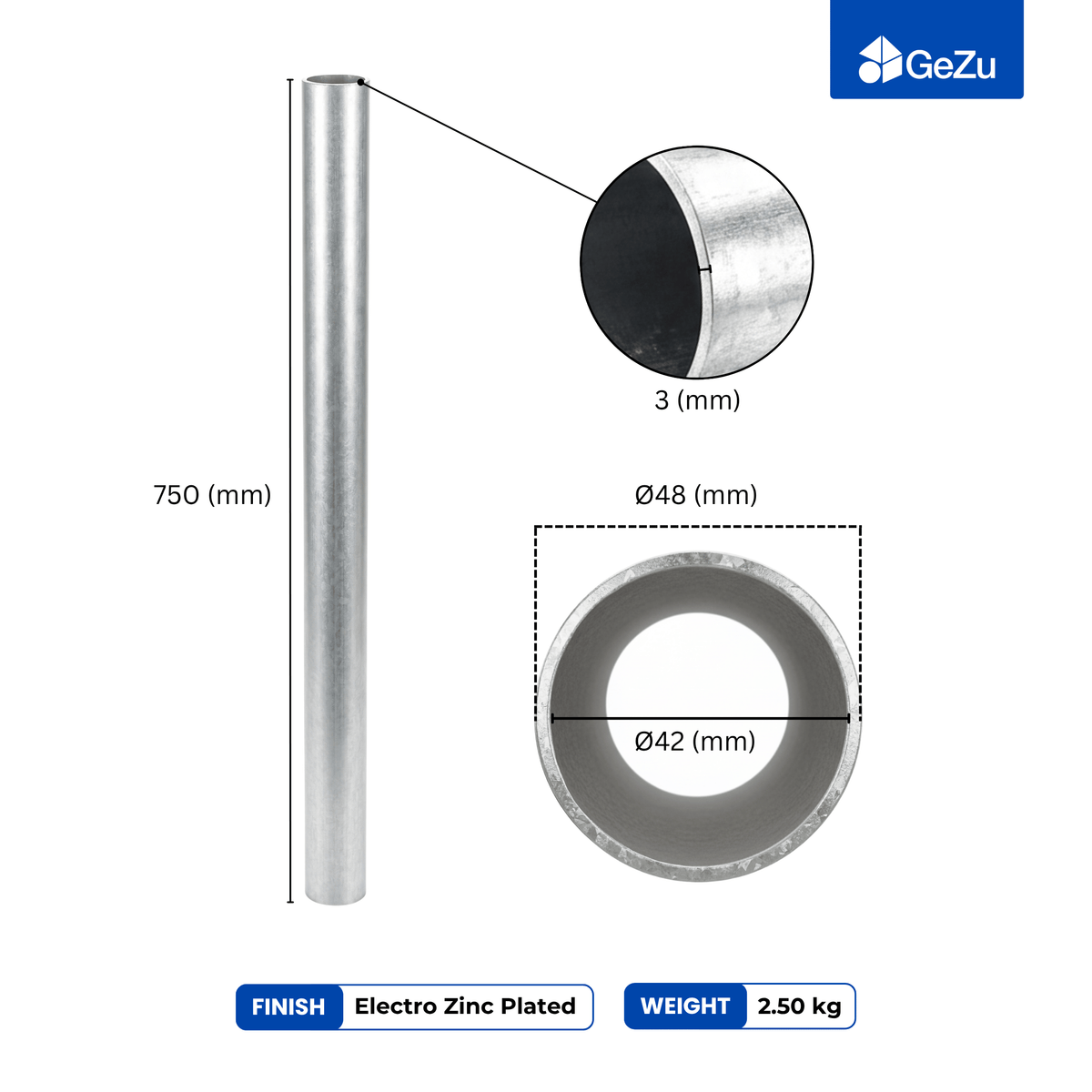
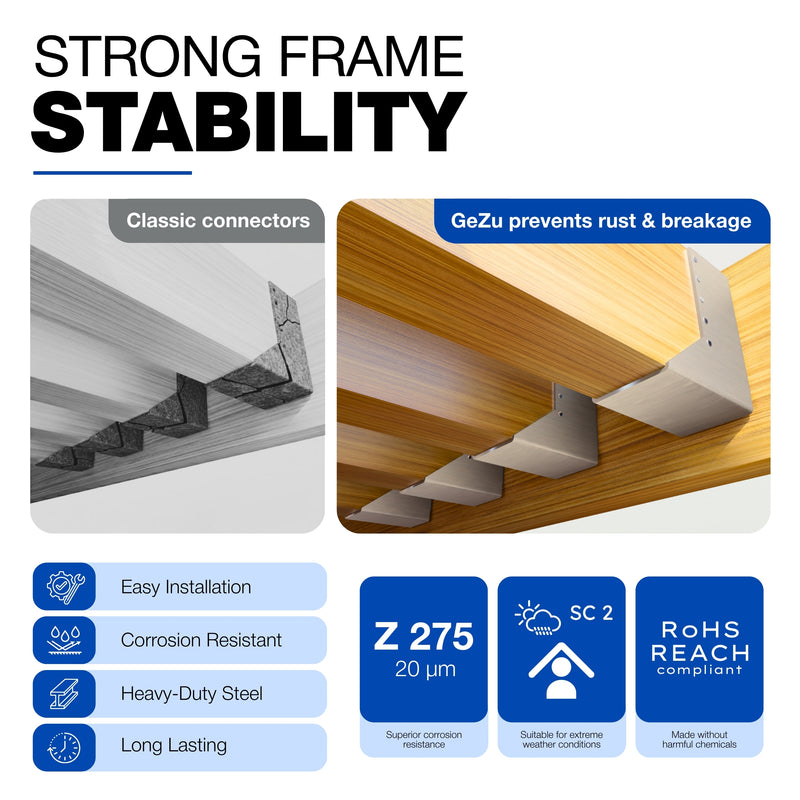
Galvanized steel pipe is a steel pipe that’s been coated with zinc to protect it from corrosion. This protective layer of zinc helps prevent rust and damage, especially when the pipe is used outdoors, which extends its lifespan.
Because of this durability, galvanized steel pipes are used in many industries and construction projects. Let’s take a look at where galvanized steel tubes are used!

Galvanized Steel Pipe Uses & Applications
What is galvanized steel pipe used for? The short answer: almost every industry. Let’s explore the details.
1. Construction & Structural Support
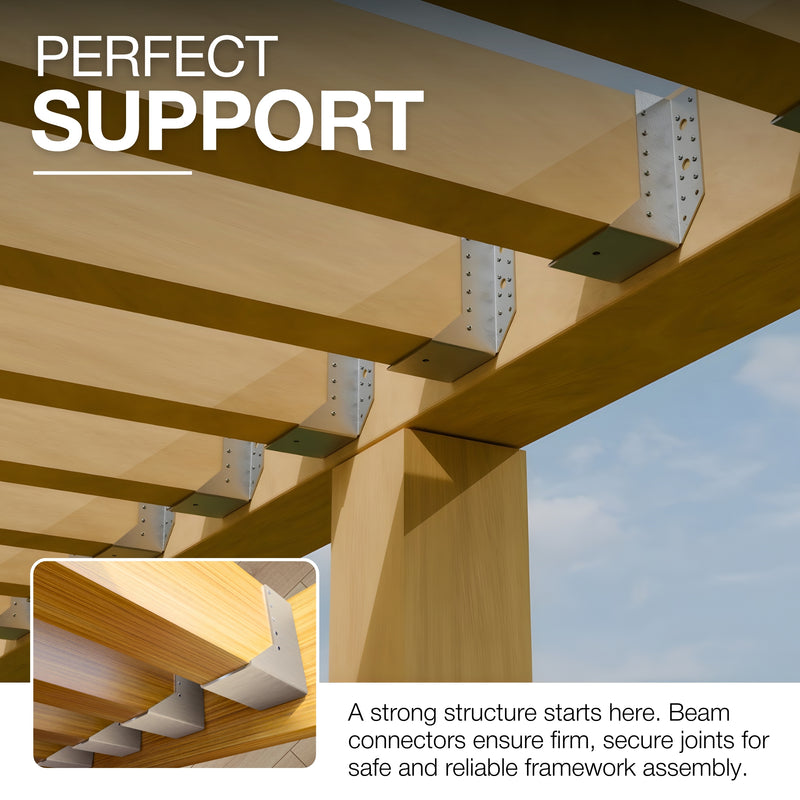
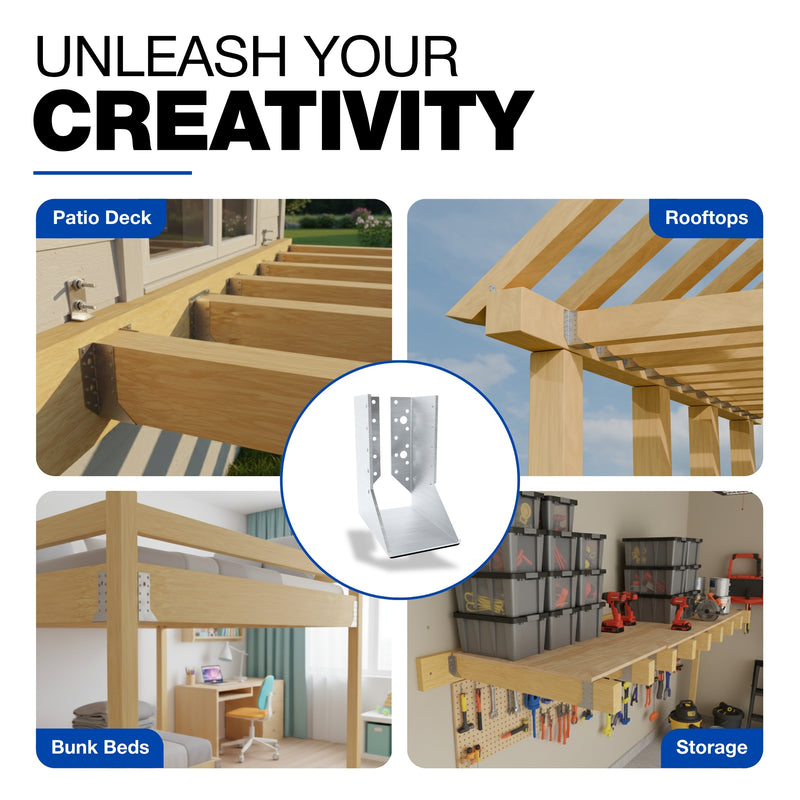
Construction industry comes first when you ask what galvanized steel pipe is used for. It’s widely used for structural projects like scaffolding, handrails, fencing and supports, due to its strength and rust-resistant coating.

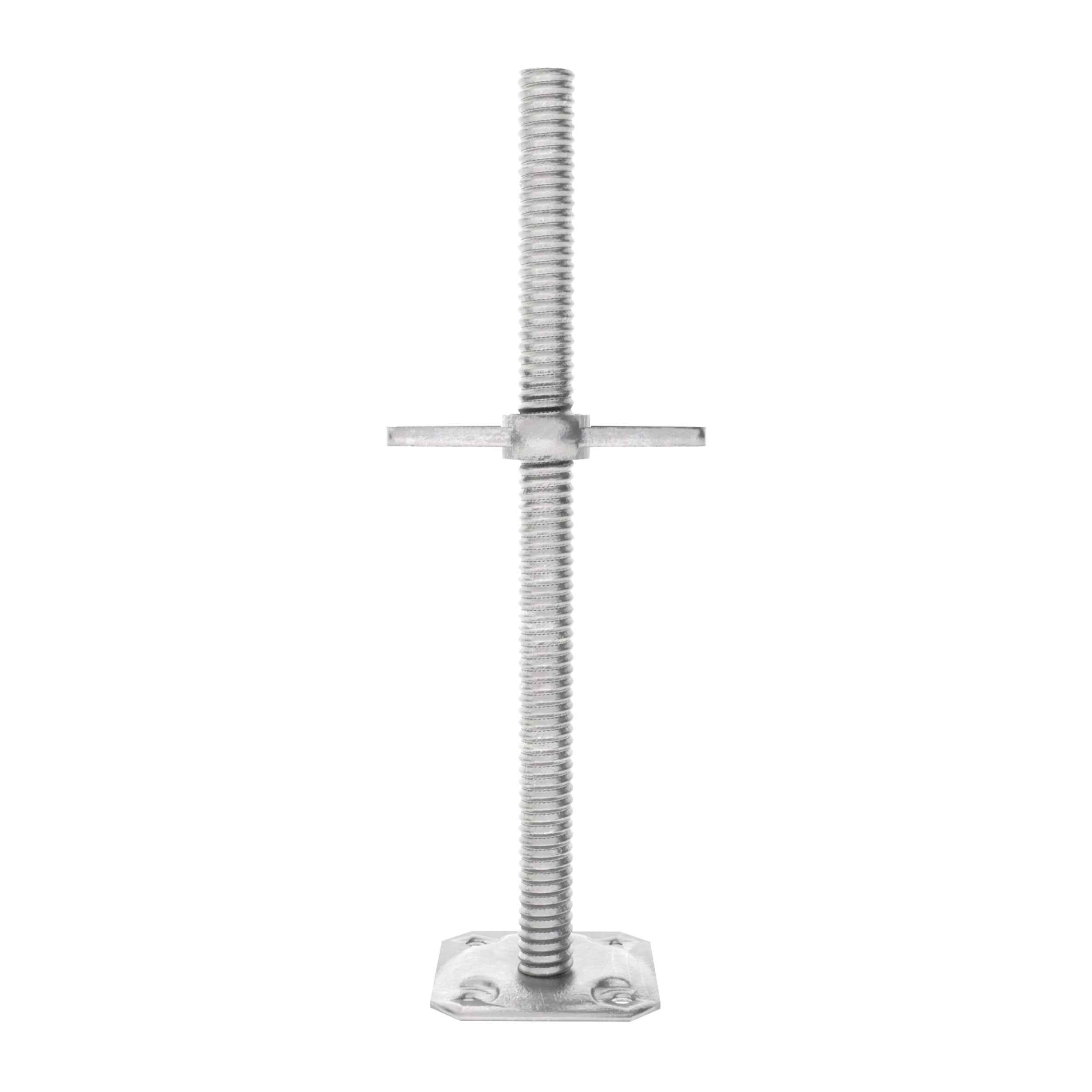
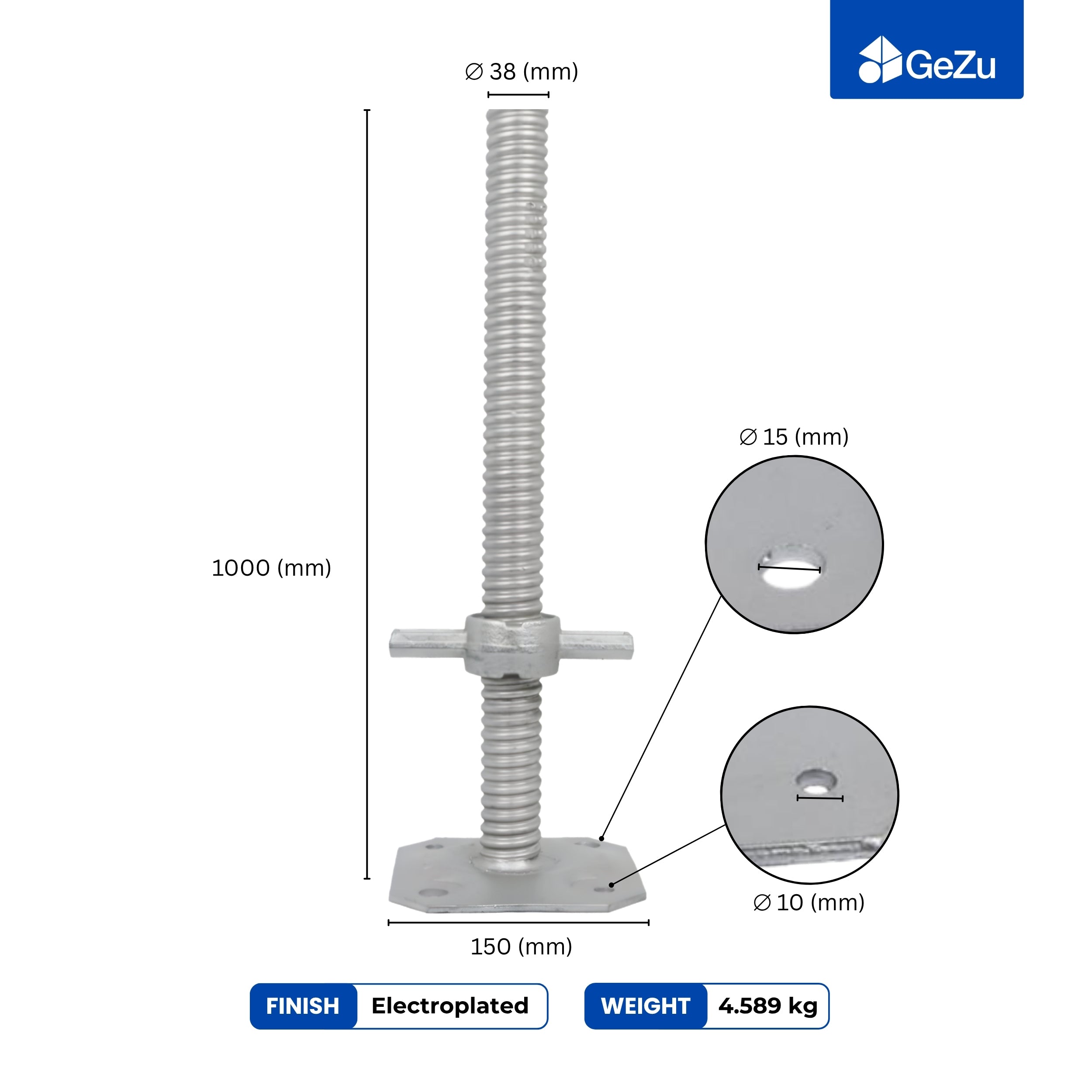
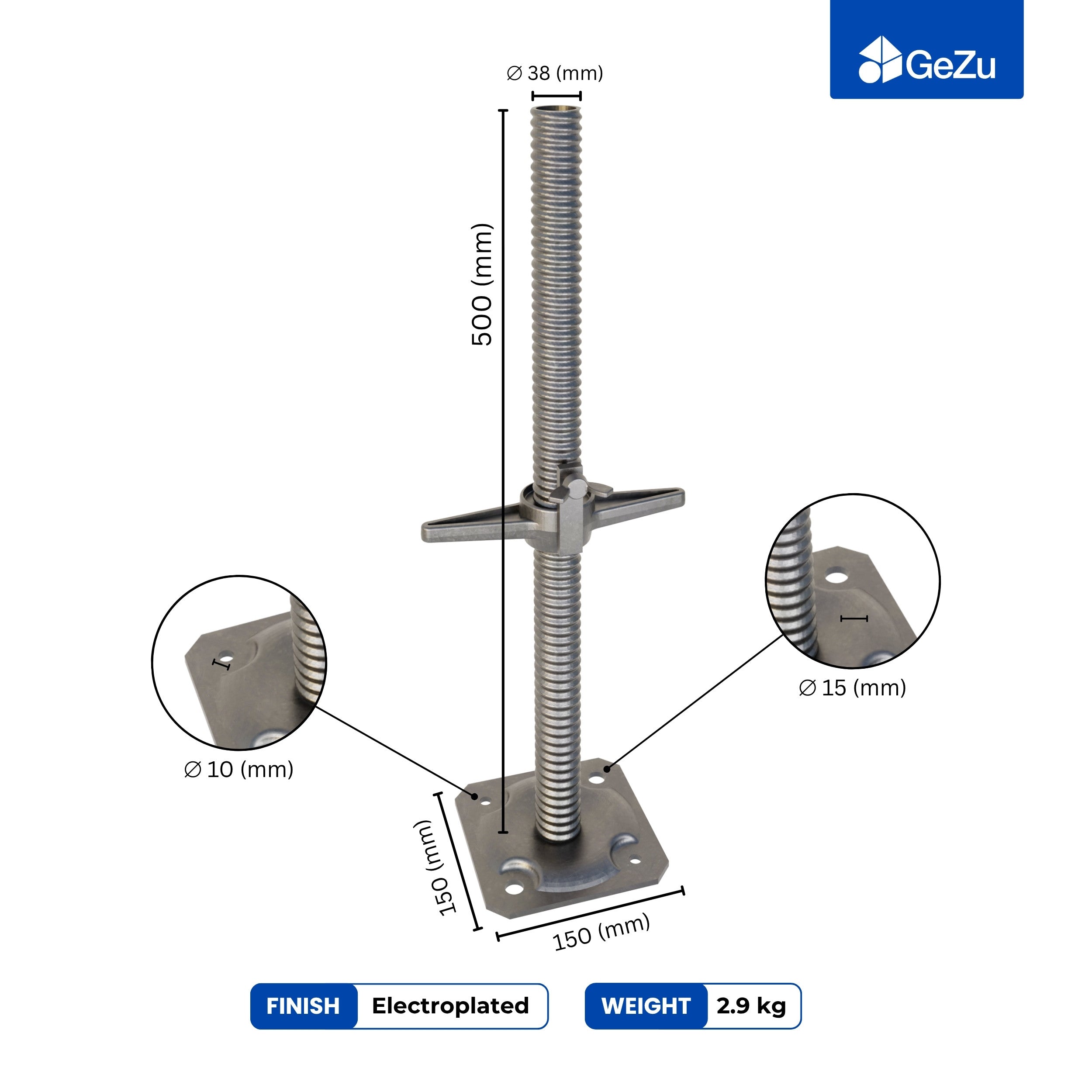
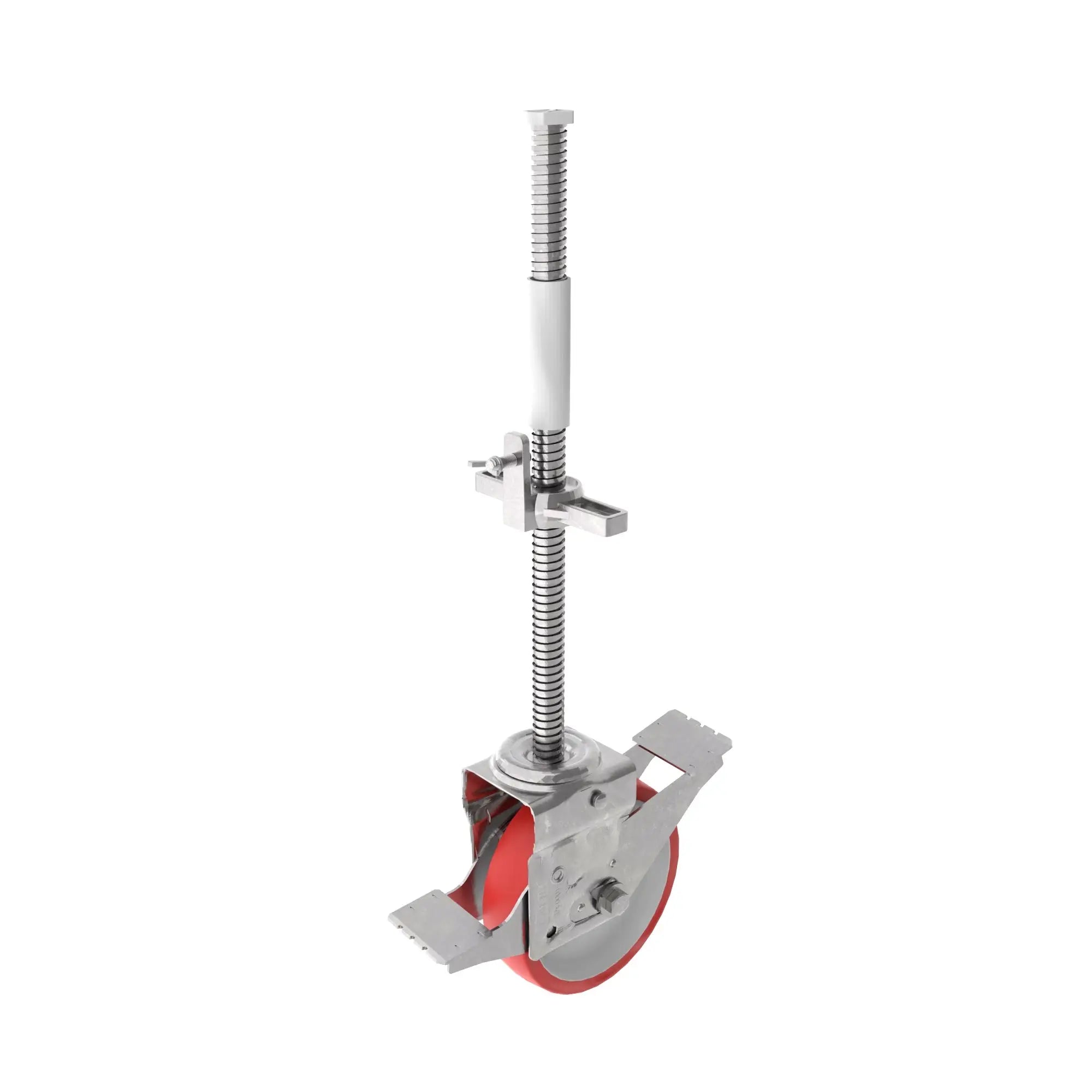
Scaffolding: Galvanized steel pipes are commonly used to build scaffolding on construction sites. They provide stable platforms for workers while resisting rust from weather exposure.
Steel Framing: Steel pipes form the structural skeleton of buildings. They support walls, roofs and floors, ensuring long-lasting stability.
Roof Support Frameworks: They are used to hold metal roofing sheets in place. Their corrosion resistance ensures roofs remain secure under heavy loads.
Columns and Beams: Used as vertical and horizontal supports in buildings, steel tubes carry structural loads and enhance overall stability.
Handrails and Guardrails: Galvanized pipes are frequently used in handrails, guardrails, balconies and walkways.
2. Oil, Gas and Energy Industry
The oil and gas industry works in extreme environments, including outdoor and underground locations. Galvanized steel pipe is mainly used for support and protection rather than high-pressure transport.

Low-Pressure Oil and Gas Pipelines: Steel pipes transport oil or gas over short distances at low pressure. The galvanized coating protects against corrosion caused by soil and weather.
Pipe Casings and Protective Covers: Galvanized pipes are placed around main pipelines to protect them from damage and environmental exposure.
Support Lines for Energy Equipment: They are used to support heavy energy equipment, keeping pipelines and machinery aligned and secure.
Outdoor Energy Infrastructure Frameworks: Used in energy stations and power facilities to build strong outdoor support structures.
3. Water Supply and Plumbing Systems (Important Update)
In the past, galvanized steel pipes were commonly used for the drinking water supply. This is no longer recommended today. There is a burning debate everywhere: Is galvanized steel pipe safe for drinking water? If it corrodes, then no; otherwise, you could use it.

When steel pipes corrode, they affect water quality, which is why their use is not recommended. Aside from that, galvanized steel pipes perform well for other applications. But older building systems still use it for the drinking water supply.
Modern plumbing systems codes now prefer PVC pipes for drinking water. Today, galvanized steel pipes are mostly used for non-drinking water purposes, such as industrial water systems, irrigation and cleaning or washing lines.
Water Supply Pipelines: Galvanized steel pipes carry water from main supply lines to buildings, especially in older systems.
Plumbing Risers in Buildings: These vertical pipes distribute water to different floors in residential and commercial buildings.
Municipal Water Distribution Lines: Used by cities to distribute water across neighborhoods due to their durability underground.
Underground Service Connections: They connect public water lines to individual properties and resist corrosion and rust from soil moisture.
Non-Potable Water Systems: Suitable for carrying water for cleaning, cooling, or industrial purposes.
4. Agriculture Industry
Farming involves constant exposure to water and outdoor weather. Steel pipes are used for irrigation systems, greenhouse frames, livestock enclosures and farm fencing. Galvanized steel tubes last longer outdoors and require less maintenance, which makes them a good choice for agricultural use.

Irrigation Pipelines: Galvanized steel pipes are perfect for delivering water to crops consistently, even when exposed to extreme outdoor conditions. Farmers can rely on them to keep their fields well-watered without worrying about rust or leaks.
Greenhouse Frames: Steel tubes provide strong support for greenhouse coverings, helping plants grow safely under controlled conditions. Their durability ensures the structures last through changing weather.
Livestock Enclosures: Galvanized pipes are used to build fencing for animals, keeping them safe while resisting wear and tear from outdoor exposure.
Farm Fencing: From marking property boundaries to protecting crops from wildlife, galvanized steel tubes are a reliable choice for durable fencing.
Equipment Sheds and Support Frames: They form the backbone of storage areas and machinery shelters, providing strength and stability where it’s needed most on the farm.
5. HVAC Industry
Besides, steel pipes are used in duct supports, ventilation frameworks, exhaust piping and mechanical mounts. They provide structural stability and corrosion protection in heating and cooling systems.

Duct Support Structures: Steel pipes keep ventilation ducts in place, ensuring stable airflow throughout homes or commercial buildings.
Exhaust Piping Supports: Galvanized steel pipes hold exhaust systems, preventing sagging or misalignment over time.
Mechanical Equipment Mounts: From HVAC units to compressors and fans, steel tubes provide reliable support for heavy equipment.
Electrical Conduits: Galvanized pipes protect electrical wires from moisture, impact and corrosion, keeping wiring safe and secure.
Cable Protection Pipes: They also shield communication and power cables in both indoor and outdoor environments, ensuring long-lasting performance.
6. Transportation Infrastructure (Roads and Bridges)
You can also see galvanized steel pipes in public areas. They are used for road guardrails, traffic signposts, bridge components and street-lighting poles. Because these structures stay outdoors all year, galvanized steel helps prevent rust and extends their service life.

Guardrails: Steel pipes are used to build guardrails that prevent vehicles from leaving the roadway, enhancing safety for drivers.
Traffic and Direction Signposts: Galvanized steel tubes support street signs and traffic signals, keeping them stable.
Street Light Poles: Steel pipes also hold streetlights in place, standing up to wind, rain and other outdoor elements.
Bridge Support Components: They reinforce bridge structures, adding strength and durability to critical infrastructure.
Drainage Support Structures: Galvanized pipes also help manage water flow on roads and bridges, preventing erosion and structural damage.
7. Fire Protection Systems
Galvanized steel pipes are used in fire sprinkler and fire suppression systems in buildings. They are strong enough to handle high water pressure and heat, helping ensure reliable water flow during emergencies.

Fire Sprinkler Pipelines: Galvanized pipes deliver water to sprinkler systems, ensuring fire safety in commercial and industrial buildings.
Fire Suppression Systems: They also support pipelines that distribute water or chemical agents, helping control fires efficiently.
8. Furniture and Fitness Equipment
Beyond large projects, galvanized steel pipe is also used in everyday products because it is strong. Heavy-duty steel pipes are used for furniture making, like beds, tables, chairs, storage racks and gym equipment frames.

Tables, Chairs and Beds: Galvanized steel pipes provide long-lasting support for home and office furniture, keeping it strong for years.
Storage Racks and Shelves: They hold heavy items securely in warehouses, garages, or storage rooms.
Gym and Fitness Equipment Frames: From weight machines to gym racks, galvanized tubes provide stability and durability for safe workouts.
9. Automotive Industry
In the automotive industry, steel pipes are used in vehicle structural components, exhaust supports, frames and protective tubing. They help resist corrosion caused by moisture, road salts and changing temperatures.
Vehicle Frames and Chassis Supports: Galvanized steel pipes are also used to strengthen car and truck frames. They provide the durability needed to keep vehicles safe on the road while resisting rust.
Exhaust System Supports: These pipes hold the exhaust systems securely under the vehicle. Their rust and corrosion resistance ensure the exhaust stays in place despite heat and moisture.
Protective Tubing for Components: Steel tubes protect sensitive engine and brake components from damage and wear. They offer an extra layer of durability that keeps vehicles running smoothly.
10. Sustainable and Temporary Structures
Last but not least, in sustainable construction, galvanized steel pipes are chosen because they are recyclable and long-lasting. They reduce the need for frequent replacement and maintenance, helping create environmentally friendly buildings.

Recyclable Building Frameworks: Galvanized pipes are ideal for eco-friendly construction, supporting modular and sustainable buildings.
Prefabricated or Modular Buildings: They provide strong, durable support for structures that are assembled quickly on-site.
Temporary Shelters and Event Structures: Whether it’s a pop-up shelter or a stage for an event, galvanized pipes offer reliable, long-term or short-term support.
Final Thoughts
So, what is galvanized steel pipe used for today? No surprise, it is used for structural, industrial, agricultural and outdoor applications where strength and corrosion resistance are important.
But it is no longer recommended for drinking water systems due to modern safety standards and better alternatives. Having said that, older building systems still use it for the drinking water supply.
You can use steel tubes almost everywhere: construction, plumbing, farming, factories, roads and even inside your home. Galvanized steel pipes are strong and resistant to rust due to a protective zinc coating. This makes them a smart choice for many real-world applications, as well as for DIY projects where safety and durability matter.