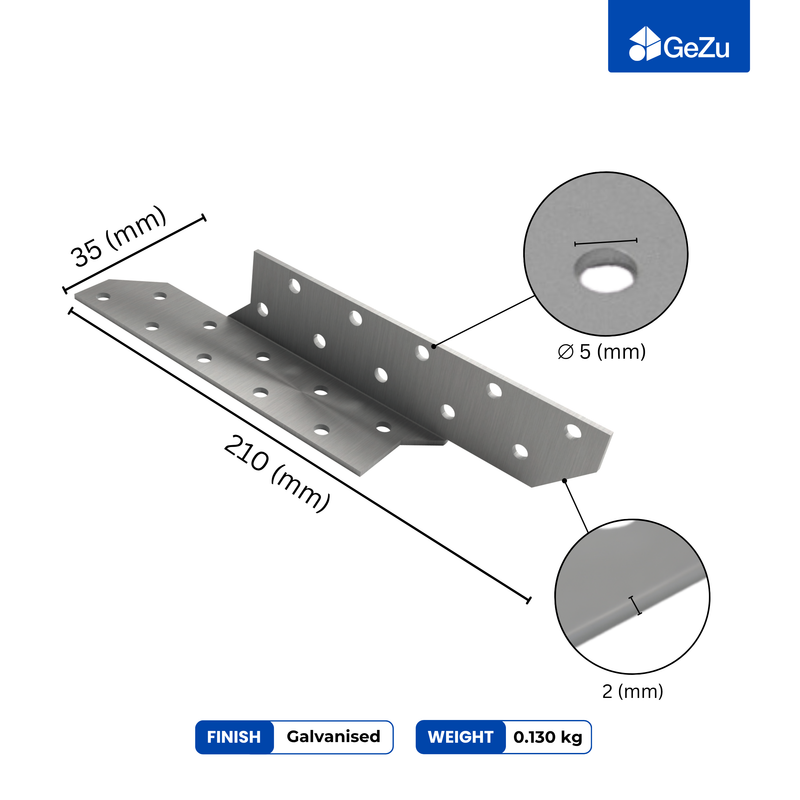
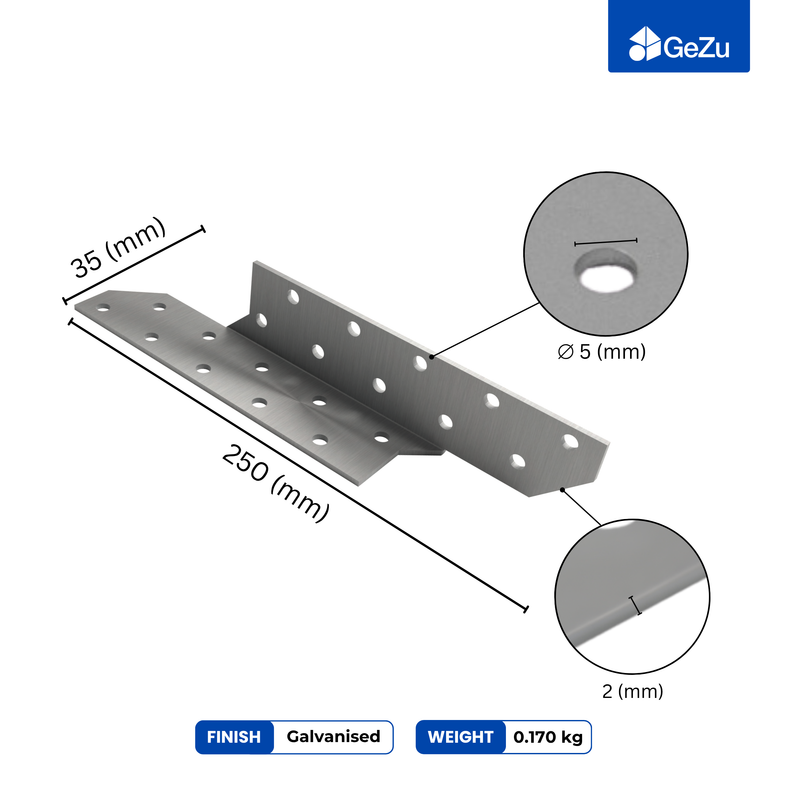
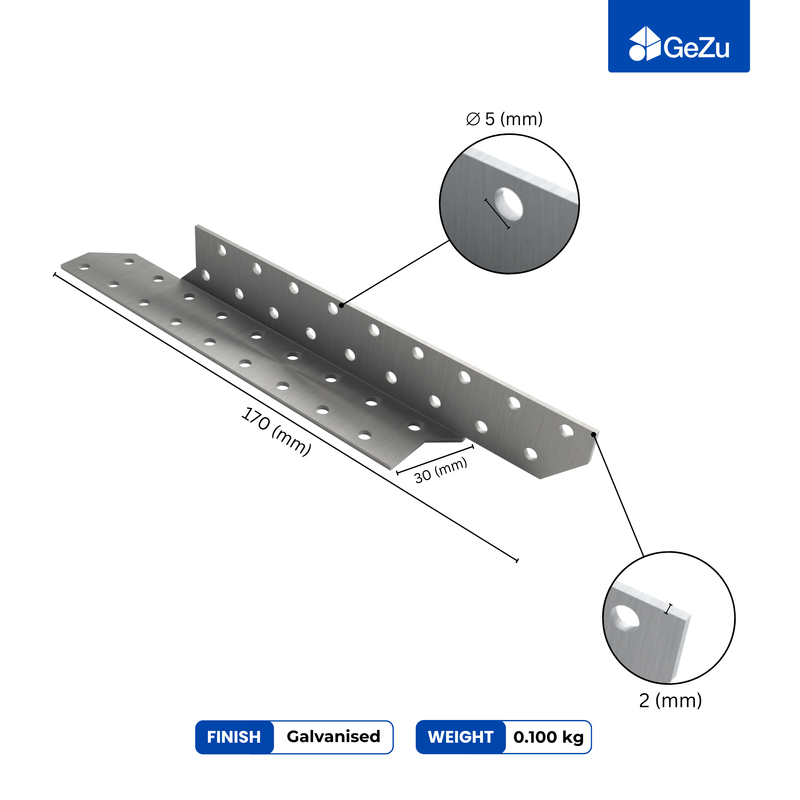
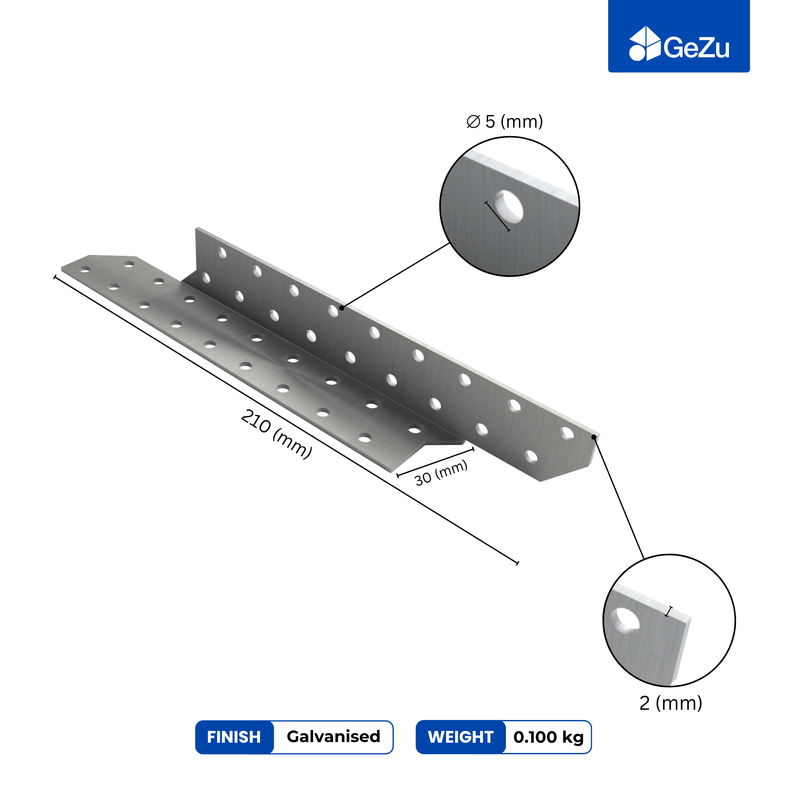
Is Galvanised Steel Worth It for Outdoor Pipe Fittings?

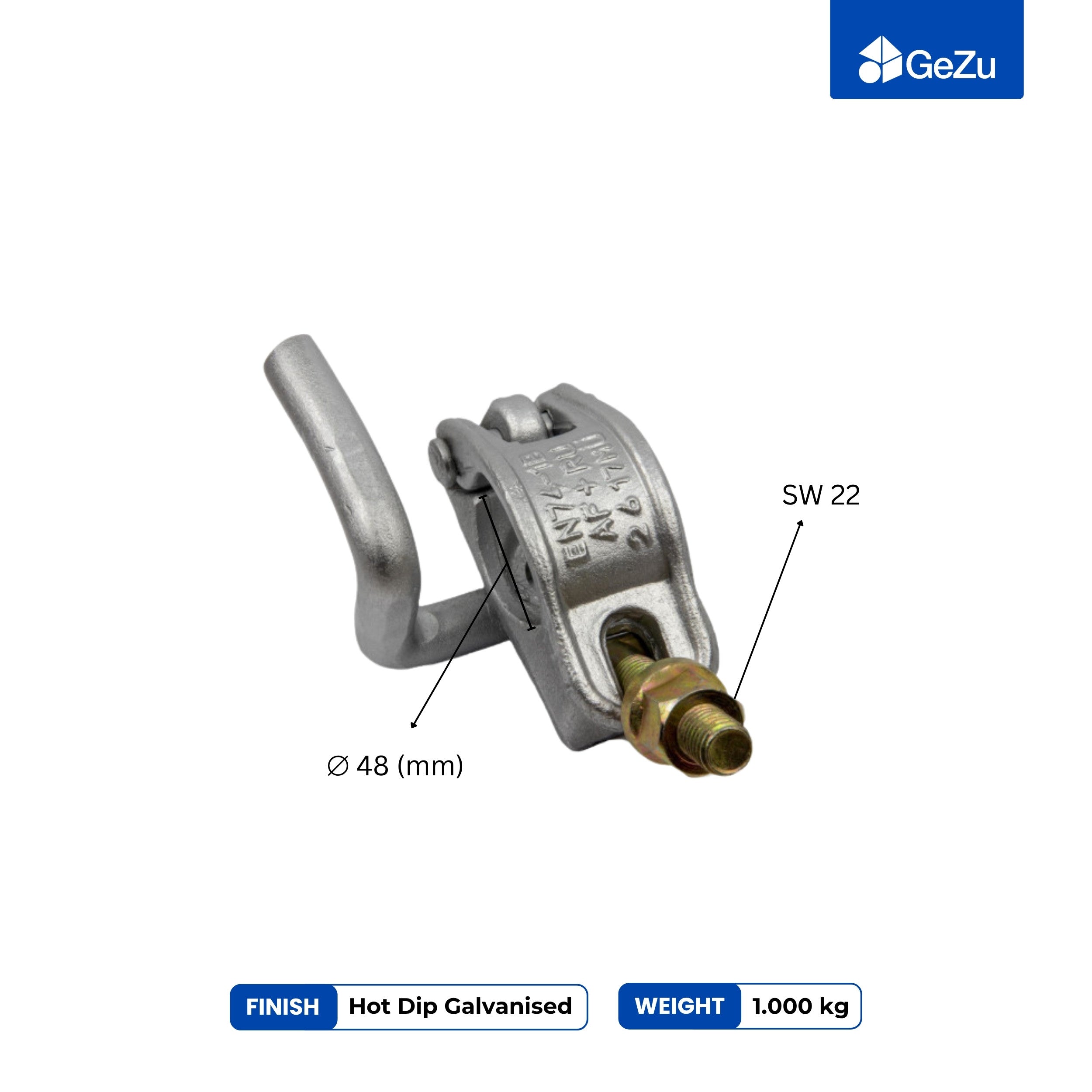
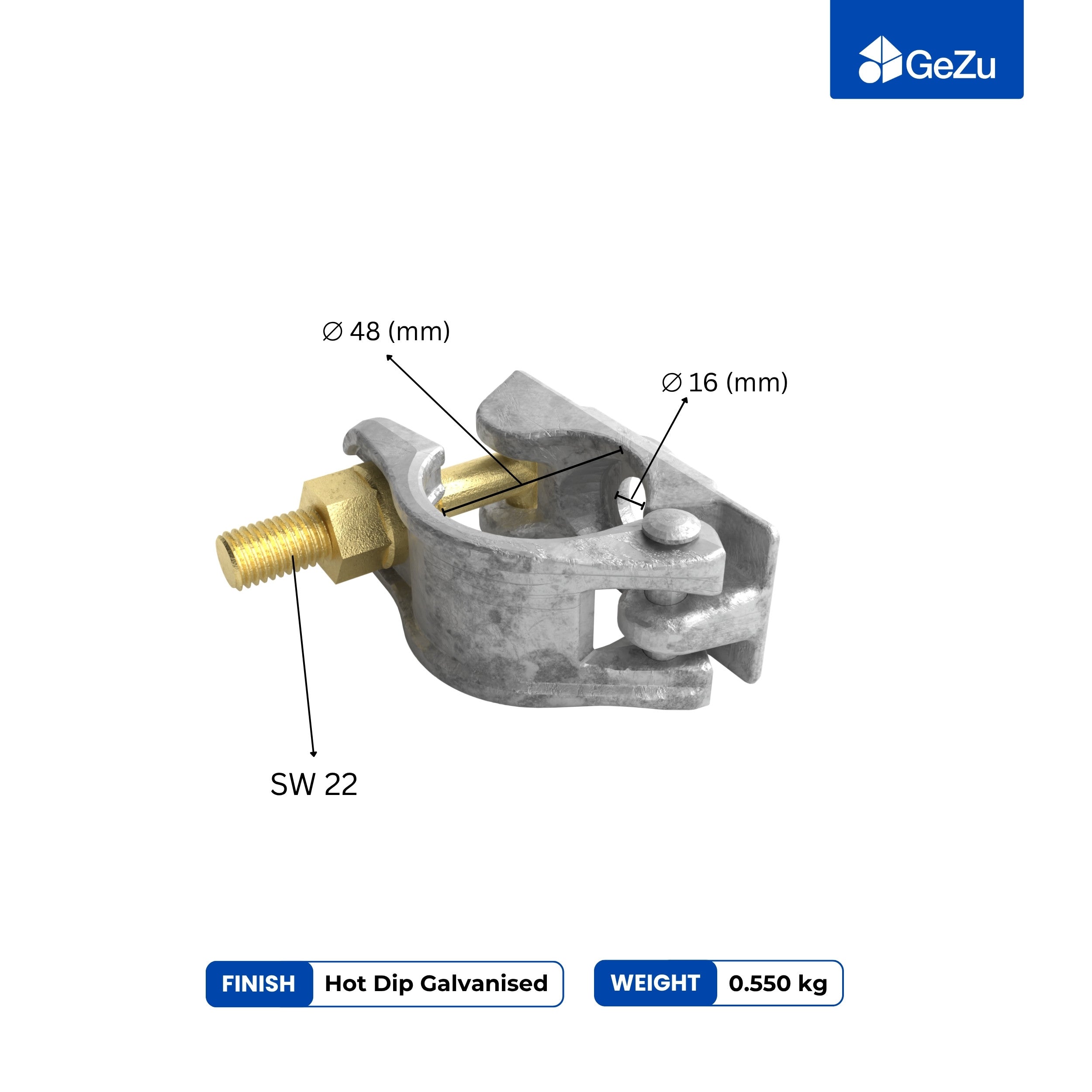
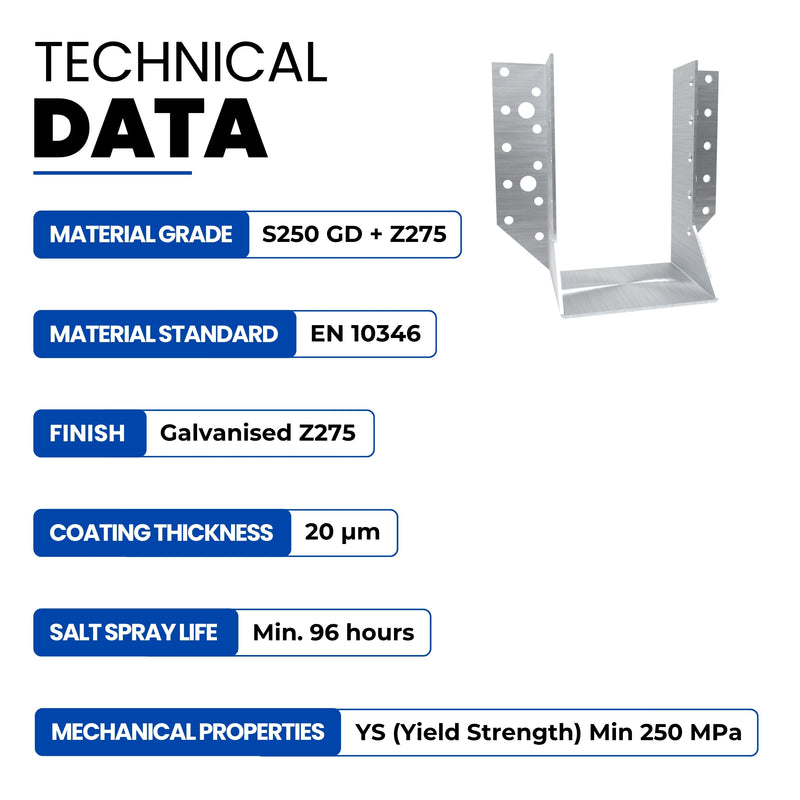
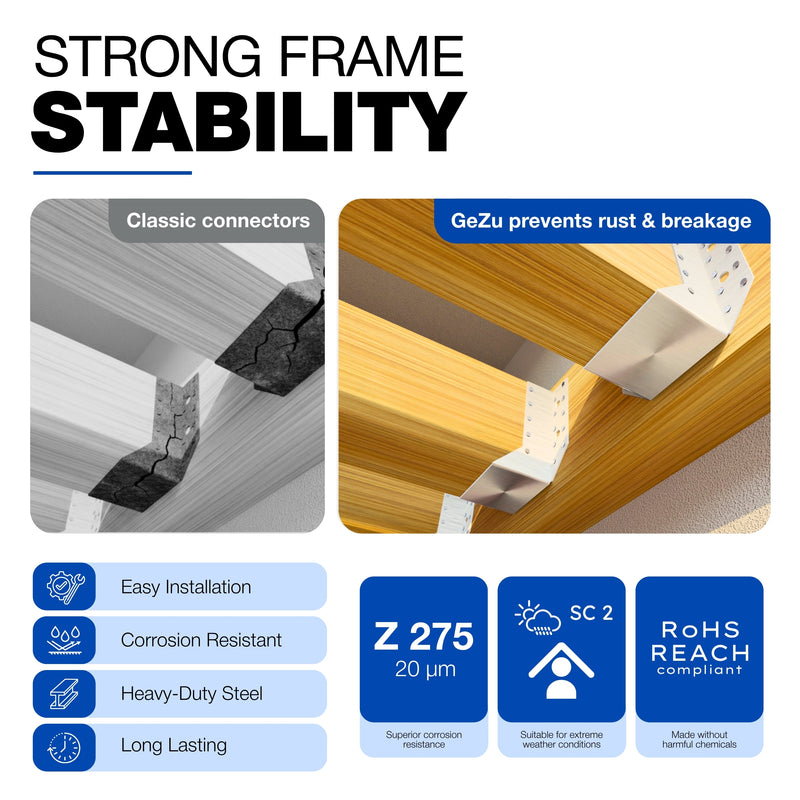
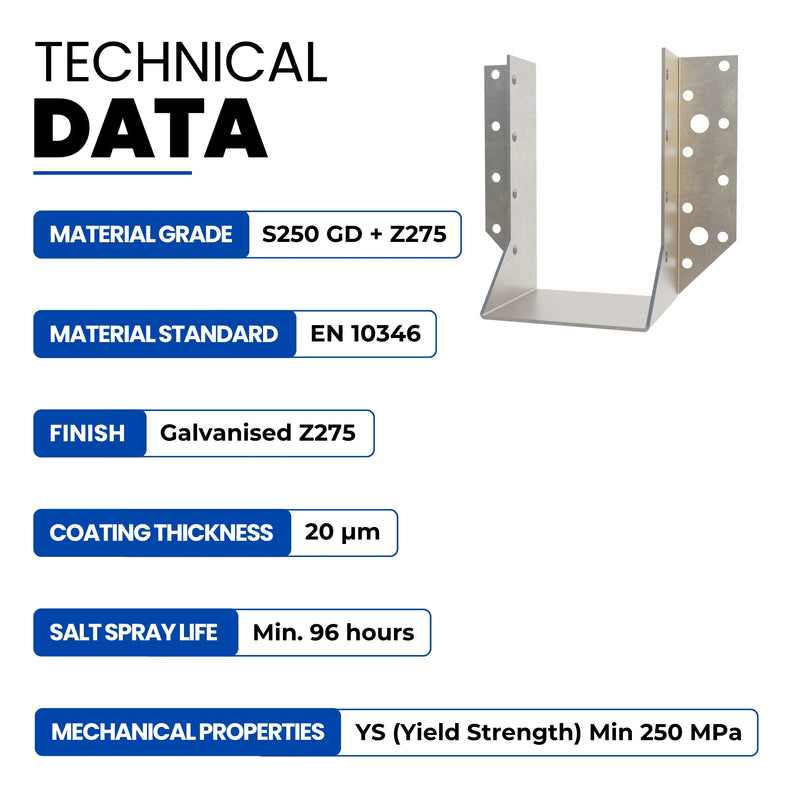
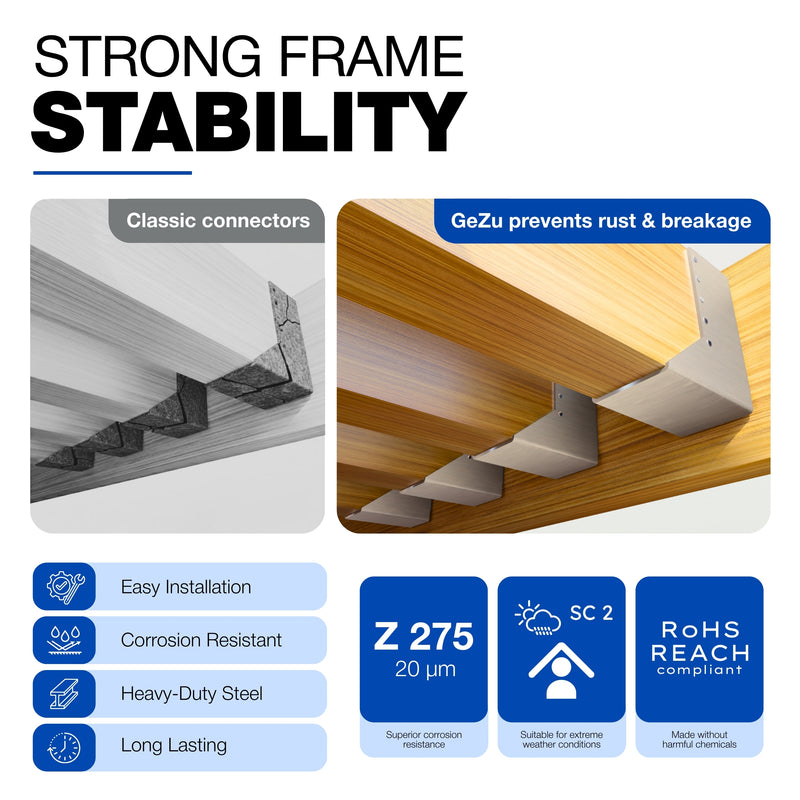
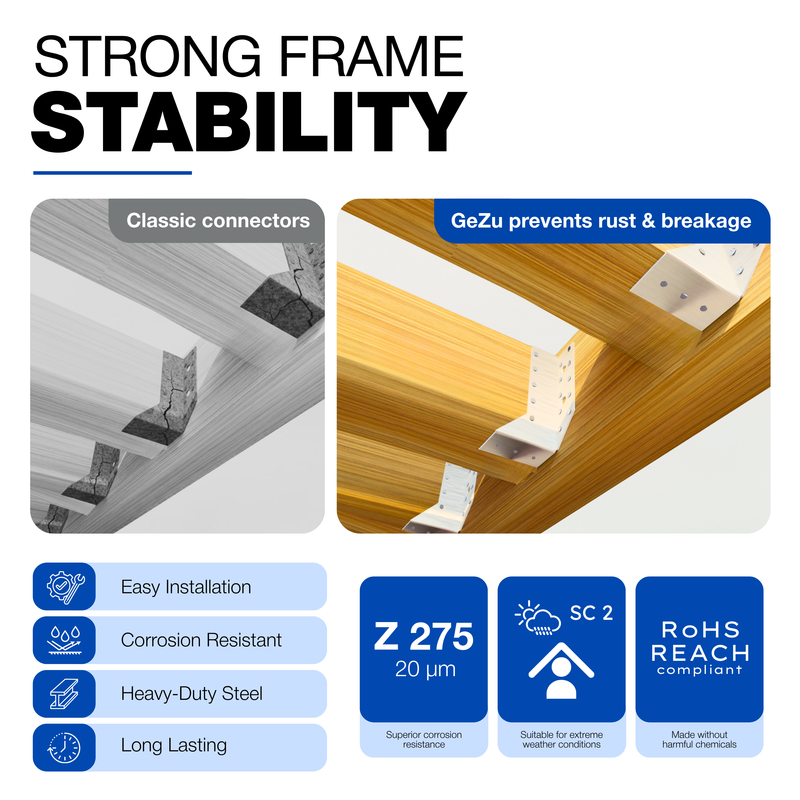
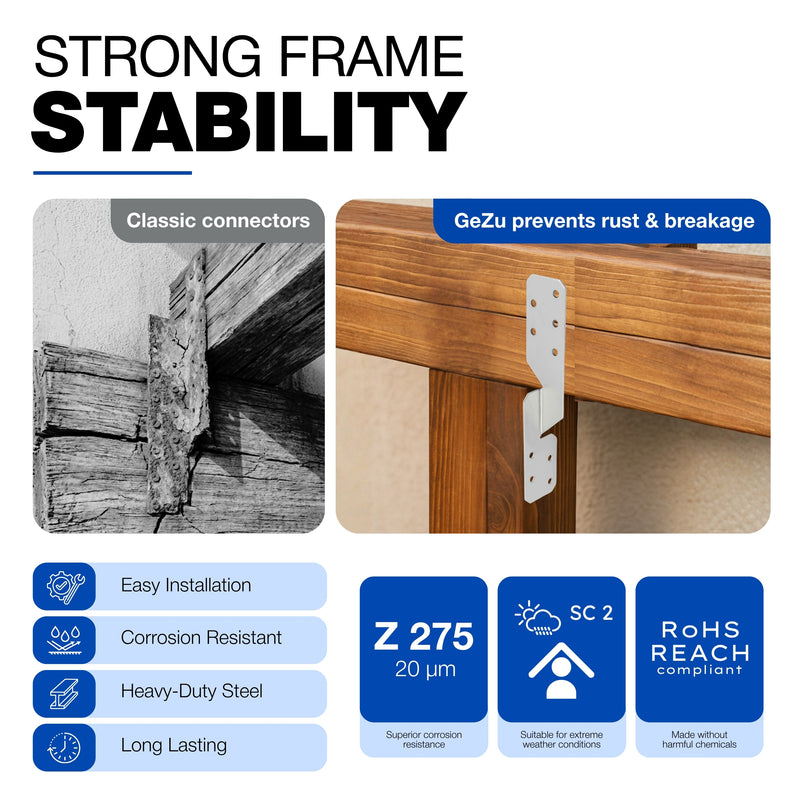
Yes — for anything that lives outside, hot-dip galvanised steel pays for itself within a couple of seasons. The thick zinc coating bonded into the steel surface rusts far more slowly than thin plating, so fittings that would spot-rust in a year or two stay sound for many years. The question in 2026 is not really whether galvanising is worth it, but which type of galvanising your fitting has, and where the extra cost stops making sense.
- Hot-dip galvanised fittings are worth the small premium for every outdoor build.
- The zinc layer is sacrificial — it protects the steel even where the coating is scratched.
- Electro (zinc) plating is thin: fine indoors, short-lived in rain.
- Galvanised steel needs no painting or maintenance to keep its protection.
- Cut edges and drilled holes self-protect as surrounding zinc corrodes first.
Why this matters
Outdoor hardware fails by rust, and rust starts at the thinnest point of the coating — usually around bolt holes and edges. Choosing the right finish at purchase is the difference between fittings that last the life of the project and fittings you replace in two seasons. It is the cheapest durability decision you will make on a fence, a carport or a garden frame.
What galvanising actually does
Galvanising coats steel in zinc, and zinc protects in two ways:
- Barrier. The coating seals the steel away from water and oxygen.
- Sacrificial protection. Zinc corrodes preferentially to steel. Scratch the coating down to bare metal and the surrounding zinc still protects the exposed spot — rust does not creep under the edge the way it does from paint.
That second property is why galvanised fittings tolerate the knocks of construction far better than painted ones: every scratch is still protected.
Hot-dip galvanised vs zinc-plated: the real difference
Both are "galvanised" in shops, but they are not the same thing:
| Hot-dip galvanised | Zinc-plated (electro-galvanised) | |
|---|---|---|
| How it is applied | Steel dipped in molten zinc | Thin zinc layer applied electrically |
| Coating thickness | Thick, visibly spangled and matte | Very thin, bright and smooth |
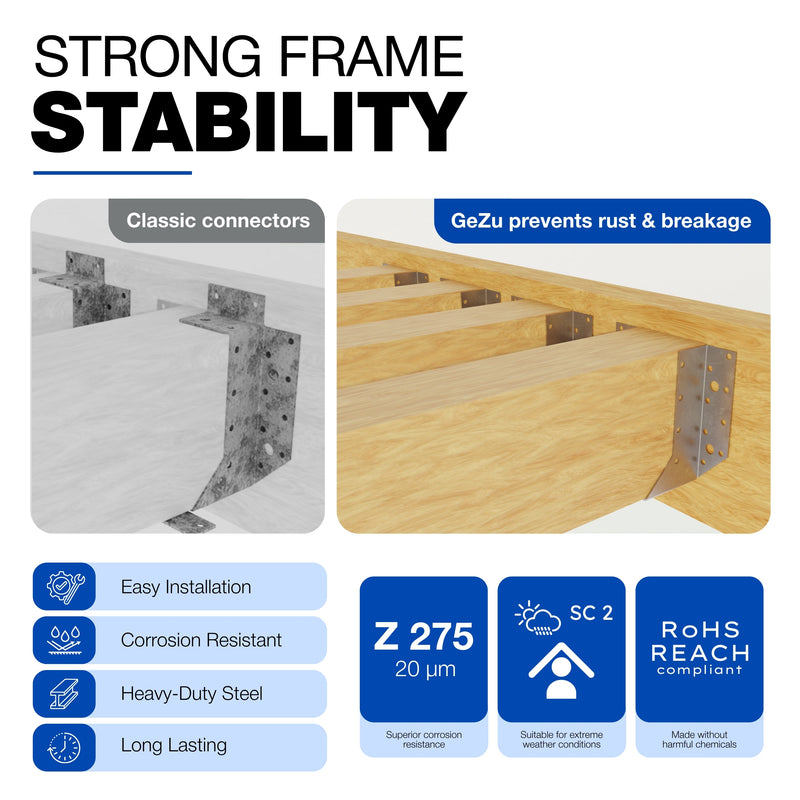
| Outdoor life | Many years, even coastal-adjacent | 1–3 seasons in rain before spotting |
| Best use | Fences, post supports, garden structures, pipe frames | Indoor fixtures, dry workshops |
| Cost | Slightly higher | Lowest |
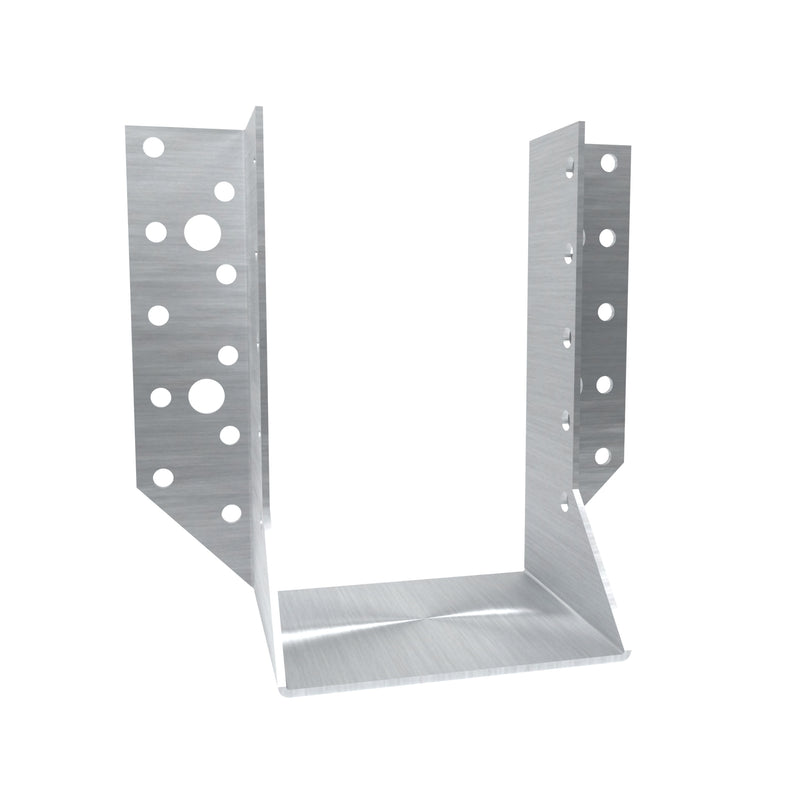
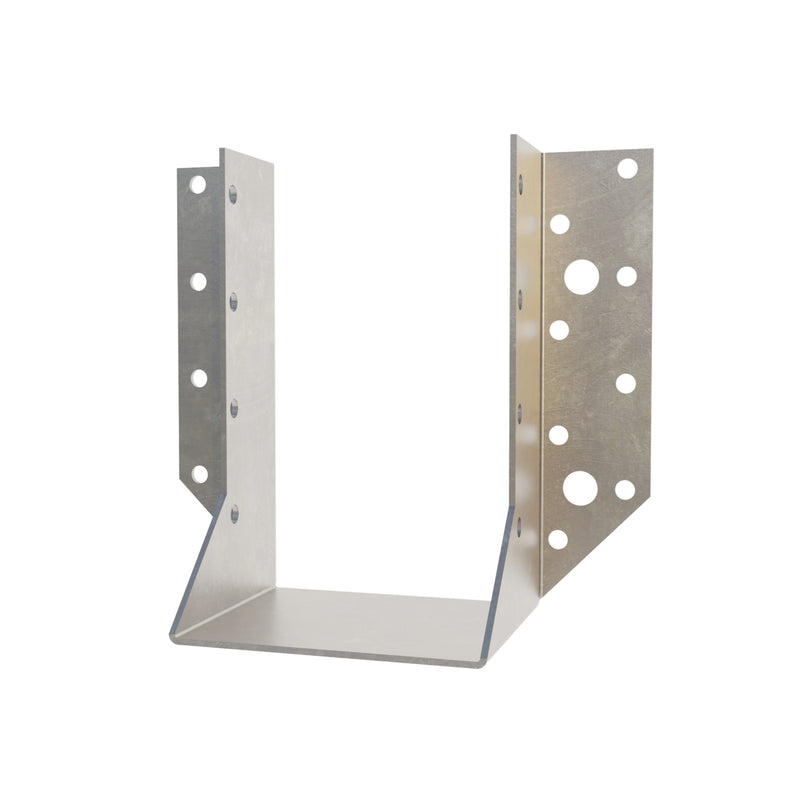
How to tell them apart. Hot-dip coating looks dull grey with a crystalline "spangle" pattern and slightly uneven edges; zinc plating looks uniformly shiny, almost chrome-like. If a fitting sold for outdoor use looks bright and mirror-smooth, check the specification before trusting it outside.


Where galvanised steel earns its keep
The harsher the environment, the faster the premium pays back:
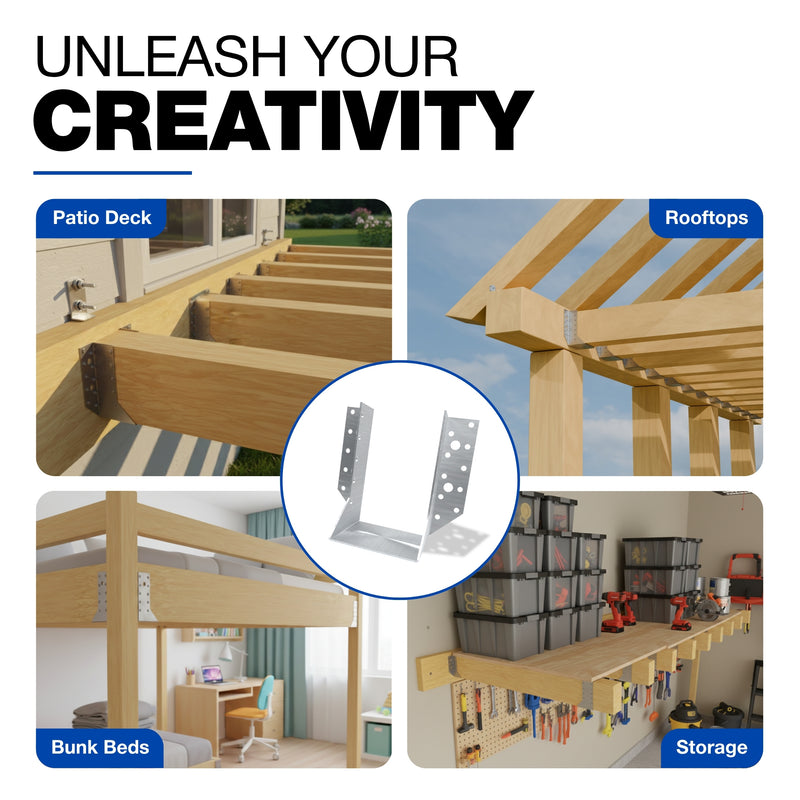
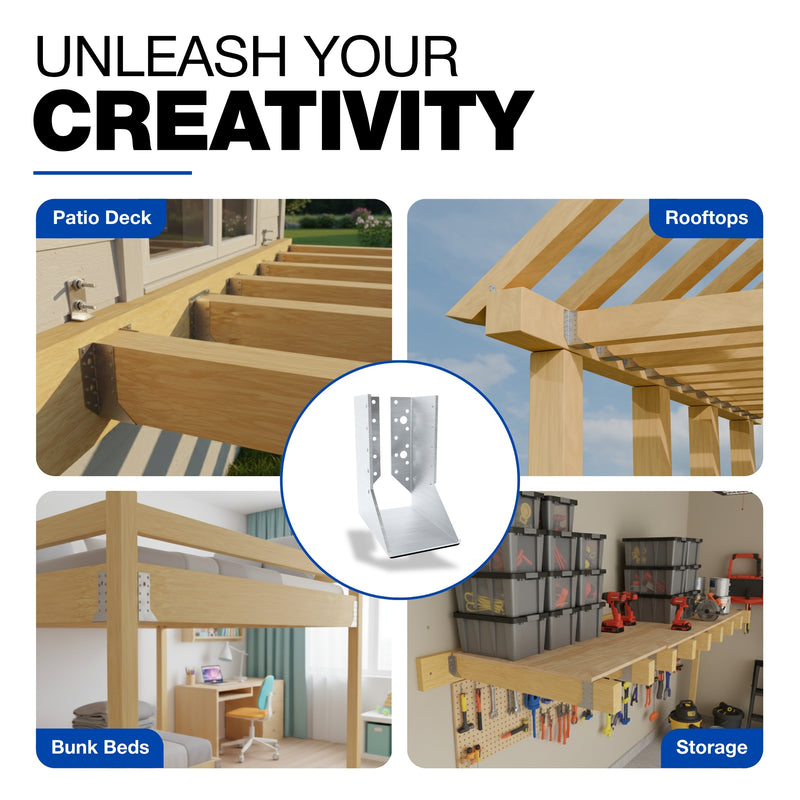
- Ground contact. Post spikes and post supports sit in permanently damp soil — the single most corrosive spot in any garden build. Never spec plated hardware here.
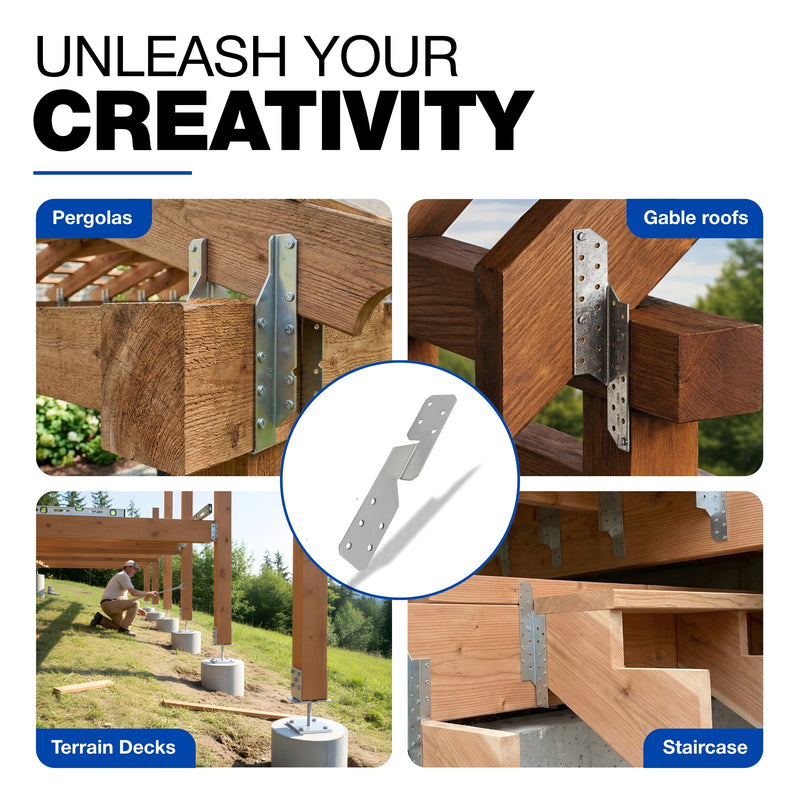
- Rain-exposed frames. Carports, handrails, greenhouse frames and gate posts get wet daily; hot-dip coatings handle decades of it.
- Cut and drilled edges. Every modification you make to a galvanised fitting self-protects, because surrounding zinc sacrifices itself for the exposed steel.
- No maintenance. Unlike painted steel, galvanised fittings need no touch-up coats. Clean them occasionally and they are done.
When plating is the right choice
Zinc-plated fittings are not a trap — they are the right part for the right place:
- Indoor builds. Workbenches, shelving, garage frames and anything away from condensation do not need the thicker coating.
- Painted-over projects. If you will prime and paint the fitting anyway, plating gives a smooth base.
- Budget-critical interior work. Where the fitting will never see moisture, the outdoor premium buys nothing.
The mistake to avoid is not choosing plating — it is choosing it by accident for an outdoor job because both types appear under the same "galvanised" label.
Is galvanized steel worth it outdoors?
For outdoor pipe fittings and post hardware in 2026, yes, and the arithmetic is simple. A galvanised fitting typically costs a fraction more than its plated twin, and one replacement cycle — removal, re-purchase, re-fitting — costs more time and money than the upgrade did on every fitting in the project. The only place the answer flips is fully sheltered indoor use, where the coating difference never gets tested.
How long does galvanising last outside?
It depends on the coating thickness and the exposure, and honest ranges look like this:
- Hot-dip galvanised fittings in normal garden exposure: commonly decades before structural rust becomes a concern.
- Hot-dip in coastal or heavily polluted air: noticeably shorter, but still far ahead of plating.
- Zinc-plated fittings outdoors: expect spotting within the first couple of seasons, with bolt holes first.
Treat any exact "X years" promise with caution — coating thickness, drainage and local air chemistry all move the number.
FAQ
Is galvanised steel worth the extra cost for outdoor use?
Yes. The small price premium buys many times the service life in rain or ground contact, and one avoided replacement usually covers the difference across a whole project.
What is the difference between hot-dip galvanised and zinc-plated?
Hot-dip fittings are dipped in molten zinc for a thick bonded coating; plated fittings get a thin electrical coating. Hot-dip is for outdoors, plating for indoor use.
Does galvanised steel rust?
Eventually, yes — but slowly. The zinc corrodes first and sacrifices itself for the steel, so even scratched areas stay protected for years.
Can I use zinc-plated fittings outside if I paint them?
You can, and paint extends their life, but any chip or scratch exposes thin plating that rusts quickly. Hot-dip galvanised fittings are the safer outdoor choice.
How do I know if a fitting is hot-dip galvanised?
Look for a dull grey matte finish with a crystalline spangle pattern. Bright, mirror-smooth fittings are usually thin zinc plating — check the spec sheet.
Do I need to paint over galvanised steel?
No. The coating is the protection and needs no maintenance. Paint only if you want a specific colour, using a primer suitable for zinc surfaces.
One last thing
When a project mixes fittings from different suppliers, finish-match them: one hot-dip fitting bolted to a plated one fails at the plated part, and the weak link sets the life of the whole joint.