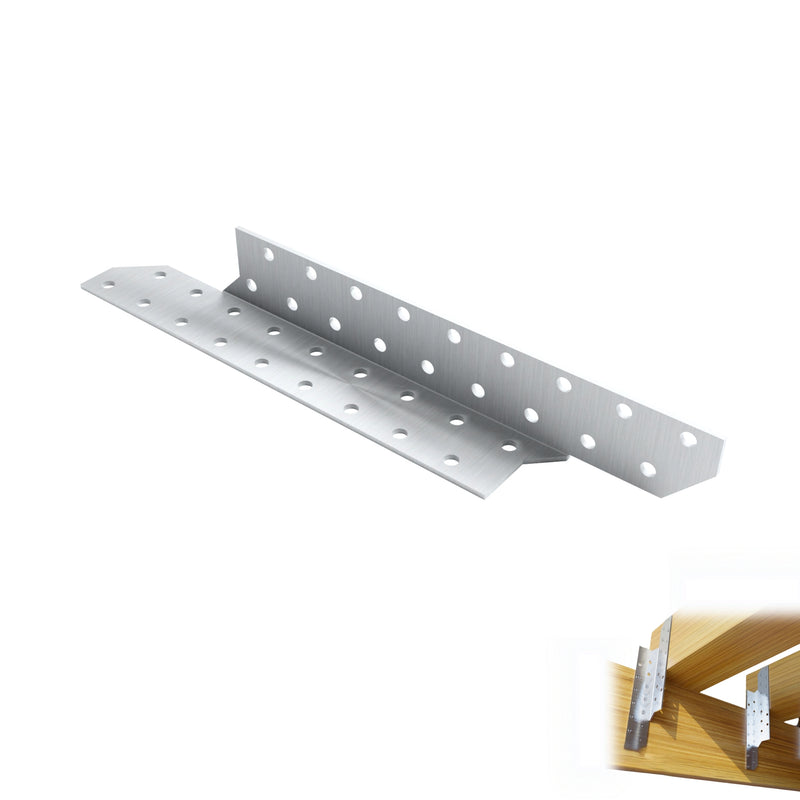
Angle Bracket Types & Sizes (Your Must-Read Guide)

Angle brackets are one of the most widely used yet least understood components in building projects. If you’ve ever assembled furniture, installed shelves or worked on a construction project, chances are you’ve already used an angle bracket, even if you didn’t know the name for it.
Angle brackets might seem like simple pieces of metal, but they play a vital role in strengthening joints, supporting weight and improving structural stability in heavy-duty construction projects.
But these corner brackets come in different sizes and materials, making it important to understand which type is best suited for your specific application. You can avoid common problems, such as sagging corners or loosening joints over time, by selecting the right metal angle bracket.
In this guide, you’ll learn what angle brackets are, the types available, how to choose the right one, proper installation tips and their most practical uses in construction. Whether you’re a homeowner, carpenter, or contractor, this guide will definitely help you.
Let’s get into it!
What are Angle Brackets?
Angle brackets are L-shaped metal brackets that connect two surfaces at a 90-degree angle. In construction, these brackets reinforce joints between framing elements, including wall studs, floor joists, ceiling rafters, support beams and structural posts. They also help secure corners and repair weak joints.
Because of their shape, angle brackets are often called:
-
Corner brackets
-
L brackets
-
Right-angle brackets
-
90 degree angle brackets

L brackets are installed at corners to strengthen joints, prevent movement, improve structural stability and increase load capacity. Right-angle brackets are carefully designed to provide strength and stability.
Their main features include:
-
Legs: The two legs of the bracket that meet at a 90-degree angle
-
Holes: Pre-drilled for fasteners; the number and size vary by bracket size
-
Gauge/Thickness: Determines load-bearing capacity; thicker brackets support heavier weights
Let’s discuss each feature in detail.
Key Features of Angle Brackets
Angle brackets have the following key features:
1. L-Shaped (90-Degree) Design
The fundamental design consists of two flat metal legs, joined at a fixed angle. L-shaped design of a corner bracket creates a precise 90° angle, helping keep corners properly aligned and preventing twisting in wooden joints.
Besides, the right-angle design sits neatly against the wood structures and ensures a strong connection between two perpendicular surfaces. The right-angle shape is ideal for connecting corners, frames and edges.
2. Multiple Pre-Drilled Holes
Each L bracket comes with multiple pre-drilled holes that:
-
Make installation easier
-
Allow secure fastening
-
Help distribute the load evenly
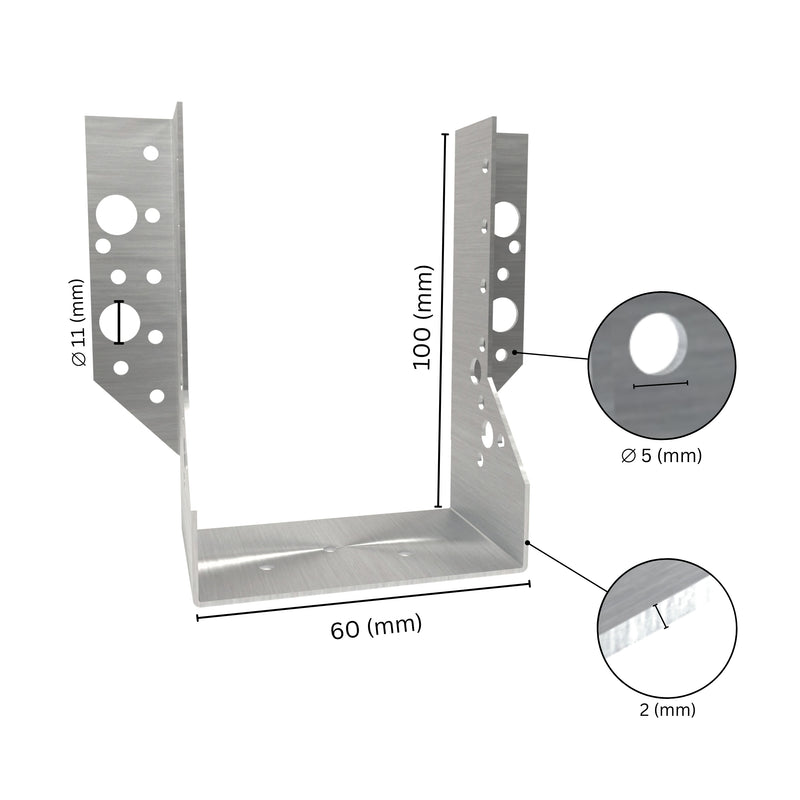
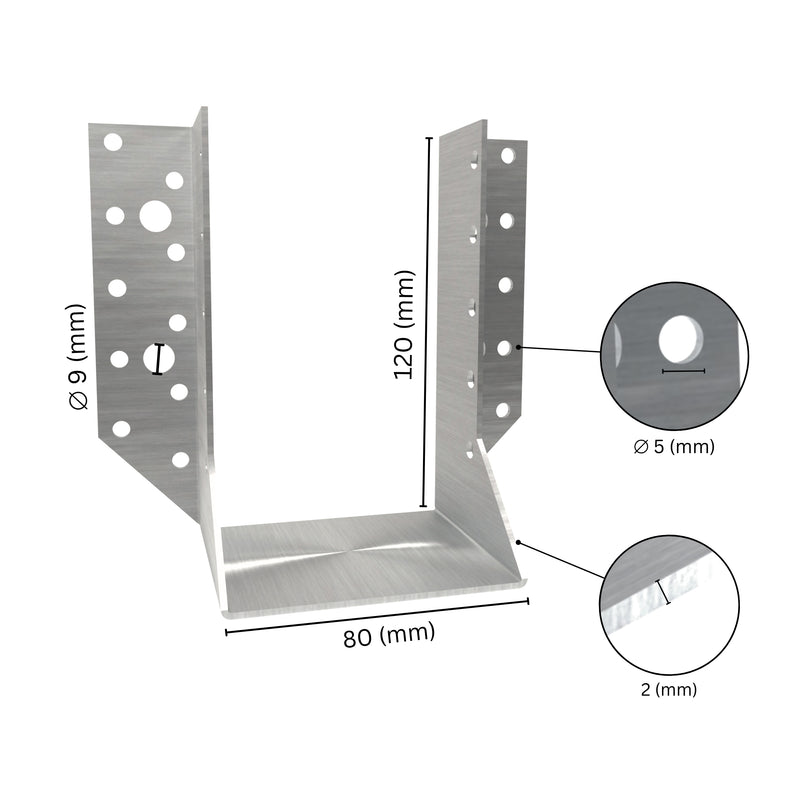
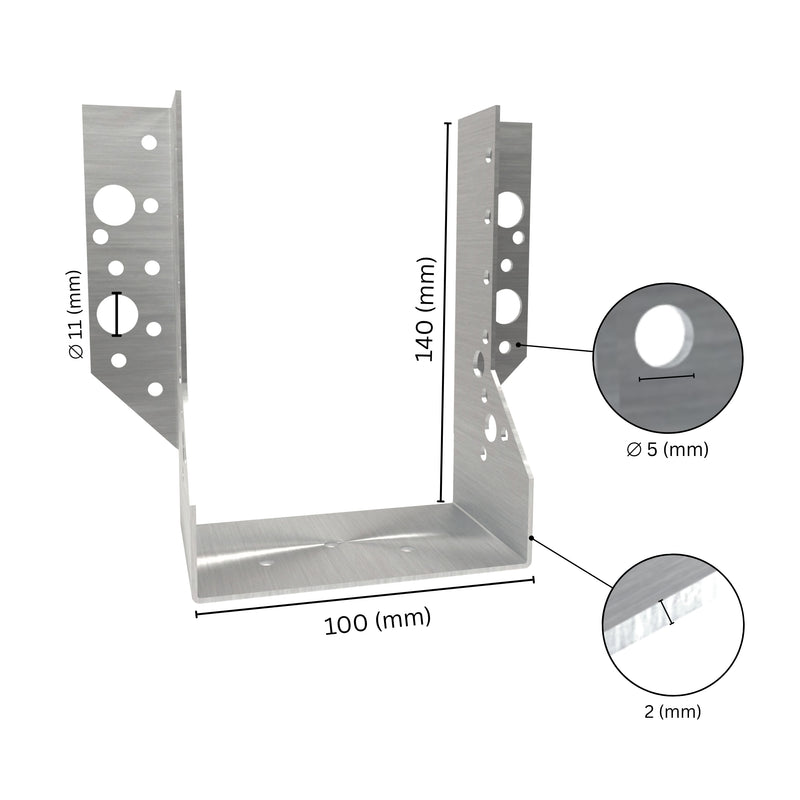
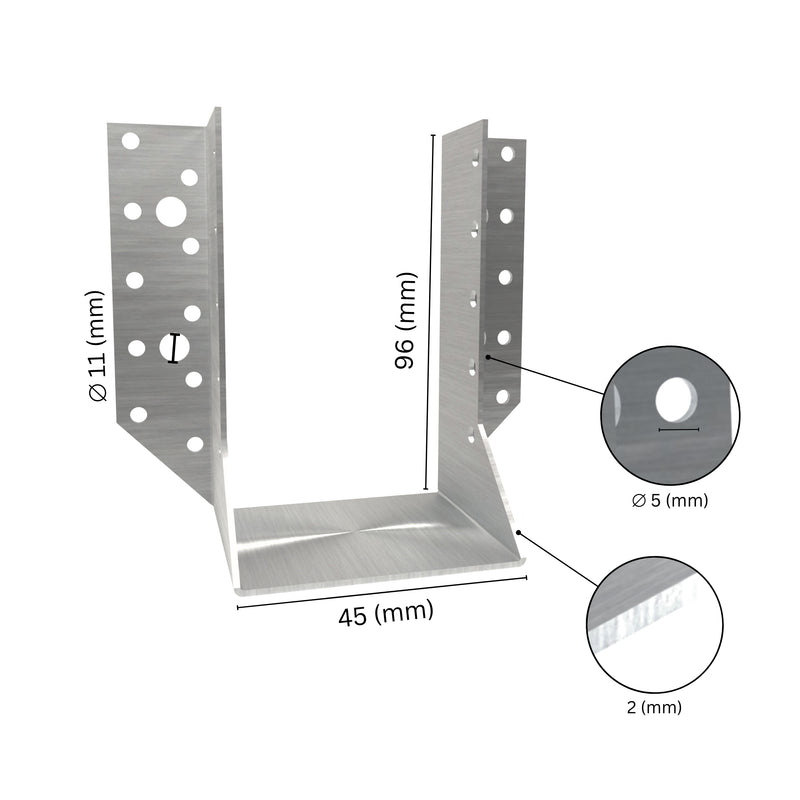
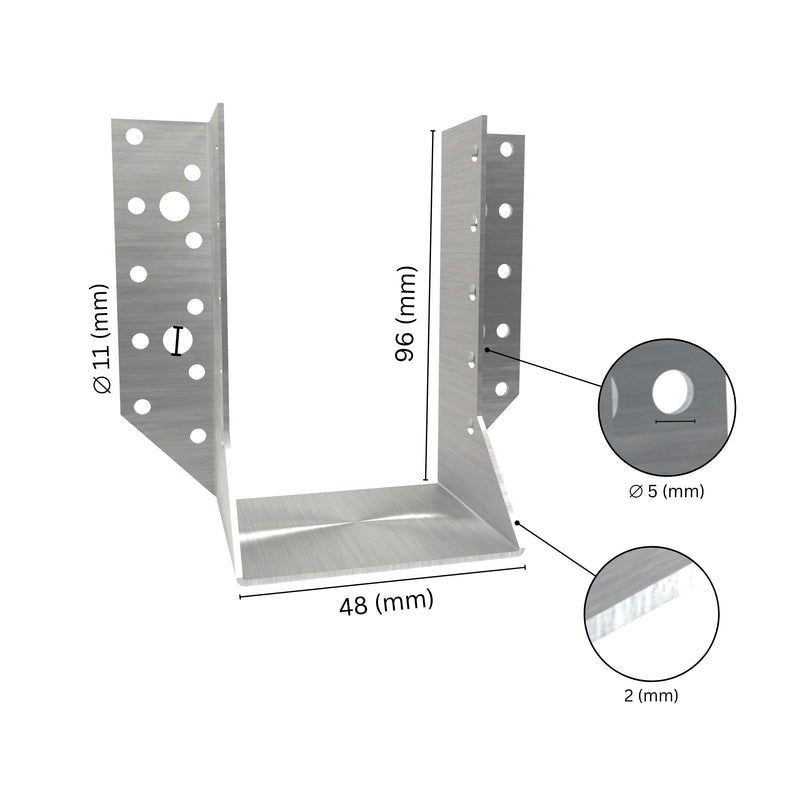
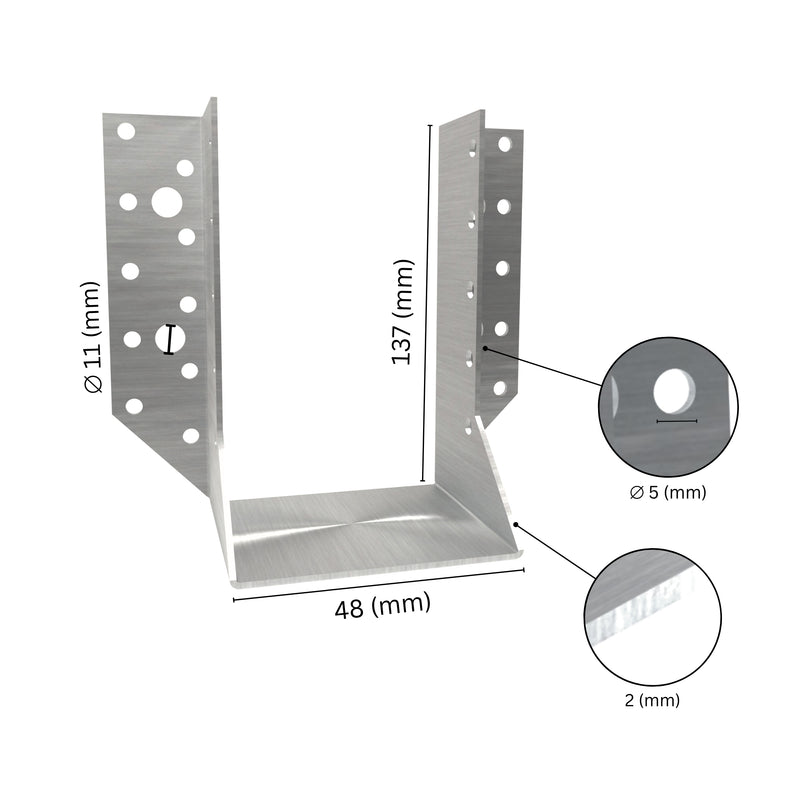
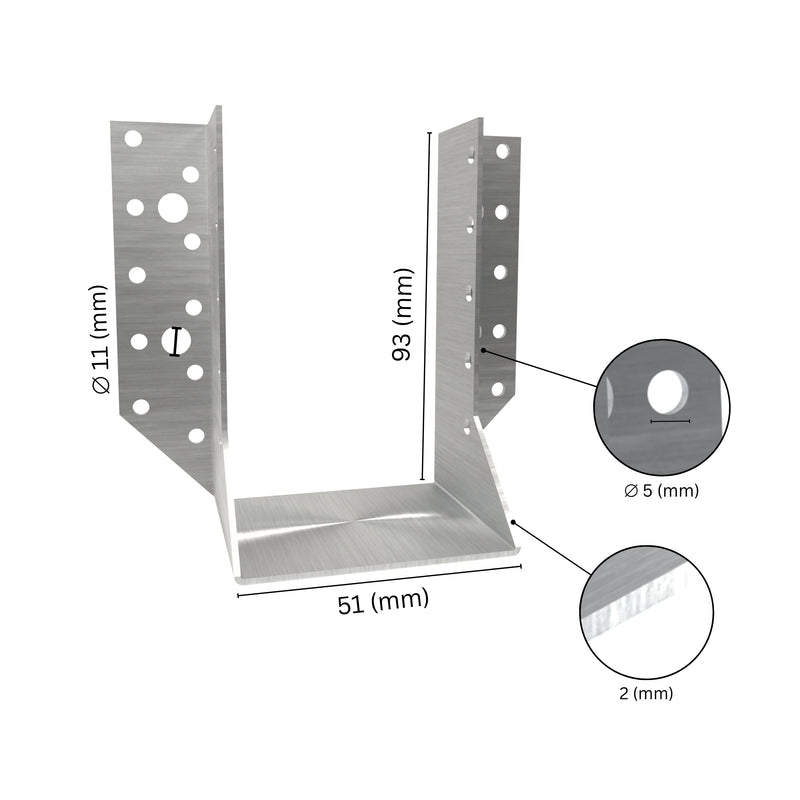
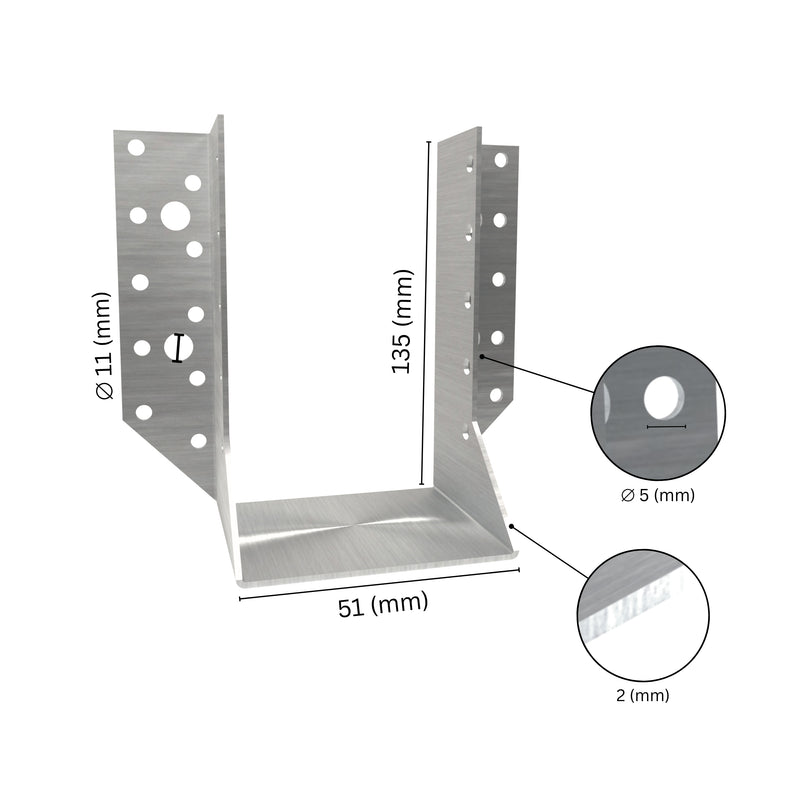
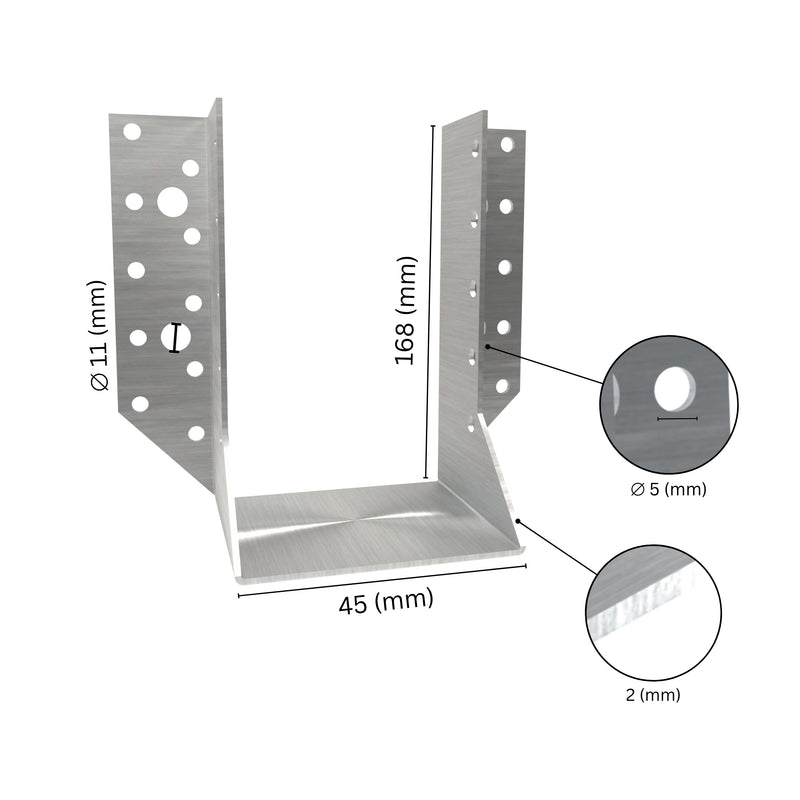
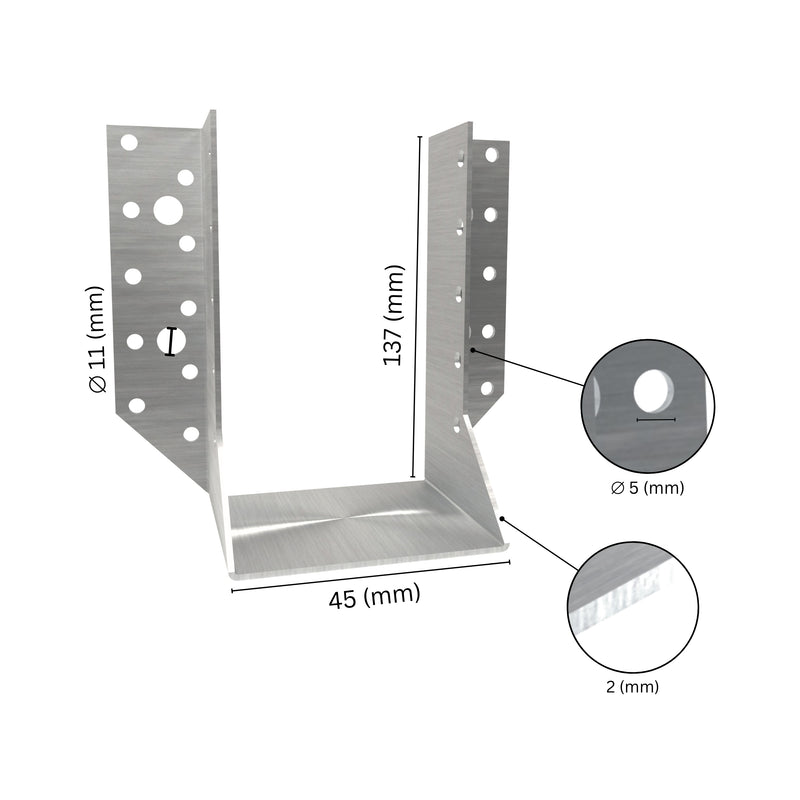
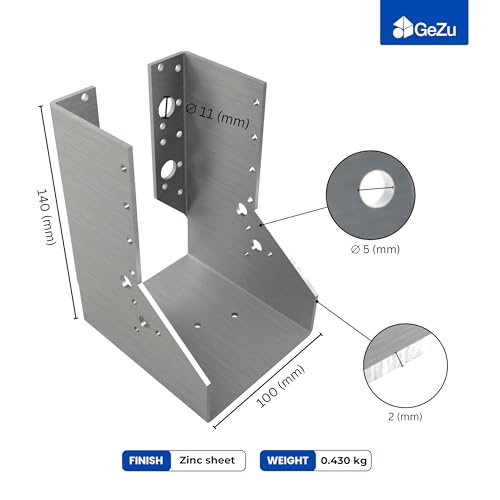
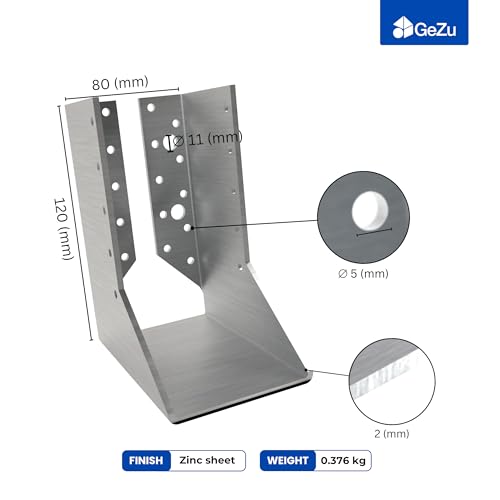
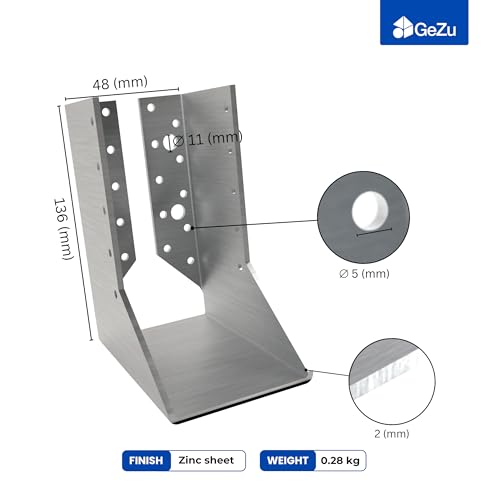
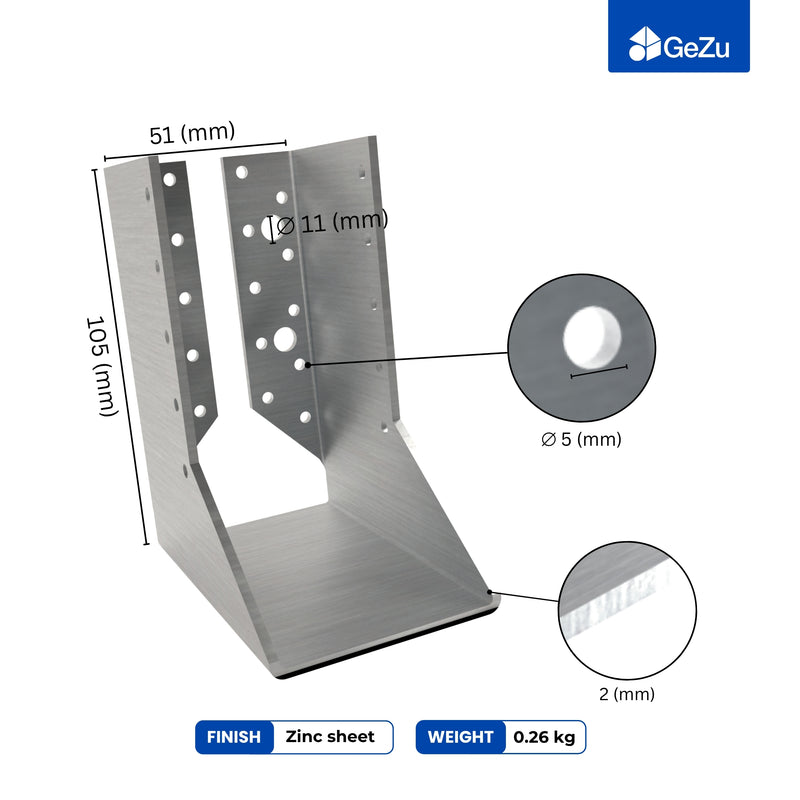
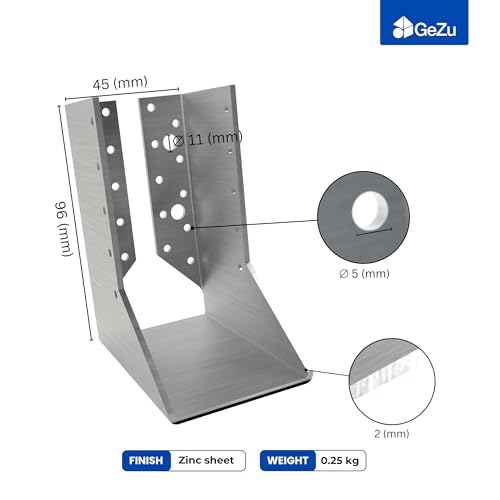
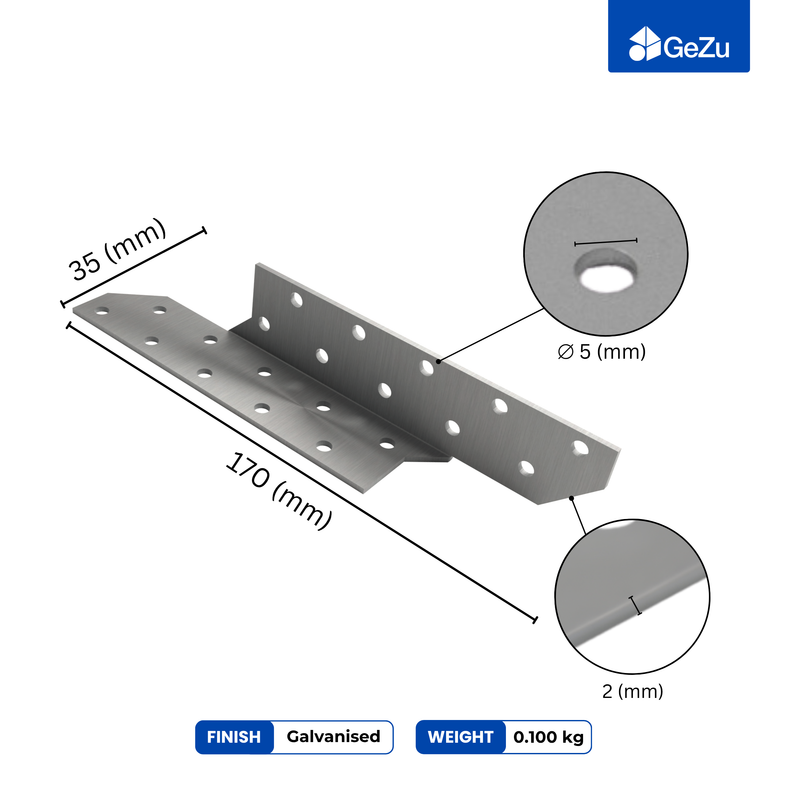
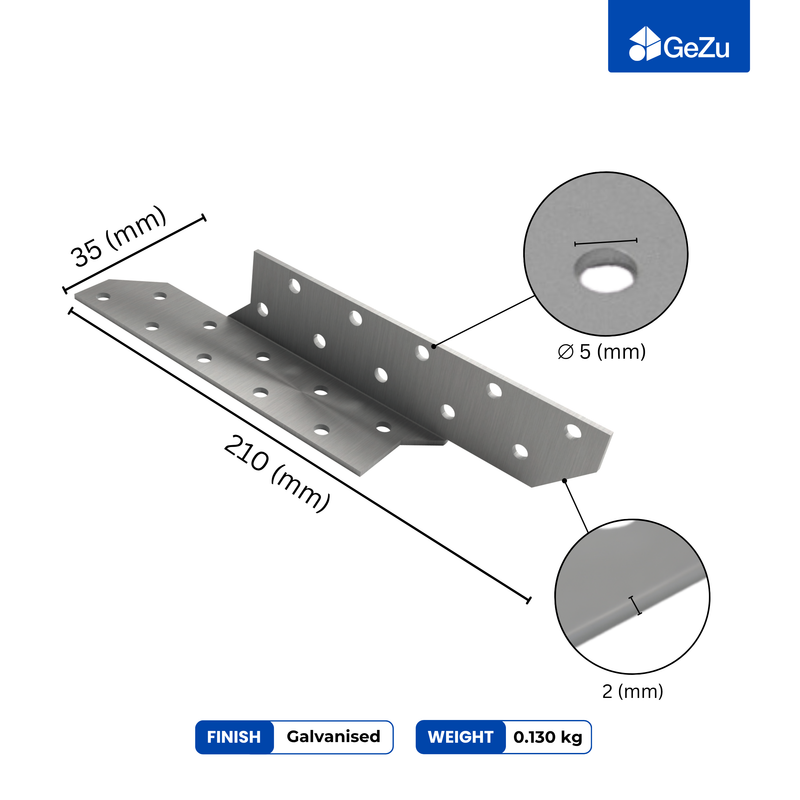
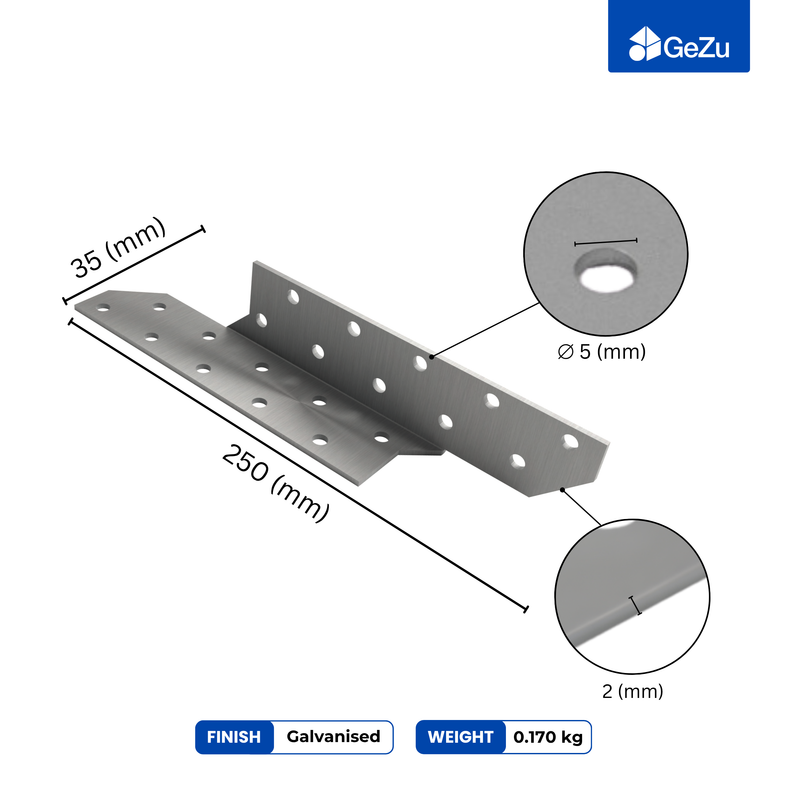
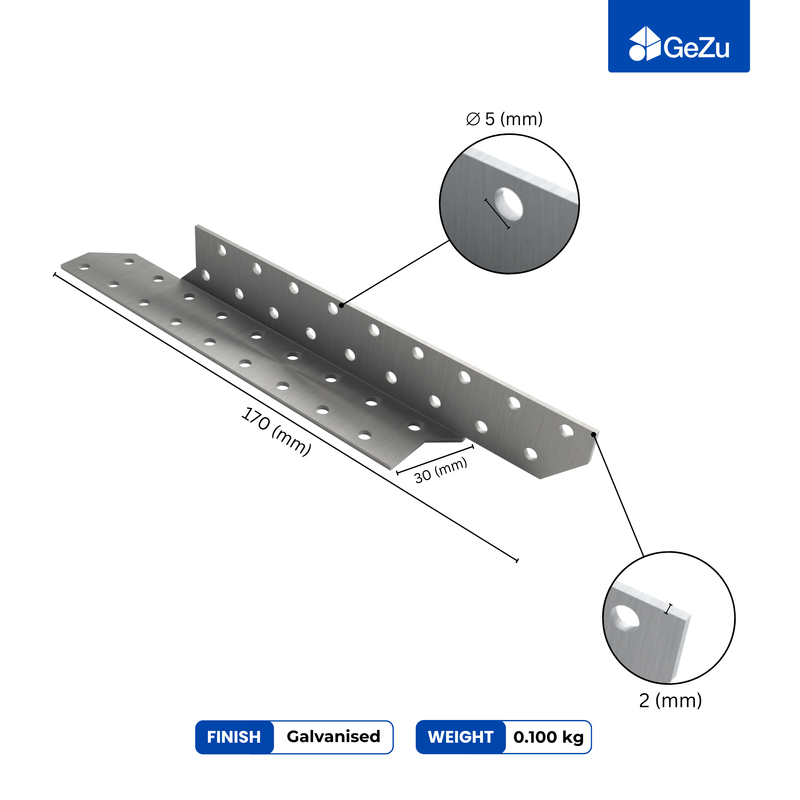
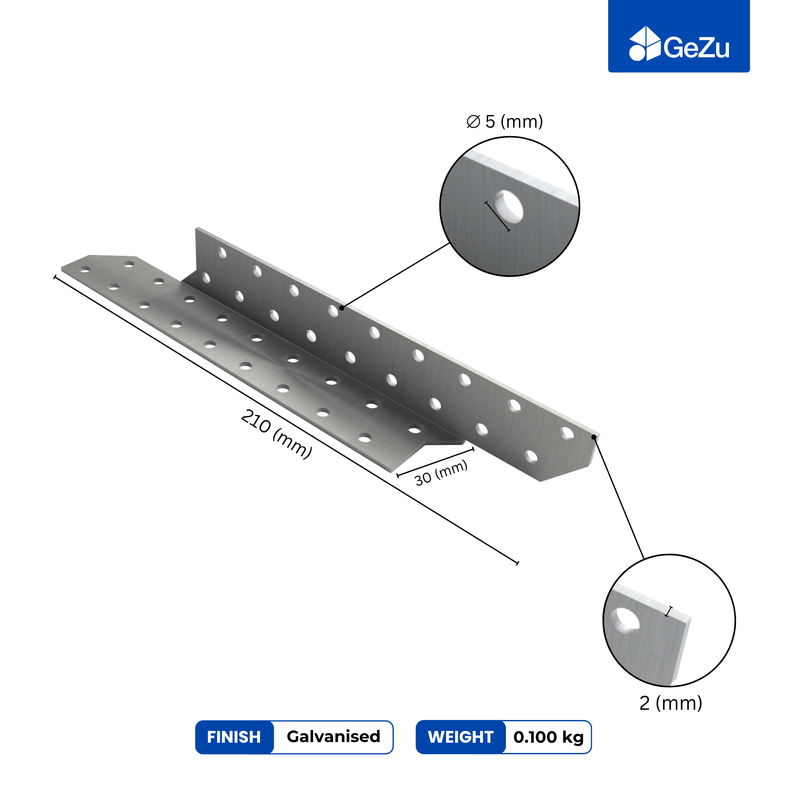
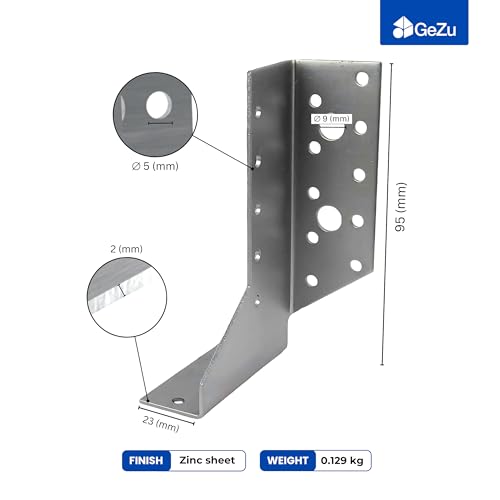
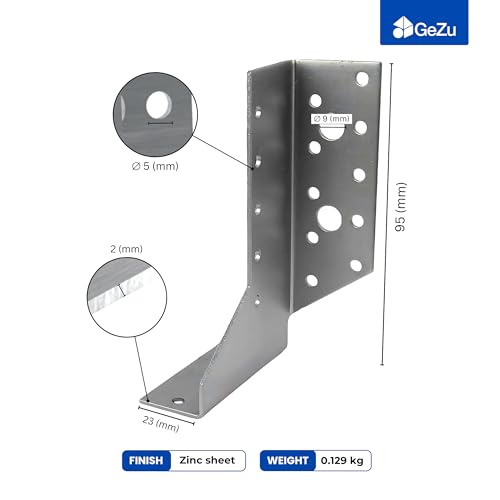
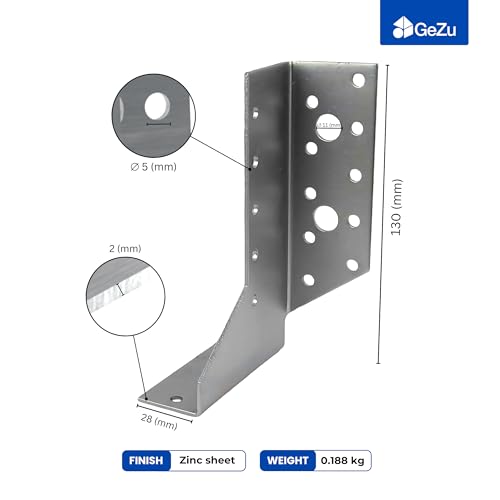
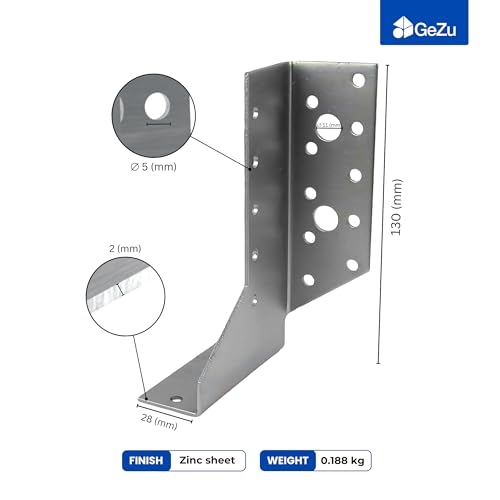
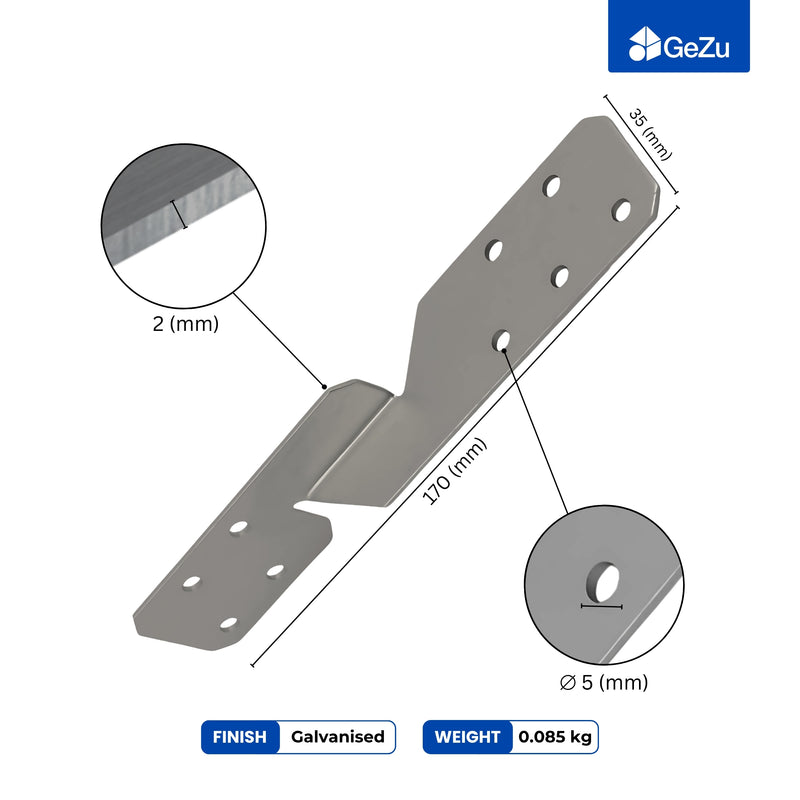
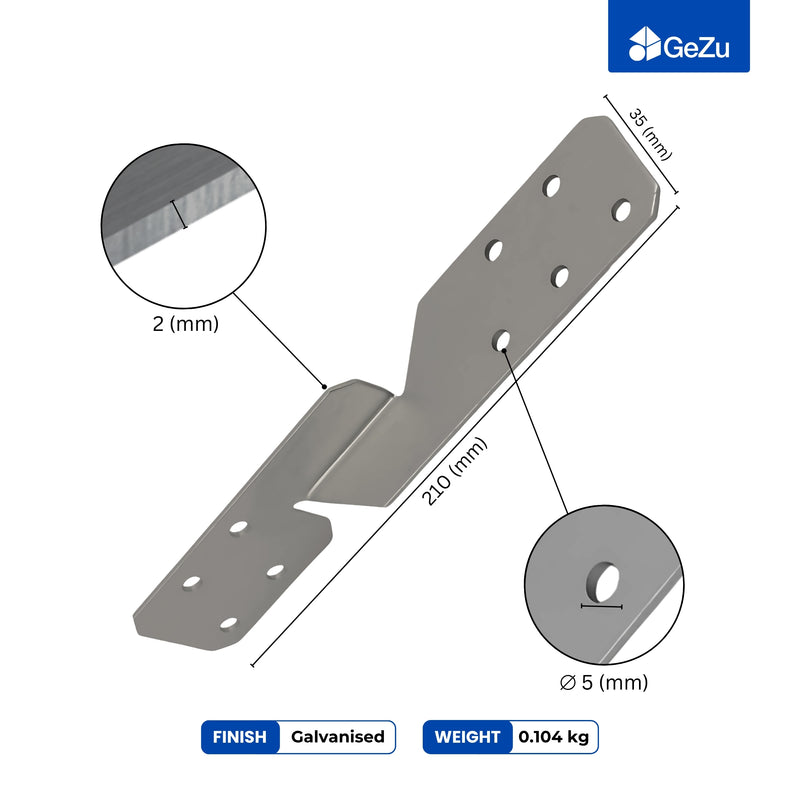
Heavy-duty angle brackets feature holes in different sizes (Ø 5 mm, 9 mm, 10 mm and 11 mm), accommodating fasteners such as wood screws, lag screws, bolts and nails. The number and size of the holes vary depending on the bracket’s dimensions, making them versatile for construction and woodworking applications.
3. Various Sizes & Thicknesses
These L-brackets come in many sizes to match different load requirements. One of the most important things you need to understand is that angle brackets are not one-size-fits-all. The size and thickness of an angle bracket directly affect how much weight it can support.
Here is how angle bracket size is measured:
-
Leg length (e.g., 25mm × 25mm, 50mm × 50mm, 100mm × 100mm)
-
Thickness of the metal (e.g., 1.5mm, 2.5mm, 3mm)
If a bracket is labeled 50 × 50 × 35 × 2.5 mm, it means the leg lengths are 50 × 50 mm, the width is 35 mm and the material thickness is 2.5 mm.
4. Different Materials
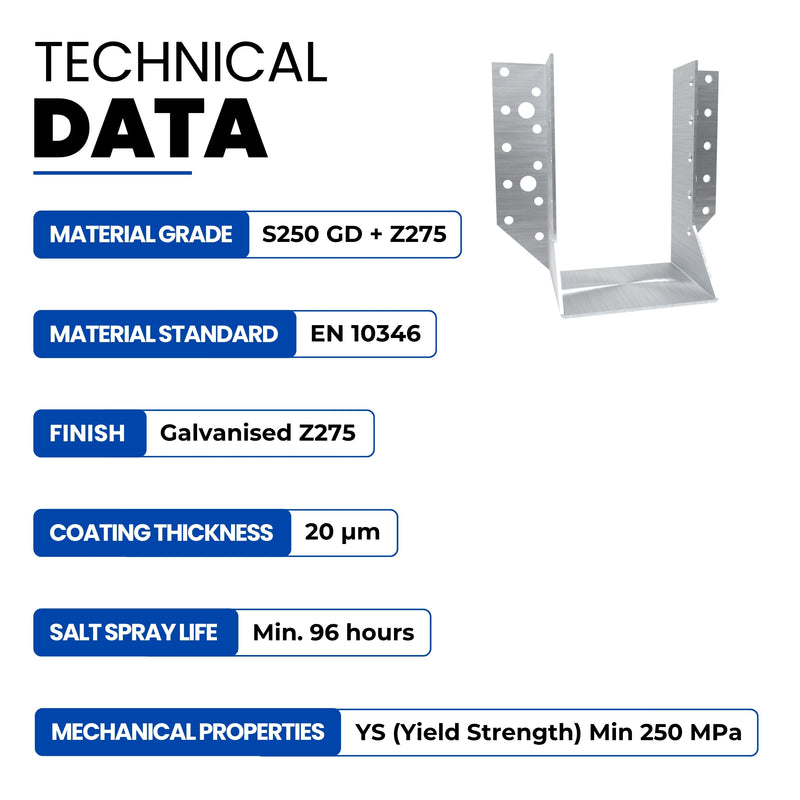
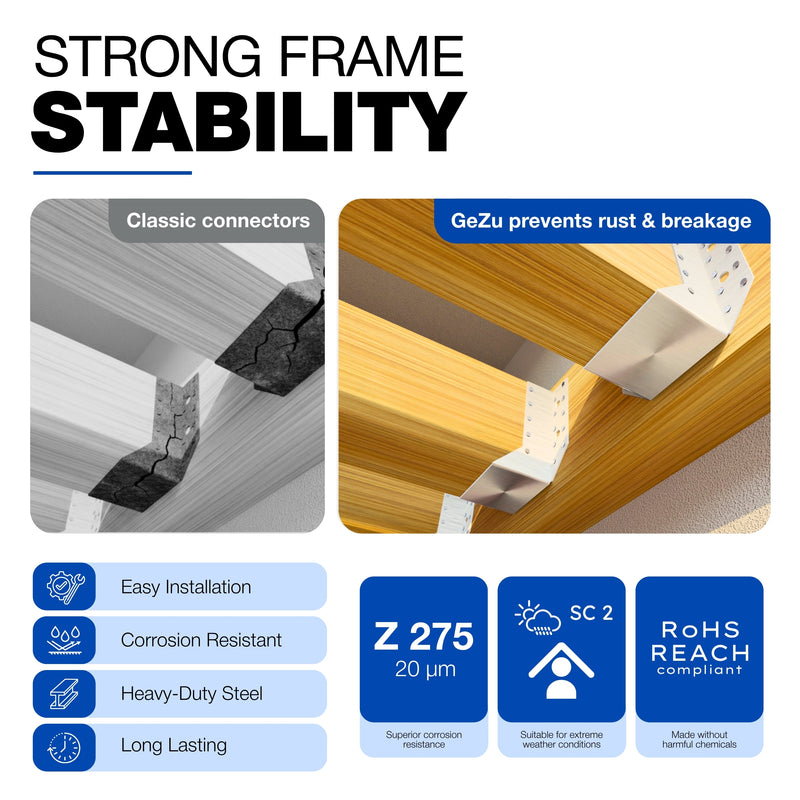
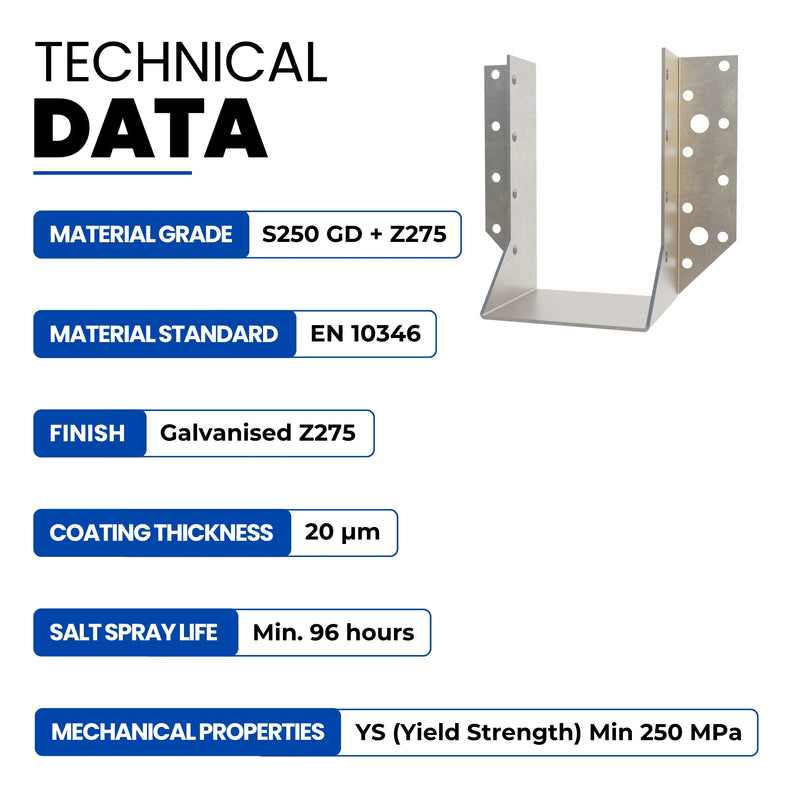
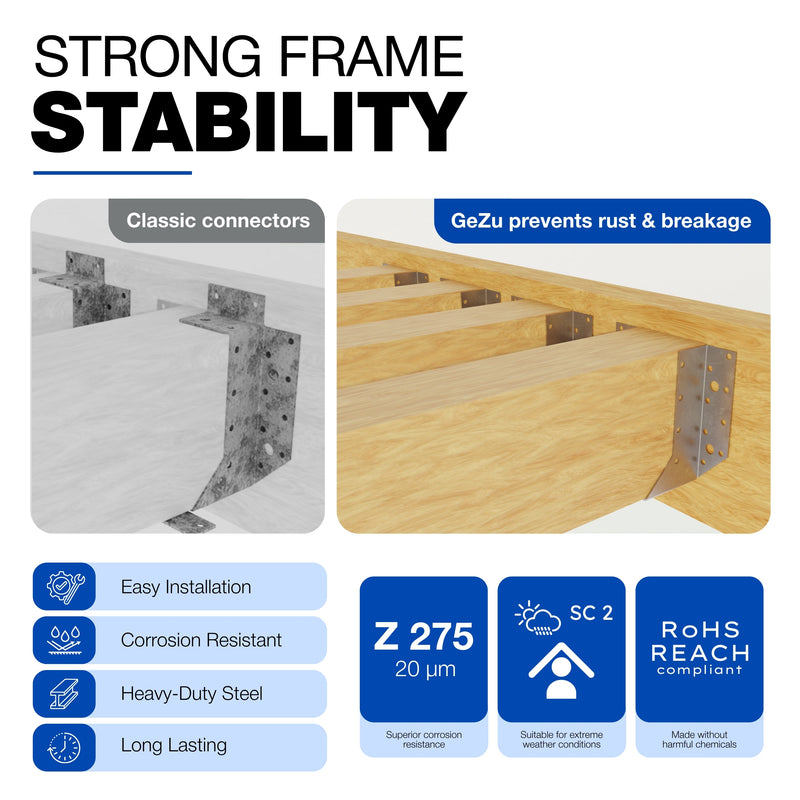
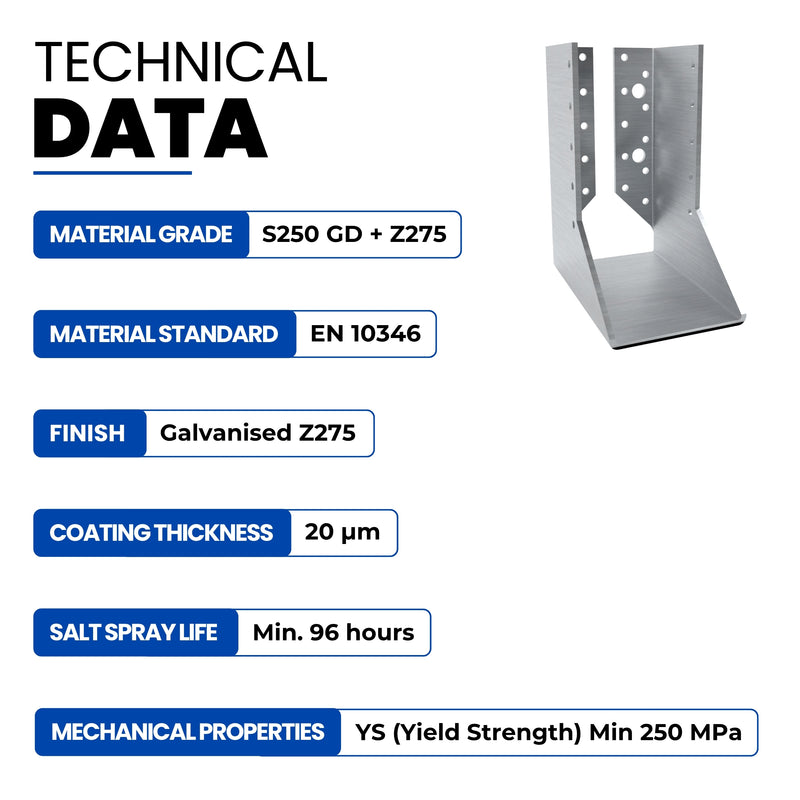
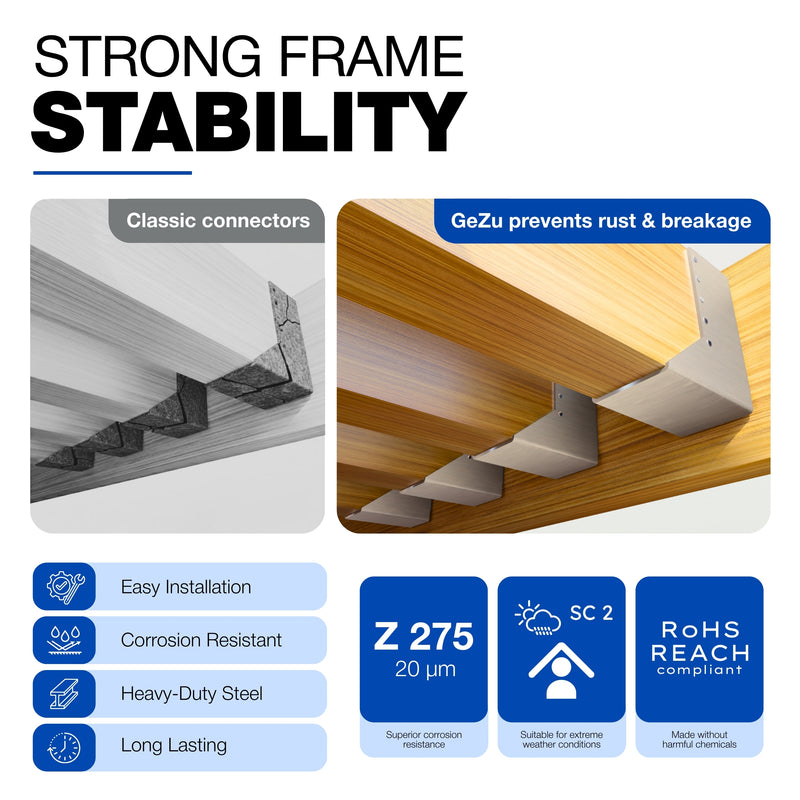
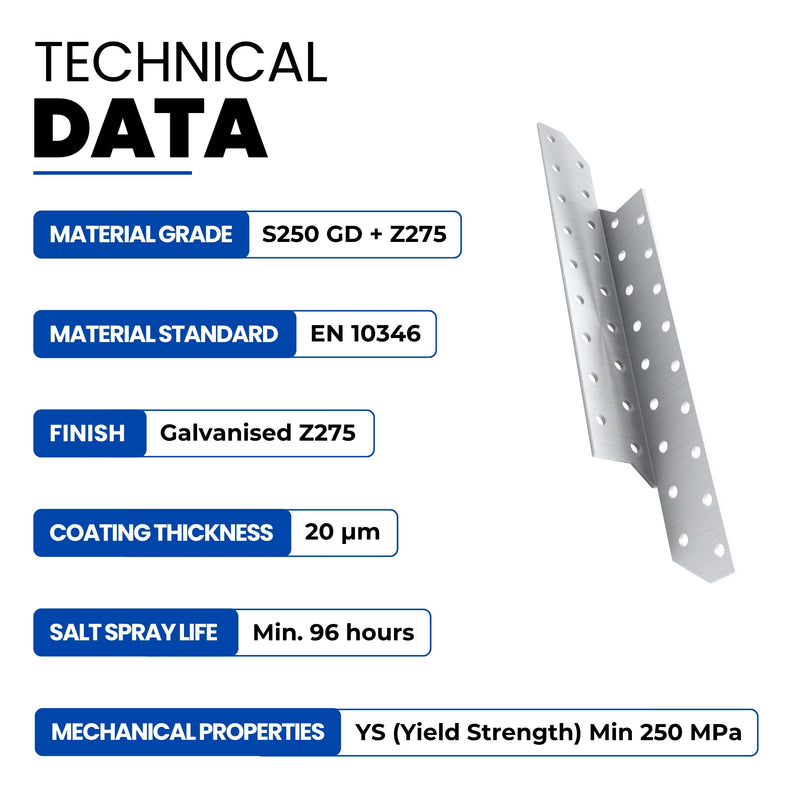
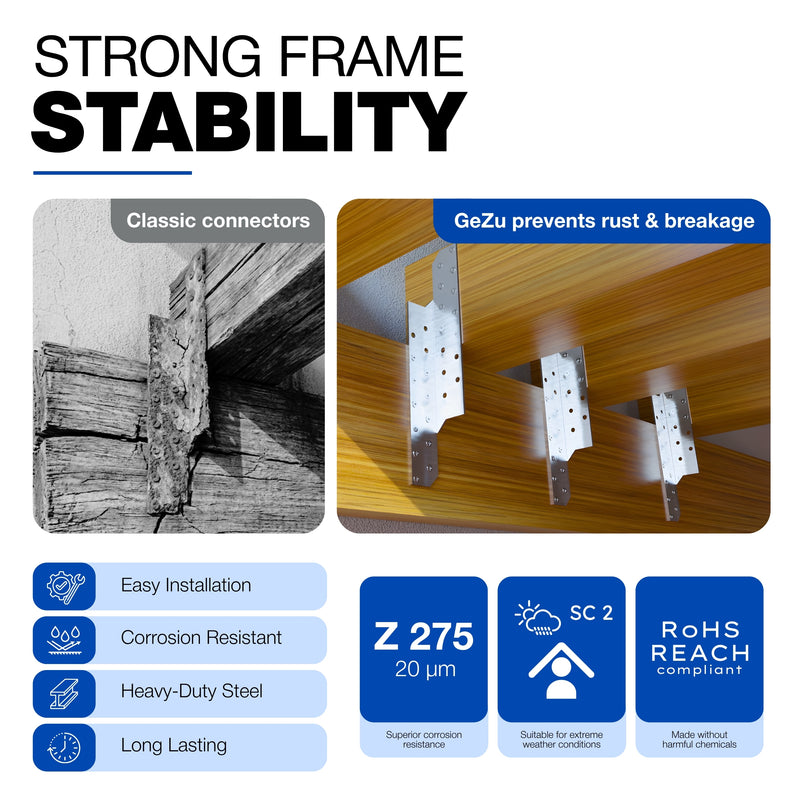
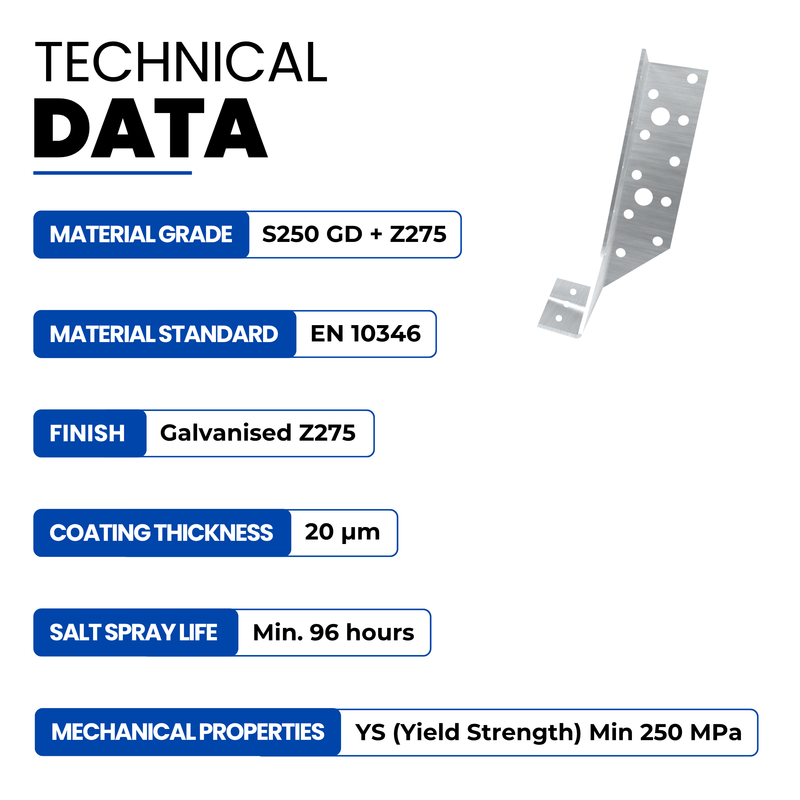
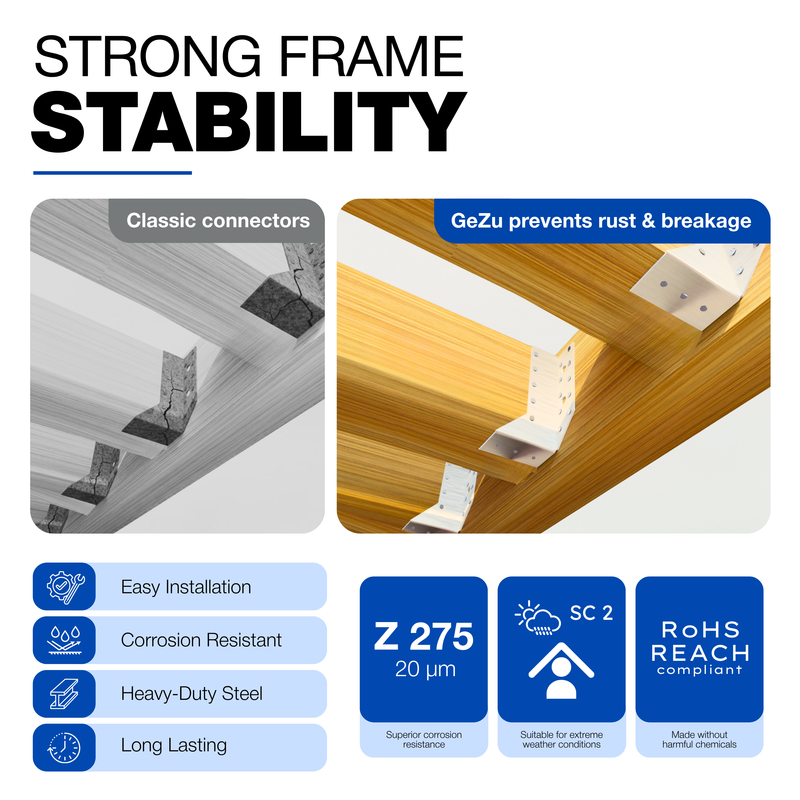
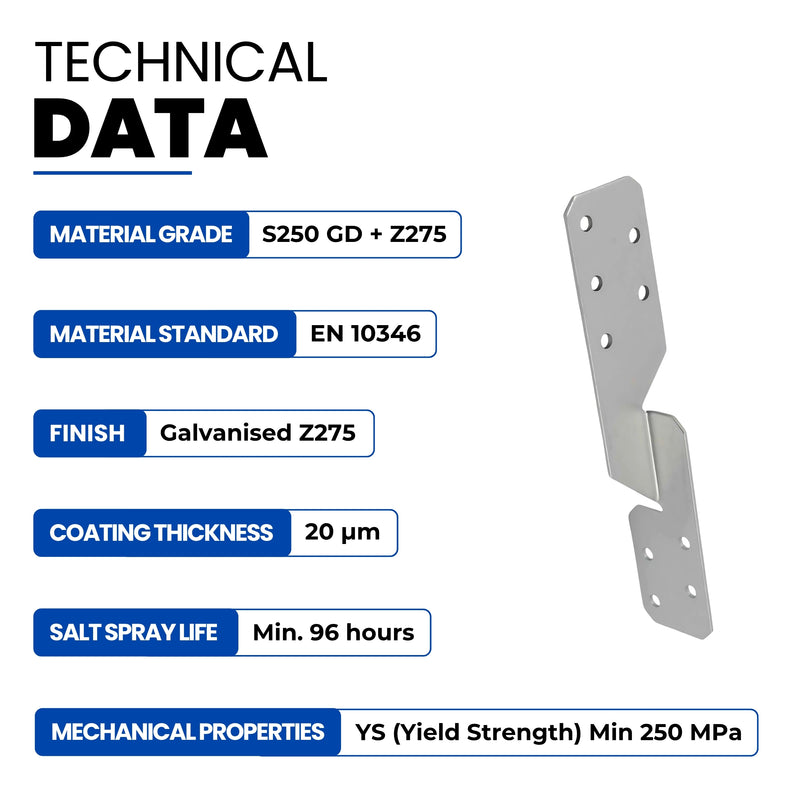
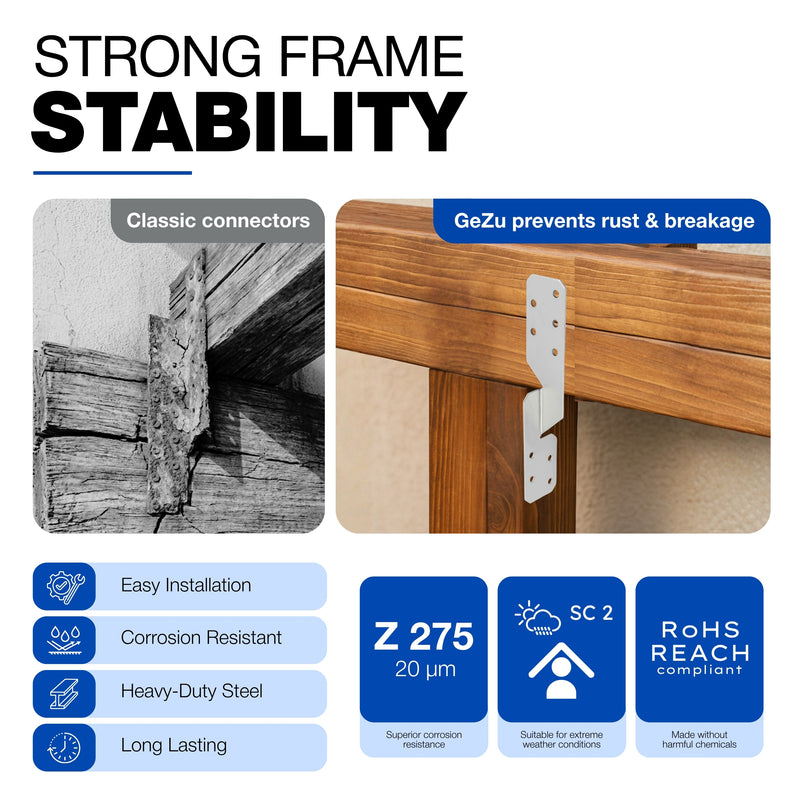
Wood connector brackets are usually made from stainless steel or galvanized steel. Galvanized steel is the most commonly used material, featuring a zinc coating that provides corrosion resistance for most interior and sheltered exterior applications.
Stainless steel angle brackets offer higher corrosion resistance and are ideal for high-moisture environments, coastal areas, or applications with direct water exposure.
Types of Angle Brackets Used in Construction
Construction & home improvement industry utilizes various angle bracket configurations, each designed for specific structural requirements and loading conditions. The type you choose depends entirely on what you're building and the loads you're supporting.
Below are the most common types of angel brackets used in building and DIY projects.
Standard 90-Degree Angle Brackets
Standard angle brackets represent the most common category in construction applications. These 90-degree brackets are used to connect two intersecting wooden elements and corner joints. Load capacities vary significantly based on gauge thickness, leg dimensions and fastener specifications.

These are the basic right-angle brackets used for light to medium loads and available in various dimensions. Galvanized steel finish provides adequate corrosion protection for interior and exterior applications. These corner braces are widely used across many industries and everyday projects.
135 Degree Angle Brackets
While most angle brackets form a standard 90-degree corner, 135-degree angle brackets are designed for applications where a wider or obtuse angle is required. 135° angle brackets are particularly useful in custom framing, furniture design and construction projects where the joint does not form a typical right angle.

135-degree angle brackets provide flexibility for unique designs while maintaining strength and stability in non-standard corners. It forms a 135° connection between two surfaces and features multiple pre-drilled holes. These heavy-duty brackets also come in various sizes to suit different load requirements and applications.
Reinforced Angle Brackets
Reinforced angle brackets are heavy-duty versions of standard angle brackets that include gussets or ribbed edges for extra strength. These corner brackets are specially designed to handle higher loads and greater stress. Embossed reinforcement ribs running perpendicular to the legs distribute stress and resist bending.

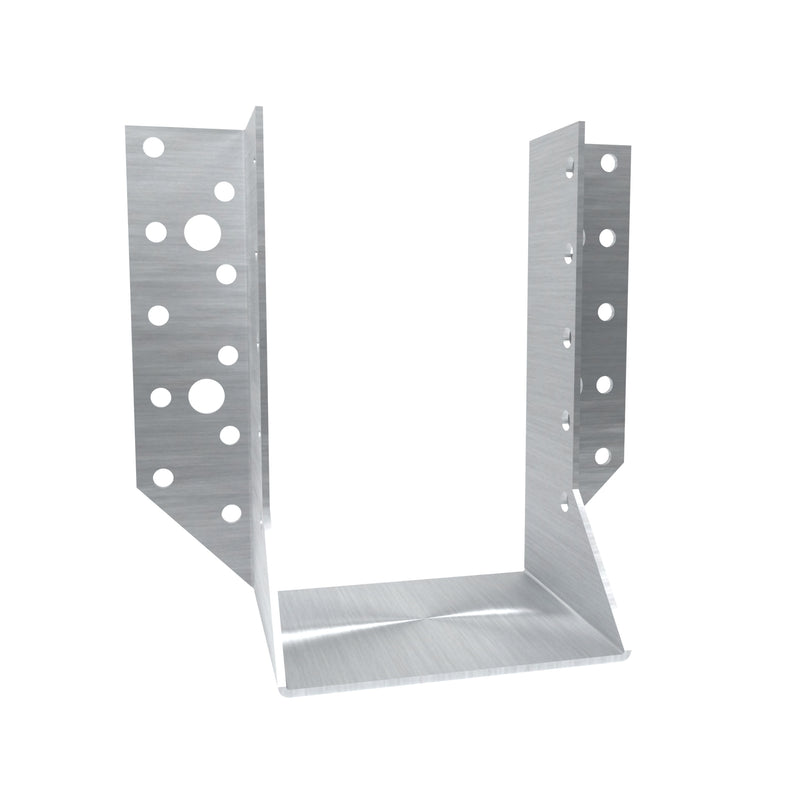
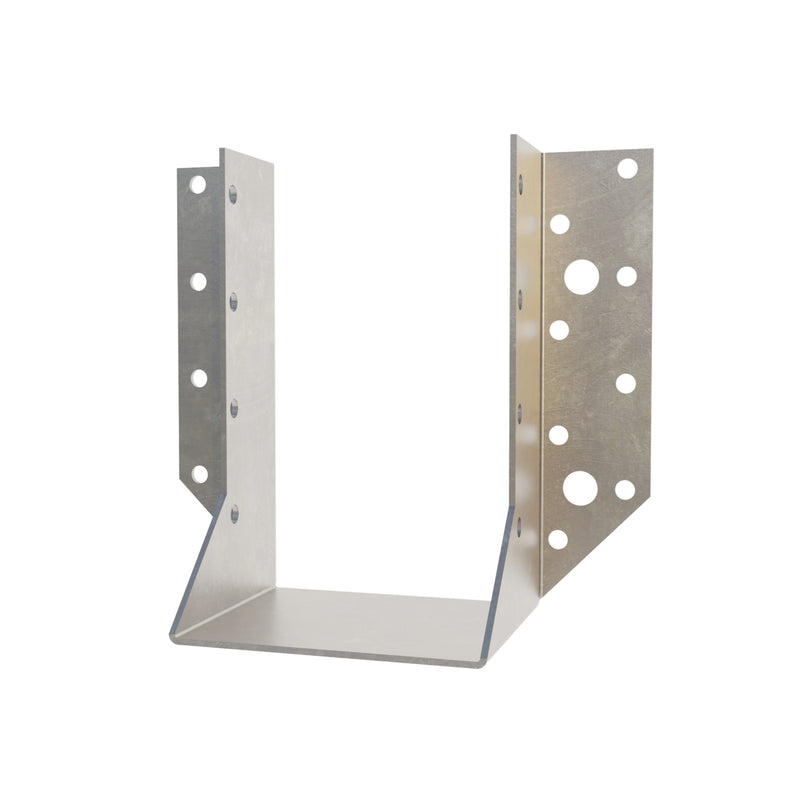
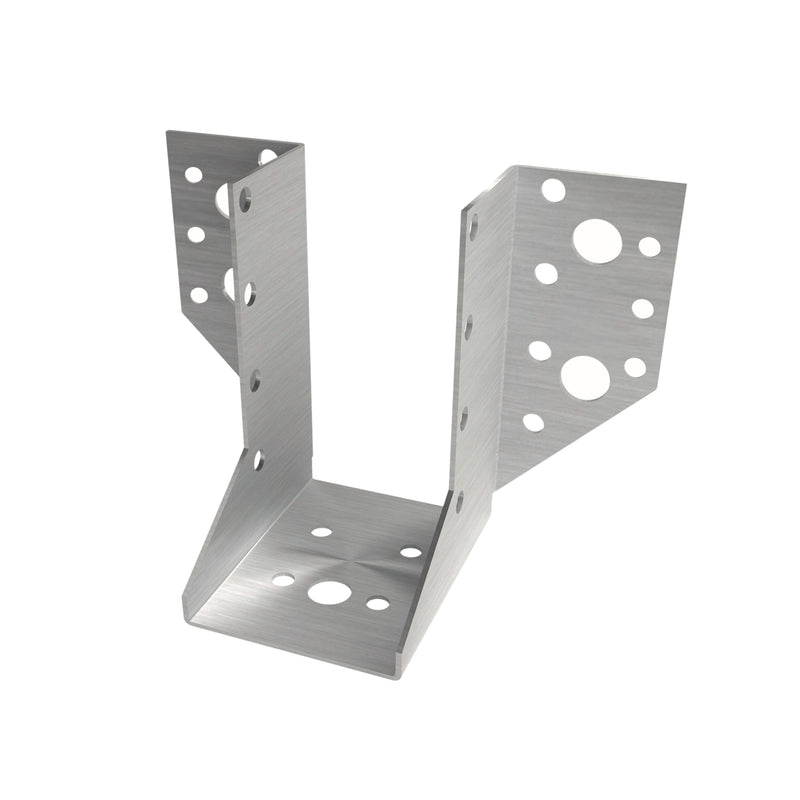
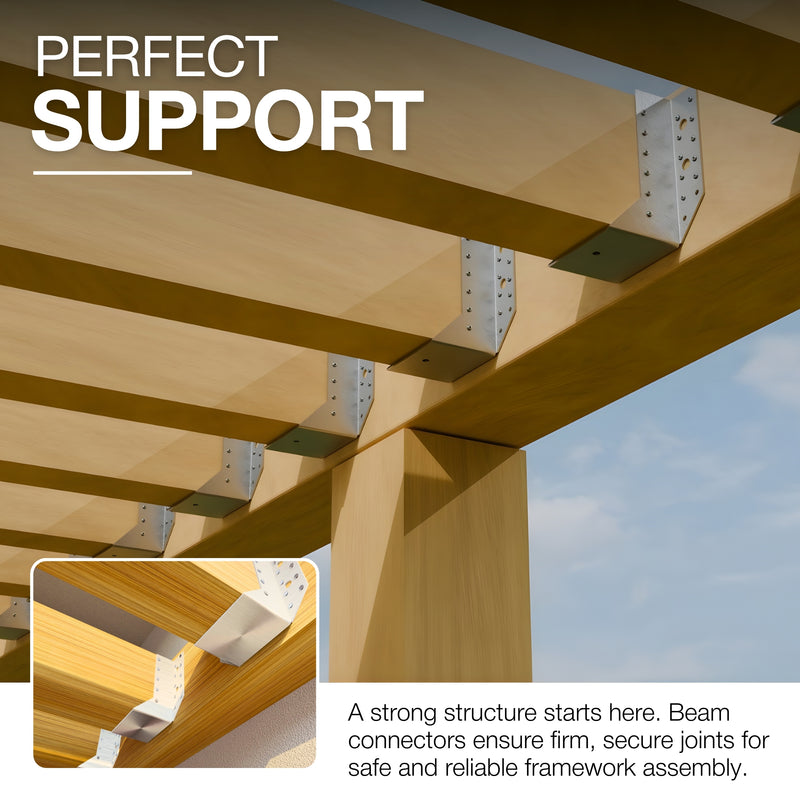
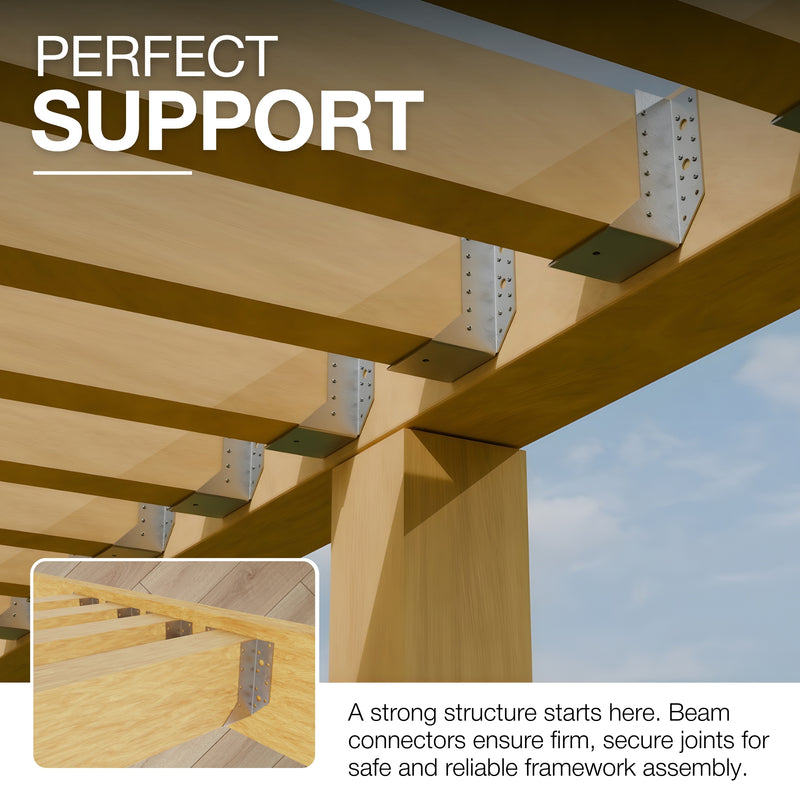
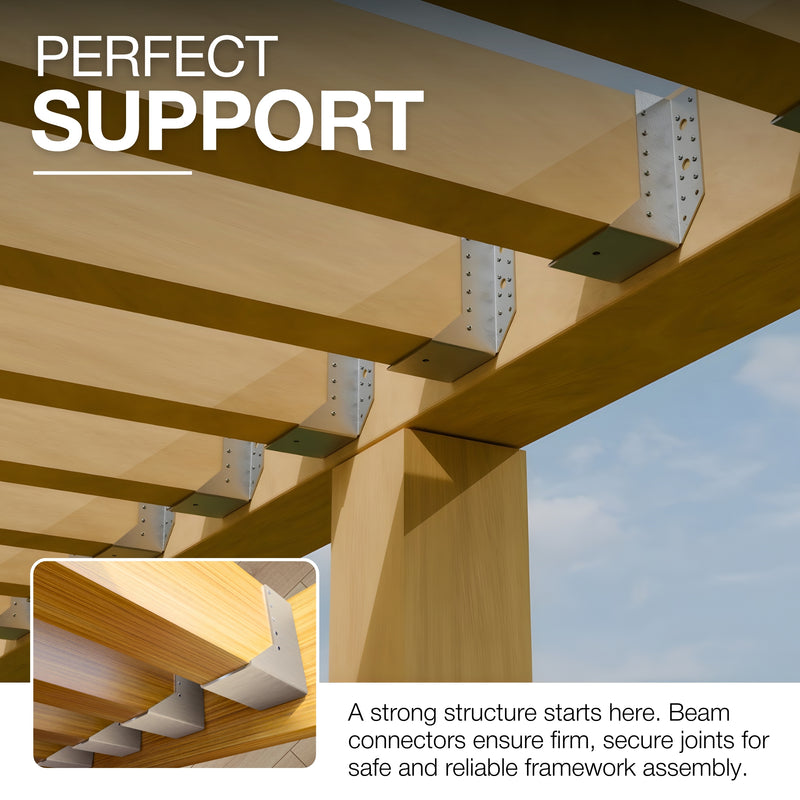
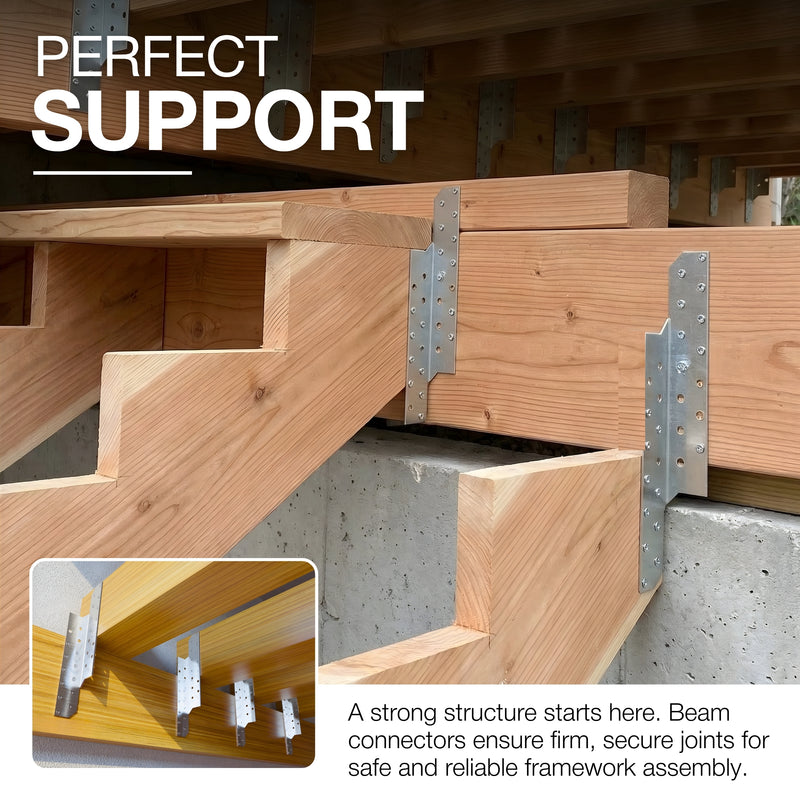
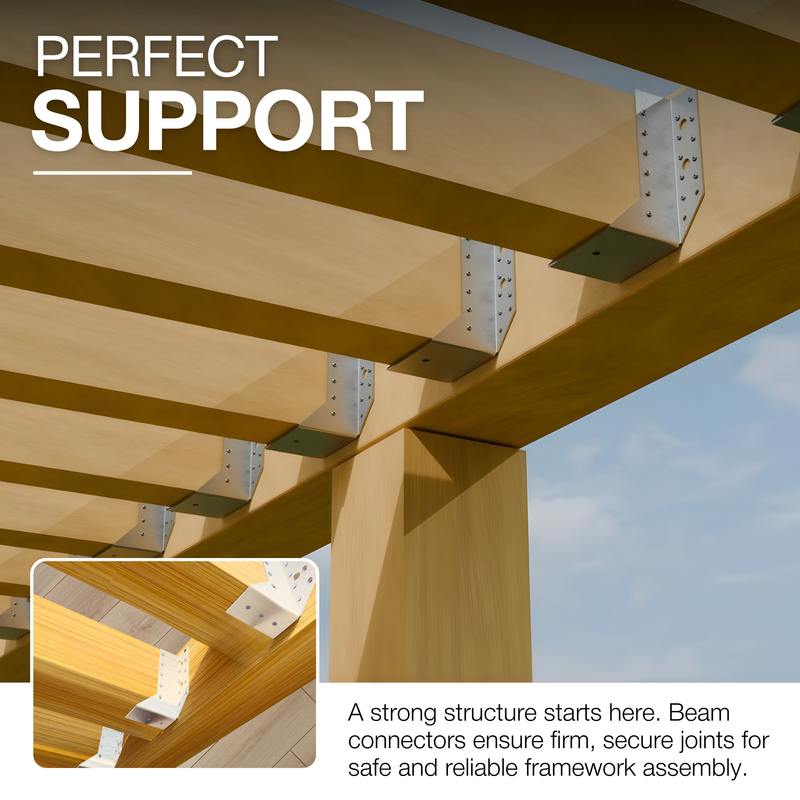
Heavy-duty reinforced brackets are important for critical connections, including deck ledger attachments, beam-to-column connections and structural repair applications where right-angled corner joints are required. These timber angle brackets are used for high-load applications and are also available in various dimensions.
Adjustable Angle Brackets
Adjustable angle brackets are L-shaped angle brackets that join two surfaces at a right angle while offering flexibility in positioning. Slotted L bracket features elongated slots alongside multiple pre-drilled holes.

These slots allow screws or bolts to slide back and forth before tightening. This makes it easy to adjust the distance between connected surfaces and align parts accurately, even if your measurements are slightly off. This design makes adjustable L brackets ideal for corners, shelves, furniture, timber frames and various construction projects.

What Angle Bracket Sizes are Available?
Angle brackets are available in the following sizes.
90 Degree Corner Bracket Sizes:
Reinforced Angle Bracket Sizes:
135 Degree Angle Bracket Sizes:
Why Angle Brackets Are Important in Building & DIY Projects?
Many people assume that screws or nails alone are enough to hold two wooden pieces together. While they may work temporarily, joints are often the weakest part of any structure.
Angle brackets for wood play a vital role by:
-
Strengthening joints that bear weight
-
Preventing movement and loosening over time
-
Distributing load evenly across connected surfaces
-
Reducing stress on screws and fasteners
-
Improving overall safety and durability
Corner brackets are widely used because they reinforce weak joints, prevent warping or wobbling and extend the life of furniture and structures. Without angle brackets, many shelves, frames, cabinets, workbenches, countertops, and furniture pieces would eventually fail under pressure.
What are the Common Applications of Angle Brackets?
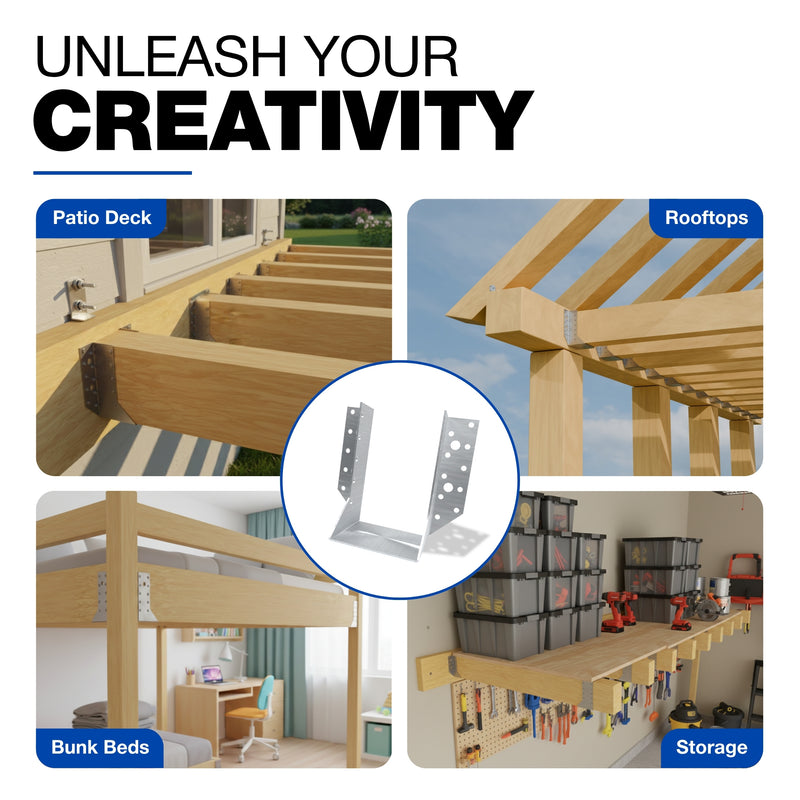
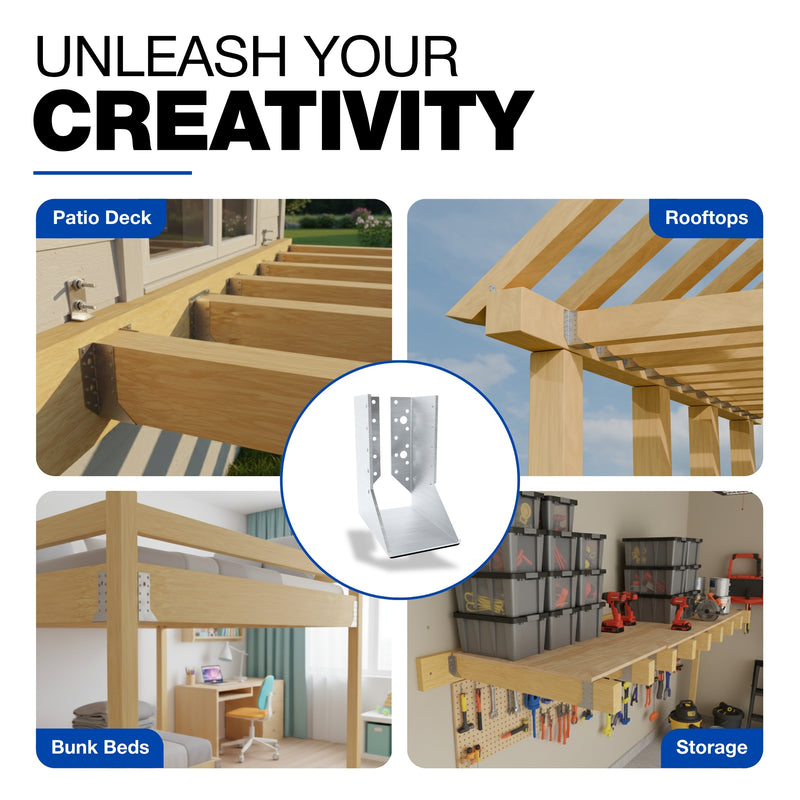
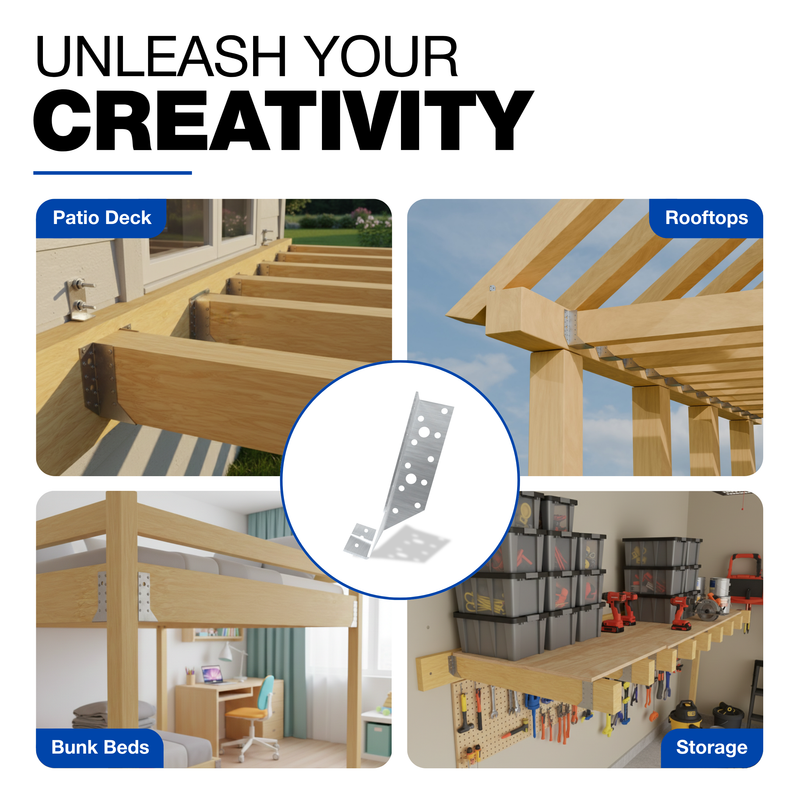
Angle brackets are used across many industries and everyday projects. 90 degree angle brackets show up everywhere once you start looking for them. The following are the most common places you'll use them in construction.
Framing Connections
Angle brackets are essential for framing. They secure wall top plates to ceiling joists, attach bottom plates to floor decks, and reinforce stud-to-plate connections. By adding shear strength, they help walls resist lateral forces from wind or seismic activity.
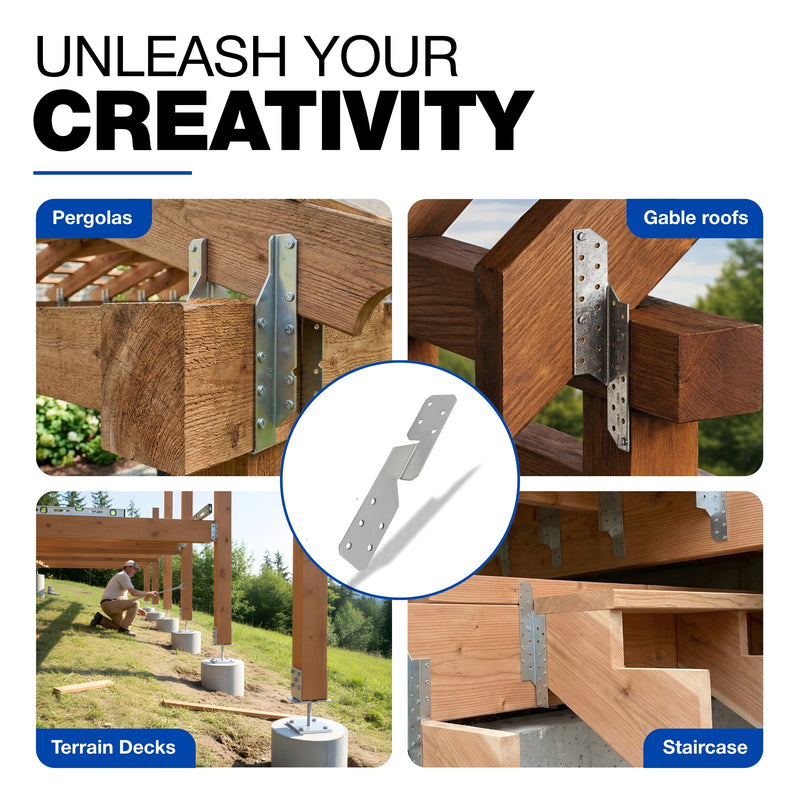
Deck and Porch Construction
Deck and porch construction relies heavily on metal angle brackets. Ledger boards, where the deck attaches to the house, require heavy-duty brackets along with lag screws or bolts. Post-to-beam connections, joist reinforcement and railing supports all use various angle bracket types.
Frame & Mirror Mounting
Large mirrors and picture frames can be safely secured using angle brackets. Braces hold the items in place, preventing movement or accidental falls and provide extra reinforcement for heavy or delicate materials.
Countertops and Floating Surfaces
Heavy materials such as granite countertops, floating bar tops, or wood benches rely on angle brackets for support. Properly spaced brackets ensure surfaces remain level and can handle significant weight without bending.
Furniture Assembly & Repair
Right angle brackets reinforce table and chair corners, strengthen bed frames, secure cabinets, table legs, storage units, and repair loose furniture. They are ideal for extending the life of existing pieces without rebuilding.
Shelving & Storage
Angle brackets keep shelves level, prevent sagging and support heavy items such as books, tools, or storage boxes. Brackets are also used in decorative wall shelves and heavy-duty garage racks.
Construction & Carpentry
In carpentry, corner brackets join wooden beams, reinforce framing, strengthen door and window corners, and add support to structural joints.
DIY & Custom Projects
DIY enthusiasts value L-brackets for their affordability, ease of installation and adaptability. Common applications include workbenches, garden furniture, storage units, and custom desks or tables.
How to Install Right Angle Brackets (Step-by-Step)?
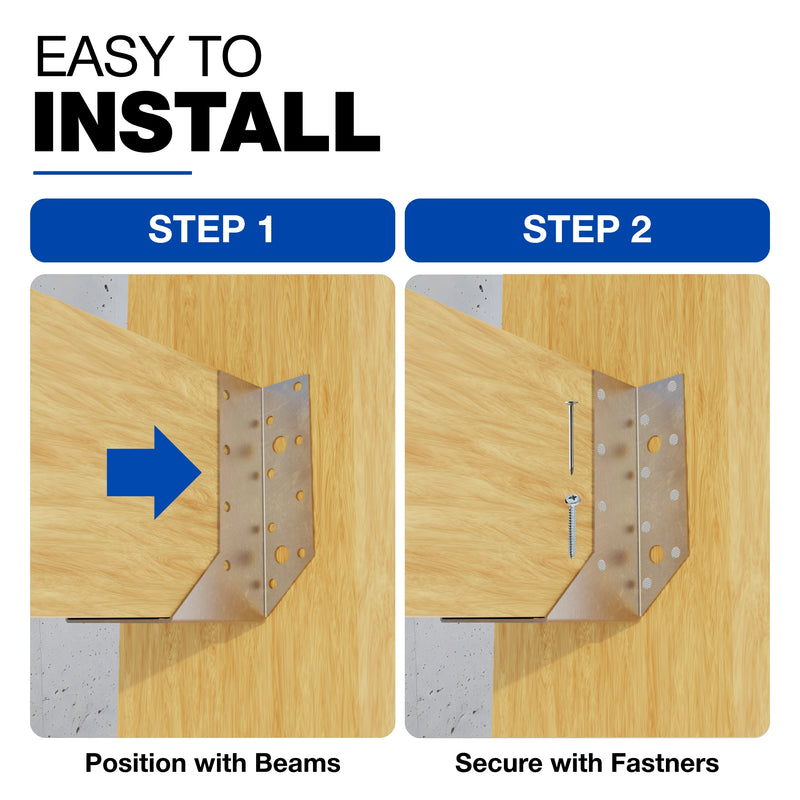
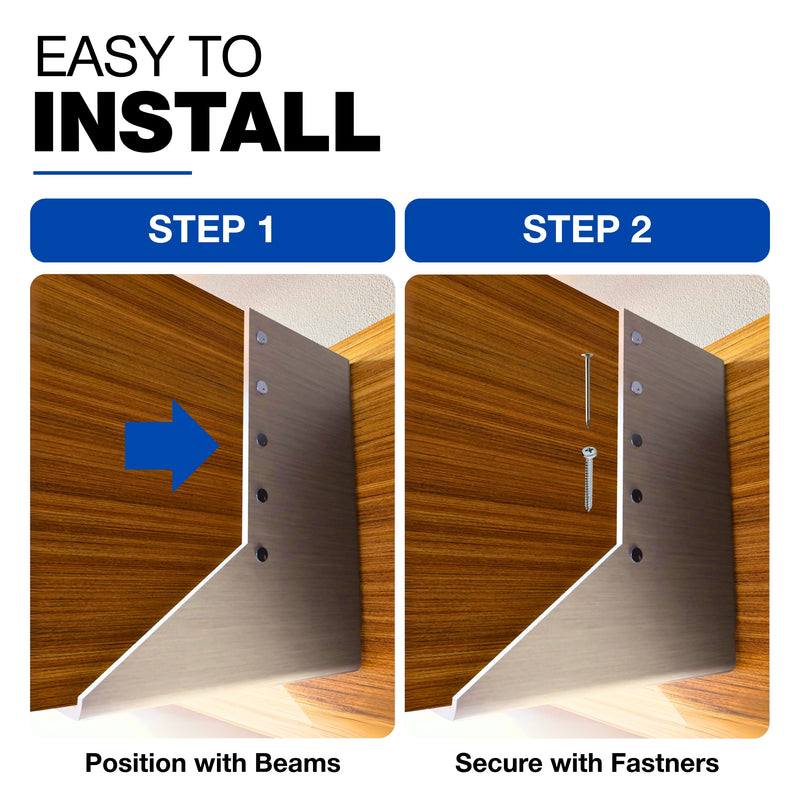
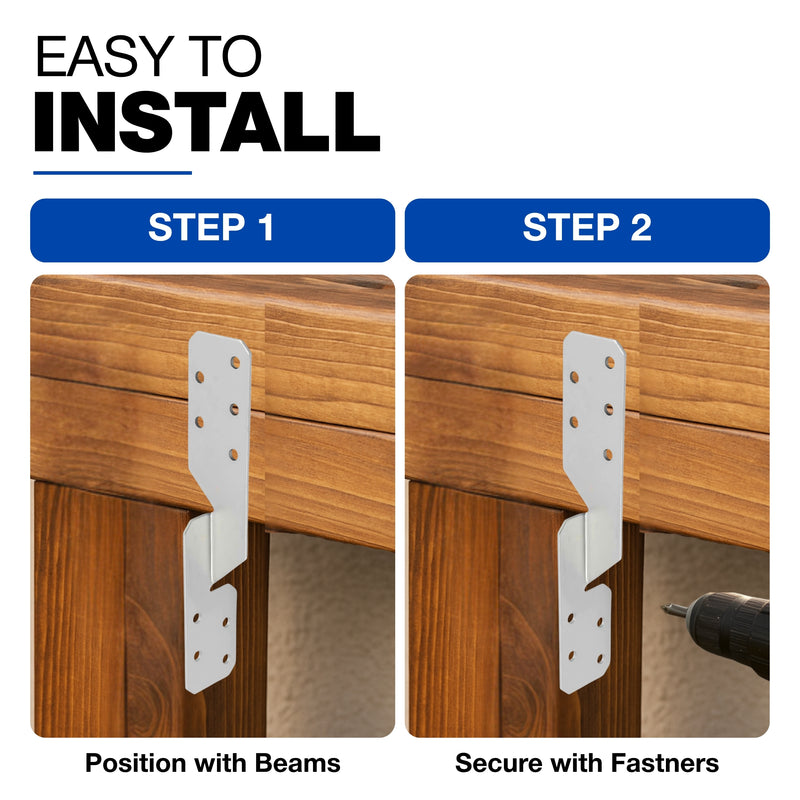
Angle brackets are simple to install and usually take only a few minutes. Below is a step-by-step process to help you install them securely without creating any problems.
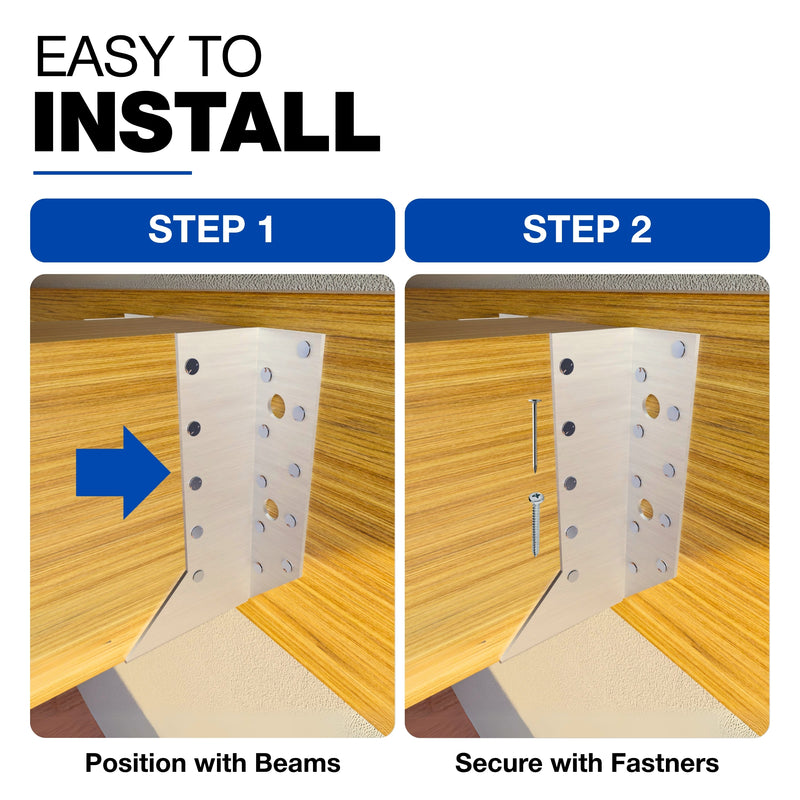
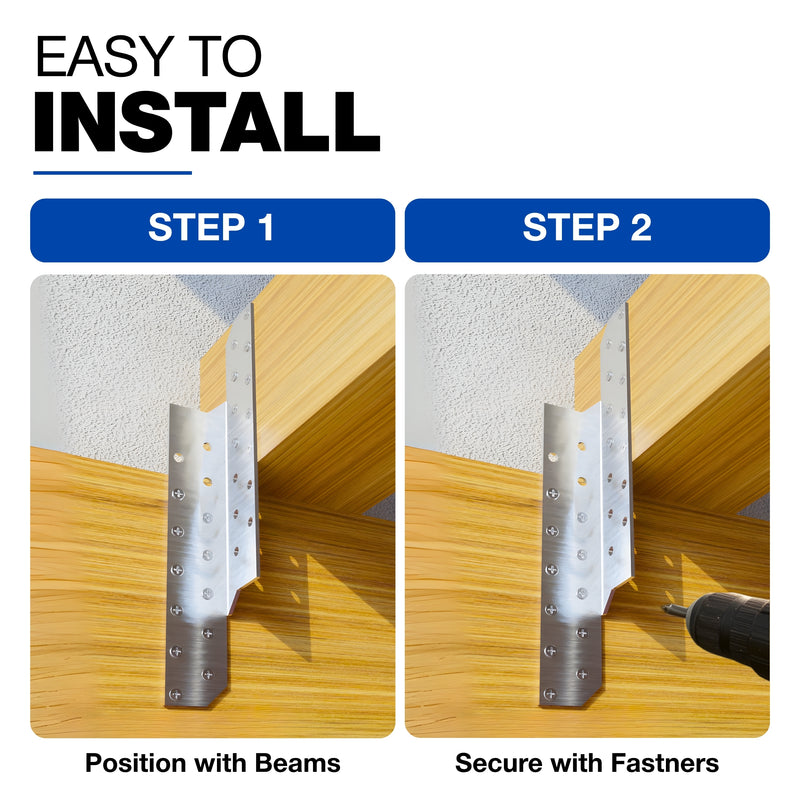
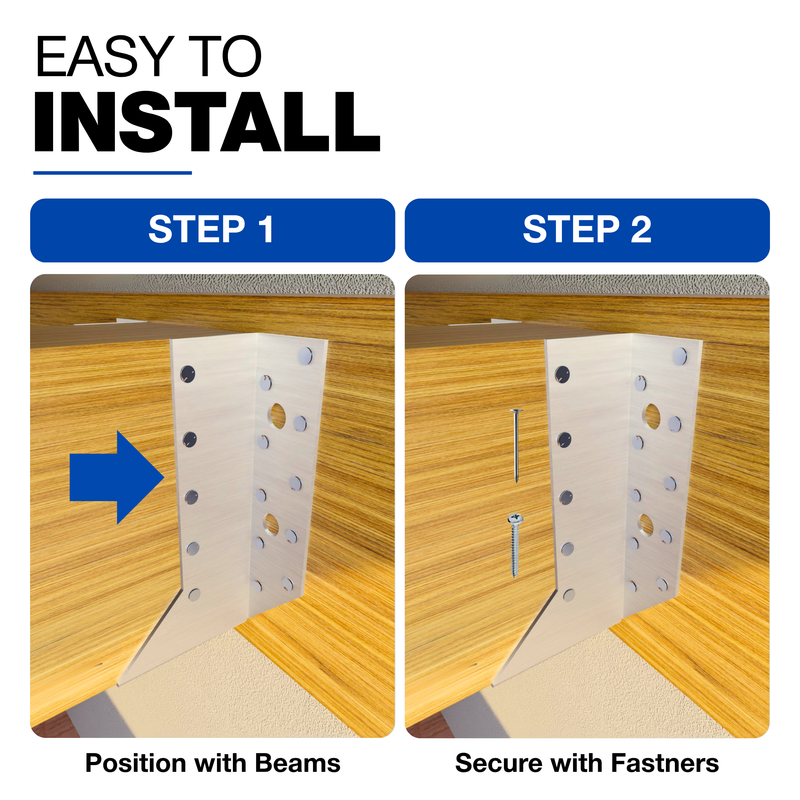
Step 1: Position the Bracket
Place the angle bracket at the joint where the two surfaces meet, ensuring it sits flush and forms a 90-degree angle.
Step 2: Mark the Holes
Use a pencil or marker to mark screw positions through the bracket holes.
Step 3: Drill Pilot Holes
Drill pilot holes at the marked points to prevent the wood from splitting and to make fastening easier.
Step 4: Align the Bracket
Reposition the 90-degree angle bracket over the pilot holes and check alignment before fastening.
Step 5: Secure with Screws
Insert screws, bolts, or nails and tighten them evenly, starting with one side and then the other.
Step 6: Check Stability
Ensure the bracket is secured and the joint is stable with no movement.
That’s it. Your brackets are installed within a few minutes.
How to Choose the Right Angle Bracket for Your Project?
When selecting an angle bracket, consider:
Load capacity: Choose an angle bracket strong enough to safely support the weight it will carry without bending or failing.
Material: Select galvanized steel for indoor or protected areas and stainless steel for outdoor or high-moisture environments.
Size and thickness: Match the bracket size and metal thickness to your lumber dimensions and load requirements.
Number of screw holes: More holes allow better load distribution and stronger, more secure fastening.
Mounting surface: Ensure the 90 degree angle bracket and fasteners are suitable for the surface, whether wood, metal, or concrete.
What are the Common Mistakes to Avoid?
Make sure to avoid these common mistakes:
-
Using small brackets for heavy loads
-
Ignoring reinforced options for structural use
-
Choosing indoor-grade metal for outdoor projects
-
Using weak undersizedscrews with strong brackets
-
Improper screw length or type
-
Poor alignment during installation
-
Ignoring corrosion resistance for outdoor projects
Final Thought
Angle brackets might not be the most glamorous part of construction, but they’re definitely among the most important. These simple pieces of metal provide the strength and stability that keep structures durable for decades.
Corner brackets may be small, but they are essential components in building, furniture-making, and DIY projects. As they are available in various sizes, materials, and reinforced and adjustable angle bracket types, choosing the right angle bracket ensures your structure’s stability.
So, head over to our store and buy the right angle bracket for your garden or construction project. GeZu Impex offers top-quality 90-degree brackets in various sizes and thicknesses, made from galvanized and stainless steel.
Both options are available, which allows you to choose brackets that best suit your project needs. Go get them now before they go out of stock! And wait—enjoy a 5% DISCOUNT on your first order. Why wait? Fill the cart, check out now and get your discount.