How to Store Firewood Wisely (Dry & Organized)
Nothing beats the warmth of a wood fire on a cold evening. But if your firewood is damp, poorly stacked, or crawling with insects, you're in for a frustrating experience. So, in this guide, I’ll share how to store firewood wisely!
Proper storage makes all the difference between wood that lights easily and burns hot versus logs that smoke and sputter. Good firewood storage protects your investment. It keeps wood dry, prevents rot and ensures you always have fuel ready when you need it.
Whether you’re storing a few bundles or a full winter’s supply, the right approach saves you effort and investment. Let’s learn how to store firewood outdoors and also how to create a firewood rack at home.

Store Your Firewood Without Breaking the Bank - Choose Wisely!
Firewood storage shed is a simple solution available now. Actually, there’s nothing wrong with it. But the only issue is that it’s very expensive and many people can’t afford it. Firewood sheds can cost $500 to $ 2,000 (quite expensive).
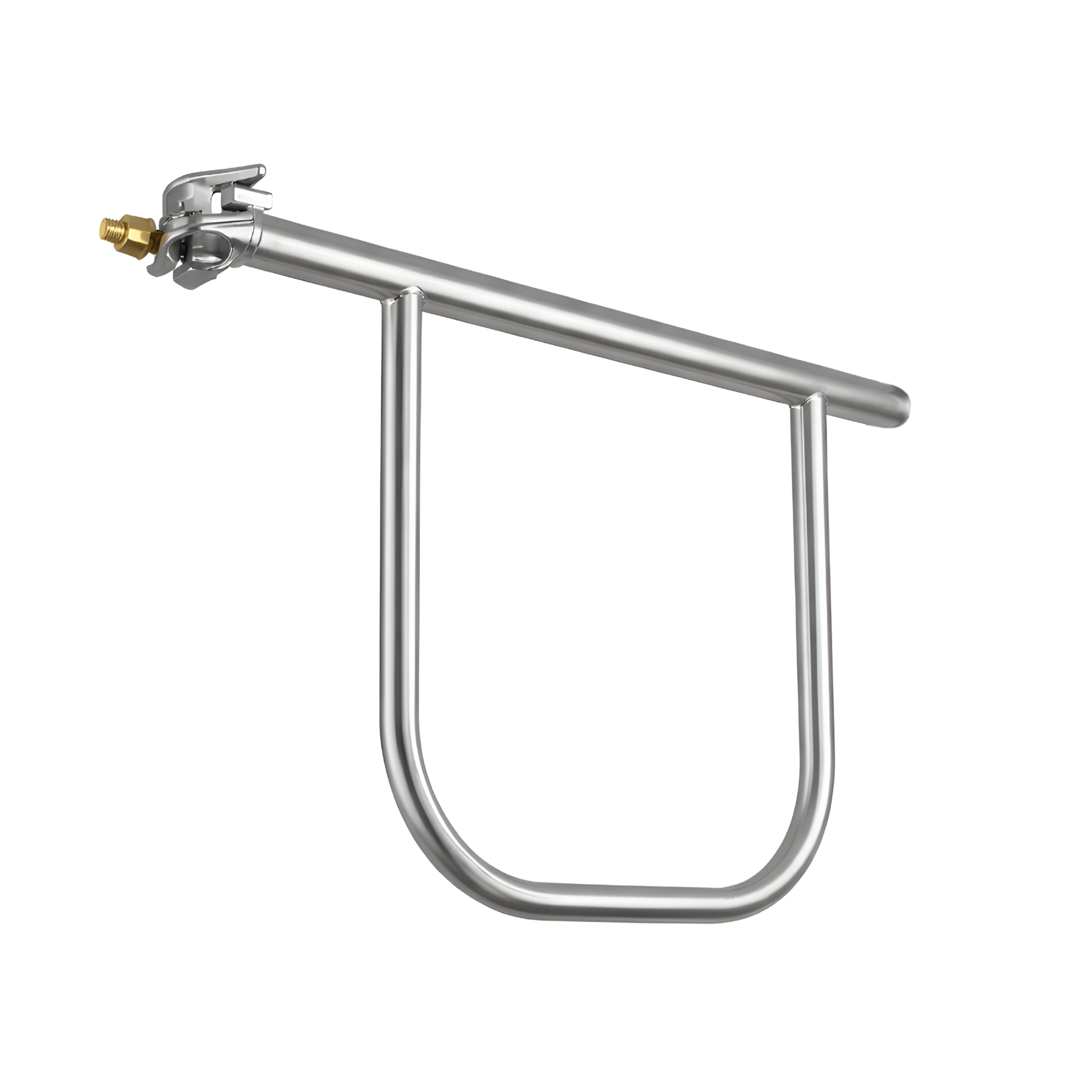
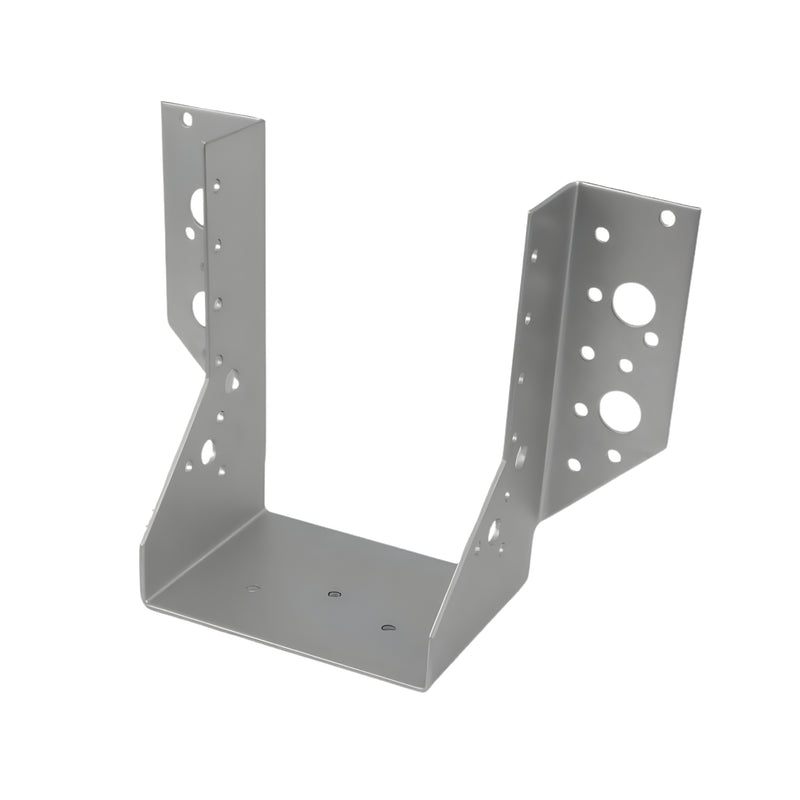
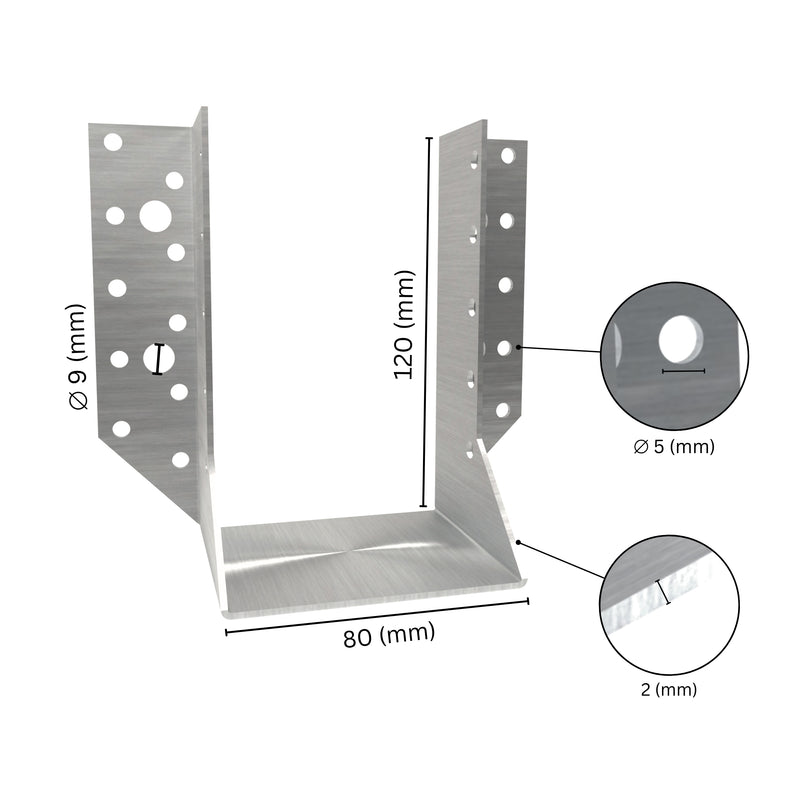
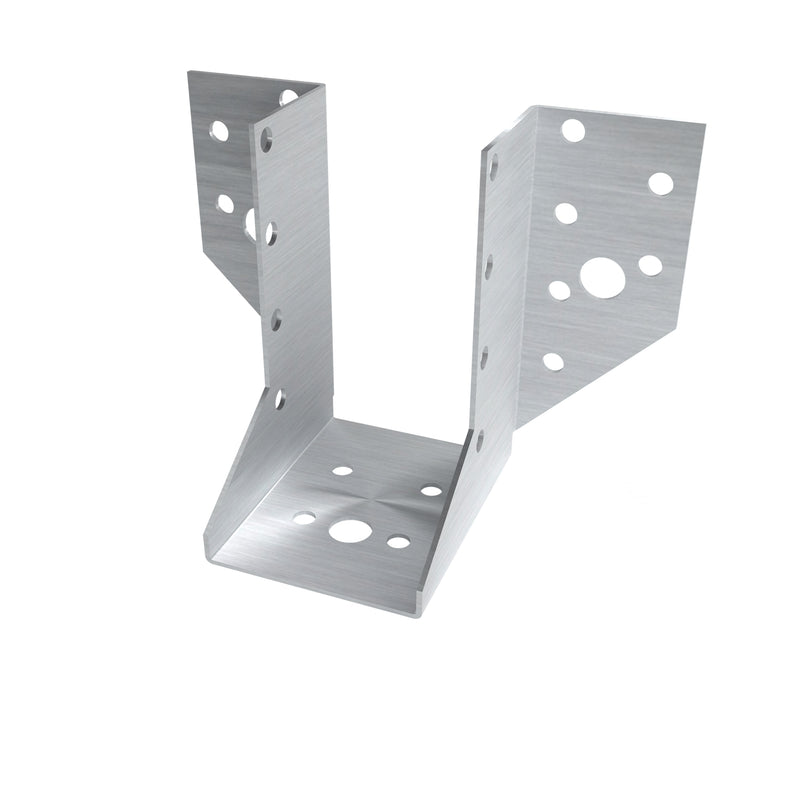
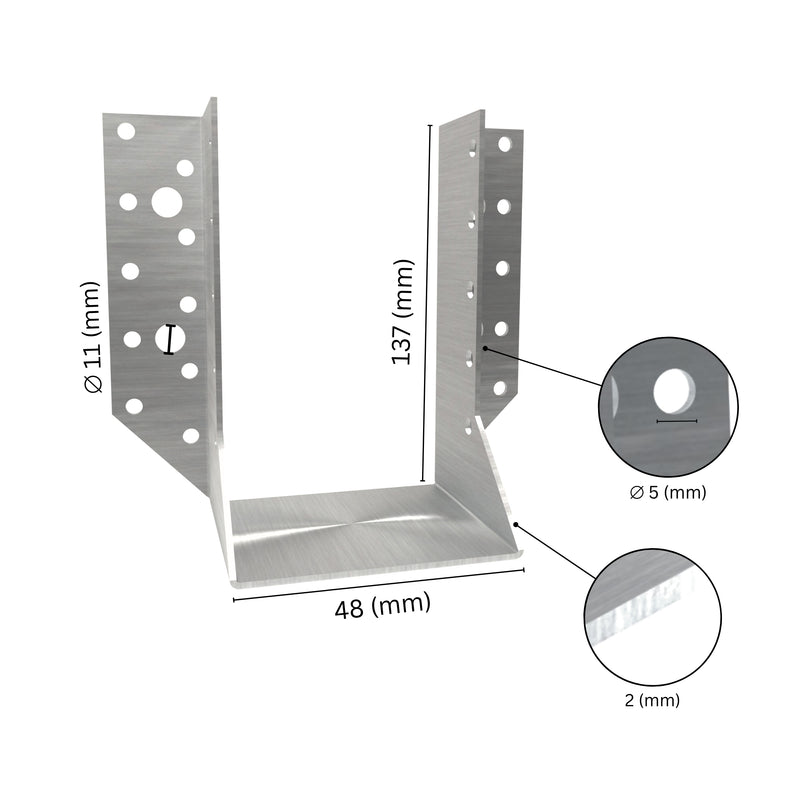
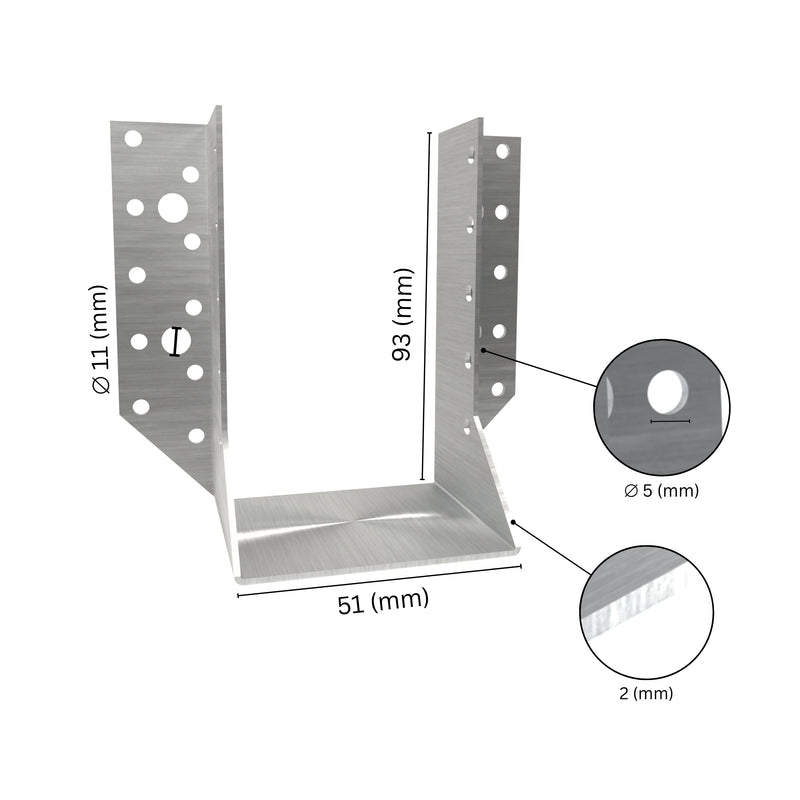
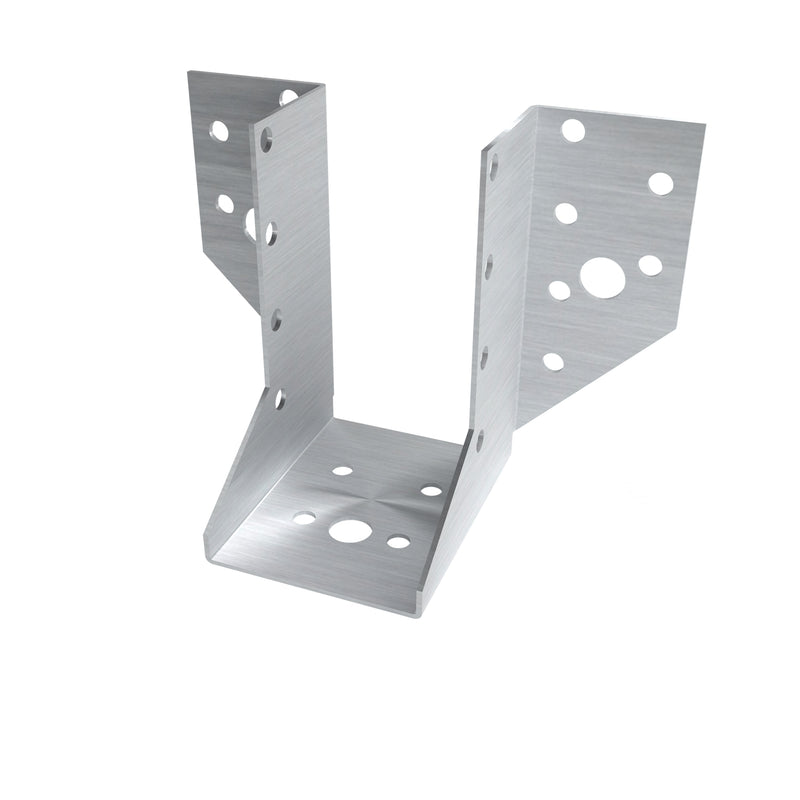
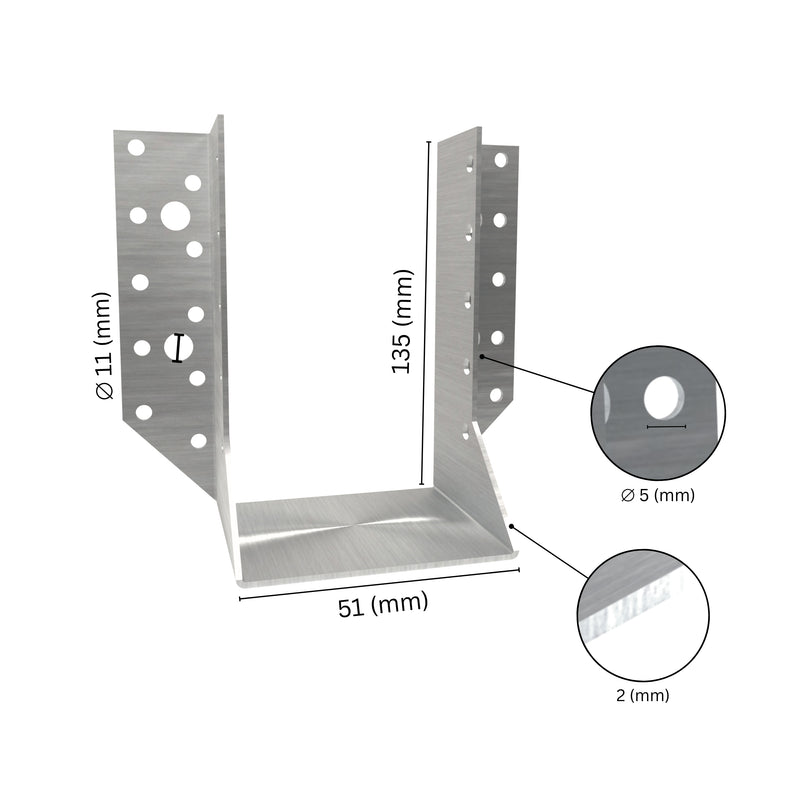
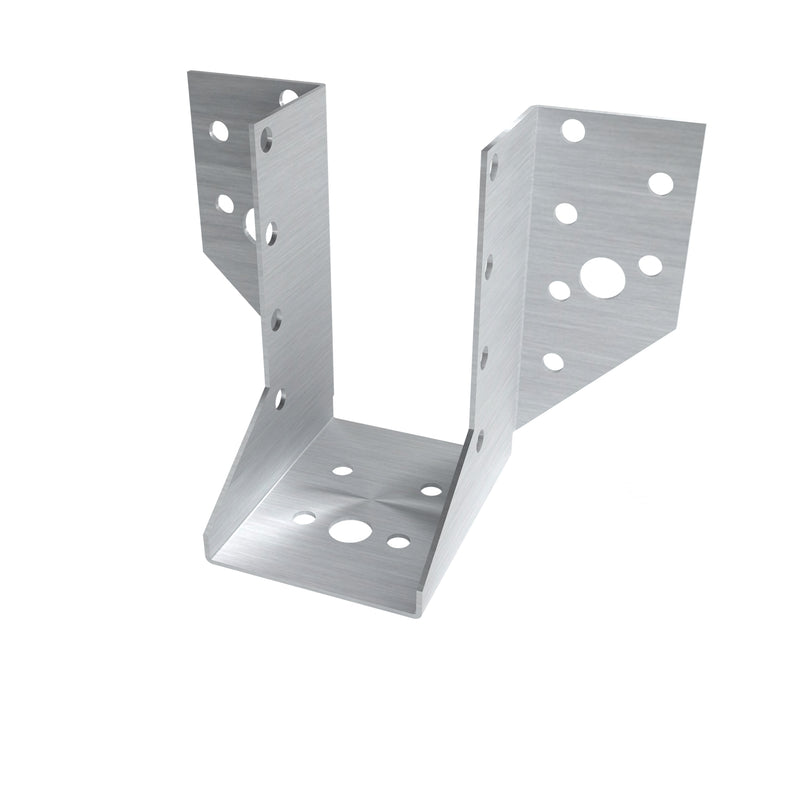
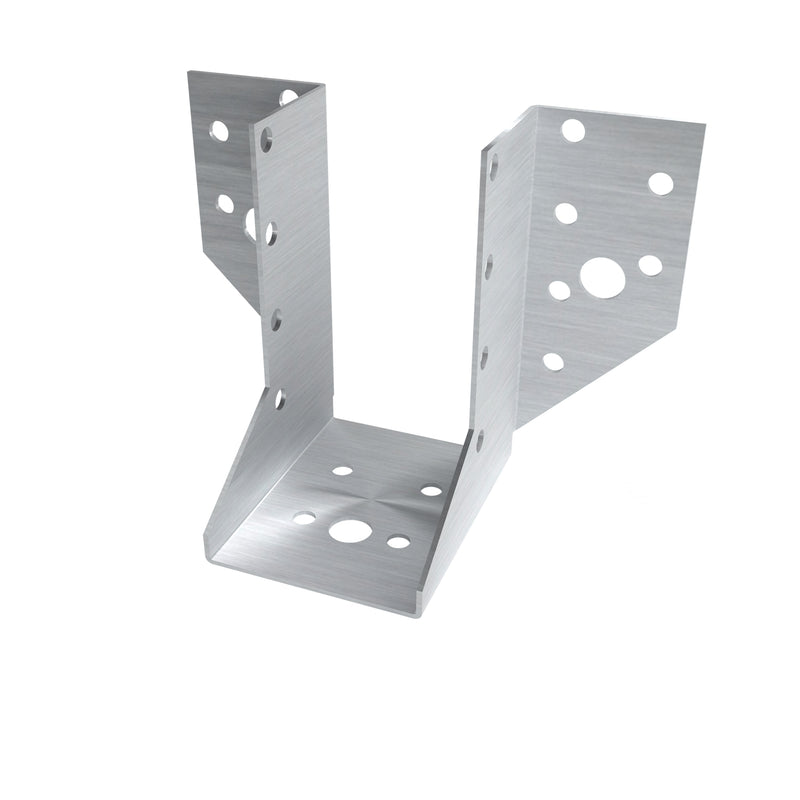
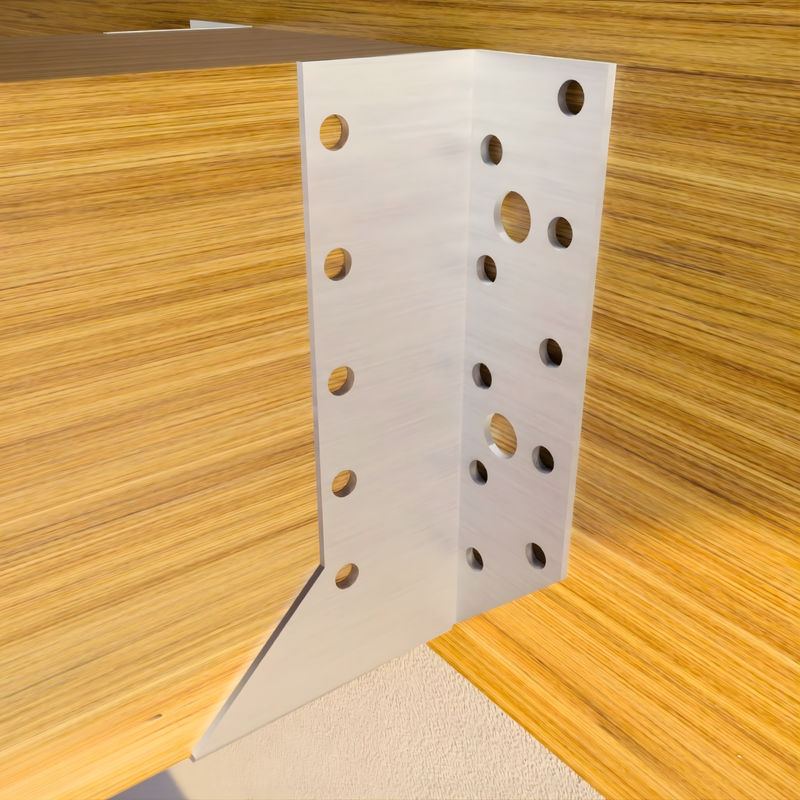
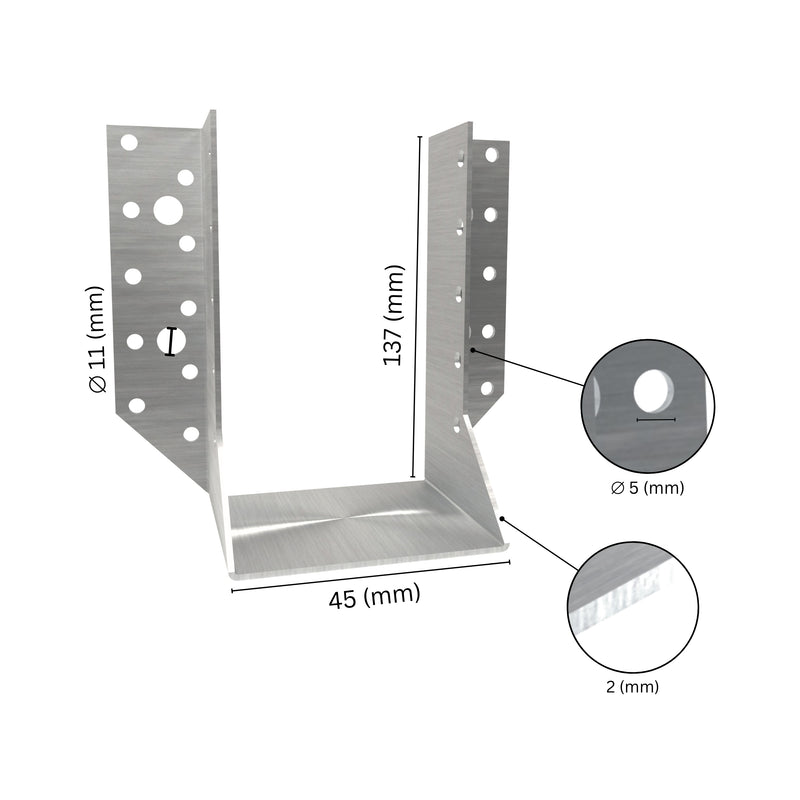
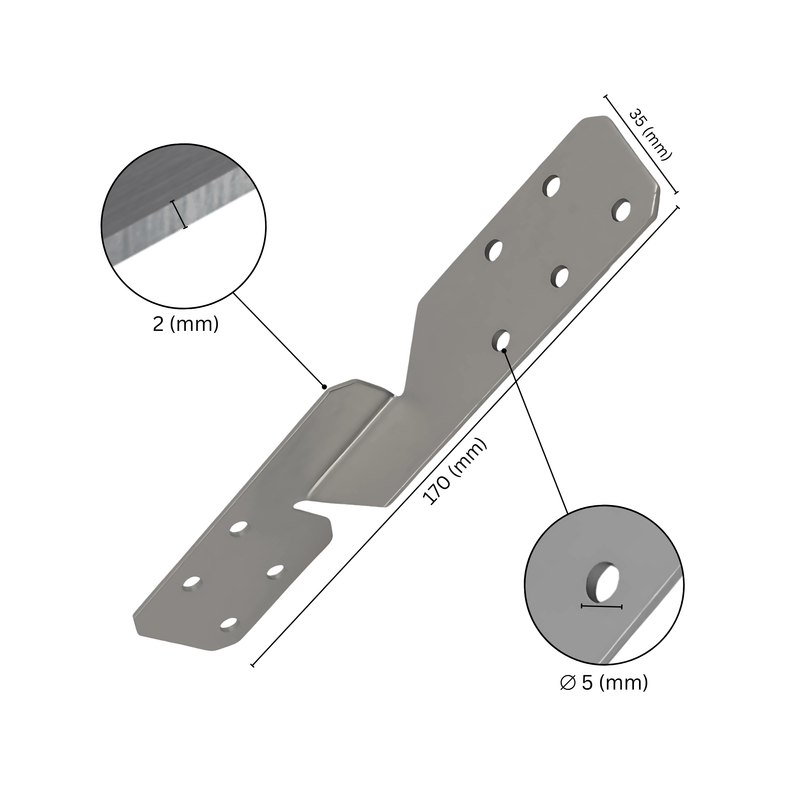
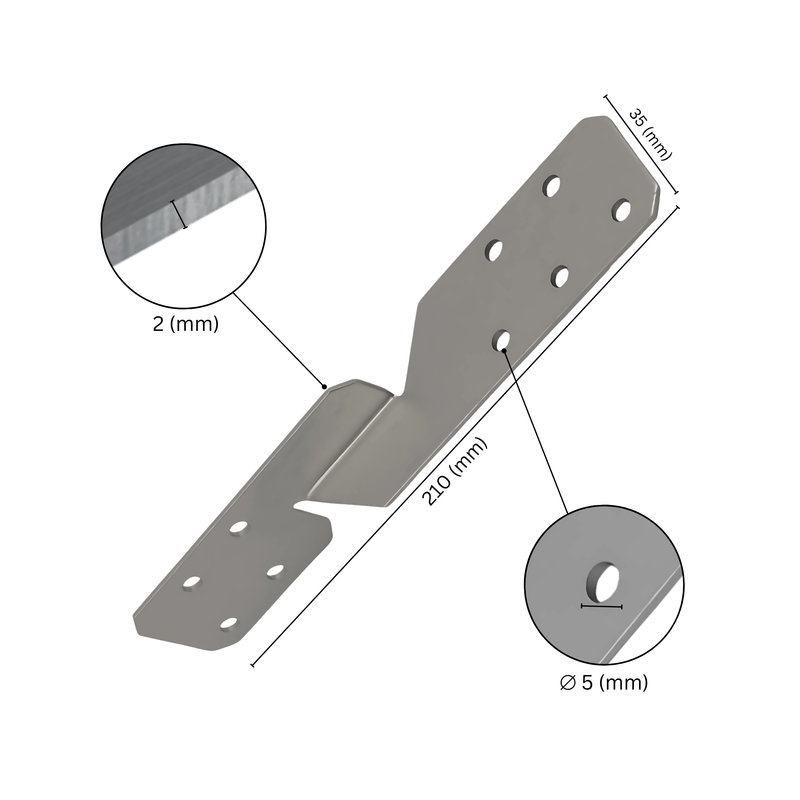
Now you might be thinking about how to store firewood outdoors without spending so much. Don’t worry! I have a solution that costs just a few dollars. It’s a firewood holder. You can create a DIY firewood rack at home using a firewood holder bracket and can store your firewood for seasons.

How to Store Firewood Properly - Outdoors Firewood Storage
Most people store the bulk of their firewood outside. This makes sense since seasoned wood needs air circulation to stay dry. Apart from this, outdoor storage also keeps pests, dirt and bark pieces away from your living spaces. So, let’s create an outdoor firewood storage.
1. Pick the Right Spot
First and foremost, choosing the right spot is important. Placing firewood under trees or near fences or pools can trap moisture, so your firewood needs to be kept in a dry, well-ventilated area. Pick a location with low moisture levels.
It’s also a good idea to keep your firewood a short distance away from your house or garage so pests don’t sneak inside. Apart from this, stacking logs directly on the ground can trap moisture, which leads to rot and attracts insects. To avoid this, raise your wood using a firewood rack, pallets, or even a few bricks.
2. Use a Firewood Log Holder Rack
Never stack firewood directly on soil or grass. Ground contact invites moisture, rot and insect infestation. Even during dry weather, the earth retains dampness that will wick into your wood.
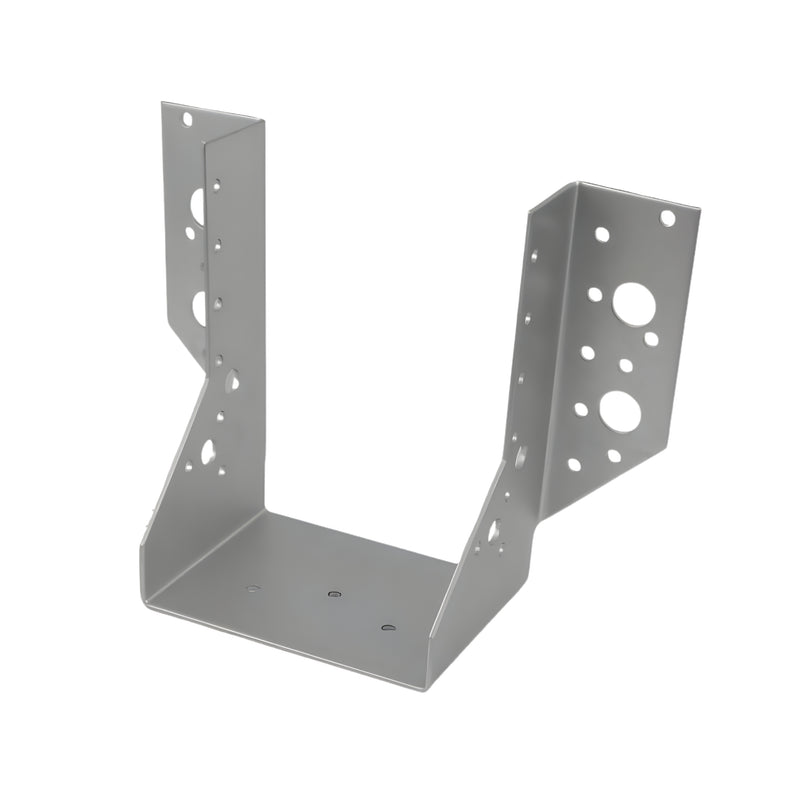
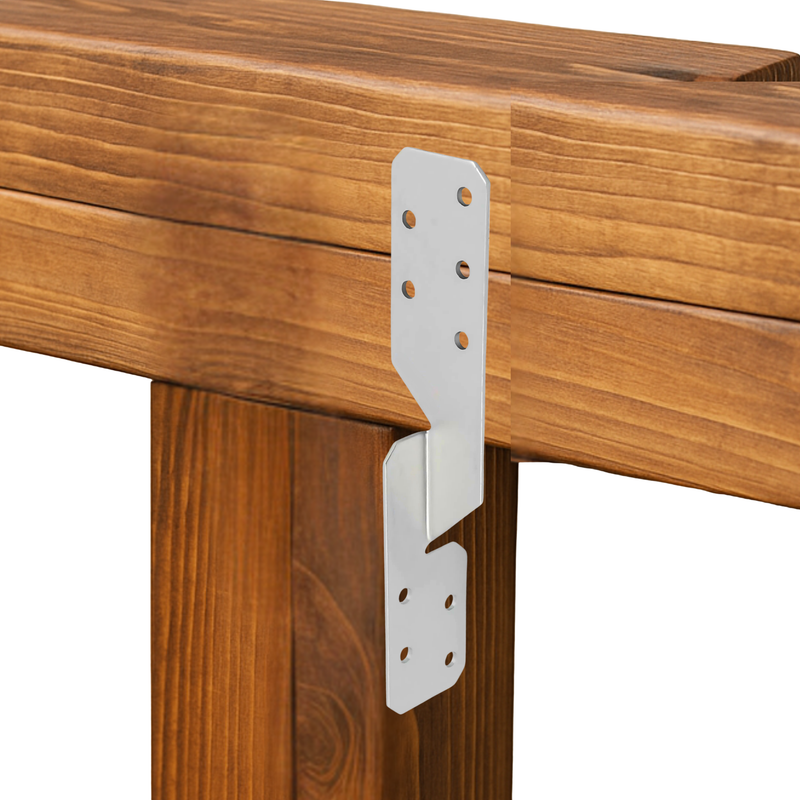
You can use a firewood log storage rack for wood stacking. It keeps wood off the ground and provides better stability than a random pile. If you don't have one, you can easily create it using firewood rack brackets.

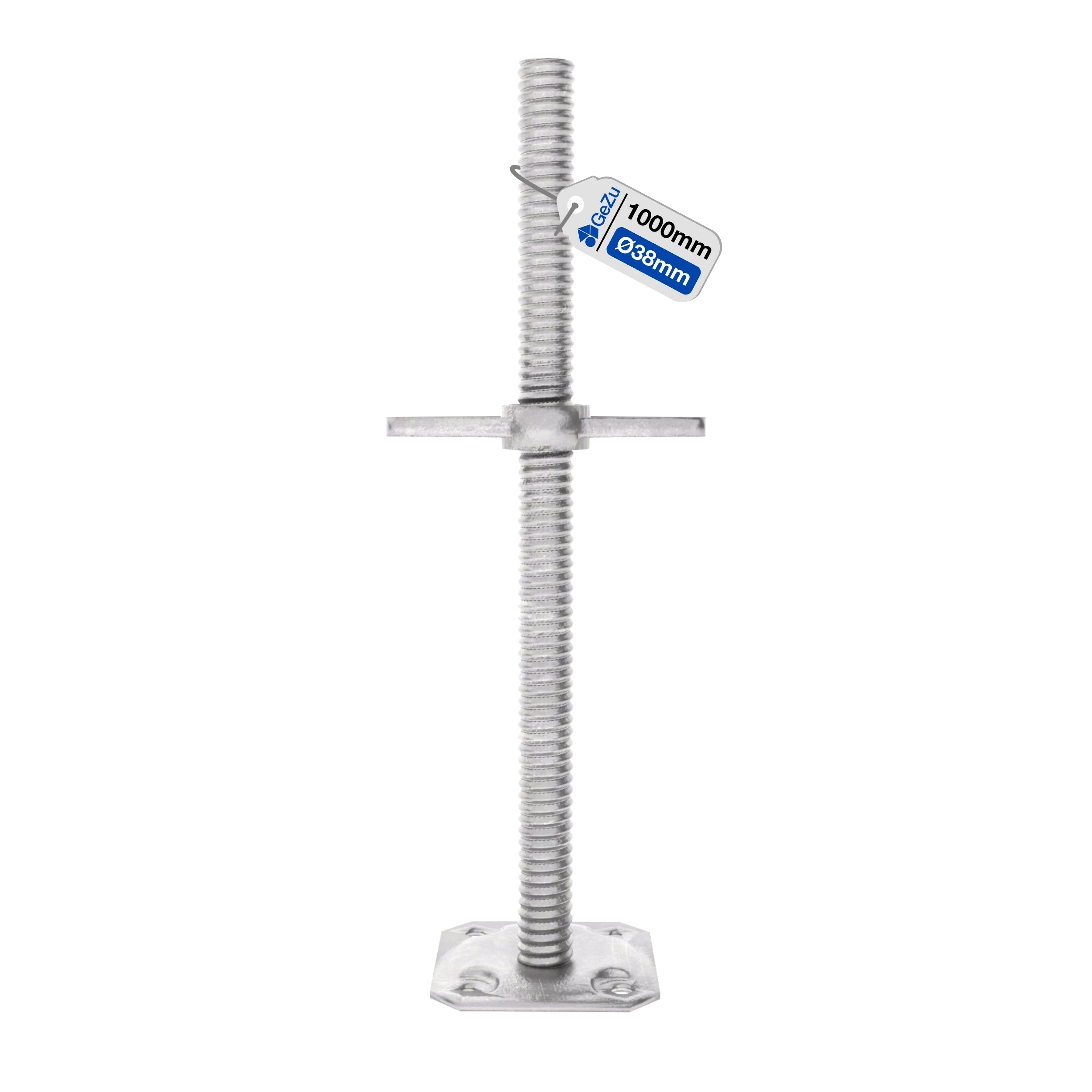
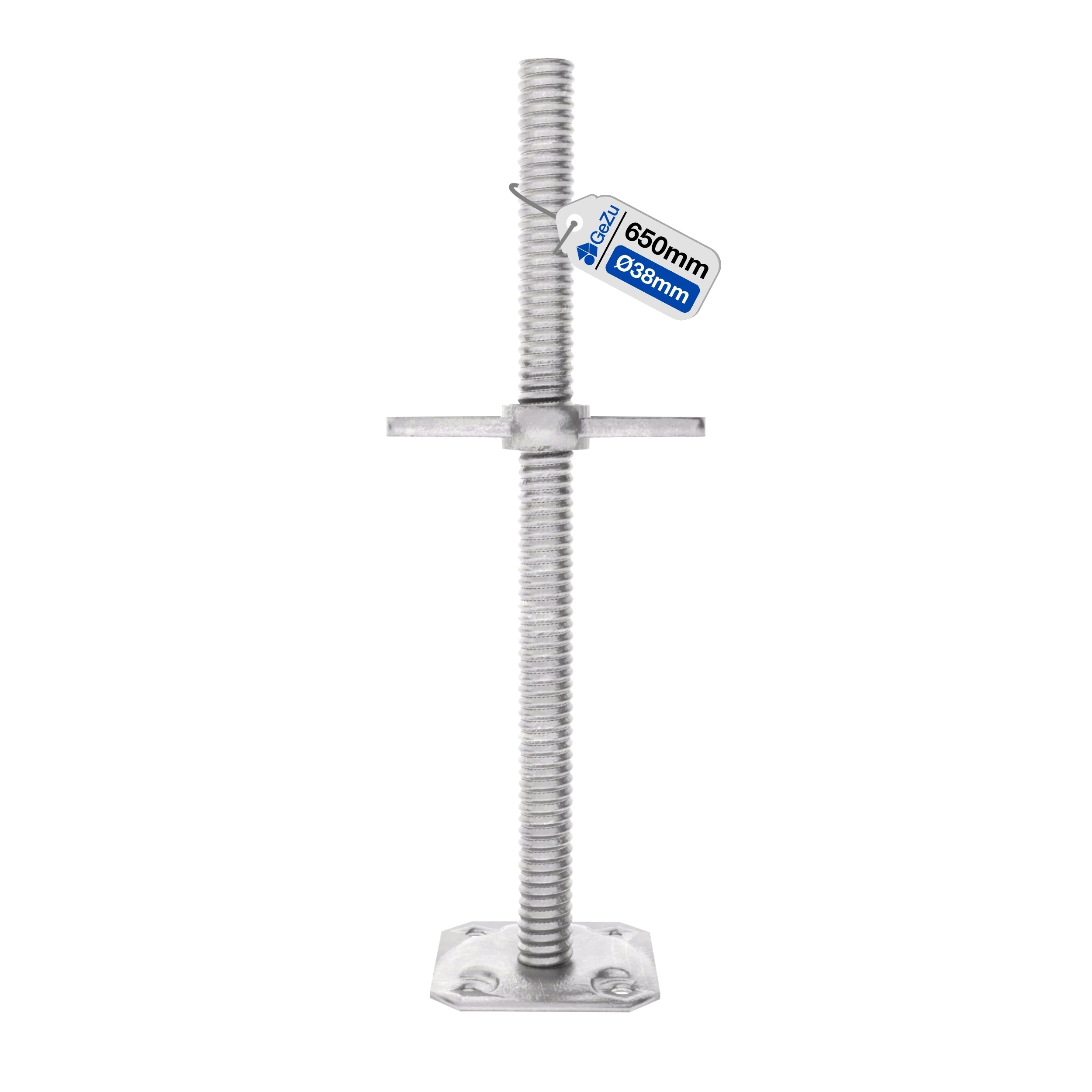
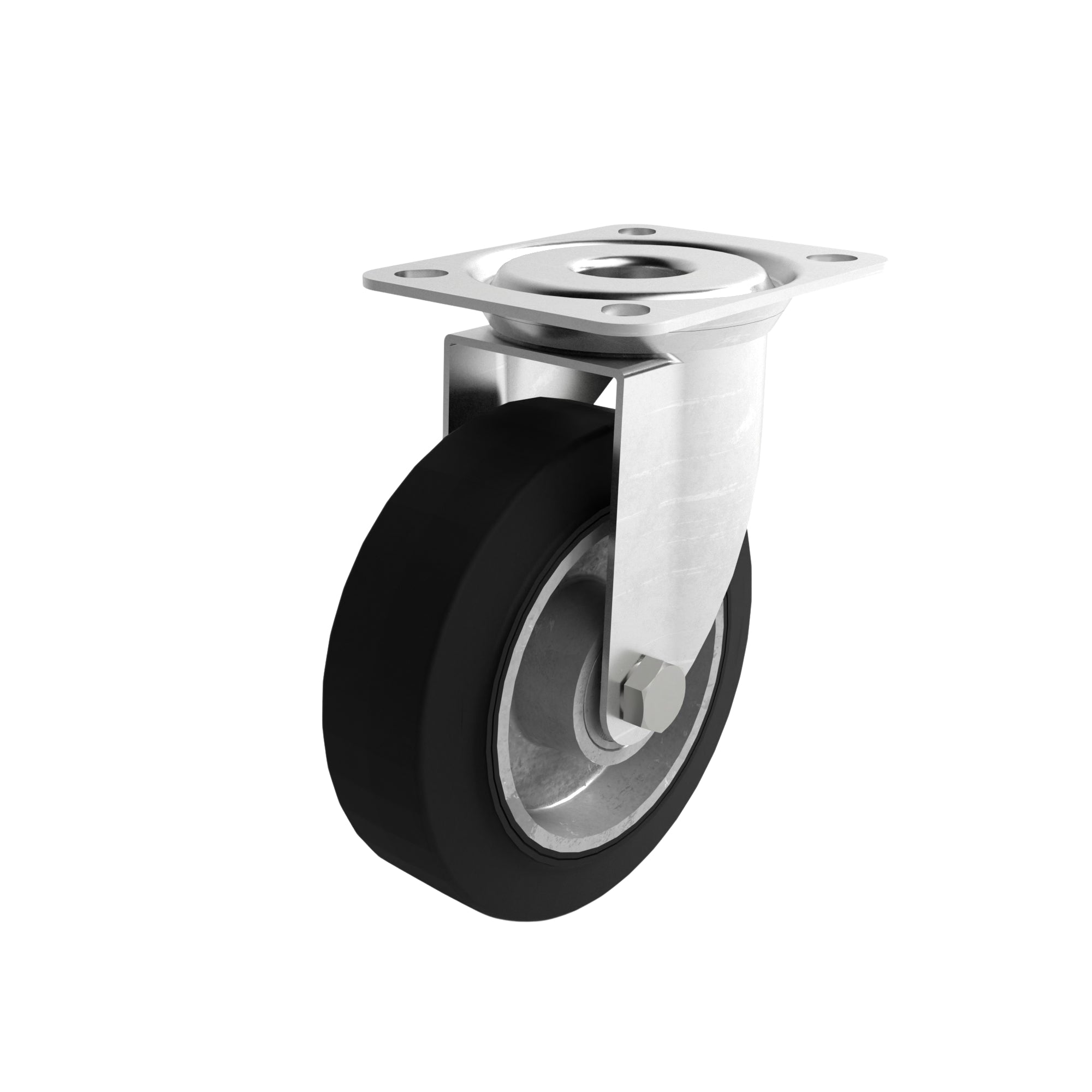
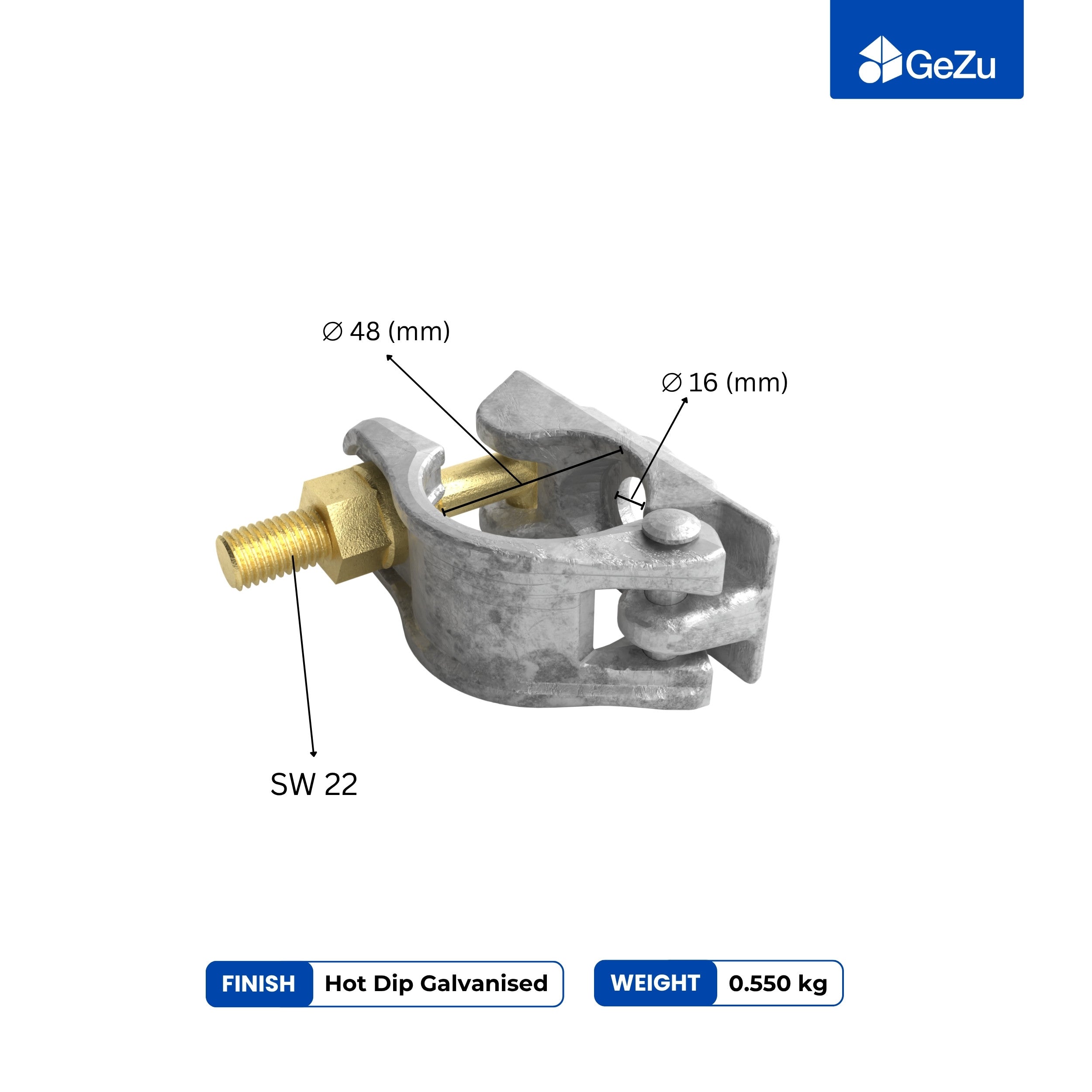
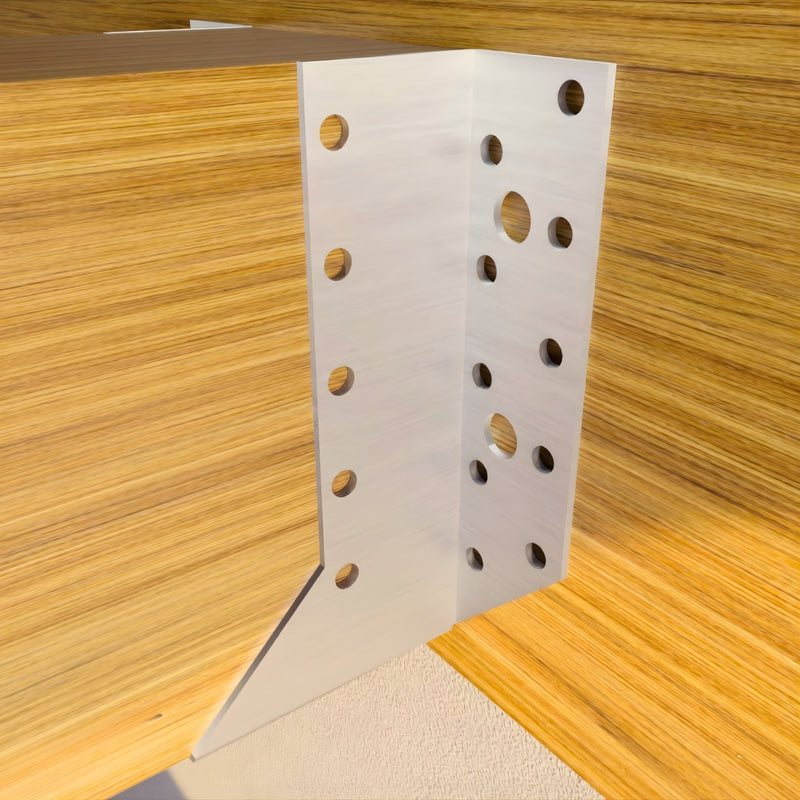
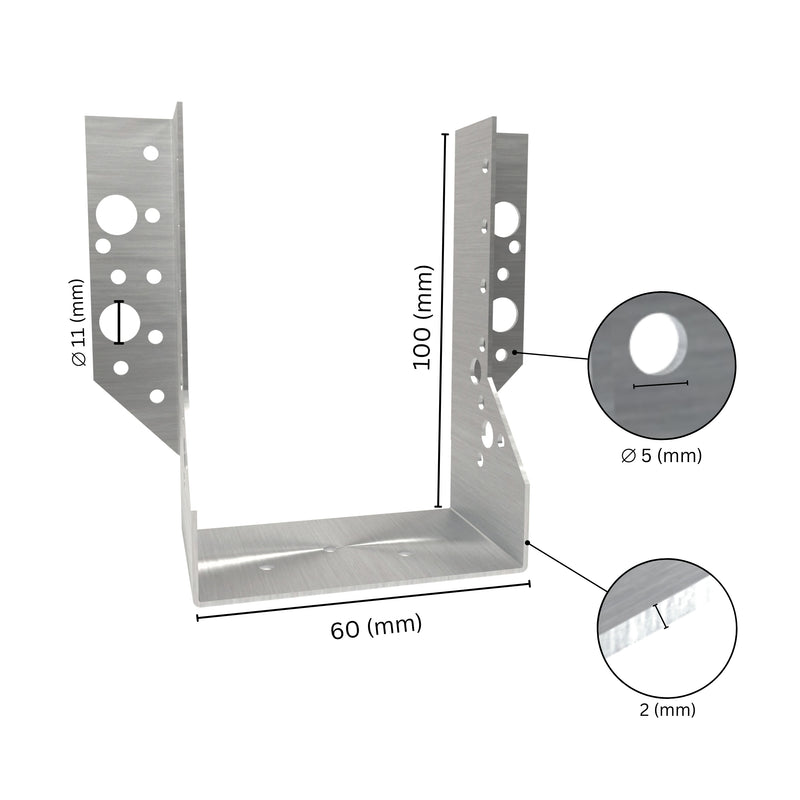
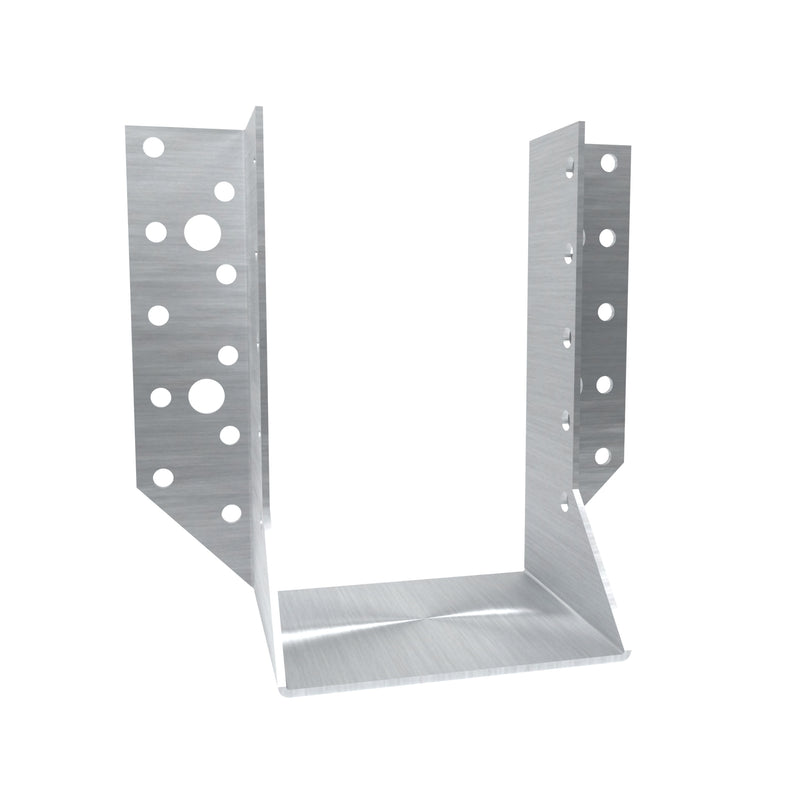
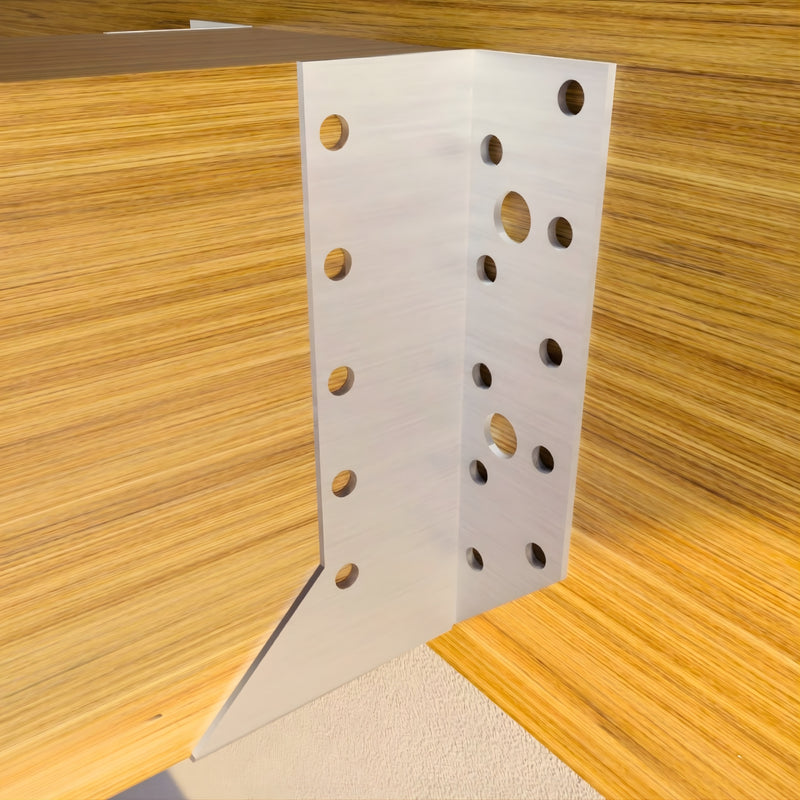
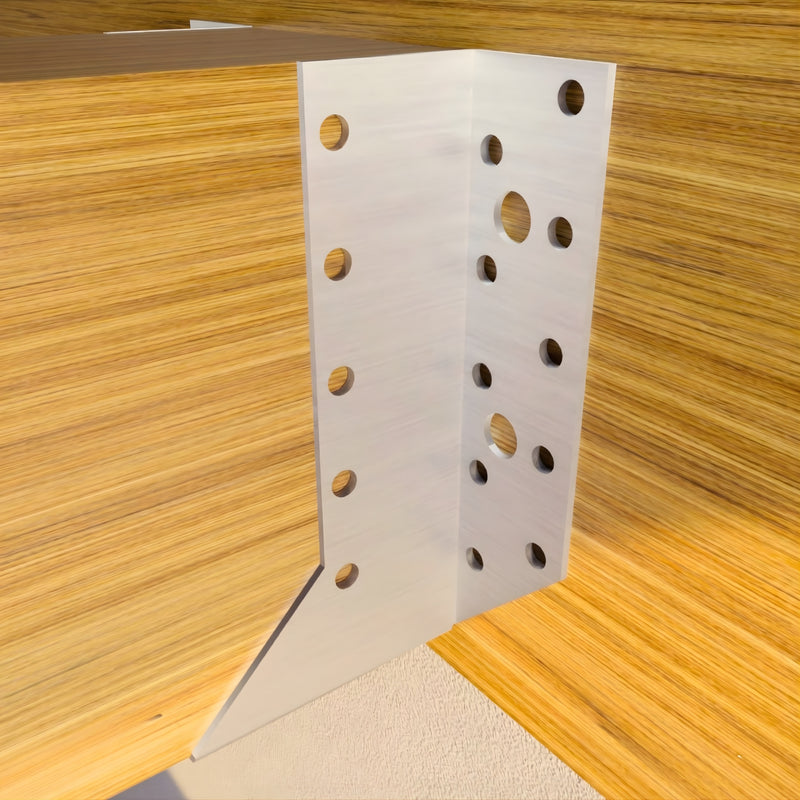
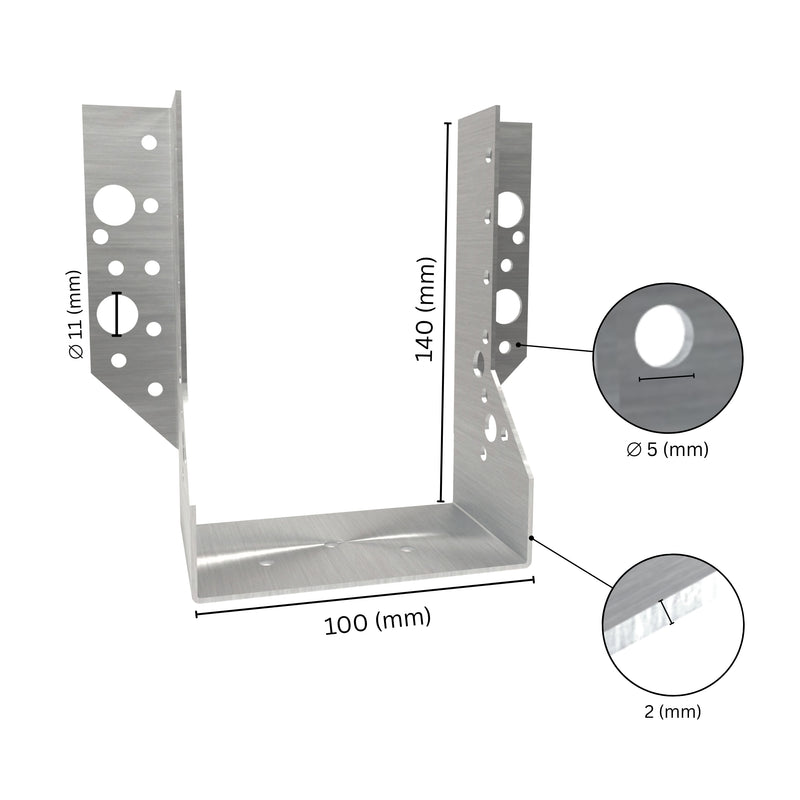
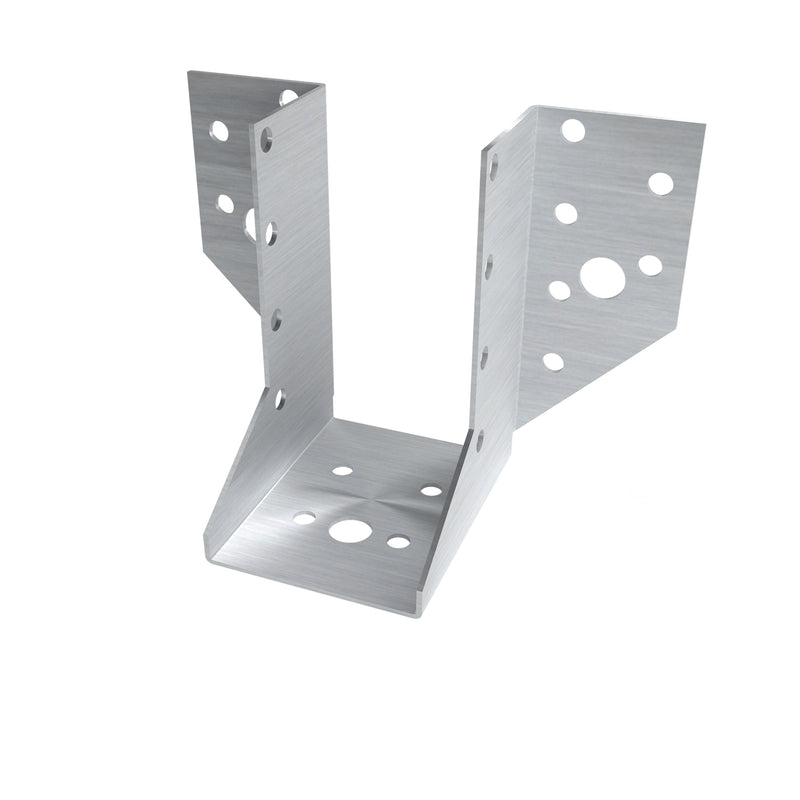
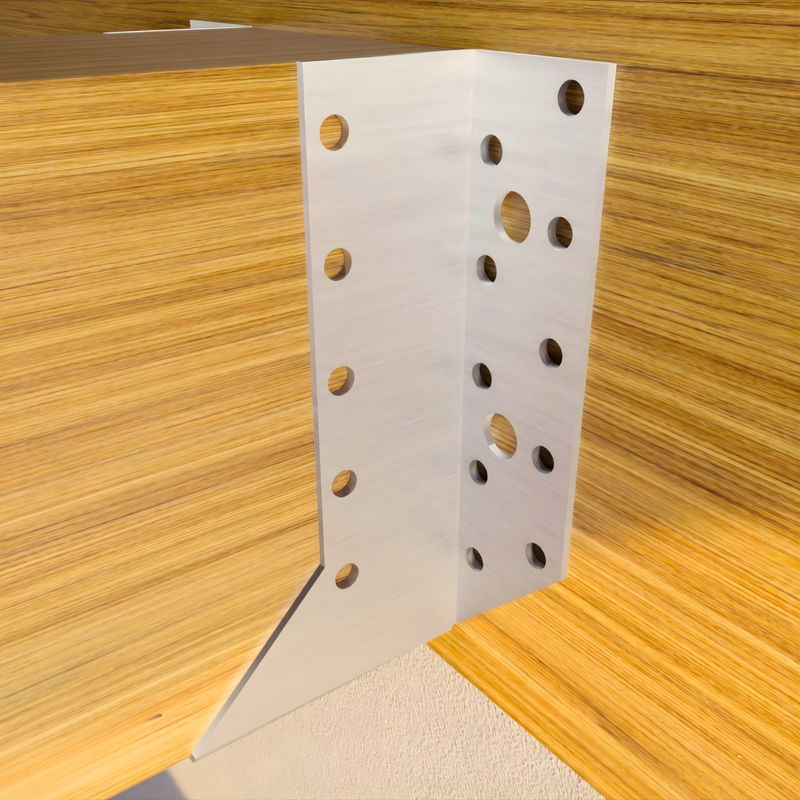
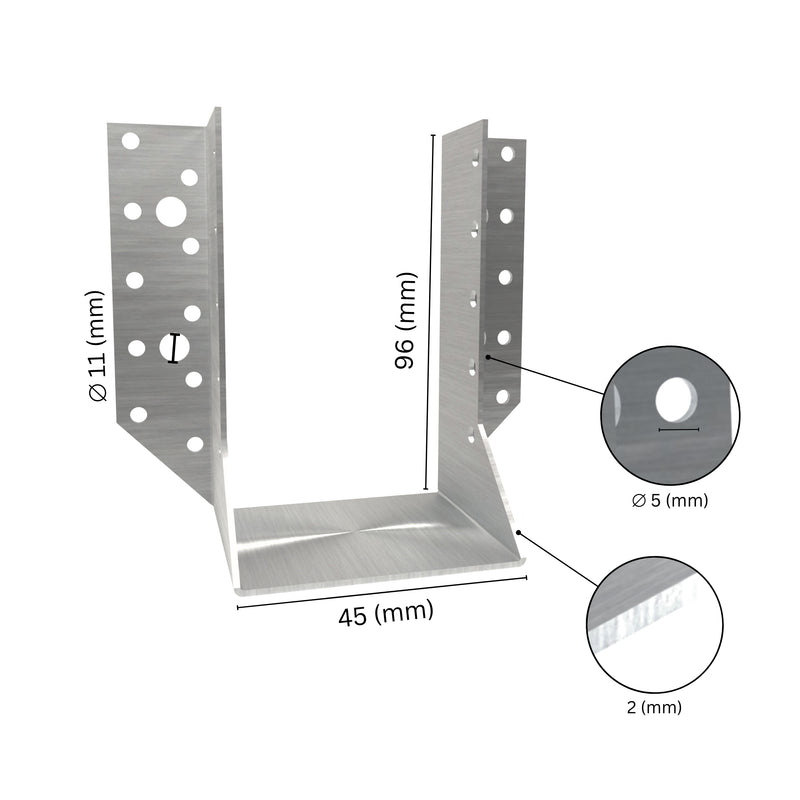
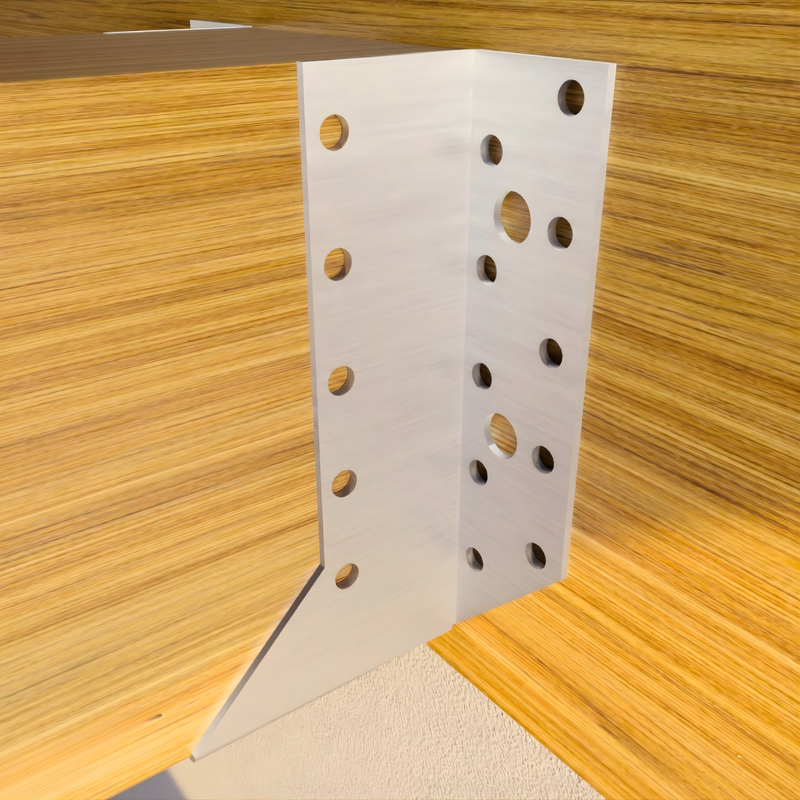
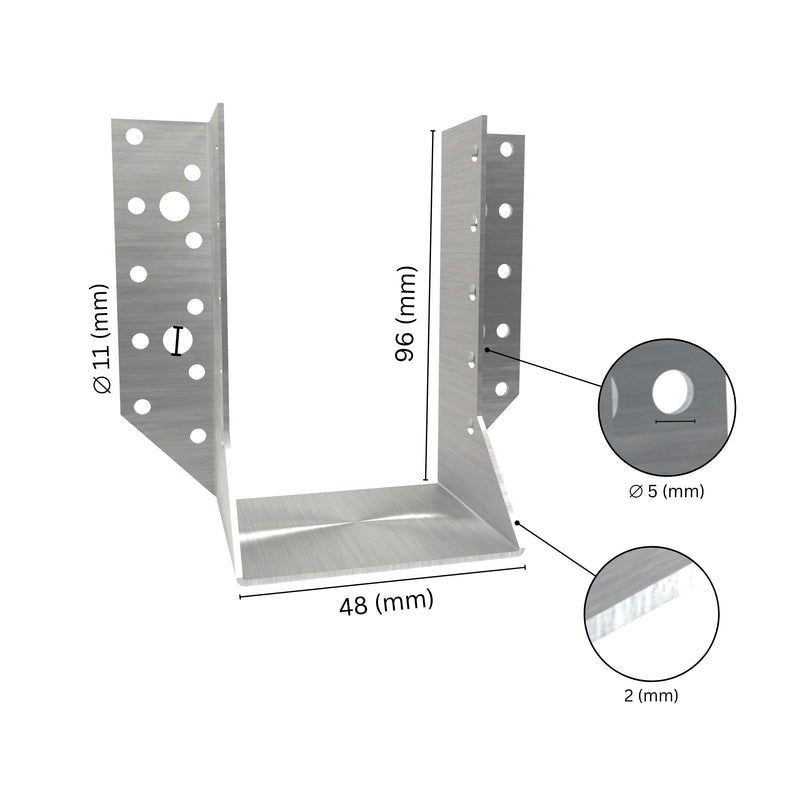
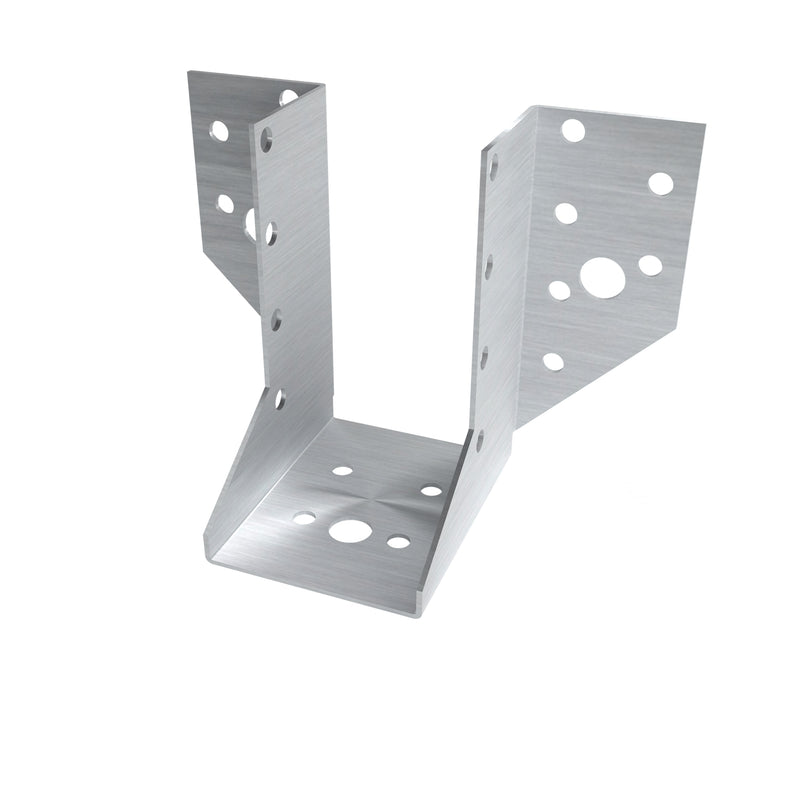
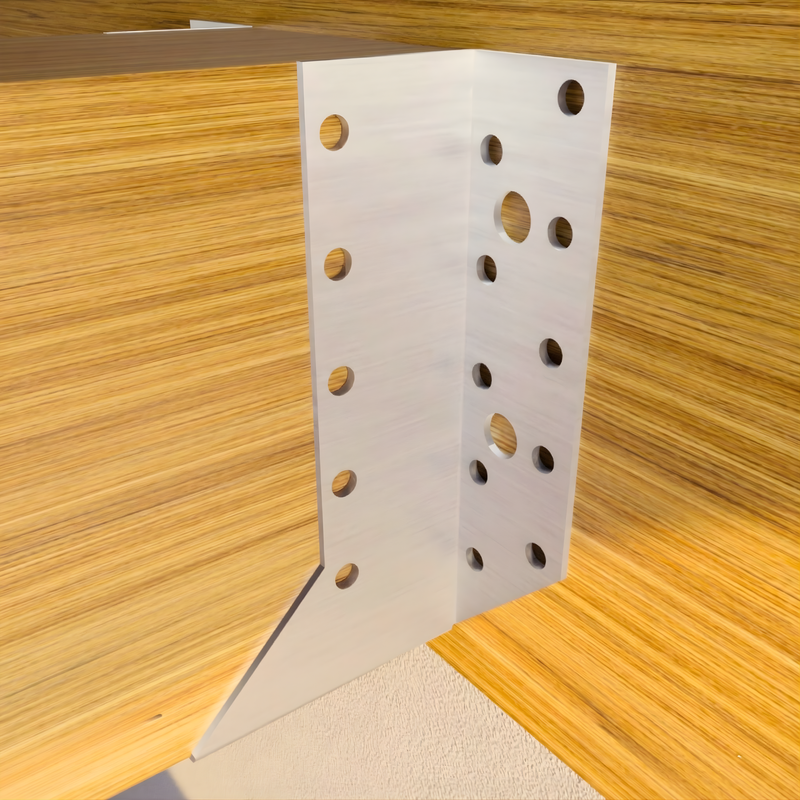
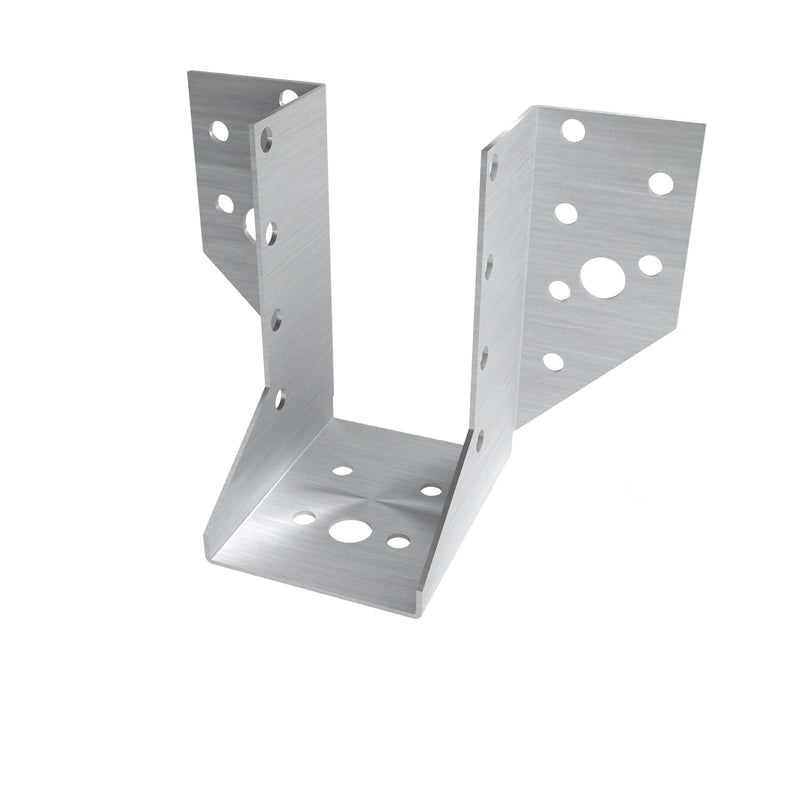
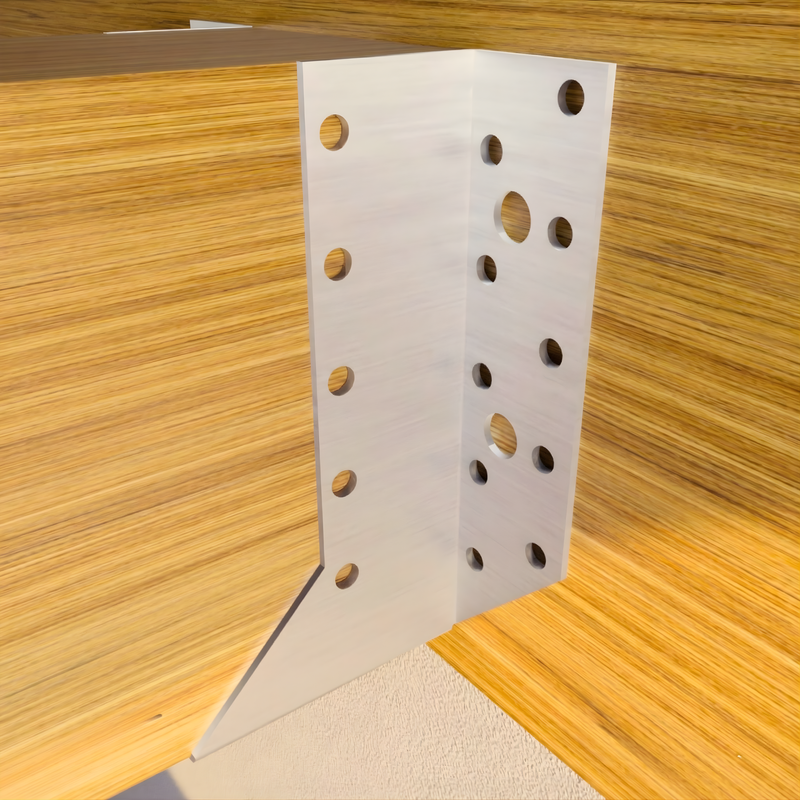
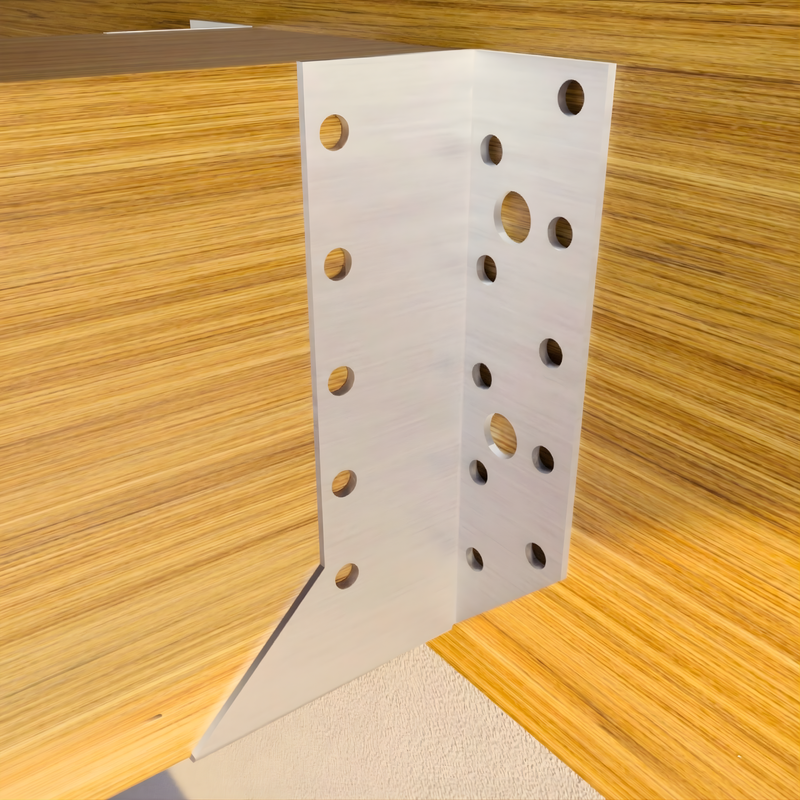
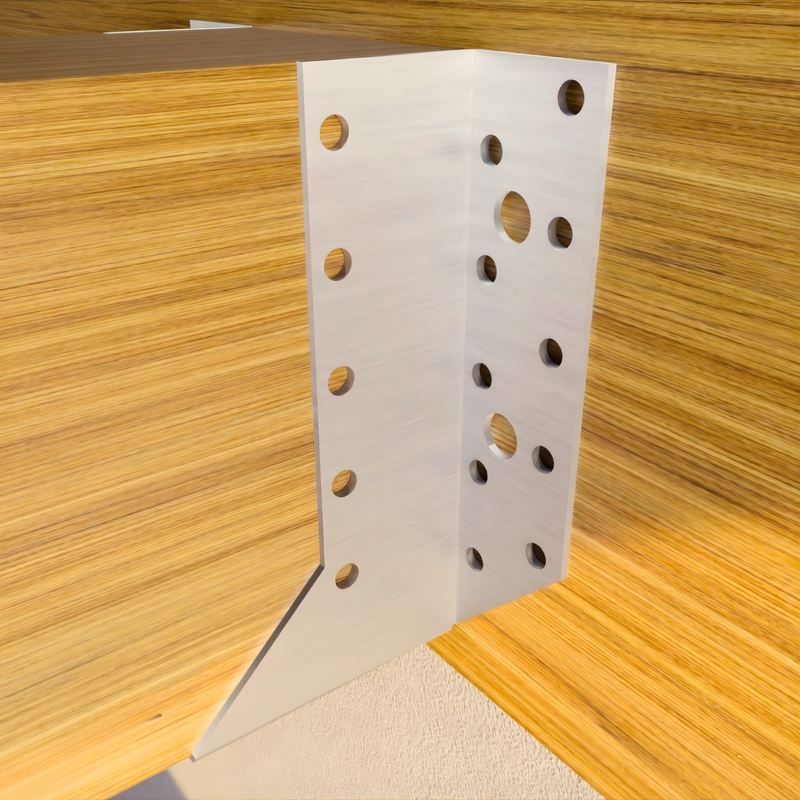
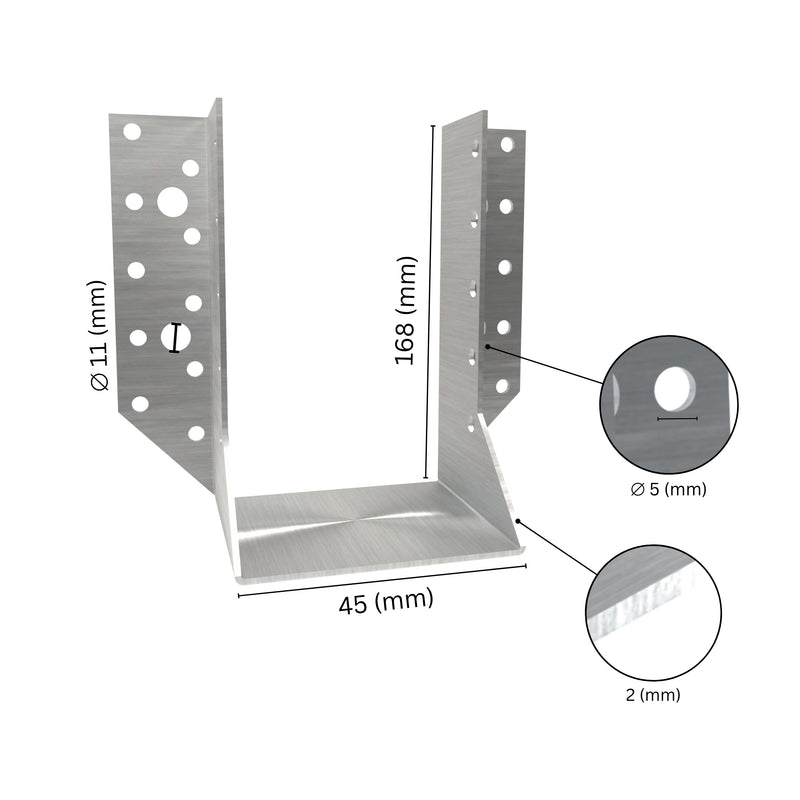
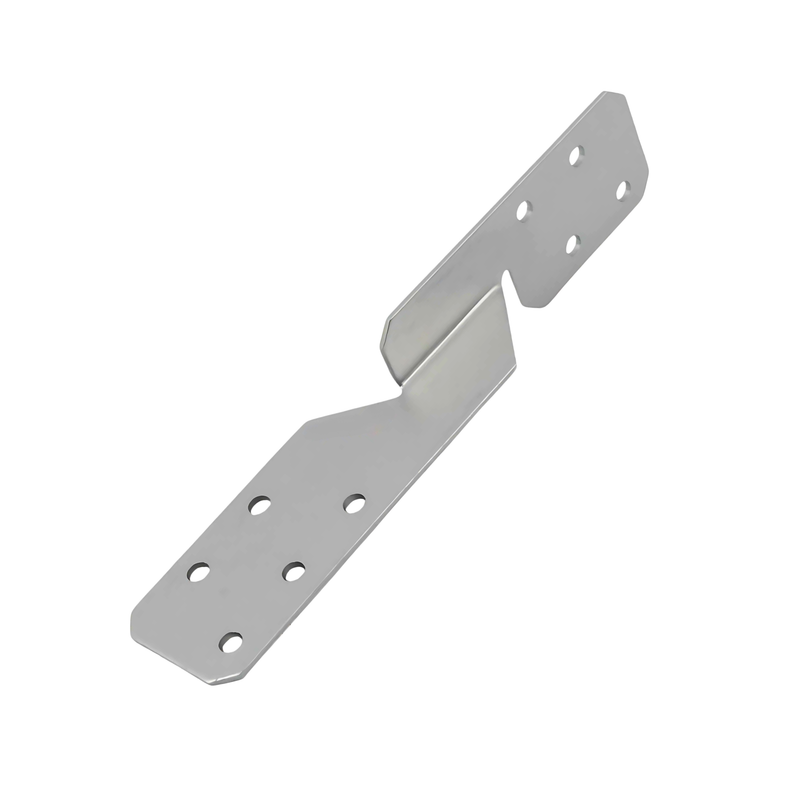
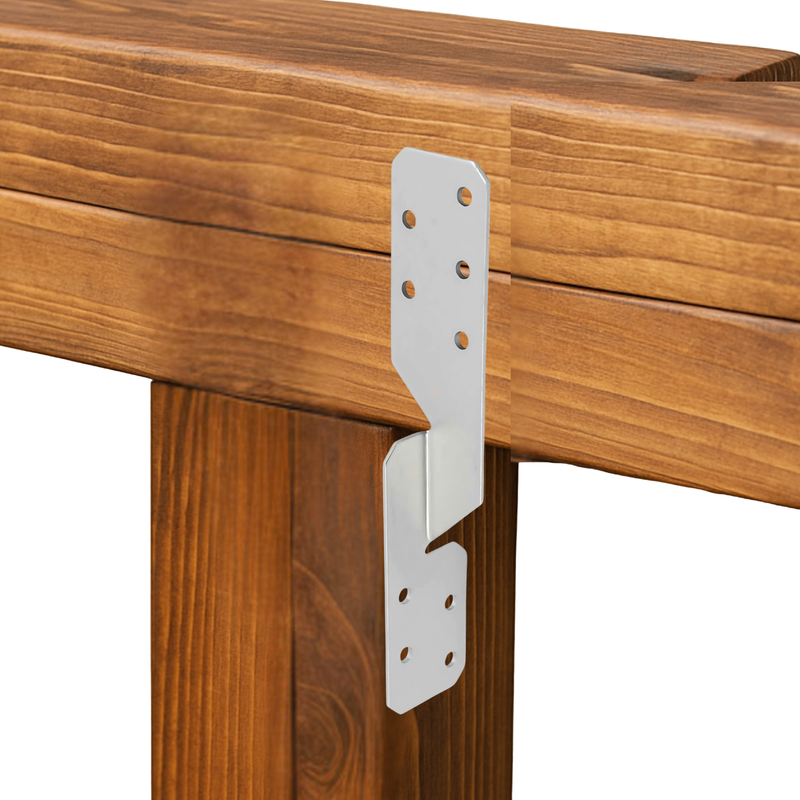
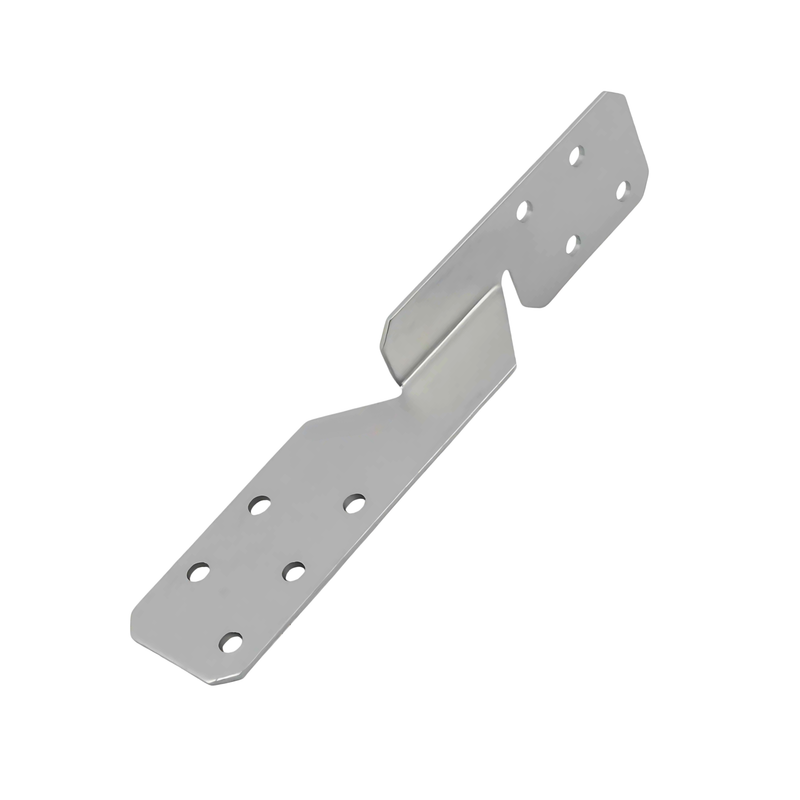
Firewood holder brackets are metal connectors that attach to wooden logs or beams. You just slide the brackets onto the ends of your boards, insert vertical support posts and you have a DIY firewood rack in minutes.
The best thing about this is that you can customize the size to fit your space and adjust the height based on how much wood you plan to store. Honestly, it's worth the investment. A full cord of oak can weigh over two tons.

3. Stack Firewood Correctly
Now that you have created a log holder rack, it's time for stacking. The way you stack your firewood also makes a big difference. Good airflow helps the wood stay dry. Try to cut your logs to about the same size and don’t stack them too close together.
With this, the pile is less likely to tip over. There are different ways to stack firewood, but the traditional method is to create rows with the ends exposed to air. Always place your largest pieces on the bottom as a foundation.

For the ends of your row, use the crisscross method. Alternate the direction of logs on each layer to create stable corners. This helps prevent the entire pile from falling over. Instead of stacking the wood too deeply, it’s better to build a few narrow rows so air can move through easily.
4. Cover the Firewood
As you created a firewood storage outdoors, it's important to cover the wood to protect it from rain and snow. But here you need to do it wisely. Keeping your firewood dry is important, but sealing it up completely can actually cause problems. One common mistake is covering the whole pile with a plastic tarp.

Only cover the top of your woodpile and leave the sides open so air can flow through. If you use a tarp, make sure it doesn’t drape down over the sides, as this can trap moisture and prevent evaporation. Also, secure the tarp so the wind won’t blow it away, but avoid wrapping the whole pile.
Most importantly, don’t cover green or freshly cut wood right away. It needs time to season, which requires plenty of airflow. Once the wood has dried properly, you can add a protective cover.
Final Thought
Now that you know how to store firewood the right way, you can avoid common mistakes that lead to poor fires and wasted fuel. Storing firewood outdoors properly isn't difficult, but it makes a difference in how well your wood burns.
The basics come down to keeping it dry, off the ground and allowing good airflow. Whether you're storing a small bundle or stacking cords for winter, these principles apply. So, take time to set up your firewood storage area correctly from the start.
A good spot with proper stacking saves you from dealing with wet, moldy, or bug-infested wood later. Smart storage means better fires and more enjoyment from your fireplace or wood stove all season long.