Types of Joist Hangers & When to Use Each One

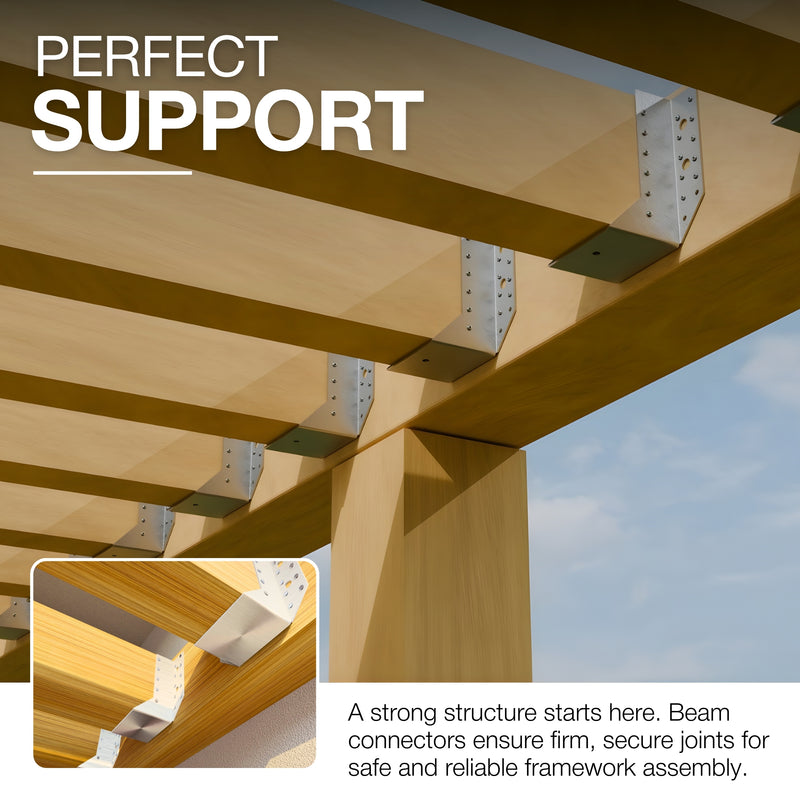
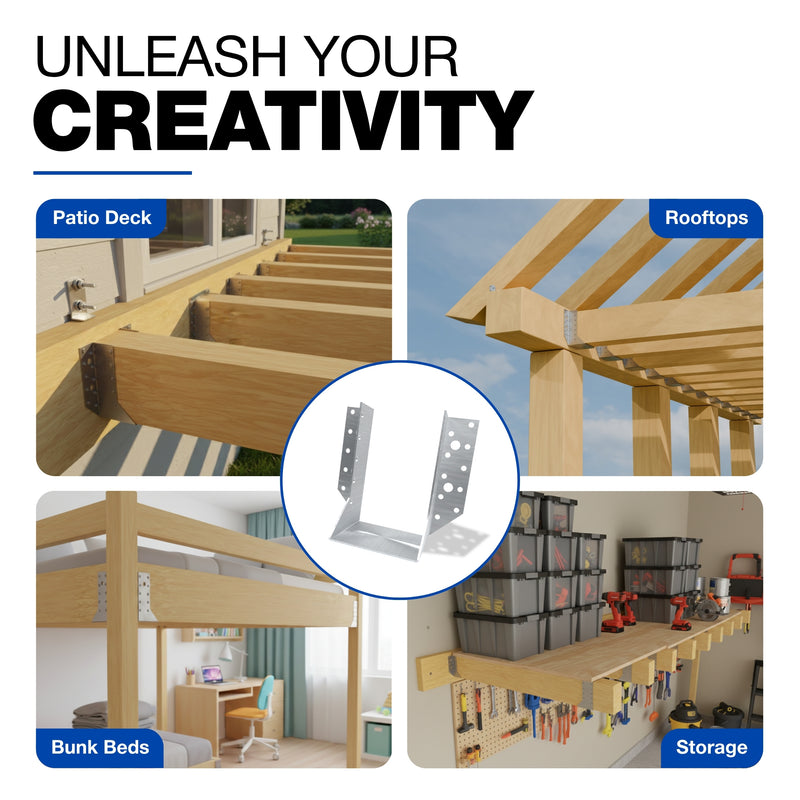
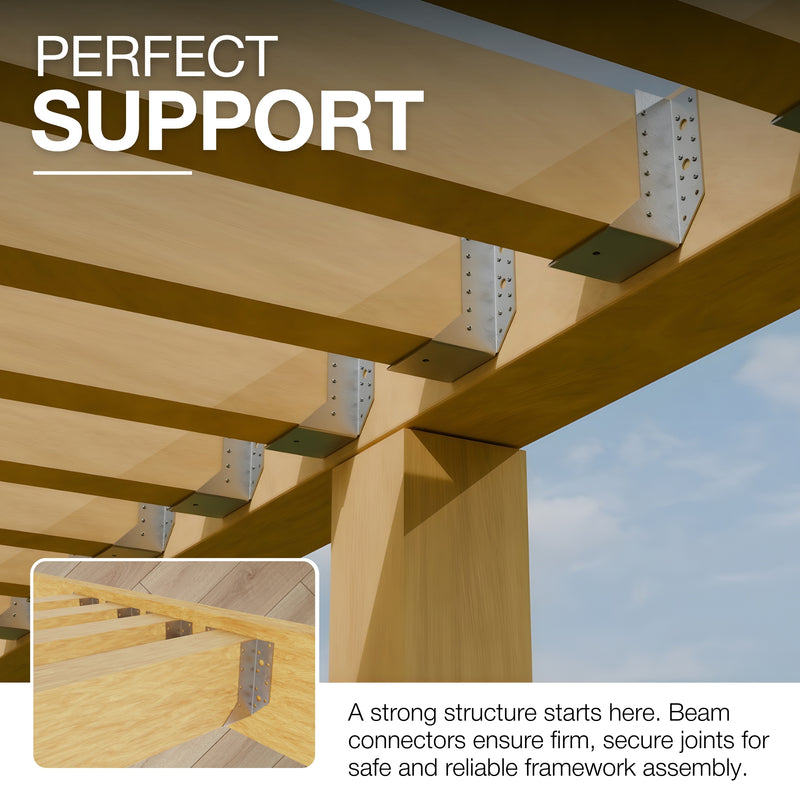
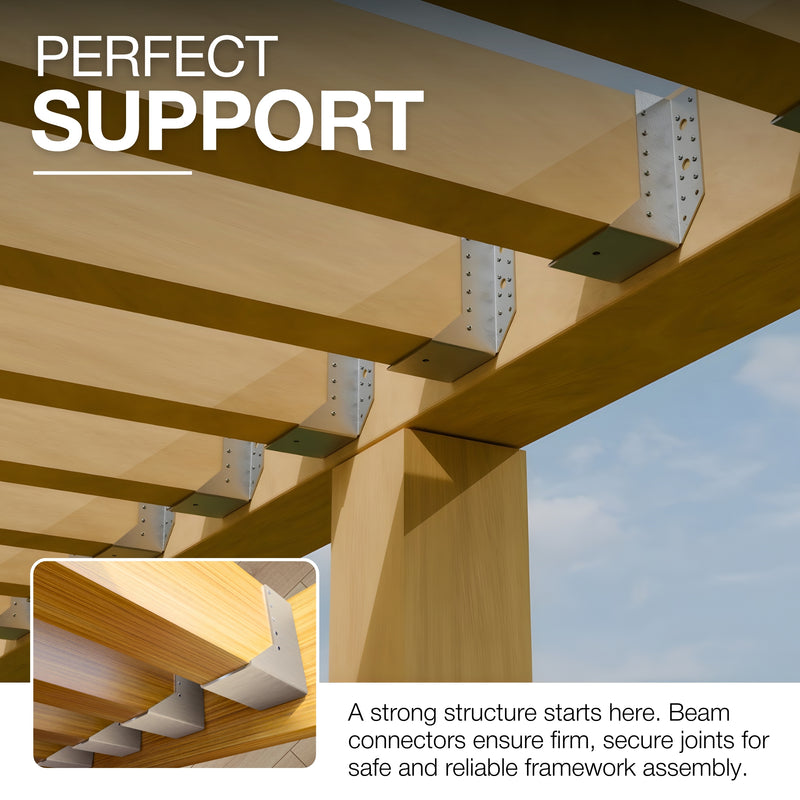
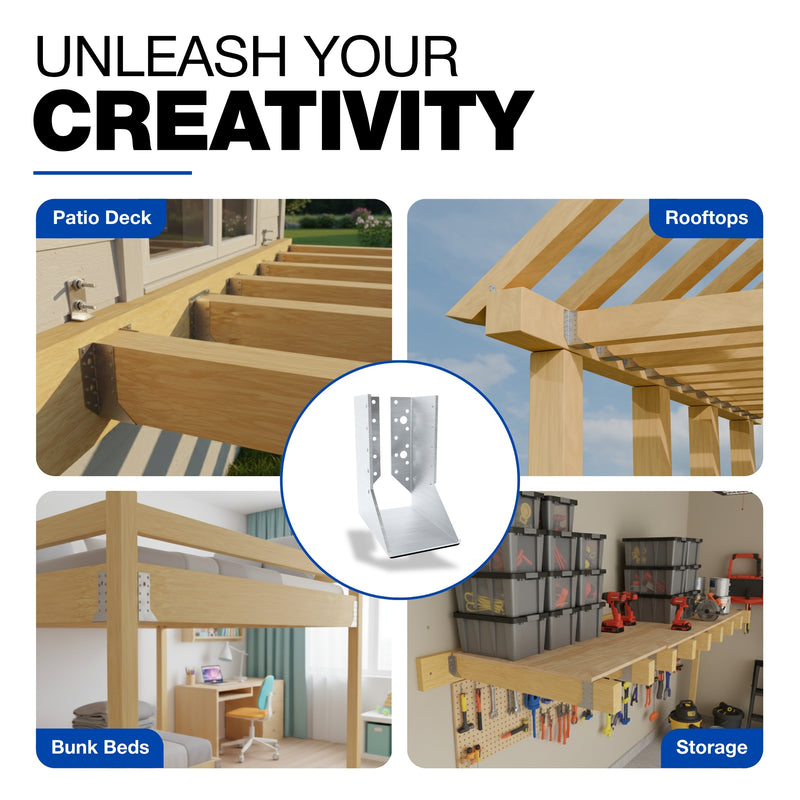
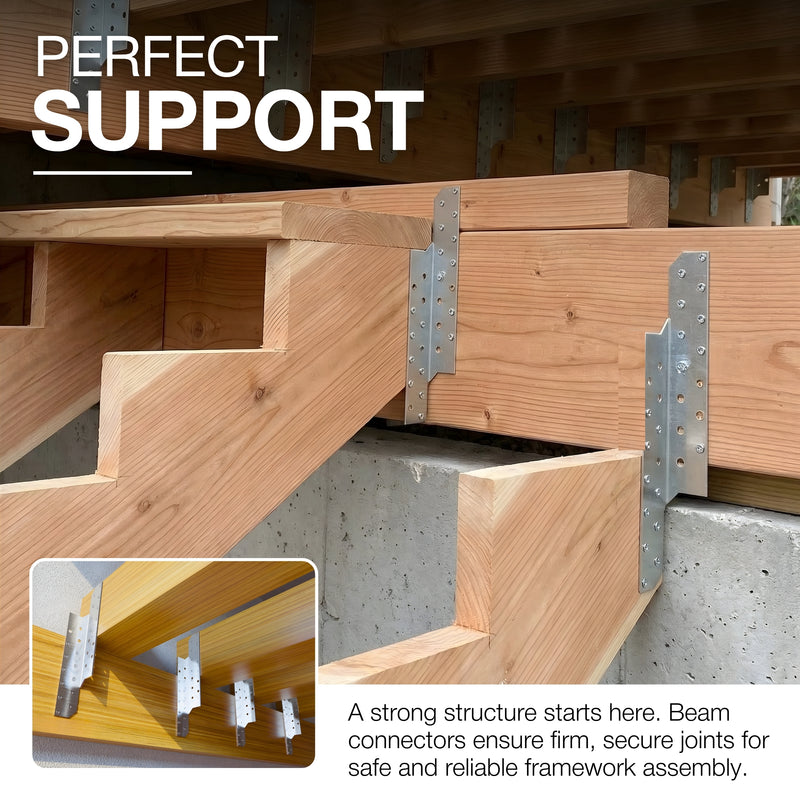
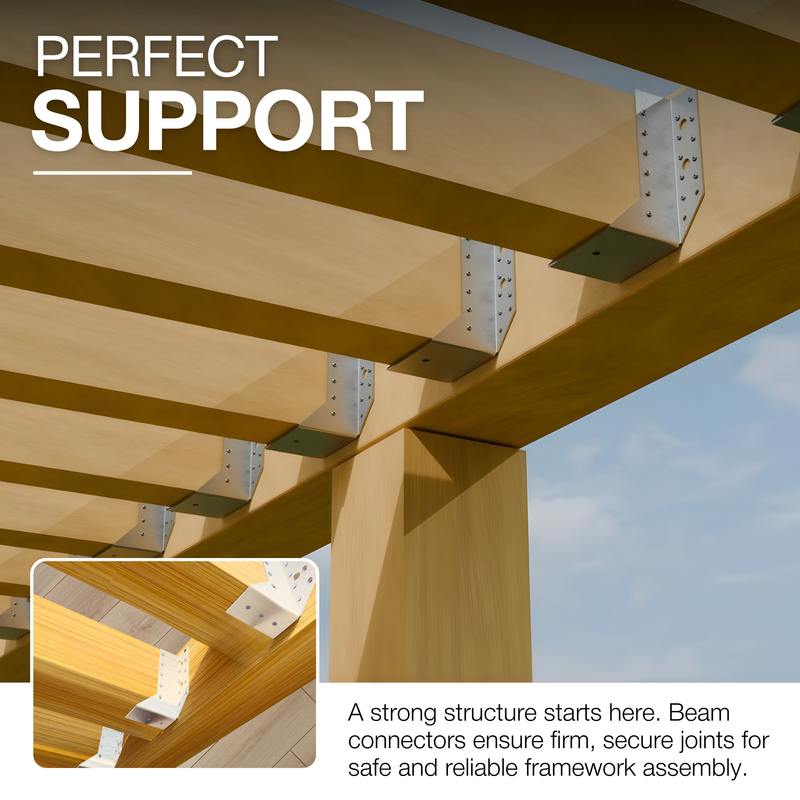
Joist hangers are metal connectors used to attach joists to beams, ledgers, headers, and other structural members. They support the end of a joist and transfer its load to the supporting structure.
At GeZu, we provide three types of joist hangers:
Face-fix joist hangers (Type A)
Concealed flange joist hangers (Type B)
You can use these multi-truss hangers for timber-to-timber and timber-to-masonry connections. In this guide, we'll explain all three types of joist hangers, what each one does, and when to use it, so you can get a better idea of which one to buy for your project.
Types of Joist Hangers: Quick Comparison Table
Here’s a quick comparison of the three types we offer:
|
Type of Joist Hanger |
Main Feature |
When to Use |
|
Face Mount / Type A |
Fixes to the face of the supporting timber |
Standard joist connections |
|
Concealed / Type B |
Keeps most of the connector hidden |
When you want a cleaner timber connection |
|
Adjustable |
Allows adjustment during installation |
When the joist connection needs flexibility |
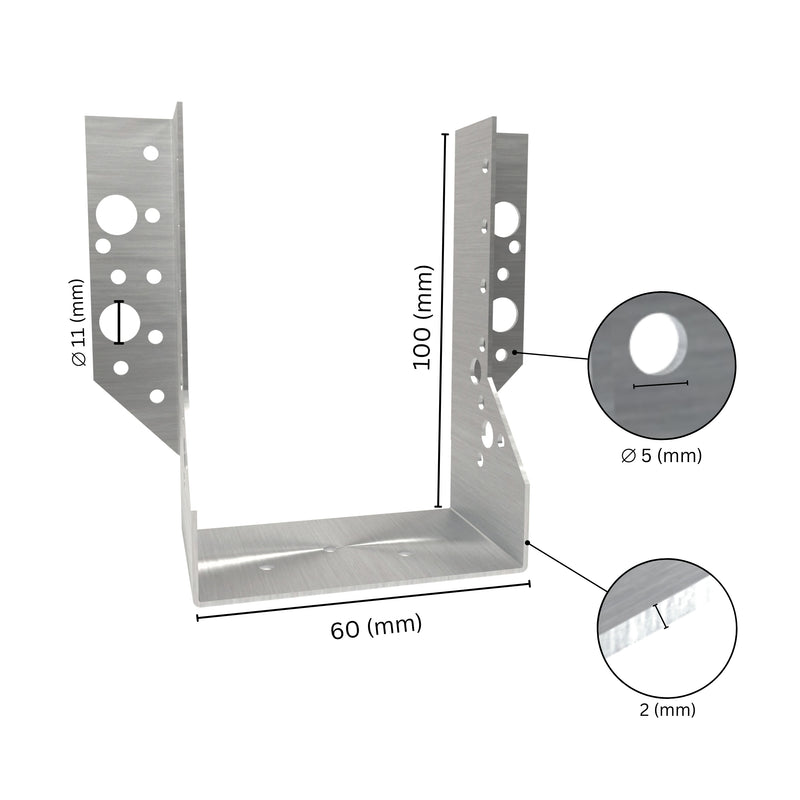
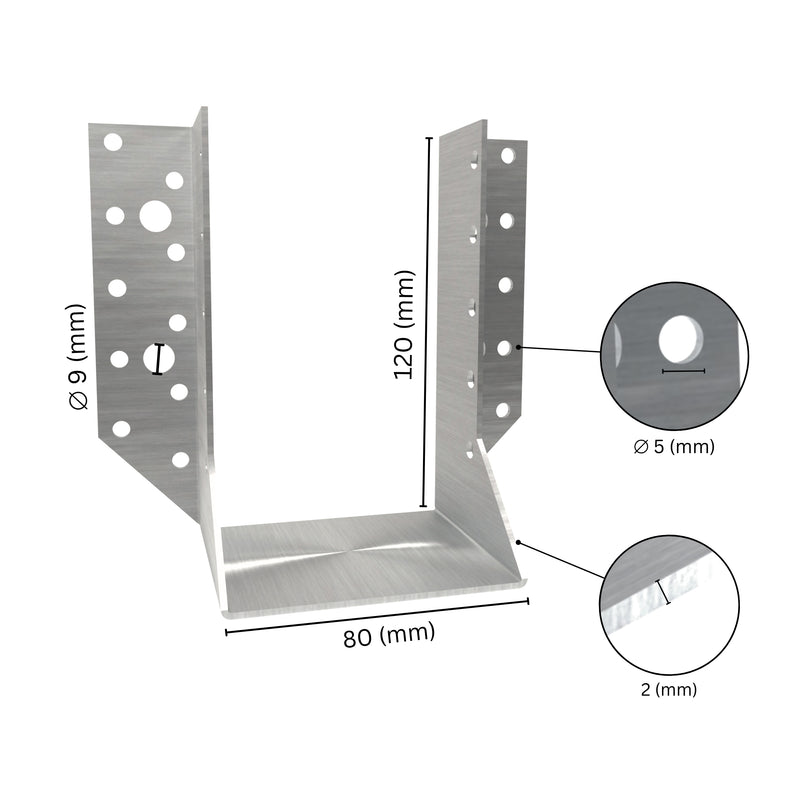
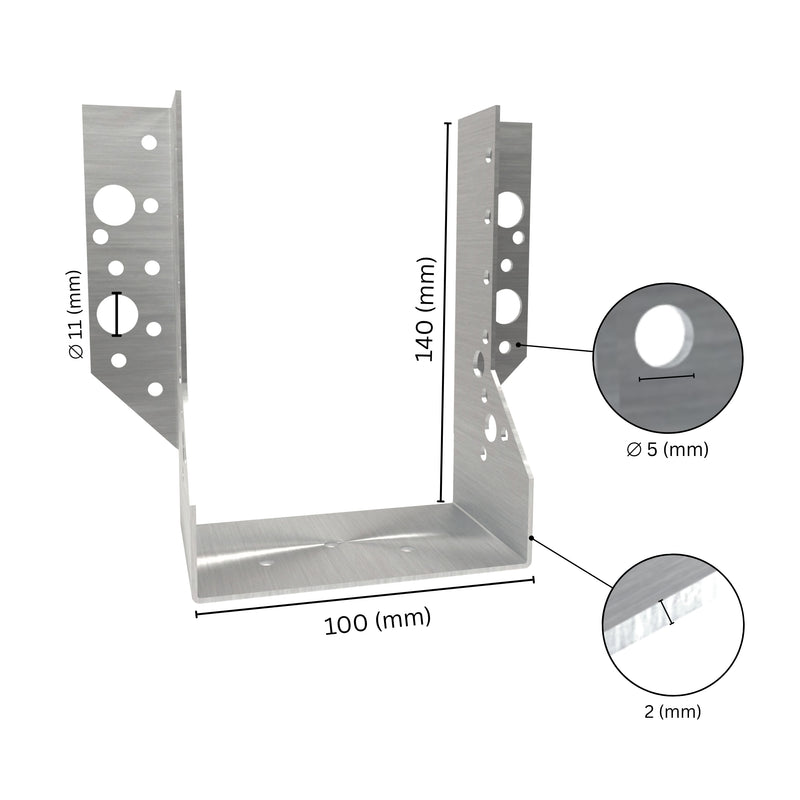
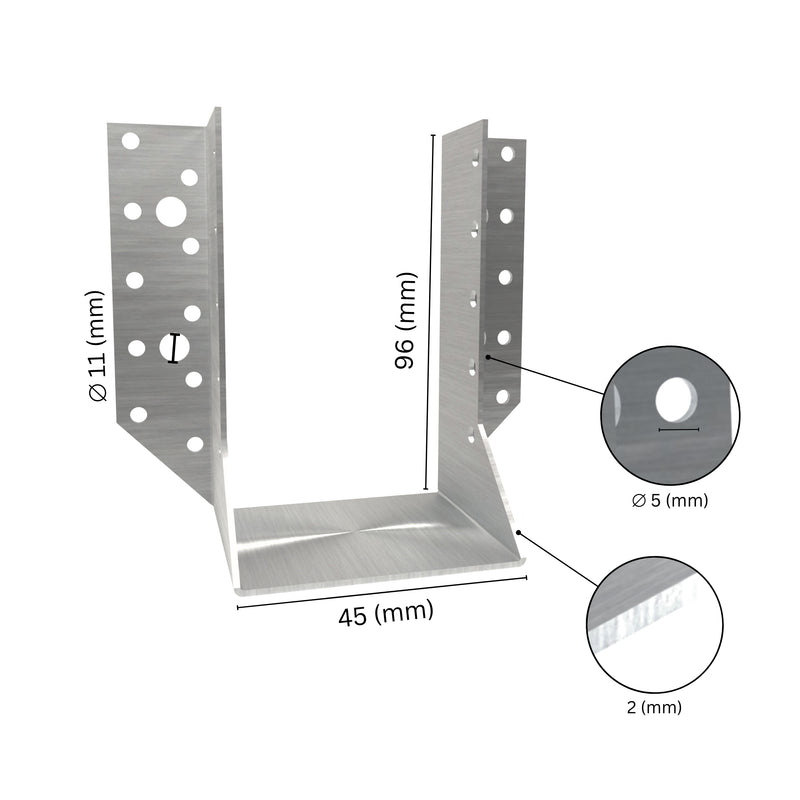
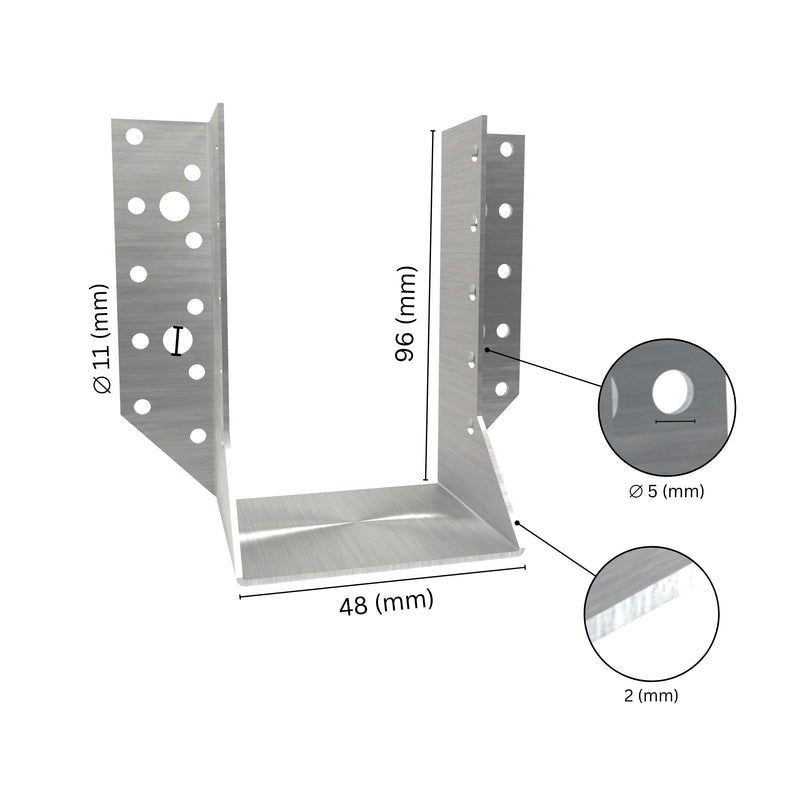
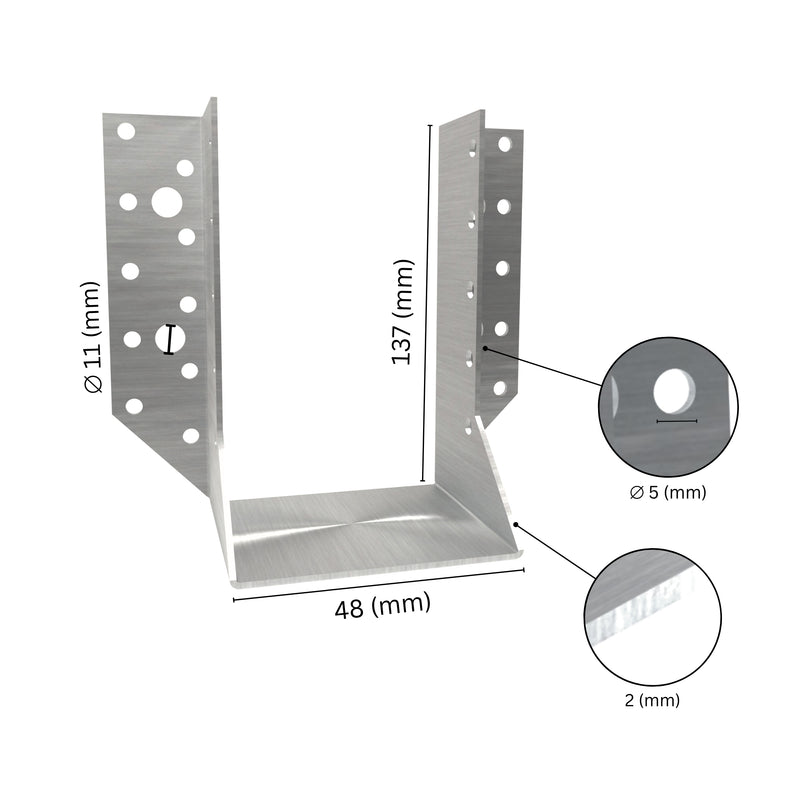
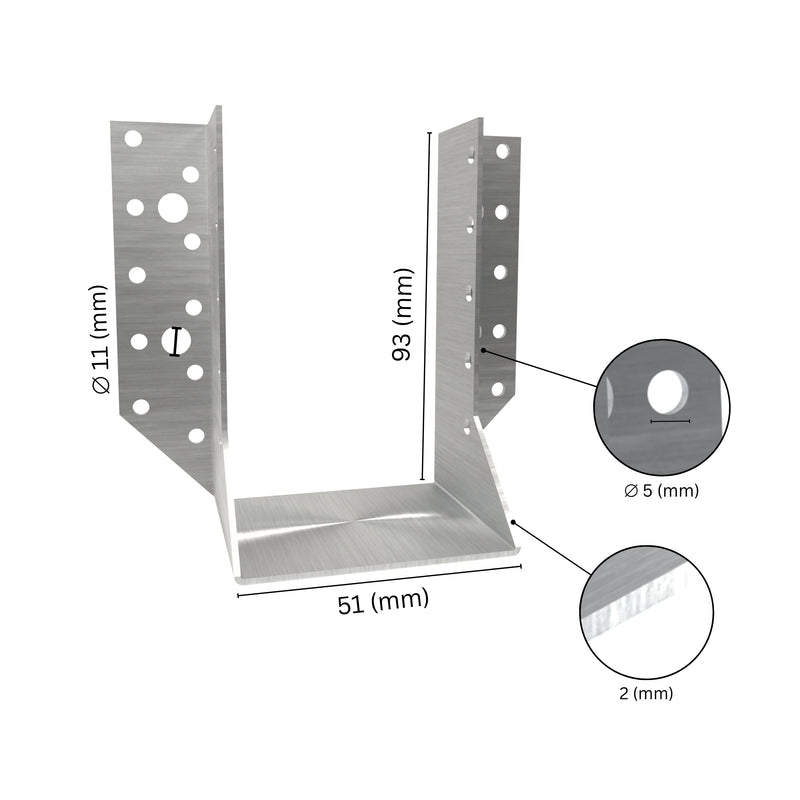
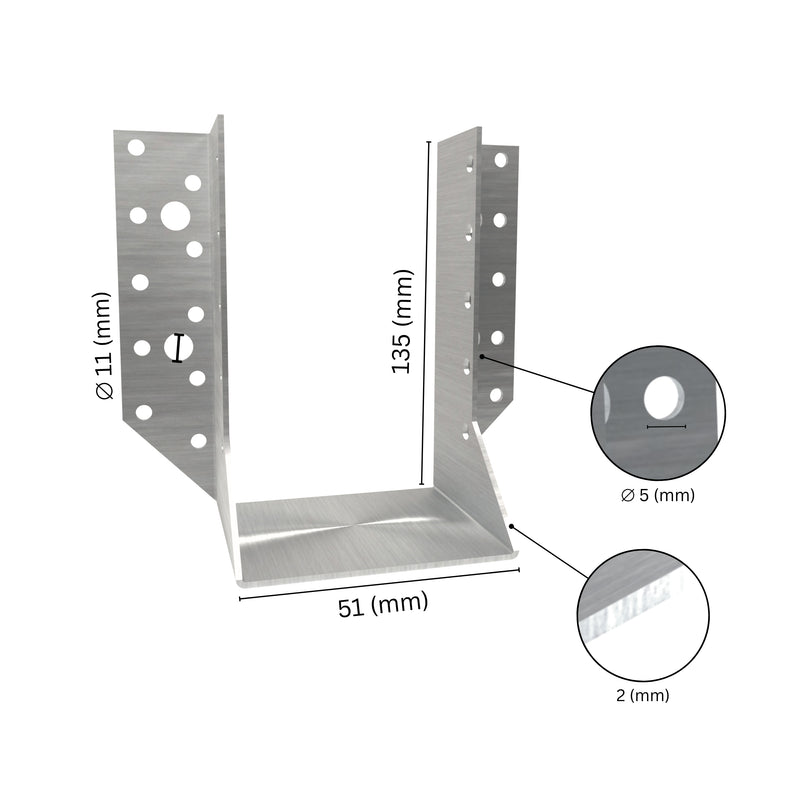
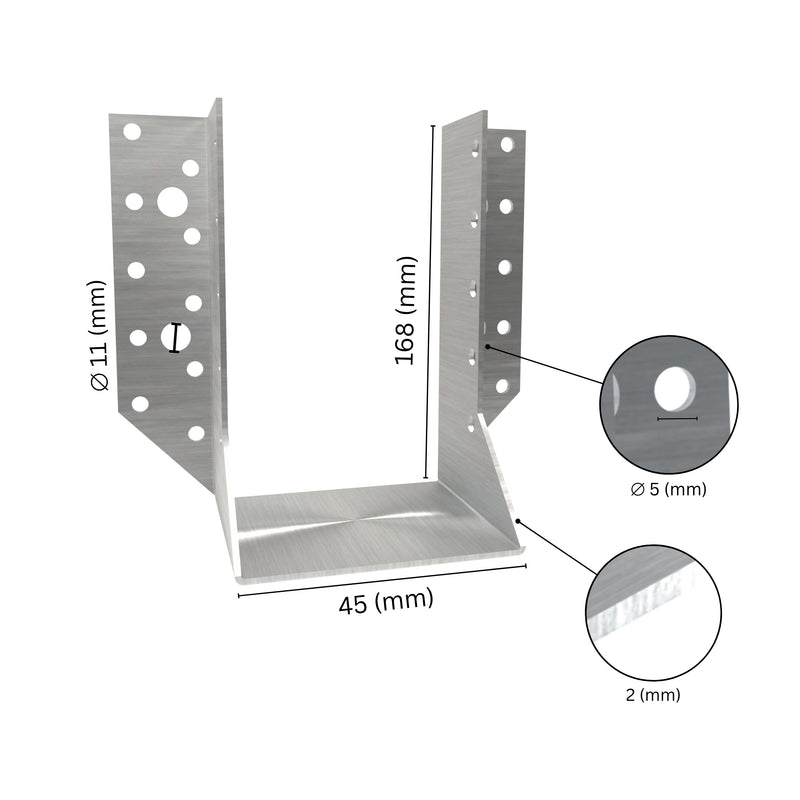
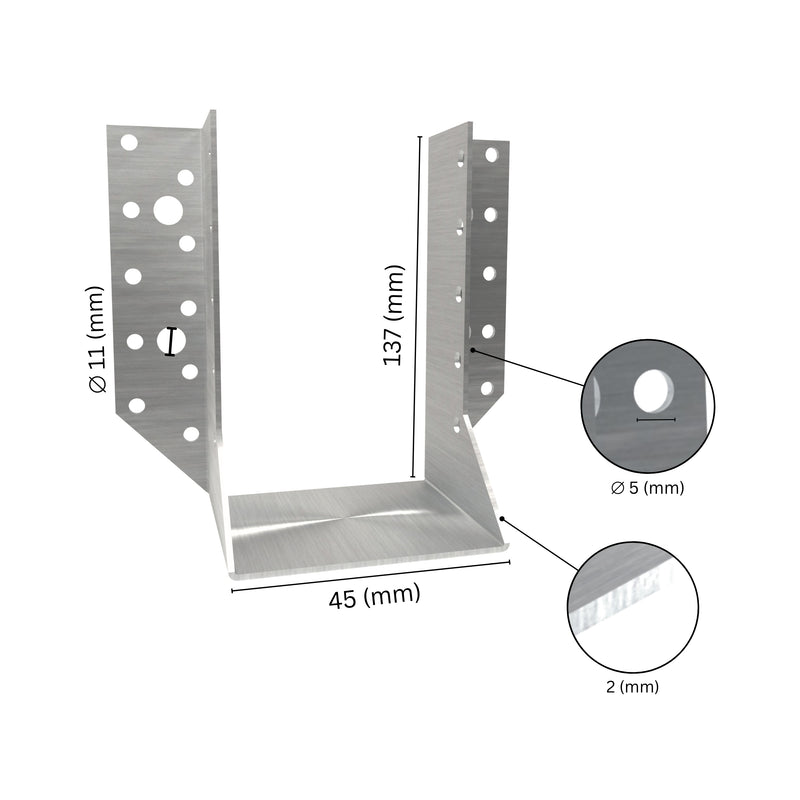
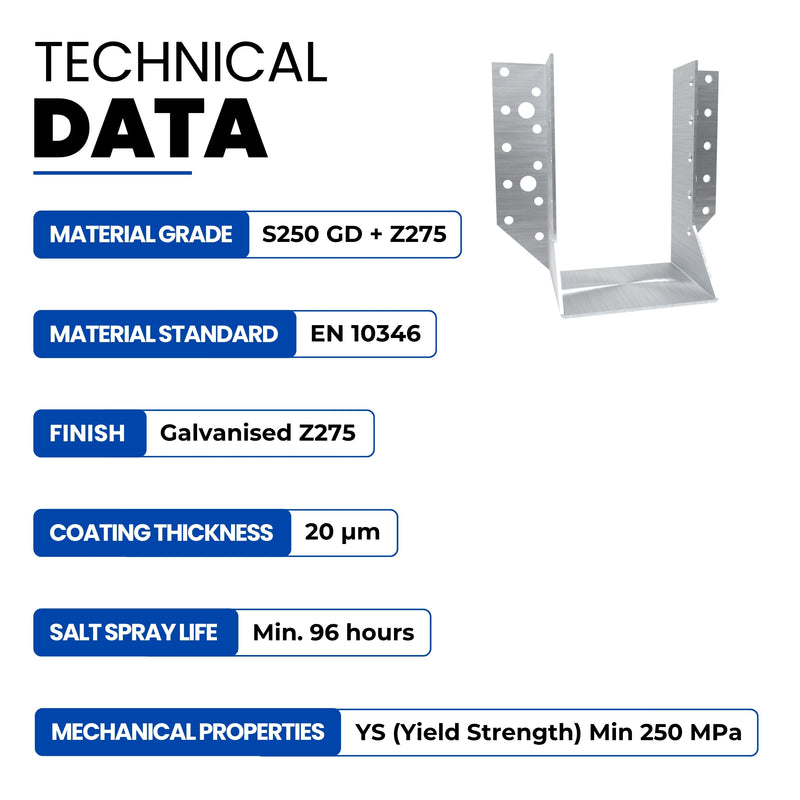
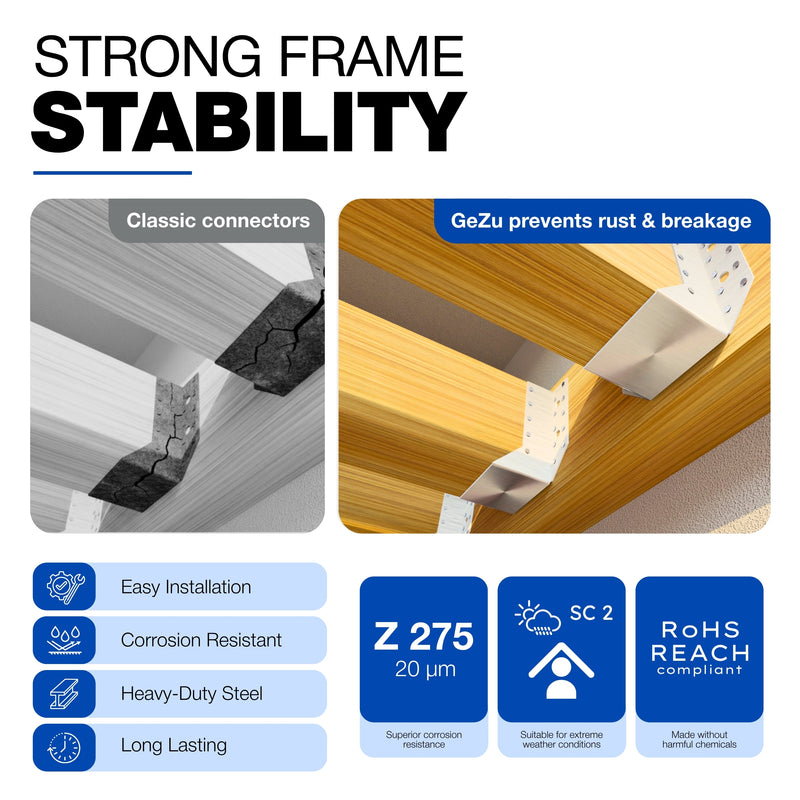
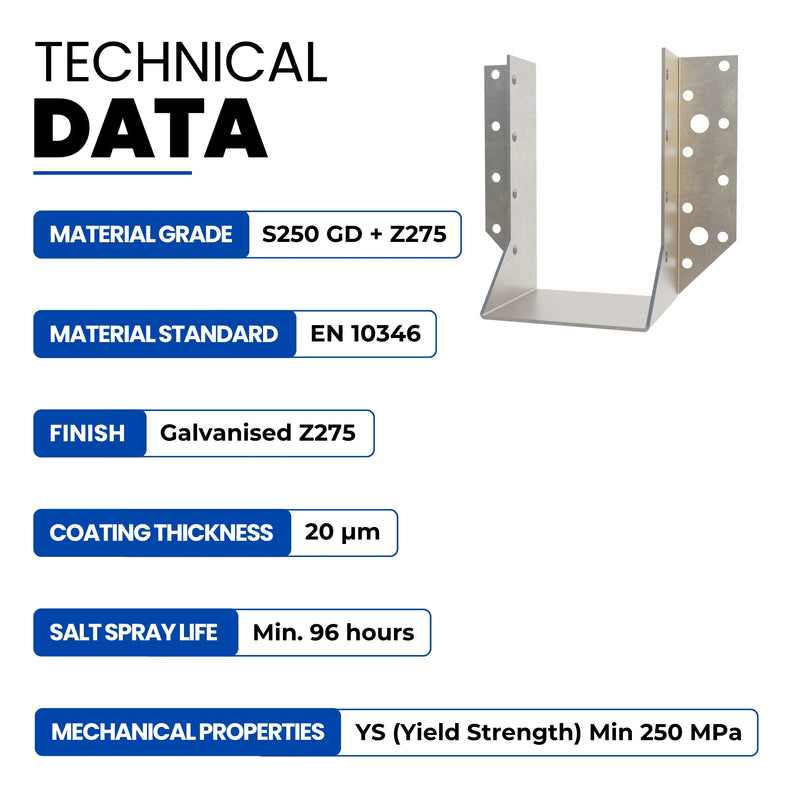
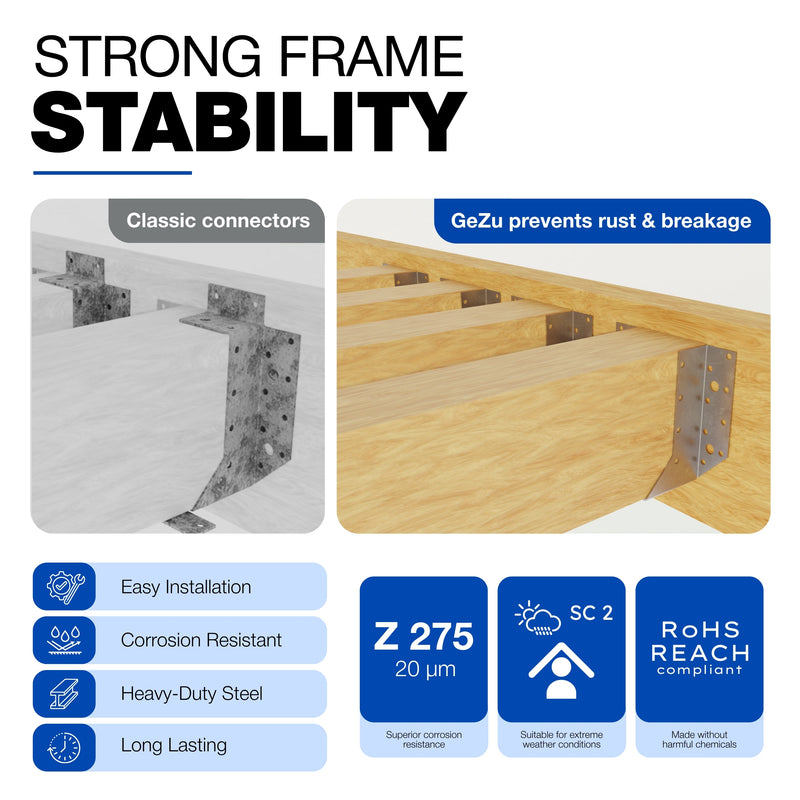
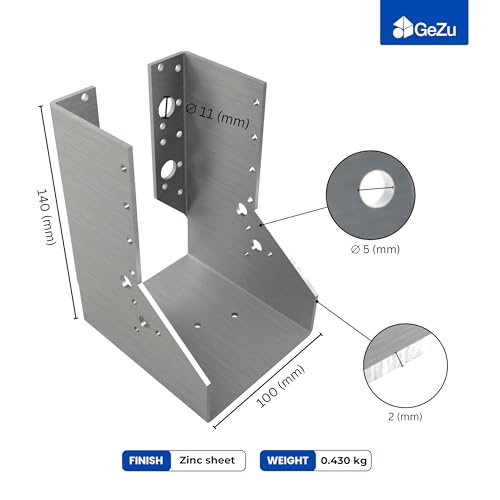
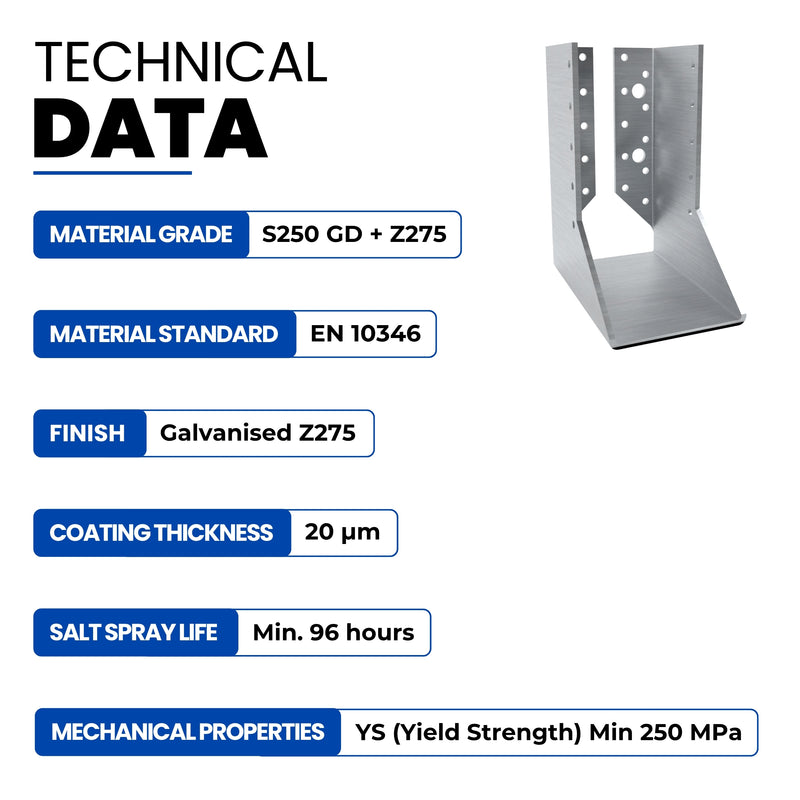
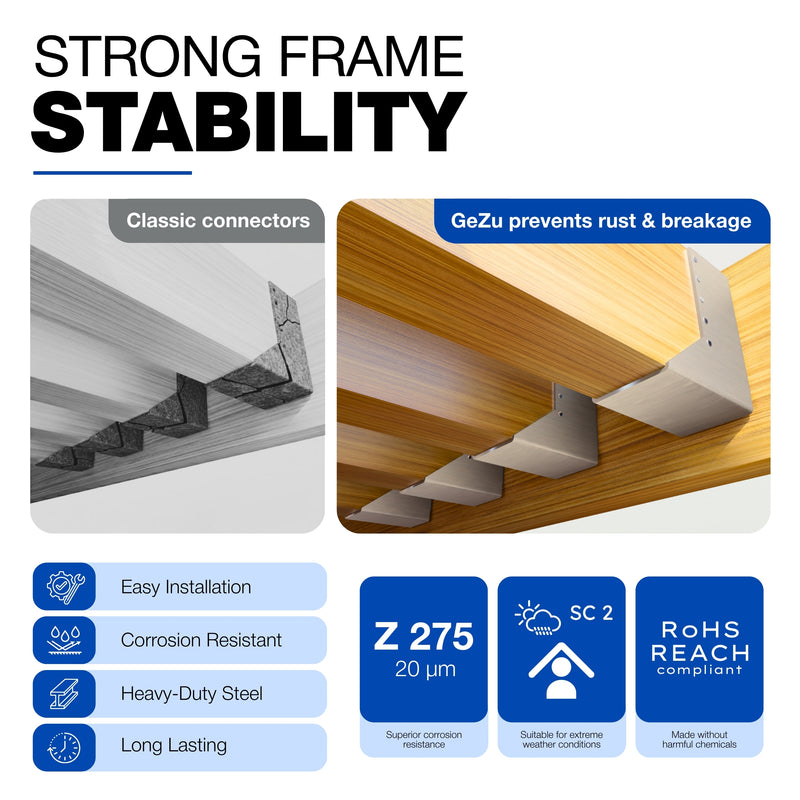
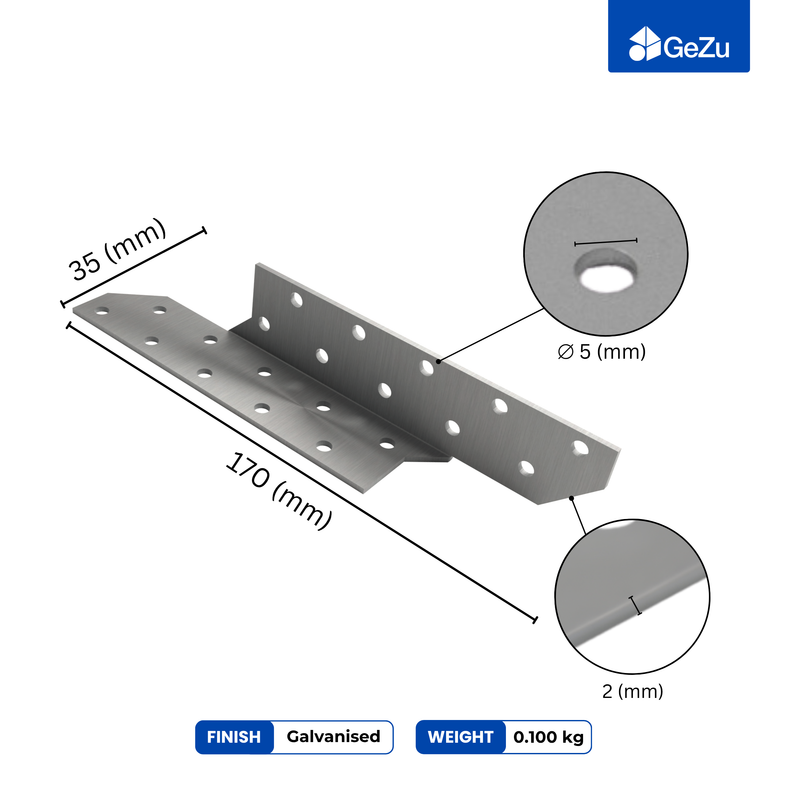
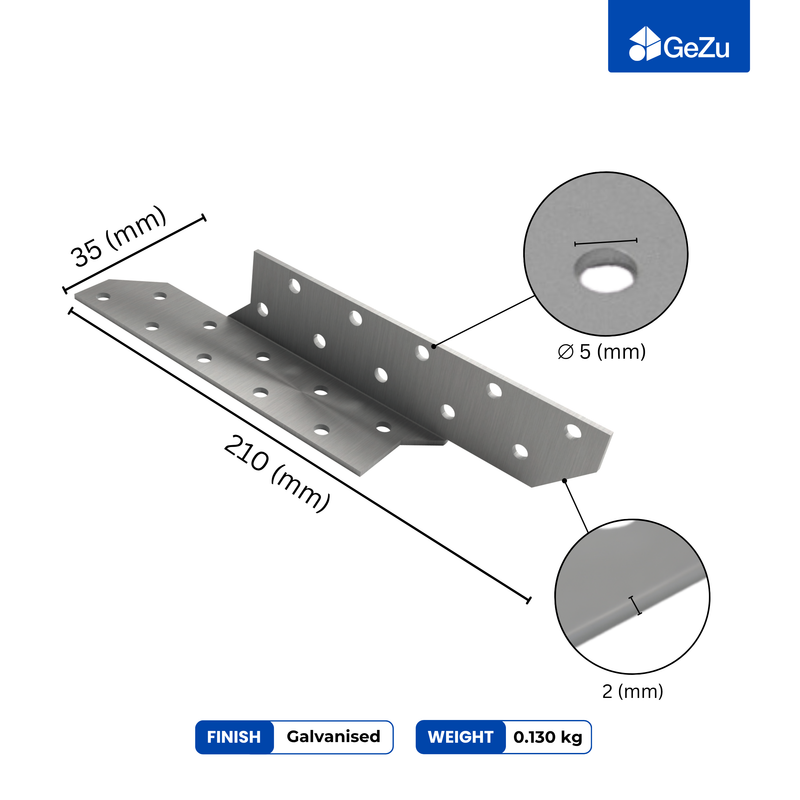
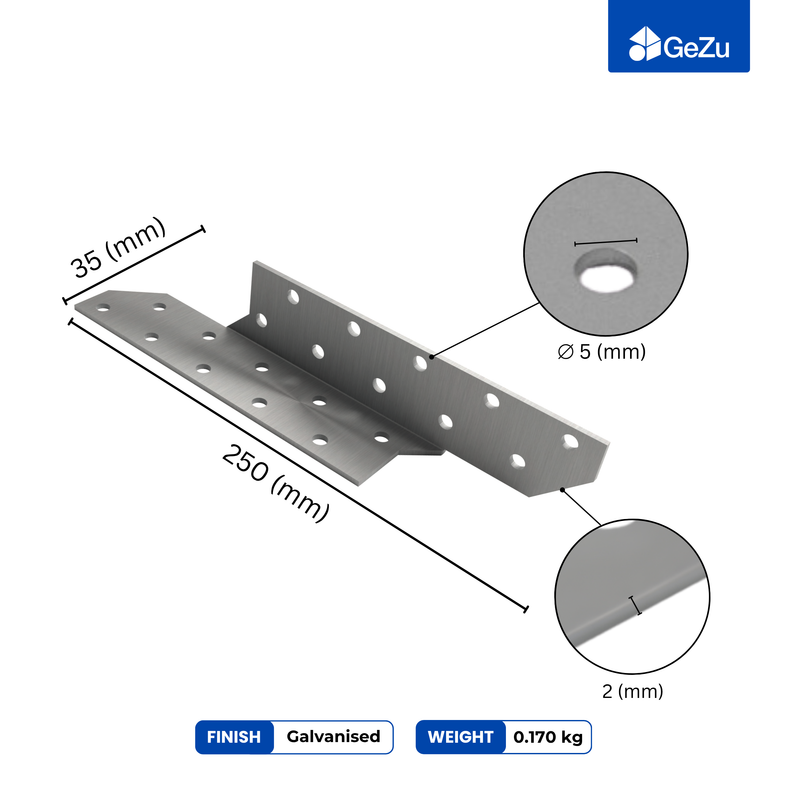
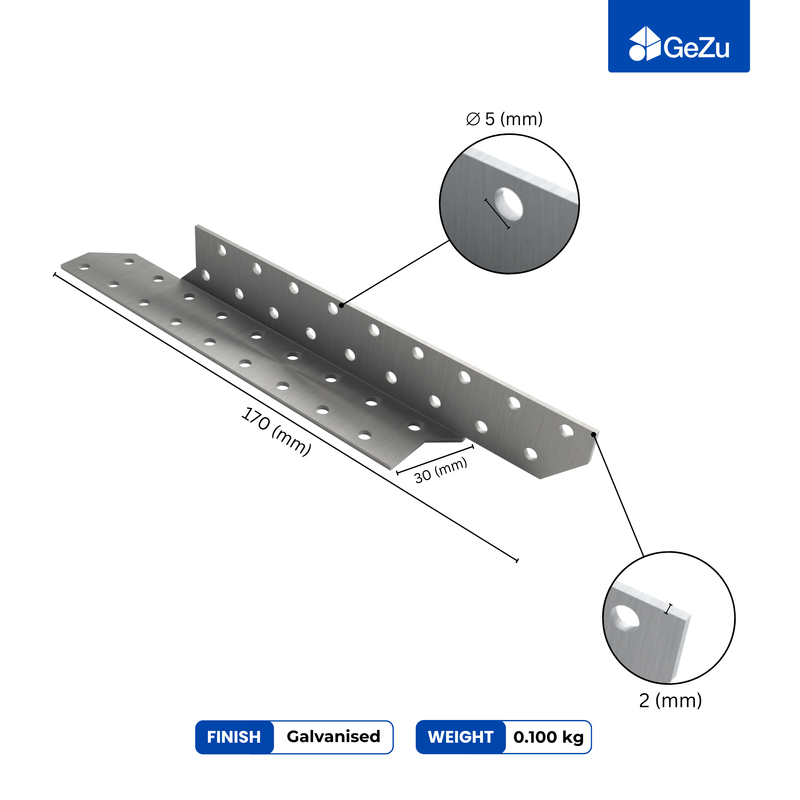
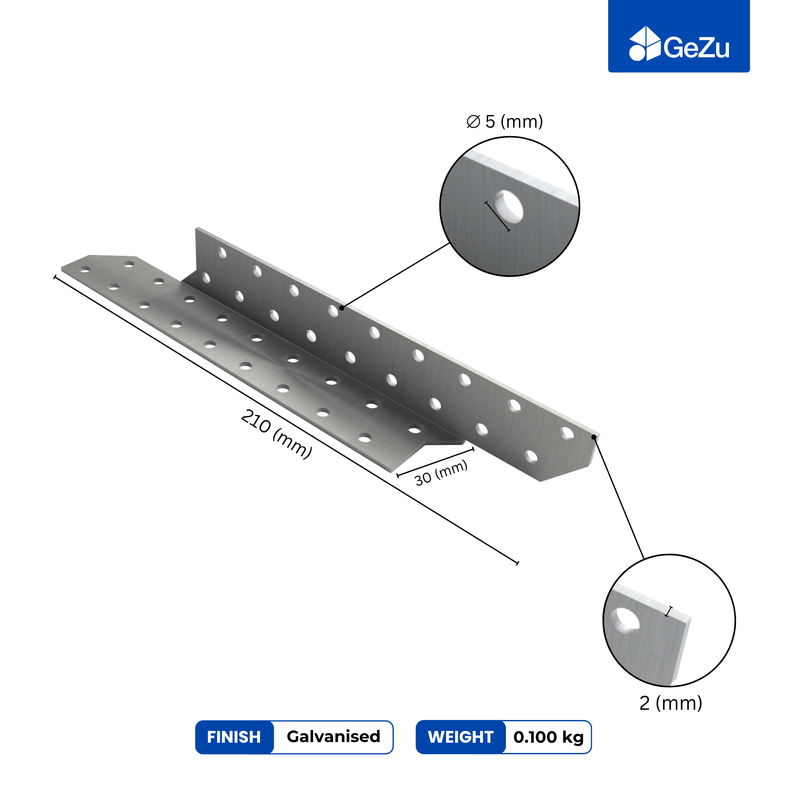
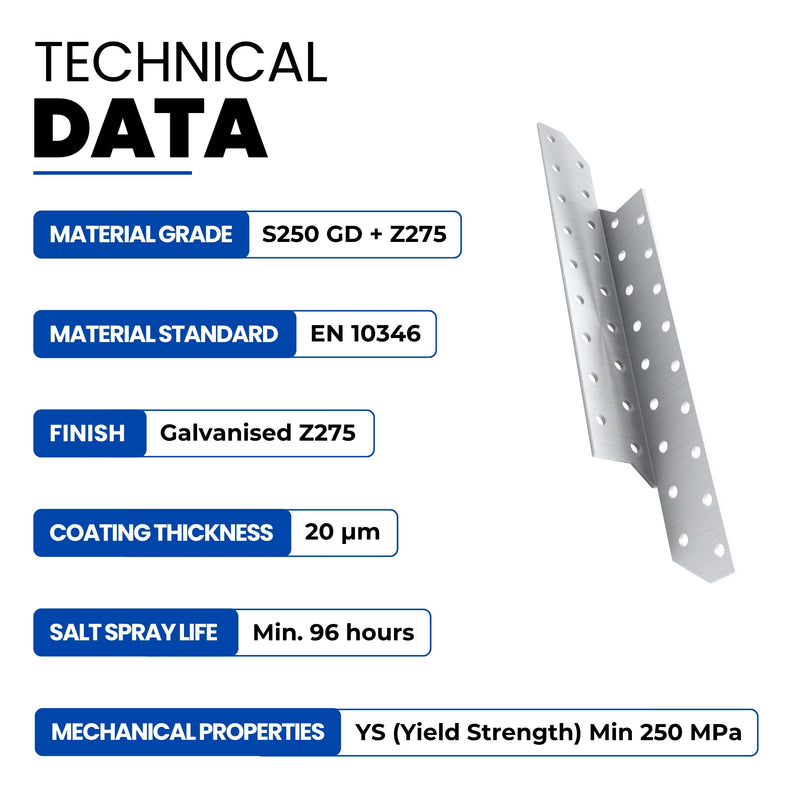
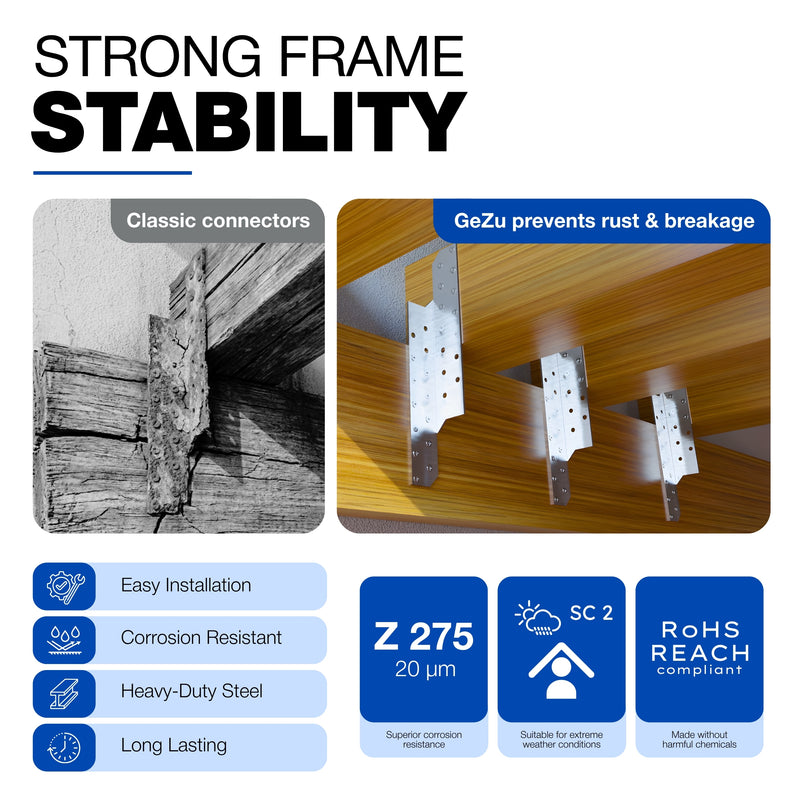
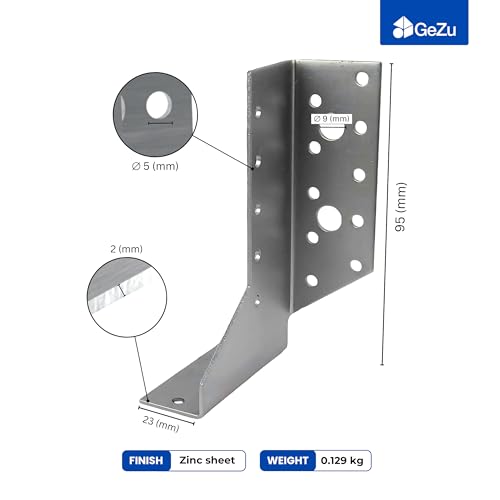
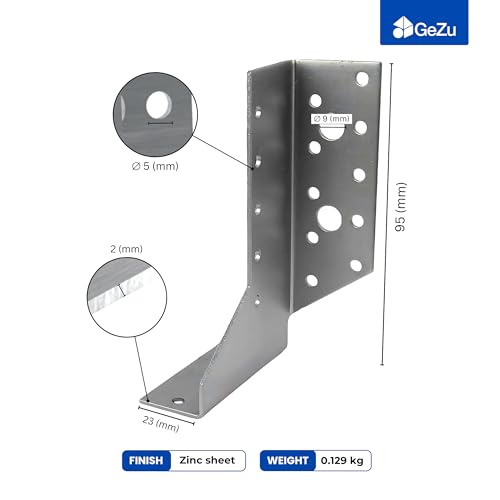
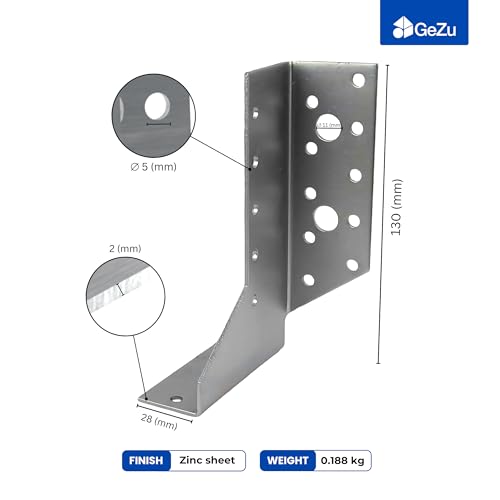
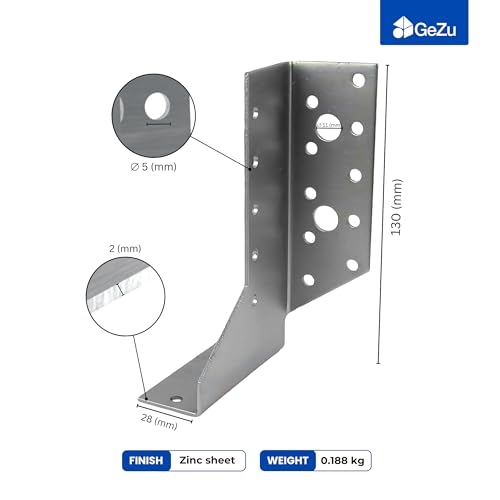
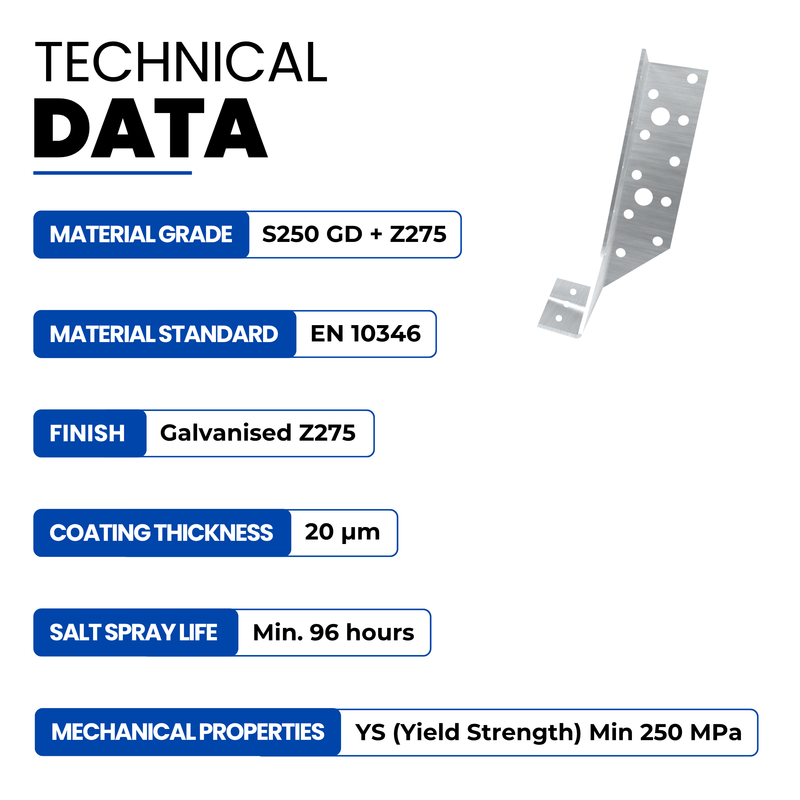
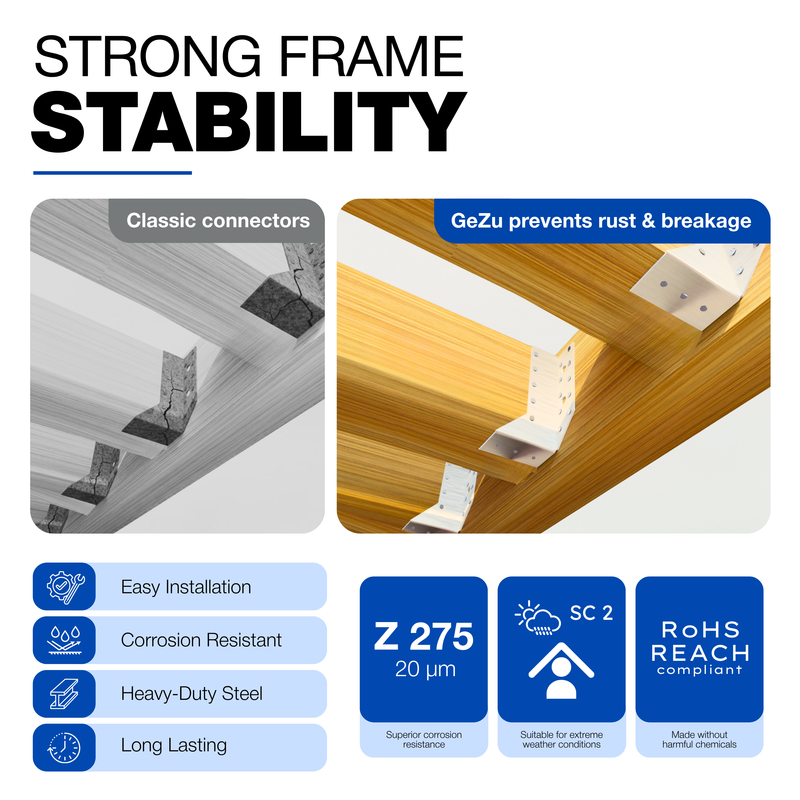
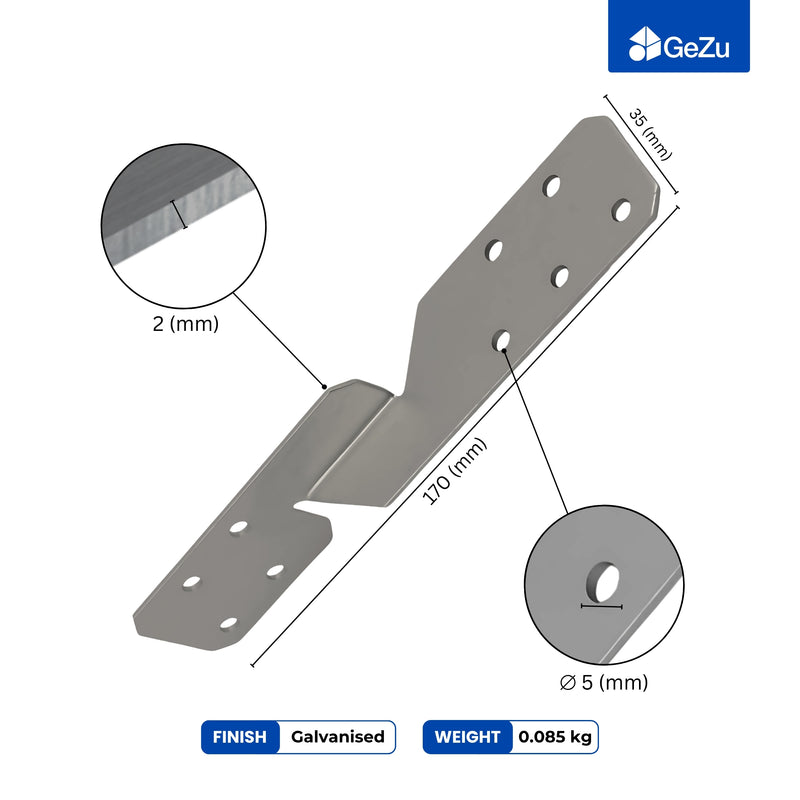
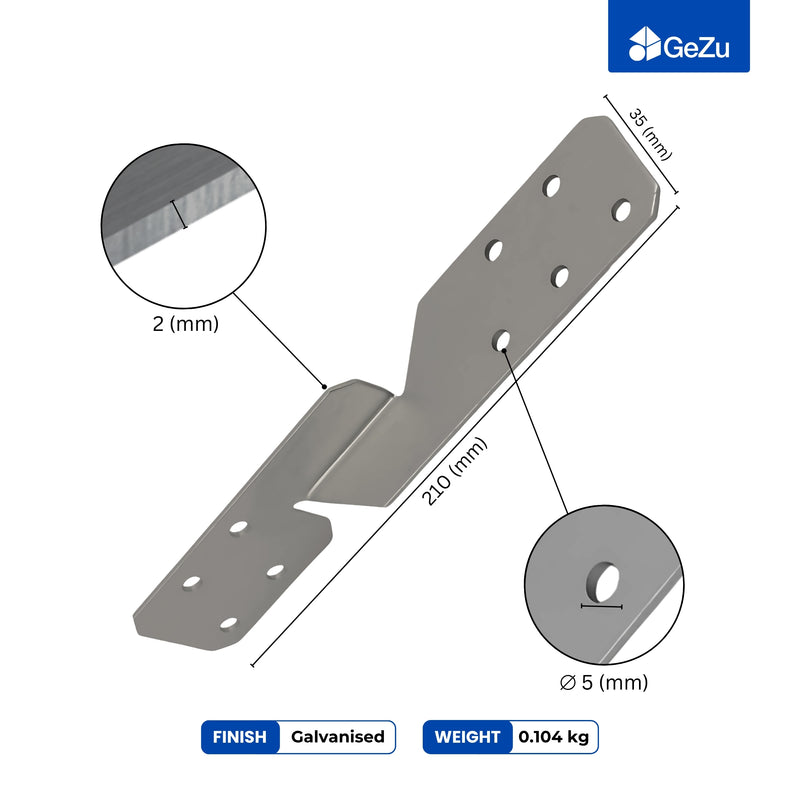
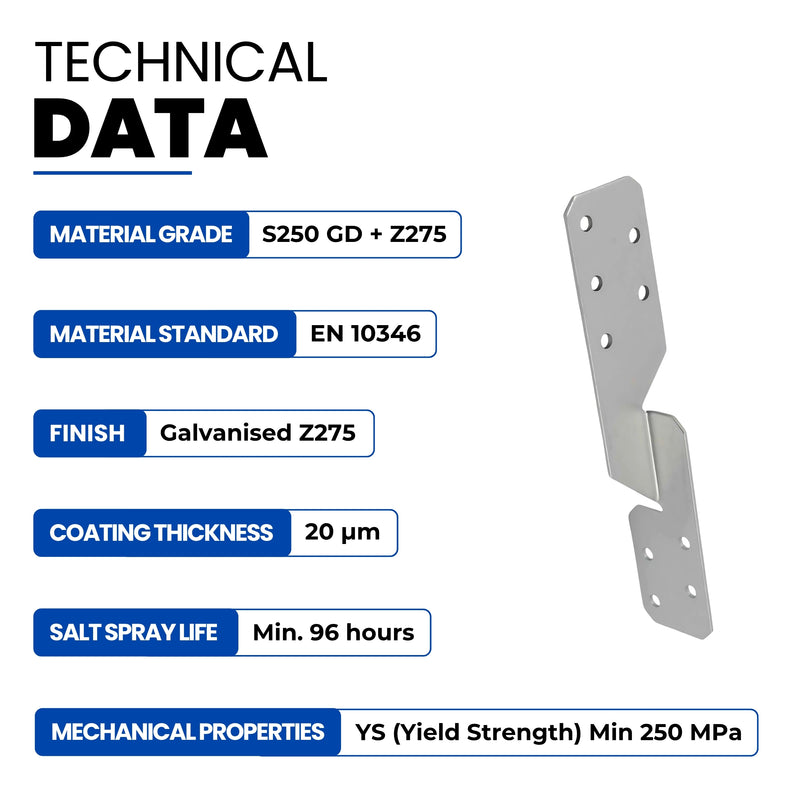
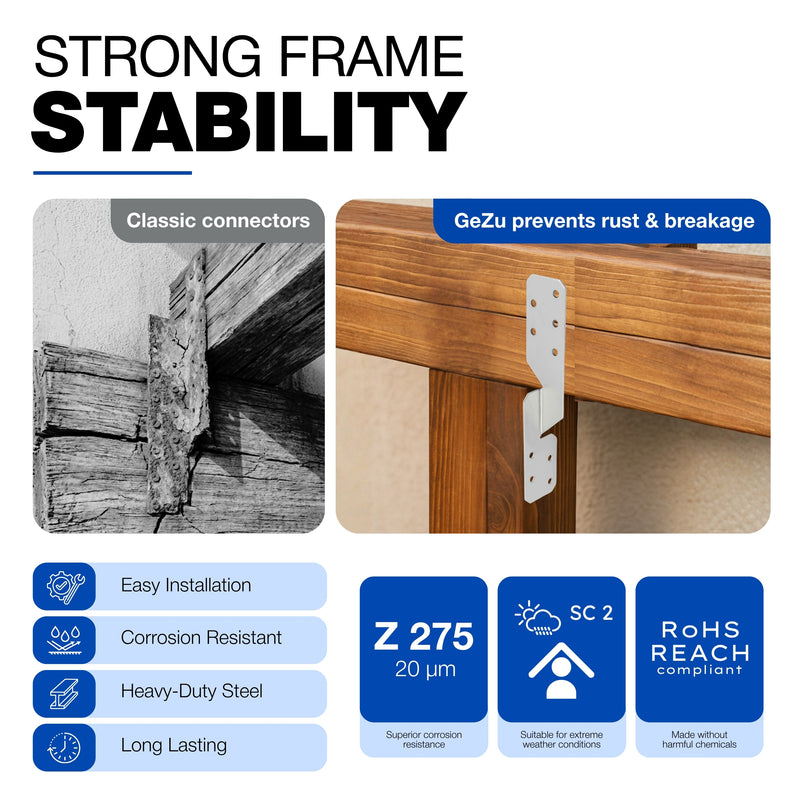
Our beam connector joist hangers are made from 2 mm thick galvanised steel, which provides high load-bearing strength and protection against corrosion. So you can use them for indoor or outdoor projects. Joist brackets also feature pre-drilled fixing holes for secure installation and are available in various sizes to suit different joist dimensions and timber connections.
Now, let’s look at each type in more detail.
1. Face Mount Joist Hanger / Type A Joist Hanger

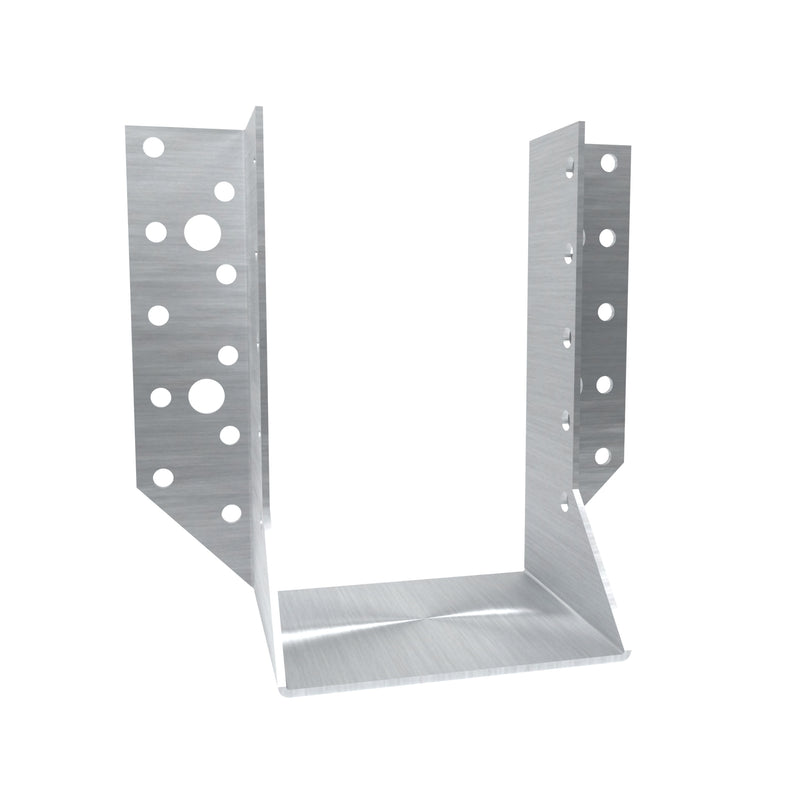
Face-mount joist hangers are one of the most common types of joist hangers. You install them against the face of a beam, ledger, header, or other supporting member. Type A joist hangers feature external flanges and a U-shaped bracket.
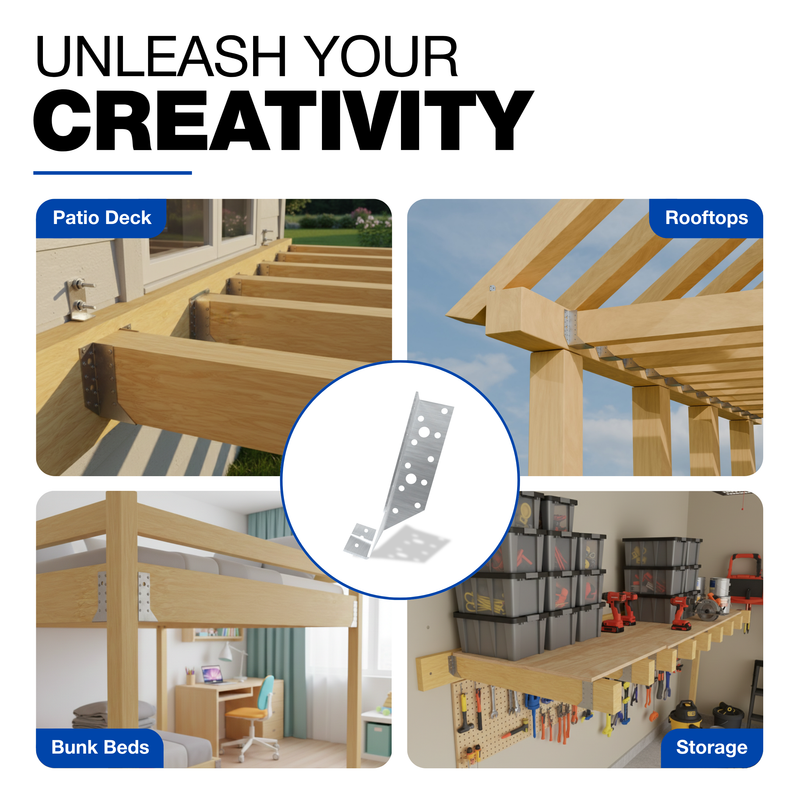
Besides, the hanger has fixing holes in its side flanges. The joist sits inside the hanger, while the outward-facing side flanges attach to the supporting timber. You can use face-fix hangers for deck joists, floor joists, and general timber framing where the joist meets the supporting member at a standard angle.
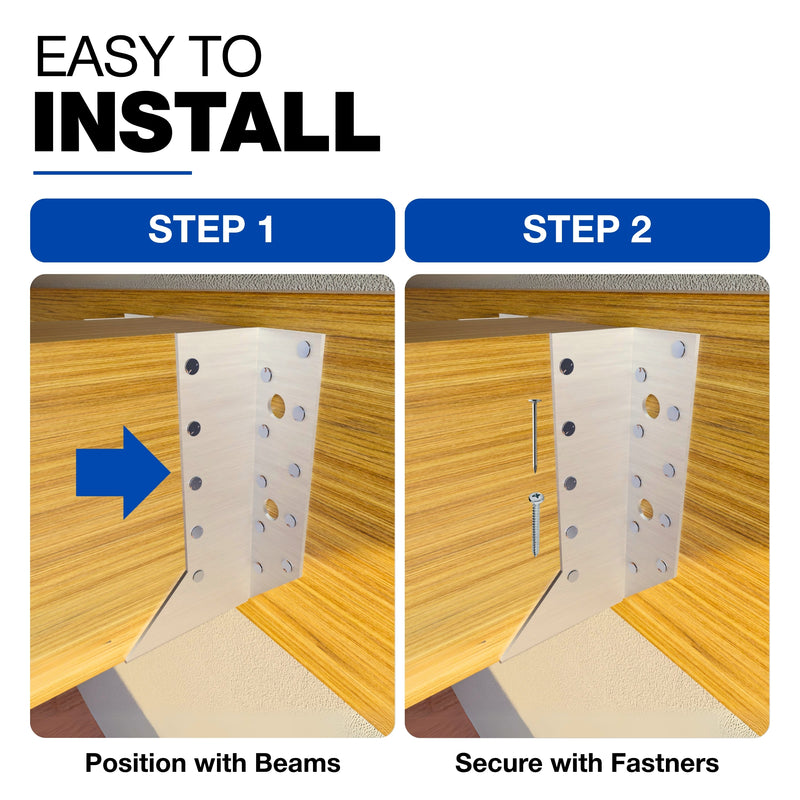
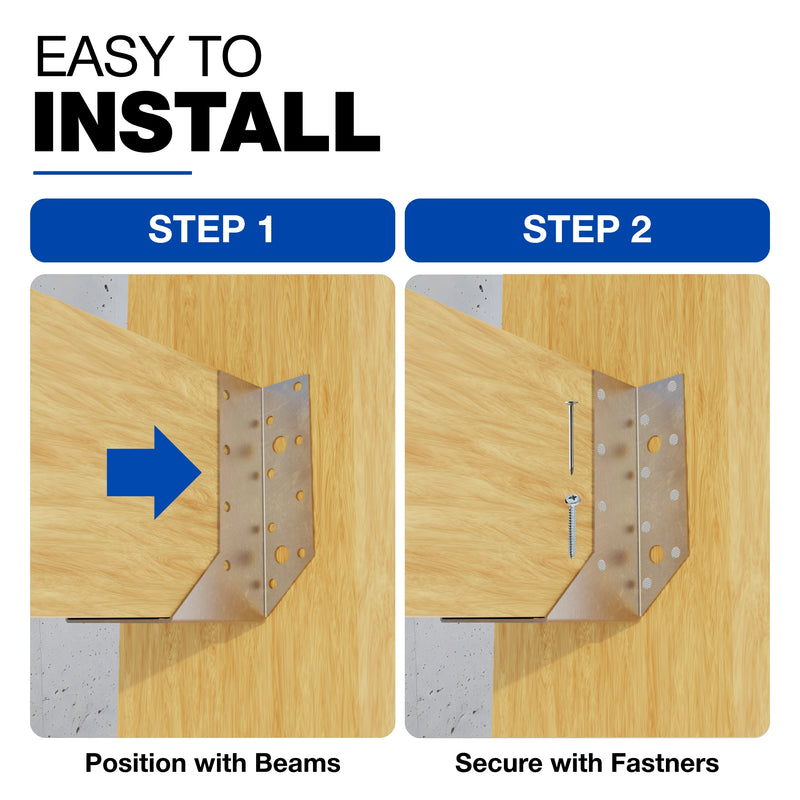
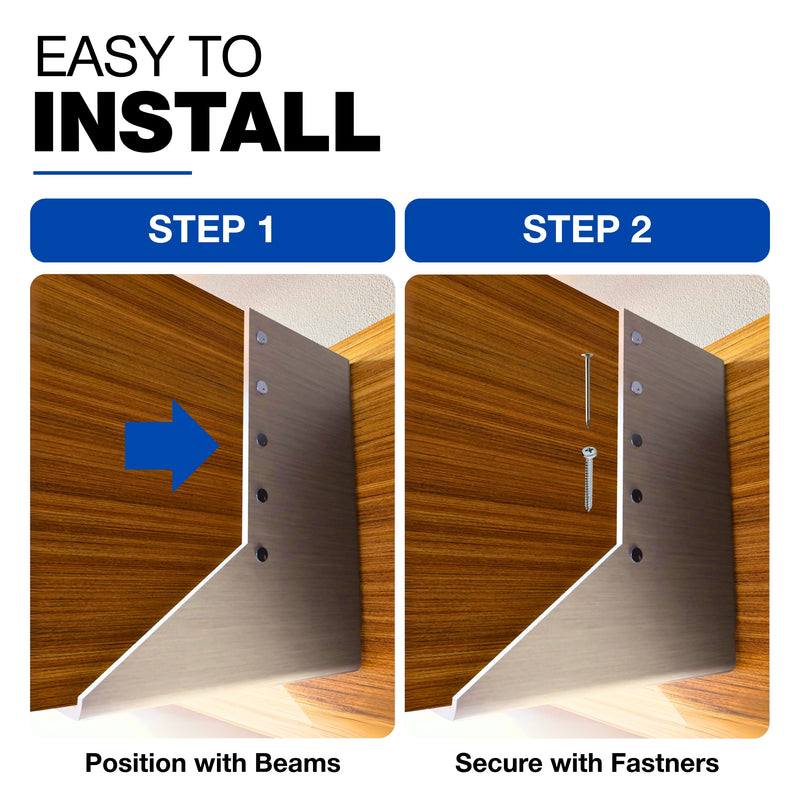
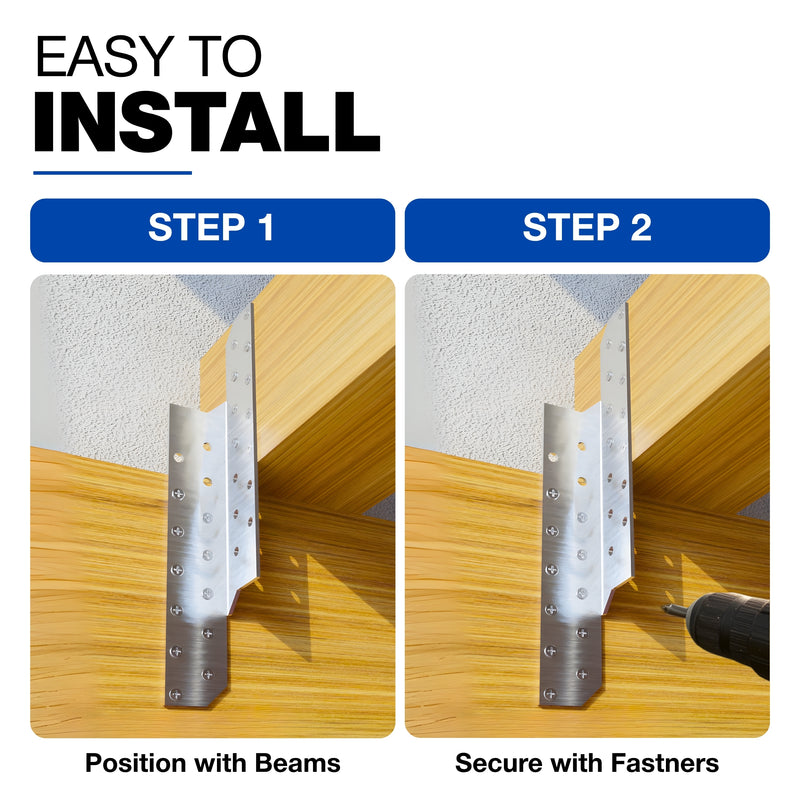
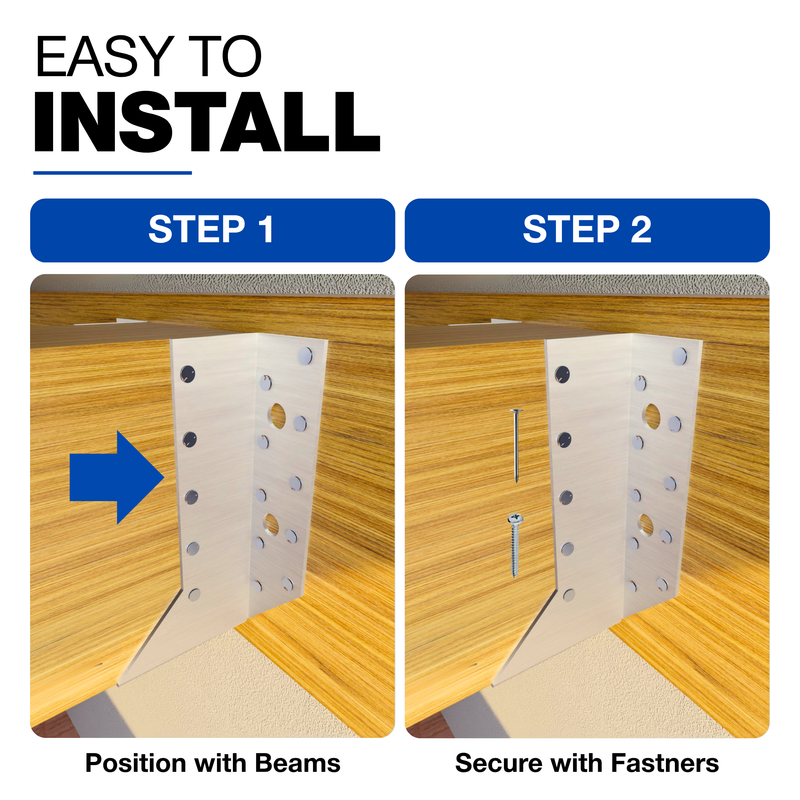
Beam shoe type A hanger is also simple to install. You position it on the beam, ledger, or header and secure it with nails or bolts. The joist then sits inside the hanger and is fixed in place. As we offer various sizes, please make sure to choose the right size according to your timber.
When to Use a Beam Shoe Type A Joist Hanger?
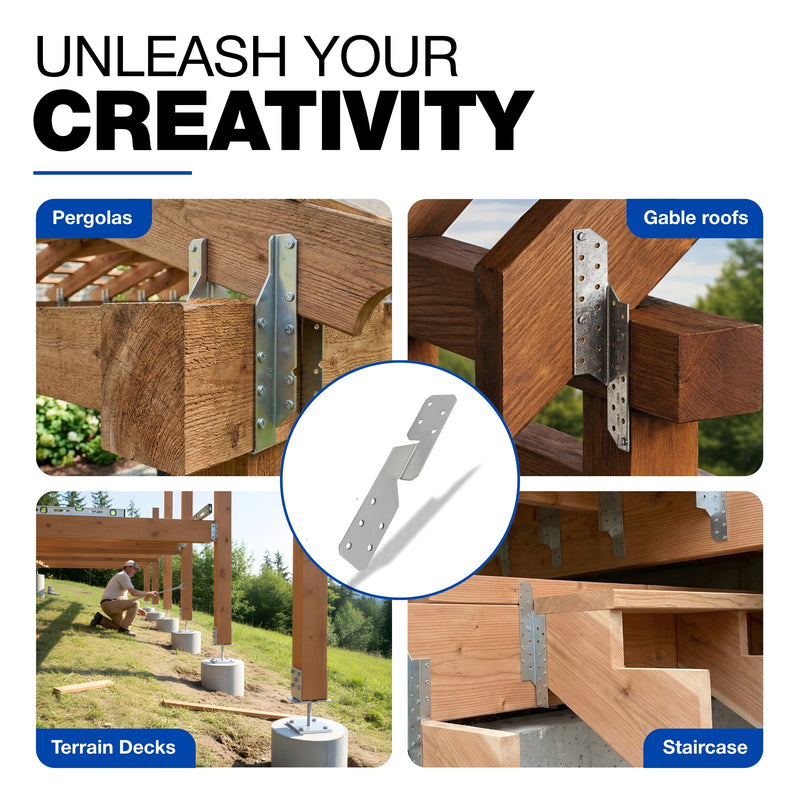
You can use a Type A joist hanger when you have a conventional joist-to-support connection, and there is enough space to install the hanger on the face of the supporting timber.
It can be suitable for applications such as:
-
Floor framing
-
Deck framing
-
Timber structures
-
Joist-to-beam connections
-
Joist-to-ledger connections
2. Concealed Flange Joist Hanger / Type B Joist Hanger

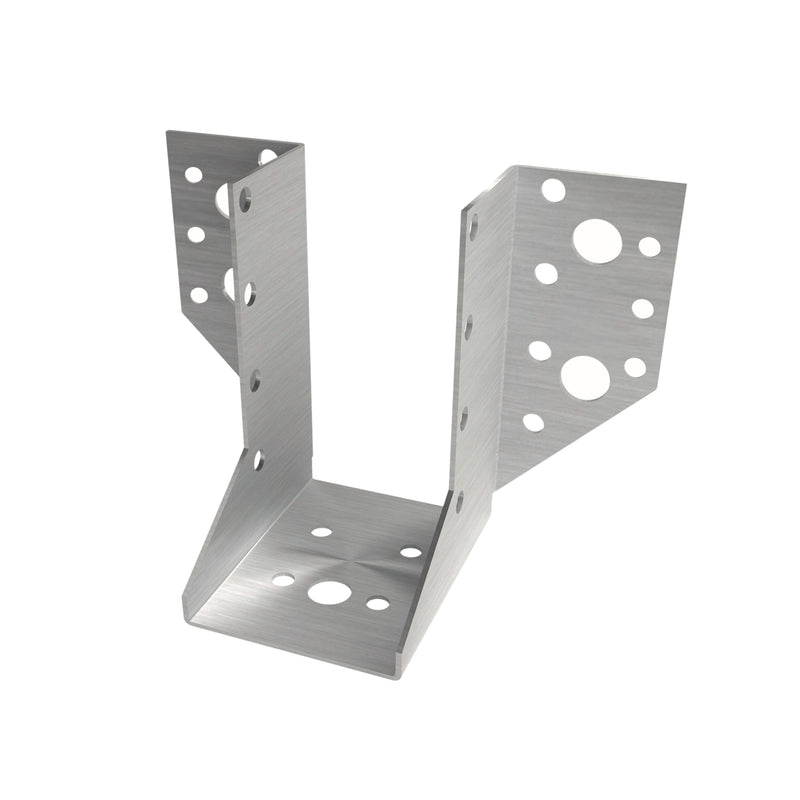
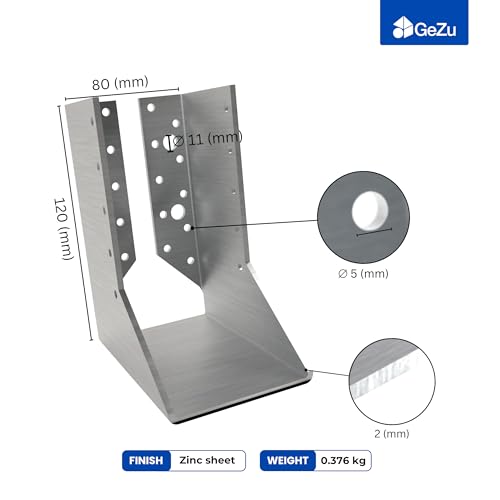
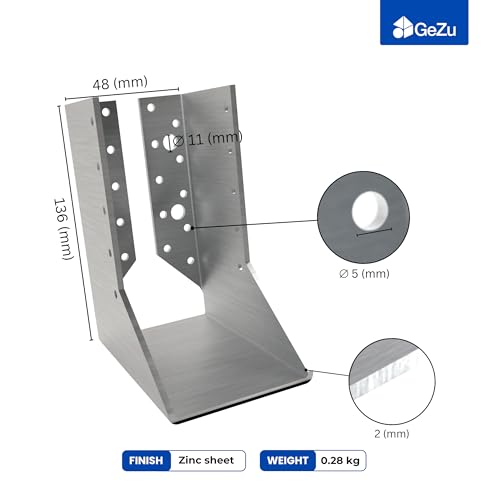
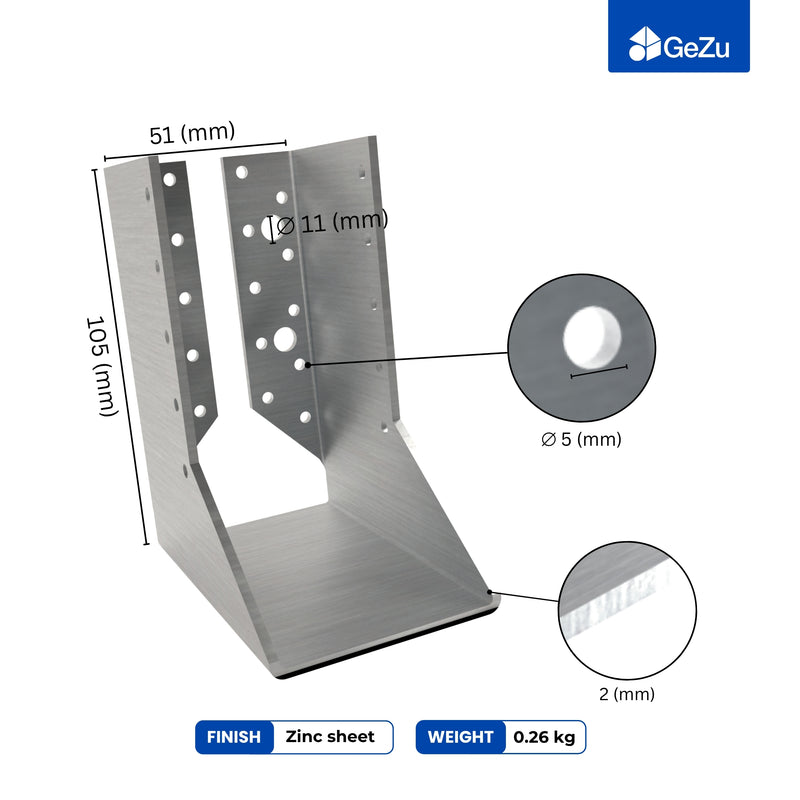
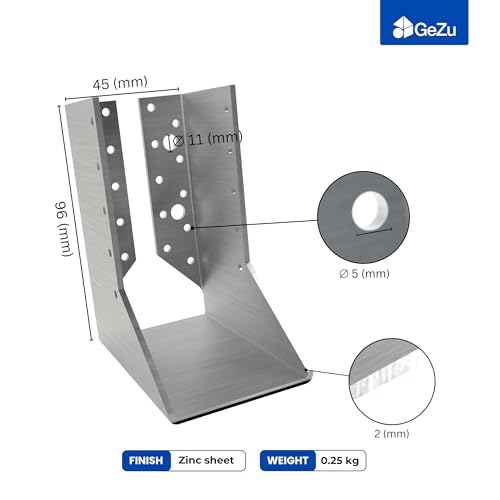
If you want the metal connector to be less visible, a concealed-flange joist hanger may be suitable for you. Concealed joist hangers or Type B joist hangers are designed so that the flanges sit within or behind the timber connection rather than remaining prominently visible on the outside.
Unlike a Type A joist hanger, where the side flanges remain visible on the outside of the supporting timber, a concealed hanger features inward-facing flanges that remain less visible.
You can see this type of beam connector in exposed timber structures where the appearance of the finished connection matters but the hanger still needs to provide structural support. Beam shoe type B hangers are also available in various sizes and come with pre-punched multiple holes.
When to Use a Concealed Beam Shoe Type B Joist Hanger?
Choose a Type B hanger when the appearance of the finished timber connection matters and you want to reduce the visibility of the metal connector.
It can be useful for:
-
Exposed timber structures
-
Decorative timber framing
-
Visible beams and joists
-
Architectural framing
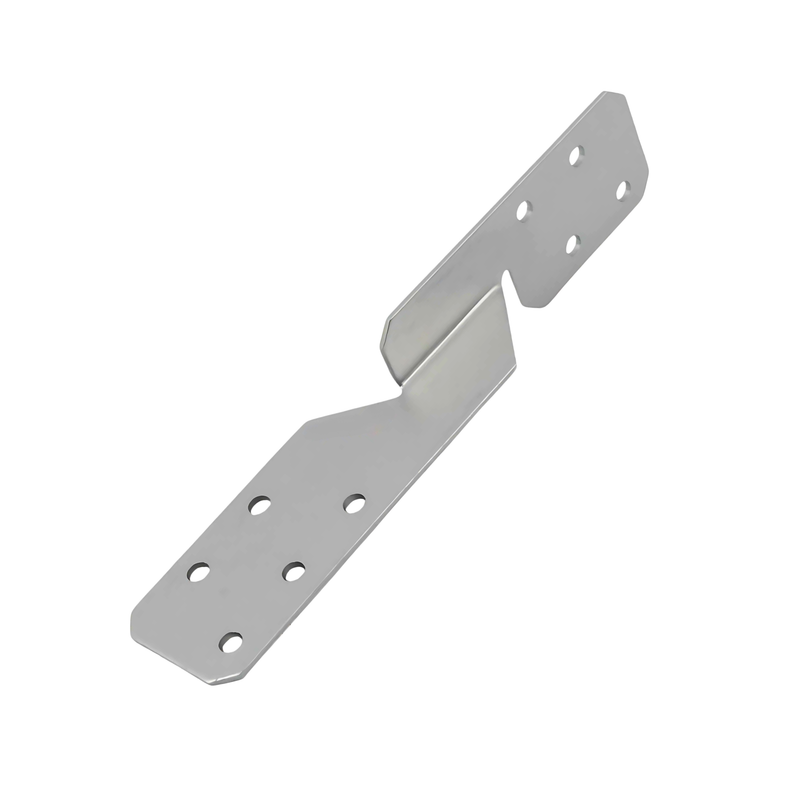
3. Adjustable Joist Hanger / Split Joist Hangers

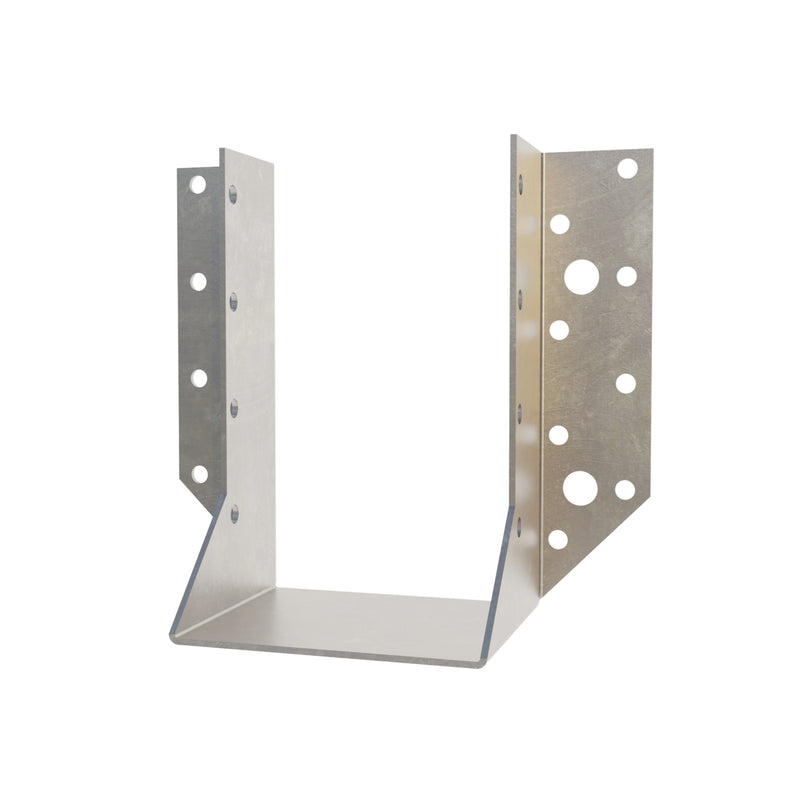
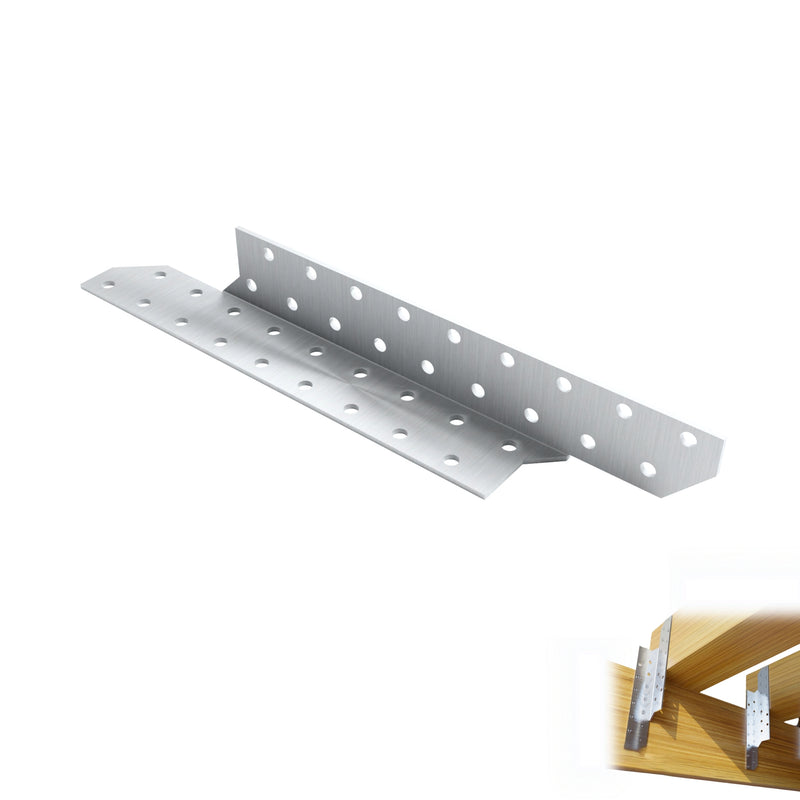
Adjustable joist hangers are designed for non-standard timber sizes where a standard joist hanger may not provide the right fit. These joist hangers also feature a split design with an outward flange.
They come as a right-hand and left-hand hanger, so you can use both sides to create a secure joist hanger connection. The split design also makes it easier to position the hanger around the joist during installation.
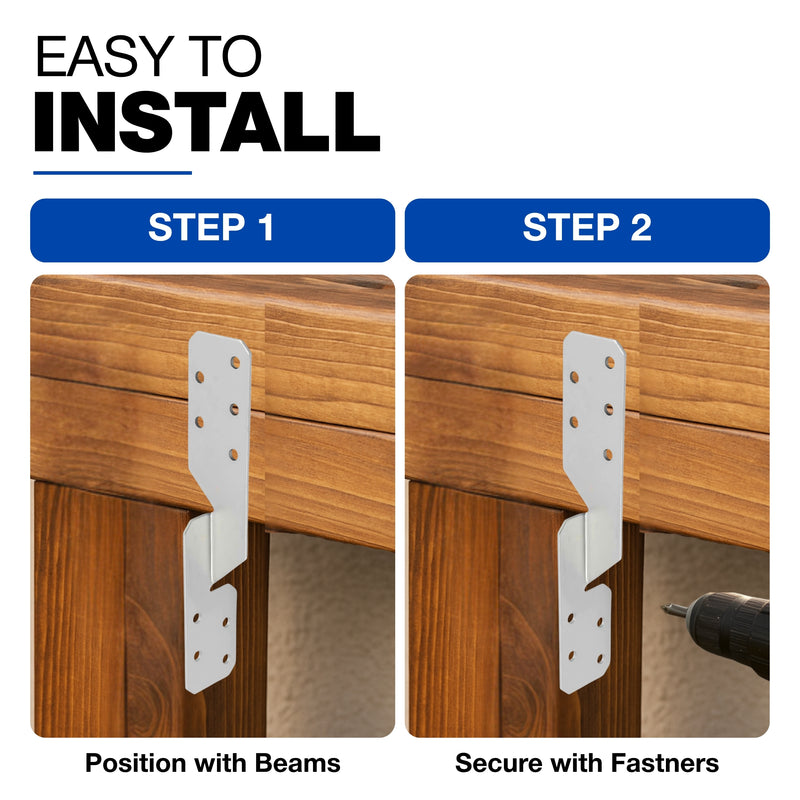
Apart from this, split joist hangers can also be useful when you’re working on an existing structure and cannot slide a conventional closed hanger over the end of an already-installed joist.
When to Use an Adjustable Joist Hanger?
You can use an adjustable joist hanger when you’re working with non-standard timber sizes that don’t match the dimensions of a standard joist hanger. Its adjustable design lets you achieve a better fit around different timber sizes.
Let’s take an example. If your joist timber size is 76 mm, it’s a non-standard size, so it can be difficult to find a standard joist hanger that fits. For this type of non-standard timber size, you can use adjustable split hangers as a pair, with one split hanger for the right side and one for the left side.
It can be useful when:
-
The joist position needs adjustment
-
The framing layout is not completely standard
-
You need to align the joist with an existing structure
-
Installation conditions make fixed positioning difficult
The important point is that adjustable does not mean unlimited adjustment. Check the product specifications to see how much adjustment the hanger allows and in which direction.
How Much Do Joist Hangers Cost?
The cost of joist hangers depends on the type, size, material, and quantity you need. Standard face-fix joist hangers are generally more affordable compared to concealed and adjustable designs, which can cost more due to their different construction. Buying joist hangers in larger quantities may also reduce the cost per piece.
At GeZu, our joist hanger prices vary depending on the type and size you choose. Type A joist hangers cost £1.68–£3.92, while Type B joist hangers range from £1.59–£2.65. Our adjustable joist hangers cost £1.44–£1.77. The more items you order, the more you can save with our quantity discounts.
Final Thoughts
Now that you know the different types of joist hangers we offer, choosing the right one for your project is much easier. Face Mount or Type A joist hangers are a practical choice for standard timber-to-timber connections.
If you want a cleaner finish with less visible metalwork, Concealed Flange or Type B joist hangers are a suitable option. For non-standard timber sizes, Adjustable Split Joist Hangers give you more flexibility. The right joist hanger for your project depends on your timber size and the type of connection you need to make.
Before buying a joist hanger, check the joist dimensions, supporting timber, load requirements, and installation method. Also, make sure you use the recommended fasteners and follow the product specifications. Take a look at our range of wood connectors to find the right bracket for your project.
FAQs
What are the different types of joist hangers?
Different types include face-mount, top-mount, concealed-flange, I-joist, mini, long-leg, skewed, sloped and adjustable joist hangers.
What type of joist hanger is most common?
Face-mount joist hangers are among the most common types used in residential construction and deck framing.
Can joist hangers be used for deck joists?
Yes, joist hangers are designed to securely connect deck joists to a ledger board, rim joist, or other supporting timber.
Do joist hangers need to be galvanised?
Galvanised joist hangers are recommended for outdoor and moisture-prone applications because the galvanised coating helps protect the steel from corrosion.
How do I know what size joist hanger I need?
To choose the right joist hanger size, first measure the width and depth of your joist. The hanger should match the timber dimensions. For example, if you have a 2×8 joist, use a 2×8 joist hanger.
What is the most common mistake made when installing joist hangers?
One of the most common mistakes is using the wrong fasteners. Joist hangers are designed to work with specific nails or structural screws.