Best fence post repair brackets for leaning posts 2026

A leaning fence post does not always mean a new fence: in most cases the post base rots or loosens while the panel above is still sound, and a repair bracket set beside or around the post pulls the line back true. Best fence post repair bracket overall: the Fence Post Repair Spike from GeZu Impex, driven into the ground next to the leaning post. Best for rebuilding the base without concrete: the Ground Screw Post Anchor. Best when the whole post must go: the Drive In Fence Post Spike, for setting a fresh post straight away.
- The Fence Post Repair Spike is the best fence post repair bracket for a leaning post in 2026.
- The Ground Screw Post Anchor rebuilds a failed post base without mixing concrete.
- Drive-in fence post spikes set a replacement post in minutes, no digging.
- Bolt-down post support bases suit patios and decks where a spike cannot be driven.
- Concrete-in U shaped post supports are the option for a brand new fence line.
Why the right repair bracket matters
A fence post almost never fails along its length. It fails at the base, where water sits in the soil and rot works its way up from the ground line, or where frost has pushed the footing out of line. That is why a leaning post with an intact panel is worth repairing: replace the base, re-plumb the post, and the fence stands for years more.
Repairing instead of replacing also changes the work. A full post swap means breaking out the old concrete footing, cutting the new post to length and re-hanging the panel — a half-day job per post. A repair spike is driven beside the post and bolted to it, which is closer to an hour of work. In 2026, with galvanised steel repair hardware widely available, replacing the whole fence for one rotten base is the expensive option.
What makes a good fence post repair bracket
- Fit to the post: square posts 71-100 mm and round posts of different diameters need different clamps — measure the post before ordering.
- Ground condition: driven spikes suit firm soil and lawn; ground screws suit compacted ground; bolt-down bases suit concrete, paving and deck frames.
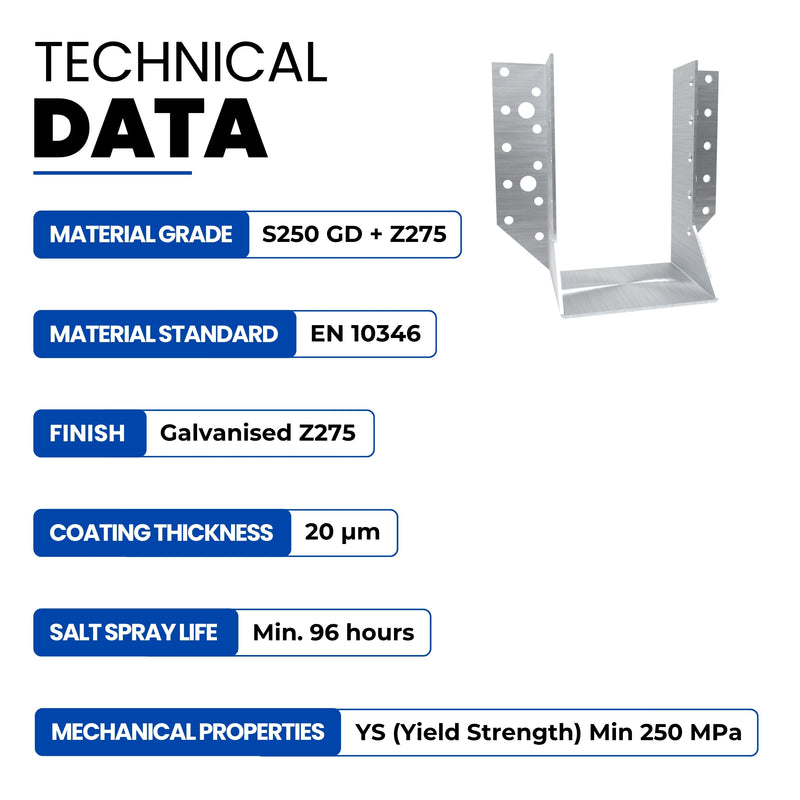
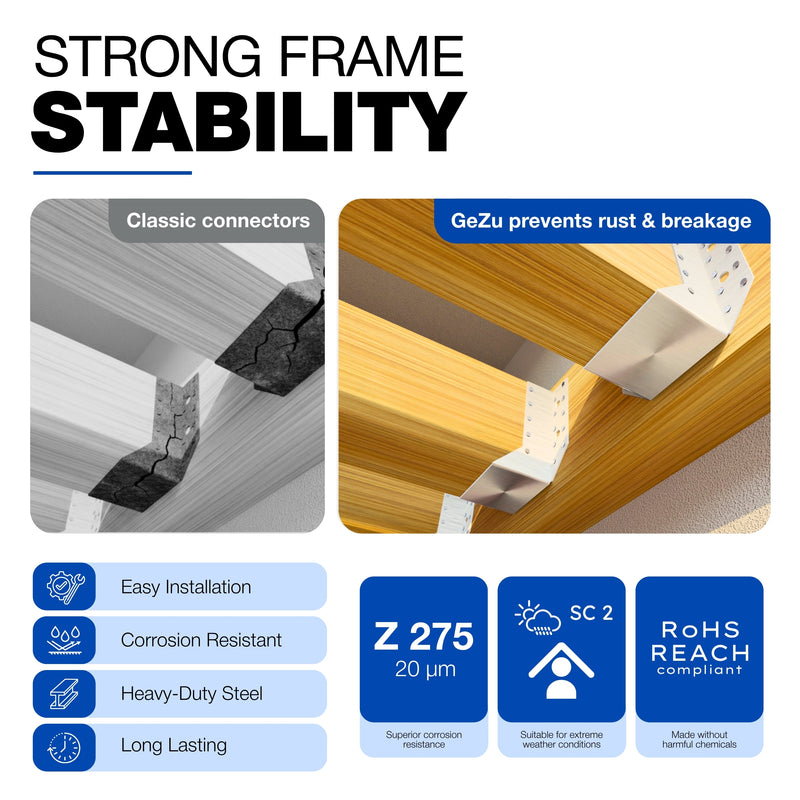
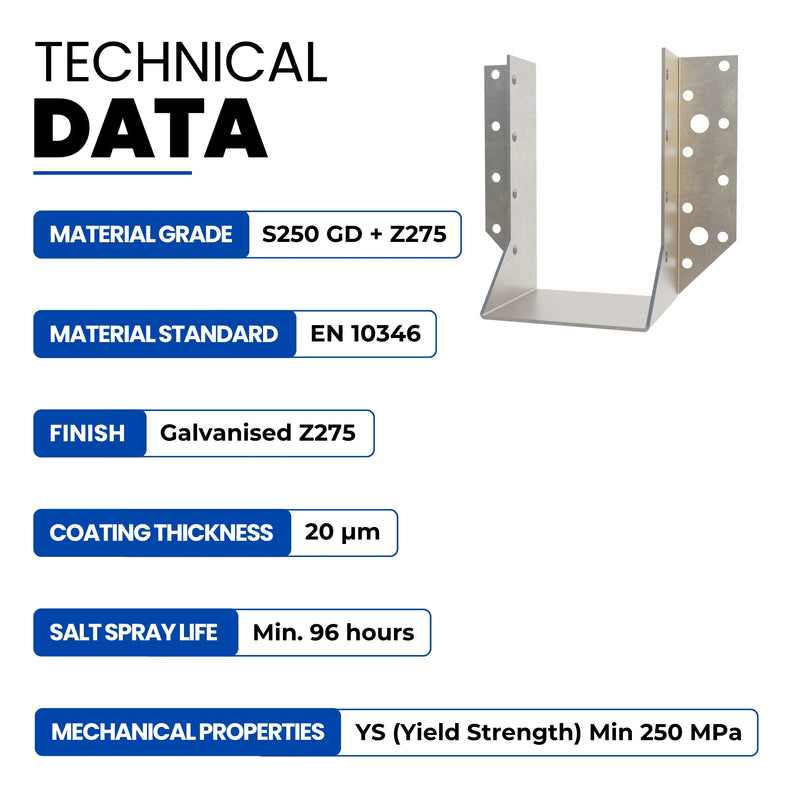
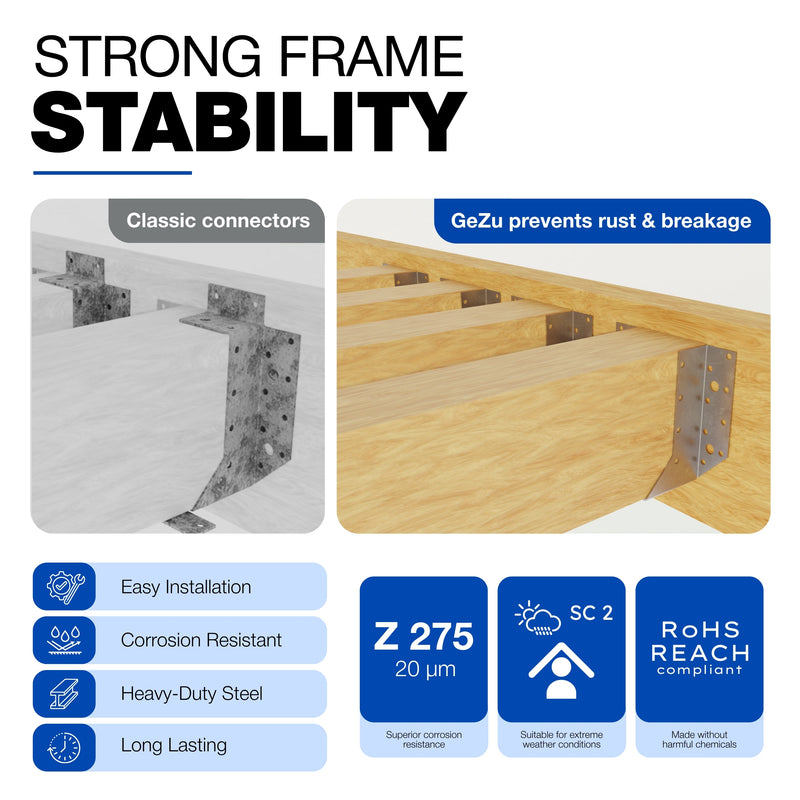
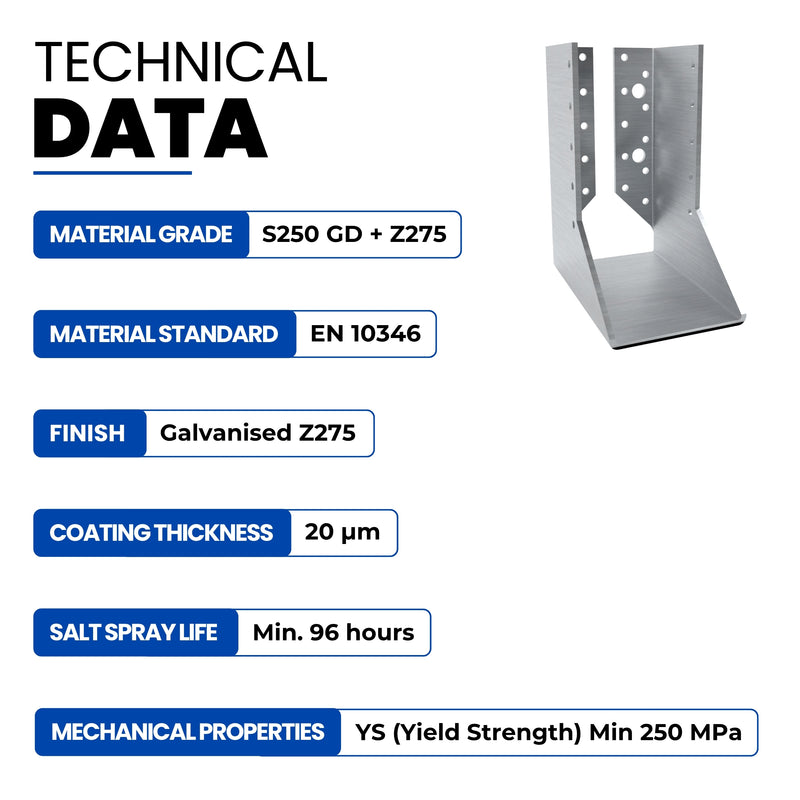
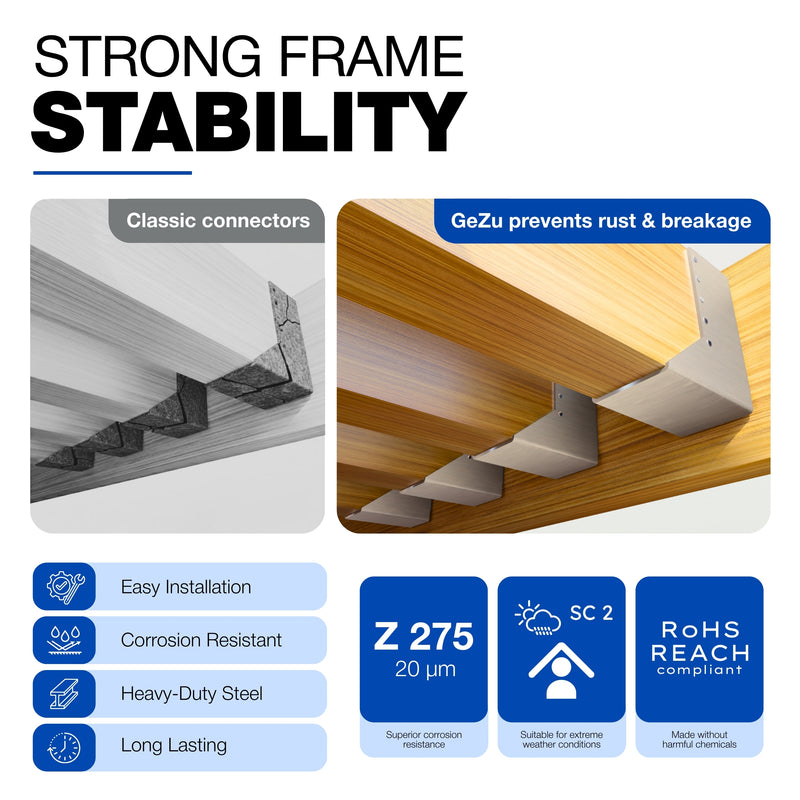
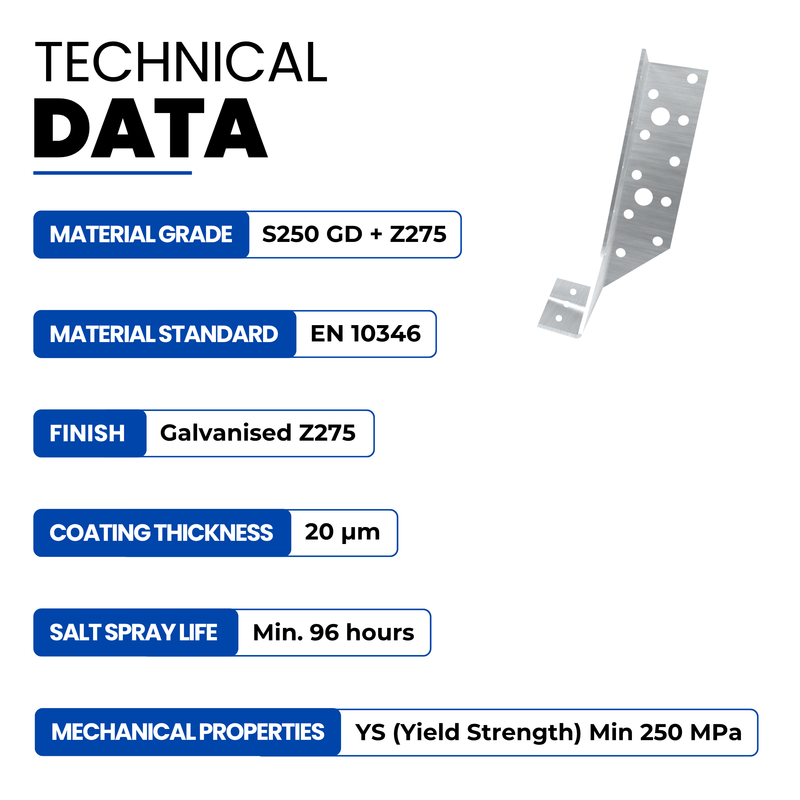
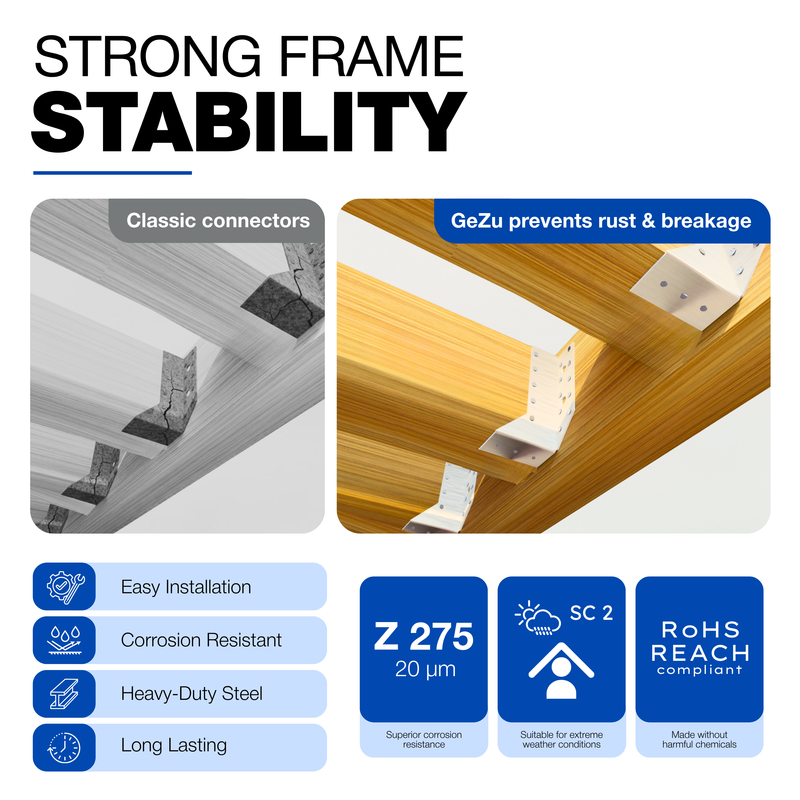
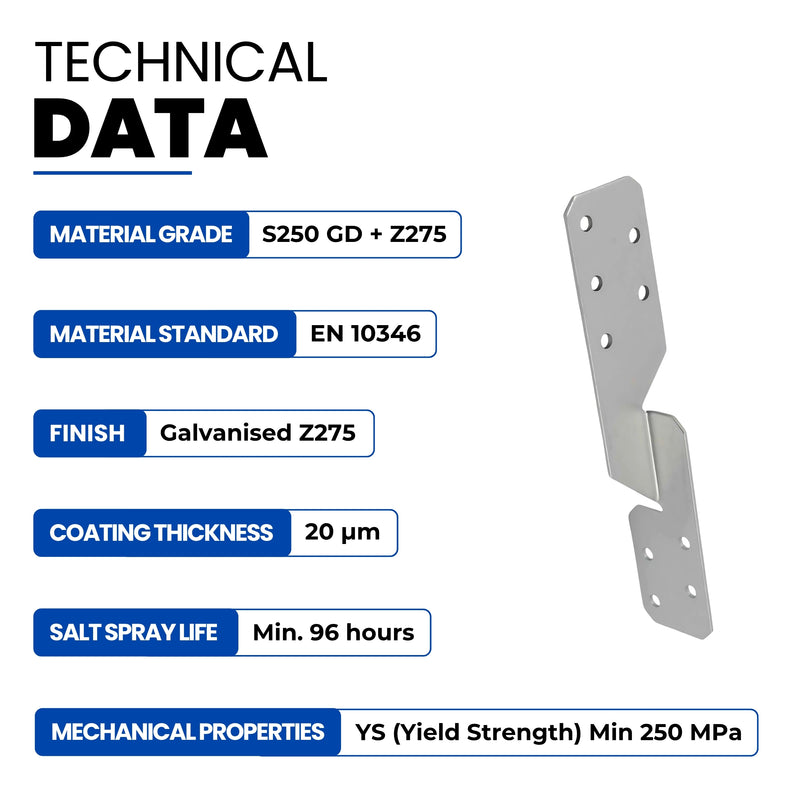
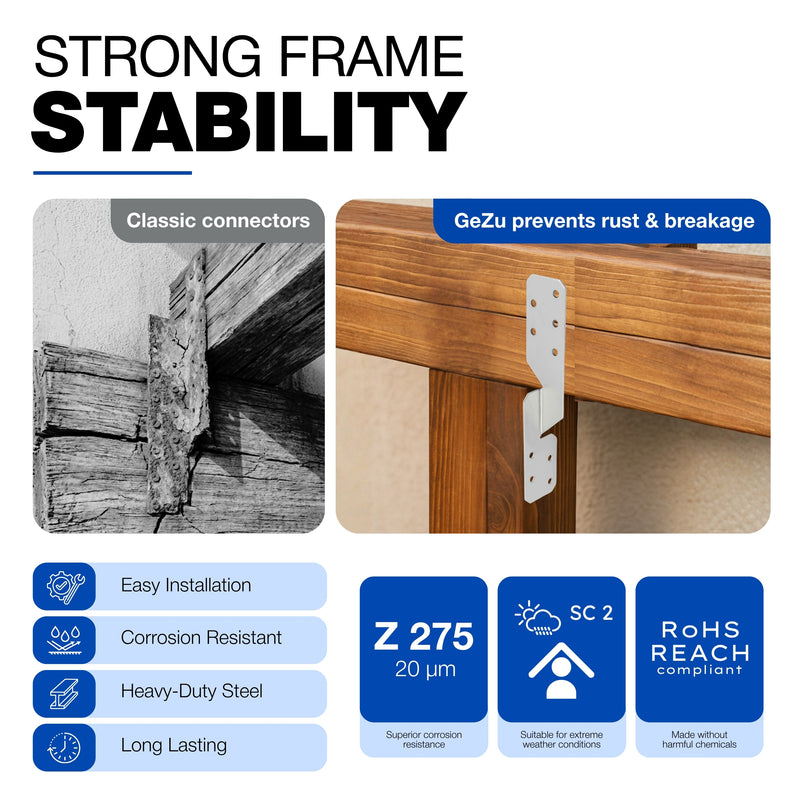
- Corrosion protection: hot-dip galvanised steel for buried or soil-contact use; the coating, not the steel, decides the lifespan outdoors.
- Adjustment: a repair bracket should let you pull the post plumb before the final bolts go tight.
- Fixings: through bolts into sound post timber; a rotten post cannot be clamped, it must be cut back or replaced.
- Access: check for underground pipes and cables before driving anything into the ground.
Fence post repair brackets in 2026: at a glance
| Bracket | Best for | Standout feature | Key limitation |
|---|---|---|---|
| Fence Post Repair Spike | Straightening a leaning post | Driven beside the post, no excavation | Post must still be sound above the clamp |
| Ground Screw Post Anchor | Rebuilding a base without concrete | Screws in, removes cleanly | Needs firm, stone-free ground |
| Drive In Fence Post Spike | Setting a replacement post | Fast install with a sledgehammer | Difficult in stony ground |
| Square Bolt Down Post Support | Paved or concrete surfaces | Surface-mounted, keeps timber off the ground | Fixing holes must be drilled and plugged |
| Concrete-In U Shaped Post Support | New fence lines | Full embedment, maximum stability | Concrete work required |
1. Fence Post Repair Spike: the best bracket for a leaning post
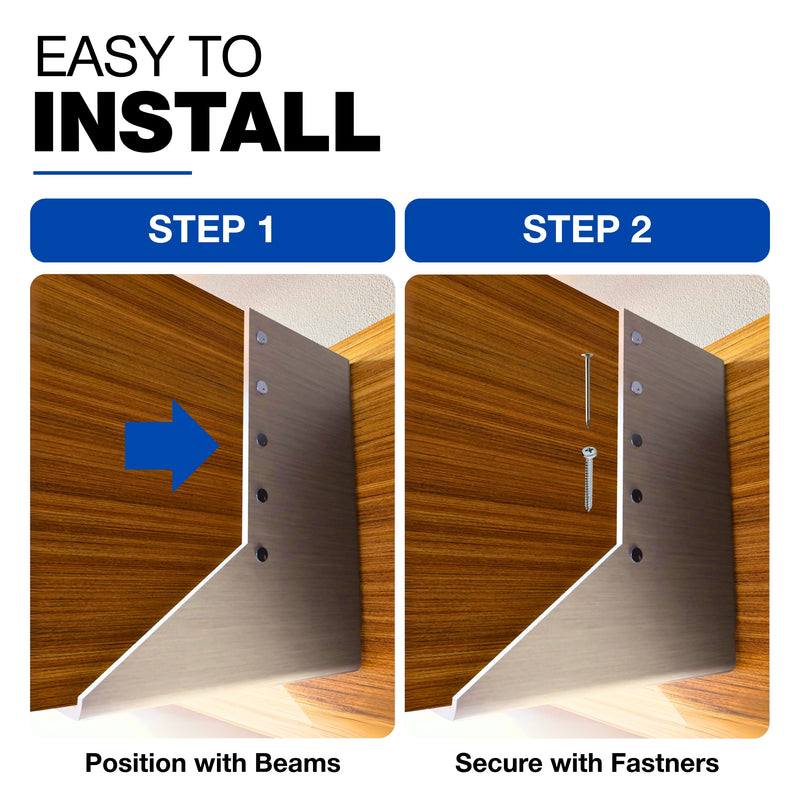
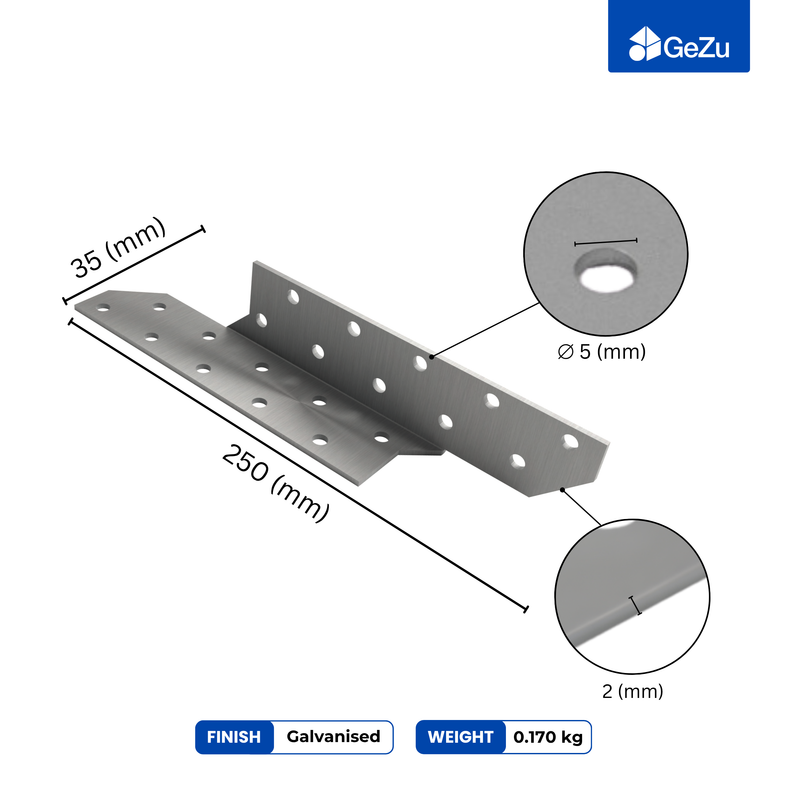
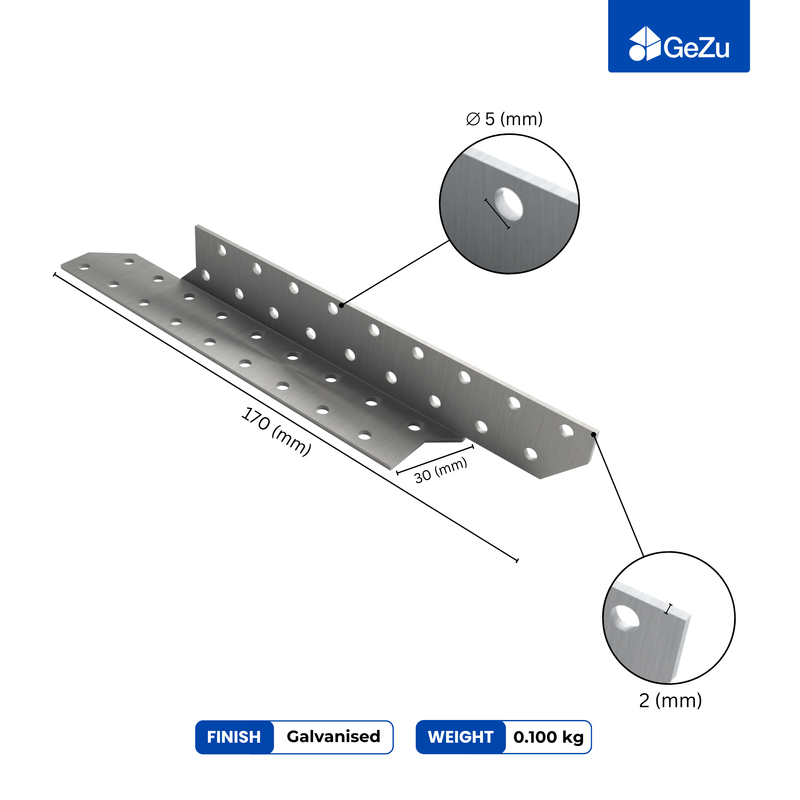
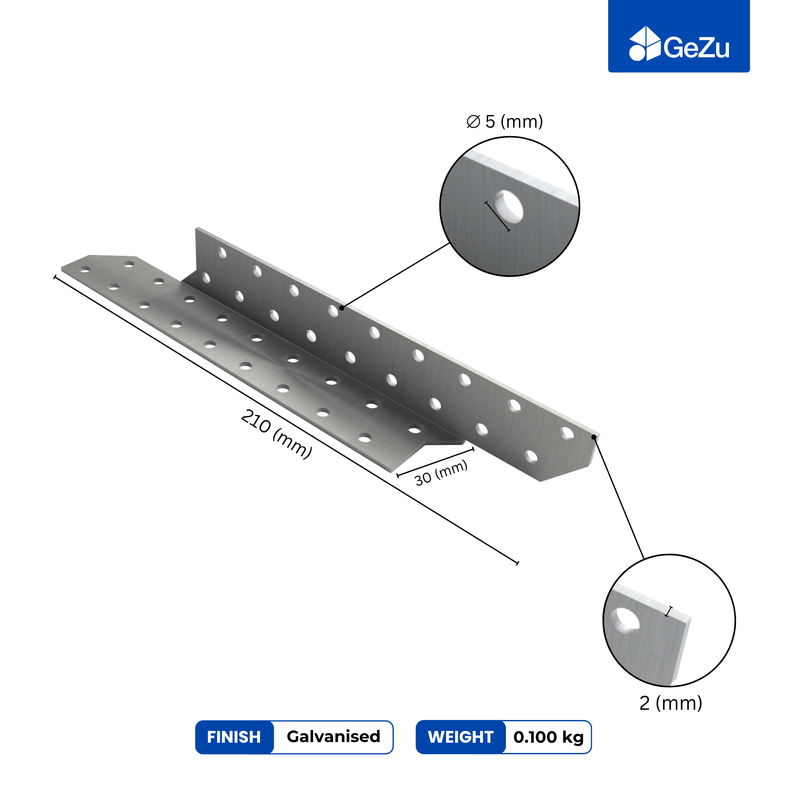
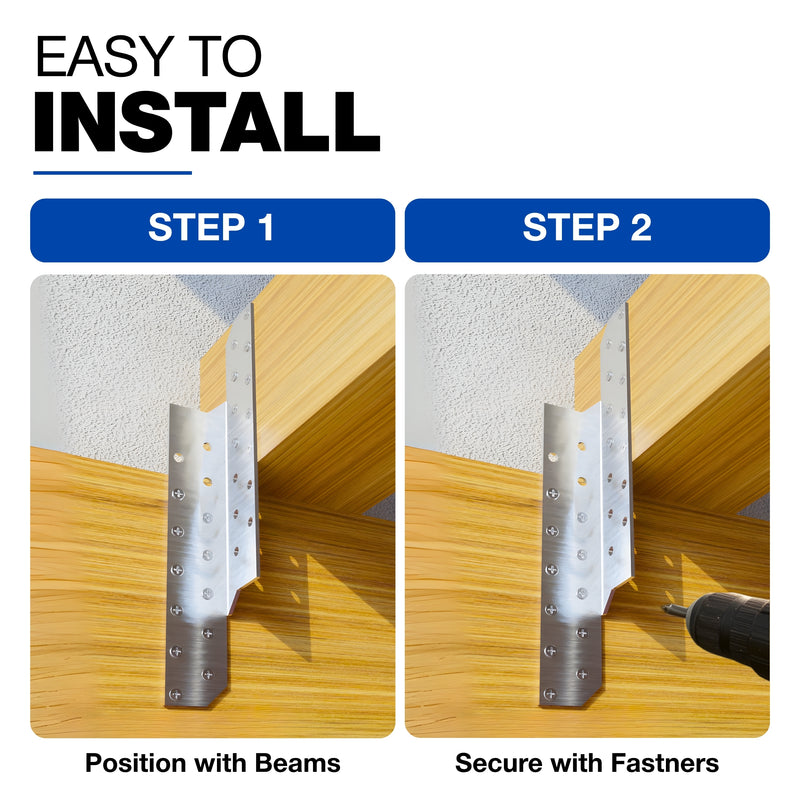
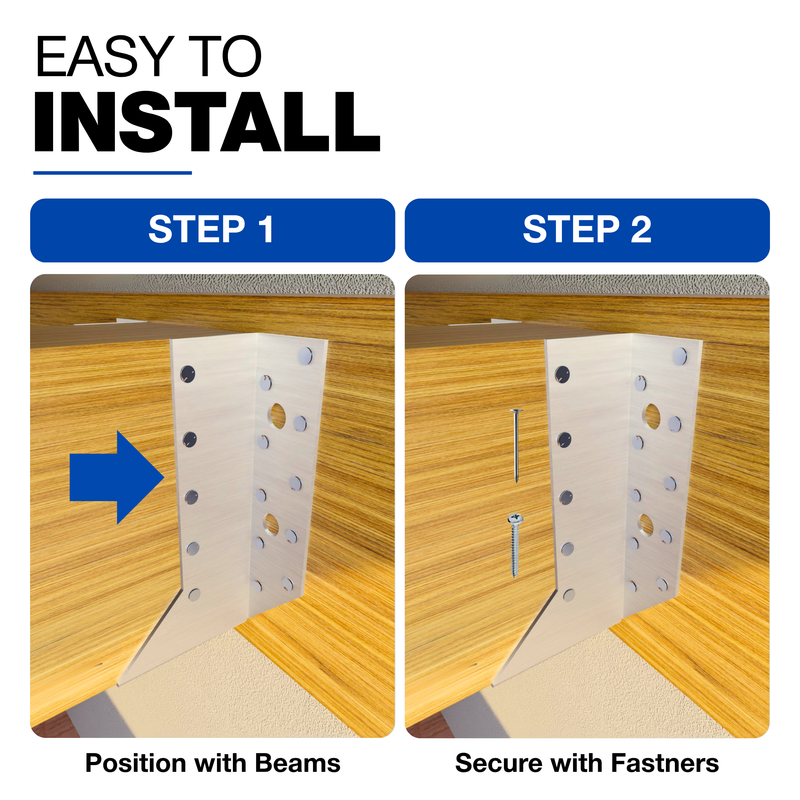
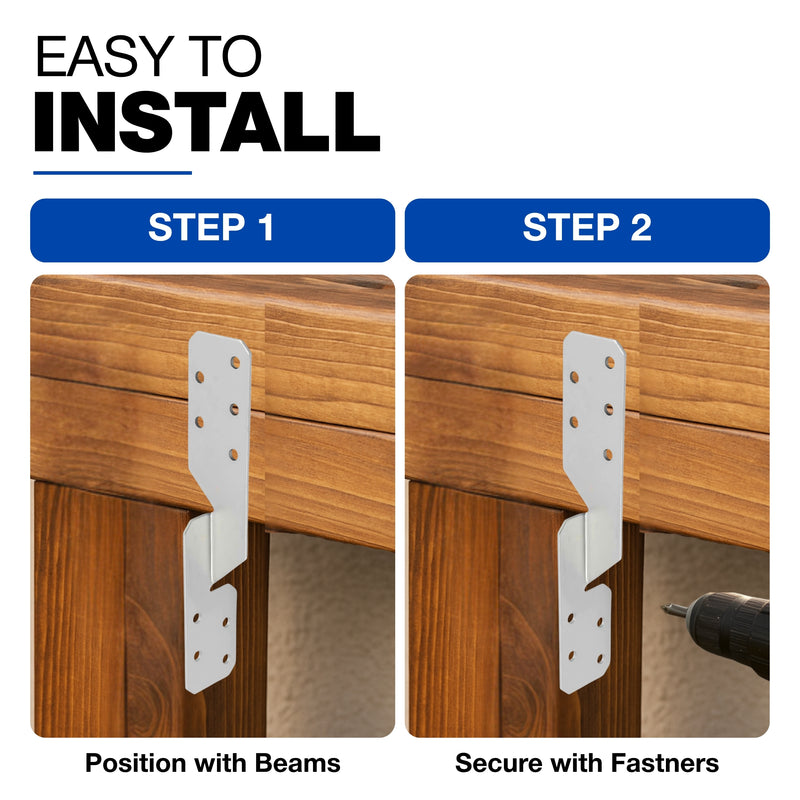
The repair spike is the classic answer to a leaning fence post. You drive the spiked steel body into the soil beside the post, clamp the bracket to the post with through bolts, and pull the post plumb as you tighten. The post keeps its footing and the sound timber above the clamp keeps carrying the panel. The Fence Post Repair Spike from GeZu Impex is galvanised for direct soil contact.
Fence Post Repair Spike pros:
- No digging out the old footing
- One bracket, one post, one job
- Galvanised for permanent outdoor exposure
Fence Post Repair Spike cons:
- Only works where the post timber above the clamp is sound
- Driving needs clear ground: check for cables and pipes first
Verdict: Buy. The first tool to reach for on any leaning fence post in 2026.
2. Ground Screw Post Anchor: the best option when the base must be rebuilt
When the post base is too far gone to clamp — soft, split, or broken off at ground level — the post comes out and the anchor becomes the new foundation. A ground screw is wound into the soil instead of being set in concrete, so the rebuild takes minutes and the ground is left intact. The Ground Screw Post Anchor from GeZu Impex accepts the post directly, keeping the timber clear of the soil.
Ground Screw Post Anchor pros:
- Replaces a failed footing without concrete or excavation
- Timber never touches the ground, so the new post lasts longer
- Usable again if the fence line moves
Ground Screw Post Anchor cons:
- Needs firm, stone-free ground and a bar or driver to wind it in
- Less suited to very loose or made-up ground
Verdict: Buy. The cleanest way to rebase a post whose timber is finished.
3. Drive In Fence Post Spike: the best bracket for a replacement post
If the whole post is being replaced, the drive-in spike sets the new one in minutes: the square socket takes the post end, the spiked body is hammered into the soil, and the post is bolted in and plumbed. No post hole, no concrete, no waiting for it to cure. The Drive In Fence Post Spike from GeZu Impex comes in sizes for common square posts, with a round version for round posts.
Drive In Fence Post Spike pros:
- Fastest way to set a new fence post
- No concrete: fence goes up the same day
- Keeps timber out of the soil, extending post life
Drive In Fence Post Spike cons:
- Stony ground can deflect the spike off line
- Holds the post rigid; not a repair bracket for an existing post
Verdict: Buy. Pair it with the repair spike: one for leaning posts, one for the ones that are past saving.
4. Square Bolt Down Post Support Base: the best bracket for hard surfaces
Where the fence meets a patio, a deck or a concrete path, nothing can be driven in. The bolt-down post support base fixes to the surface with anchors and holds the post above it, so the timber never sits in standing water. The Square Bolt Down Post Support Base from GeZu Impex is galvanised and drilled for anchor bolts.
Square Bolt Down Post Support pros:
- Works on concrete, paving and decking where spikes cannot go
- Keeps the post end dry and off the surface
- Solid galvanised base for wind-loaded fence ends
Square Bolt Down Post Support cons:
- Requires sound substrate: it cannot rescue crumbling concrete
- The post is cut to sit on the base rather than in the ground
Verdict: Buy. The correct repair path wherever the fence line crosses a hard surface.
5. Concrete-In U Shaped Post Support: the option for a brand new line
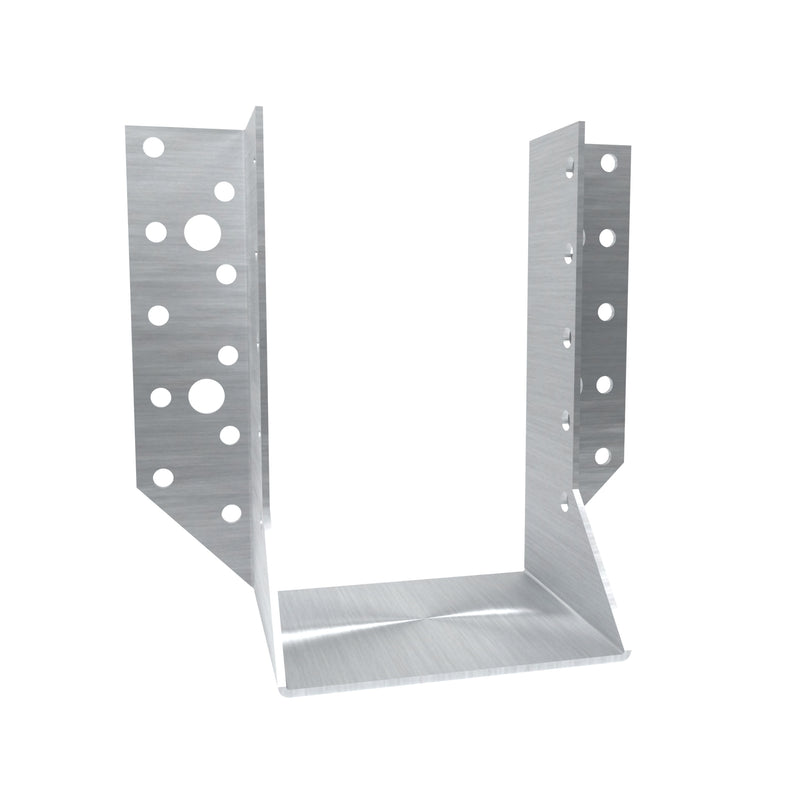
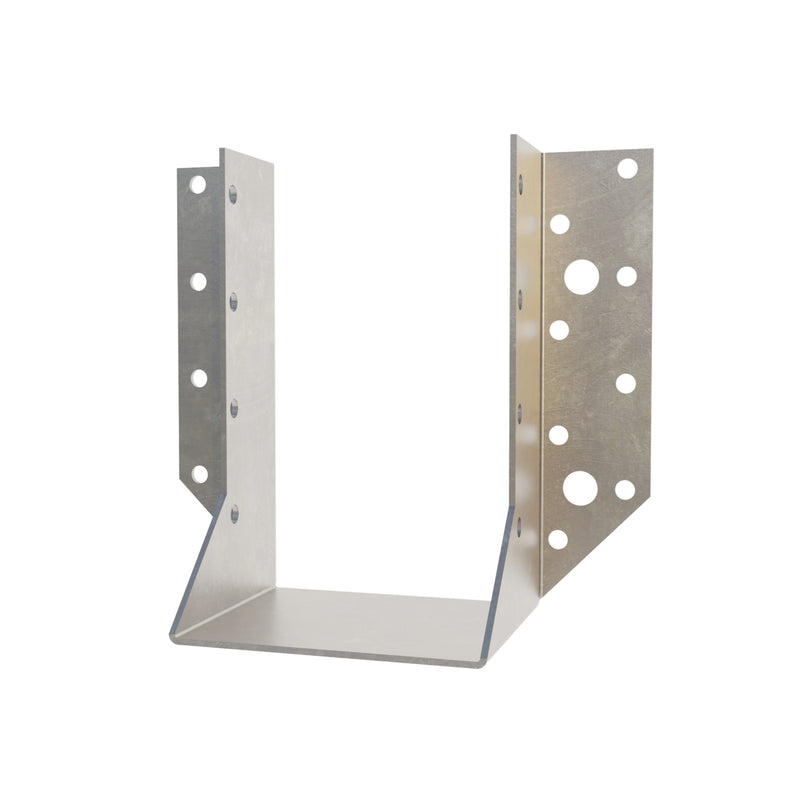
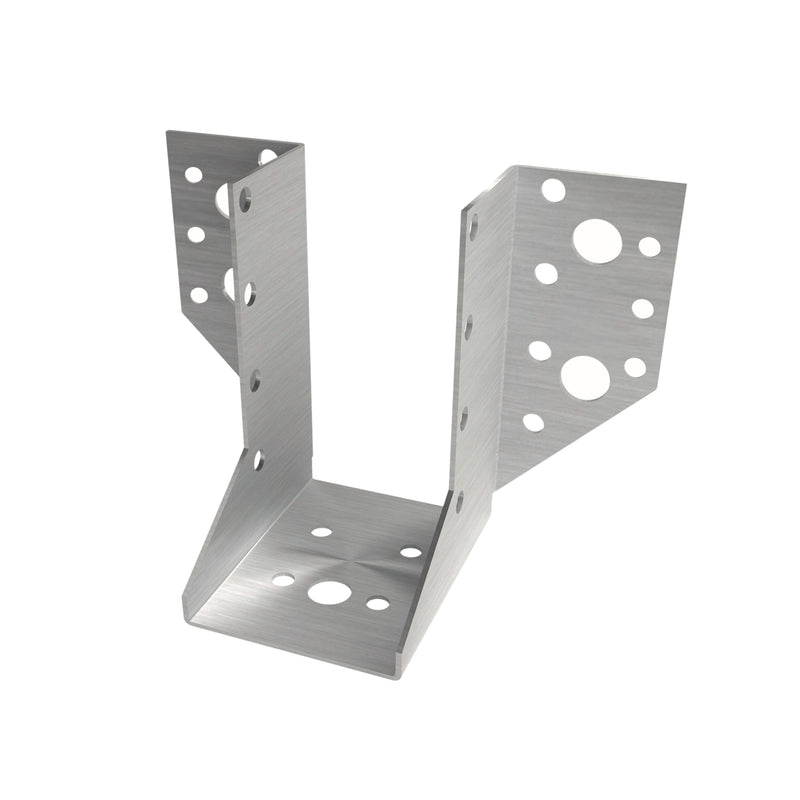
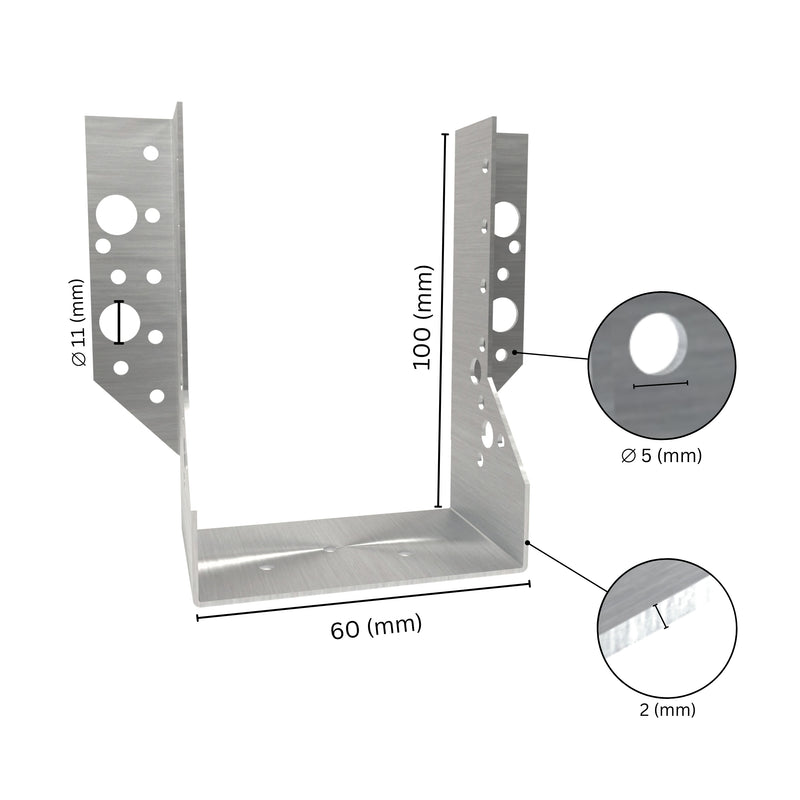
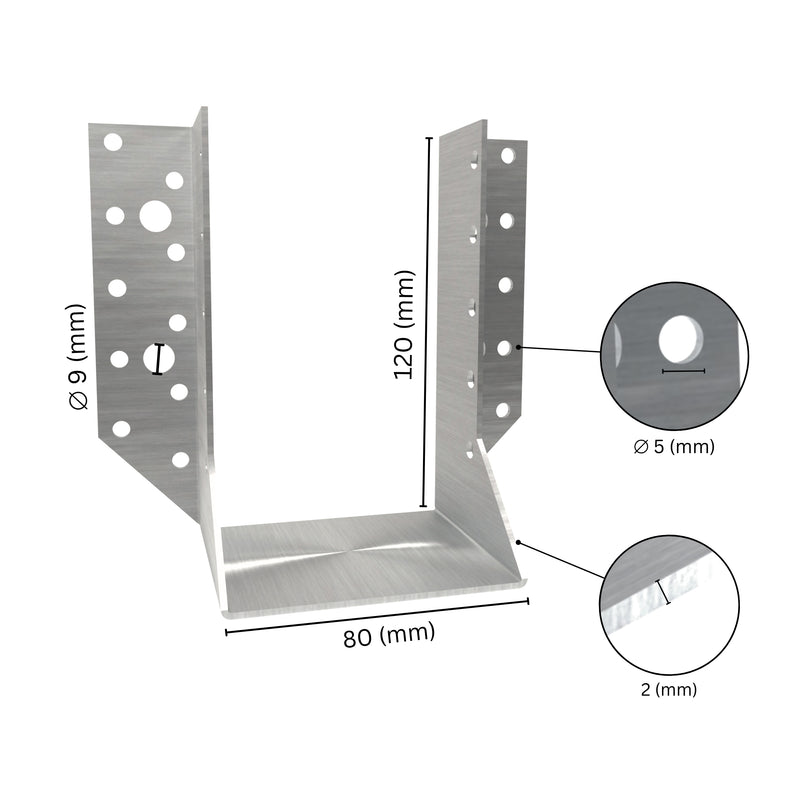
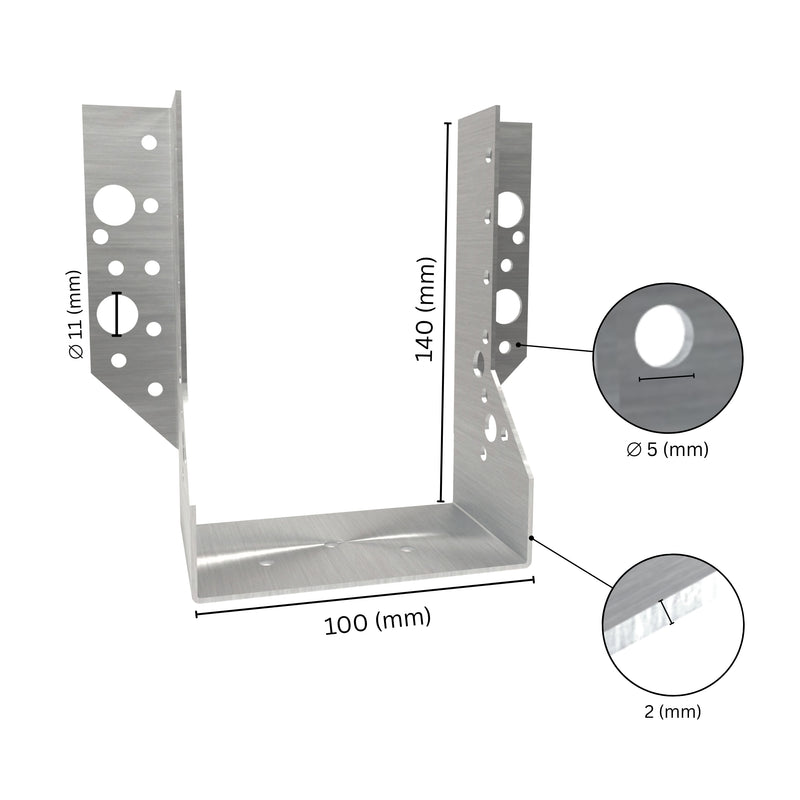
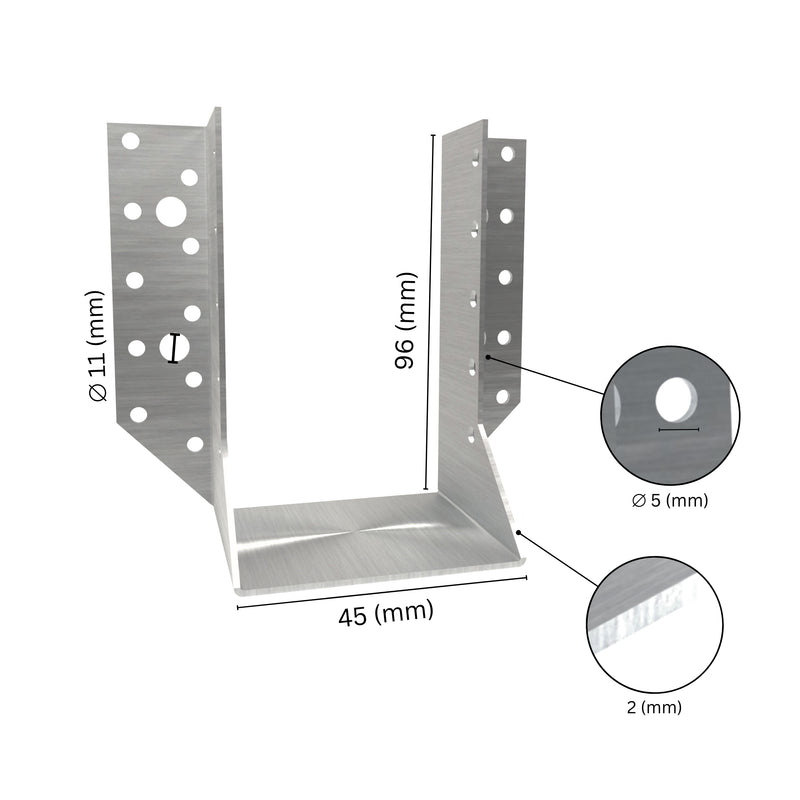
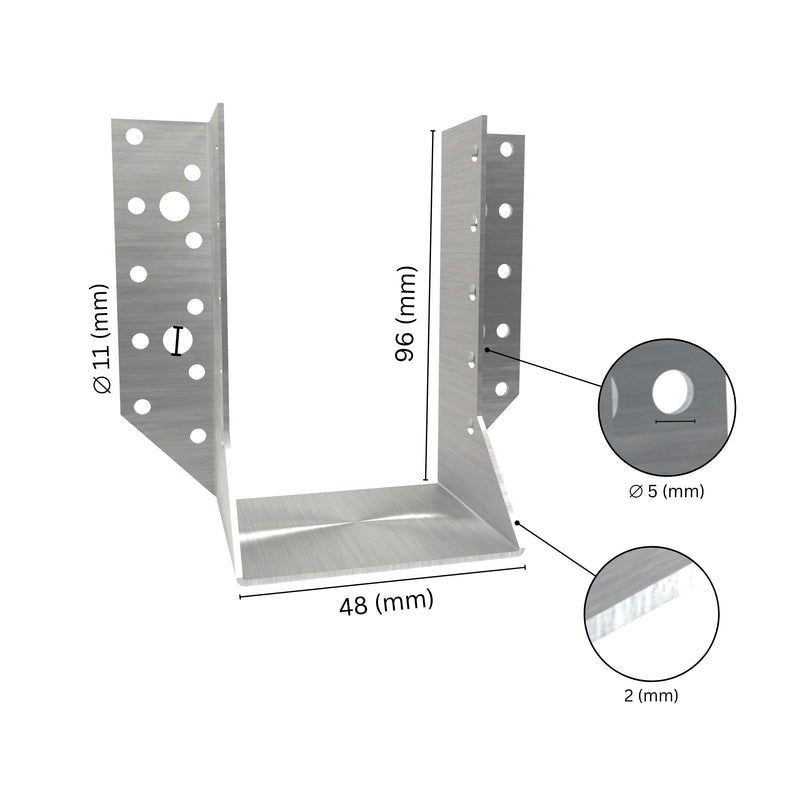
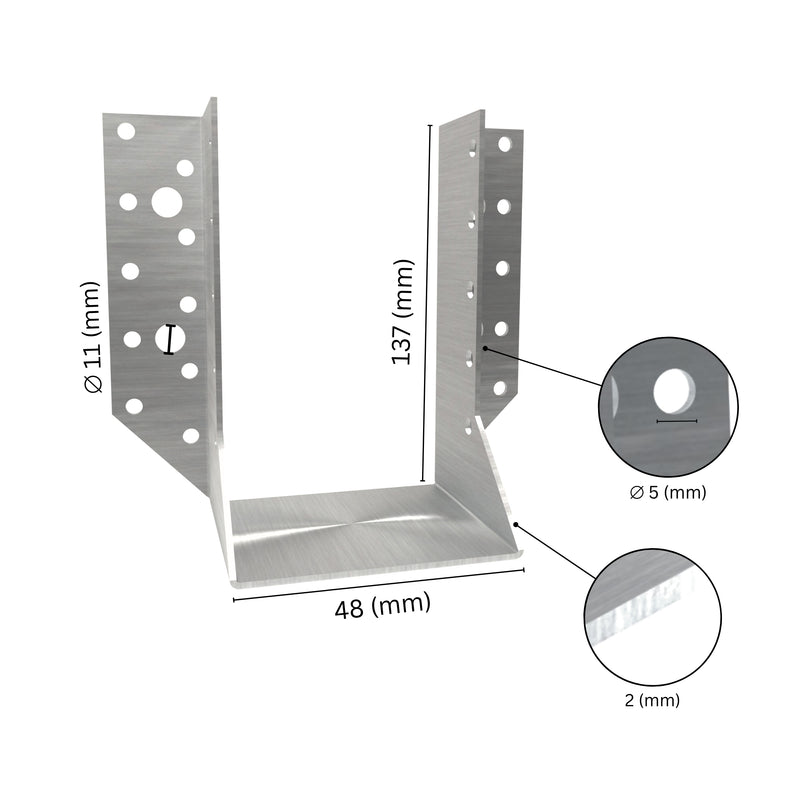
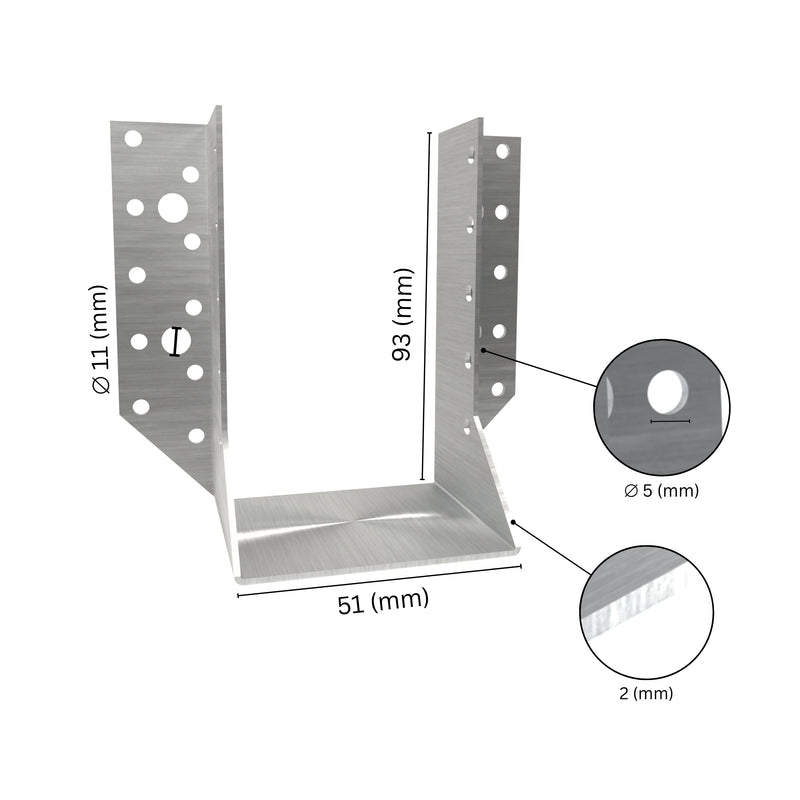
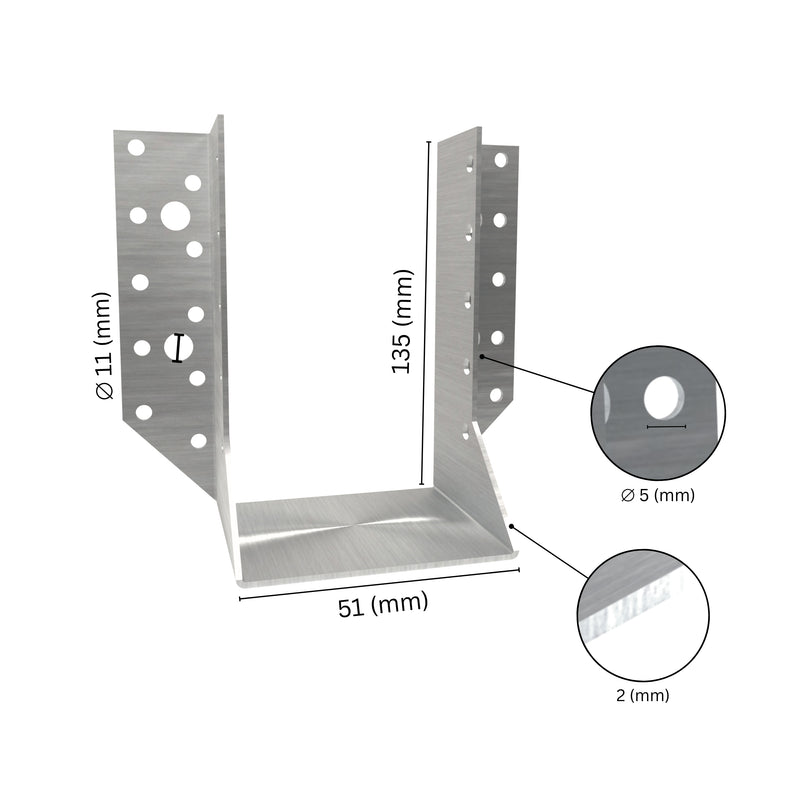
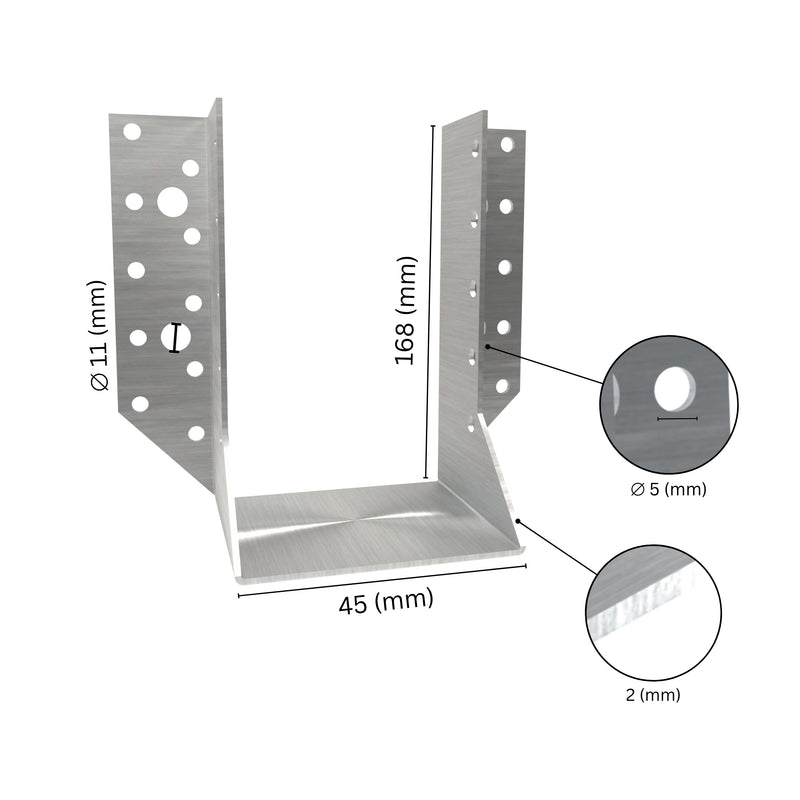
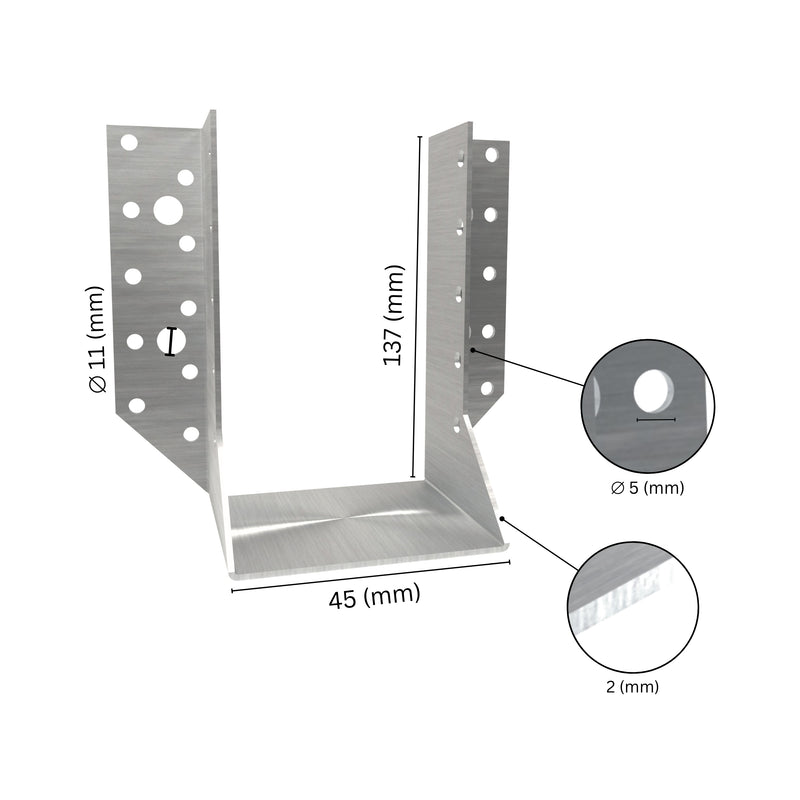
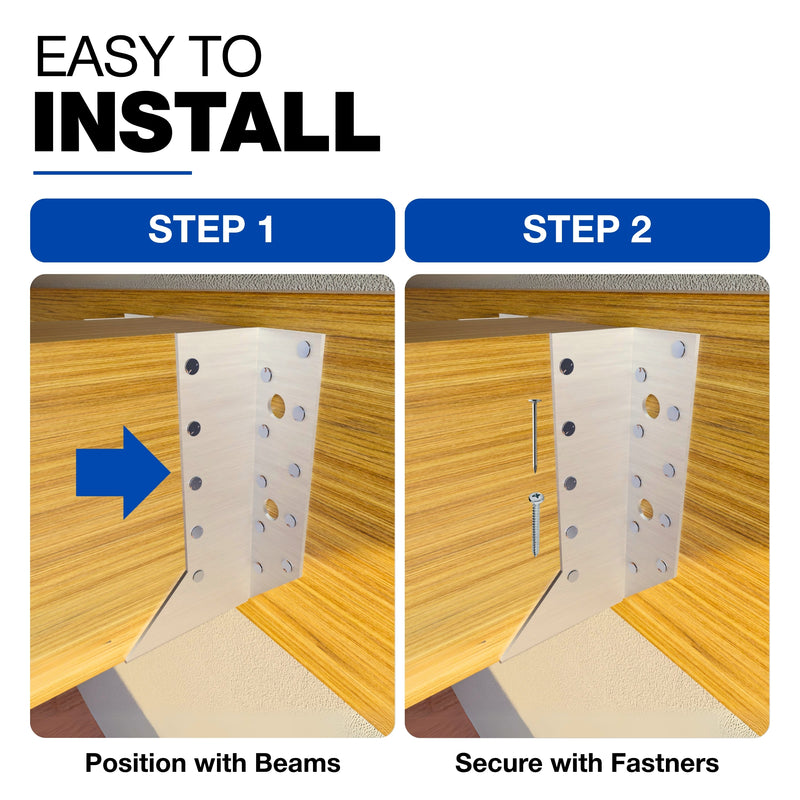
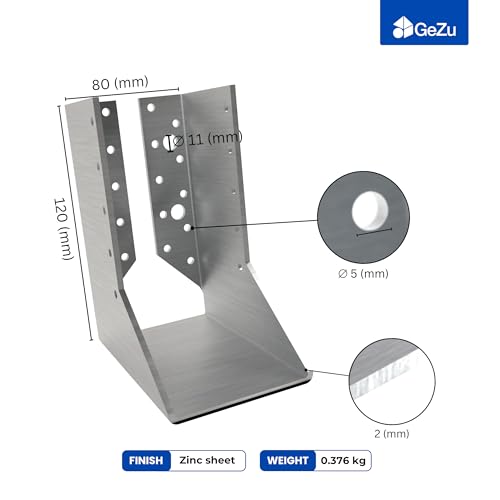
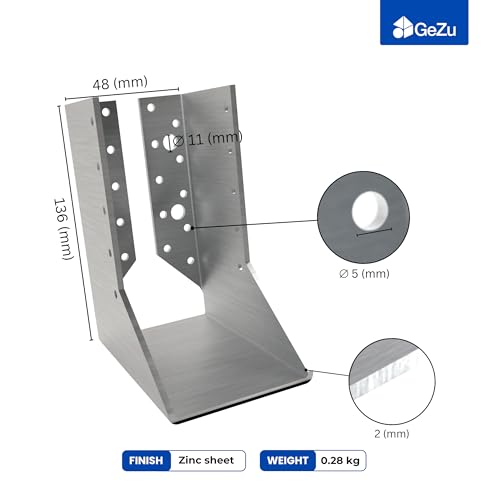
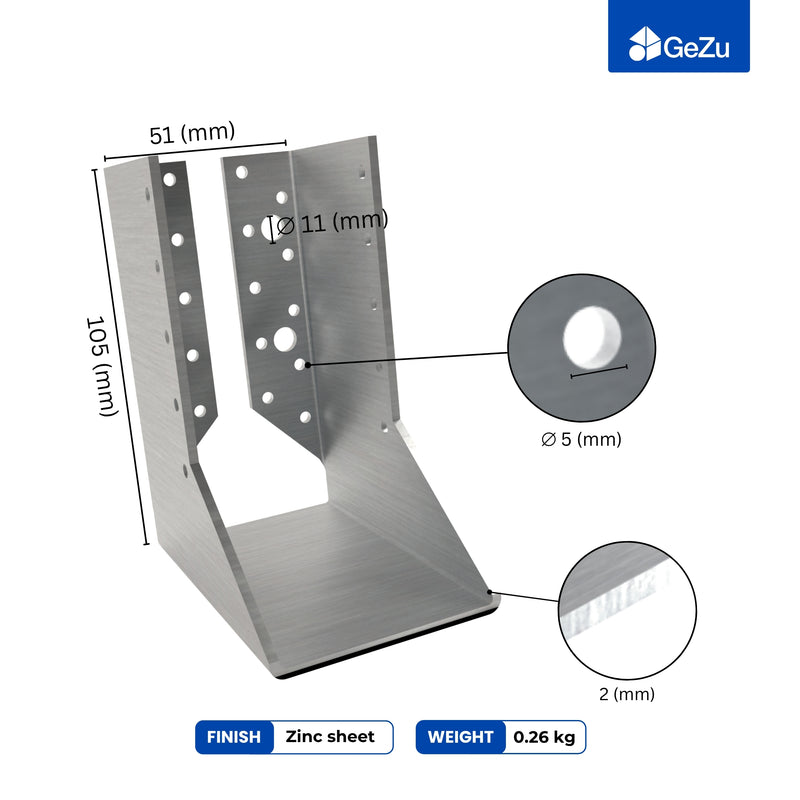
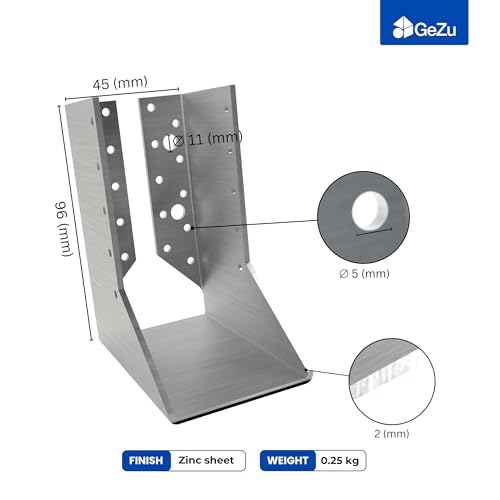
For a new fence run, the concrete-in U shaped support is the long-life option: the U bracket is embedded in concrete with its top flush to the ground, and the post is bolted into the U, clear of the soil. GeZu Impex supplies concrete-in U shaped post supports in several widths, plus versions with a pin or bent rod for extra hold.
Concrete-In U Shaped Post Support pros:
- Maximum stability for boundary fences exposed to wind
- Post stays dry above the concrete, resisting rot at the base
- Versions with pin or bent rod for difficult ground
Concrete-In U Shaped Post Support cons:
- Concrete mixing and curing are unavoidable
- Not a repair: it means lifting the old footing first
Verdict: Buy for new builds. When the fence is being renewed rather than repaired, this is the base that outlasts the post.
How these brackets were ranked
The ranking applies the criteria above — post fit, ground condition, corrosion protection, adjustment and fixings — to the three situations a leaning fence creates in 2026: a sound post that has moved at the base, a post whose base timber has failed, and a post that must be replaced on hard ground. Each bracket is placed where it solves the job with the least demolition.
Which fence post repair bracket should you choose?
For a post that is leaning but sound, the Fence Post Repair Spike remains the default choice in 2026: drive it, clamp it, pull the post plumb. If the post base timber has failed, rebuild the footing with a Ground Screw Post Anchor or set a new post in a Drive In Fence Post Spike. On patios, decks and concrete, use the Square Bolt Down Post Support Base. And for a fence being built from scratch, the concrete-in U shaped support gives the strongest footing of all. In every case, check for buried services before driving anything into the ground.
FAQ
What is the best fence post repair bracket for a leaning post?
The Fence Post Repair Spike is the best bracket for a leaning post in 2026. It is driven into the ground beside the post and bolted to it, so the fence line can be pulled plumb again without excavating.
Can you fix a leaning fence post without concrete?
Yes. A driven repair spike braces the existing post, and a ground screw rebuilds a failed footing without any concrete. Both leave the ground intact.
How do you straighten a leaning fence post?
Drive a repair spike beside the post, attach the clamp loosely, push or pull the post plumb with a level, then tighten the through bolts and re-check.
When is a fence post beyond repair?
When the timber at and above the clamp is soft, split or crumbling, the post cannot carry load. Cut it back and set a replacement in a drive-in spike or ground screw.
Do repair spikes work in rocky soil?
Driving a spike needs reasonably clear ground. In stony or made-up ground, a ground screw or a bolt-down base on existing concrete is the better route.
Should the post touch the ground inside the bracket?
No. Repair brackets and post supports are designed to hold the timber clear of the soil, which is what stops the rot recurring at the base.
How long does a galvanised repair bracket last?
A hot-dip galvanised bracket in ordinary garden soil is specified for decades of outdoor exposure; the coating, not the steel thickness, is what decides the lifespan.
One last detail
The post you clamp must be sound above the ground line. Push it hard at shoulder height before buying anything: if the timber crushes or the surface flakes away, the rot has travelled and no bracket will save that post. Repair the base, replace the post — but never clamp rotten wood and hope.