Pipe Connectors for Handrails Without Welding | 2026 Guide

You can build a wall-mounted pipe handrail with no welding at all. Pipe connectors clamp the rail to the wall and join tube sections to each other, so a straight grab rail along a garden path or a porch step goes up with a drill, a spanner and an afternoon. That is exactly why bolted tube systems have become the default choice for home handrail projects in 2026.
- Yes — pipe handrails assemble from standard tube and bolt-on connectors with no welding.
- Wall-mount brackets carry the rail; right angle and parallel couplers handle corners and joins.
- Hot-dip galvanised tube and fittings are the standard finish for outdoor handrails.
- Fix brackets into solid masonry or into a sound timber post, not into brick joints or cladding.
- A private garden rail is a DIY project; public or commercial rails must meet your local building code.
Why this matters
A handrail has one job: give a steady handhold along a step, a slope or a path. Welded rail systems used to be the only route because a joint had to be permanent and strong. Bolt-on pipe connectors now do the same job with clamps that grip standard 48 mm tube — and unlike a weld, a bolted joint can be repositioned, extended or removed when the layout changes.
Can pipe connectors really replace welding on a handrail?
Yes, because every joint a handrail needs has a ready-made fitting:
| Joint on the rail | Fitting that does it | What it joins |
|---|---|---|
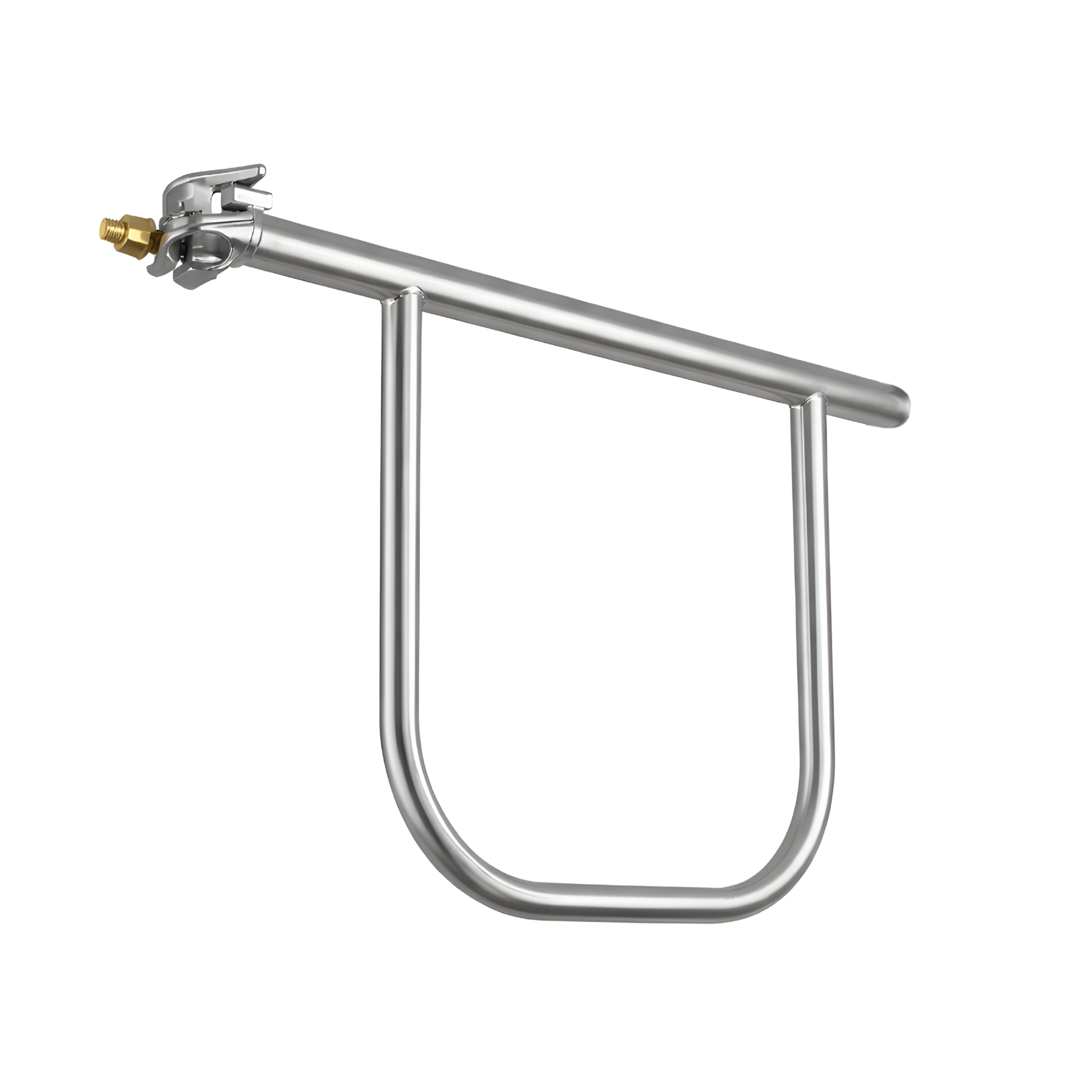
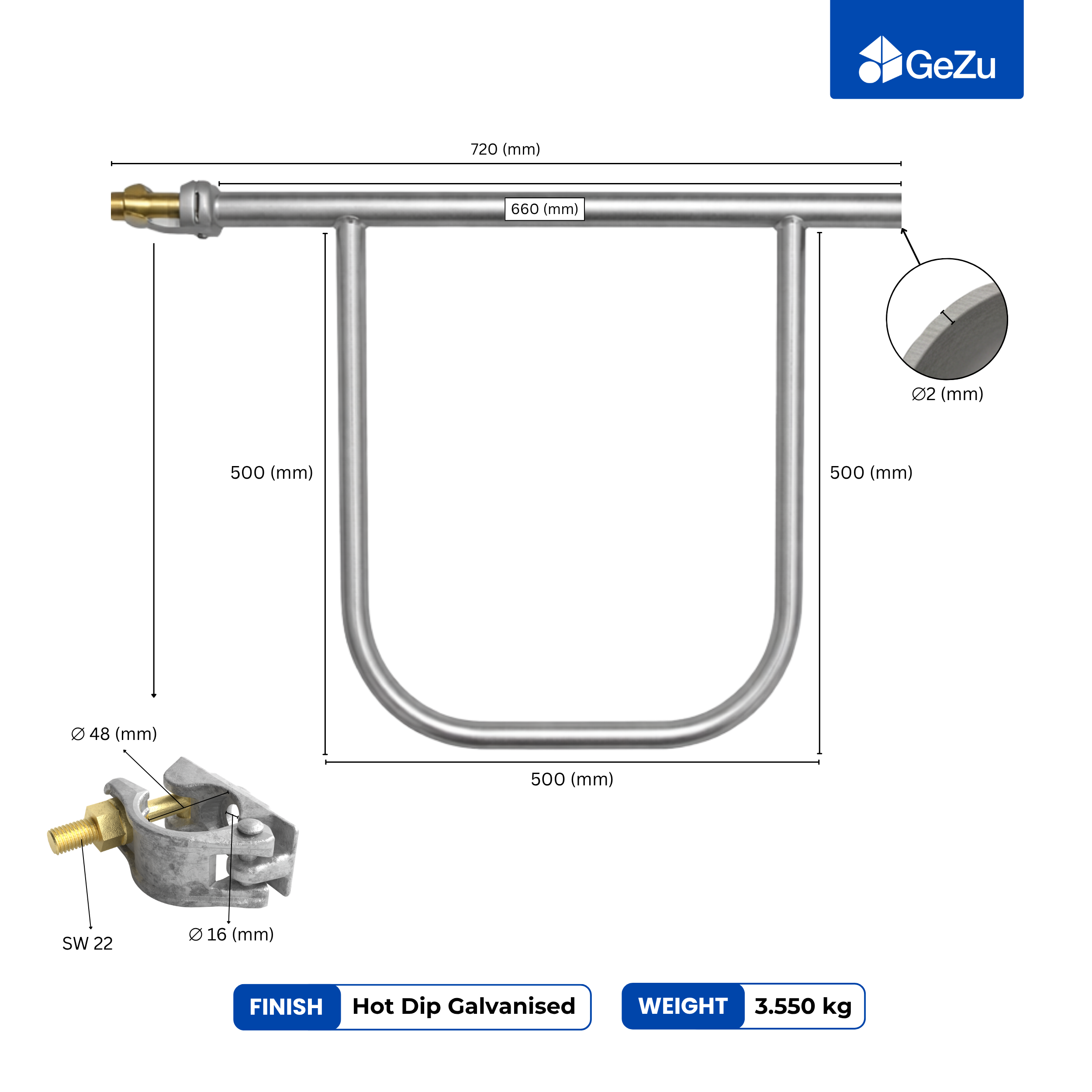
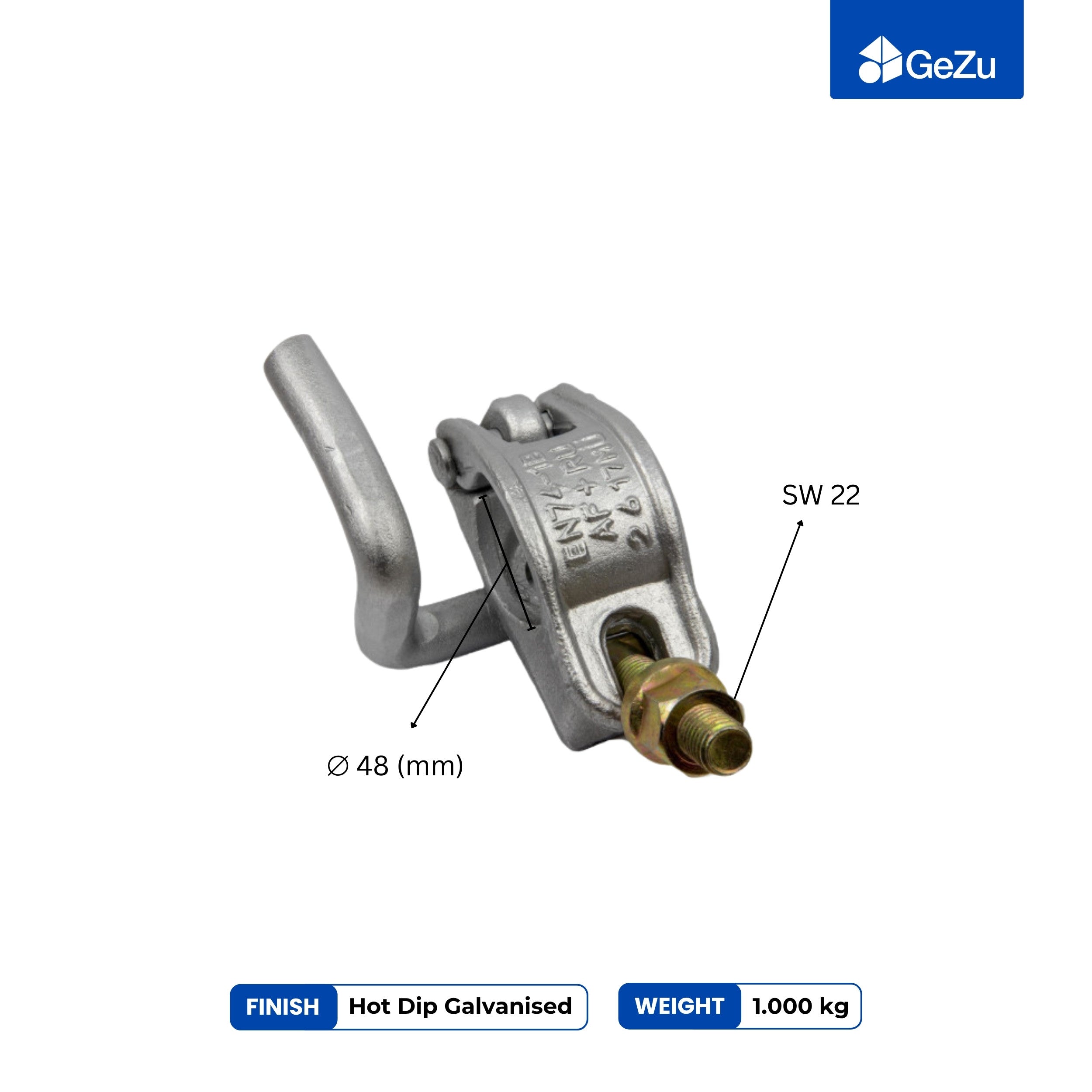
| Rail to the wall | Wall mount handrail bracket (tube clamp) | Tube to a fixed wall plate |
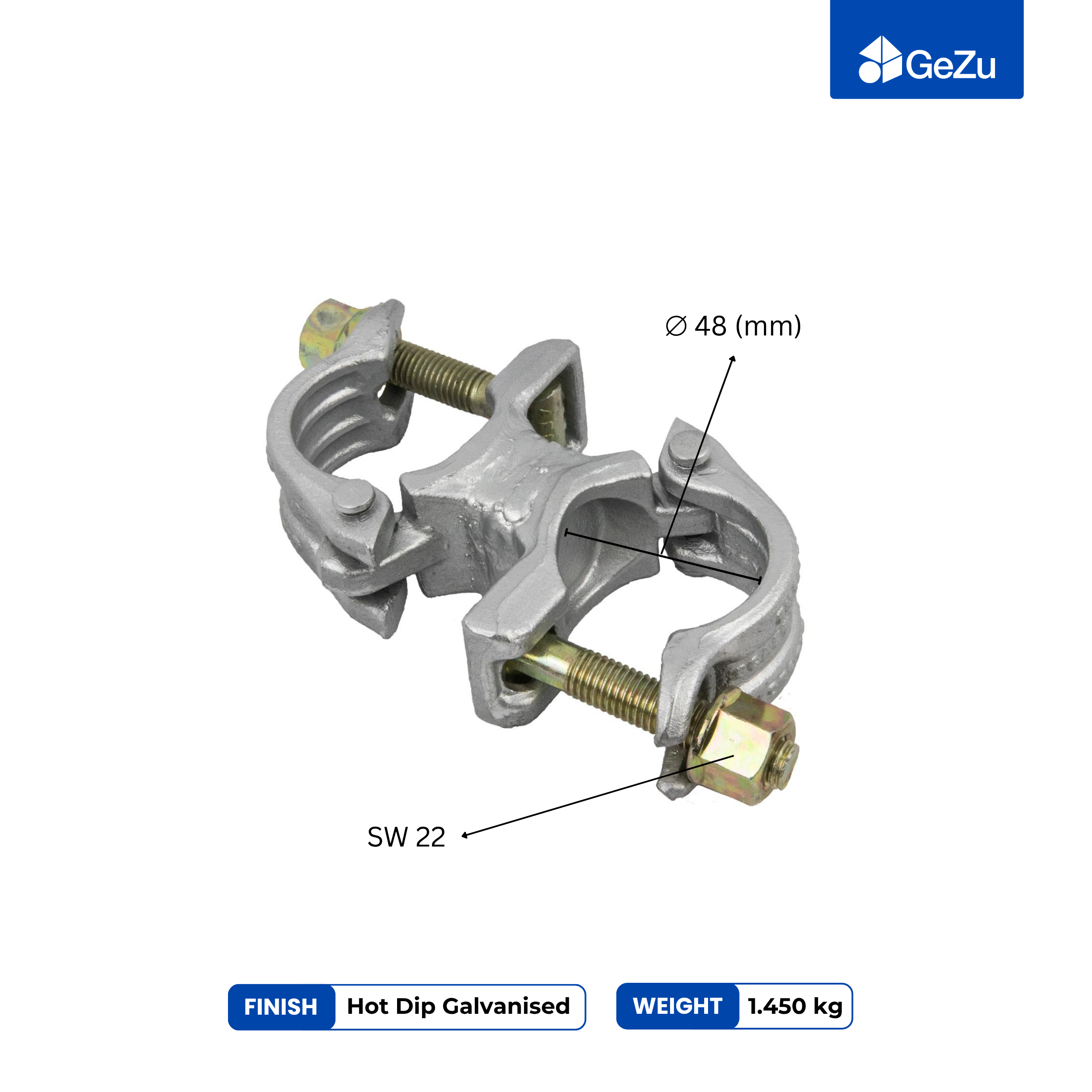
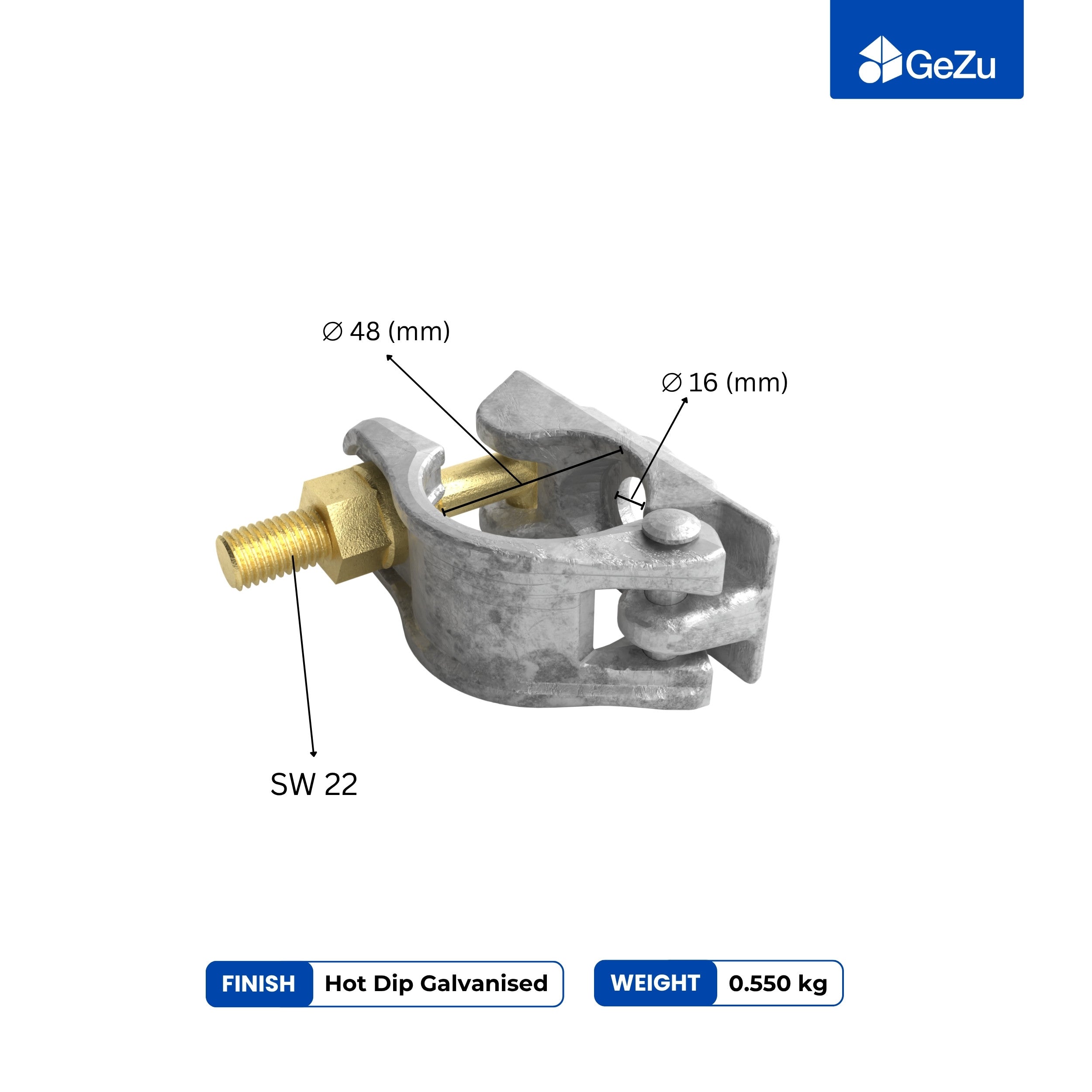
| Corner or return to the wall | Right angle coupler | Two tubes at a locked 90° |
| Slope along a ramp or steps | Swivel coupler | Two tubes at any angle you set |
| Extending a rail run | Parallel coupler | Two tubes end to end |
| Rail to an upright post | Right angle or swivel coupler | Horizontal tube to vertical tube |
The wall bracket is the heart of the build. A tube-clamp style handrail bracket holds the rail a short distance off the wall, which leaves room for knuckles and keeps the timber or masonry dry behind the tube.
Couplers handle everything between brackets. Right angle fittings make the corners, swivel fittings absorb the odd angles on ramps and step returns, and parallel fittings stretch a run past the length of a single tube.
Choosing fittings that survive outdoors
A handrail lives in the rain, so the finish decides how long it looks and lasts:
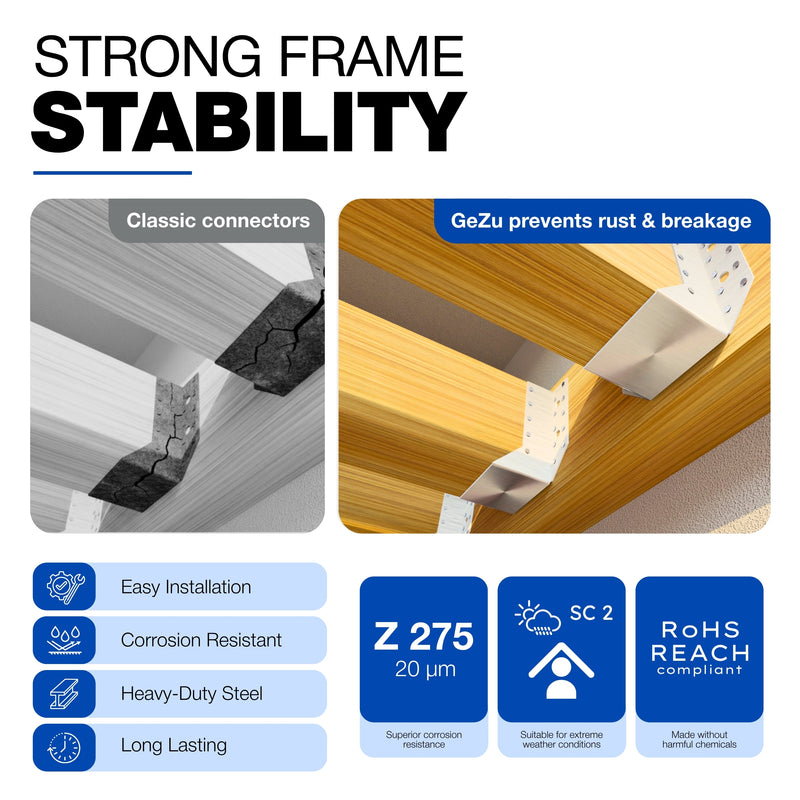
- Hot-dip galvanised tube and fittings carry a thick bonded zinc layer and are the standard for outdoor rails.
- Zinc-plated fittings have a thin coating that suits indoor use; outdoors it can spot-rust first at the bolt holes.
- One tube size everywhere. Scaffold fittings grip 48 mm outside-diameter tube — matching tube and fittings keeps every joint tight.
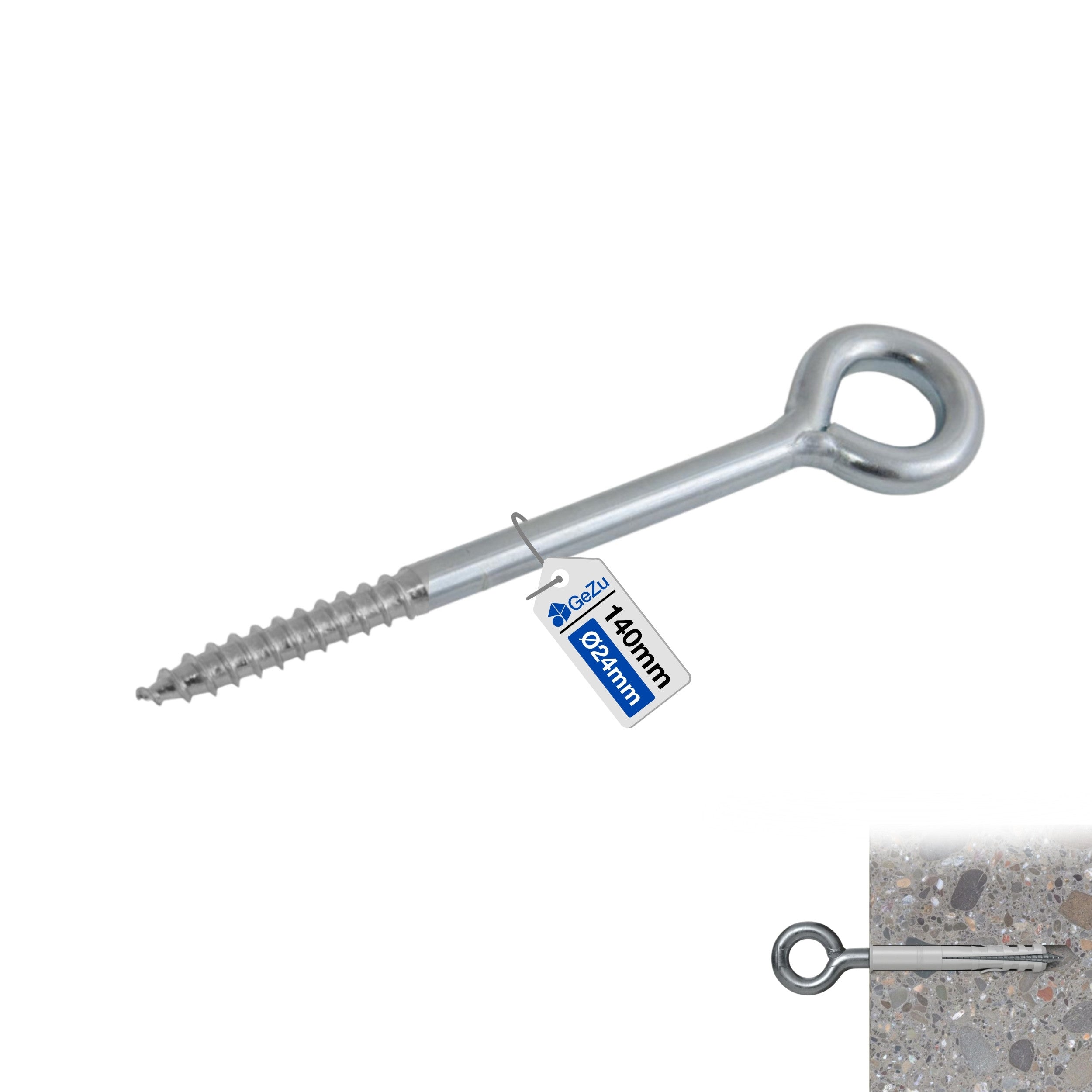
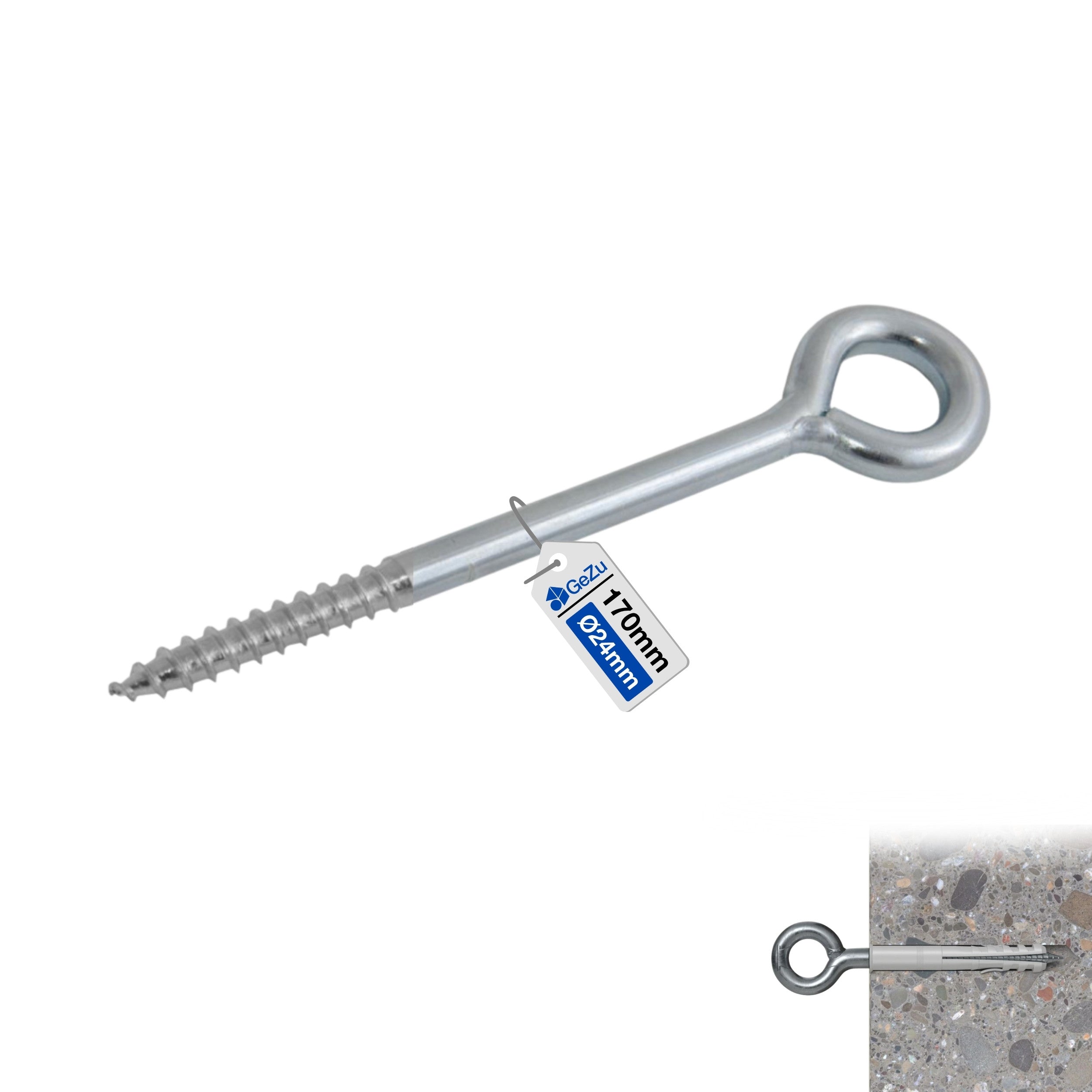
- Check the fixings. The couplers are only as good as the screws or bolts behind them; use anchors rated for masonry on a brick wall.


Mounting the rail so it stays put
The fitting is half the job; the wall behind it is the other half:
- Solid brick or block. Drill into the brick itself, not the mortar joint, and use masonry anchors. Mortar crumbles and lets brackets work loose.
- Timber posts or framing. Fix with coach screws long enough to bite well past the surface.
- Spacing. On a straight garden rail, brackets roughly every metre along the run keep the tube from flexing between fixings.
- Height. Pick a height that falls naturally at the hand for the people using the path, and keep that height consistent along the whole run.
- A note on scope. A private garden or porch rail is a straightforward DIY project. If the rail serves a public place, a rental property or a workplace, your local building code sets requirements for it — check those rules or ask a professional before you build.
Building a straight wall rail in six steps
- Mark the bracket positions on the wall in one level line, spacing them evenly along the planned run.
- Drill and fix the brackets with masonry anchors into the brick face or coach screws into sound timber.
- Cut the tube to length for each span between brackets, plus any return section back to the wall.
- Lay the tube into the bracket clamps and start every bolt by hand so the tube seats evenly.
- Join sections and corners — parallel couplers to extend a run, right angle or swivel couplers for corners and returns — then square each joint before final tightening.
- Tighten everything properly, check the rail feels solid along its whole length, and re-check the bolts after the first month.
Why handrail builds vary
Two rails that look similar on paper can need different part lists:
- Wall type. Solid masonry, cavity wall and timber cladding each take different anchors.
- Run length. Longer runs need more brackets and at least one parallel joint to extend the tube.
- Terrain. A ramp or stepped slope calls for swivel couplers at the changing angles.
- Exposure. A shaded, damp wall rewards hot-dip galvanised fittings; a covered porch is more forgiving.
- Who uses it. A rail for heavy daily use deserves closer bracket spacing than an occasional-use path.
Do bolted handrail joints work loose over time?
They can, in the first weeks, as the tube coating settles under the clamps and temperature moves the metal. A single re-torque of every bolt about a month after fitting — and after that once a season — keeps a bolted rail as solid as the day it went up. A permanently welded rail avoids that, at the cost of never being adjustable again.
What tube size do pipe handrail fittings fit?
Scaffolding-style connectors, including the wall mount handrail bracket, are made for 48 mm outside-diameter tube. It is the easiest size to source in 2026 and strong enough for a garden handrail when the brackets are spaced sensibly.
FAQ
Can you make a handrail without welding?
Yes. Wall mount tube-clamp brackets and right angle, swivel and parallel couplers join standard 48 mm tube into a complete handrail with hand tools only.
Which pipe connectors do I need for a handrail?
A wall mount handrail bracket at each fixing point, right angle couplers for corners, swivel couplers for slopes and returns, and parallel couplers to extend the run.
What finish should outdoor handrail fittings have?
Hot-dip galvanised. The thick zinc coating handles rain and frost for years; thin zinc plating is better kept indoors.
How do I fix a handrail bracket to a brick wall?
Drill into the brick itself, not the mortar joint, and use masonry anchors rated for the wall. Into timber, use coach screws long enough to bite well past the surface.
How far apart should handrail brackets be?
Roughly every metre on a straight garden rail keeps the tube from flexing. Heavier daily use justifies closer spacing.
Does a bolted handrail meet building regulations?
Private DIY rails are usually outside formal code requirements, but rails in public, rented or workplace settings are regulated — check your local building code or ask a professional.
One last thing
Fit the brackets before you cut any tube. The real distance between fixed brackets is almost never exactly what the plan says, and cutting after fixing means every joint closes up square.