T-hinges and band hinges compared: 2026 picks
The best T-hinge or band hinge for wooden gates in 2026 is the Gate band hinge: the 600 mm electroplated band hinge wins for heavy wooden garden gates, the T hinge is the best choice for light garden gates and shed doors, the strap hinge is the best budget option for small flaps and boxes, and the pintle hook-on bracket is the pick when a gate must lift off for removal.
- The Gate band hinge is the best T-hinge or band hinge for heavy wooden gates in 2026.
- The T hinge is the best pick for light garden gates and shed doors.
- The Strap hinge is the budget option for small flaps, chests and cabinets.
- The pintle hook-on plate bracket lets a gate lift off its hinges without tools.
- Match hinge length to gate width: roughly one third of the gate width is the rule of thumb.
Why the hinge decides how a gate hangs
A gate hinge does one structural job: carry the full weight of the gate and its swing load through two or three fixings into the post. Get the hinge type wrong and the gate sags within a season; get it right and a heavy field gate swings smoothly for years.
The four options in this comparison cover the whole range of wooden-gate work. Band hinges spread the load over a long strap and are the standard for heavy gates. T hinges add a square plate at the pivot and suit lighter doors. Strap hinges cover small flaps at the lowest cost, and pintle brackets pair with a hook to make gates removable. GeZu Impex supplies all four in electroplated or galvanised steel, and this comparison picks between them for 2026.
What makes a good gate hinge
- Load capacity: the strap length sets how much gate weight the hinge can carry — longer straps spread the load further along the gate stile.
- Gate weight and width: a heavy or wide gate needs a longer band; a light shed door does well with a short strap.
- Corrosion resistance: a gate lives in the rain year-round, so electroplated or galvanised steel is the baseline for outdoor use.
- Removability: a pintle-and-hook arrangement lets the gate be lifted off without undoing any screws — useful for seasonal or removable gates.
- Fixing: the screw or bolt pattern must suit the timber; a hook-on bracket bolts to the post instead of screwing into it.
No single criterion works alone. A long band hinge on a light shed door is wasted money, and a short strap hinge on a heavy gate sags in the first wet winter.
At a glance
| Hinge | Best for | Standout feature | Key limitation |
|---|---|---|---|
| Gate band hinge | Heavy wooden garden gates | Long strap spreads gate weight along the stile | Needs a strong post and longer screws |
| T hinge | Light garden gates and shed doors | T-shaped plate adds support at the pivot | Not for wide or heavy gates |
| Strap hinge | Small flaps, chests, cabinets | Short lengths from 75 mm, lowest cost | Limited load for anything heavier |
| Pintle hook-on bracket | Removable gates | Gate lifts off the pin without tools | Must be paired with a hook and spike or band |
1. Gate band hinge: the best hinge for heavy wooden gates in 2026
The Gate band hinge is a long tapered steel strap that fixes along the gate stile and carries the pivot load deep into the timber. GeZu Impex supplies it in eight sizes from 300 mm to 1000 mm in electroplated steel, which means the strap length can be matched to the gate width instead of forcing one size onto every job. On a heavy wooden gate, that long fixing line is what keeps the gate square season after season.
Gate band hinge — pros:
- Eight sizes from 300 mm to 1000 mm cover small side gates up to field gates
- Long strap spreads the gate weight along the full stile
- Electroplated finish for outdoor exposure
Gate band hinge — cons:
- Longer sizes need correspondingly strong screws and a sound post
- Over-sized for light shed doors
Best for: heavy wooden garden and field gates. Verdict: buy — the default for gate work.
2. T hinge: the best hinge for light gates and shed doors
The T hinge combines a strap across the door face with a T-shaped plate at the pivot that stiffens the fixing. Sizes run from 100 mm to 500 mm, all electroplated, which makes it the standard hinge for shed doors, light garden gates, stable doors and chest lids. The T plate adds support exactly where the hinge takes the swing load, so a modest strap still hangs a door cleanly.
T hinge — pros:
- Six sizes from 100 mm to 500 mm suit doors and small gates alike
- T-shaped plate stiffens the pivot-side fixing
- Electroplated steel for outdoor use
T hinge — cons:
- Shorter strap than a band hinge, so less load spread for heavy gates
- Fixed size per hinge — match the strap to the door width
Best for: shed doors, stable doors and light garden gates. Verdict: buy for anything up to a medium gate.
3. Strap hinge: the best budget hinge for small work
The Strap Hinge is the short-strap option of the range: six sizes from 75 mm to 250 mm, electroplated, at the lowest cost per hinge in the comparison. It suits cabinet flaps, chest lids, small hatches and the lightest shed doors — the jobs where a full band or T hinge would be oversized hardware.
Strap hinge — pros:
- Six short sizes from 75 mm to 250 mm
- Lowest-cost hinge in the range
- Electroplated finish suits indoor and sheltered outdoor use
Strap hinge — cons:
- Strap length limits it to light doors and flaps
- Not a gate-scale hinge for wind-loaded openings
Best for: small flaps, boxes, chests and hatch covers. Verdict: buy for light work; skip it for garden gates.
4. Pintle gate hinge hook-on plate bracket: the best hinge for removable gates
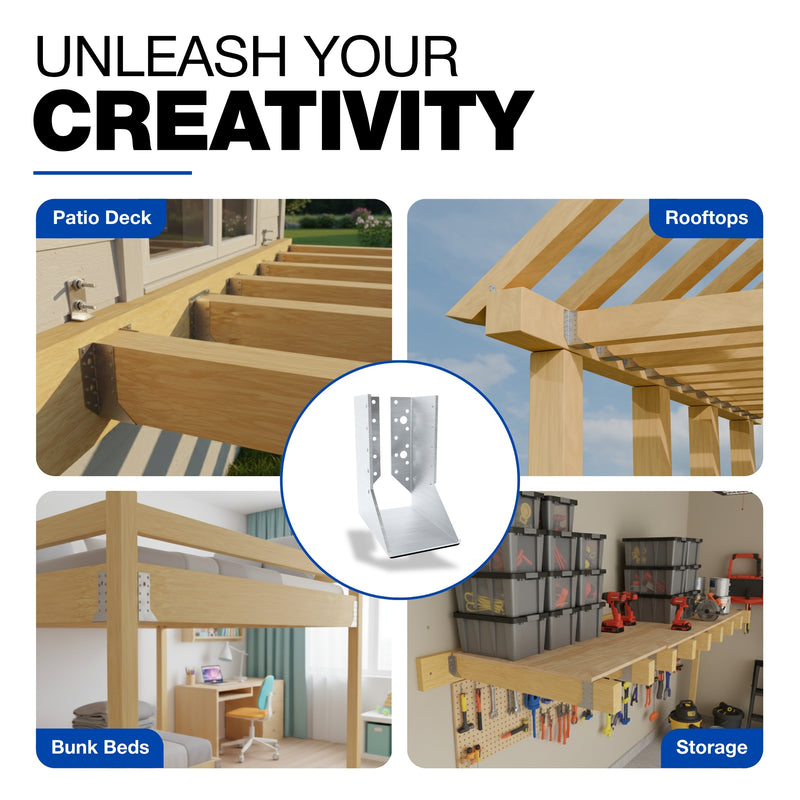
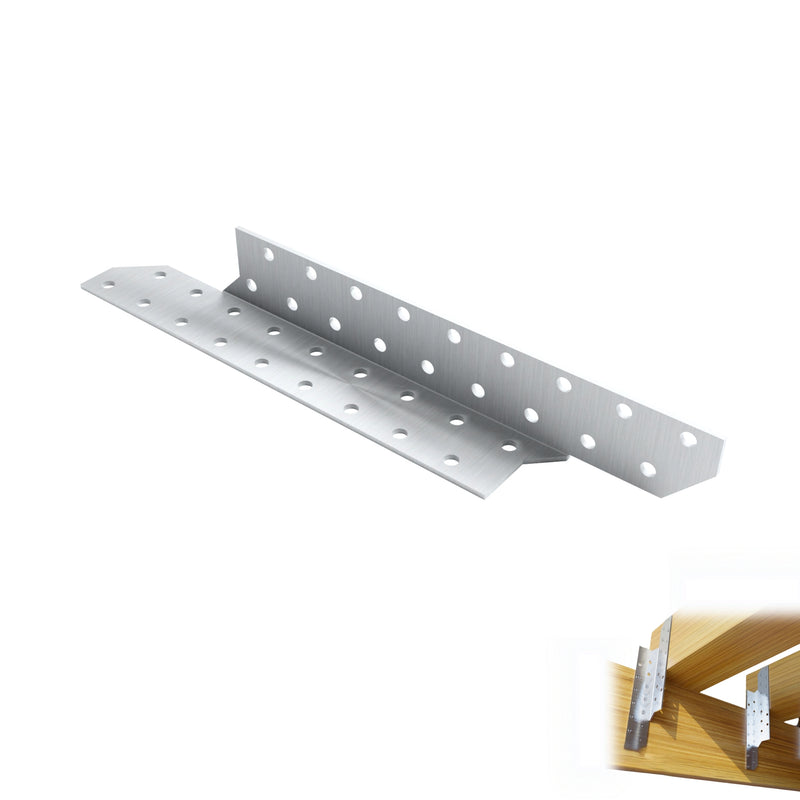
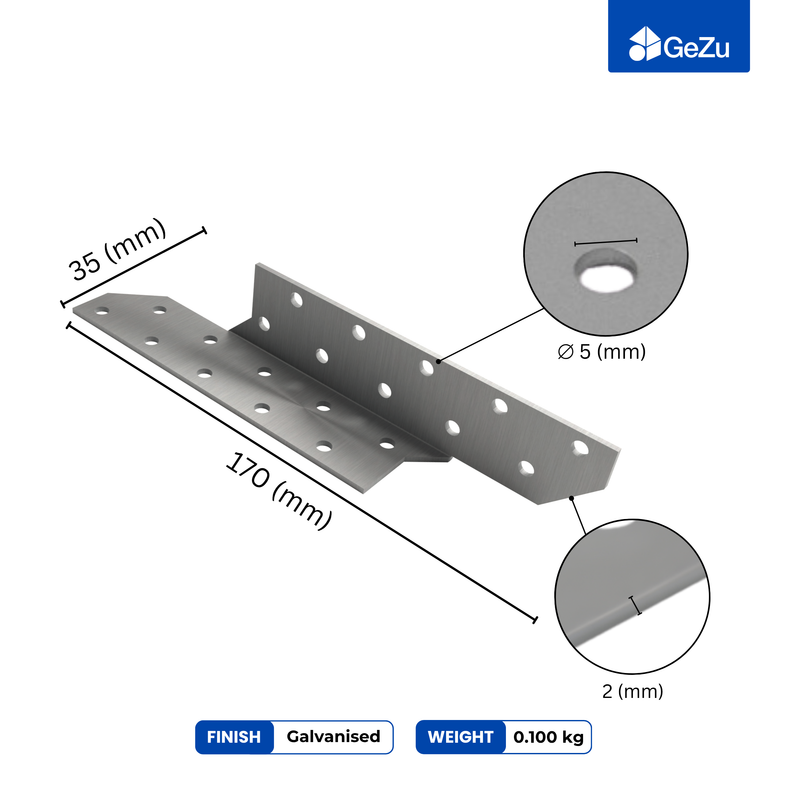
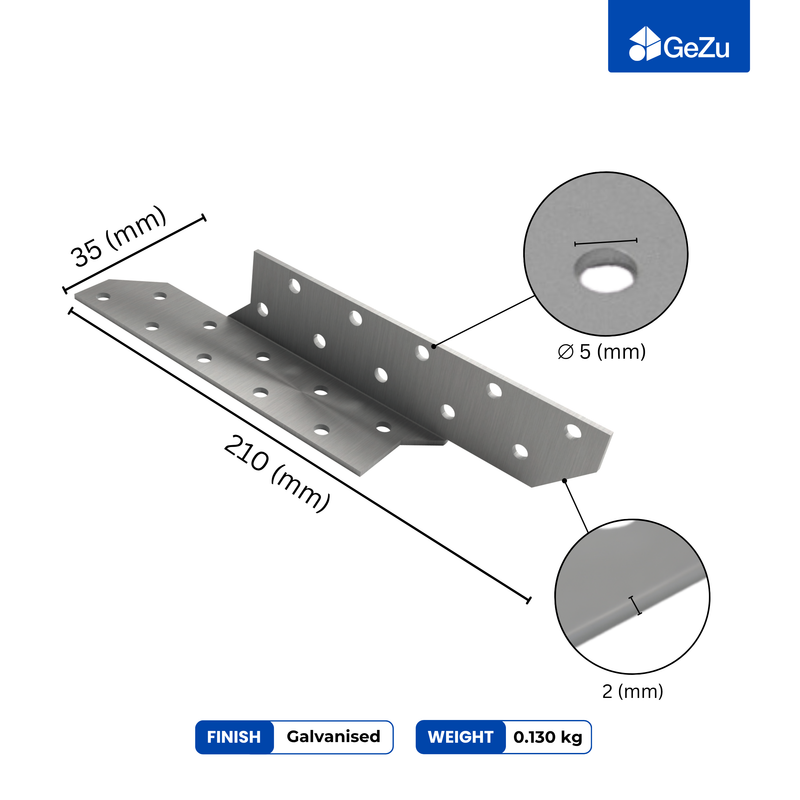
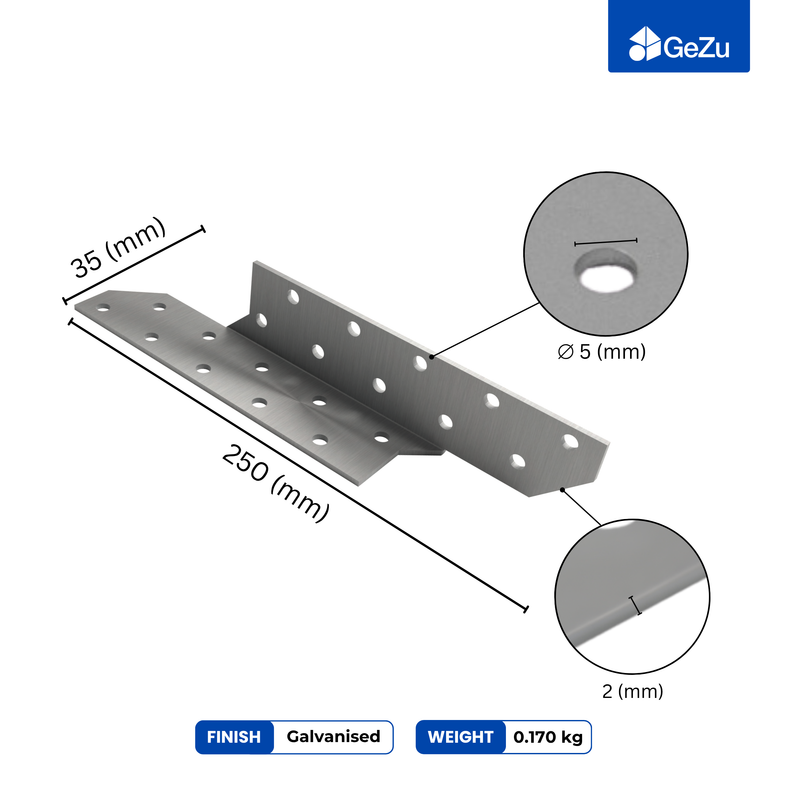
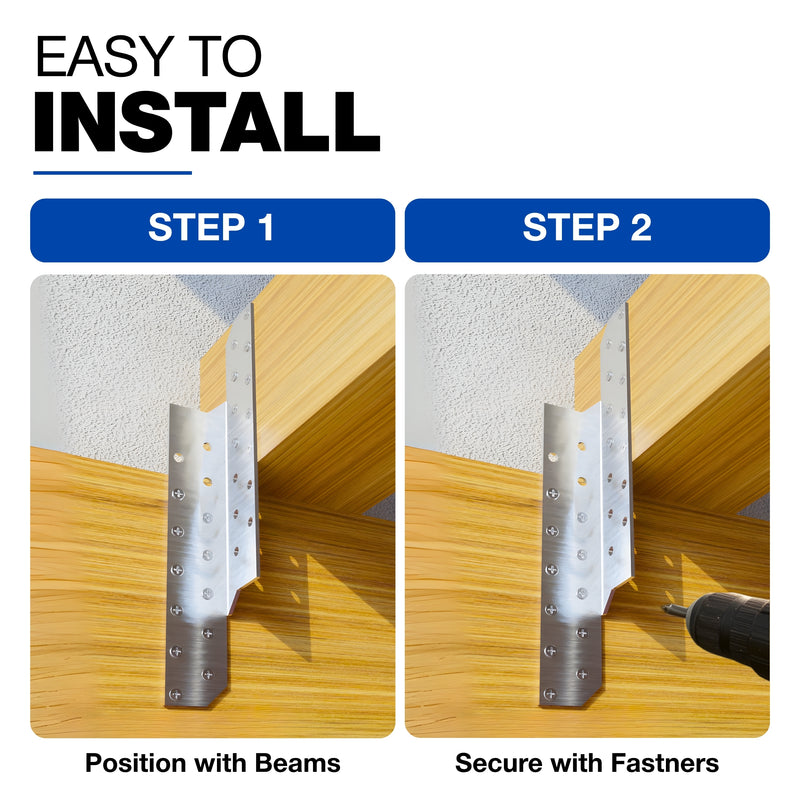
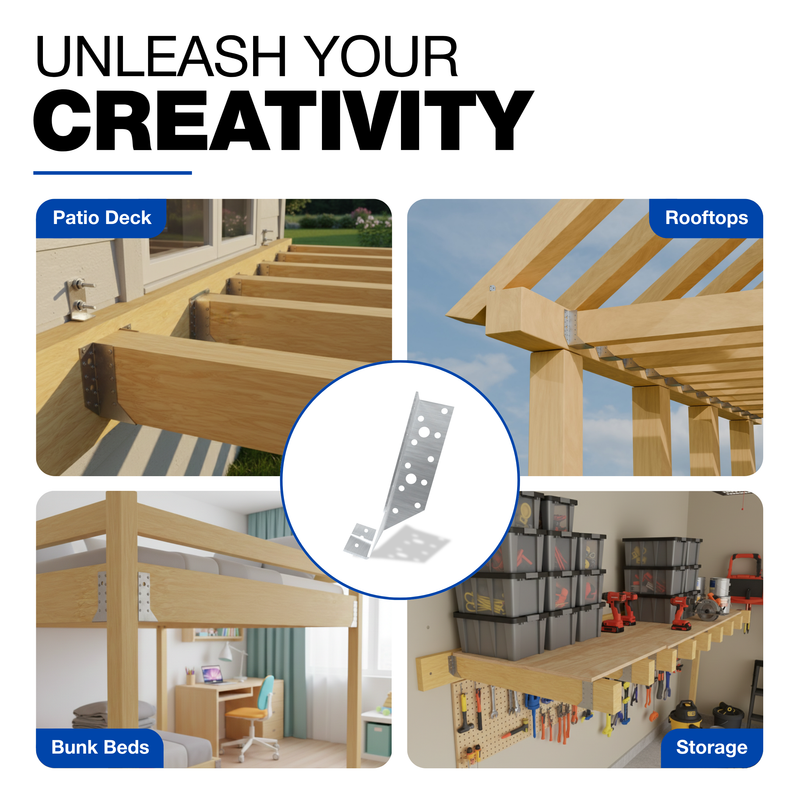
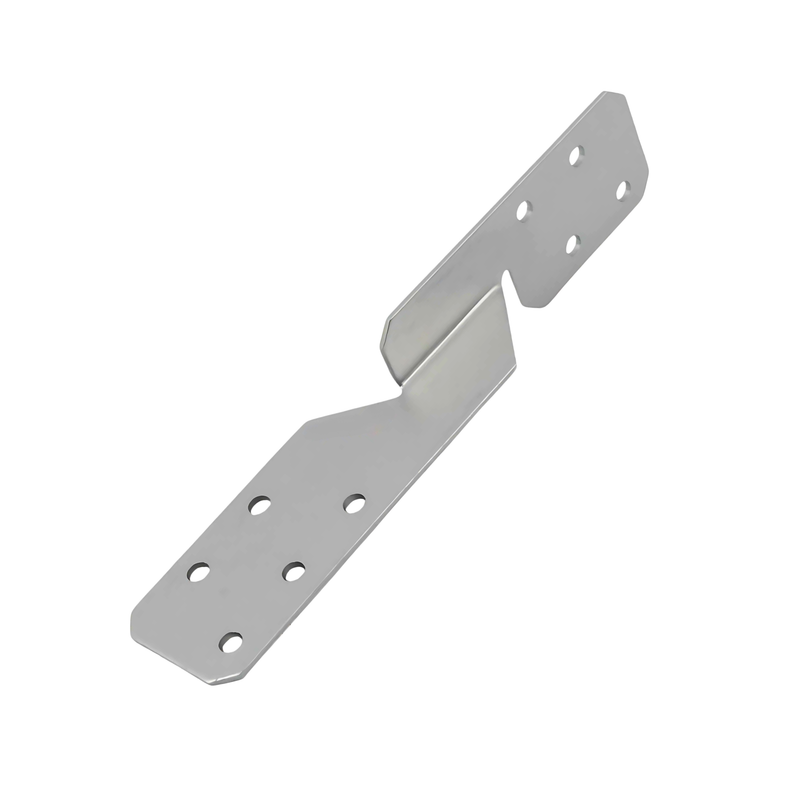
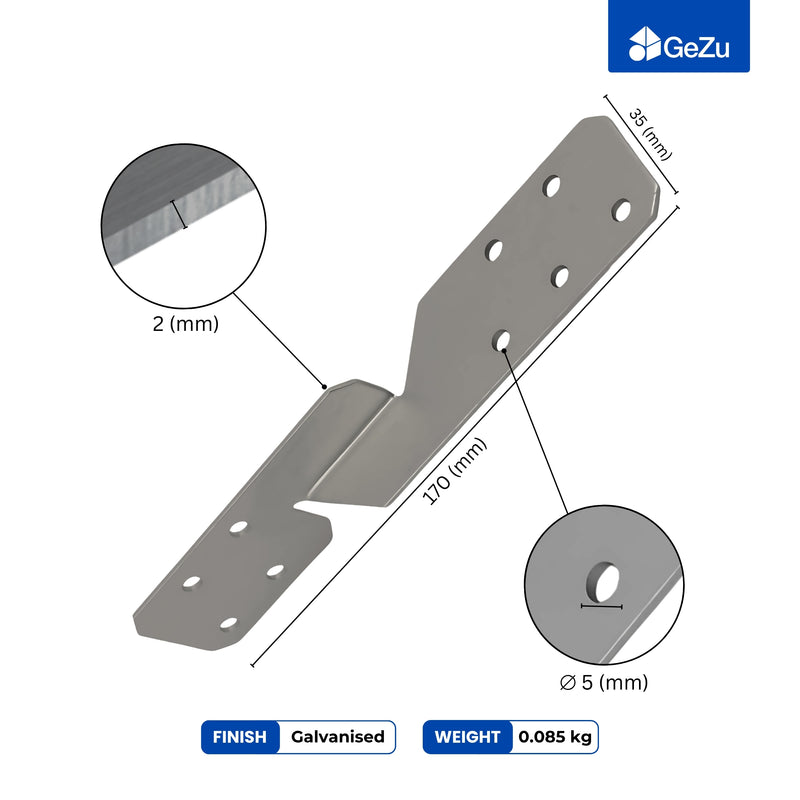
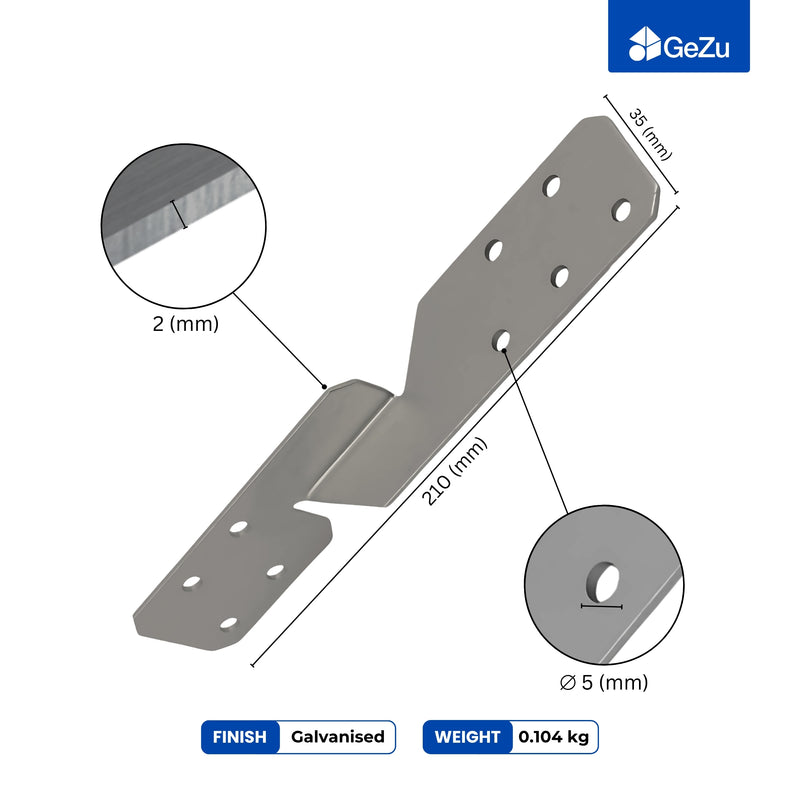
The Pintle Gate Hinge Hook On Plate Mounting Bracket is the bracket half of a pintle-and-hook hinge: it bolts to the post and carries the pin that the gate's hook drops onto. In two depths (21 mm and 35 mm) and a galvanised finish, it turns an ordinary gate into a removable one — lift the gate off the pin and no fixings are undone. Pair it with a matching hook and strap on the gate side.
Pintle hook-on bracket — pros:
- Gate lifts off without unscrewing anything
- Bolts to the post, keeping the fixing out of the gate frame line
- Galvanised finish for year-round outdoor exposure
Pintle hook-on bracket — cons:
- Only half the hinge — the hook and strap must be bought to match
- Pin height must line up with the gate-side hook at fitting
Best for: removable gates, seasonal openings and gates over driveways. Verdict: buy when the gate must come off.


How we compared these hinges
The comparison follows gate weight first. A band hinge wins on heavy gates because its long strap moves the load deep into the stile; a T hinge holds a shed door with a stiffer pivot plate; a strap hinge covers the lightest work at the lowest cost; and the pintle bracket wins the one job none of the fixed hinges can do — a gate that lifts off. Every size quoted comes from the current GeZu Impex range for 2026.
Which hinge should you choose in 2026?
For a heavy wooden gate, the Gate band hinge is the best T-hinge or band hinge choice in 2026 — match the strap length to roughly a third of the gate width. Choose the T hinge for shed and stable doors, the Strap hinge for small flaps and chests, and the pintle hook-on bracket whenever the gate must be removable.
Whichever hinge you pick, fix it with screws long enough to bite well past the strap depth — a hinge is only as strong as the timber it lands in.
FAQ
What is the best T-hinge or band hinge for wooden gates in 2026?
The Gate band hinge is the best choice for heavy wooden gates in 2026. Its long strap spreads the gate weight along the stile, and it comes in eight sizes from 300 mm to 1000 mm.
What length band hinge does my gate need?
A common rule is a strap length of roughly one third of the gate width. GeZu Impex offers band hinges from 300 mm to 1000 mm, so most garden and field gates find a match.
What is the difference between a T hinge and a strap hinge?
A T hinge adds a T-shaped plate at the pivot that stiffens the fixing, while a plain strap hinge is a simple tapered strip. T hinges suit shed doors and light gates; strap hinges suit small flaps and chests.
What is a pintle gate hinge bracket used for?
The pintle hook-on plate bracket bolts to the gate post and carries the pin that the gate's hook drops onto. The gate can then be lifted off without undoing any fixings.
Are gate hinges galvanised or electroplated?
Both finishes exist in the range: band, T and strap hinges are electroplated, while the pintle hook-on bracket is galvanised. Check the finish on each product page before ordering for exposed locations.
Can a T hinge be used on a shed door?
Yes. The T hinge in 100 mm to 250 mm sizes is the standard hinge for shed and stable doors, with the T plate adding support at the pivot side of the swing load.
How do I make a gate removable?
Fit a pintle hook-on bracket to the post and a matching hook on the gate, so the gate lifts off the pin. The two depths, 21 mm and 35 mm, cover different gate frame thicknesses.
How much does a gate hinge cost?
The price depends on hinge type and strap length, and the range runs from small strap hinges up to 1000 mm band hinges. Check the current prices on the GeZu Impex store before ordering.
One last point
Most sagging gates are not hinge failures — they are post failures. A band hinge pulls its screws into soft timber at the top of the post every time the gate swings shut, and a rotted or undersized post lets the whole line drift. Check the post condition before blaming the hinge, and see the guide to the best gate hinges for heavy wooden gates for the full hinge-and-pintle setup.