Angle brackets for carpenters and joiners: 2026 guide

Angle brackets for carpenters and joiners are L-shaped perforated plates that tie two pieces of timber together at a fixed angle — most often 90° — so a frame, a stud wall or a corner joint gains strength without joinery. A carpenter reaches for them because they move a joint from skill-dependent to repeatable: the plate holds the square, the screws hold the load.
- Perforated angle brackets suit light frames, cladding battens and shelving in 2026.
- Reinforced brackets with a bend or rib take heavier structural corner loads.
- 135° variants cover braced corners and trapezoid frames.
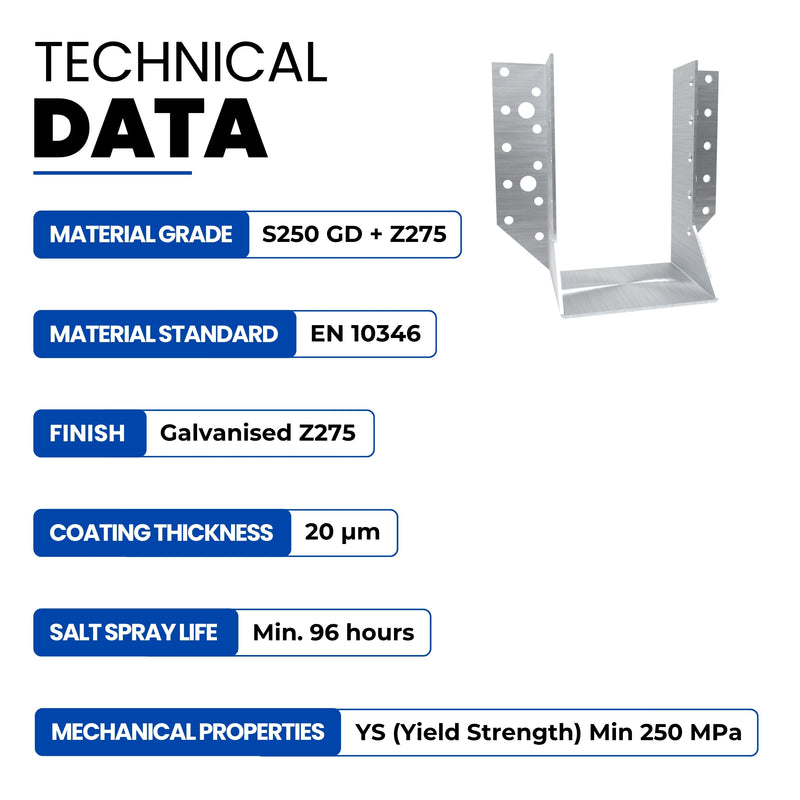
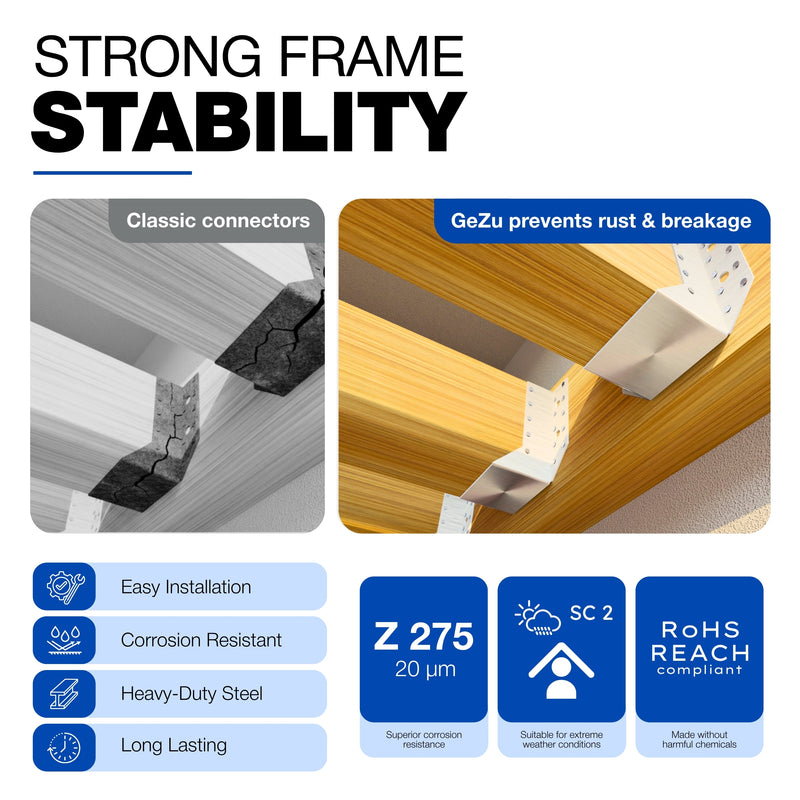
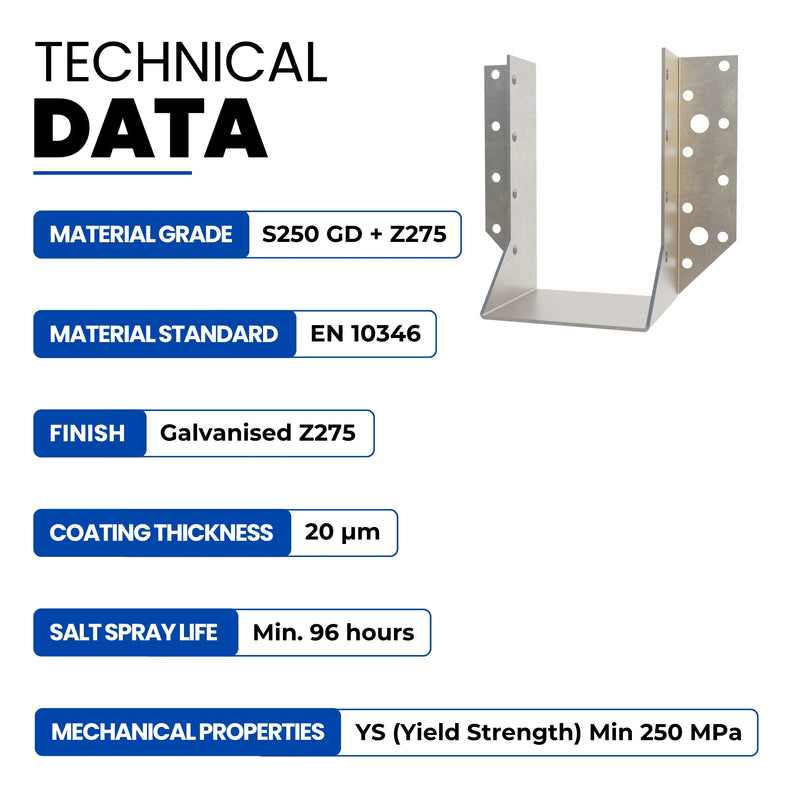
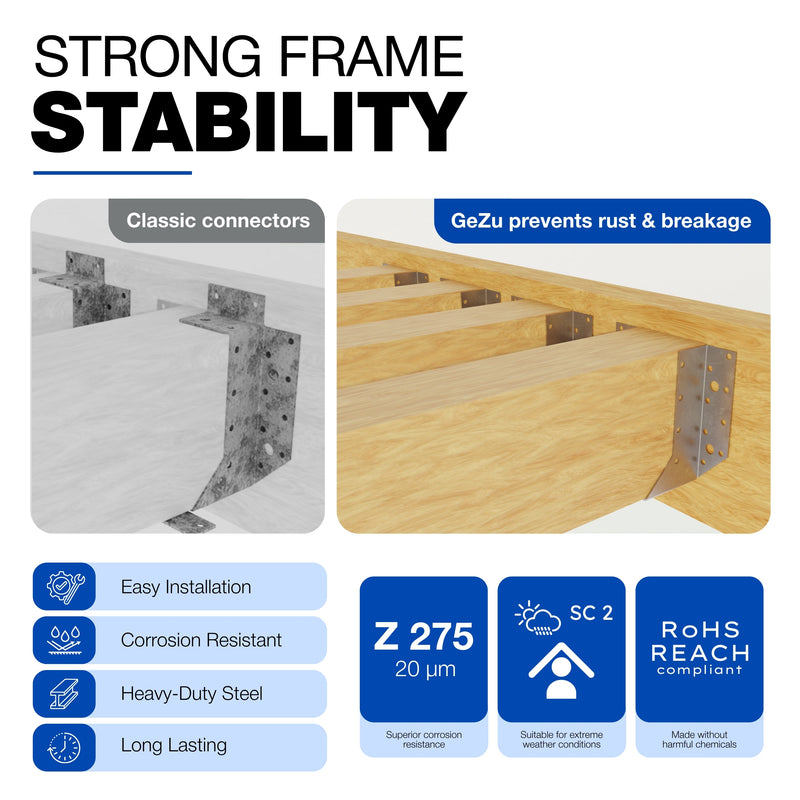
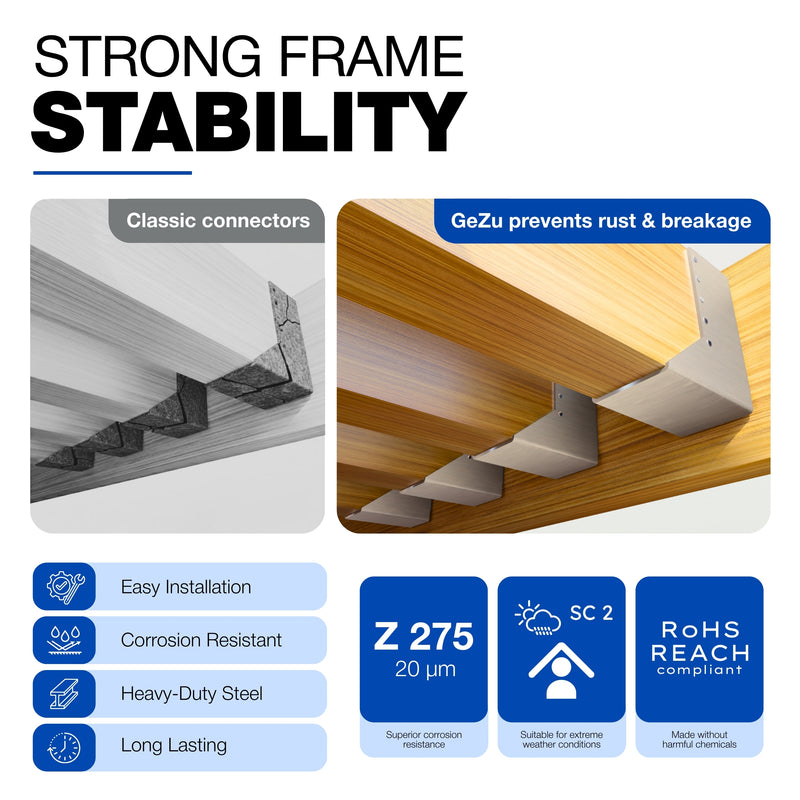
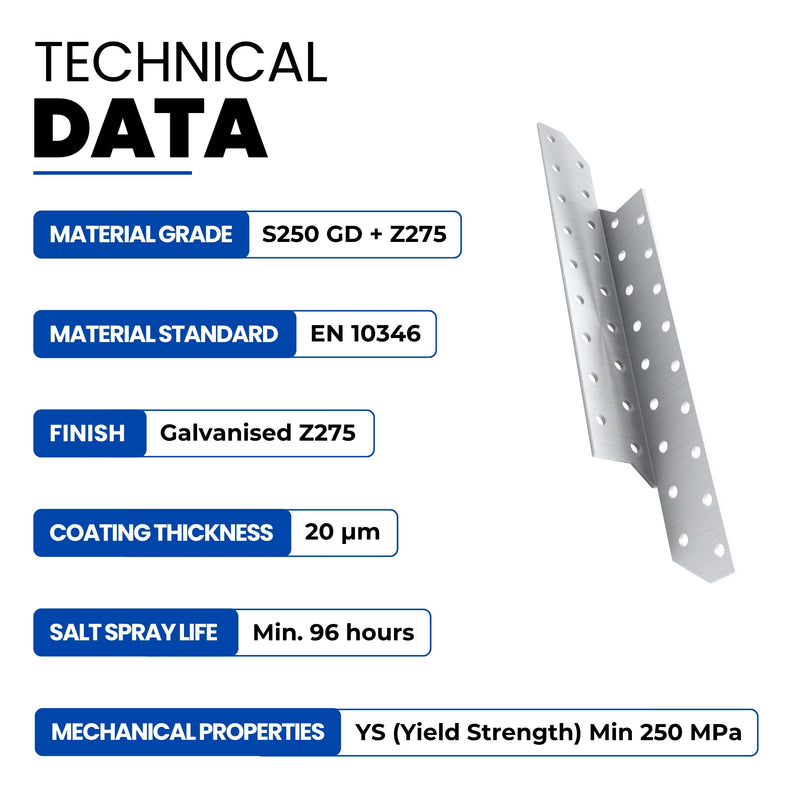
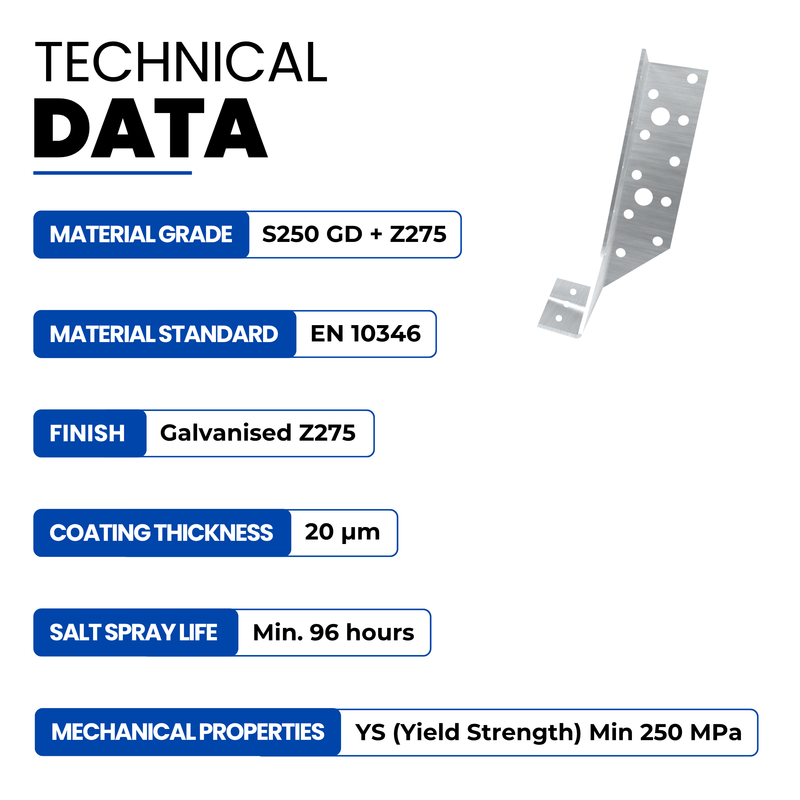
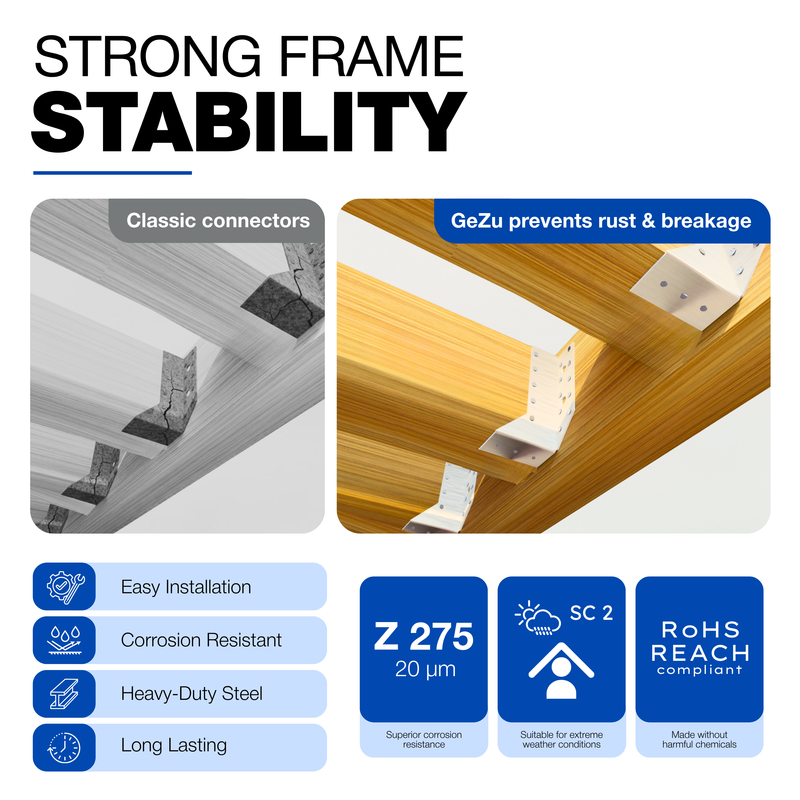
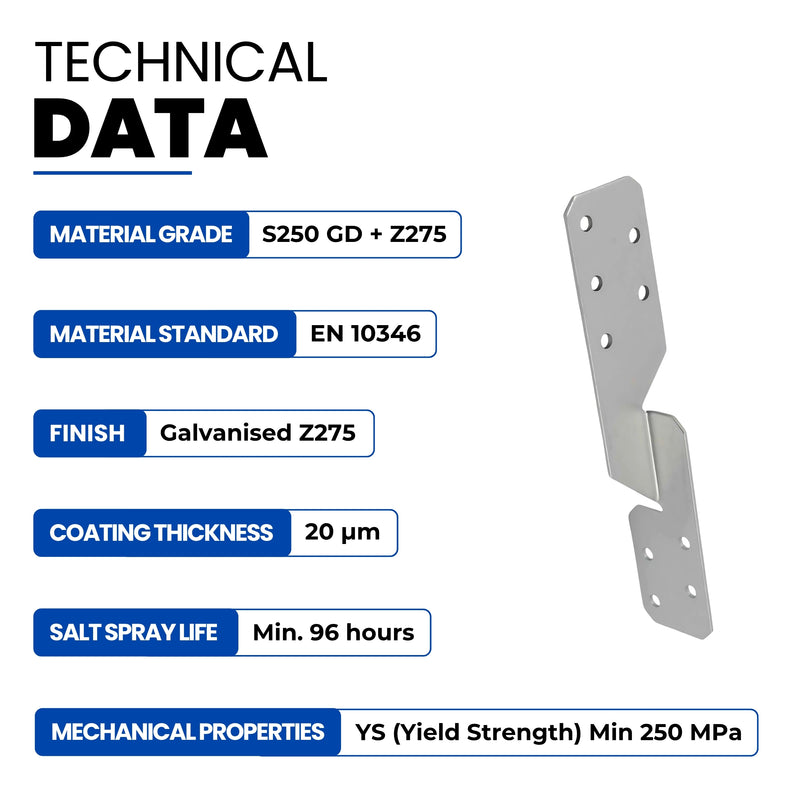
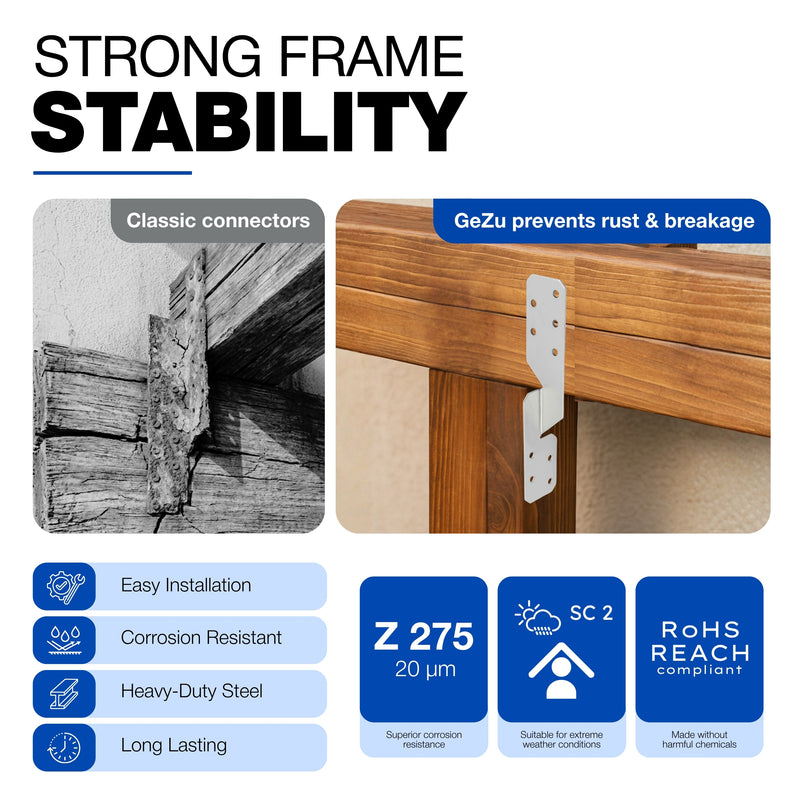
- Galvanised steel resists rust on site and in damp builds.
- GeZu Impex supplies perforated and reinforced angle brackets for trade joinery.
Why angle brackets matter for carpenters and joiners
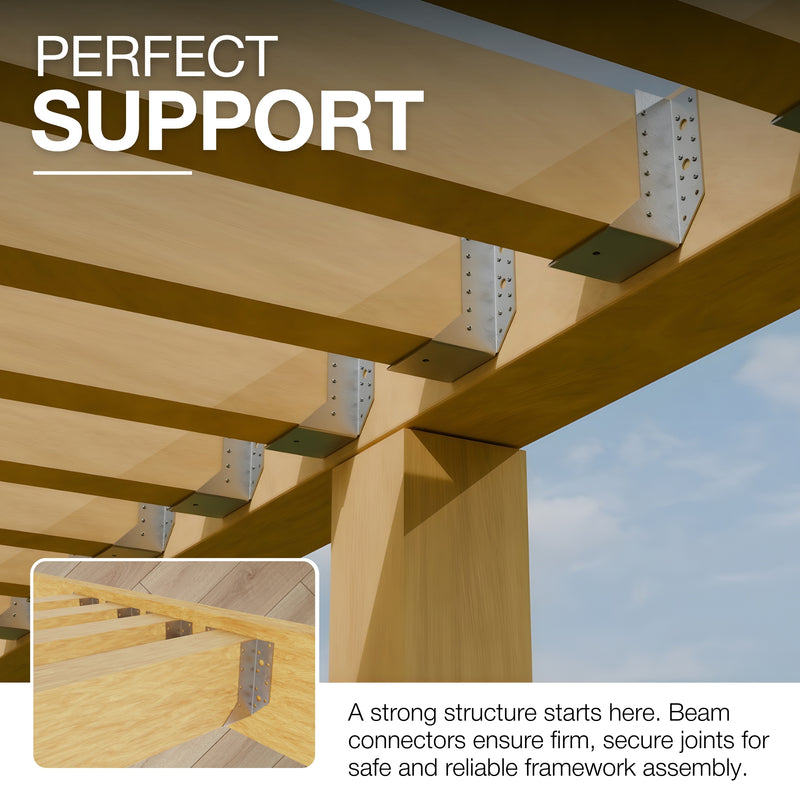
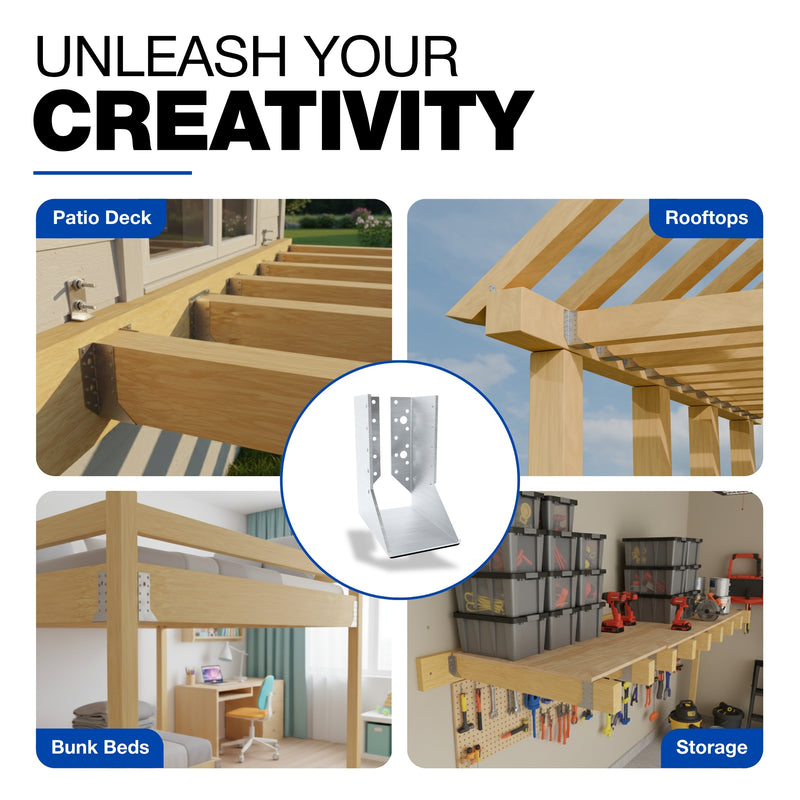
A corner joint in framing timber has to stay square while the building moves, dries and loads around it. Where a traditional tenon or housing joint needs machine time, an angle bracket delivers the same geometry from a plate and a drill driver — which is why stud walls, garden buildings and fit-out work lean on them.
For a trade workshop the benefits are concrete:
- Speed. A bracketed corner takes seconds per fixing; a hand-cut joint takes minutes.
- Squareness by hardware. The bracket sets the 90°, so the frame does not rely on clamps alone.
- Load sharing. A reinforced bracket spreads load across both legs and multiple screw holes.
- Fit-outs and retrofits. You can strengthen an existing corner without taking the frame apart.
How to choose and fit angle brackets
1. Identify the joint and its load
Classify the joint before picking hardware. A batten-to-stud connection is light; a post-to-beam corner in a lean-to carries real load. The wrong bracket on a heavy joint fails at the screws, not the plate.
- Light: battens, bracing, small frames, shelving uprights.
- Medium: stud corners, garden furniture, shed frames.
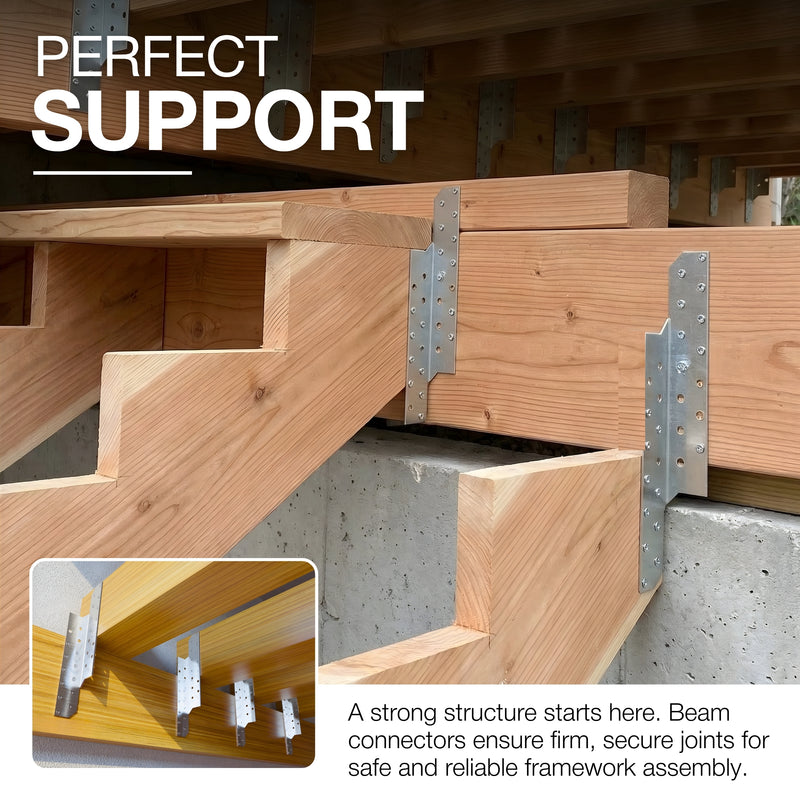
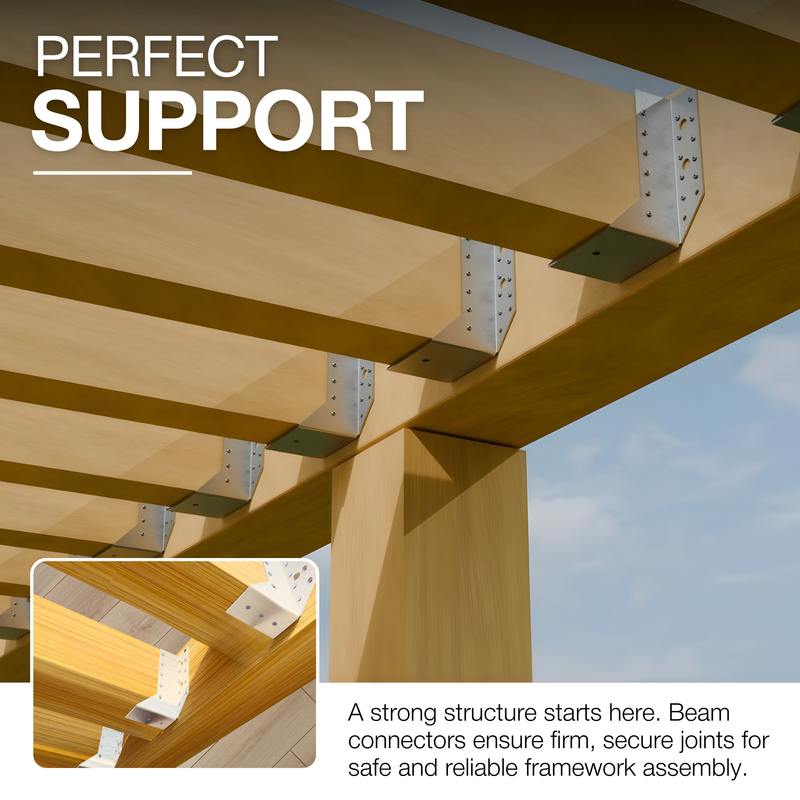
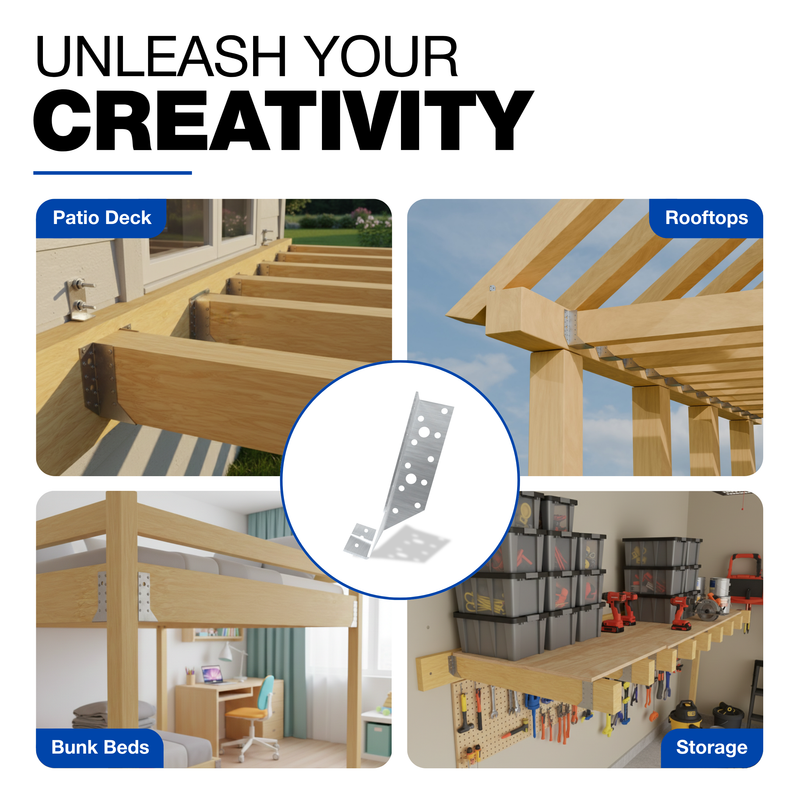
- Heavy: post-to-beam corners, carport heads, greenhouse bases.
2. Pick the bracket family
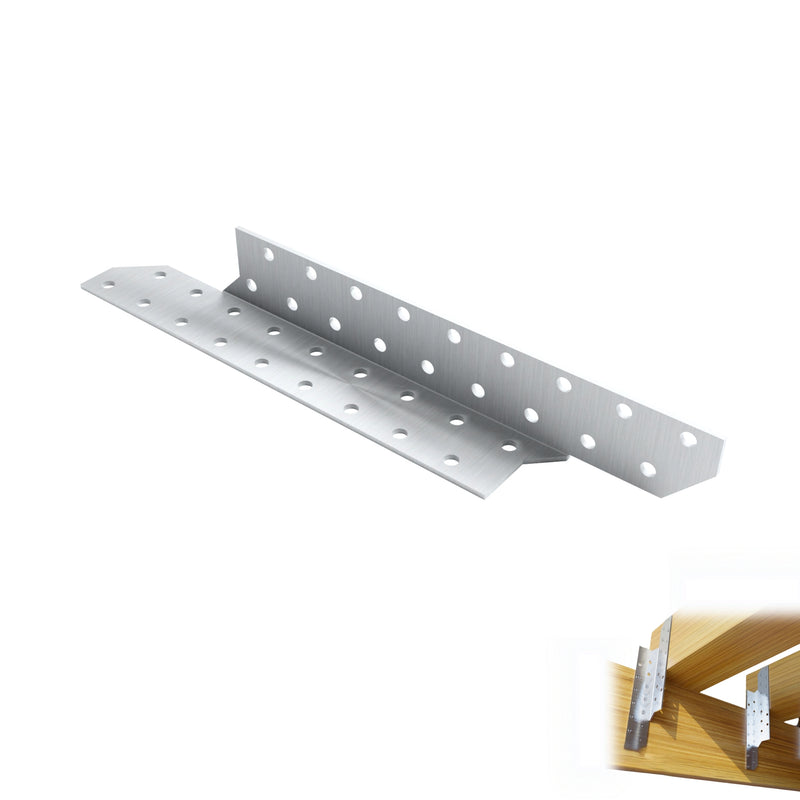
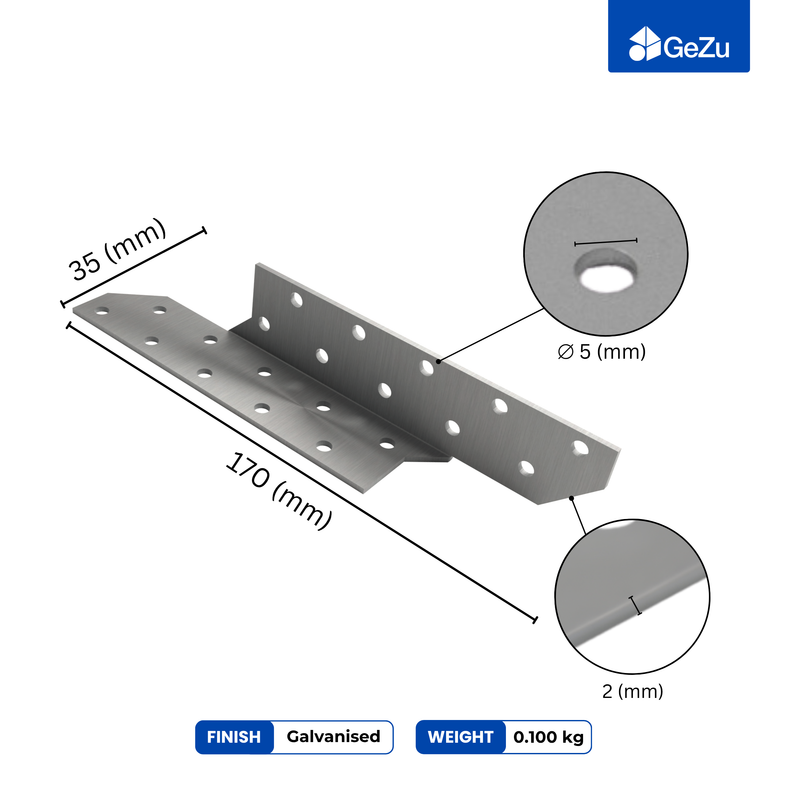
- Perforated standard angle brackets — the everyday trade plate. The perforated right angle bracket suits battens, bracing and shelving frames where loads are moderate.
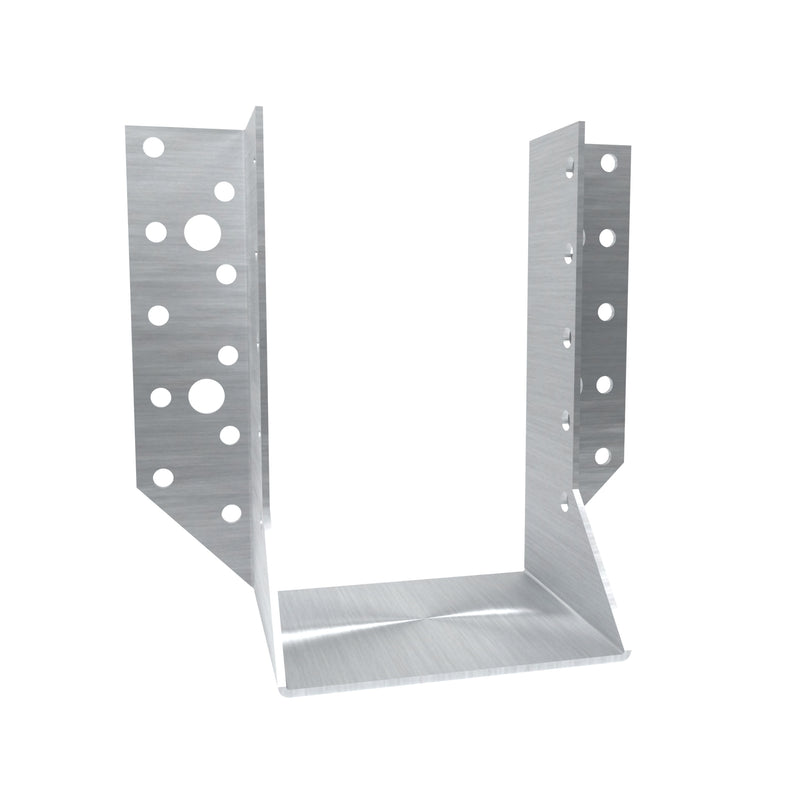
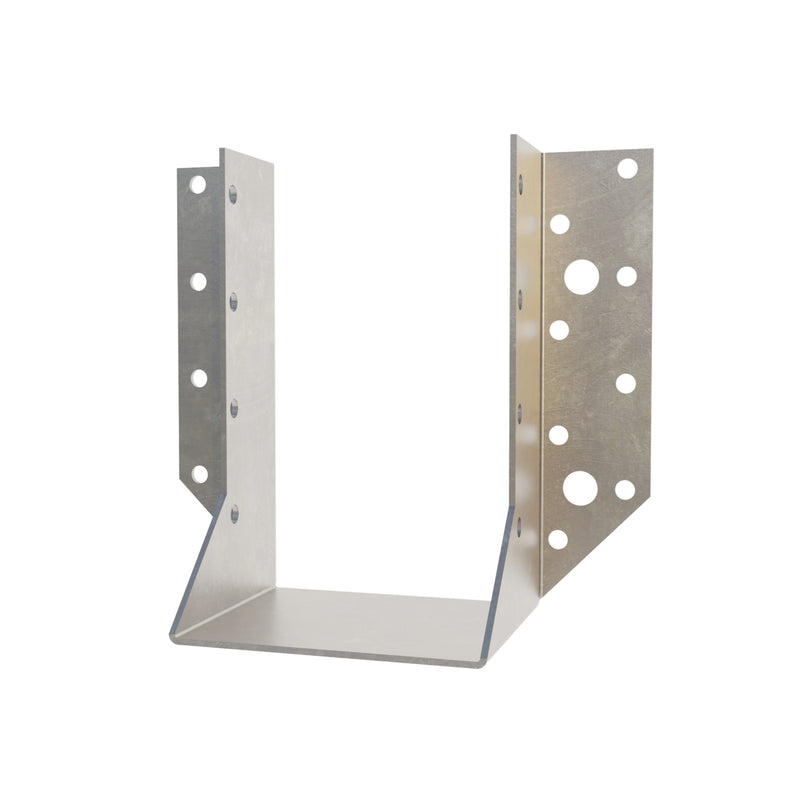
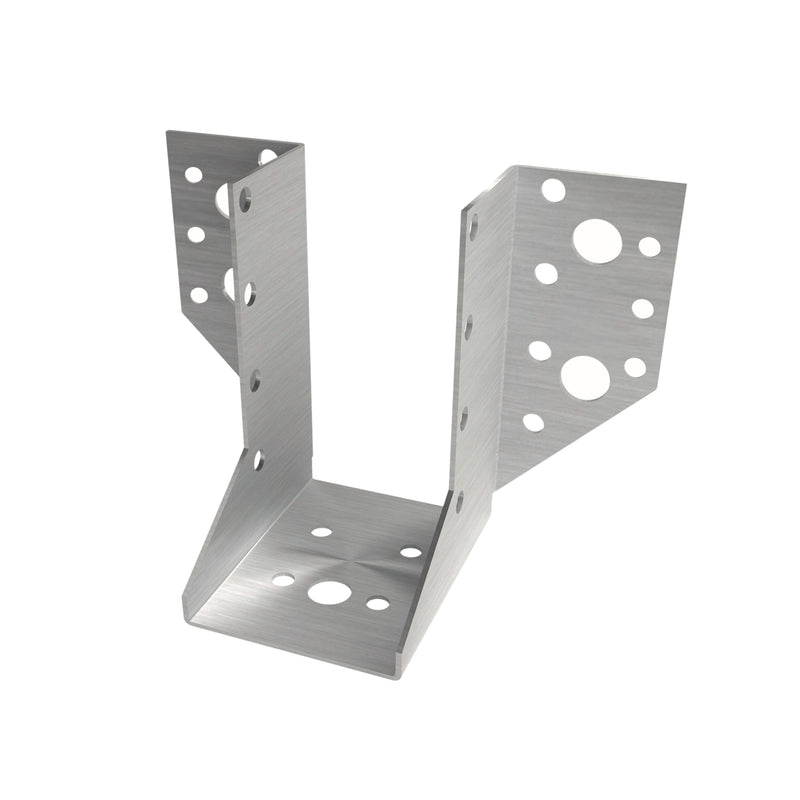
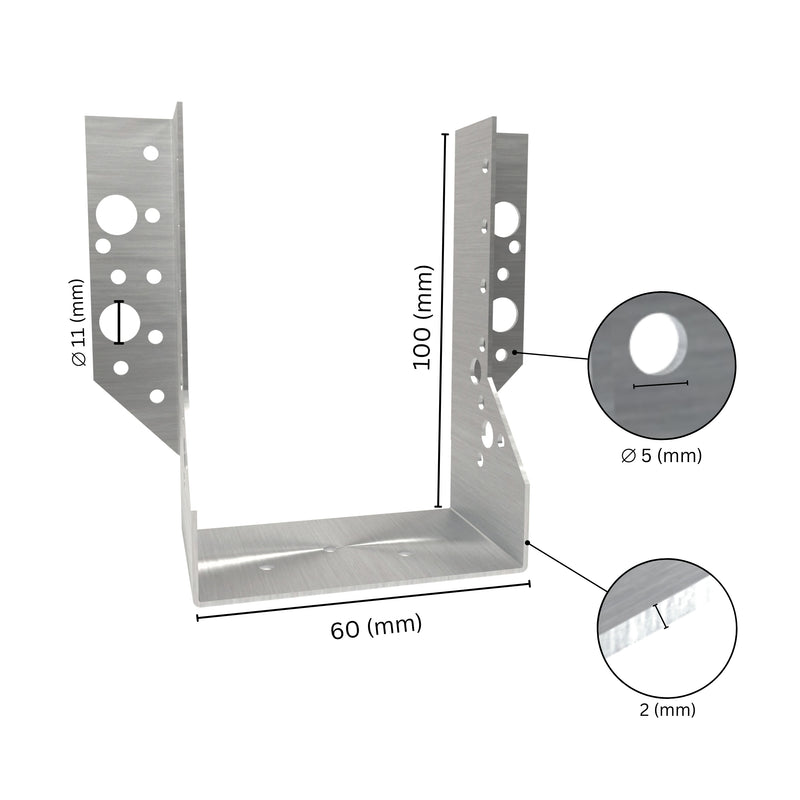
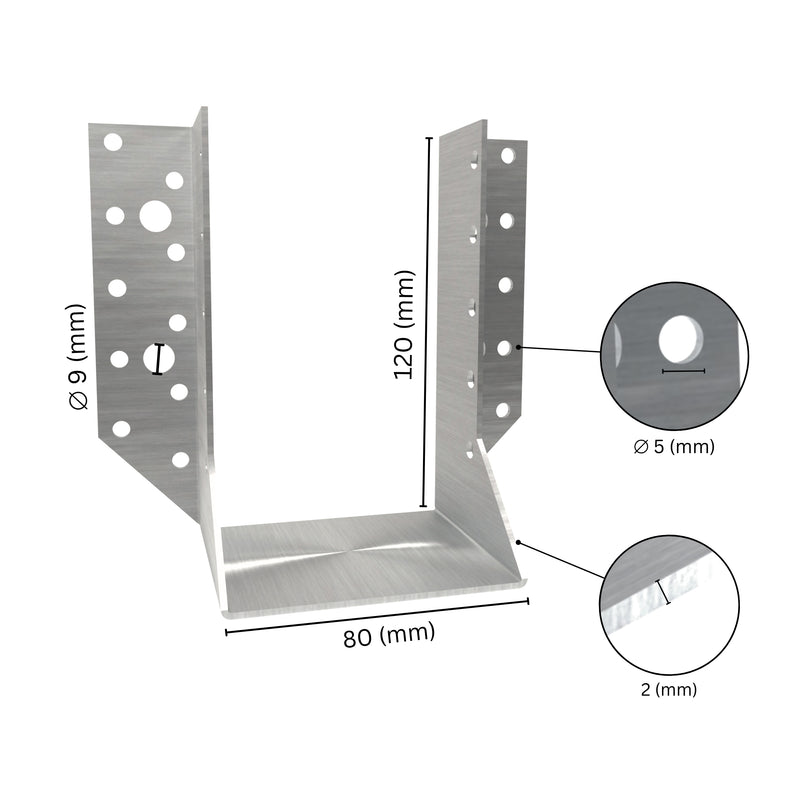
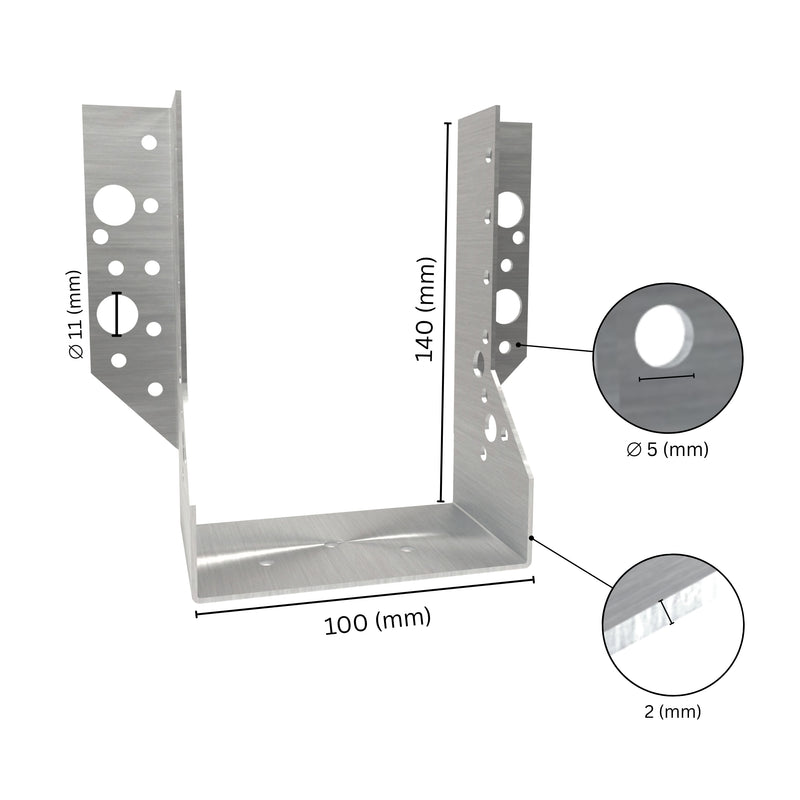
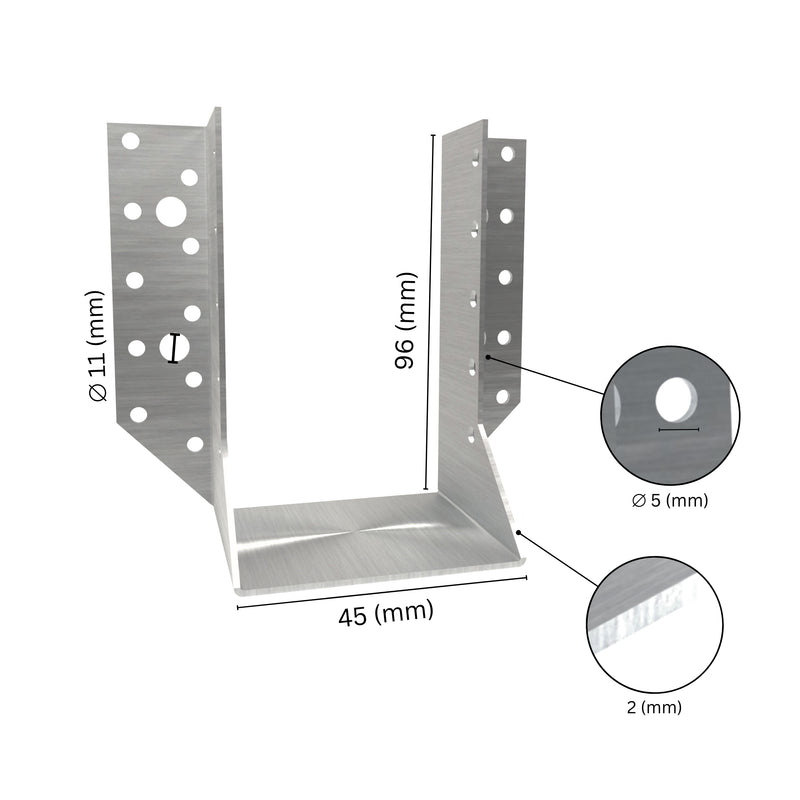
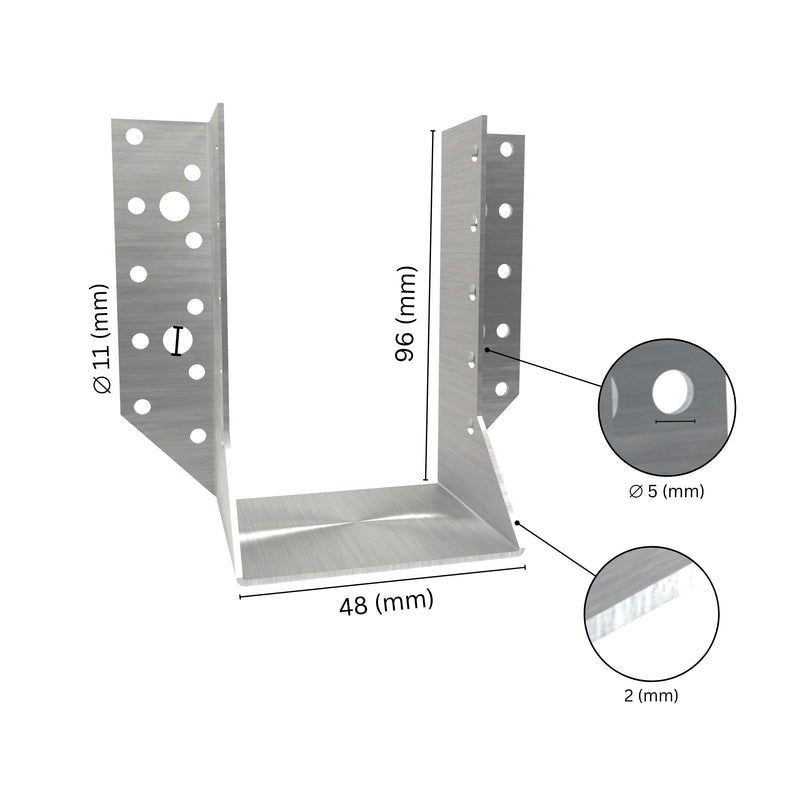
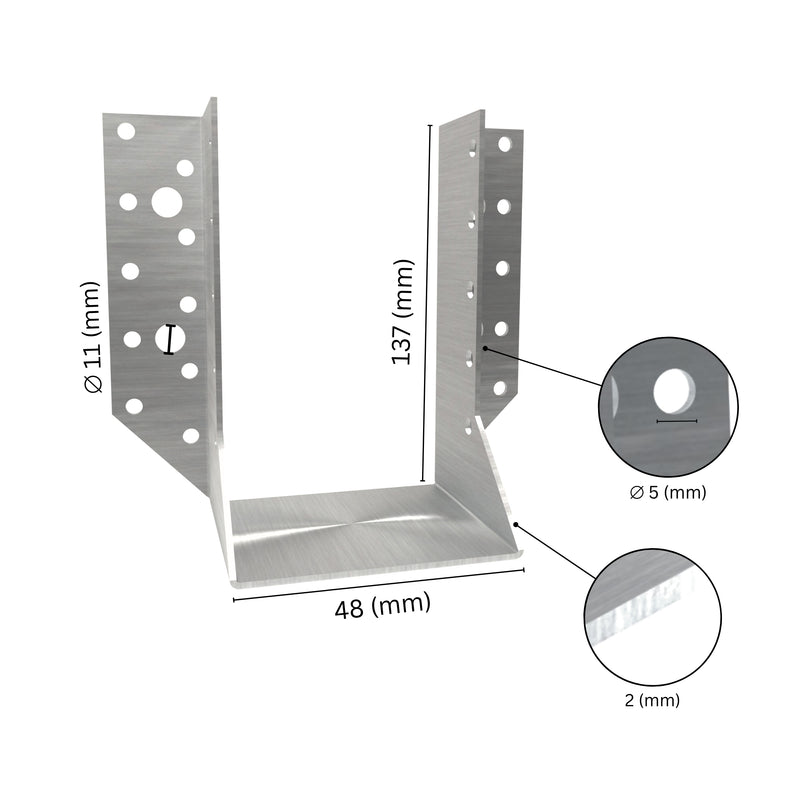
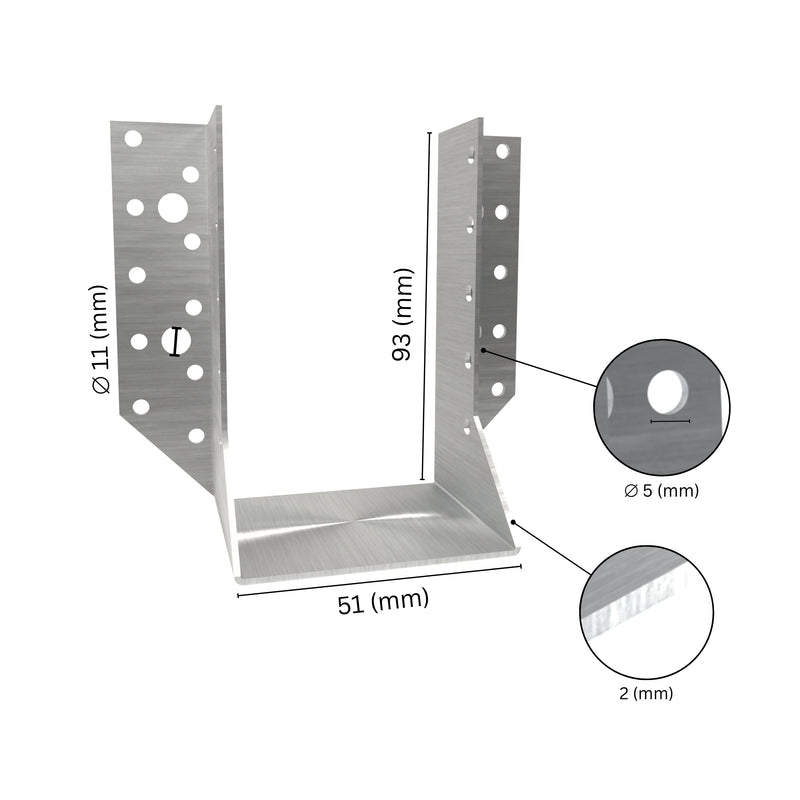
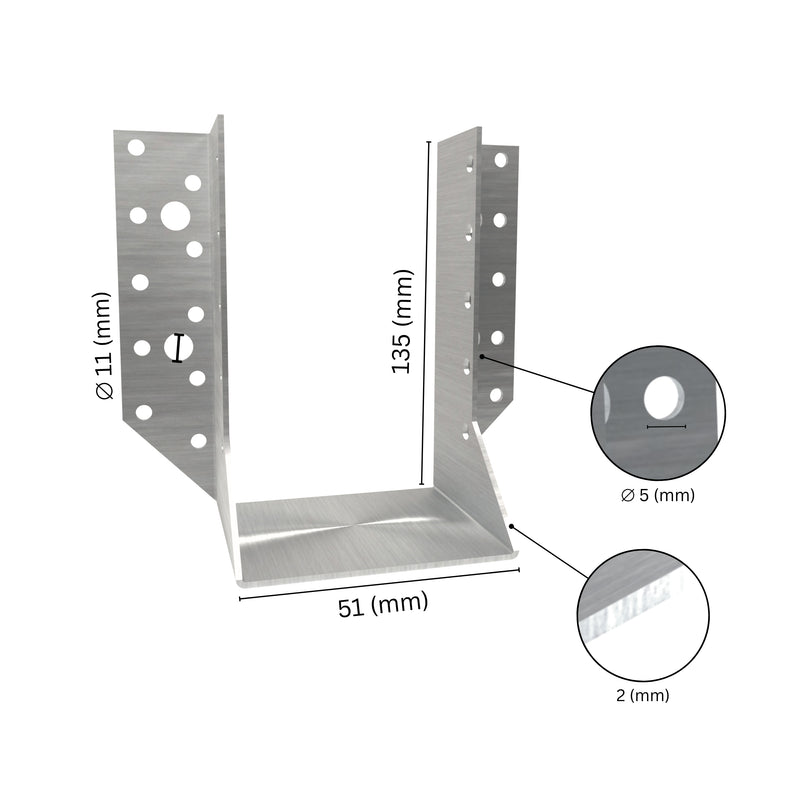
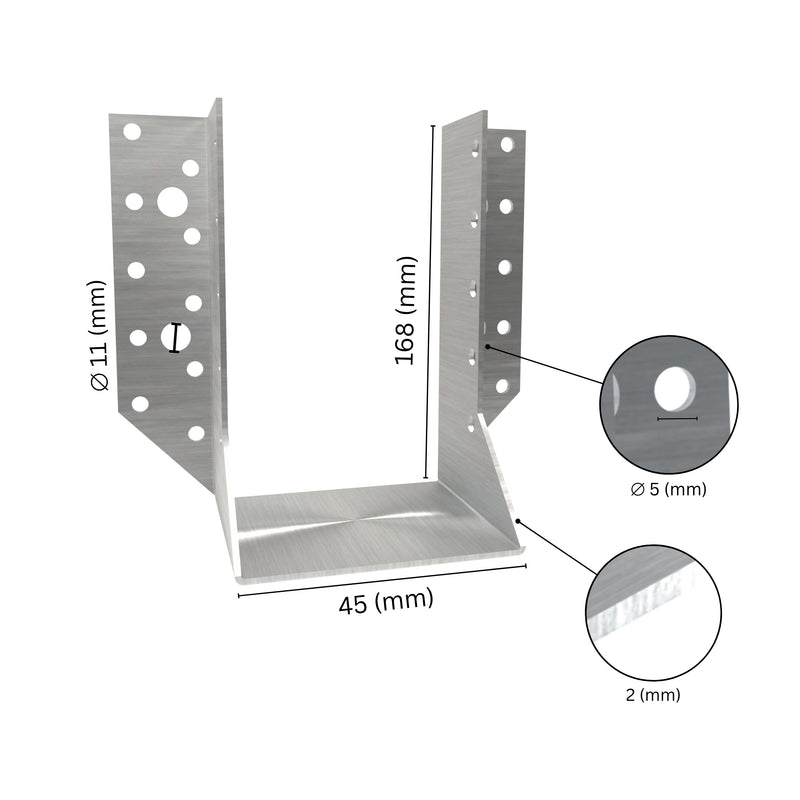
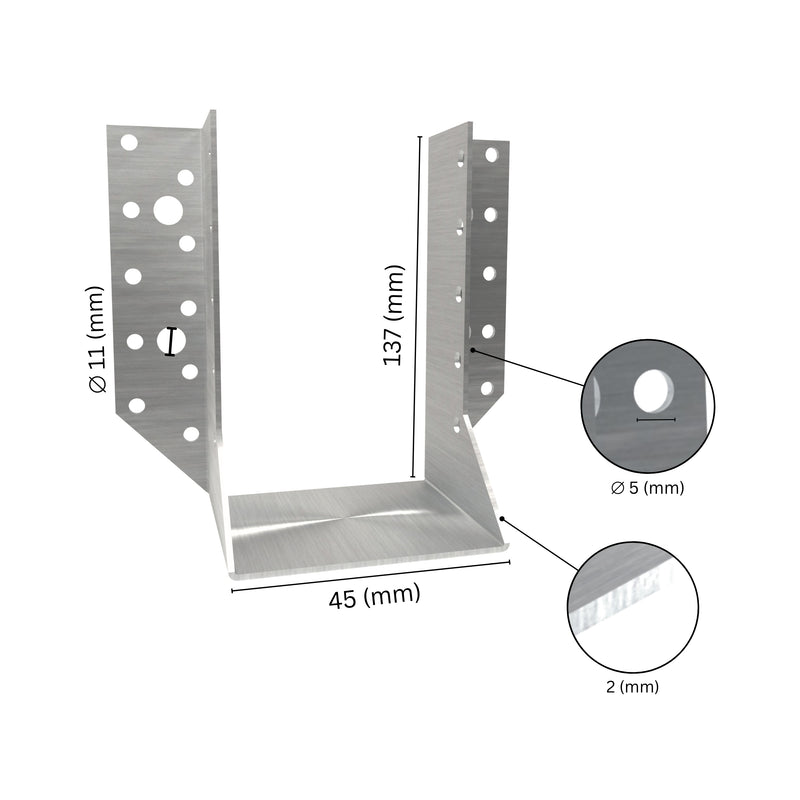
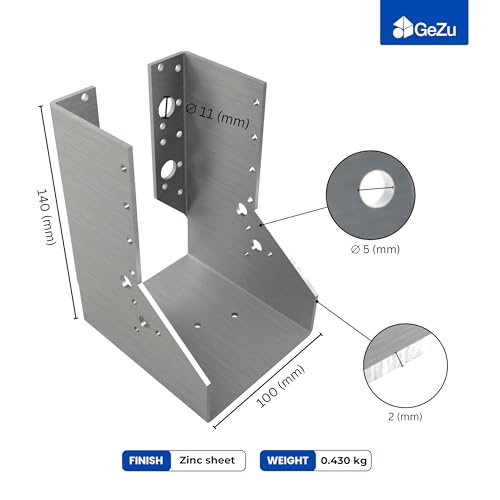
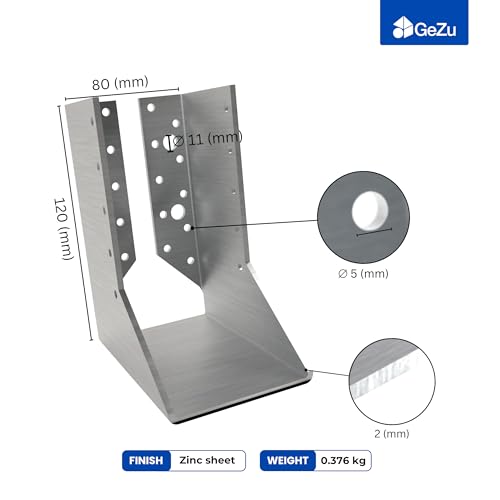
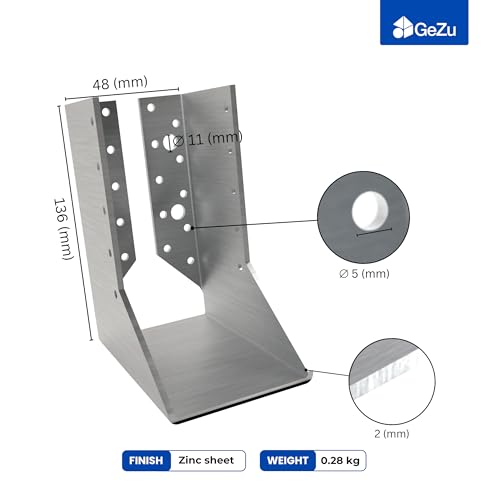
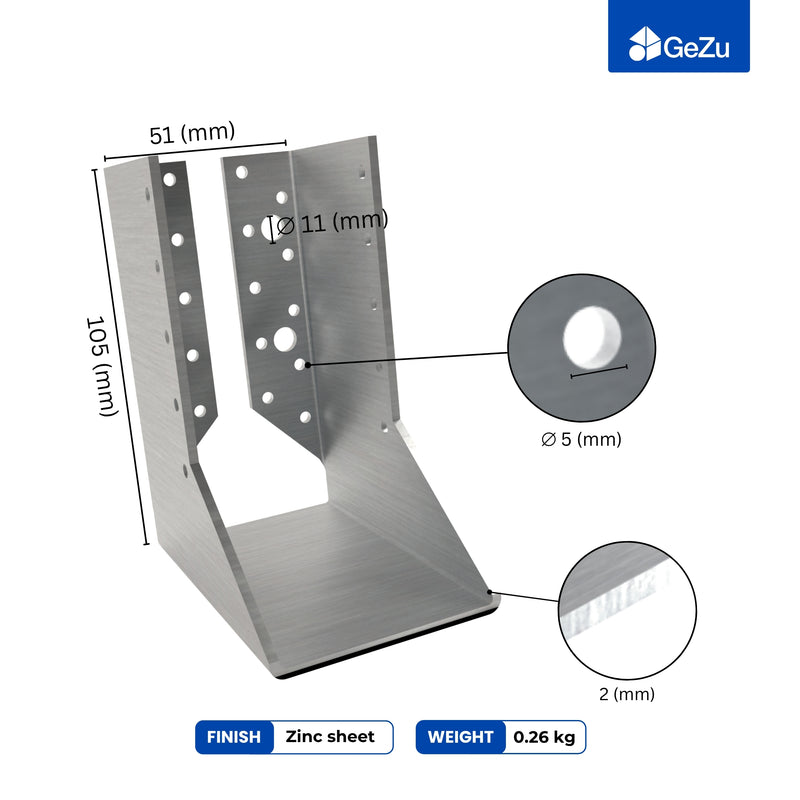
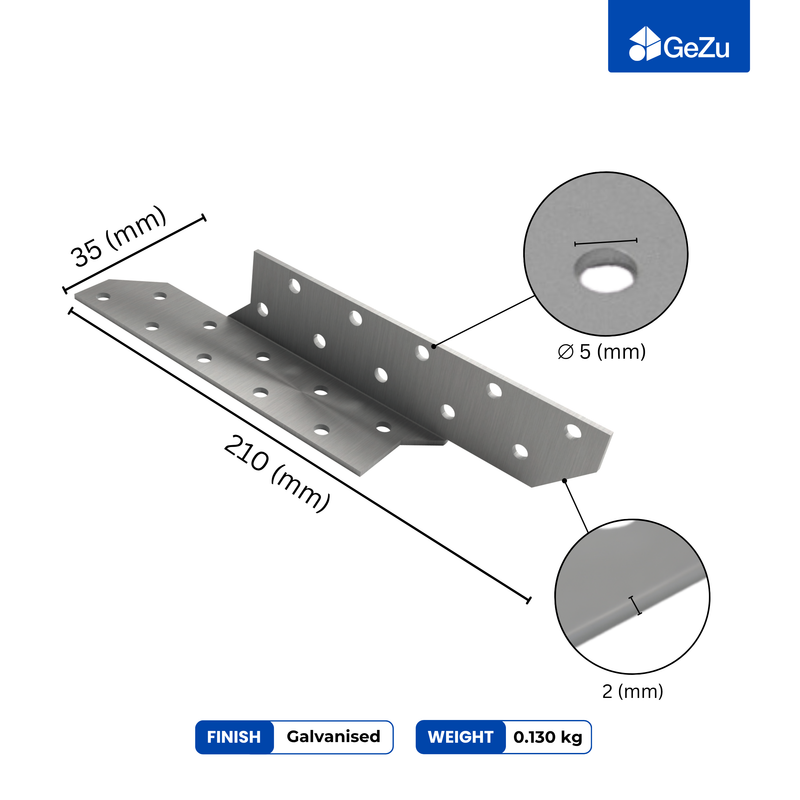
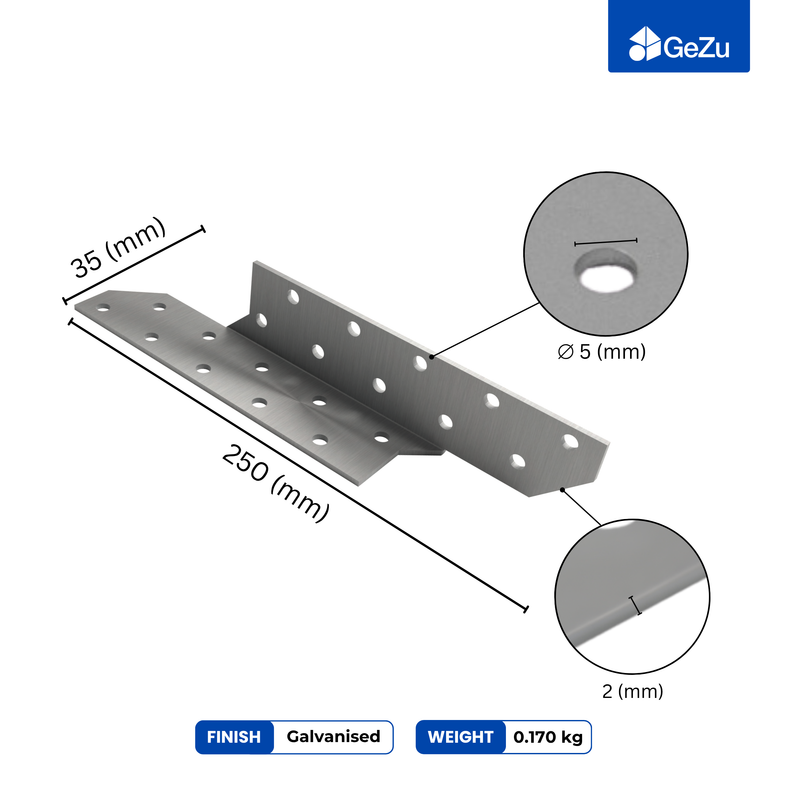
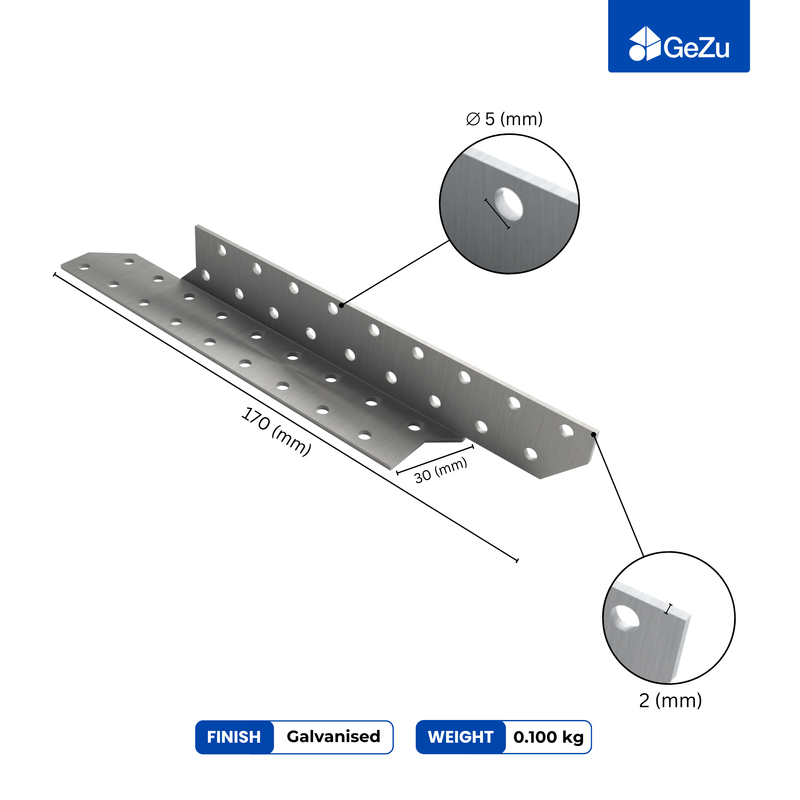
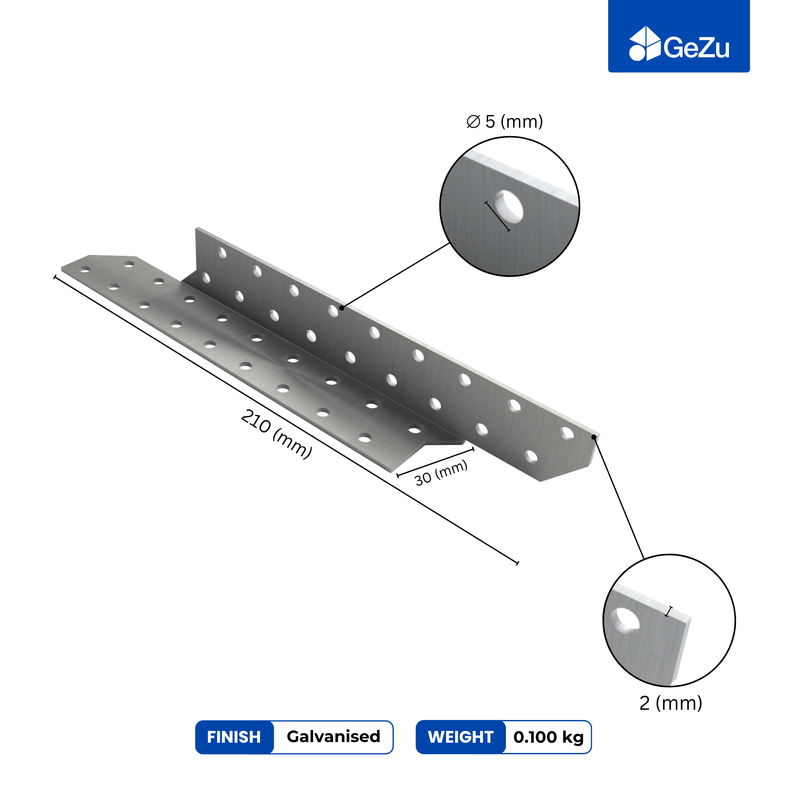
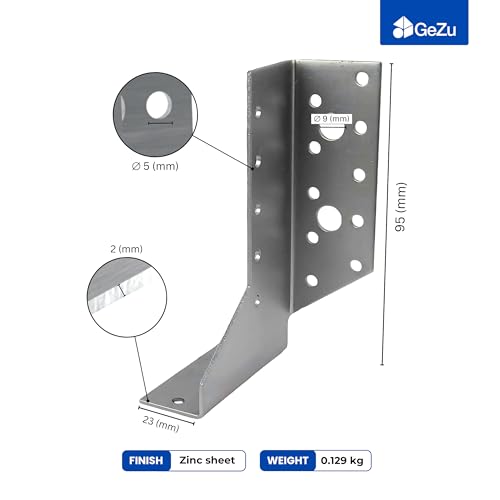
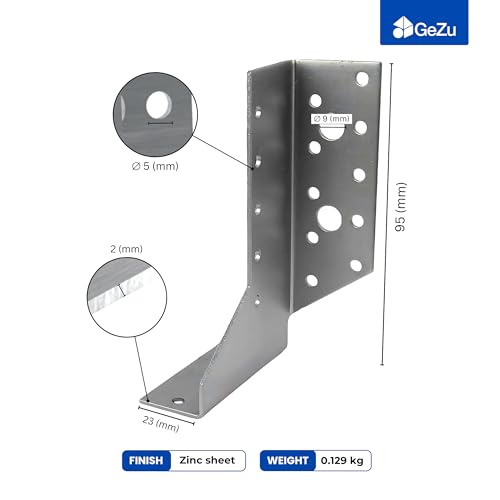
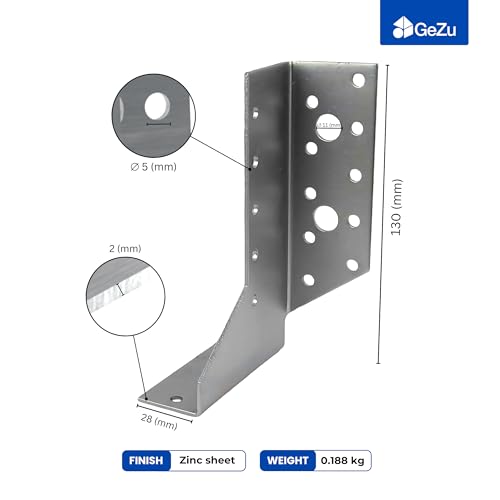
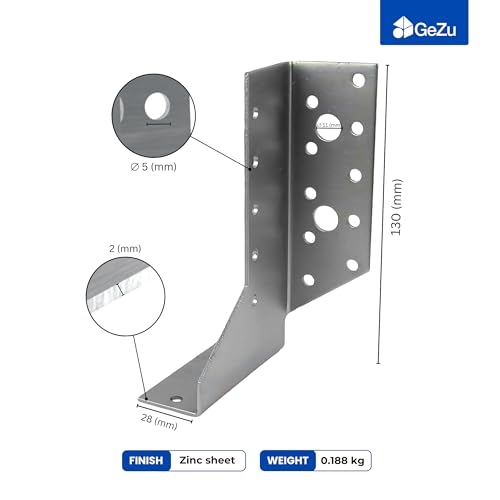
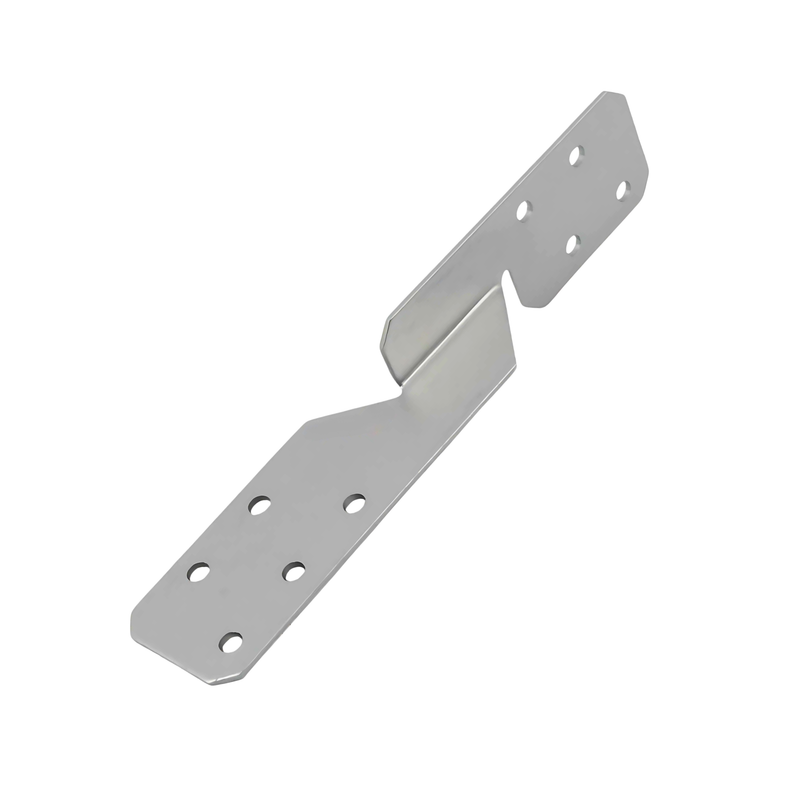
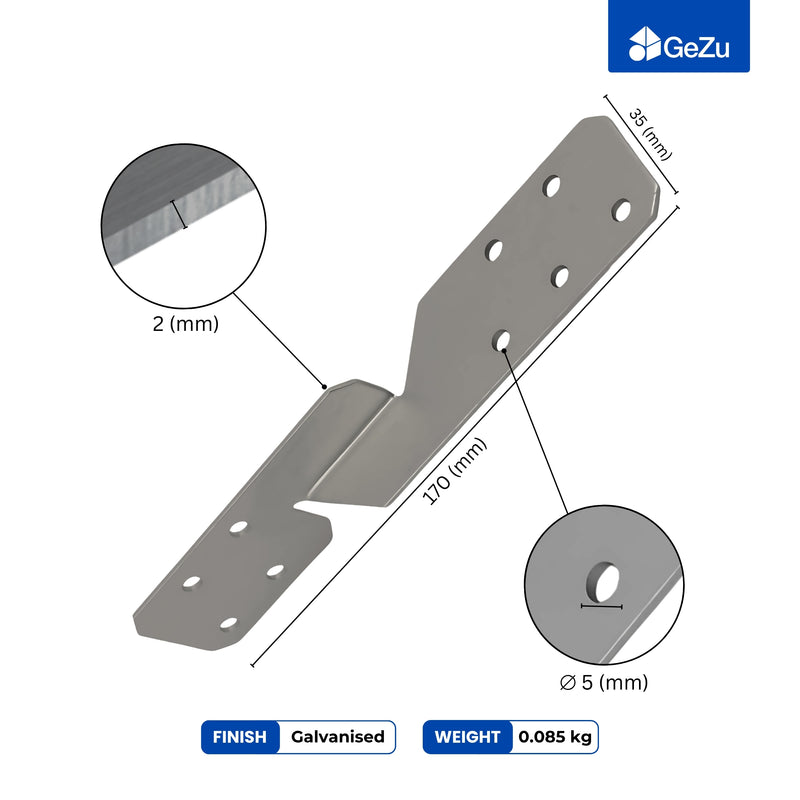
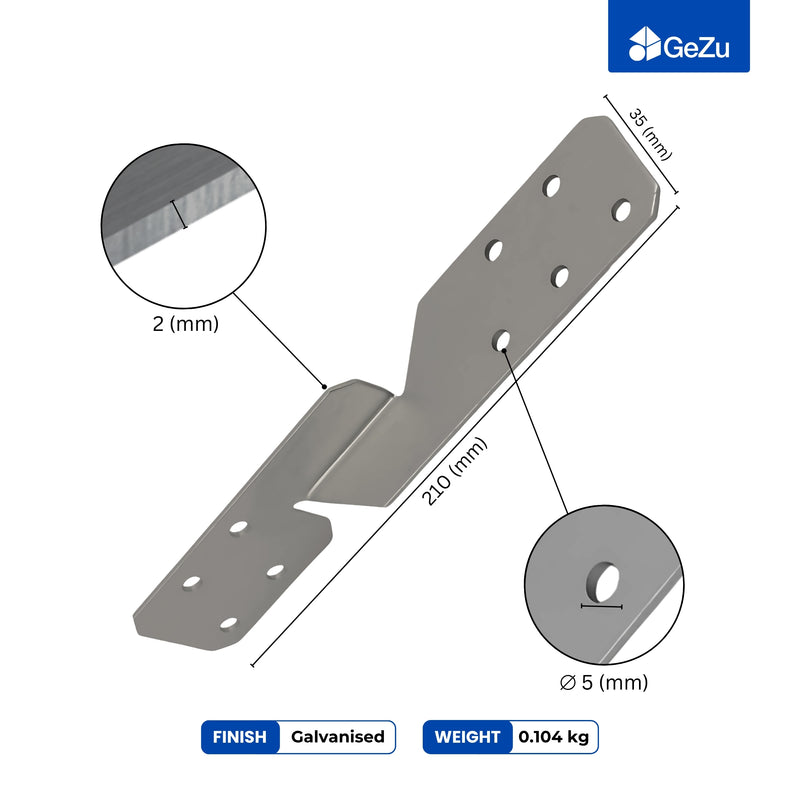
- Reinforced angle brackets — a thicker plate with a bend or rib along the edge. The perforated reinforced angle bracket holds heavier corners in studwork and furniture-grade frames.
- 135° angle brackets — for braced corners, bay frames and trapezoid roofs where the joint is not square. The perforated 135° angle bracket fixes those non-90° nodes properly.
- Heavy-duty angle brackets — structural corner braces for post heads and carports.
3. Match fixings to the bracket and the timber
Bracket strength in a perforated plate comes from screw count, screw size and embedment — not from the plate alone. Use the full hole set, drive screws square to the face, and never let a fixing sit within 10 mm of a timber edge where it can split out.
- Match screw diameter to the perforation so the head seats flush.
- In softwood, use the longer of the recommended fixings; embedment drives performance.
- On structural joints, keep to one system: hole patterns and ratings belong together.
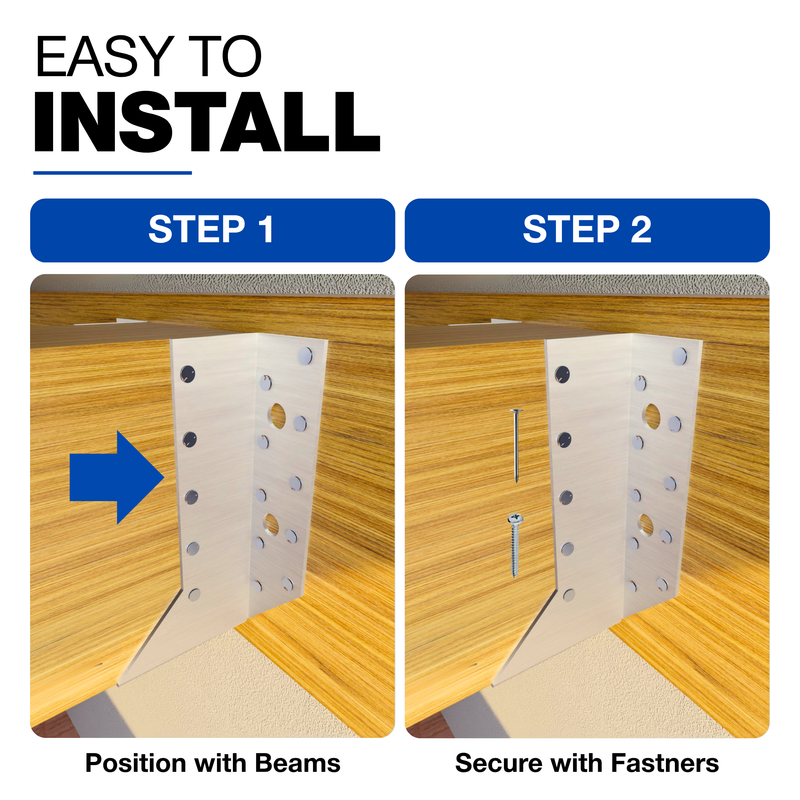
4. Set out and clamp before drilling
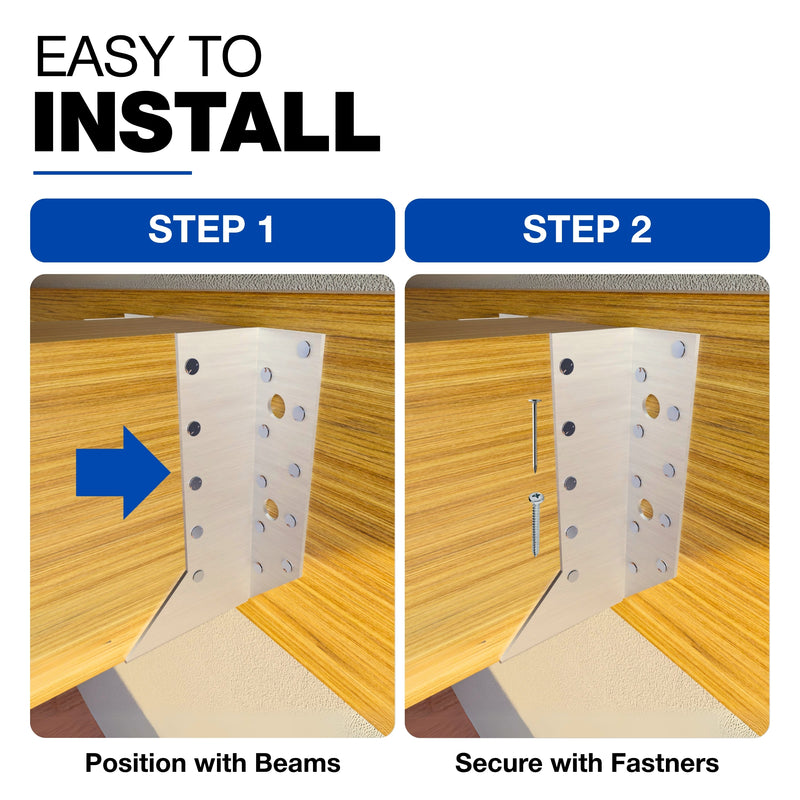
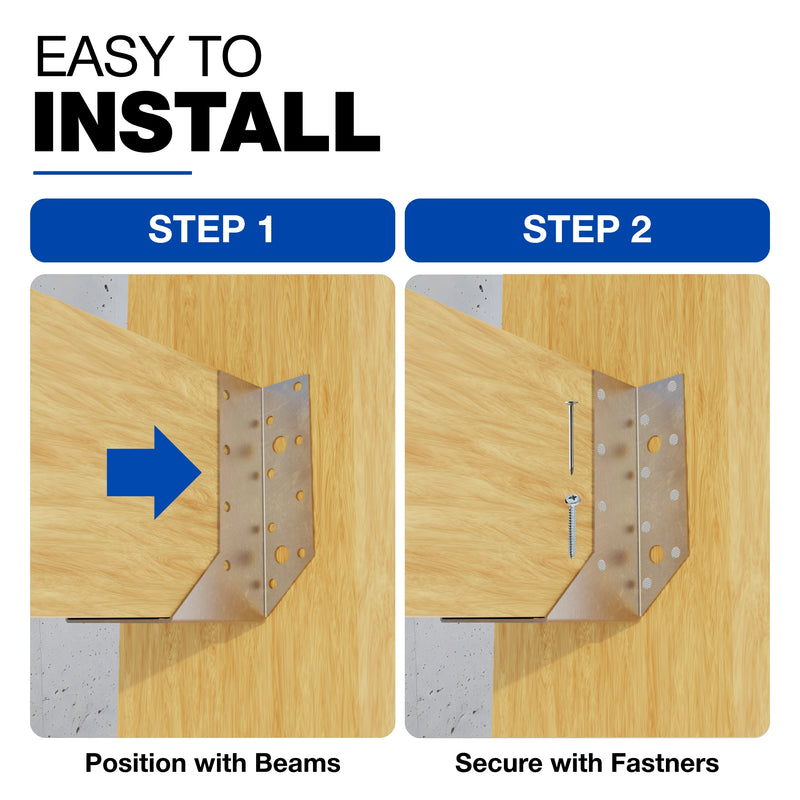
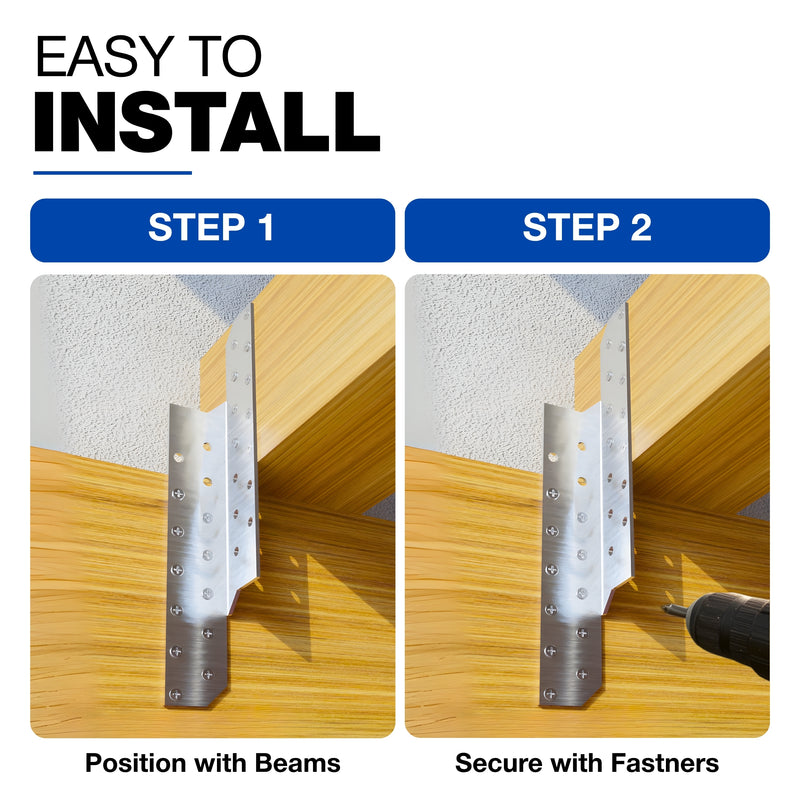
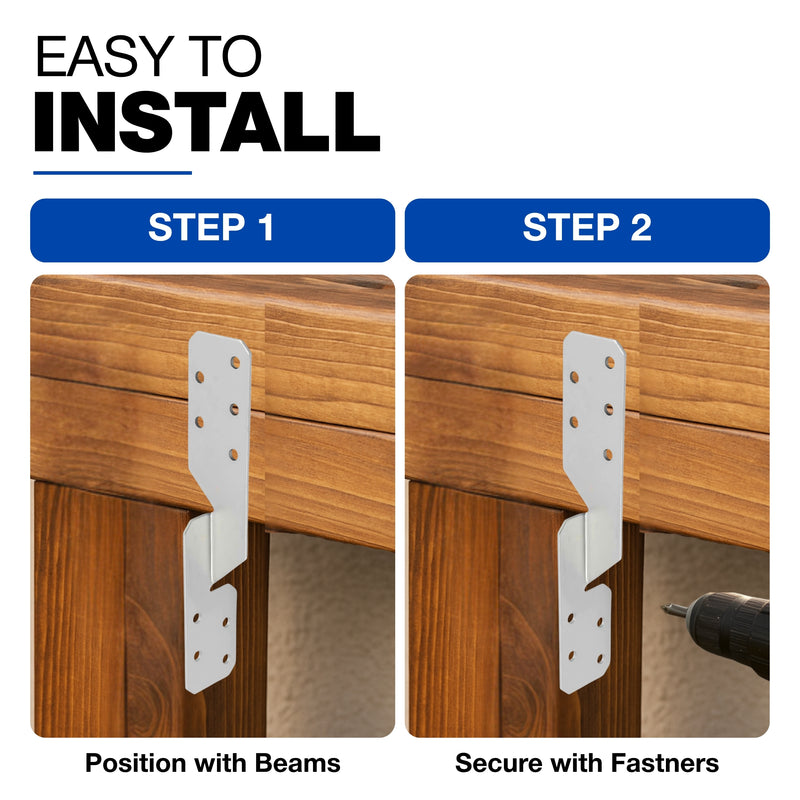
Hold the bracket on the joint, clamp it, and check square in both planes. A single mark per hole is enough. Drill a pilot in hardwood; in softwood, screw directly but avoid over-driving that strips the perforation.
- Clamp both legs before the first fixing.
- Check 90° (or 135°) with a square against the leg, not against timber grain.
- Fix the working leg first, then re-check square before fixing the second.
5. Verify the finished joint
Run through the checks a joiner would apply in 2026: no gaps between plate and timber over 1–2 mm, all holes filled, no split timber at edges, and the frame checked with both diagonals where it is a closed rectangle. A corner that racks now will rack under load later.
Angle bracket options compared
| Option | Best for | Standout feature | Key limitation |
|---|---|---|---|
| Perforated right angle bracket | Battens, bracing, general framing | Full perforation pattern for many fixings | Not for primary structure |
| Perforated reinforced angle bracket | Heavier corners, studwork | Reinforced profile carries more load | Bulkier under cladding |
| Perforated 135° angle bracket | Non-square corners and bracing | Pre-formed 135° angle | Joint type specific |
| Heavy-duty angle bracket | Post heads, carports, structural corners | Thick plate, large fixings | Needs marked-out pilot holes |


Common mistakes carpenters and joiners make
- Using a light bracket on a structural corner. The plate bends or the screws pull out; go reinforced for post and beam work.
- Filling only half the holes. Perforations are the design; half-filled patterns lose most of the rated performance.
- Fixing into end grain. Screws in end grain hold poorly; shift the bracket so fixings land in side grain.
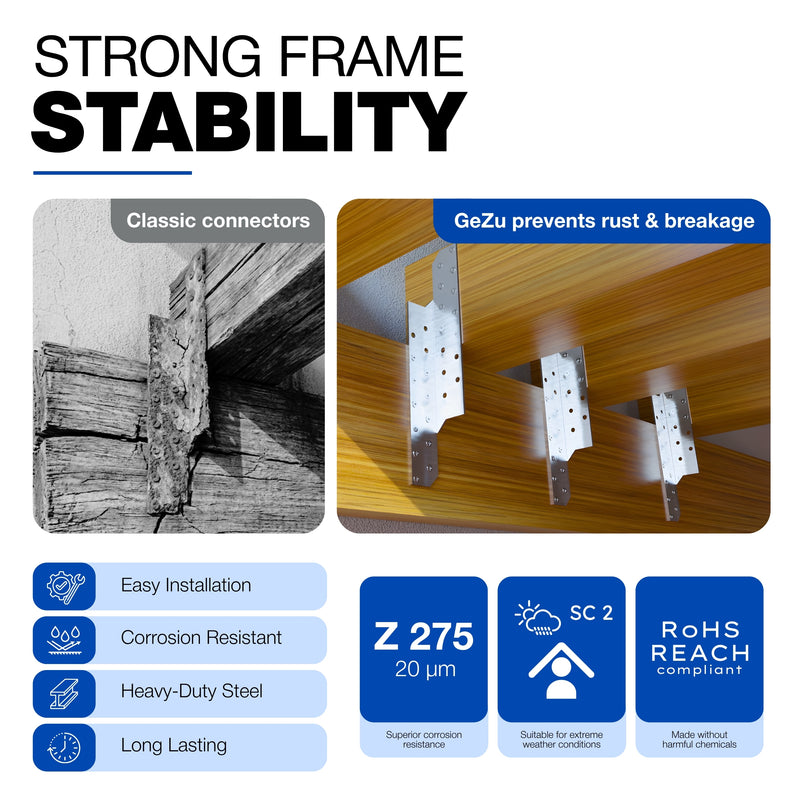
- Ignoring coating on exterior work. Bare plates flash-rust; galvanised brackets stay clean through wet seasons.
FAQ
What are angle brackets used for in carpentry?
Angle brackets tie two timber members at a fixed angle — usually 90° — in stud walls, frames, battens and shelving. Reinforced versions take structural corners such as post-to-beam joints.
Are perforated angle brackets strong enough for framing?
For battens, bracing and light framing, yes. For structural corners, choose a reinforced or heavy-duty bracket and fill every perforation with the specified fixings.
Do angle brackets stop a frame from racking?
They help, but racking is controlled by diagonals: sheet bracing or diagonal members plus corner brackets together keep a frame square. Brackets alone on a bare frame limit twist at the joint, not across the panel.
What screws should I use with perforated angle brackets?
Match the screw diameter to the perforation so the head seats flush, use the full hole set, and pick a length that gives solid embedment in the timber. In hardwood, drill pilots.
Can angle brackets be used outdoors?
Yes, when they are galvanised. Hot-dip or electro galvanised plates resist rust on exterior jobs such as garden buildings and pergolas.
How many angle brackets does a stud wall corner need?
One bracket per corner joint is standard in partition framing; heavy junctions such as post heads take two or more, matched to the load.
One last thing
A carpenter who standardises on two brackets — one perforated general plate and one reinforced heavy plate — covers nearly every corner in domestic work. Keeping both in the van, in galvanised steel, ends the mid-job compromise of bending a light plate into a heavy joint.