Scaffold Tube Sizes Explained: Diameters, Wall Thickness and Lengths

Short answer: standard scaffold tube is 48.3mm outside diameter (1.9 inches). Steel tube comes with a 4.0mm wall (the heavier, most common grade) or a 3.2mm wall (lighter, high-yield steel), and aluminium tube shares the same 48.3mm diameter with a thicker wall of around 4.47mm. Lengths in the UK run in feet, from 5ft up to 21ft. Every standard scaffold coupler is made to grip that 48.3mm diameter, which is why the size matters more than anything else when you buy fittings.
Here's the full picture: diameters, wall thickness, lengths, weights and which fittings go with which tube.

Scaffold Tube Diameter: Why Everything Is 48.3mm
Tube and fitting scaffolding in Europe, the UK and most of the world is built around one outside diameter: 48.3mm. You'll see it written as 48mm, 48.3mm, 48.3 o/d or 1.9" OD, and they all mean the same tube. It's the same outside diameter as 1½ inch nominal steel pipe, which is where the odd-looking number comes from.
That fixed outside diameter is the whole point of the system. Couplers made to EN 74 are designed to clamp a 48.3mm tube, so a right angle coupler from one maker will grip tube from another. What changes between tubes is the wall thickness, and therefore the inside diameter and the weight.
The scaffold pole diameter question also comes up as "is it 48mm or 50mm?" It's 48.3mm. If a tube measures noticeably more or less with a calliper, it isn't standard scaffold tube, and standard couplers won't grip it properly.
Scaffold Tube Sizes Compared: Wall Thickness, Inside Diameter and Weight
Here are the three tubes you'll actually meet on site. Weights are our own calculation from the steel or aluminium cross-section, before galvanising, so real tubes run slightly heavier.
| Tube type | Outside diameter | Wall thickness | Inside diameter | Approx. weight per metre |
|---|---|---|---|---|
| Steel, EN 39 Type 4 (standard) | 48.3mm | 4.0mm | 40.3mm | 4.4 kg |
| Steel, EN 39 Type 3 (lightweight, high yield) | 48.3mm | 3.2mm | 41.9mm | 3.6 kg |
| Aluminium (BS 1139) | 48.3mm | about 4.47mm | about 39.4mm | 1.6 kg |
4.0mm Wall Steel Tube
This is the workhorse. EN 39 Type 4 tube with a 4.0mm wall is what most hire yards and contractors stock, and it's what most coupler load figures assume. It's heavy, but it's forgiving: it takes knocks, over-tightened couplers and years of reuse without much complaint.
3.2mm Wall Steel Tube
Type 3 tube uses higher-strength steel so it can carry similar loads with a thinner wall. It's roughly 20% lighter per metre, which your back will notice on a long day. The catch is that it dents more easily and is more sensitive to coupler over-tightening. Keep it marked and stacked separately, and don't mix it with 4.0mm tube in one scaffold unless the design says that's fine.
Aluminium Scaffold Tube
Aluminium tube matches the 48.3mm outside diameter but uses a thicker wall to make up for the softer metal. At around a third of the weight of steel, it's popular for mobile towers and jobs where tube is carried by hand. It's also more expensive and bends more easily, so it isn't a straight swap for steel in a load-bearing scaffold.
Standard Scaffold Tube Lengths in Feet and Metres
UK scaffold tube is still sold in imperial lengths. Suppliers on the continent often stock metric lengths instead, such as 1m, 2m, 3m, 4m and 6m. Here are the common imperial lengths with the metric equivalent and our calculated weights for both steel wall thicknesses.
| Length | Metres | Weight, 4.0mm wall | Weight, 3.2mm wall | Typical use |
|---|---|---|---|---|
| 5ft | 1.52m | 6.7 kg | 5.4 kg | Transoms, short braces |
| 6ft | 1.83m | 8.0 kg | 6.5 kg | Transoms, guardrail returns |
| 8ft | 2.44m | 10.7 kg | 8.7 kg | Short ledgers, lift standards |
| 10ft | 3.05m | 13.3 kg | 10.9 kg | Ledgers, guardrails |
| 13ft | 3.96m | 17.3 kg | 14.1 kg | Standards, ledgers |
| 16ft | 4.88m | 21.3 kg | 17.4 kg | Standards, long braces |
| 21ft | 6.40m | 28.0 kg | 22.9 kg | Standards, façade bracing |
Shorter offcuts (2ft, 3ft, 4ft) are common for ties, putlogs and small frames. If you need an odd length, our guide to cutting scaffold tube down to a custom length covers the tools and the deburring step people skip.
Which Fittings Fit Which Scaffold Tube Size
Because the outside diameter is fixed, fittings are sized to 48.3mm and work on all three tube types above. We don't sell scaffold tube itself, but we do stock the fittings that go on it, all sized for 48.3mm tube. If you want the full line-up, we've laid out every coupler type and what it's for in a separate guide. Here are the ones people order most.
Right Angle Coupler (Double Coupler)
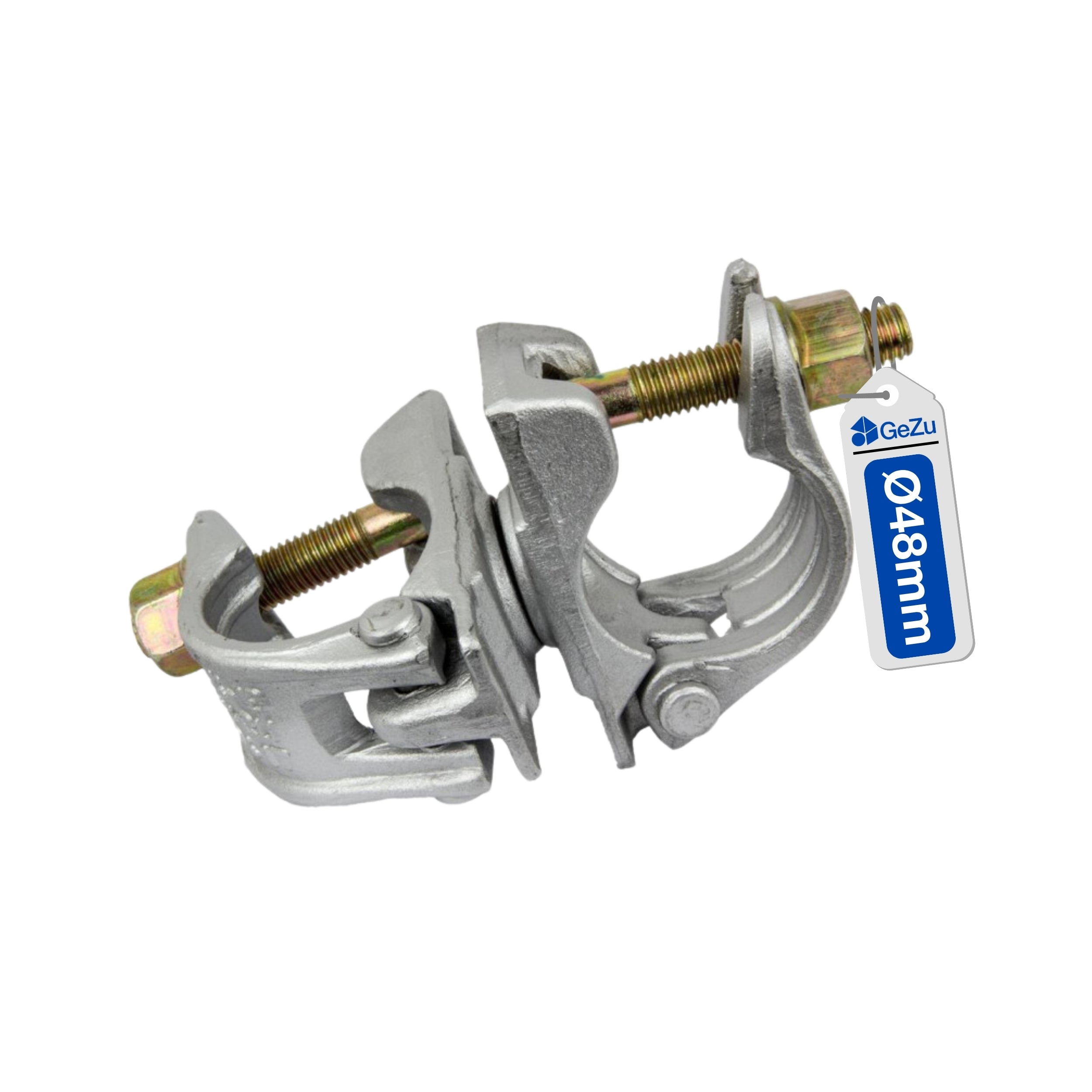
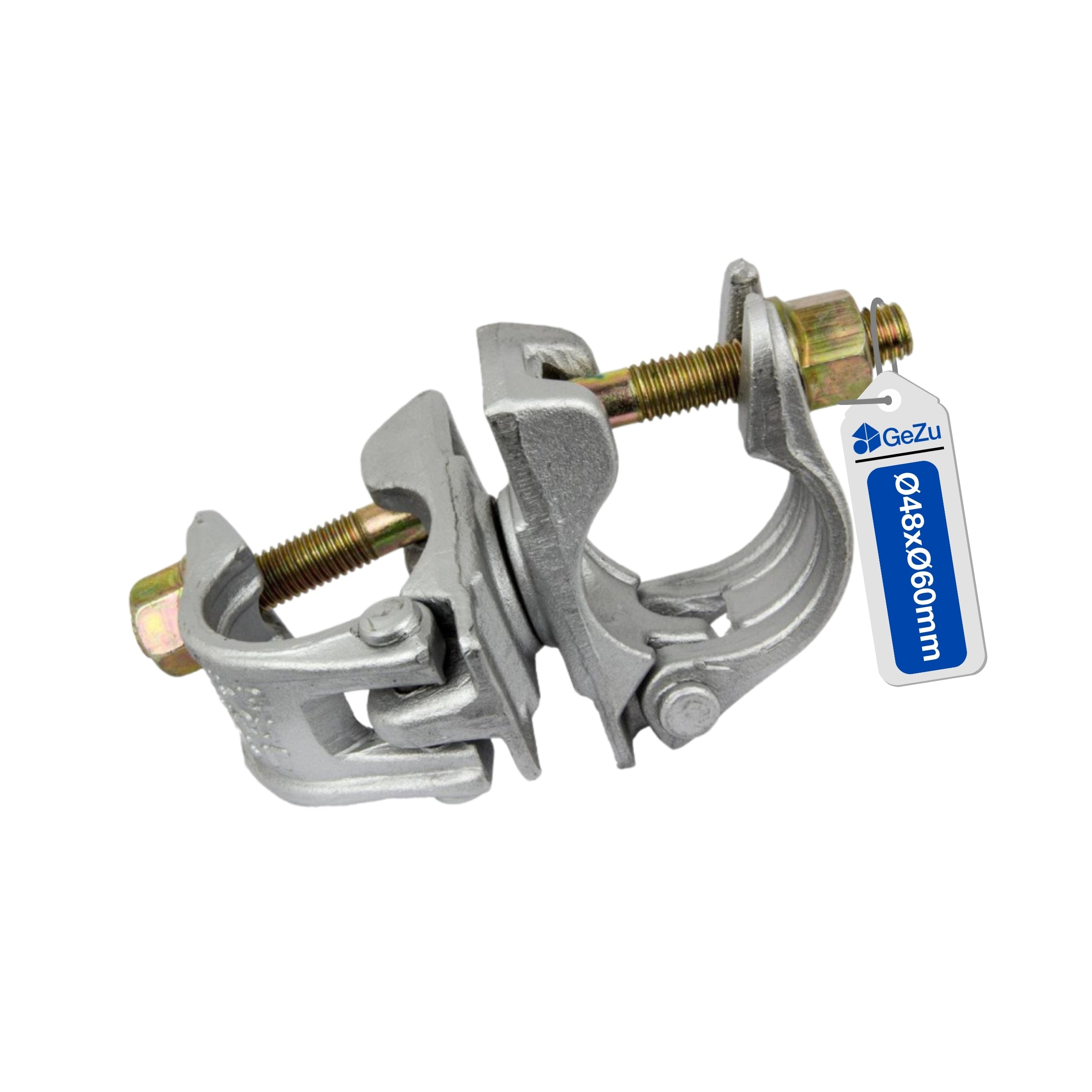
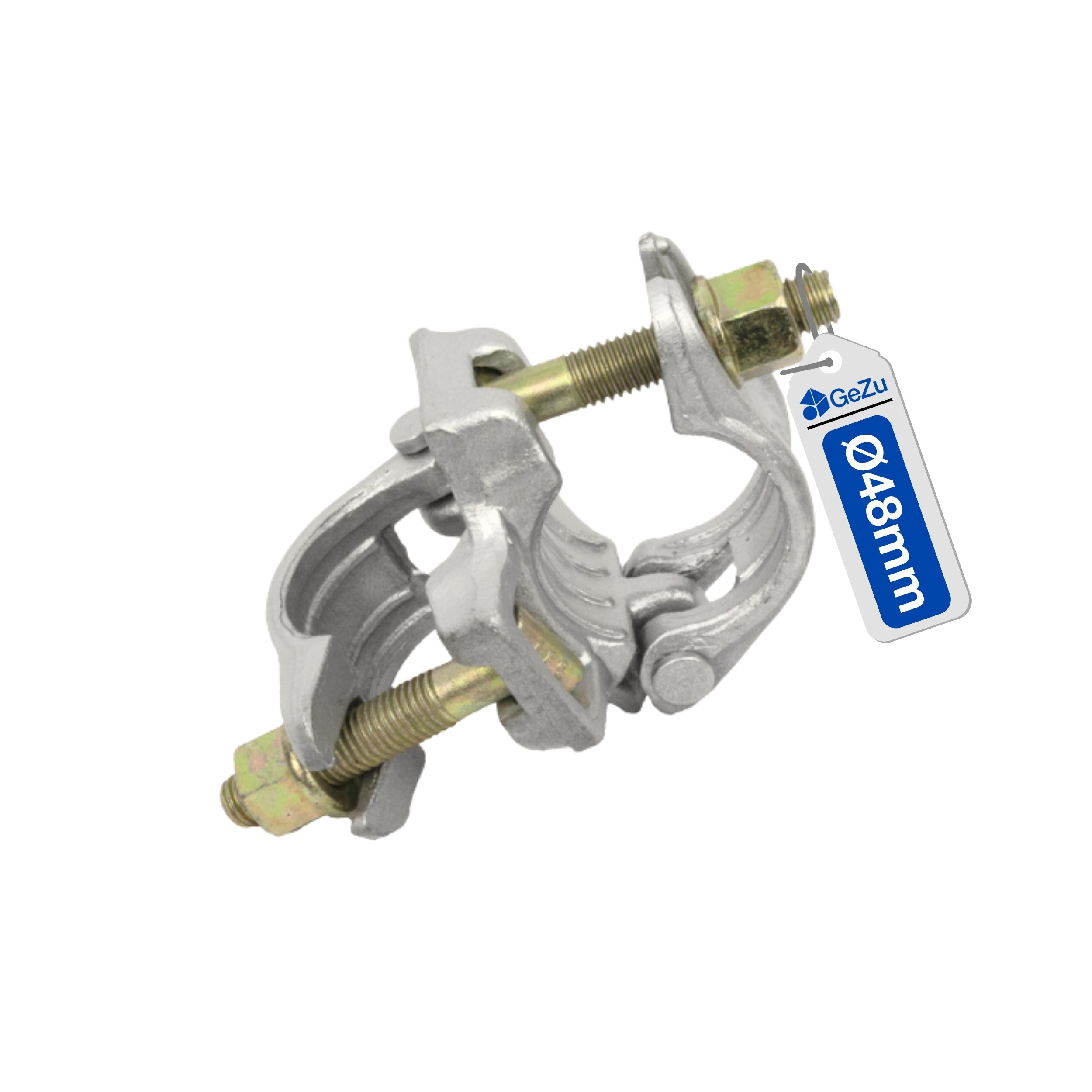
The scaffold right angle coupler joins two tubes at exactly 90 degrees. It's the load-bearing joint in any tube and fitting scaffold, connecting ledgers to standards and transoms to ledgers. We stock it hot dip galvanised or electroplated in 48 x 48mm, plus a 48 x 60mm version for joining standard scaffold tube to 60mm tube. Hot dip galvanised is the one to pick for scaffolds that stay up outdoors through a wet winter.
Swivel Coupler
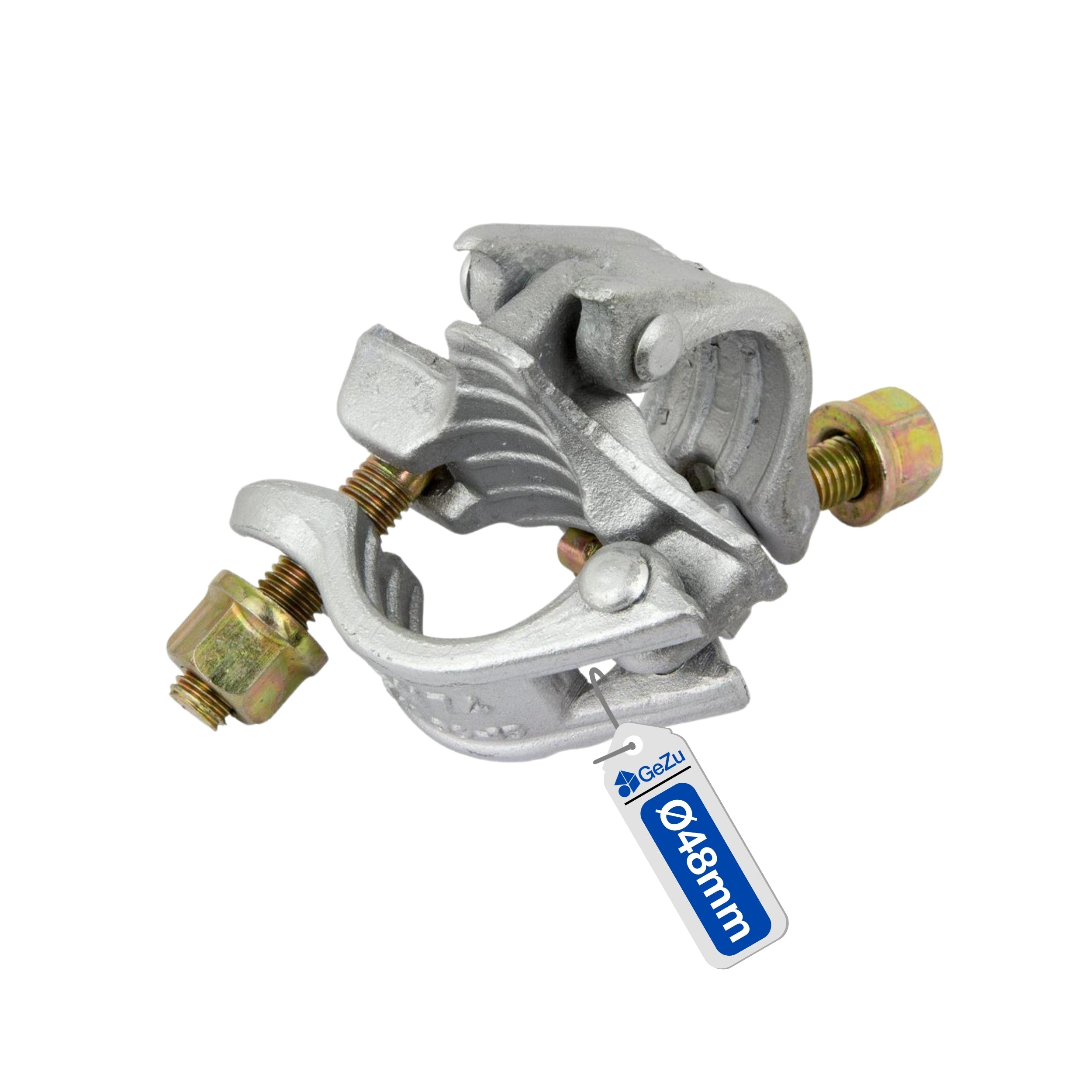
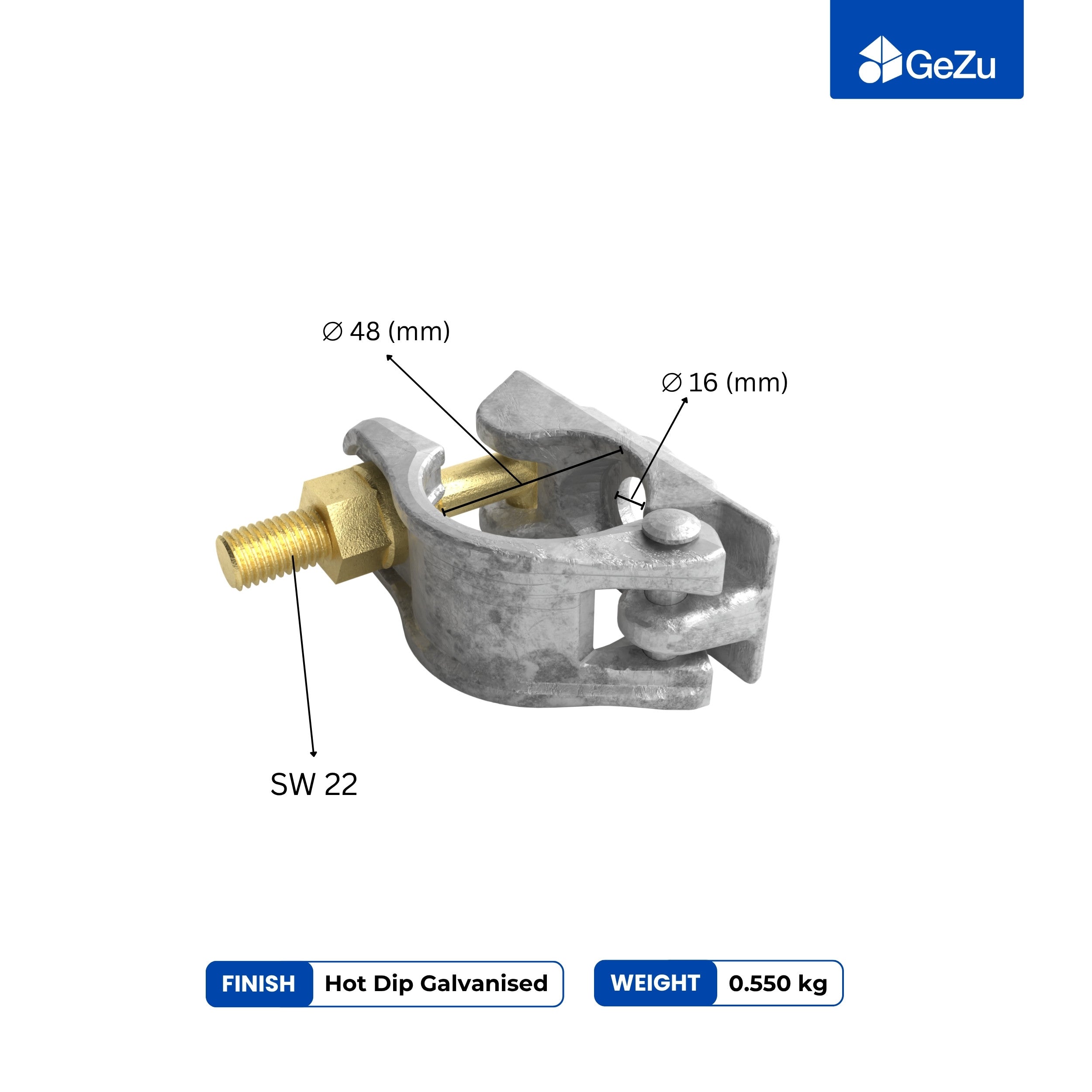
A swivel coupler for 48.3mm tube joins two tubes at any angle, which makes it the standard fitting for diagonal bracing. It's available hot dip galvanised, in 48 x 48mm with a 22mm nut and in 48 x 60mm. Use it wherever a brace has to meet a tube at something other than a right angle.

Base Jack
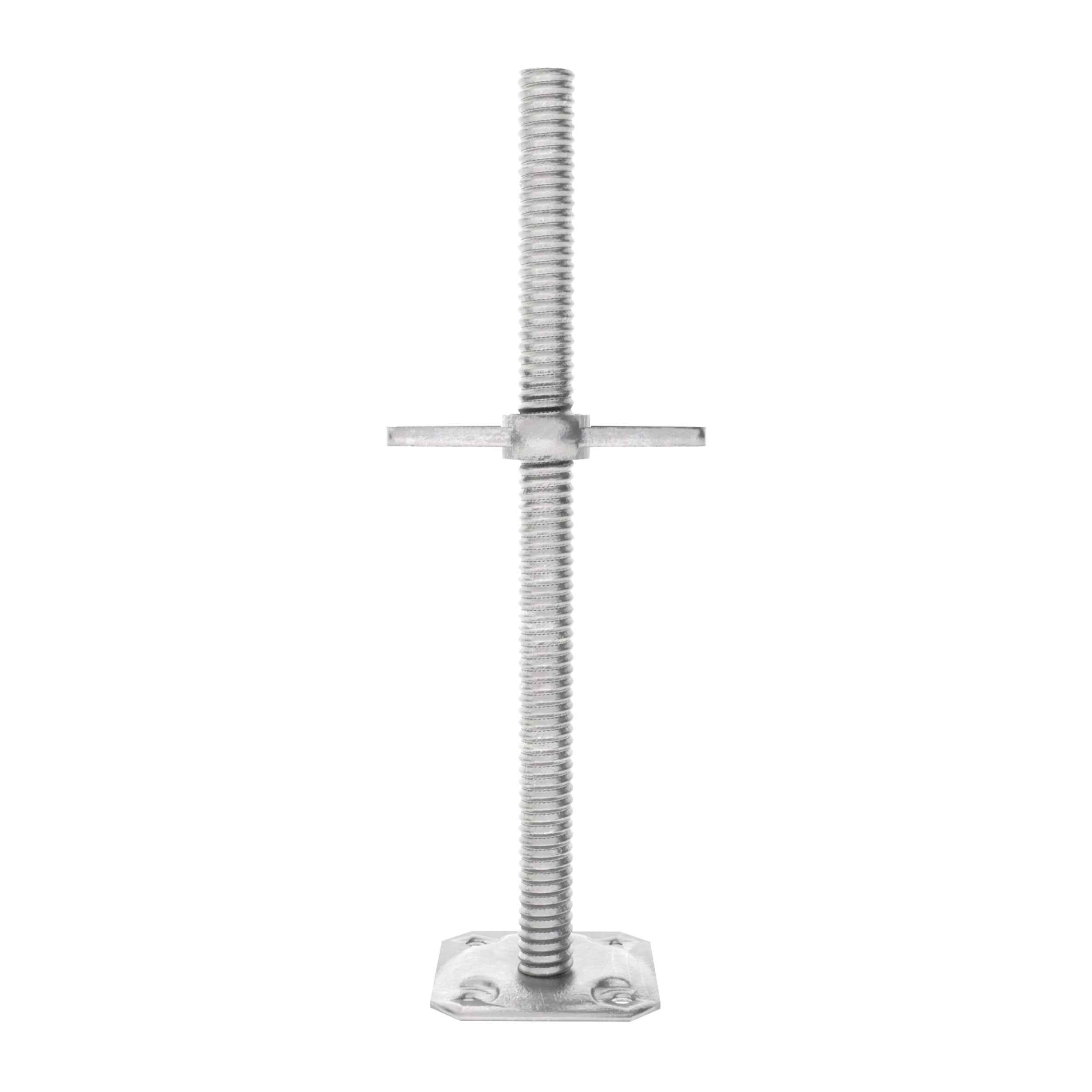
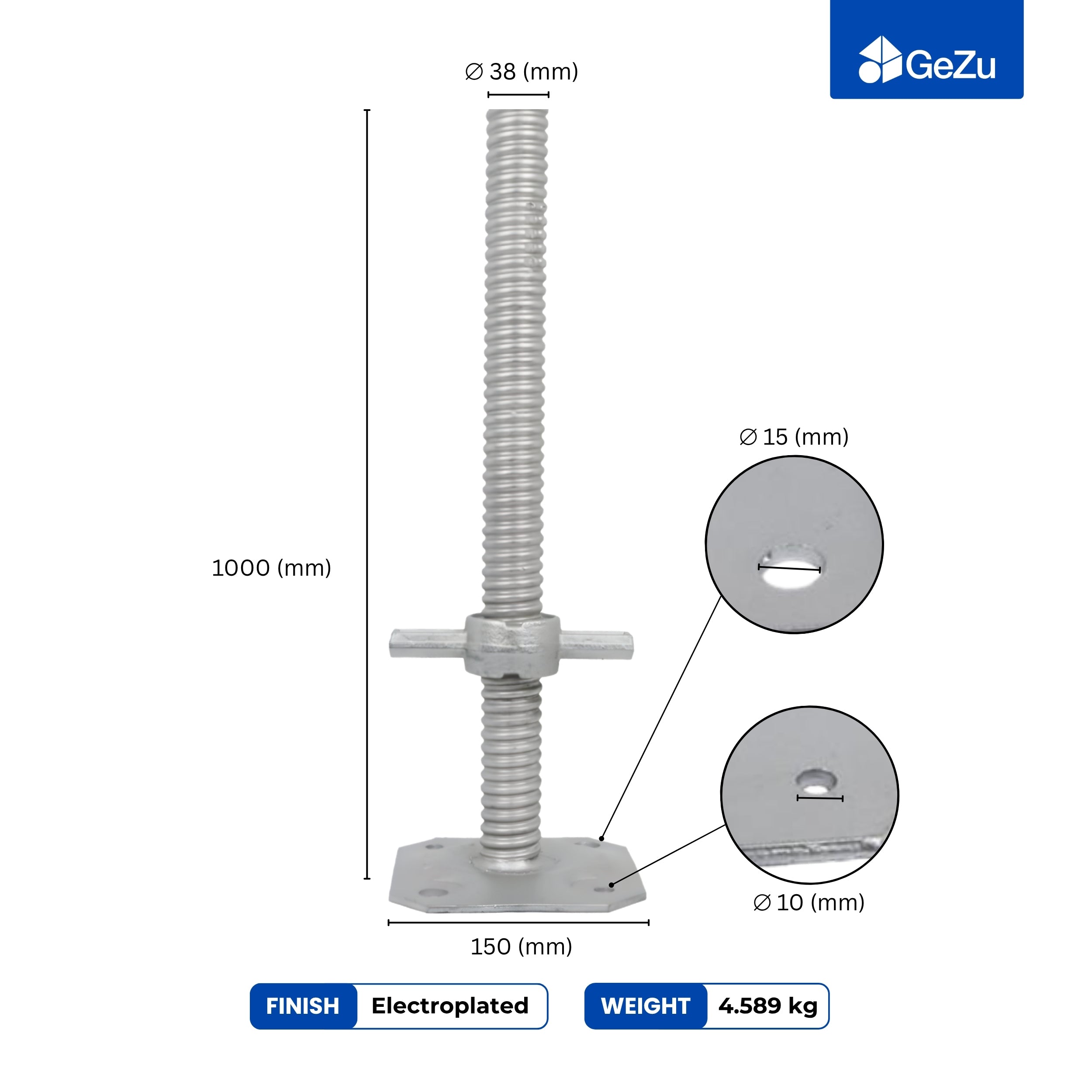
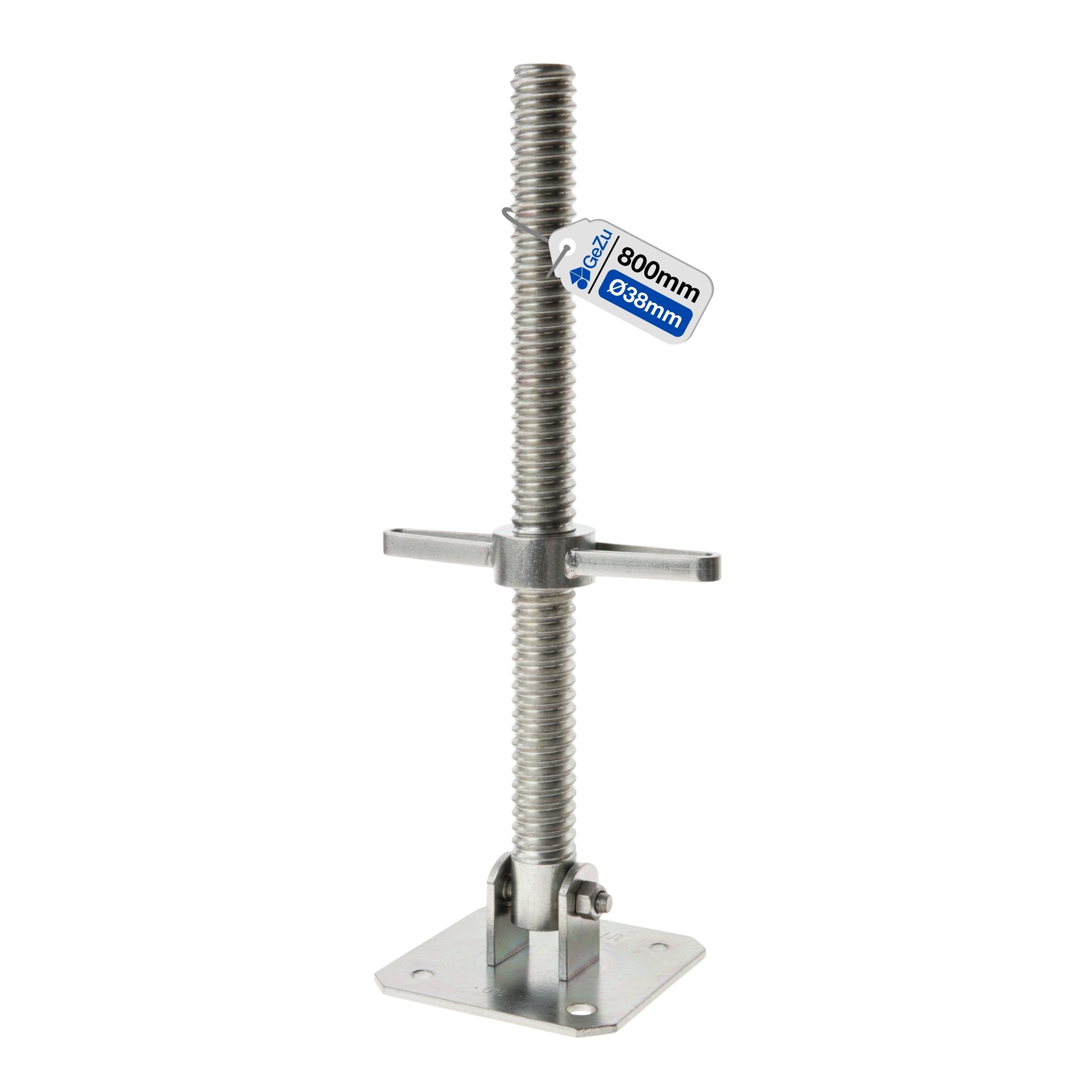
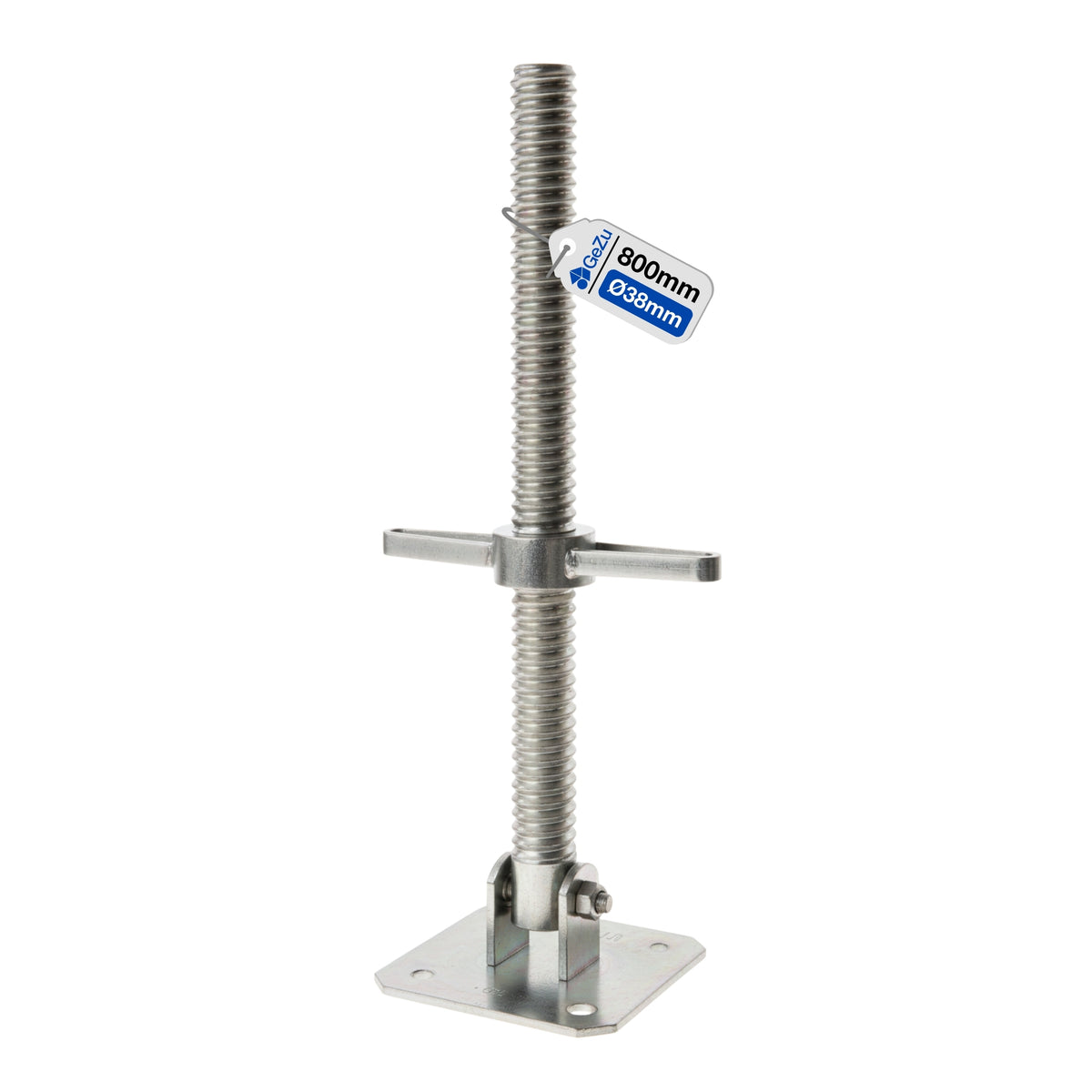
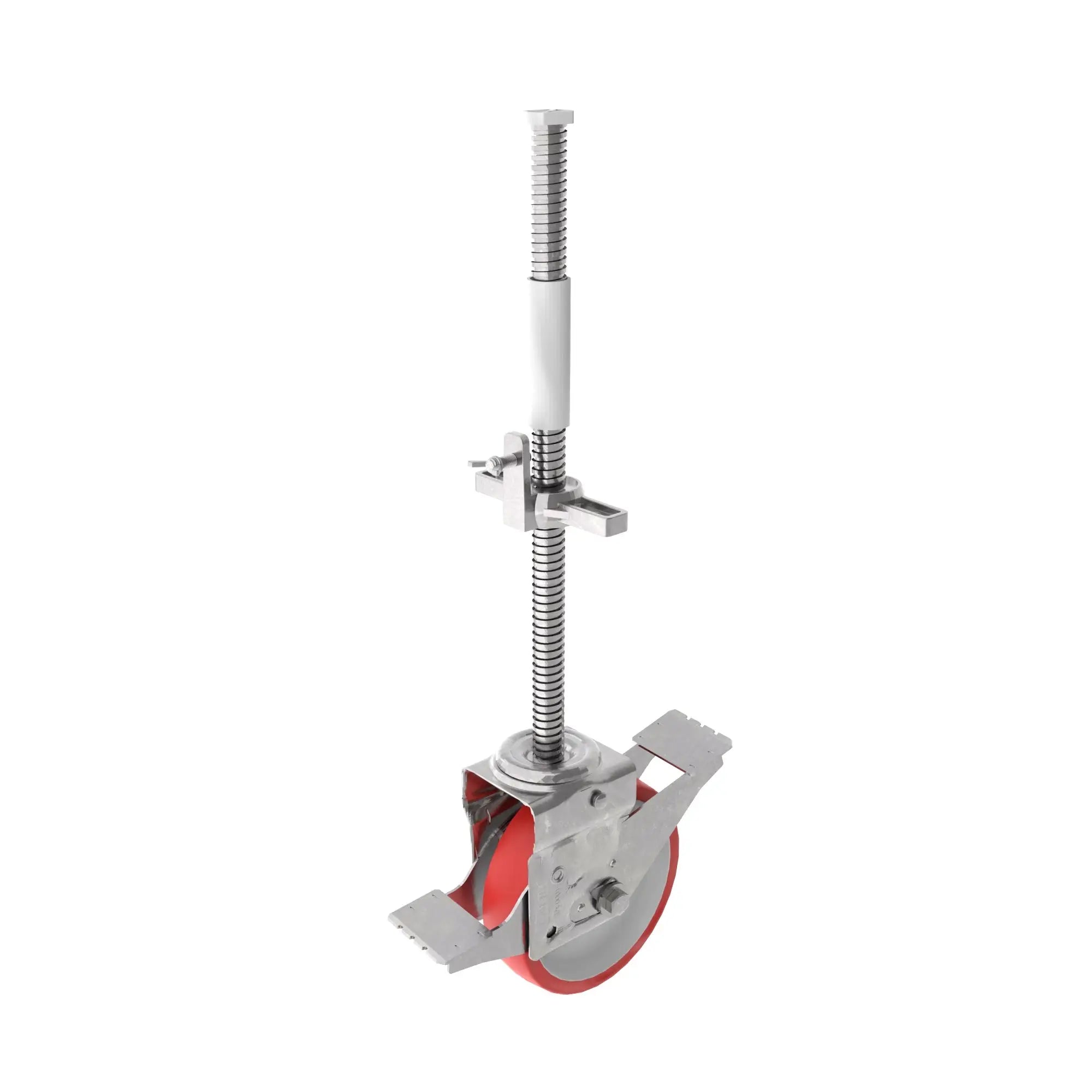
Base jacks work the other way round: the threaded spindle slides inside the tube. Our adjustable scaffold base screw jack has a 38mm spindle, which sits comfortably inside the 40.3mm bore of 4.0mm tube and the 41.9mm bore of 3.2mm tube. It levels the scaffold on uneven ground and comes in spindle lengths from 300mm to 1000mm, hot dip galvanised or electroplated. For help choosing between fixed, swivel and wing bolt jacks, see our breakdown of scaffold base jack types.

Wall Tie Anchor Tube
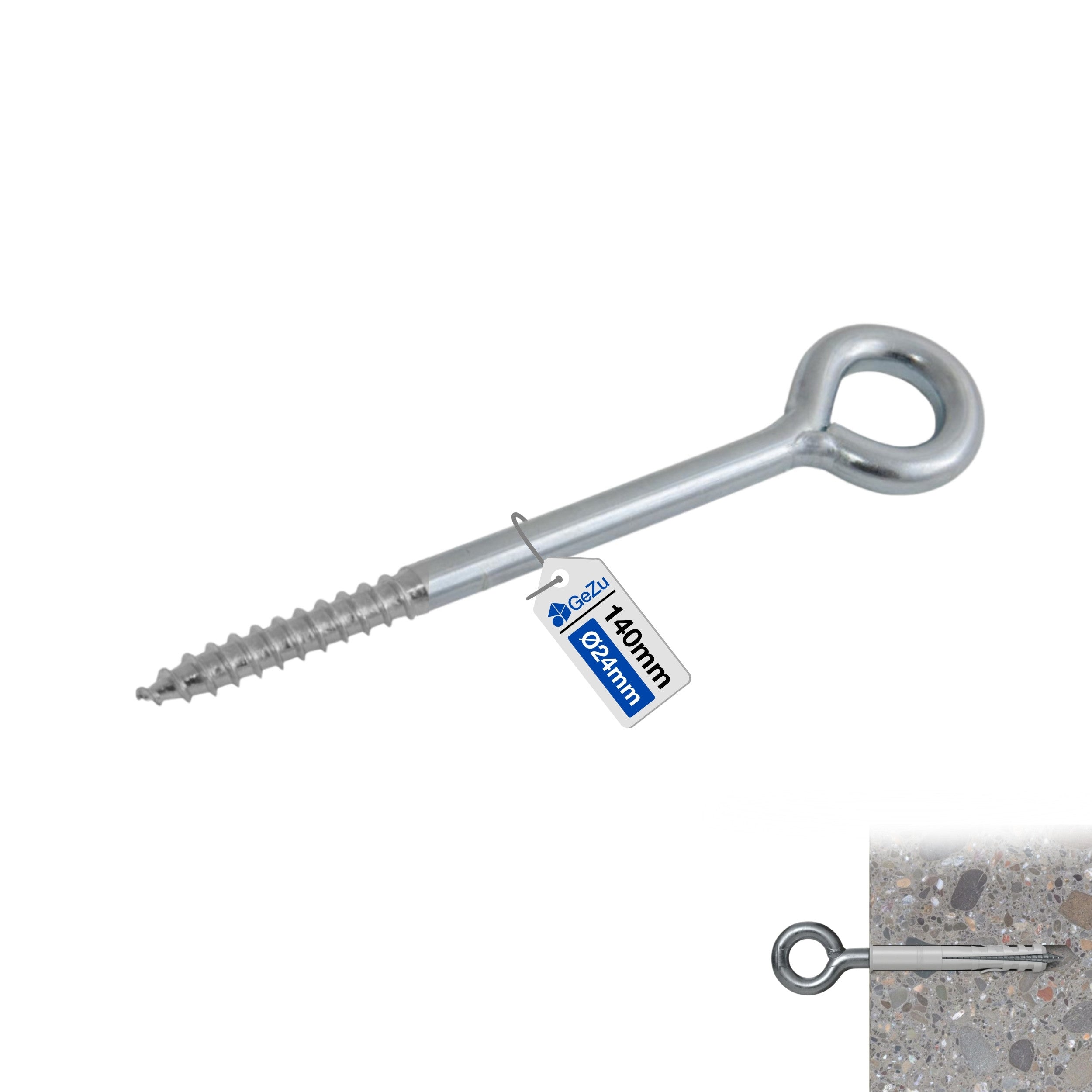
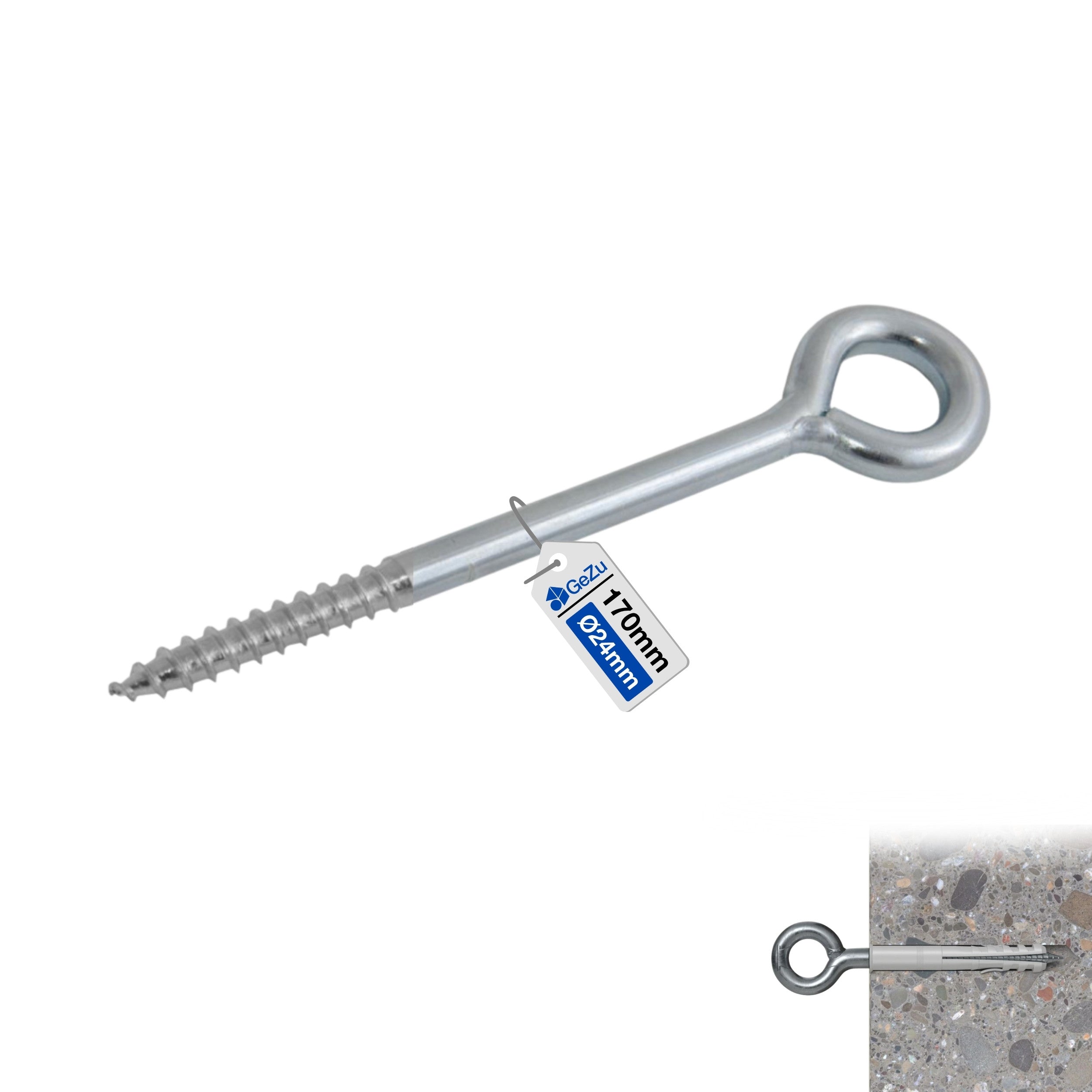
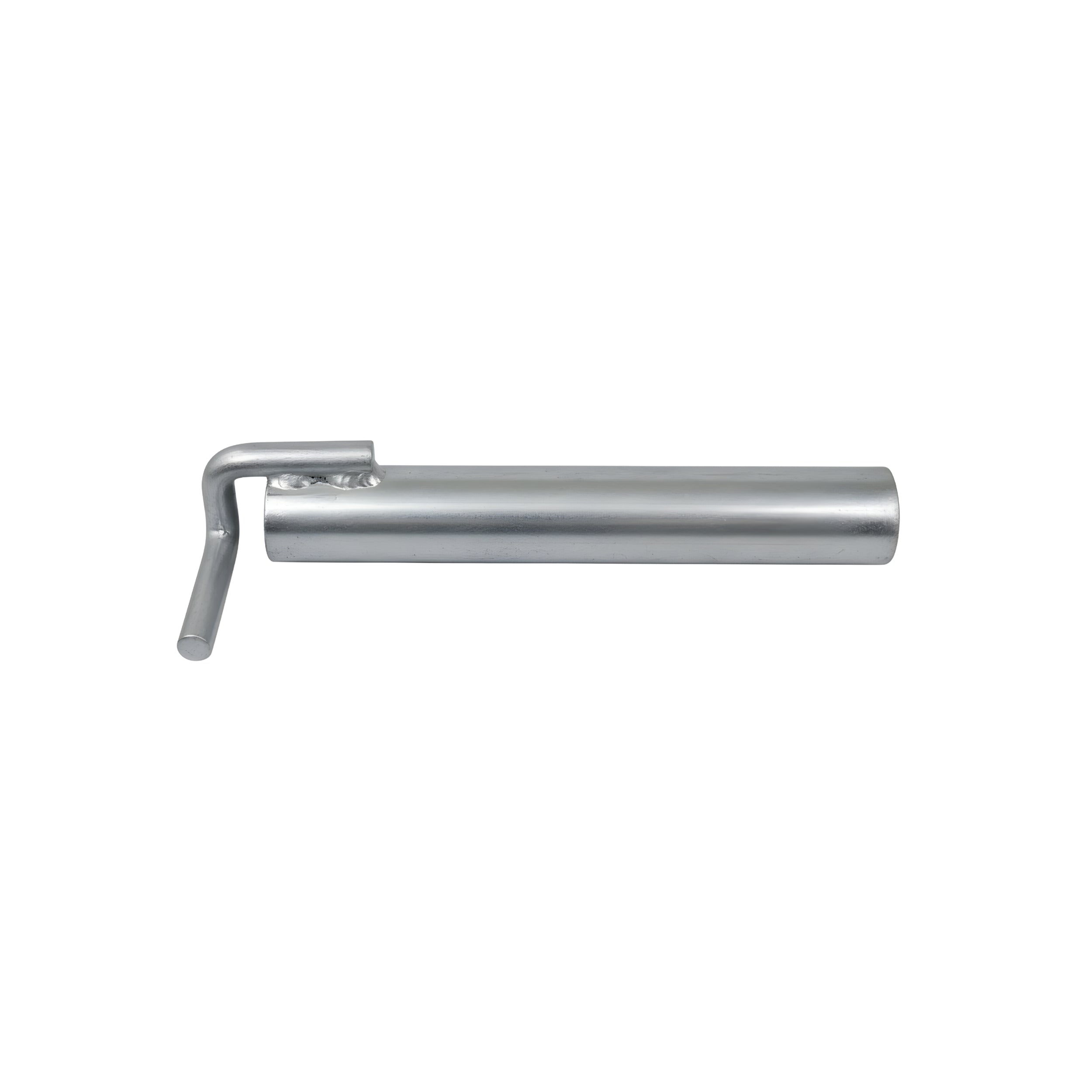
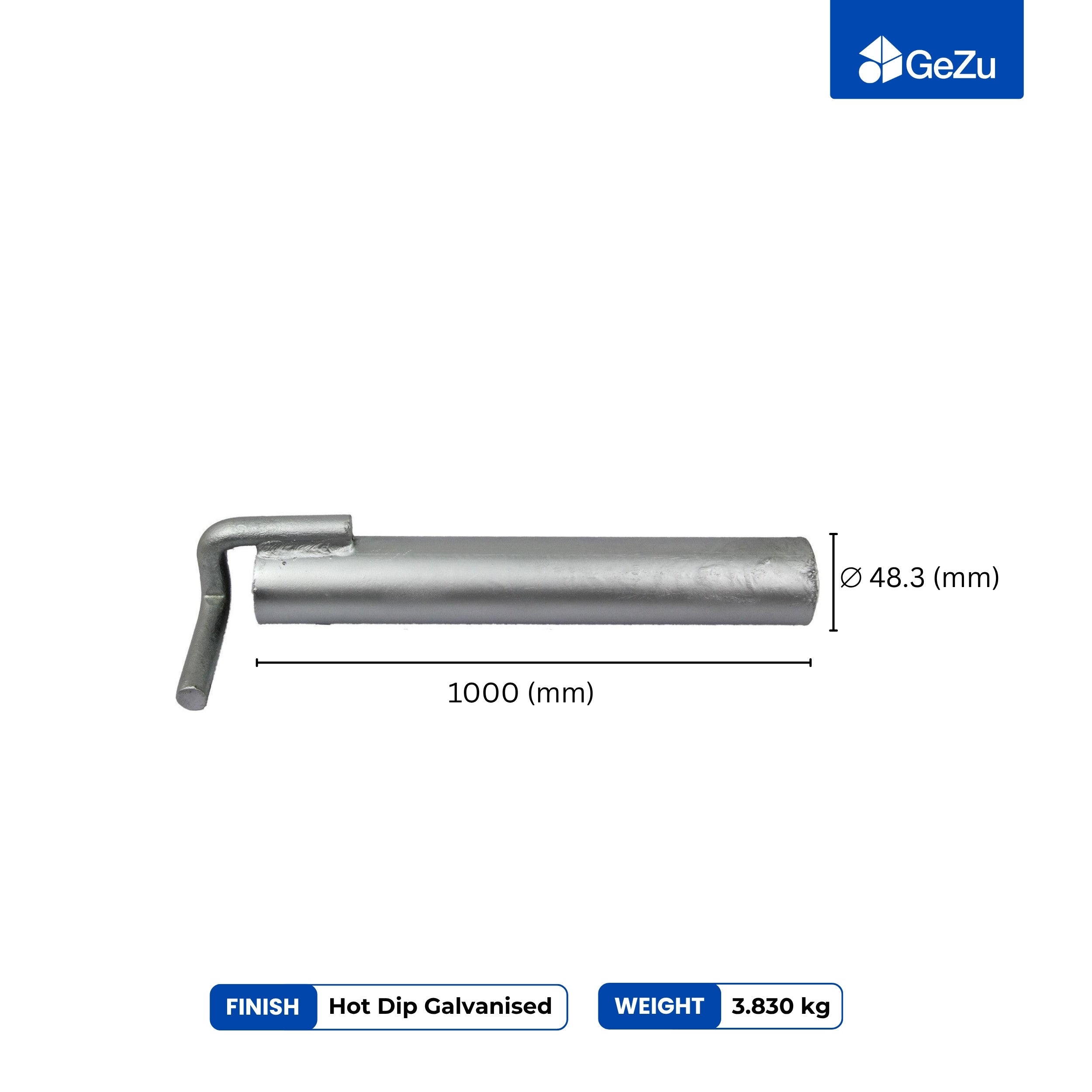
The scaffold wall tie anchor tube with hook gives you a fixing point to tie the scaffold back to the building. It comes in lengths from 300mm to 1000mm, hot dip galvanised, and connects to the scaffold with a standard 48.3mm coupler. Our guide on tying a scaffold to a building covers spacing and anchors.
Scaffold Tube vs Key Clamp and Handrail Tube
This is the mix-up we see most. Key clamp style tube clamps for handrails, shelving and furniture come in their own sizes, and the common ones are smaller than scaffold tube. Our steel tube range is 27mm and 42mm diameter, made to pair with our tube clamps, not with scaffold couplers. A 42mm tube in a 48mm scaffold coupler will slip, and a scaffold tube won't go into a 42mm clamp at all. If you're building a handrail rather than a scaffold, our guide to matching tube clamp fittings to tube size is the one you want.
How to Check a Scaffold Tube's Size on Site
- Measure the outside diameter with a calliper or a tape wrapped round the tube. A circumference of about 152mm means 48.3mm tube.
- Check the wall at the cut end. 4.0mm and 3.2mm look similar, so measure rather than guess. Many suppliers paint or stamp 3.2mm tube so you can tell it apart.
- Weigh a known length if the ends are crushed. A 10ft steel tube around 13 kg is 4.0mm wall; around 11 kg points to 3.2mm.
- Tap it with a magnet. No pull means aluminium.
- Look for bends and corrosion. Damaged tube goes in the scrap pile, whatever its size.
Couplers should be tightened with a podger or torque wrench to the coupler maker's figure, typically around 50 Nm for EN 74 couplers. Over-tightening on thin-wall tube can crush it. For what the markings on a coupler actually certify, read our explainer on EN 74 and BS 1139.
Frequently Asked Questions About Scaffold Tube Sizes
What is the diameter of a scaffold tube?
Standard scaffold tube has an outside diameter of 48.3mm, often written as 48mm or 1.9 inches. Steel and aluminium tubes share this diameter so they work with the same couplers.
What size is scaffold tube in inches?
1.9 inches outside diameter. It's the same outside diameter as 1½ inch nominal pipe, which is why you'll sometimes hear scaffold tube called "inch and a half".
How heavy is a 21ft scaffold tube?
By our calculation, a 21ft (6.4m) steel tube weighs about 28 kg with a 4.0mm wall and about 23 kg with a 3.2mm wall, before galvanising. Aluminium of the same length is roughly 10.5 kg.
Is aluminium scaffold tube the same size as steel?
The outside diameter is the same, 48.3mm, so couplers fit both. The wall is thicker and the tube is much lighter, but it's less stiff and less robust than steel, so don't swap one for the other in a design without checking.
Can I mix 3.2mm and 4.0mm scaffold tube?
The fittings are the same, but the tubes carry loads differently and the thinner wall is easier to dent and crush. Keep them separate unless the scaffold design allows mixing.
Not sure which fitting matches the tube you've got? Send us the measurements and we'll point you to the right coupler or jack from our scaffolding coupler range.