Post supports for fencing contractors 2026 guide

Post supports for fencing contractors are the galvanised steel bases that anchor timber posts to the ground — drive-in spikes, bolt-down plates and concrete-in anchors — with the aim of posts that stay plumb for decades and installs that finish in half the time. Panels are replaceable; rotted post feet are the call-back that eats a quarter's margin.
- Fencing contractors lose margin in the ground, not on the panel: post supports cut install time and call-backs.
- Drive-in spikes suit soft ground and fast boundary runs; bolt-down adjustable bases suit paving and hardstanding.
- Keep post bases off the soil — the steel shoe, not the wood, should take the damp.
- Standardise on a few post widths (75–100 mm) so every van carries stock that fits every job.
- GeZu Impex supplies galvanised spikes, adjustable bolt-down bases and concrete-in supports direct.
Why post supports matter for fencing contractors
A timber post set straight into soil holds moisture at the footline, and wet wood at ground level fails long before the fence above it. Galvanised post supports isolate the timber from that moisture and, just as usefully, cut setting time — no concrete mixing on a boundary run of twenty posts.
In 2026, fencing crews run thin margins against tight schedules. A support that saves half an hour per post turns a two-day run into a day and a half, which is the difference between quoting the next job and still finishing this one.
Match the support to the ground
The right anchor depends on what is under the topsoil, not on what is left on the van.
- Soft, diggable ground: a drive-in fence post spike hammered flush gives a fast, no-concrete fix.
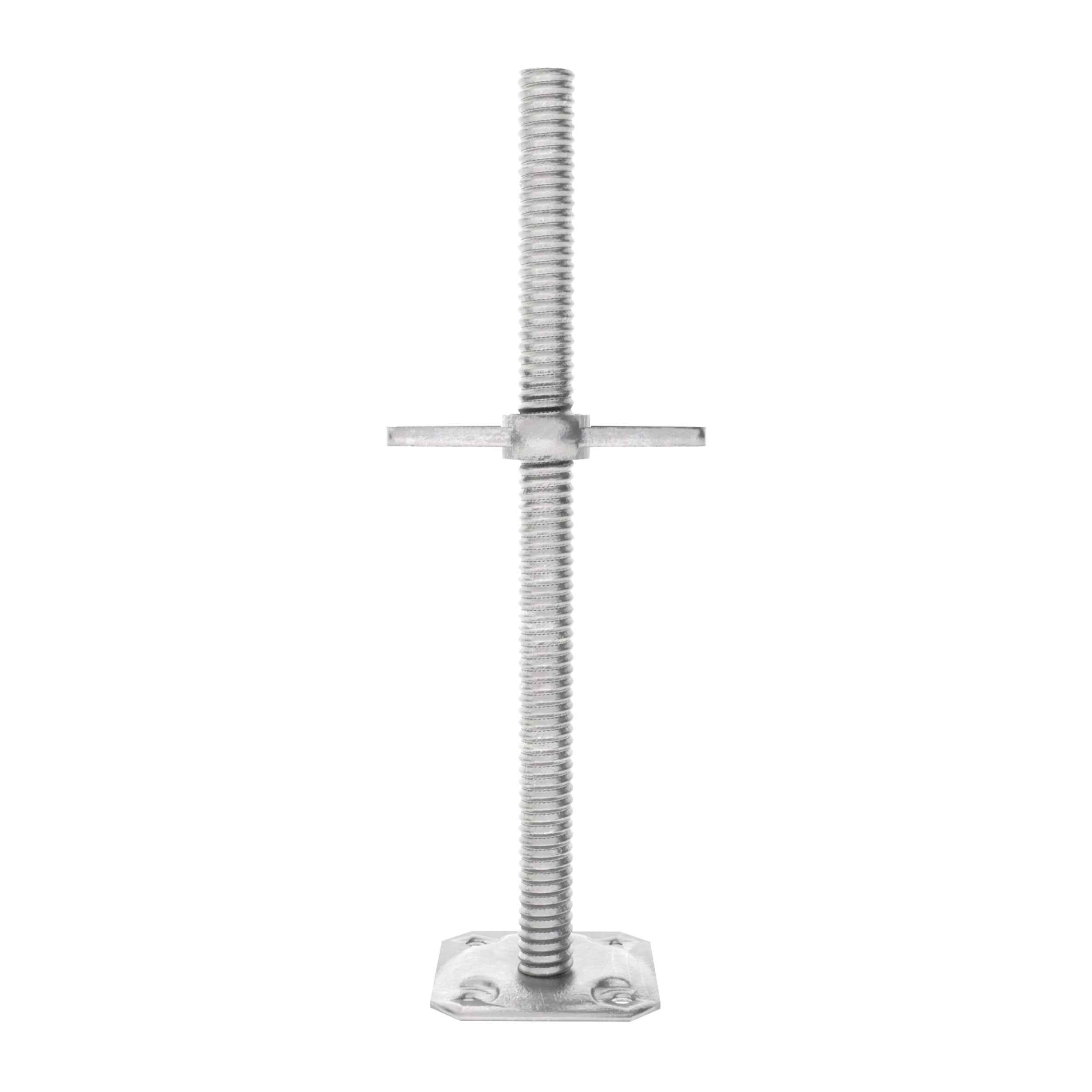
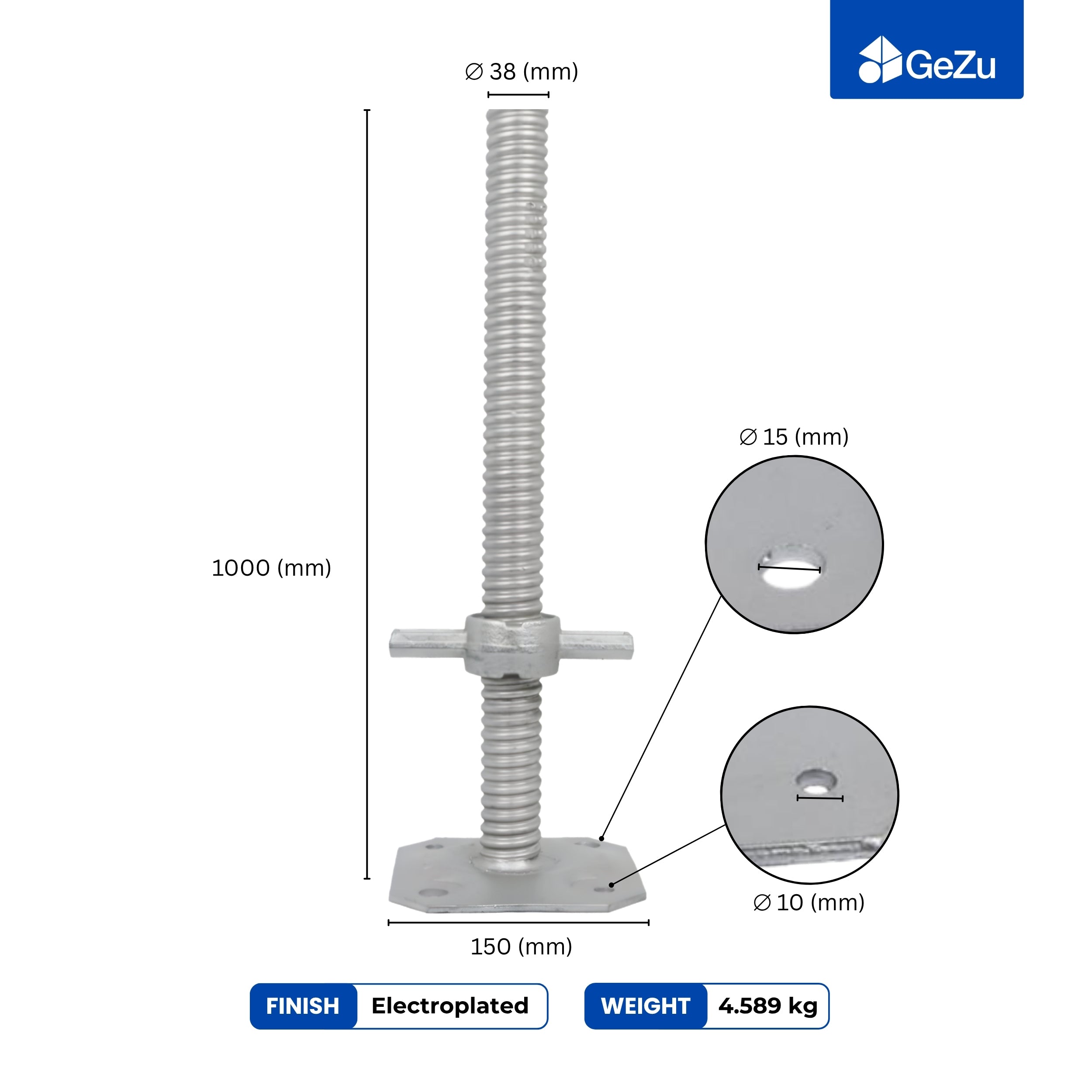
- Paving, decking and concrete slabs: bolt down a height adjustable post support and use the thread to level the post.
- Loose or made-up ground: concrete-in anchors hold where spikes would rock.
- Check the cup width against the post — a 100 mm post needs a 100 mm cup, not "close enough".
Set depth by the one-third rule
Depth decides whether a fence shrugs off a storm or leans after the first wet winter. The working rule: at least one third of the post's above-ground height sits below grade, so a 1.8 m post wants roughly 600 mm in the ground.
- Mark the line first and drive spikes along a stringline, never by eye.
- Use a driving block, not a direct hammer blow, to protect the spike rim.
- Check plumb in both axes before the post takes load.
- Backfill and compact in layers rather than one loose fill.
Keep the post off the soil
The whole point of a post shoe is separating timber from damp ground. A support fitted carelessly recreates the problem it was bought to solve.
- Seat the post fully into the cup; gaps collect standing water.
- Keep the shoe's drainage gaps unblocked so water escapes.
- Cut post ends square so the base bears evenly on the plate.
- Treat cut ends of pressure-treated posts before fitting.
Standardise on a few widths
Contractors who stock every width stock nothing in depth. Pick the sizes your area builds with — 75 mm and 100 mm cover most garden fencing — and buy supports, brackets and repair pieces in those sizes only.
- Fewer sizes mean a van that is genuinely stocked.
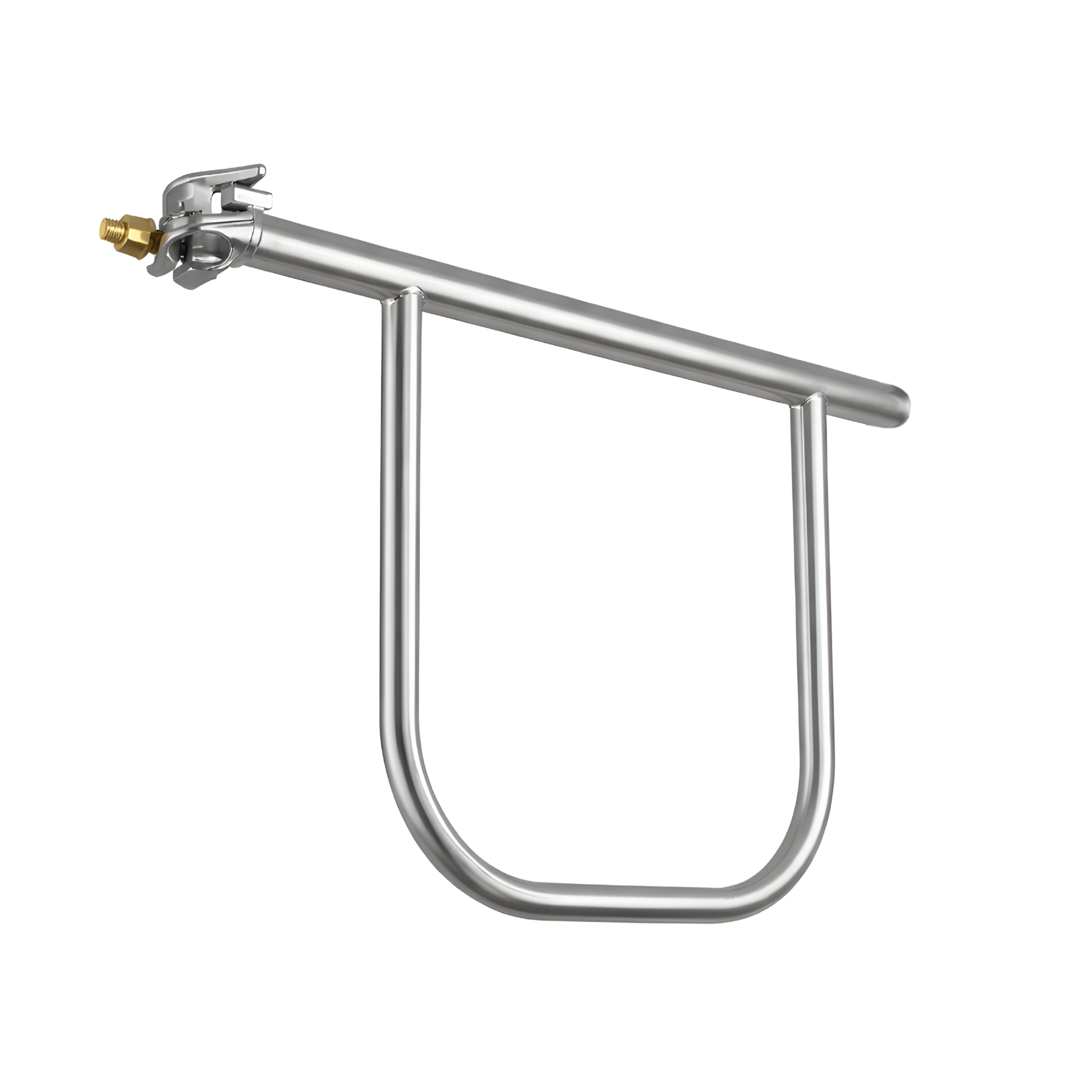
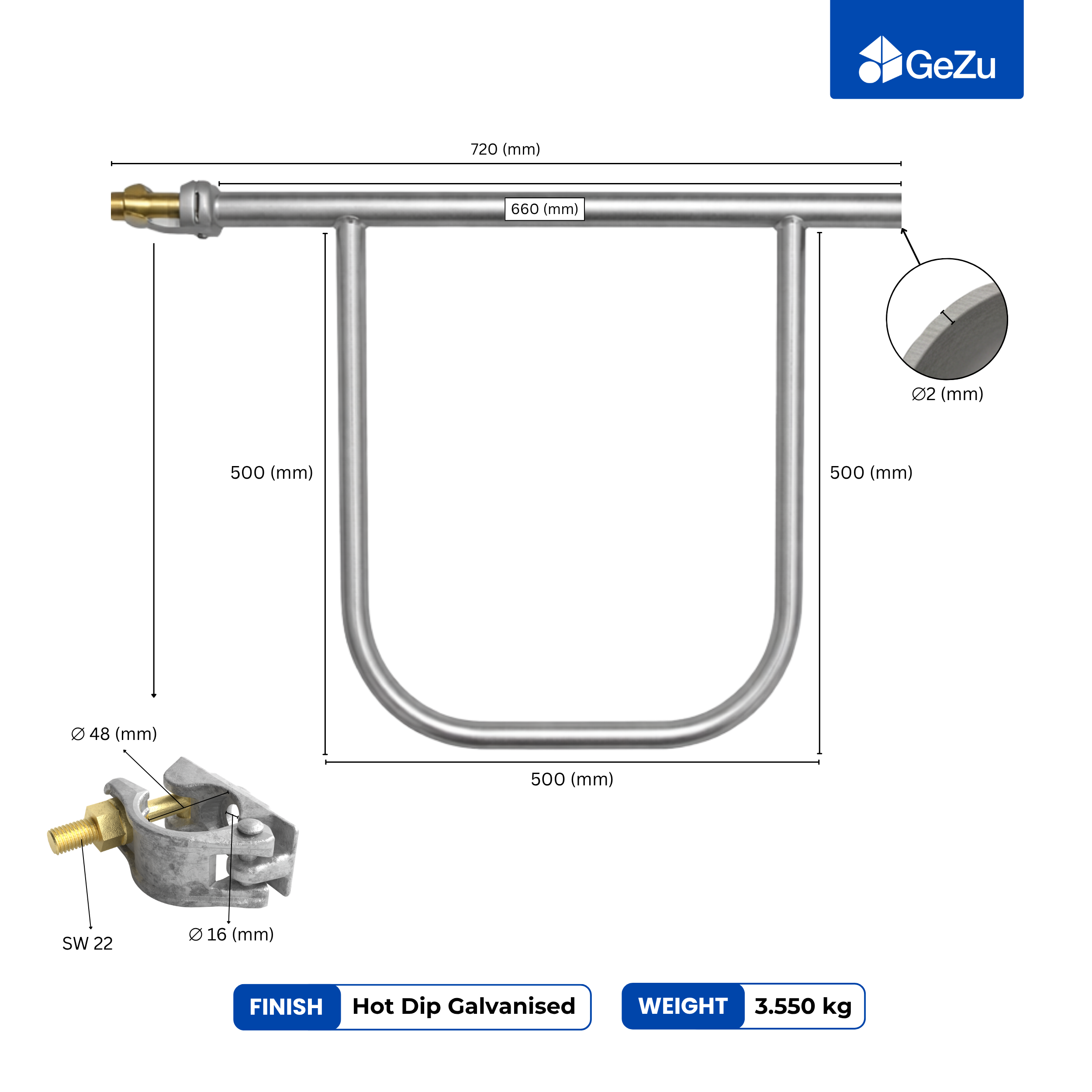
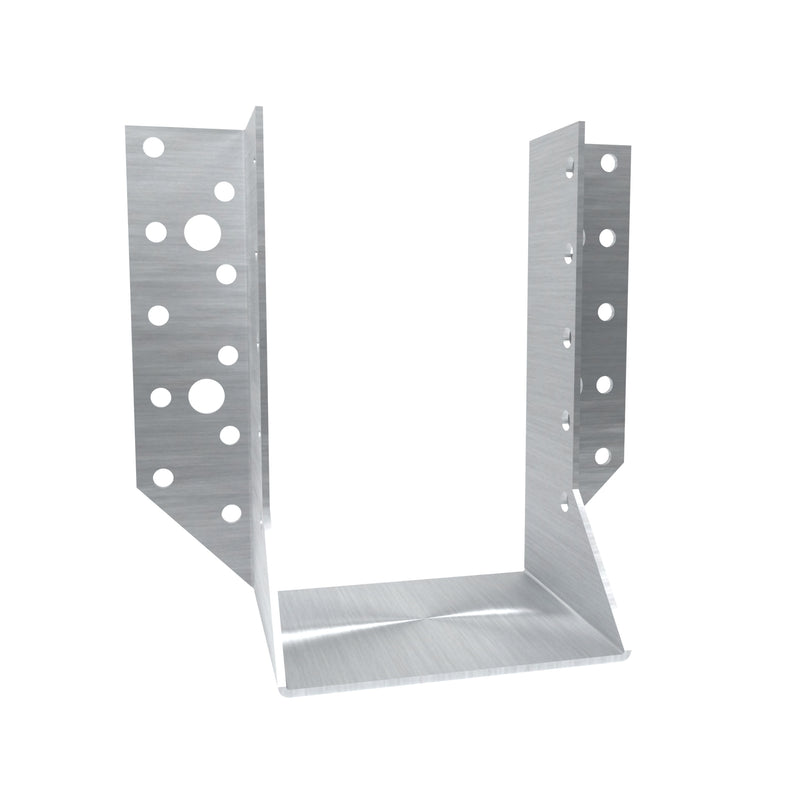
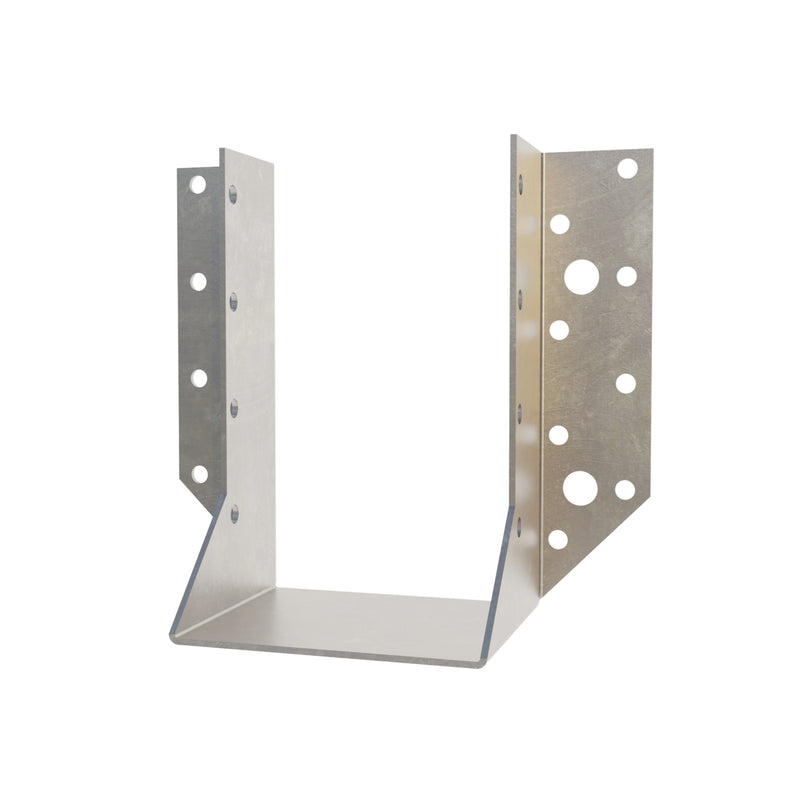
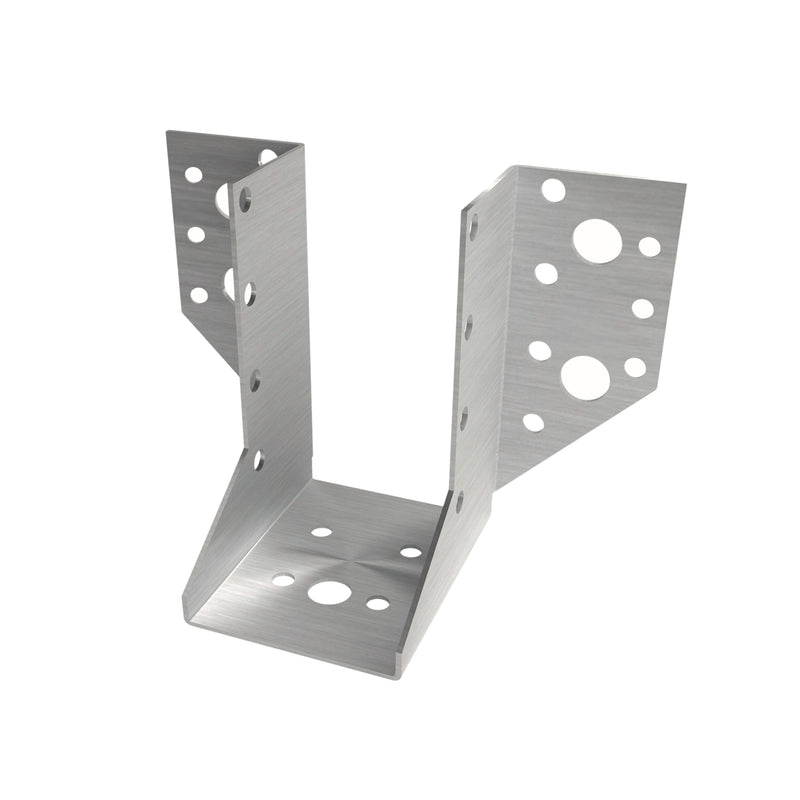
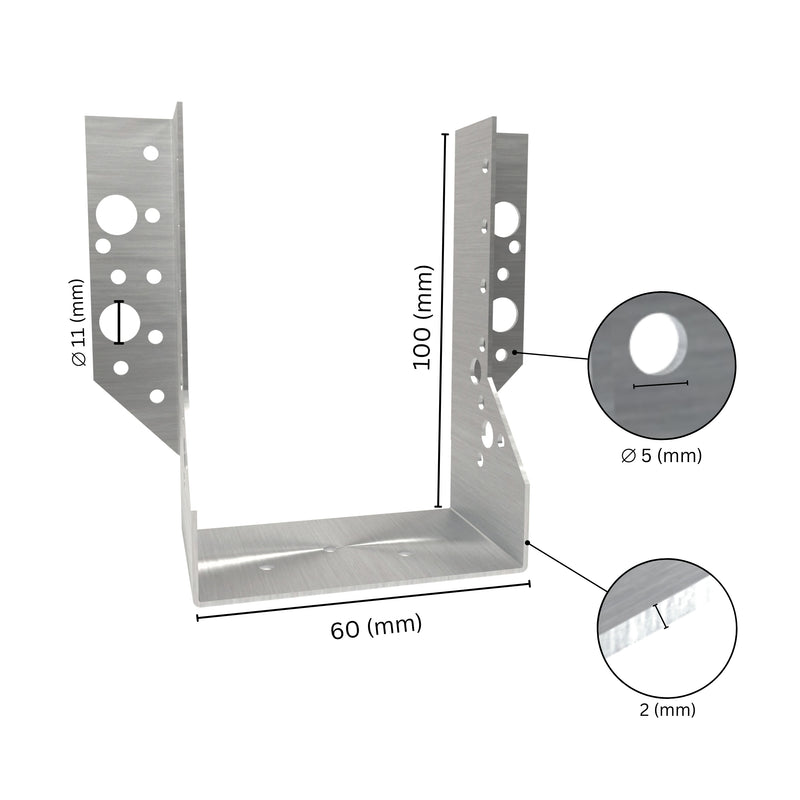
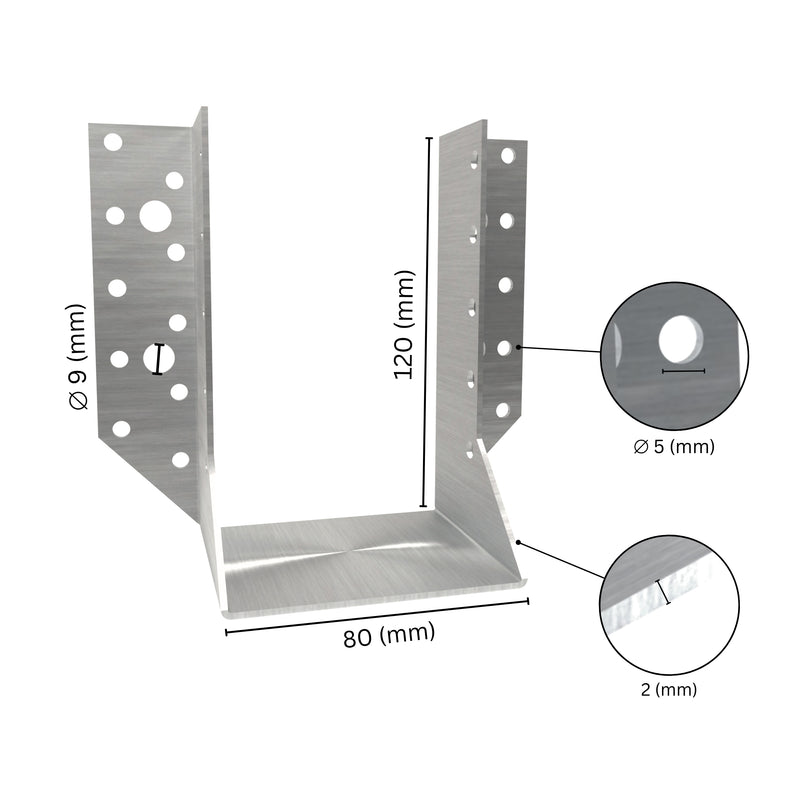
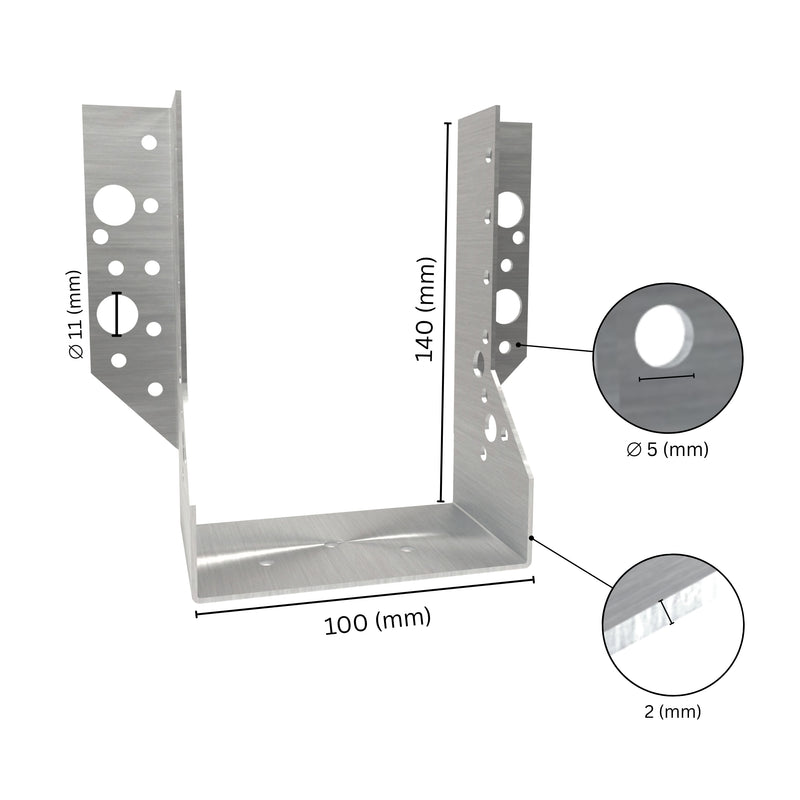
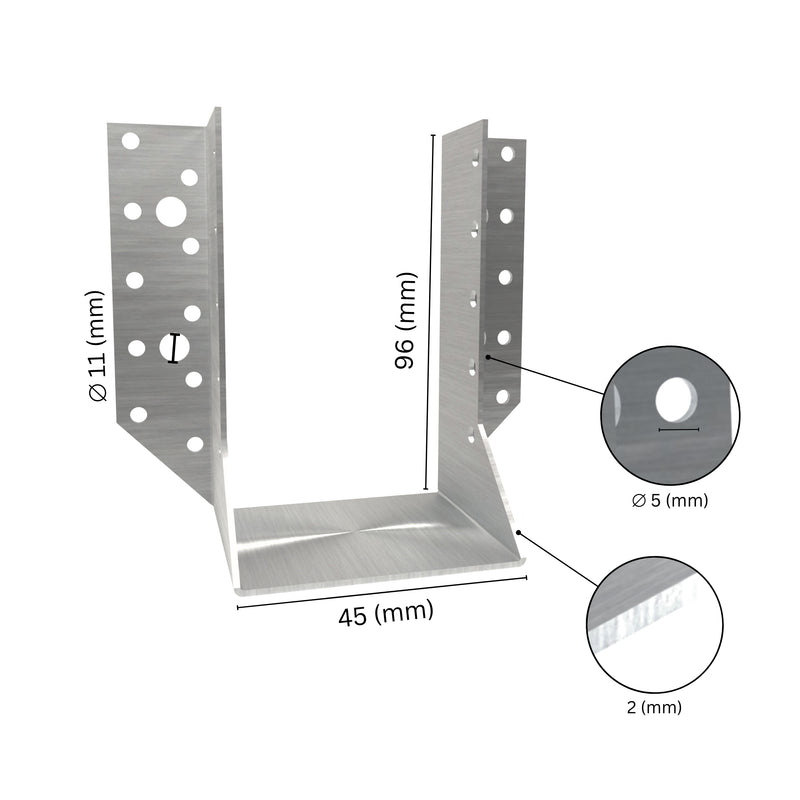
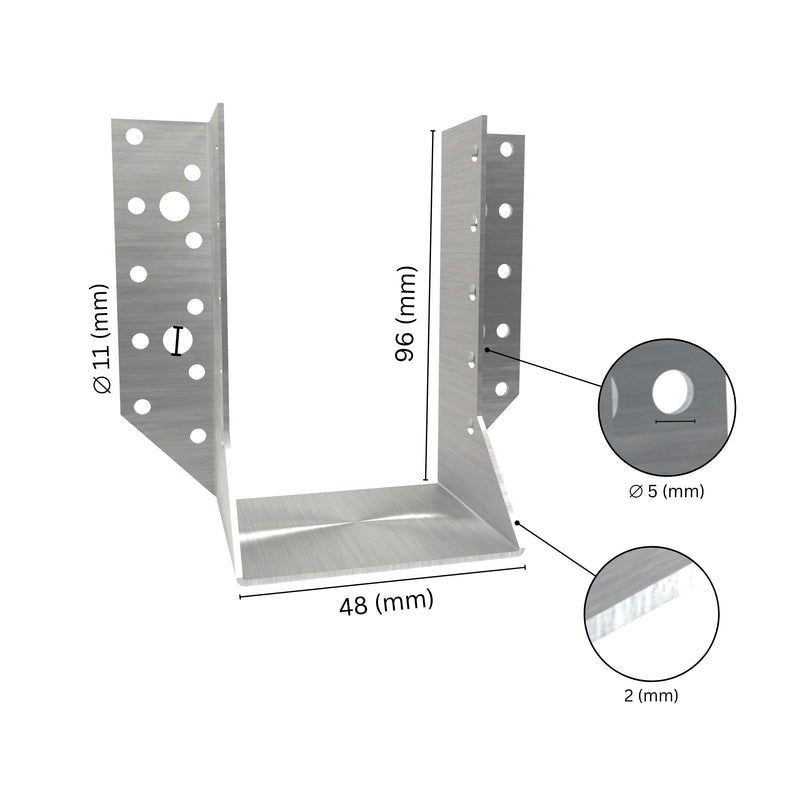
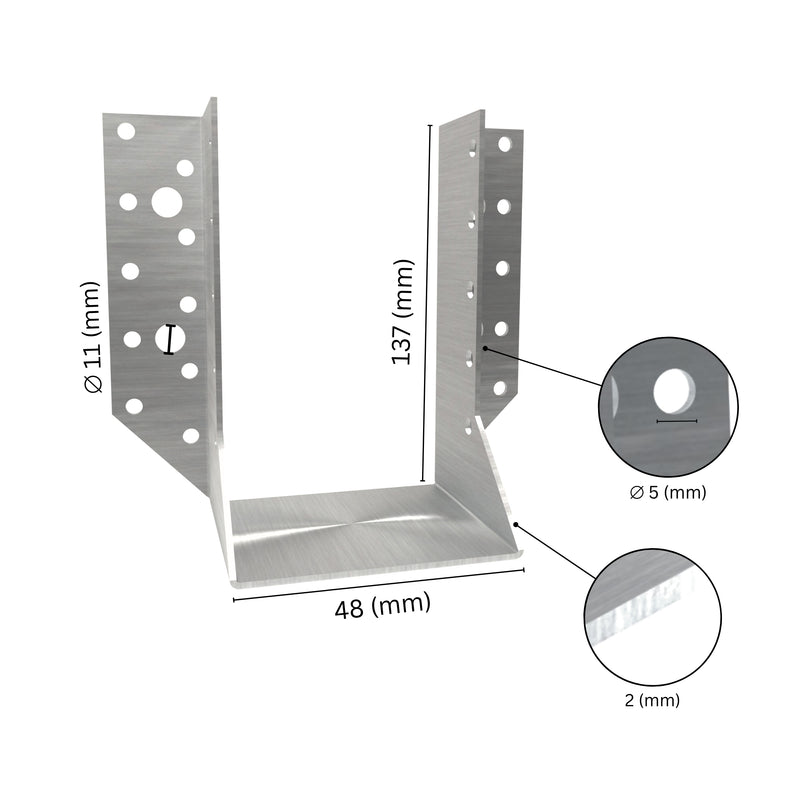
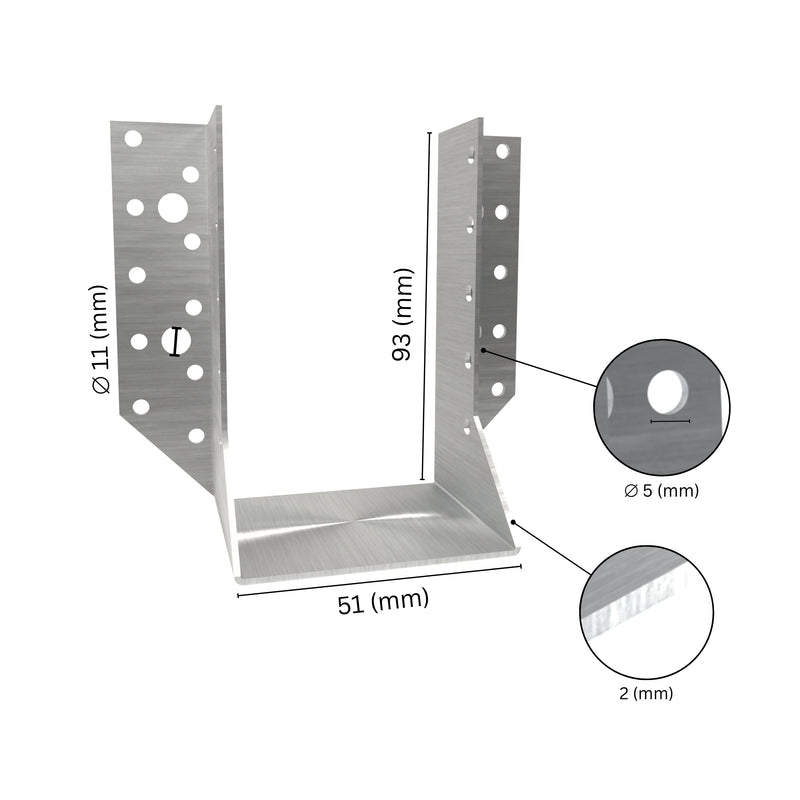
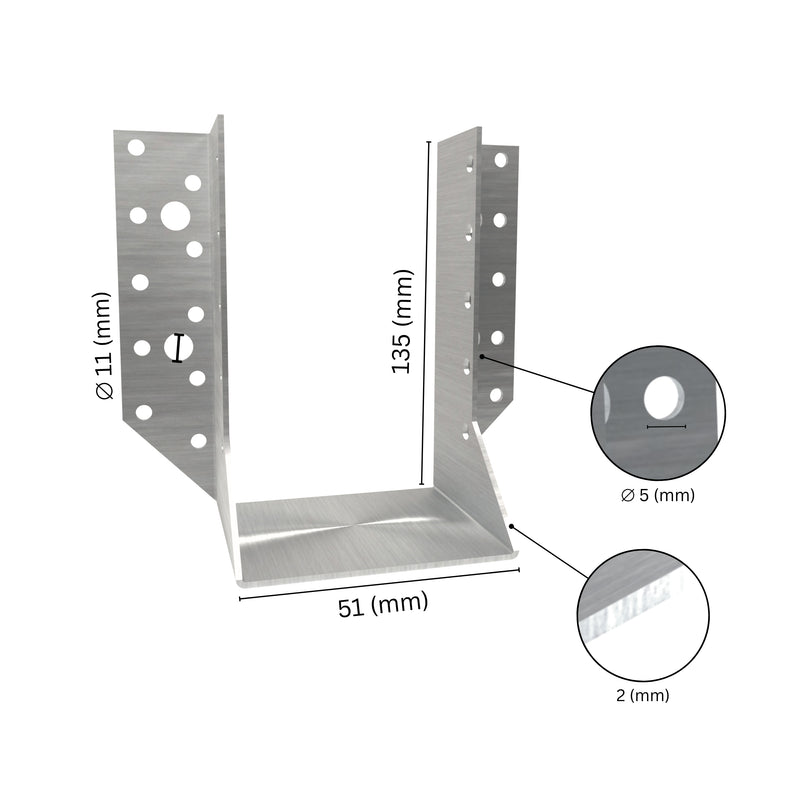
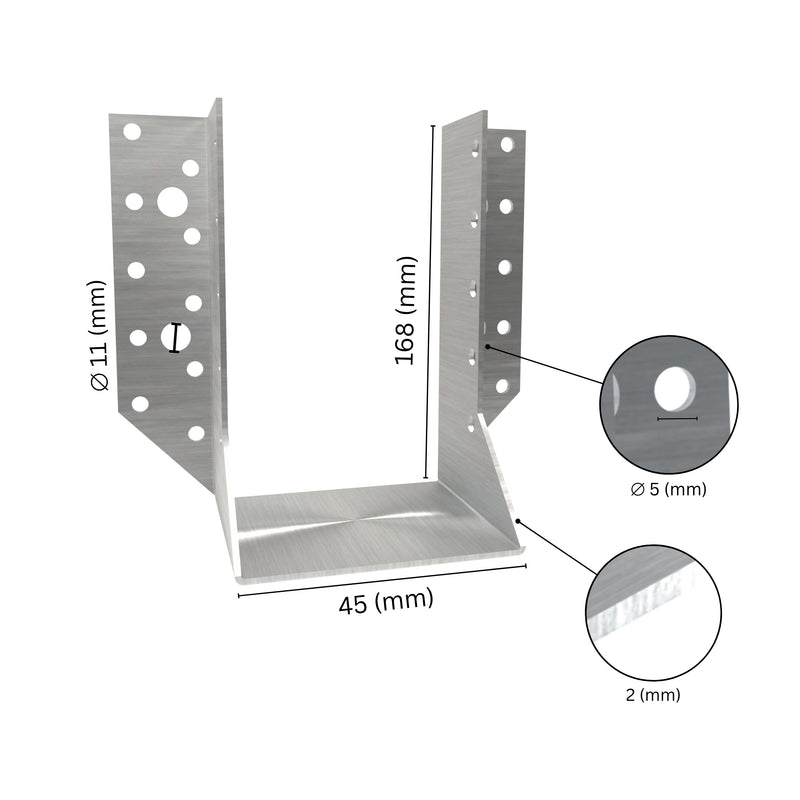
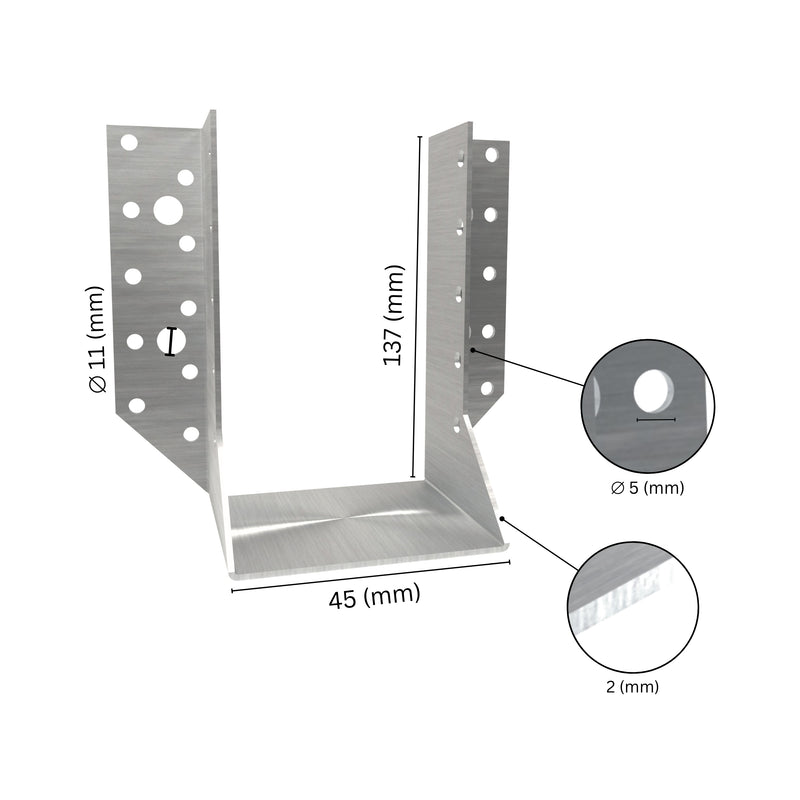
- Matching U shaped fence post brackets for gravel boards and gates then share the same stock.
- Keep one adjustable model on the van for the odd non-standard post.
Offer repairs, not just replacements
A leaning post does not always mean a new fence. Repair supports are a fast, high-margin add-on that keeps the customer's fence line — and your schedule — intact.
- Check the post above ground first: sound timber above a rotten foot takes a repair spur.
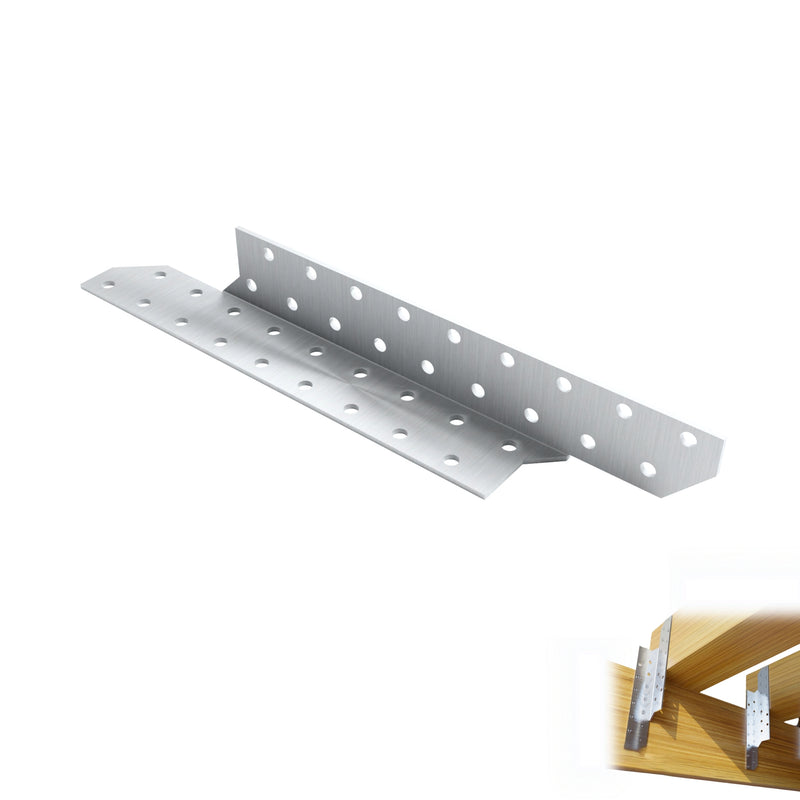
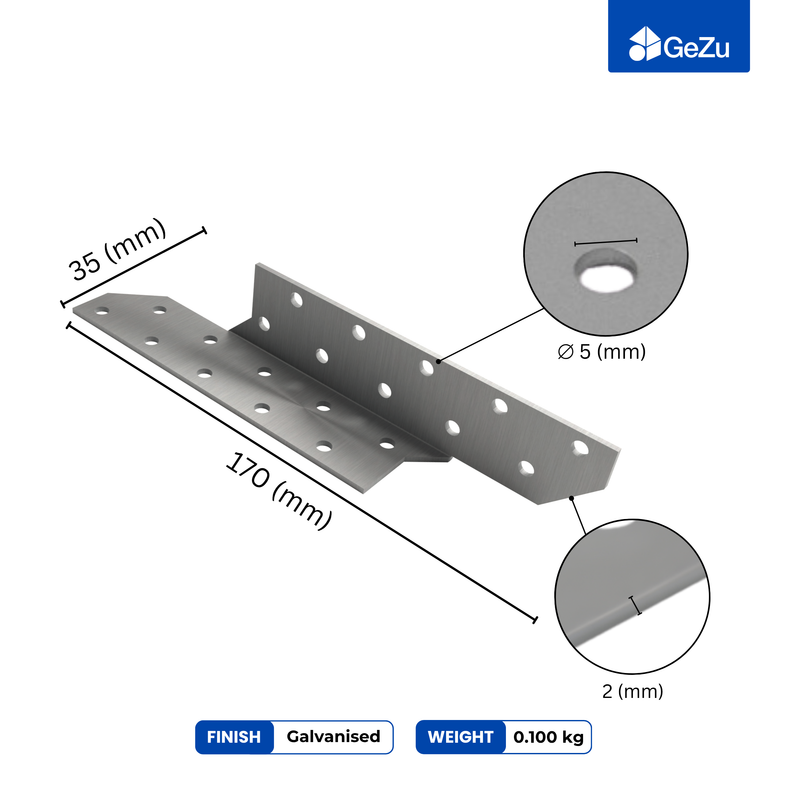
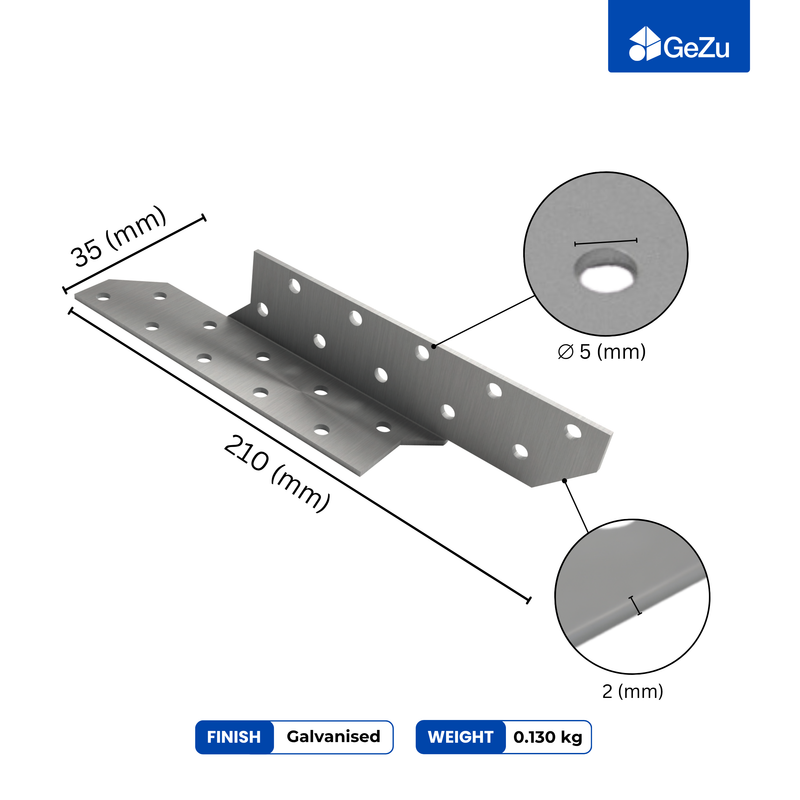
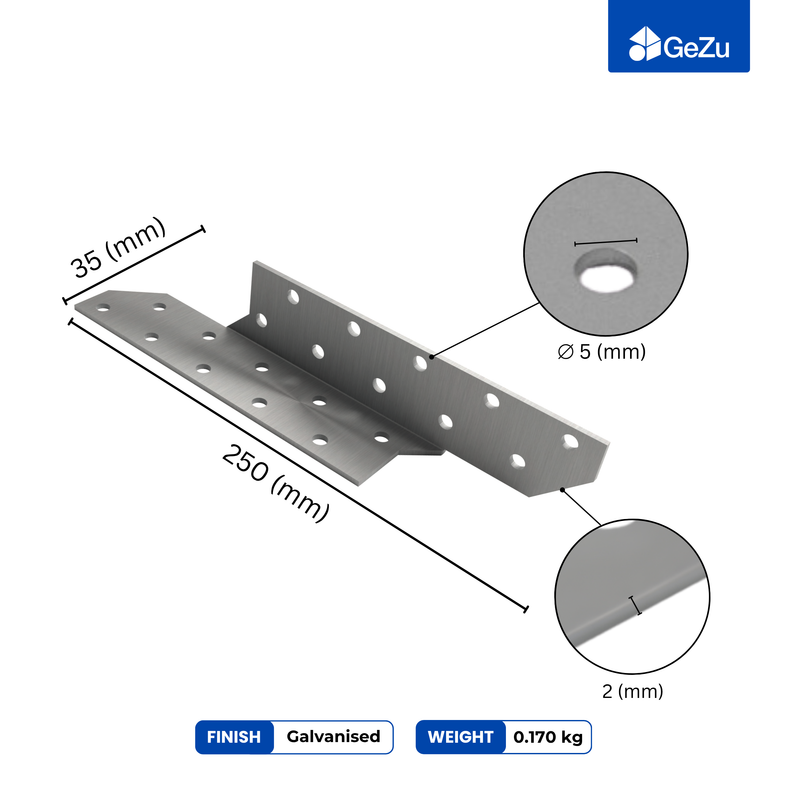
- Our guide to fence post repair brackets for leaning posts ranks the options.
- Quote repair versus replacement honestly; a customer saved once calls you back for the next fence.
Common mistakes fencing contractors make
- Fitting supports without checking cup size. A 90 mm post rattling in a 100 mm cup moves in every gust.
- Skipping the driving block. A hammer-spread rim lets water sit on the spike.
- Bolting adjustable bases to cracked slabs. The slab, not the support, becomes the weak point.
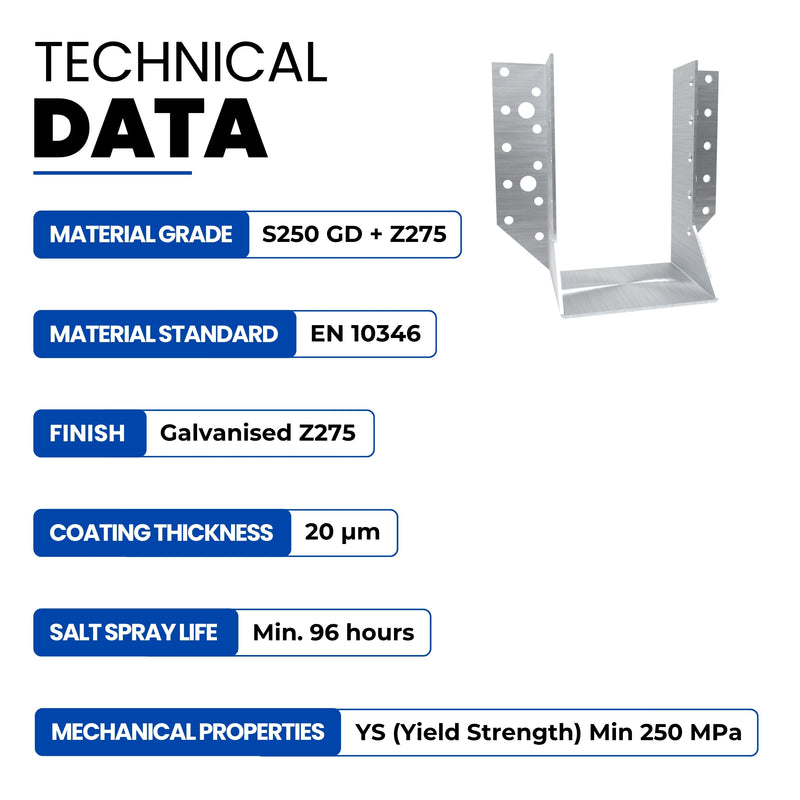
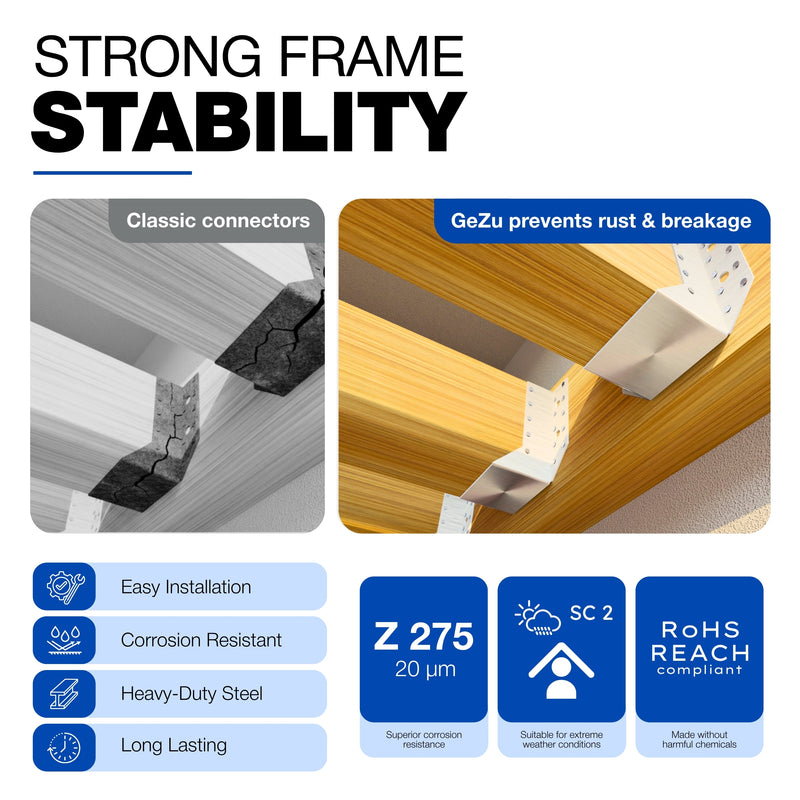
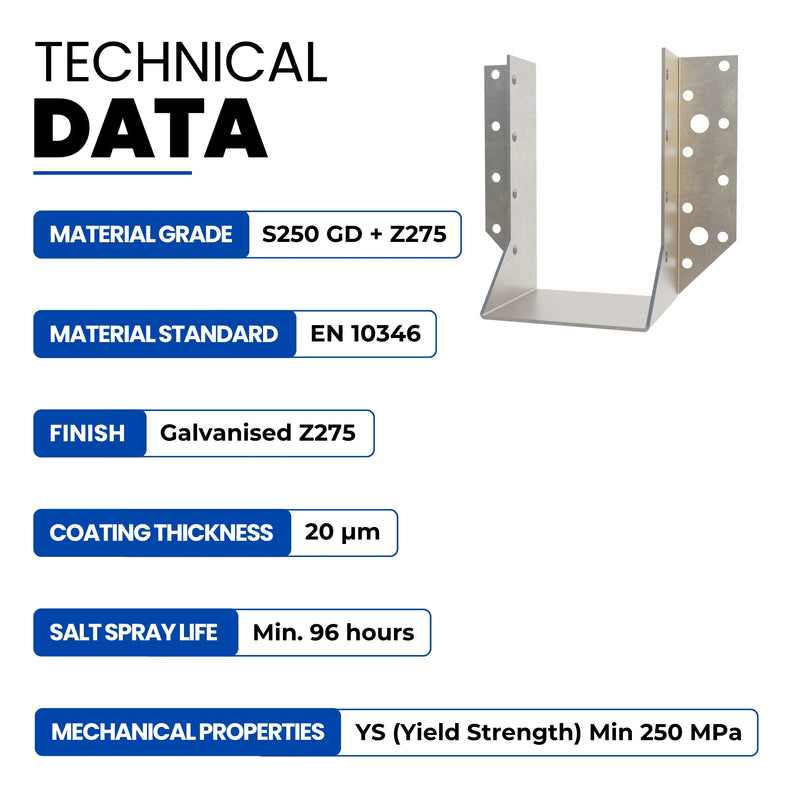
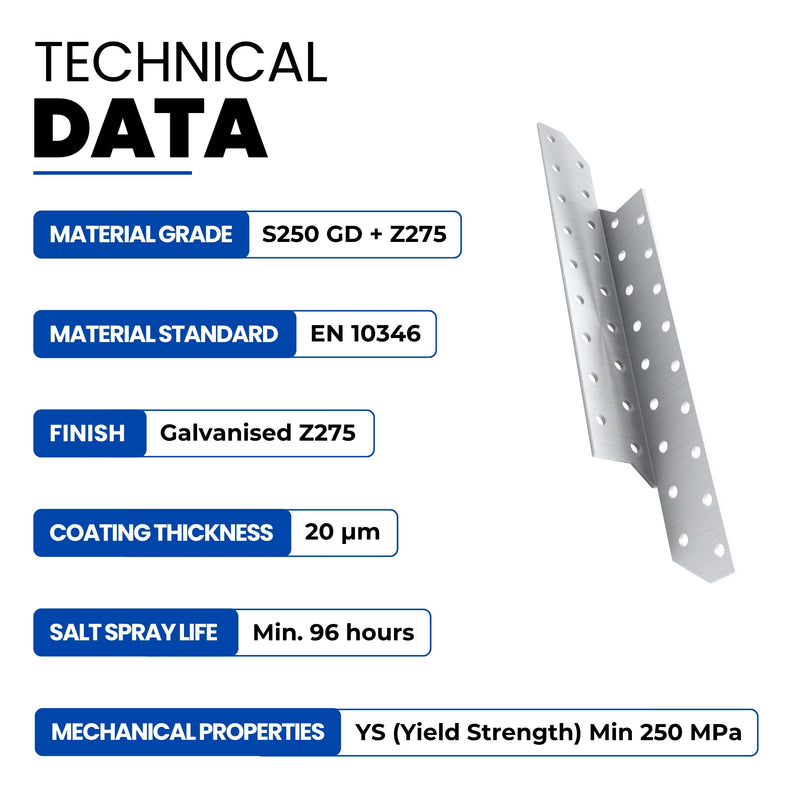
- Ignoring coating type. Hot-dip galvanising carries a far thicker, longer-lasting layer than electro-galvanising — it matters at ground level.
- Dropping the string line on short runs. A three-post run set by eye still shows its dog-leg from the pavement.
Stock post supports that fit the van
Drive-in spikes, adjustable bolt-down bases and concrete-in anchors, galvanised and ready to fit.
FAQ
What post supports do fencing contractors use in 2026?
In 2026 the standard kit is drive-in spikes for soft ground, bolt-down adjustable bases for paving and concrete, and concrete-in anchors for loose or made-up ground.
Are drive-in fence post spikes strong enough for boundary fencing?
Yes, for typical garden and boundary fencing in firm ground. For tall runs, load-bearing gates or very soft soil, bolt-down or concrete-in supports hold better.
How deep should a fence post be set?
Set at least one third of the post's above-ground height below grade — roughly 600 mm for a 1.8 m post — whatever support type you use.
Can adjustable post supports be fitted on paving?
Yes. Bolt-down adjustable bases are made for slabs and decking: fix them to the surface and use the height adjustment to level the post.
Is hot-dip galvanising better than electro-galvanising for post supports?
Yes. Hot-dip galvanising lays down a thicker coating that resists ground-level corrosion far longer than electro-galvanising, which matters for anything set into soil.
Can I repair a leaning fence post instead of replacing it?
Often, yes. If the timber above ground is sound, a driven repair spur braces the damaged foot without lifting the whole fence line.
One last thing
The cheapest support on a job is the one you never have to revisit. Contractors who fit a sealed-cup support with a real coating finish the year with fewer call-backs than those who fit the fastest one — the saving shows up in the schedule, not on the invoice.