Joist hangers to a code-compliant deck: 2026 workflow

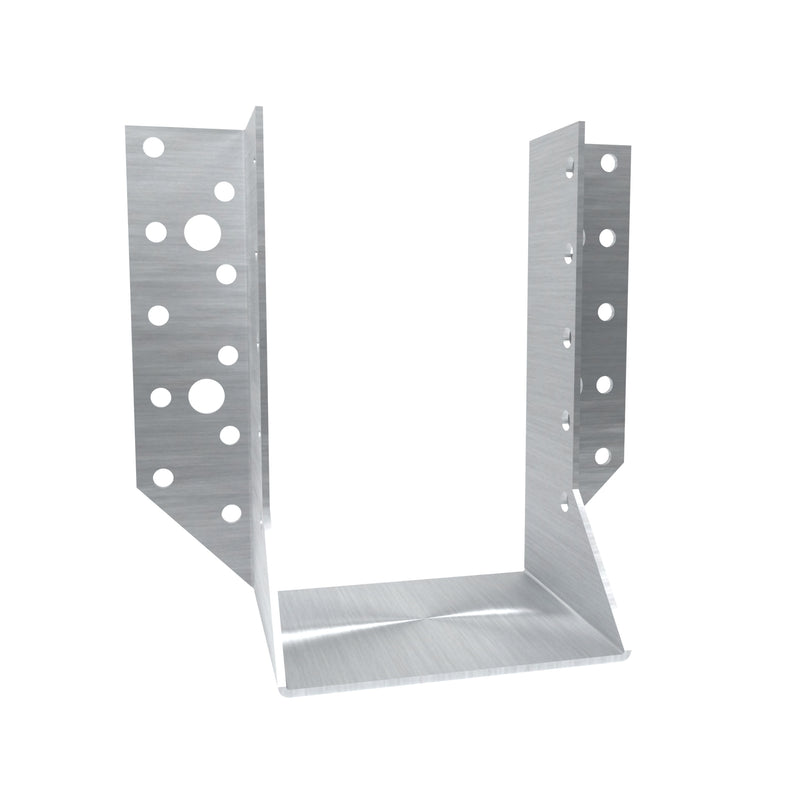
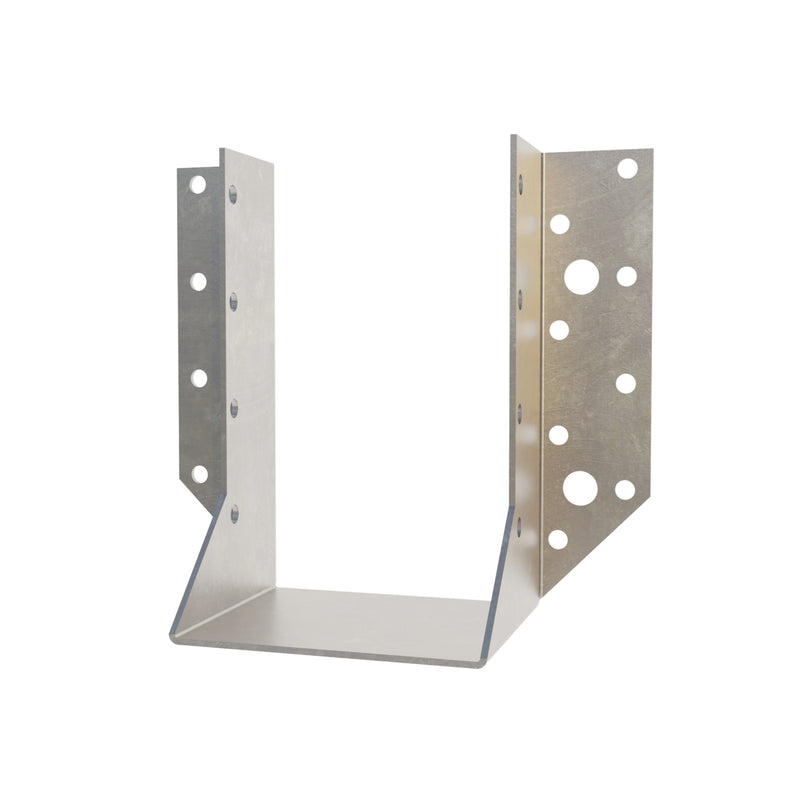
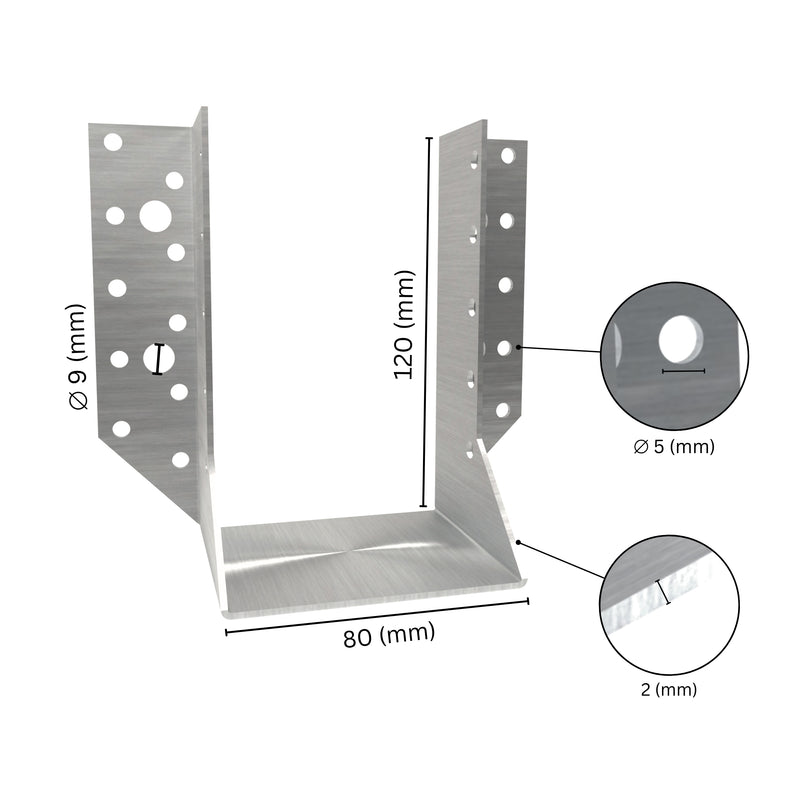
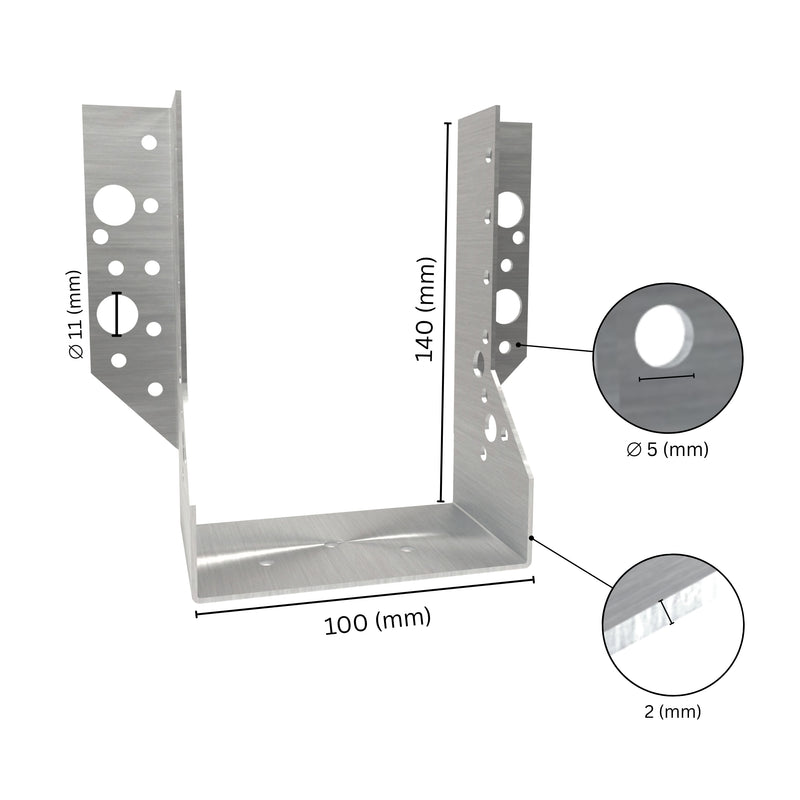
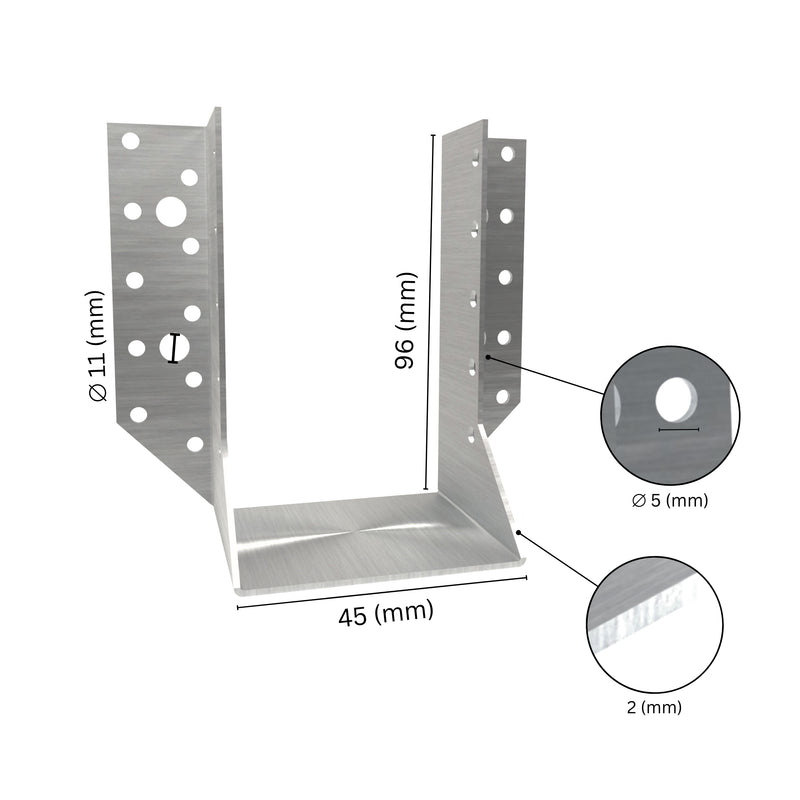
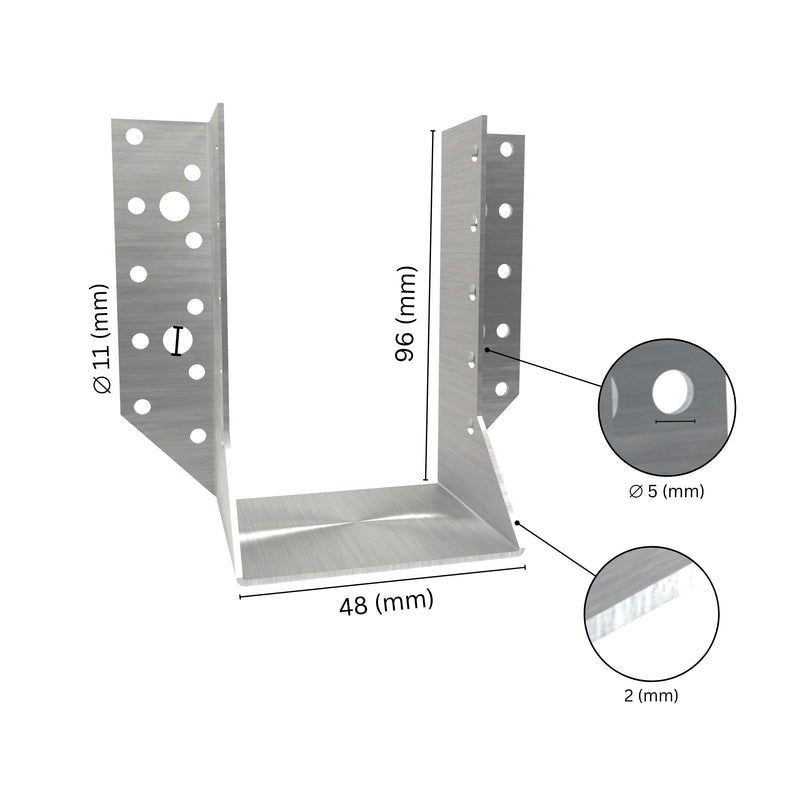
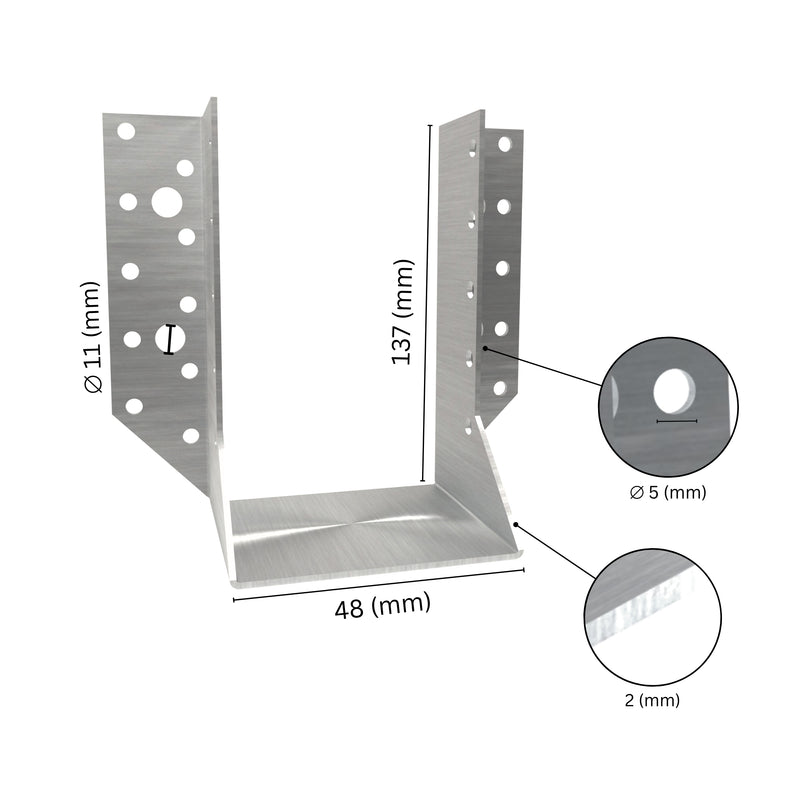
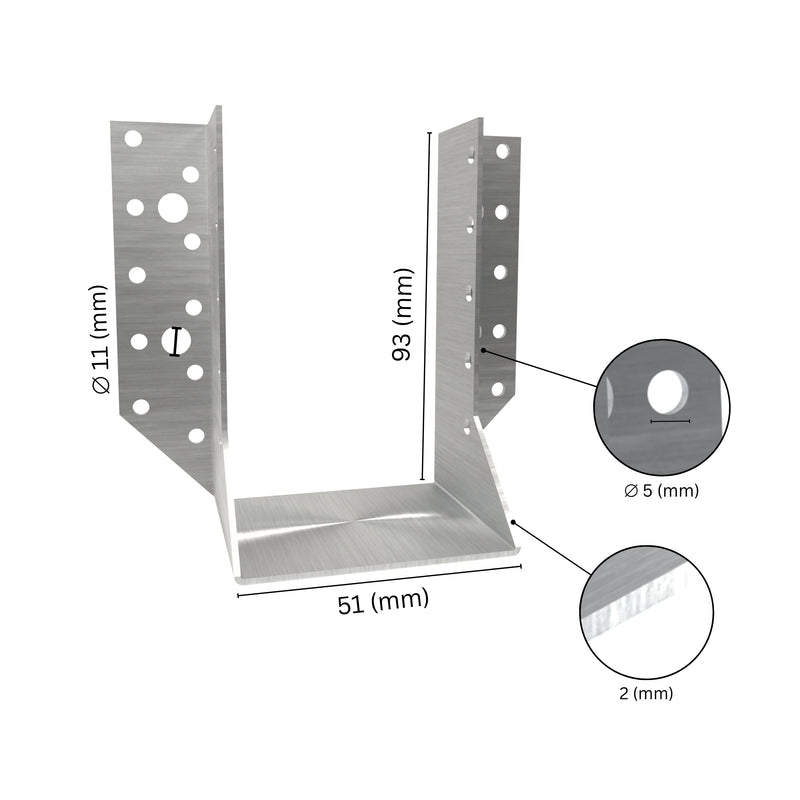
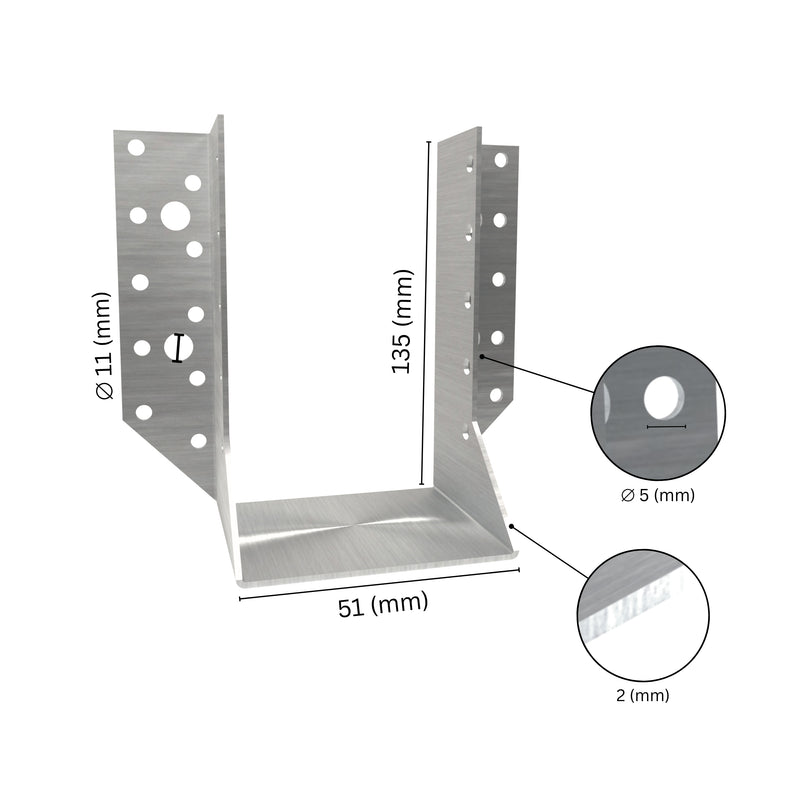
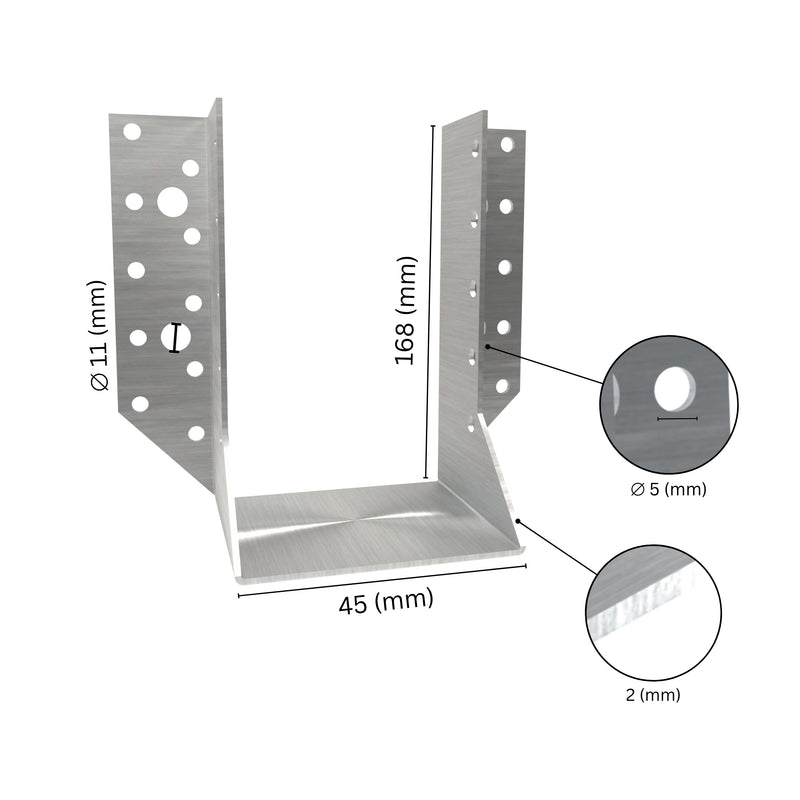
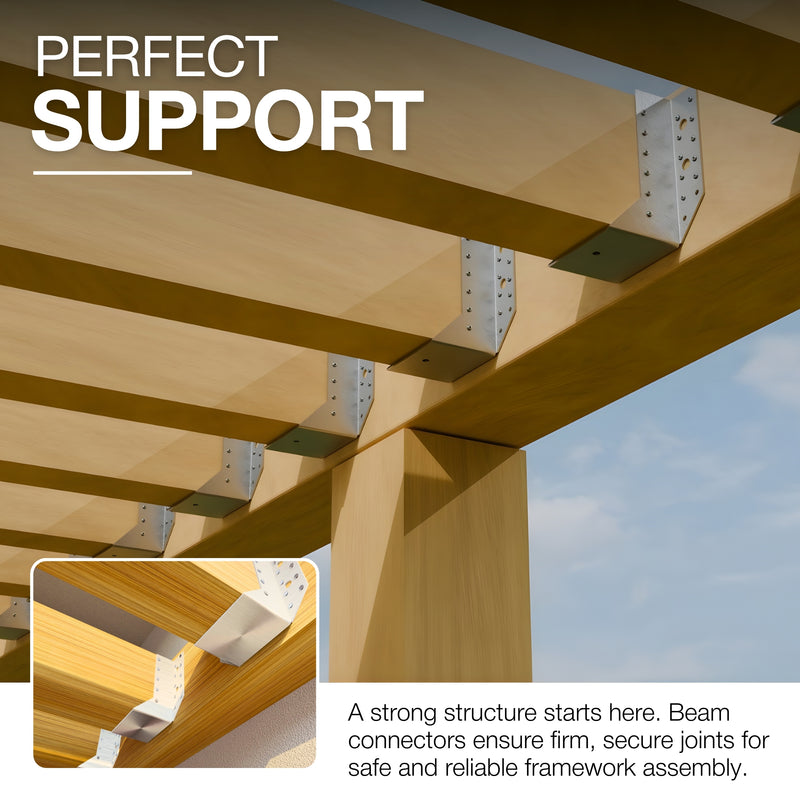
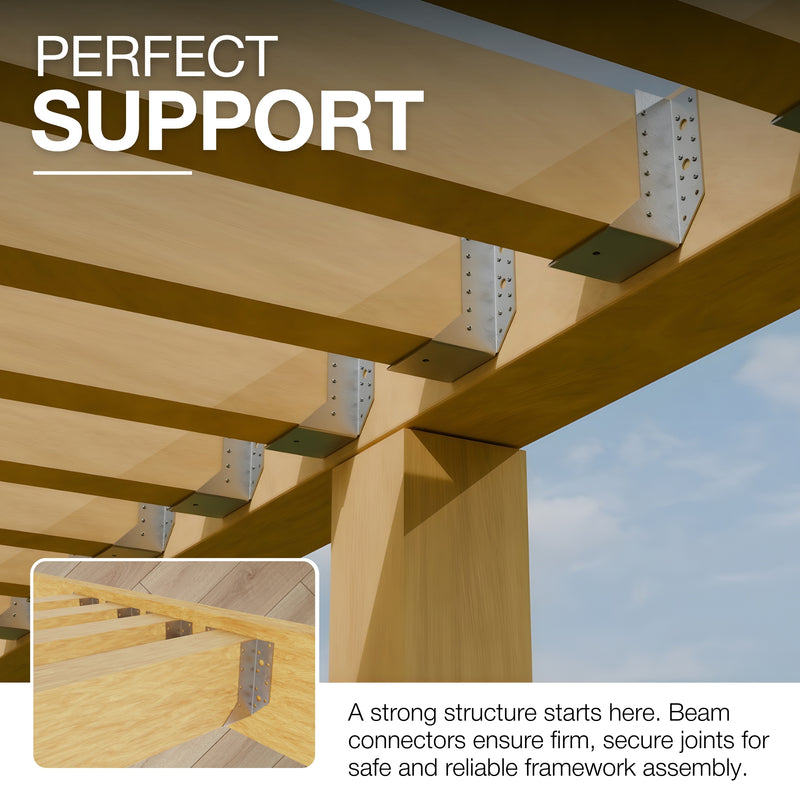
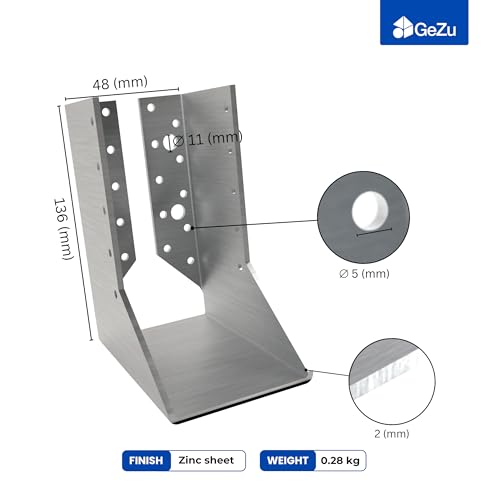
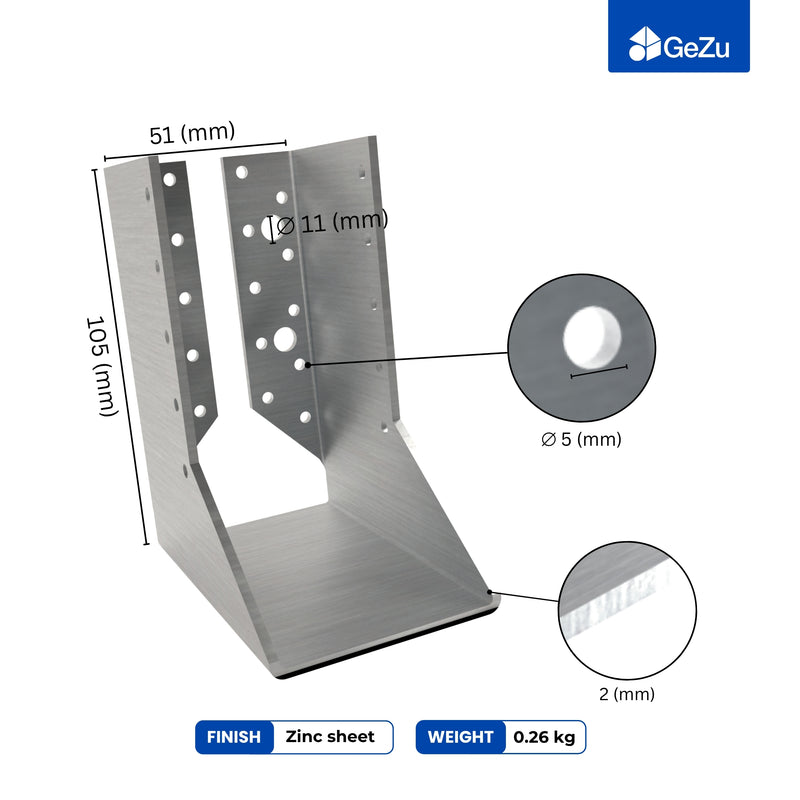
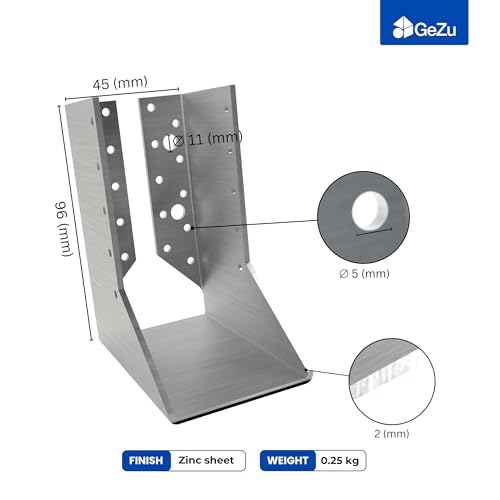
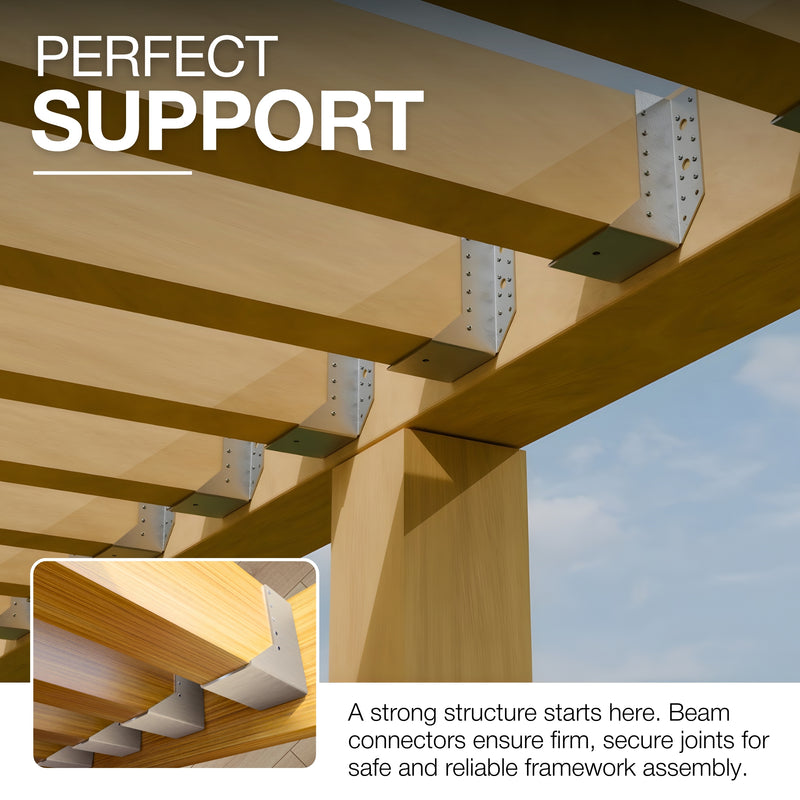
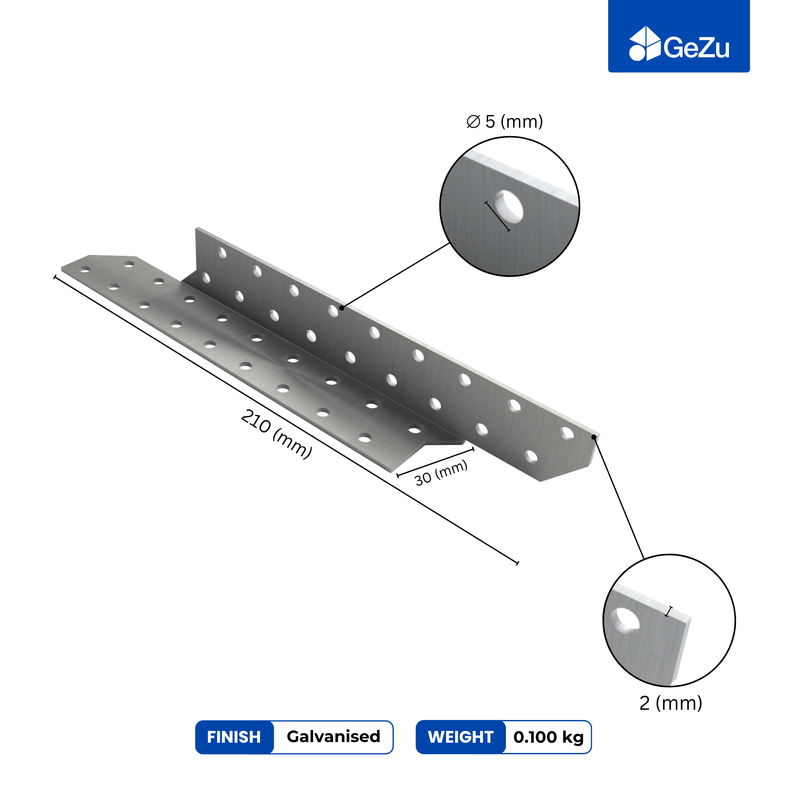
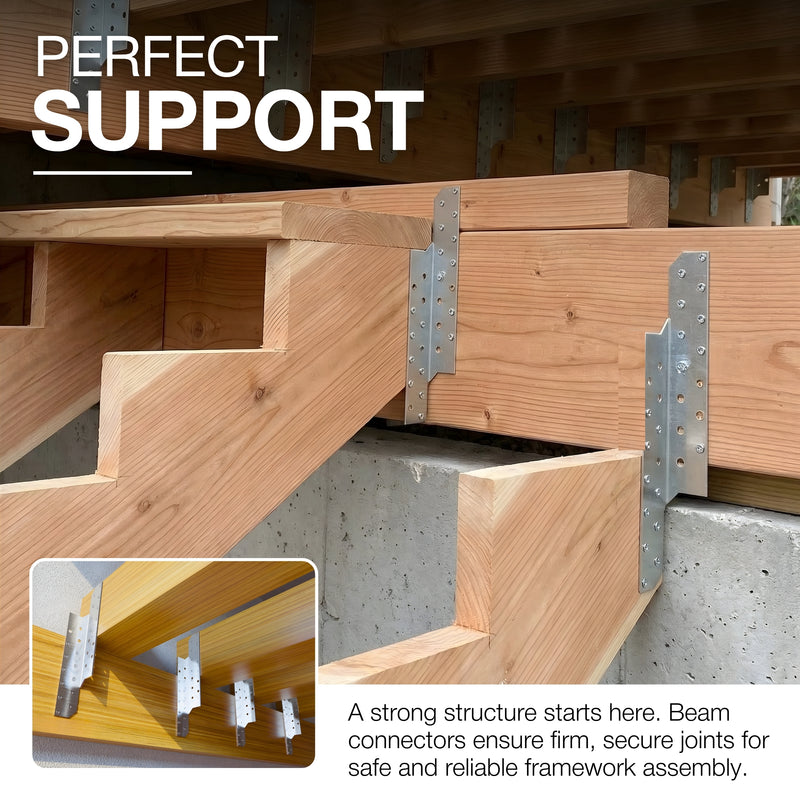
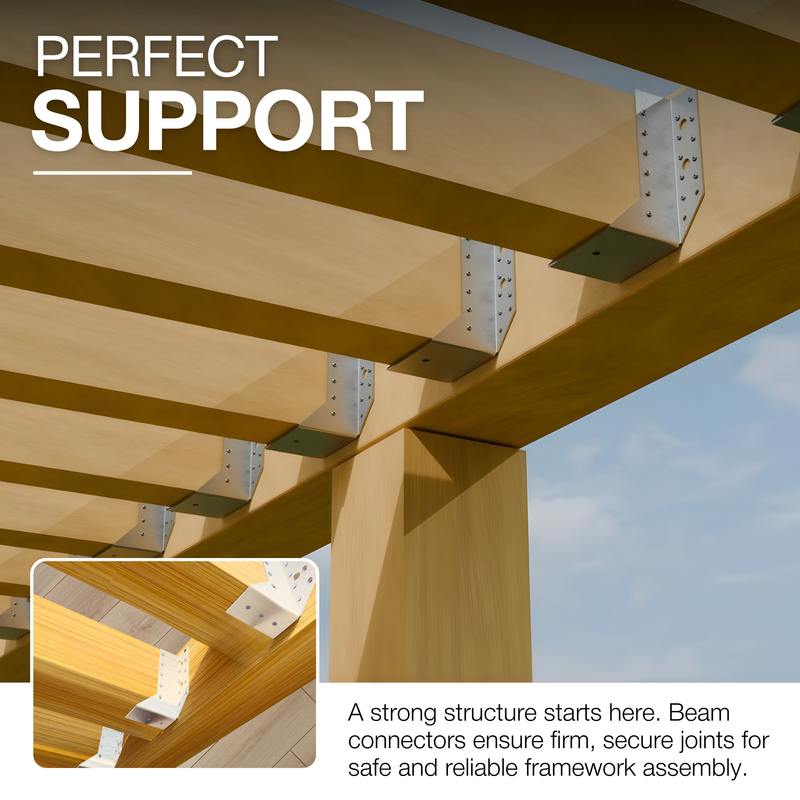
A deck frame fails at its connections, and the connection that decides everything is where each joist meets the ledger or beam. Toe-nailed joists work loose, split the timber and leave a floor that springs underfoot; a correctly fitted hanger carries the joist end on its steel web instead. Joist hangers make that joint code-compliant — fit a joist hanger beam shoe at every joist bearing, fill every hole with the specified fastener, and the frame passes inspection the first time.
- Joist hangers carry each joist end on steel, not on nails into end grain.
- Match the hanger width to the joist section — a loose hanger carries far less.
- Fill every hole with the structural fastener the hanger specifies.
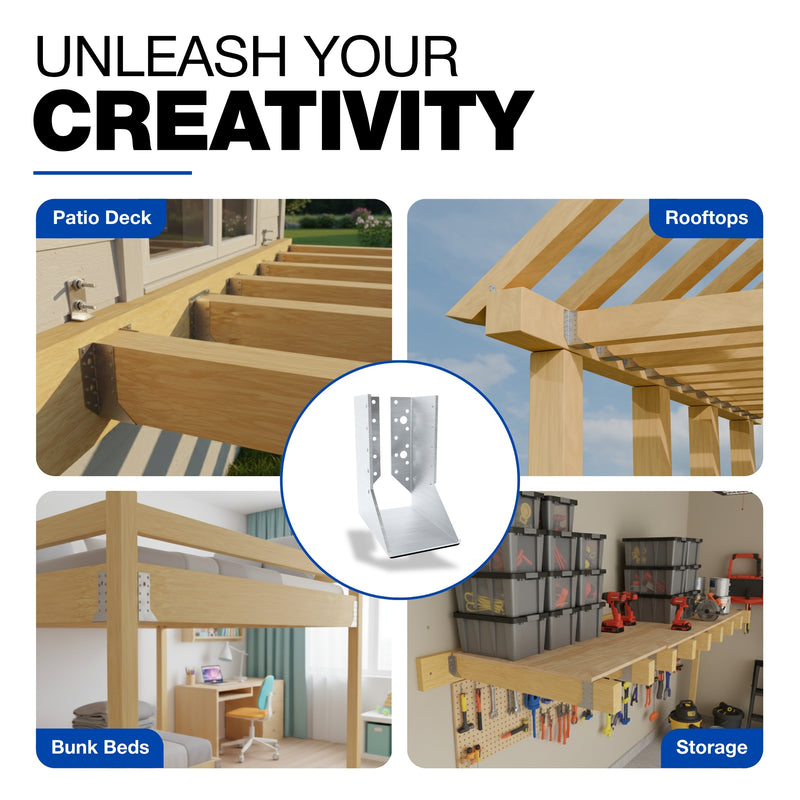
- Split joist hangers retrofit existing joists without dismantling the frame.
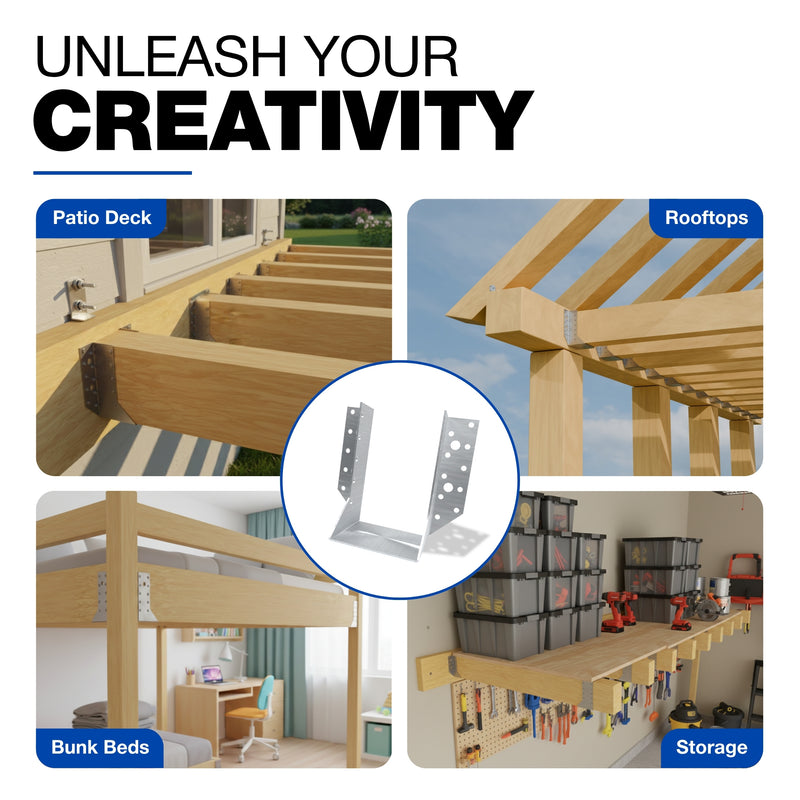
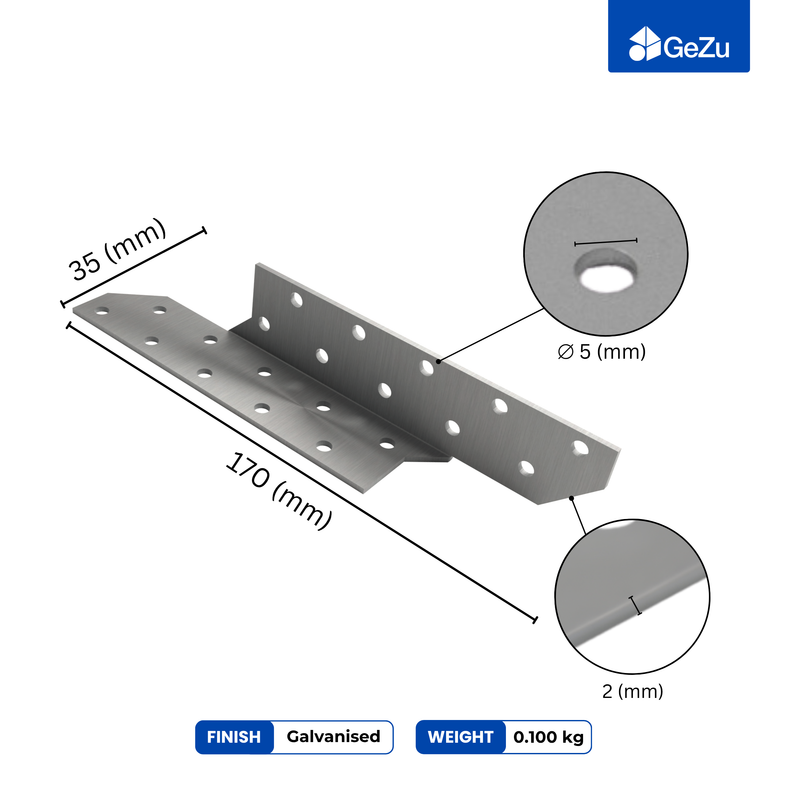
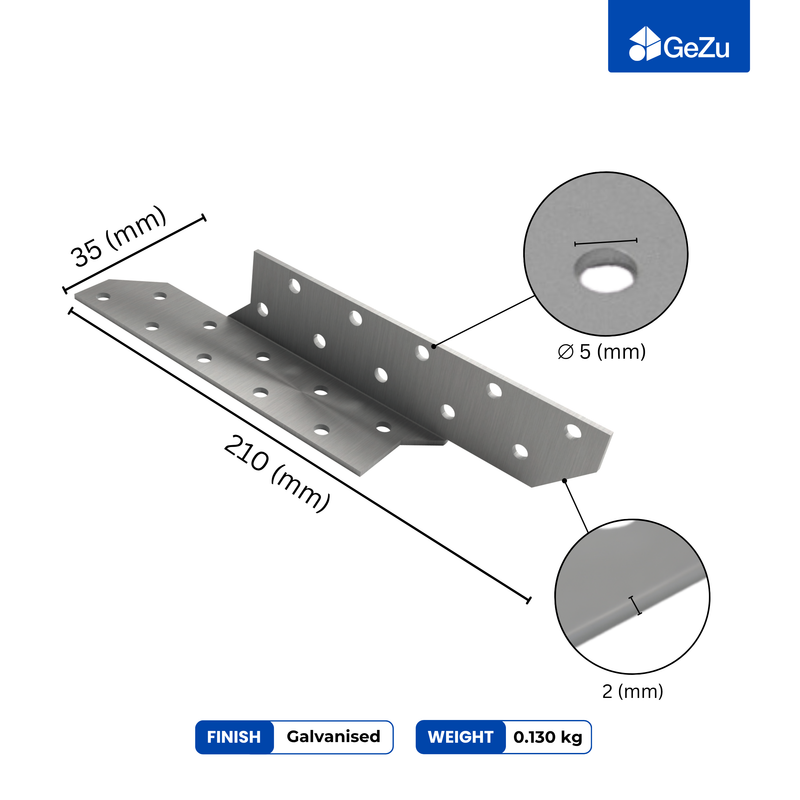
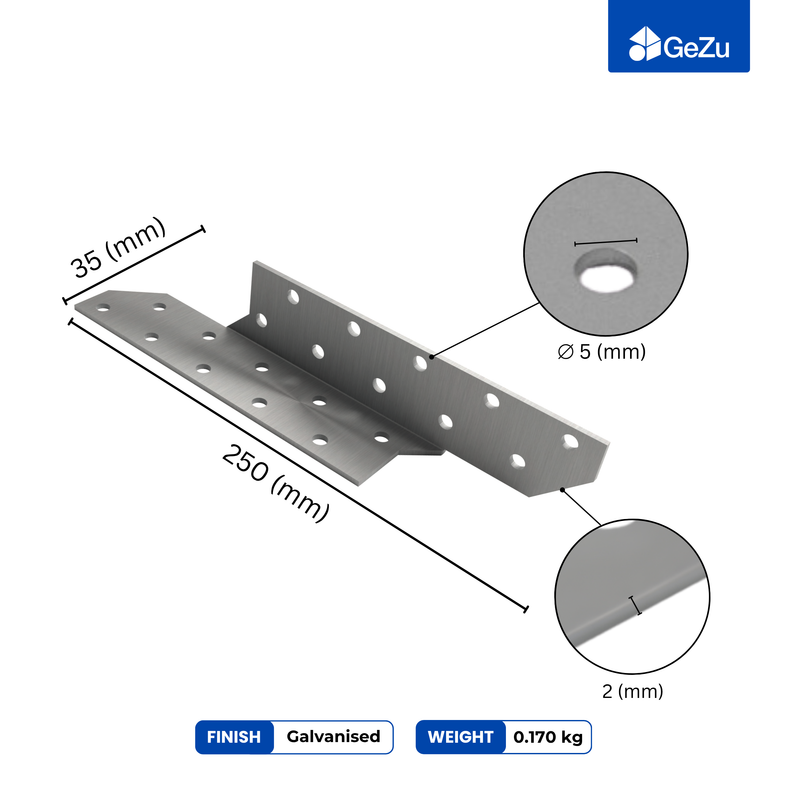
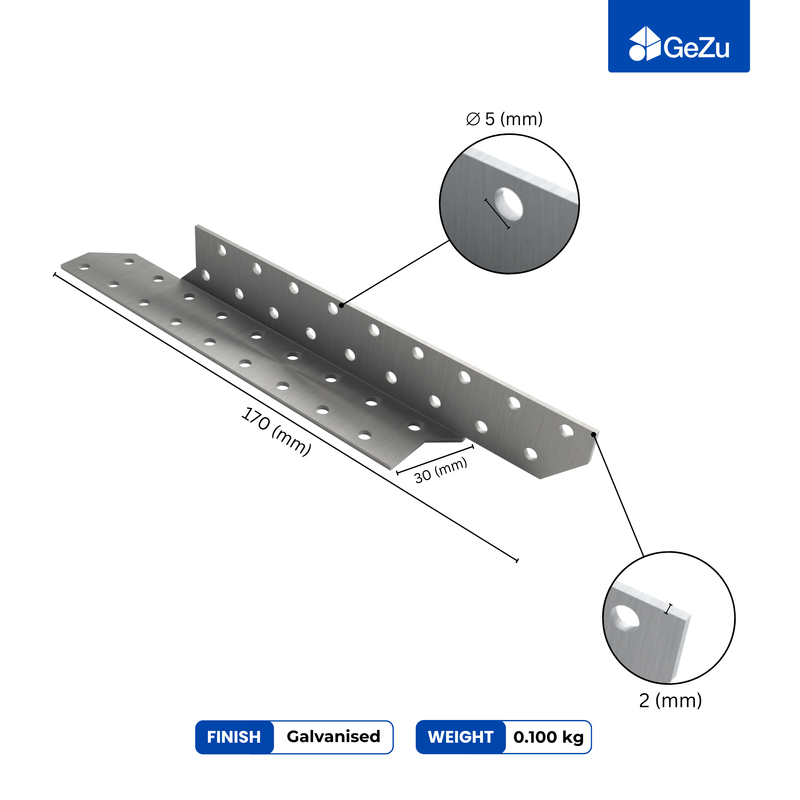
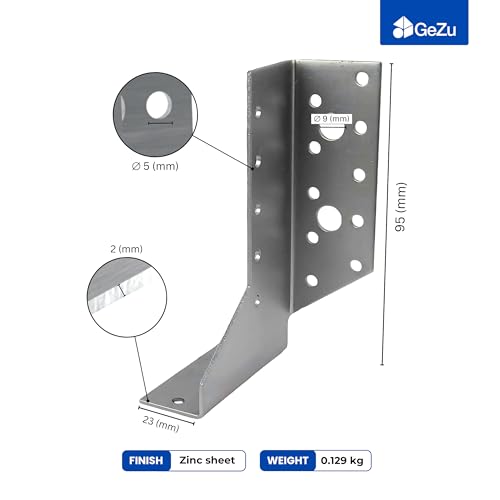
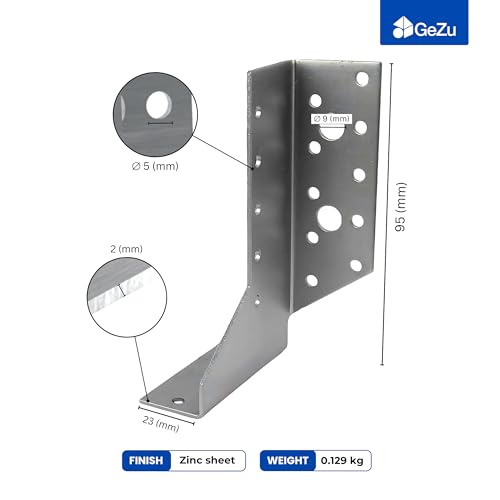
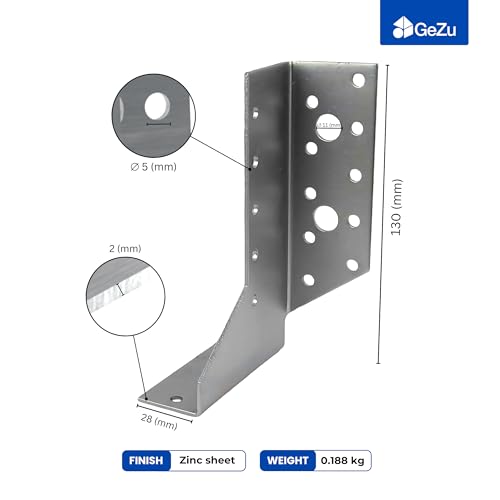
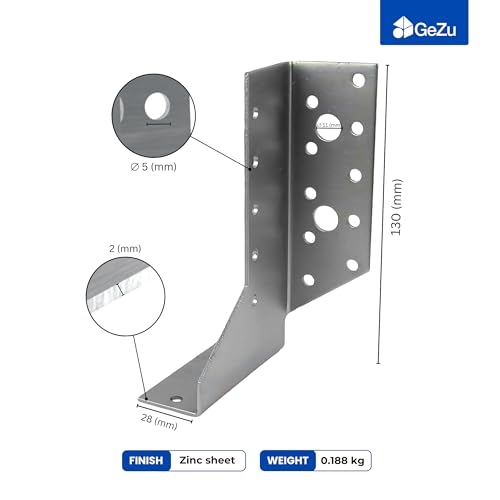
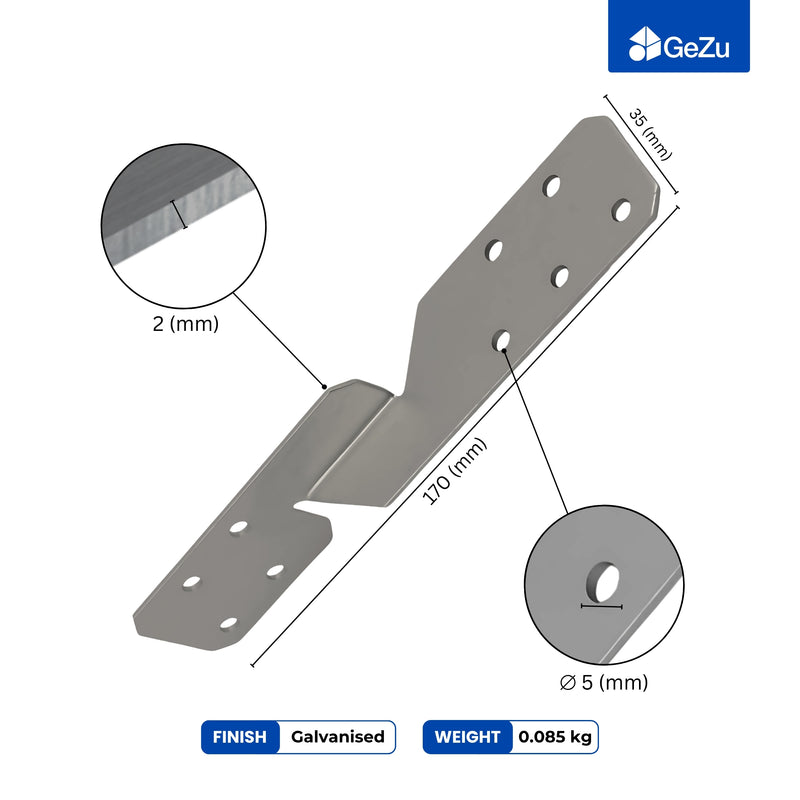
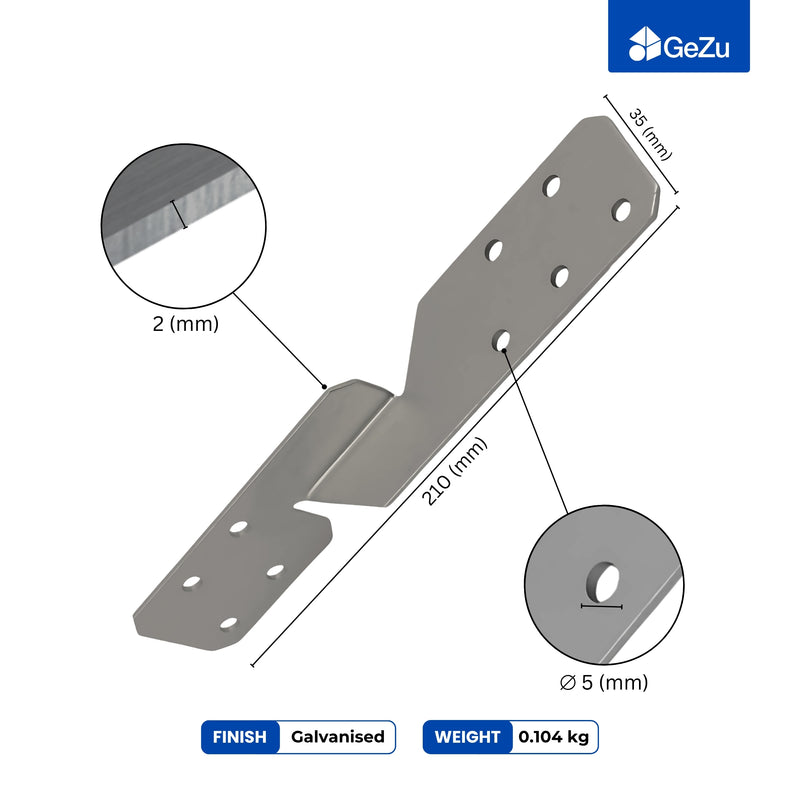
- GeZu Impex supplies beam shoes and adjustable joist hangers for decks.
Why the joist-to-ledger joint decides compliance
The hanger does two jobs a nail can never do: it holds the joist end up on a steel seat instead of on fasteners driven into end grain — the weakest grip in timber — and it keeps the joist from twisting as the frame dries. Building codes and manufacturer instructions agree on the essentials: a hanger matched to the joist section, fixed with the specified nail or bolt in every hole. GeZu Impex supplies these hangers for deck and floor work in 2026, alongside the post supports used on the same frames.
Before you start
- One hanger per joist bearing — split (adjustable) hangers are the retrofit answer, beam shoes for new frames.
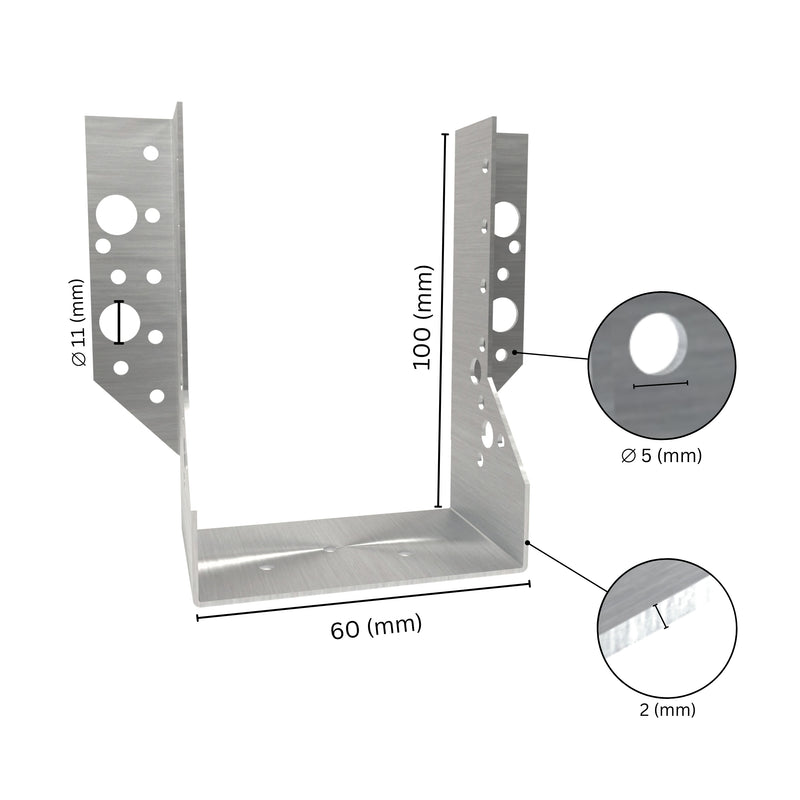
- Hangers sized to the joist: width and height matching the timber section.
- The specified structural nails or bolts — smooth-shingle or undersized fasteners are the usual failure.
- A level, string line and square for setting out.
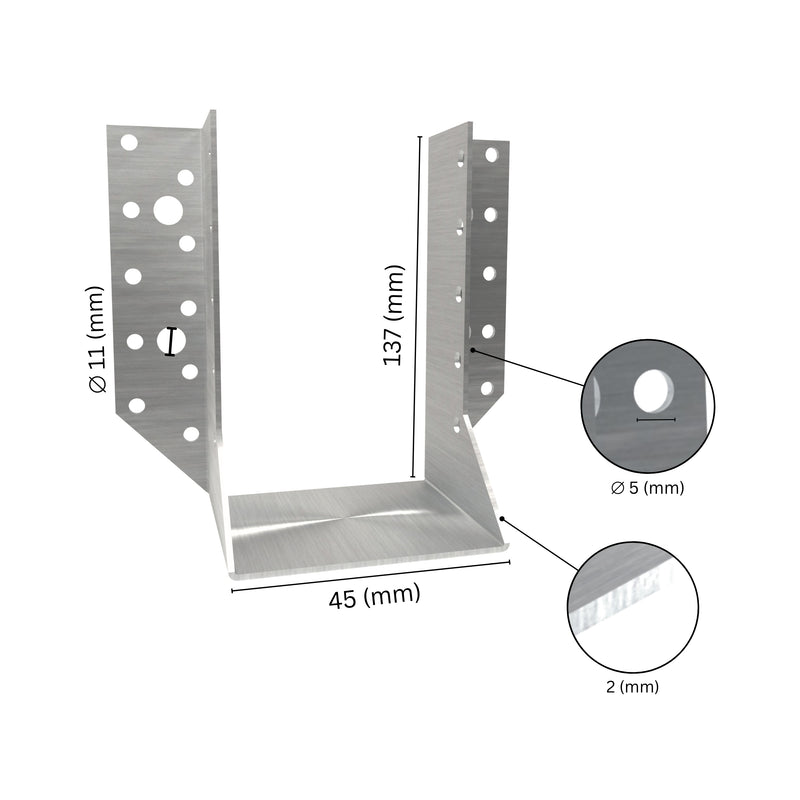
One gotcha saves the whole frame: the hanger must hold the joist close. A 45 mm hanger on a 47 mm joist, or a hanger not fully seated against its carrier, cuts the load capacity well below what the plate states — check the fit before fastening.
Setting out and marking the ledger
- Snap a level line along the ledger or beam at the joist top height.
- Mark each joist centre to the spacing the decking boards specify — 400 mm and 600 mm are the common grids.
- Check the marks against the decking layout, then square the outer marks to the frame edges.
Expected result: a level, marked line of joist positions, none outside the decking grid.
Fitting the hangers
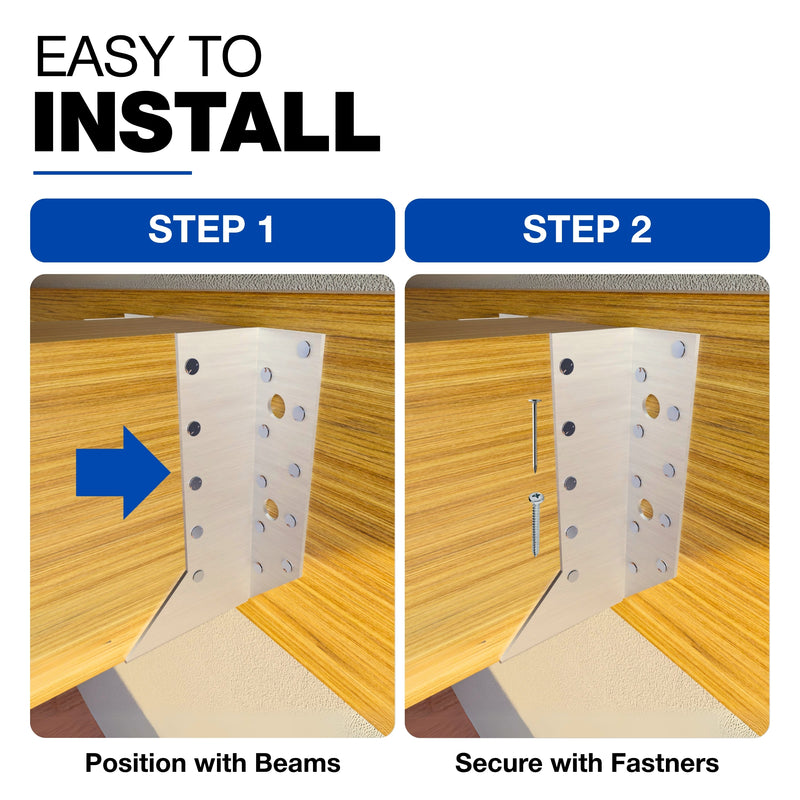
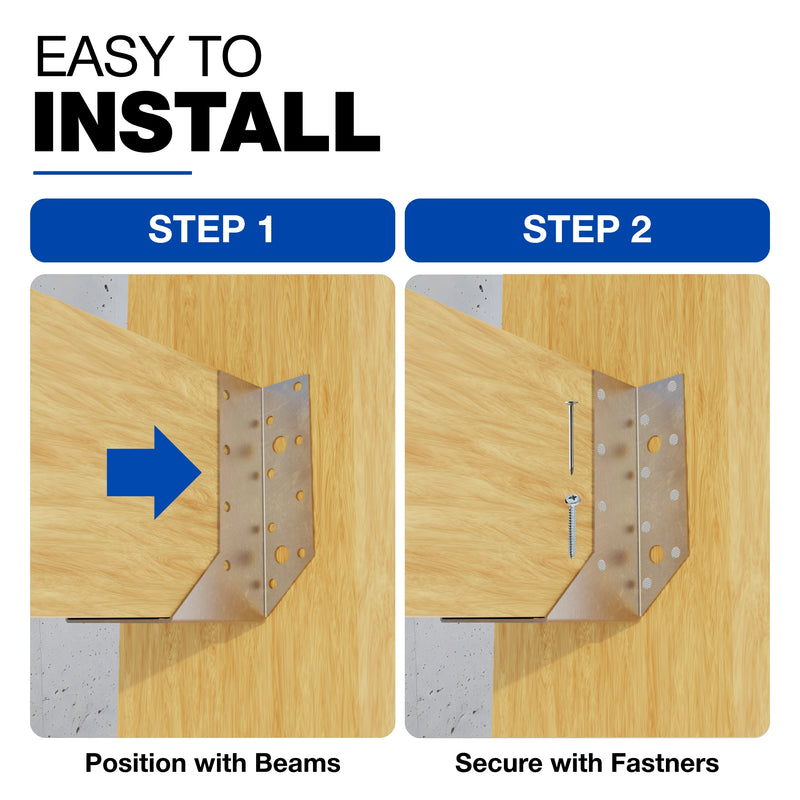
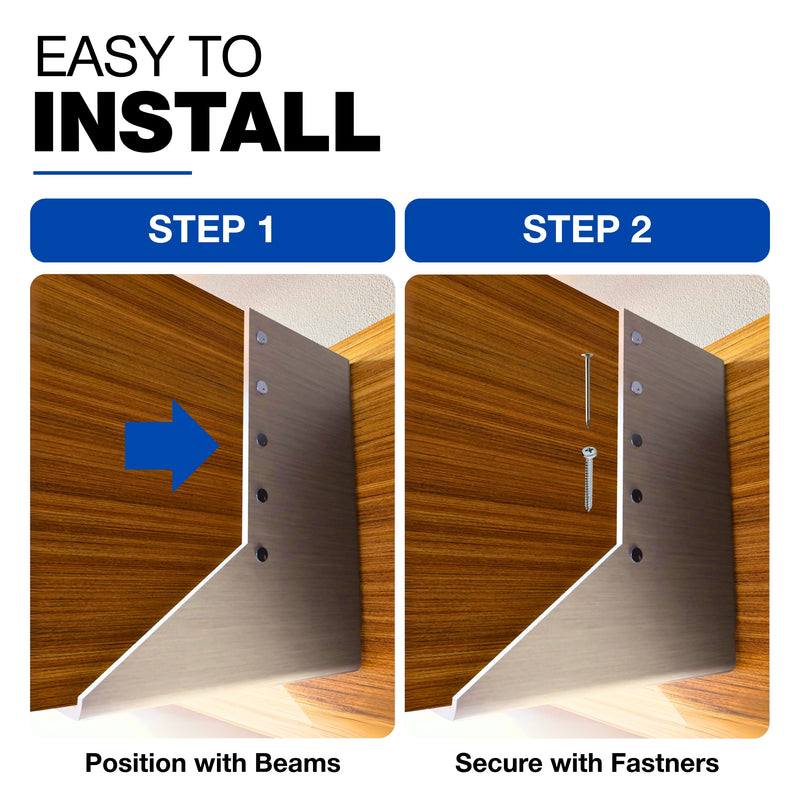
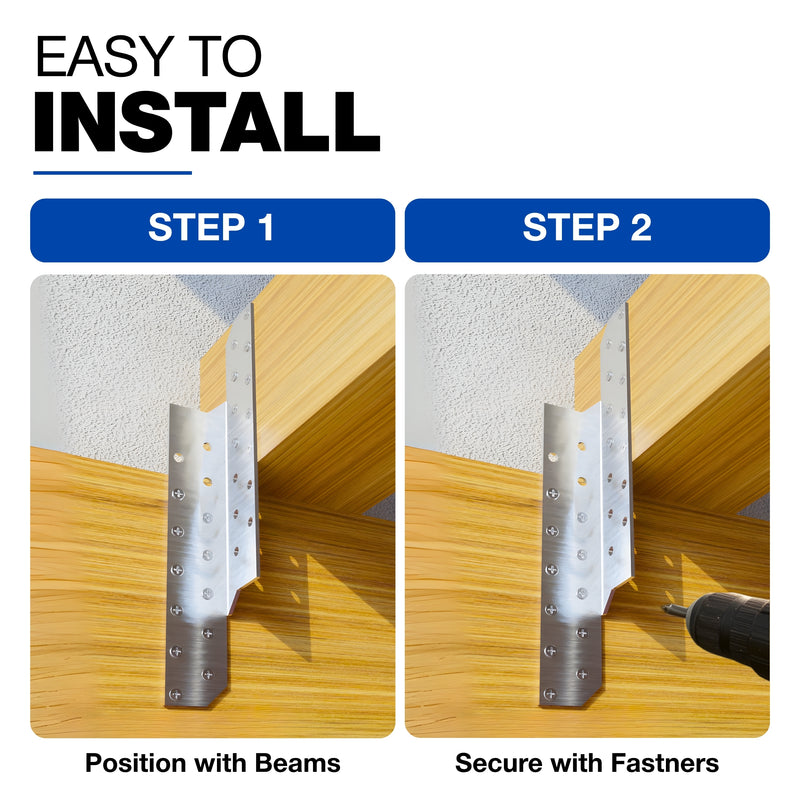
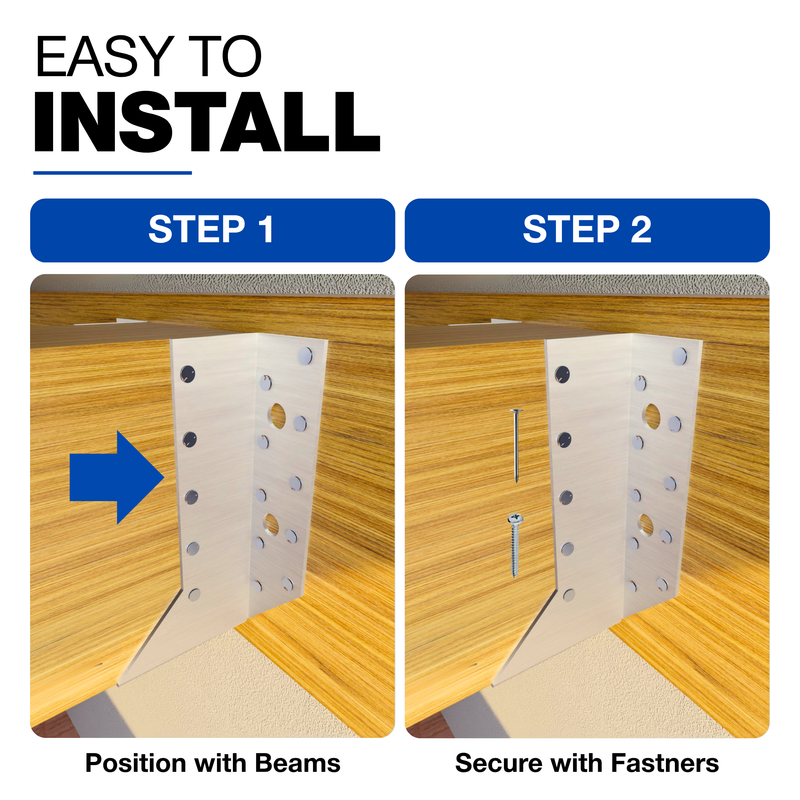
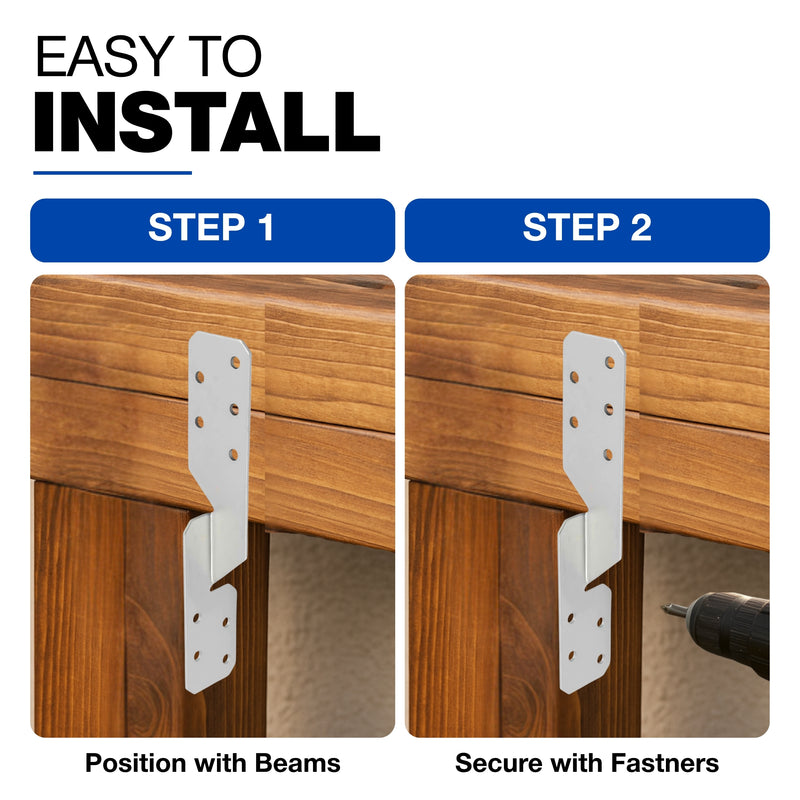
- Hold each hanger flush to the line with its seat level and its face tight against the ledger.
- Fasten every hole with the specified nail or bolt — start at the top corners, then work down the flanges.
- Check each hanger seat with a level before the joist lands in it.
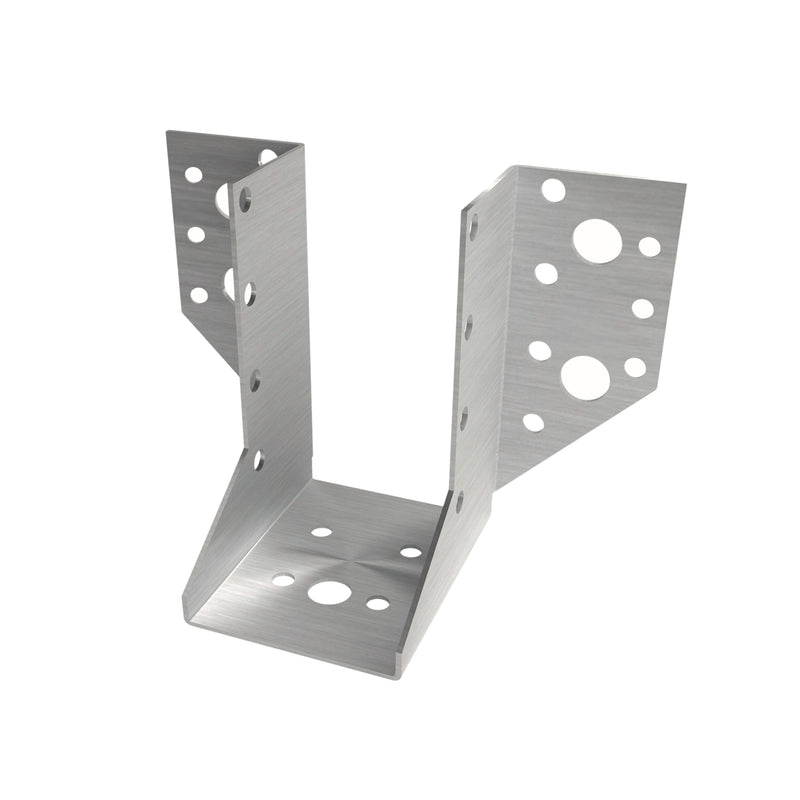
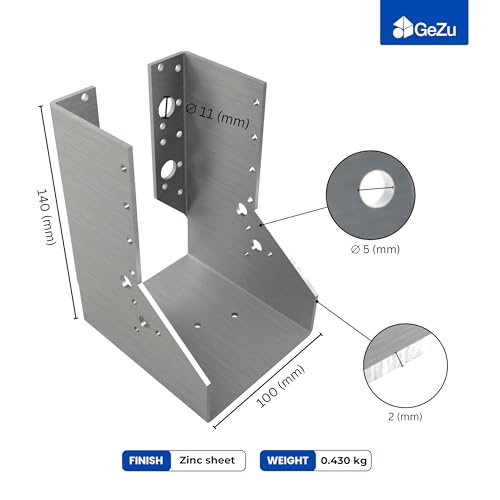
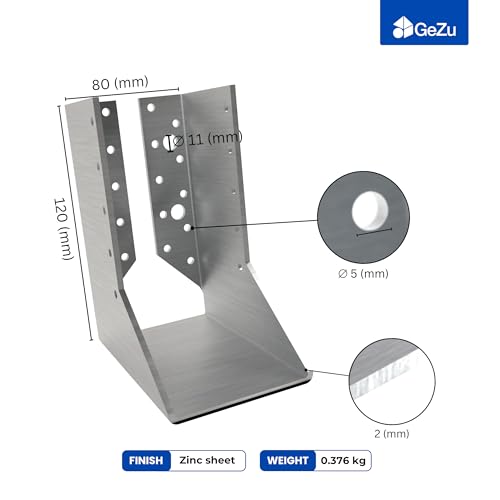
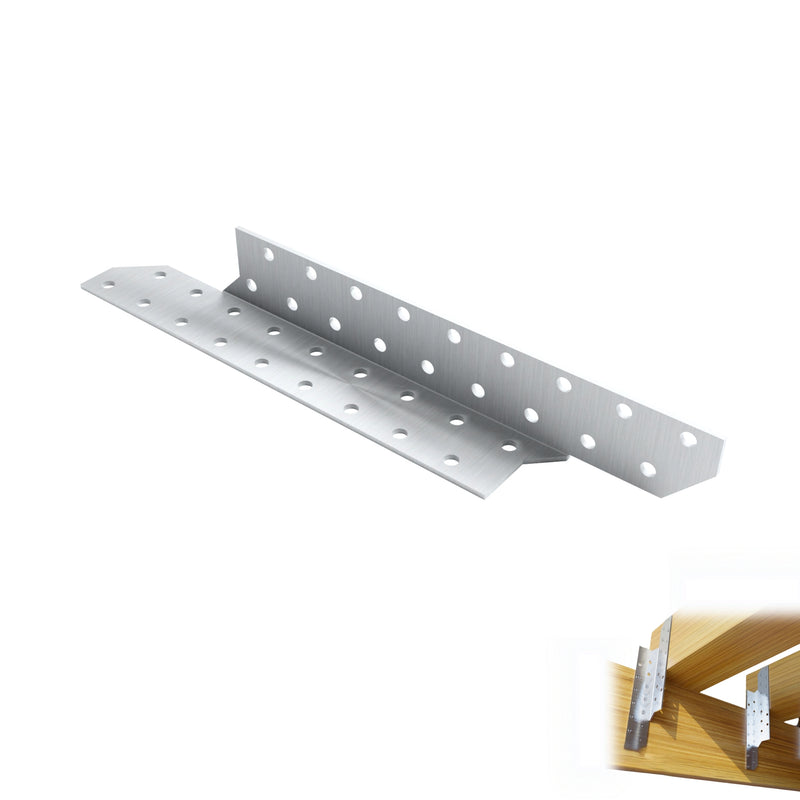
- On long beams, step up to the internal flange Type B shoe where the joist face must stay clear.
Expected result: hangers standing plumb and level with every hole filled — no gaps behind the flanges.
Hanging and checking the joists
- Drop each joist into its hanger and check it level and crown-up.
- Fasten the joist to the hanger seat and side flanges with the specified nails.
- Sight the whole frame for level and line before the boards go down.
Expected result: a frame that does not rock or spring when walked on, with every joist end fully seated in steel.
Split joist hangers for retrofit and repairs
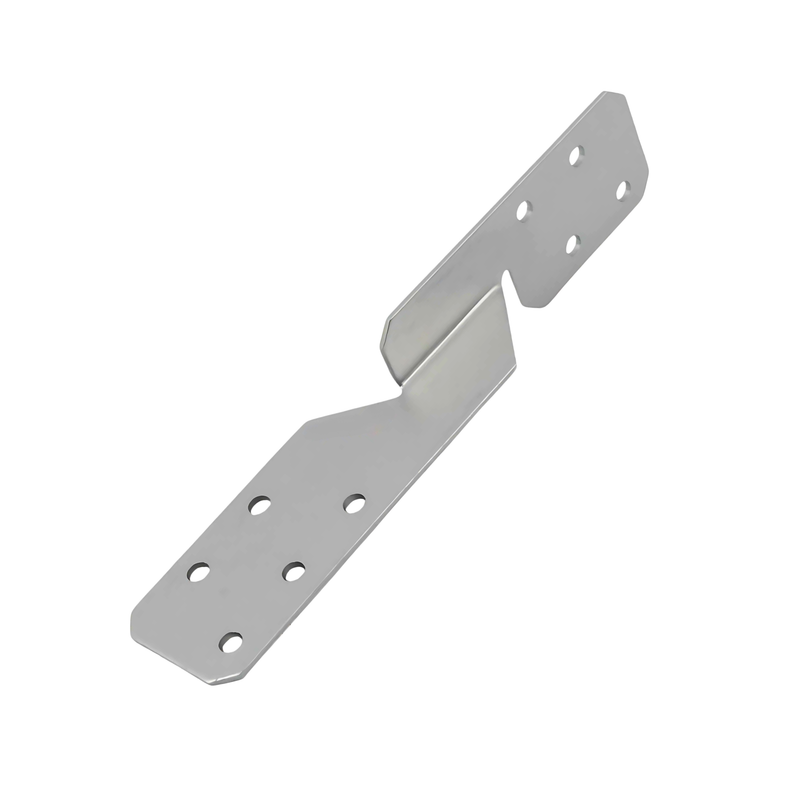
An adjustable split joist hanger wraps around an existing joist and closes with its integrated screws — the answer when a floor must be reinforced without dismantling the deck above it. The same workflow applies: size to the joist, fill the holes, check the seat.
Troubleshooting joist hanger installation
- The hanger sits proud of the ledger. Loosen, seat it tight and re-fasten — a gap behind the flange halves the stated capacity.
- Fasteners will not fill every hole. The hanger is oversized for the joist or the fastener is too short — match both to the specification, never substitute.
- Joists twist after fitting. The joist was not fastened to the seat and flanges — add the specified fixings rather than blocking.
- The frame springs underfoot. Check for missed hangers or unfilled holes at the affected bearings before blaming the timber.
What to do next


FAQ
What makes a joist hanger installation code-compliant?
A hanger matched to the joist section, seated tight against its supporting timber, and fastened with the specified structural nails or bolts in every hole. Anything less is below the stated capacity.
Do I need a nail in every hole of a joist hanger?
Yes — the capacity figures assume every hole filled with the specified fastener. Skipping holes is the most common way an installed hanger loses its rating.
Can I screw joists directly to the ledger instead of using hangers?
Toe-nailing or skew-nailing does not carry the load a hanger does and splits the ledger over time. Hangers are the standard compliant connection for deck joists.
How do I choose the right joist hanger size?
Match the hanger width and height to the joist's finished section. A hanger too wide leaves the joist loose; too narrow, and it will not seat.
What is a split joist hanger used for?
Retrofitting. Its two halves wrap around an existing joist and bolt together, so a floor can be reinforced without lifting the deck boards or dismantling the frame.
Should joist hangers be galvanised?
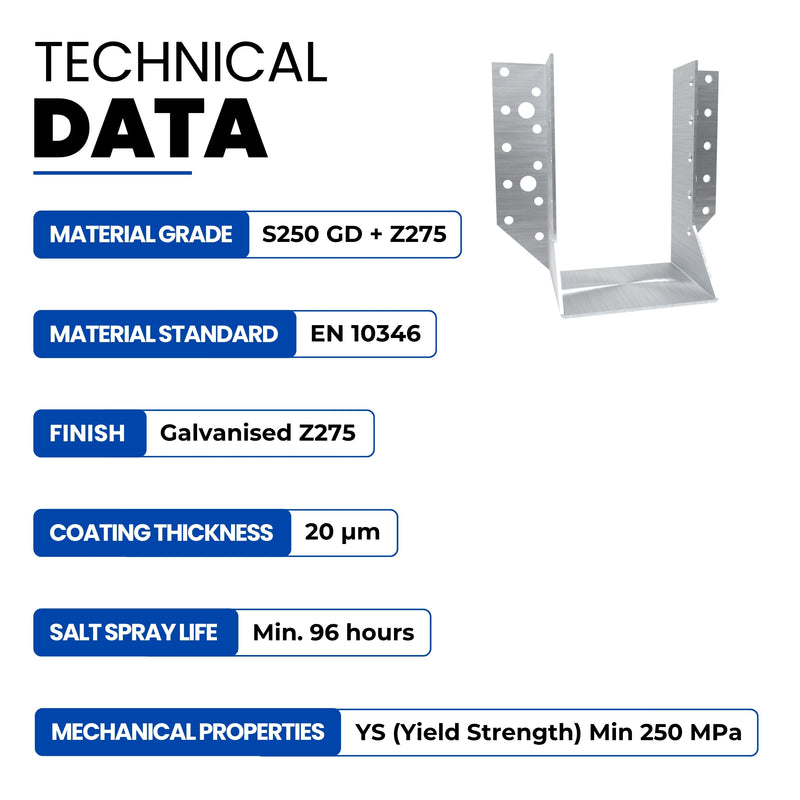
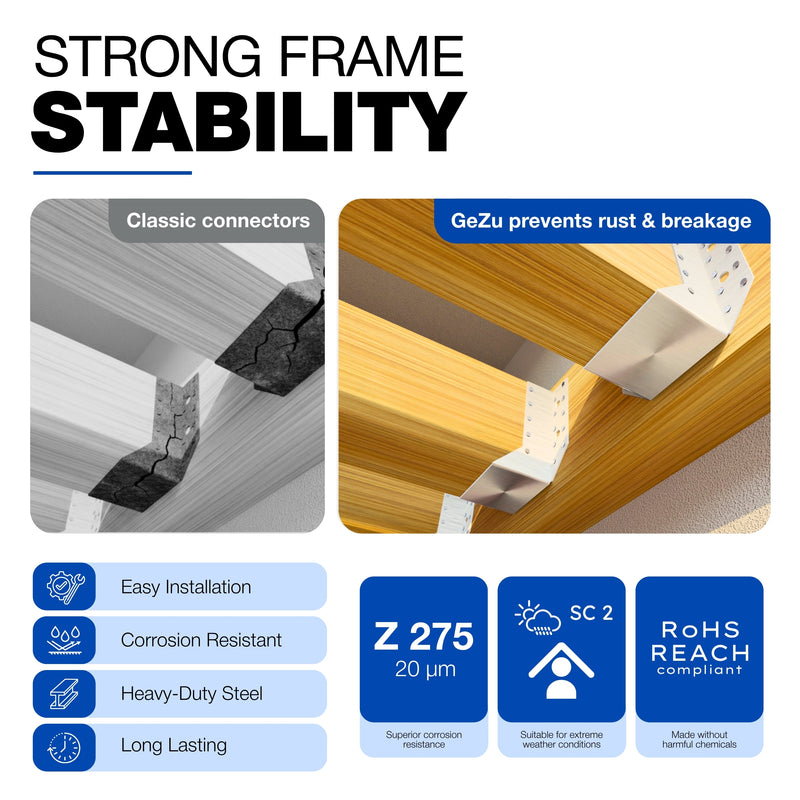
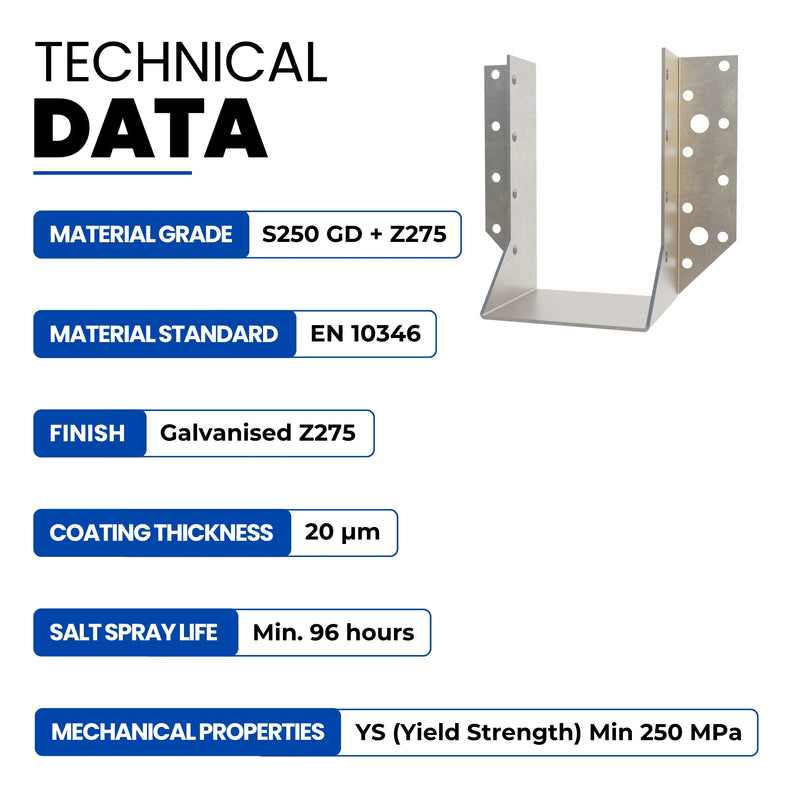
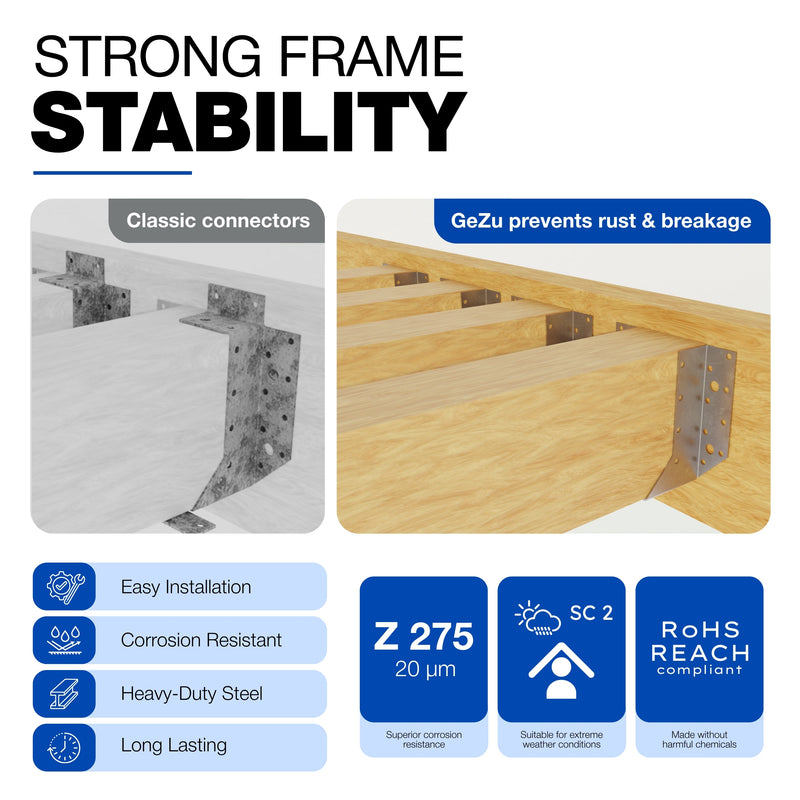
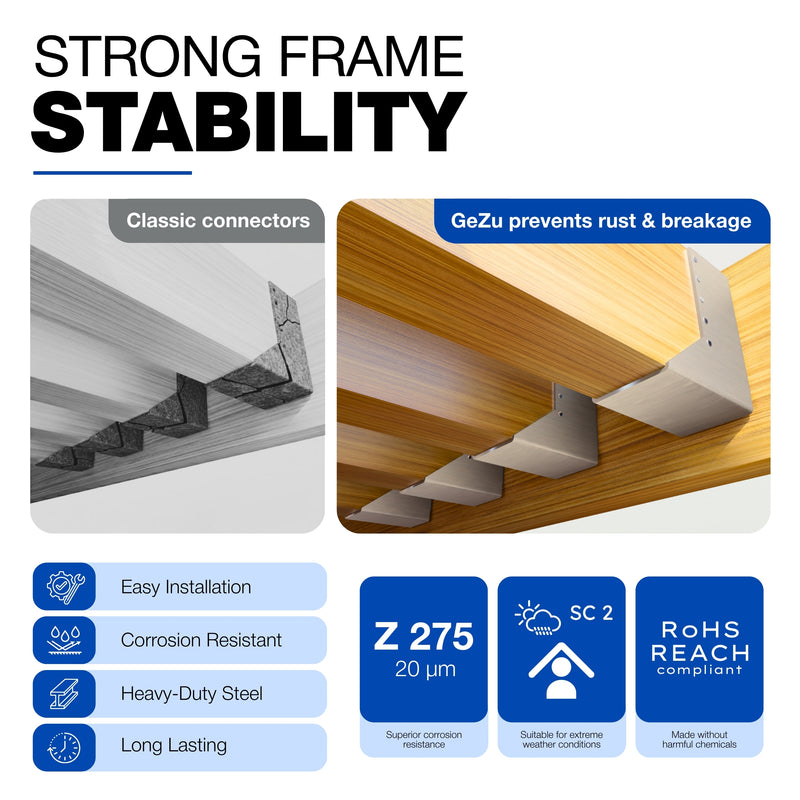
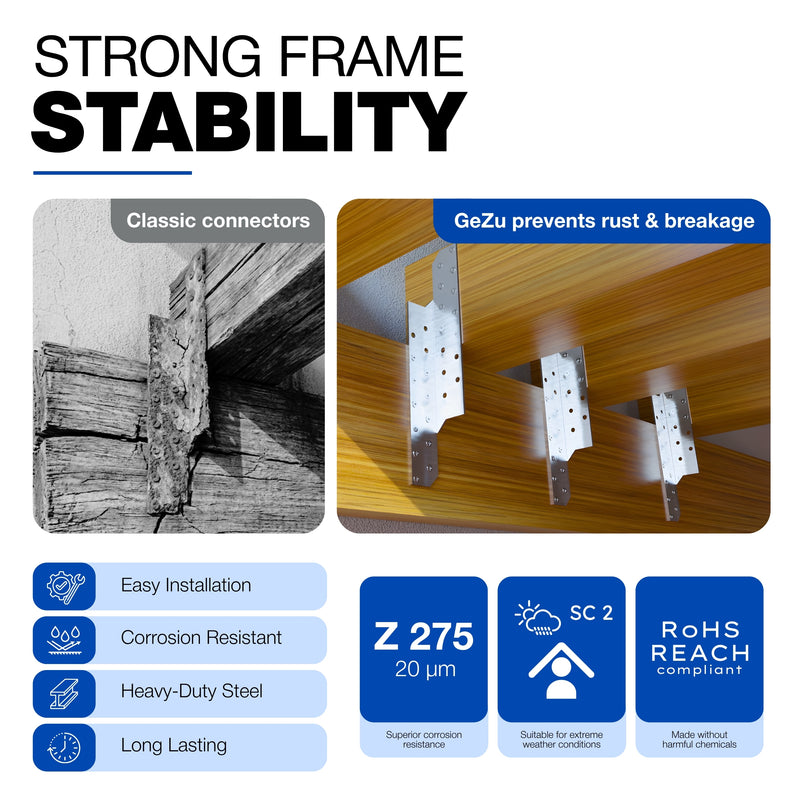
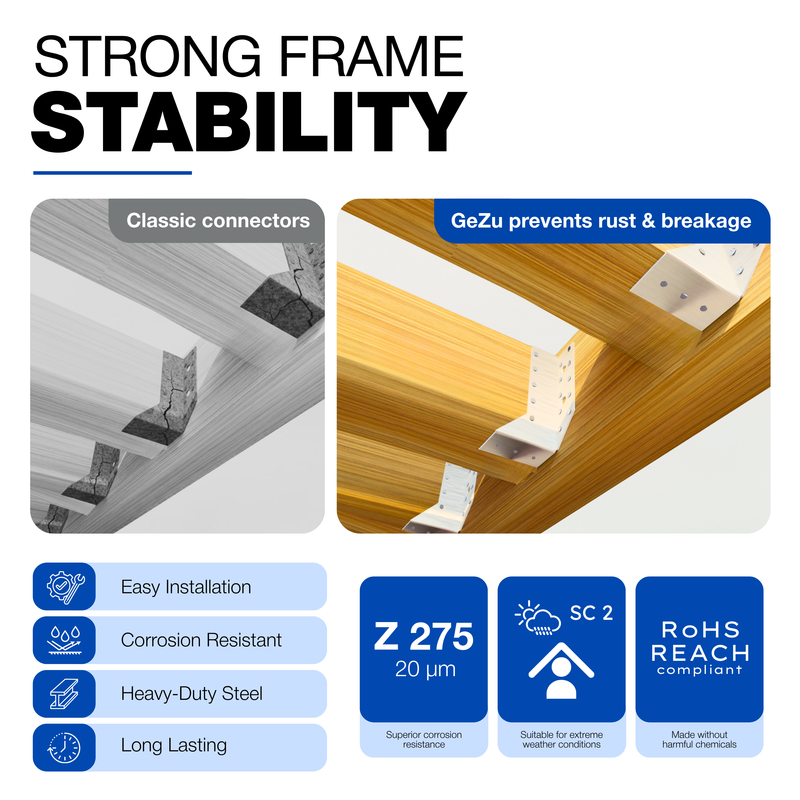
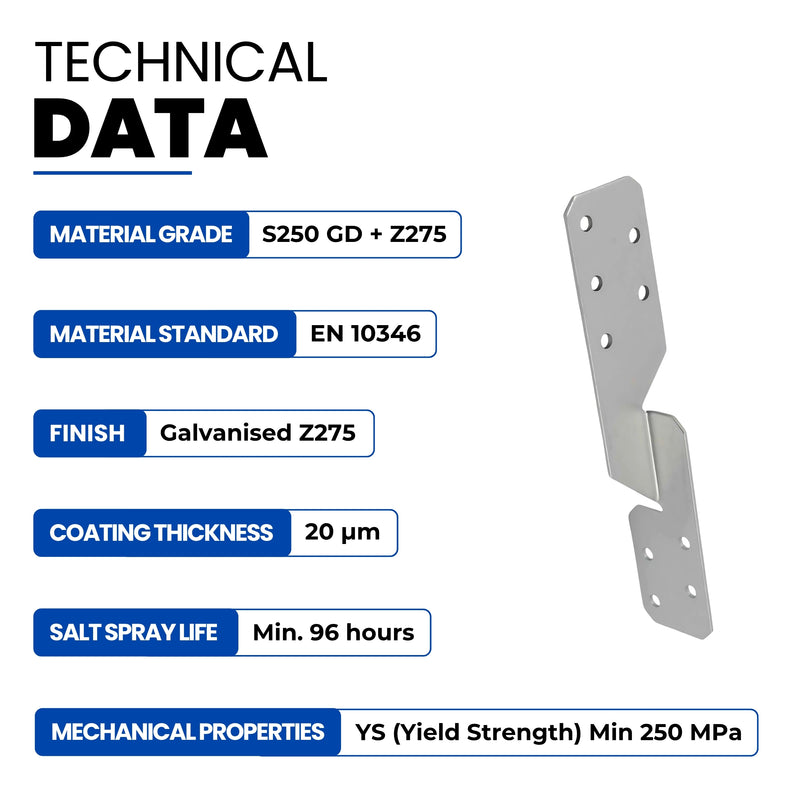
Yes for anything outdoors. Hot-dip galvanised steel resists the moisture a deck frame lives with; plain steel hangers rust at exactly the point that carries the load.
One last thing
Fill the holes, then walk the frame. An inspector reads a hanger the same way you just did — size, seat, fasteners — and doing that check before the boards go down is what makes a 2026 deck pass first time. GeZu Impex stocks beam shoes, internal and external flange types, and split hangers for retrofit.