Buy Scaffolding or Hire It? A Cost Guide for Small Jobs

Short answer: for a one-off small job that's over in a week or two, hiring is almost always cheaper. It only makes sense to buy scaffolding when you'll put the same kit up again and again, you've got somewhere dry to store it, and the job suits a frame you can build safely. We sell scaffold fittings for a living, so we'll be straight with you about where that line sits.
Hire or Buy Scaffolding: The Quick Comparison
Here's how the two options stack up for small jobs like gutters, fascias, a chimney stack or repainting one elevation.
| Factor | Hire | Buy |
|---|---|---|
| Upfront cost | Low, paid per day or week | High, paid once |
| Best for | One job, short duration | Repeat jobs, long or recurring use |
| Erection and dismantling | Often included for full scaffolds; towers are self-assembly | You (or a scaffolder you pay) |
| Inspection and condition | Hire firm's responsibility before it leaves the depot | Yours, every time it goes up |
| Storage and transport | None | Dry storage plus a van or trailer |
| Resale value | None | Good fittings hold value well |
What Scaffolding Hire Costs for Small Jobs
Hire prices move with region, height and how long you keep the kit, so treat these as ballpark figures and get local quotes. They're drawn from published UK hire price surveys and cost guides we checked this autumn.
- Mobile scaffold tower, around 4.2 m working height: a recent survey of 71 UK hire shops found a typical range of £95 to £145 a week, averaging about £114 including VAT.
- Smaller tower, around 2.2 m: the same survey put the average near £72 a week.
- Day hire of a tower: guides quote roughly £30 to £80 a day, which suits a single afternoon of gutter clearing.
- Full scaffold on a two-storey house: the first period, including erection and dismantling, typically runs £500 to £1,500. One national trades directory puts the average for a two-storey semi at around £875.
Two things catch people out on scaffolding hire cost. Most firms charge a minimum period, often two weeks, and scaffolding that stands on a public pavement needs a licence from the local council, which adds a fee on top. Delivery and collection can also be extra, so ask for the whole-job figure, not the weekly rate.
What It Costs to Buy Scaffolding
Buying splits into two very different purchases, and it's worth knowing which one you mean.
Buying a ready-made tower. Aluminium towers are designed for one person or two to assemble from a set of frames, braces and platforms. You pay once, then store it. The catch is that a tower only reaches the heights and footprints it was designed for, and it should be built and used exactly to its manufacturer's instructions every time.
Buying tube and fittings. Tube-and-fitting scaffolding is the traditional system: 48.3 mm steel tube joined with couplers, standing on base plates or base jacks. It's endlessly reconfigurable, which is why trade scaffolders use it, but it needs more skill to design and build. For anything beyond a small, low frame, a competent scaffolder should design and put it up.
If you want to understand the pieces before you buy anything, our guide to the different scaffolding coupler types explains which coupler does which job.
Worked Example: A Fitting Kit for a Small Frame
Let's price the fittings for a small one-lift frame, say a working platform under 2 m tall along a garden wall. A frame like that needs roughly:
- 12 right angle couplers for the ledger and transom joints
- 4 swivel couplers for the diagonal braces
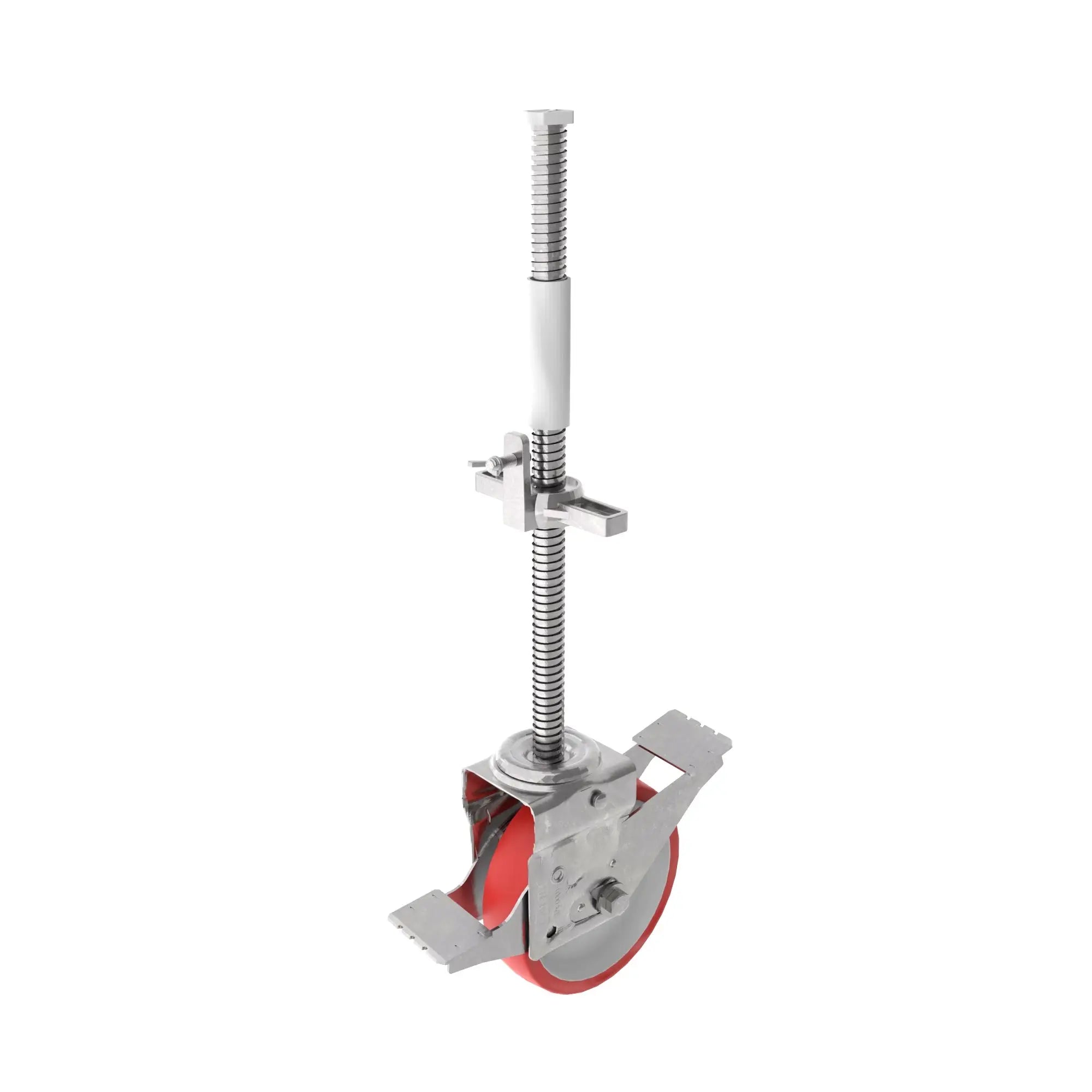
- 4 adjustable base jacks so each leg sits level on uneven ground
At our current single-piece prices that's 12 x €4.92 + 4 x €7.95 + 4 x €9.29 = €128.00 for the fittings. Tube and boards come on top, from a local builders' merchant, and the tube price moves with the steel market. Our breakdown of how scaffold tube and couplers are priced shows how to count joints and metres before you order.
So the fittings alone cost about the same as one or two weeks of tower hire. That's the honest picture: buying only wins once the kit has gone up several times. If you'll use it for one weekend, hire it.

When It Makes Sense to Buy Scaffolding
Buying starts to pay off when most of these are true:
- You'll reuse it. Landlords, self-builders, small maintenance firms and anyone with a long list of jobs around one property get the most from owned kit.
- The job runs for months. Long refurbishments rack up hire weeks fast, and some UK suppliers suggest hiring only when a project lasts under about 12 weeks.
- You've got storage. Steel fittings last for years if they're kept dry and oiled. Galvanised fittings shrug off weather, but a damp shed corner still isn't ideal.
- You can transport it. Tube lengths need a van, roof rack or trailer.
- The frame is simple and low. Small platforms, handrails and access frames are realistic owned-kit projects. Full house scaffolds are not.
If you're weighing up second-hand kit to cut the cost, read our honest comparison of new and used scaffolding couplers first. Worn threads and stretched bolts are the usual problems, and they're not always visible on a listing photo.
When Hiring Is the Better Call
- One-off jobs. A week of hire costs far less than owning the kit, and you hand it back when you're done.
- Anything above one storey. House-height scaffolding needs a professional design, ties into the building and regular inspections. Hire firms that erect it take that responsibility on.
- Jobs on the pavement or by a road. Licences, lighting and signage are easier when a hire firm arranges them.
- No storage or transport. If you'd have to hire a van to fetch your own kit, the sums rarely work.
Safety Comes First Either Way
Hired or owned, working at height is where small jobs go badly wrong. A few rules apply whichever route you take:
- Build towers exactly to the manufacturer's instructions, with outriggers or stabilisers where specified and wheels locked.
- Stand every leg on firm ground. On soft or sloping ground, use sole boards and adjustable jacks, not bricks or offcuts. Our guide to scaffold base jack types covers which one suits which surface.
- Fit guardrails and toe boards on any working platform.
- Tie taller structures into the building. If you're not sure how, this walk-through on tying a scaffold to a building explains anchors and spacing, but a scaffolder should make that call for anything house-height.
- Inspect before every use, and after bad weather.
For owned tube-and-fitting kit specifically, we've set out four checks for using tube and clamp scaffolding safely at home.
Our Scaffold Fittings If You Decide to Buy
If owning kit makes sense for you, these are the parts that do the structural work. All of them fit standard 48.3 mm scaffold tube.
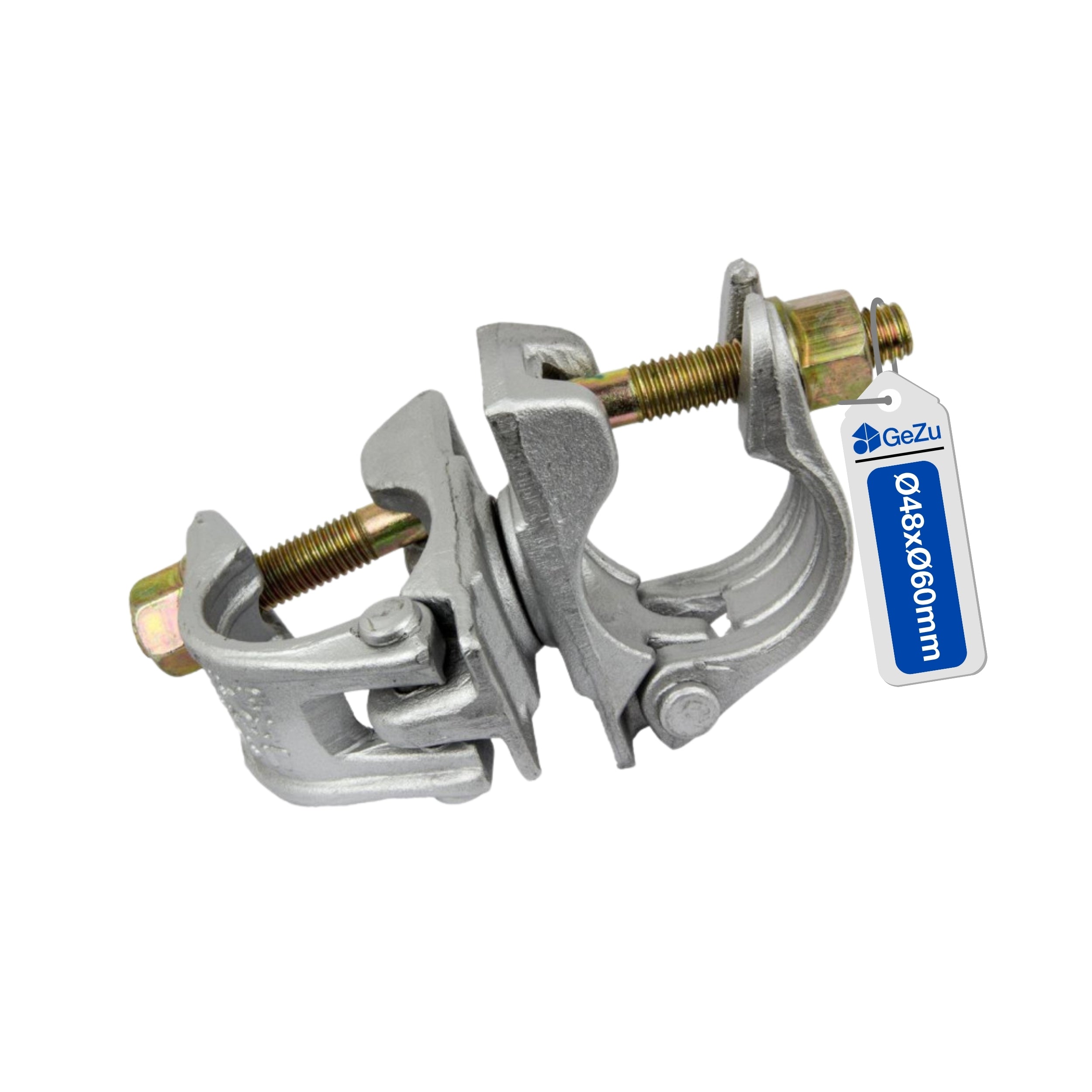
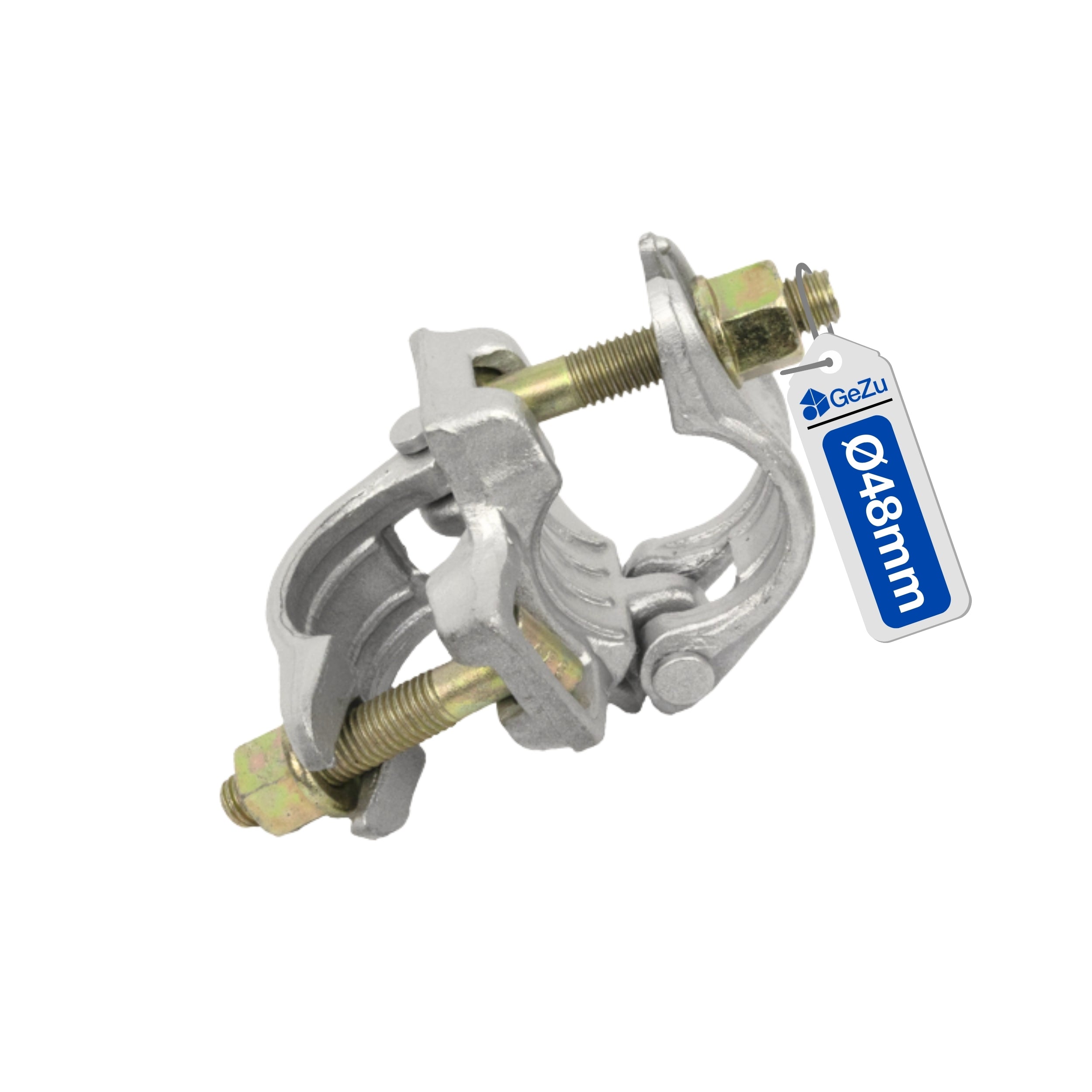
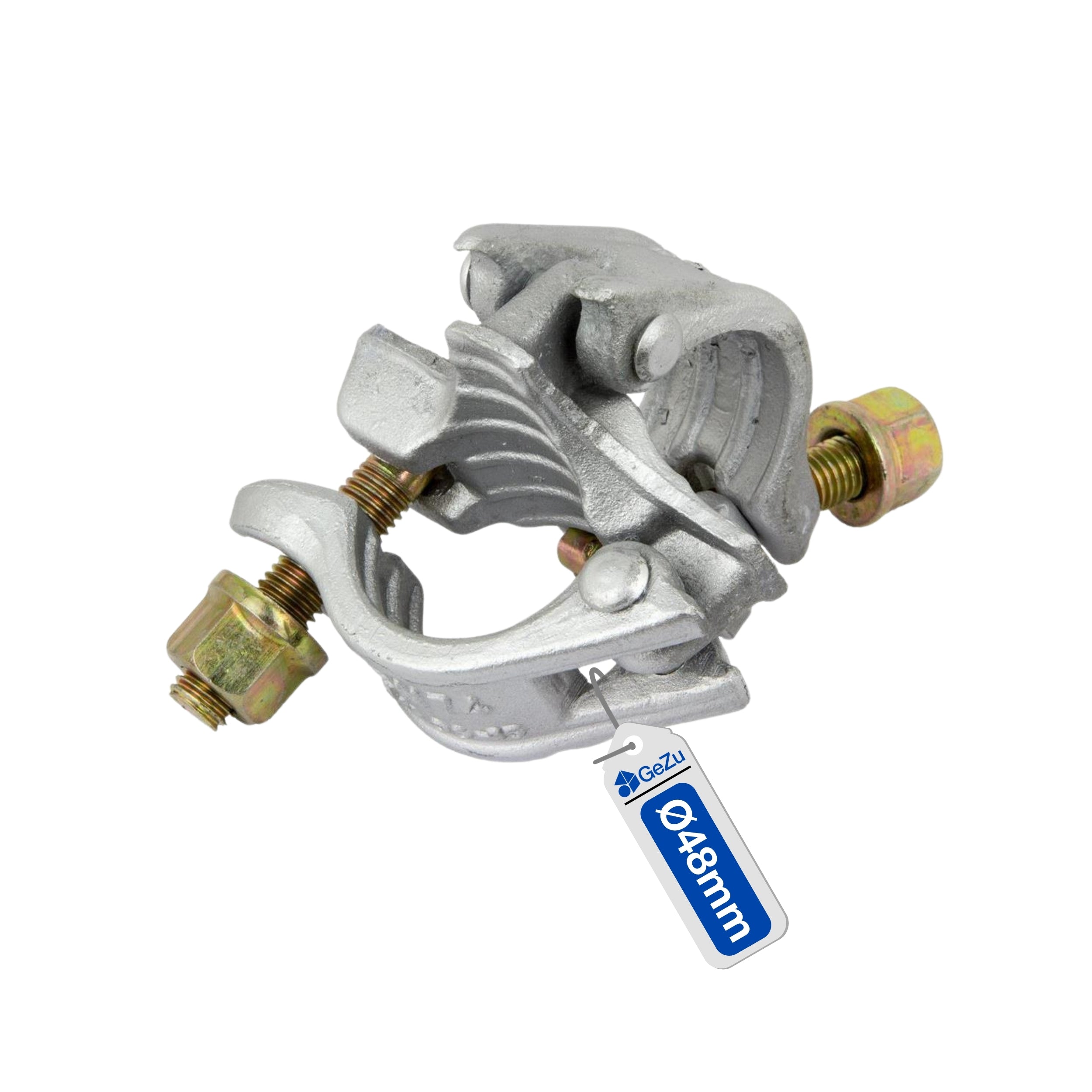
Scaffold Right Angle Coupler (Double Coupler)
What it is: a load-bearing coupler that clamps two tubes at exactly 90 degrees.
Use: joining ledgers to standards and transoms to ledgers, the joints that carry the platform.
Features: two clamping jaws with bolts and nuts, sized for 48 mm tube.
Benefits: a fixed, square joint that keeps the frame true.
Applications: scaffold frames, working platforms, handrails and racking.
Sizes and price: 48 x 48 mm from €4.92 each, with multi-packs in our scaffolding couplers range.
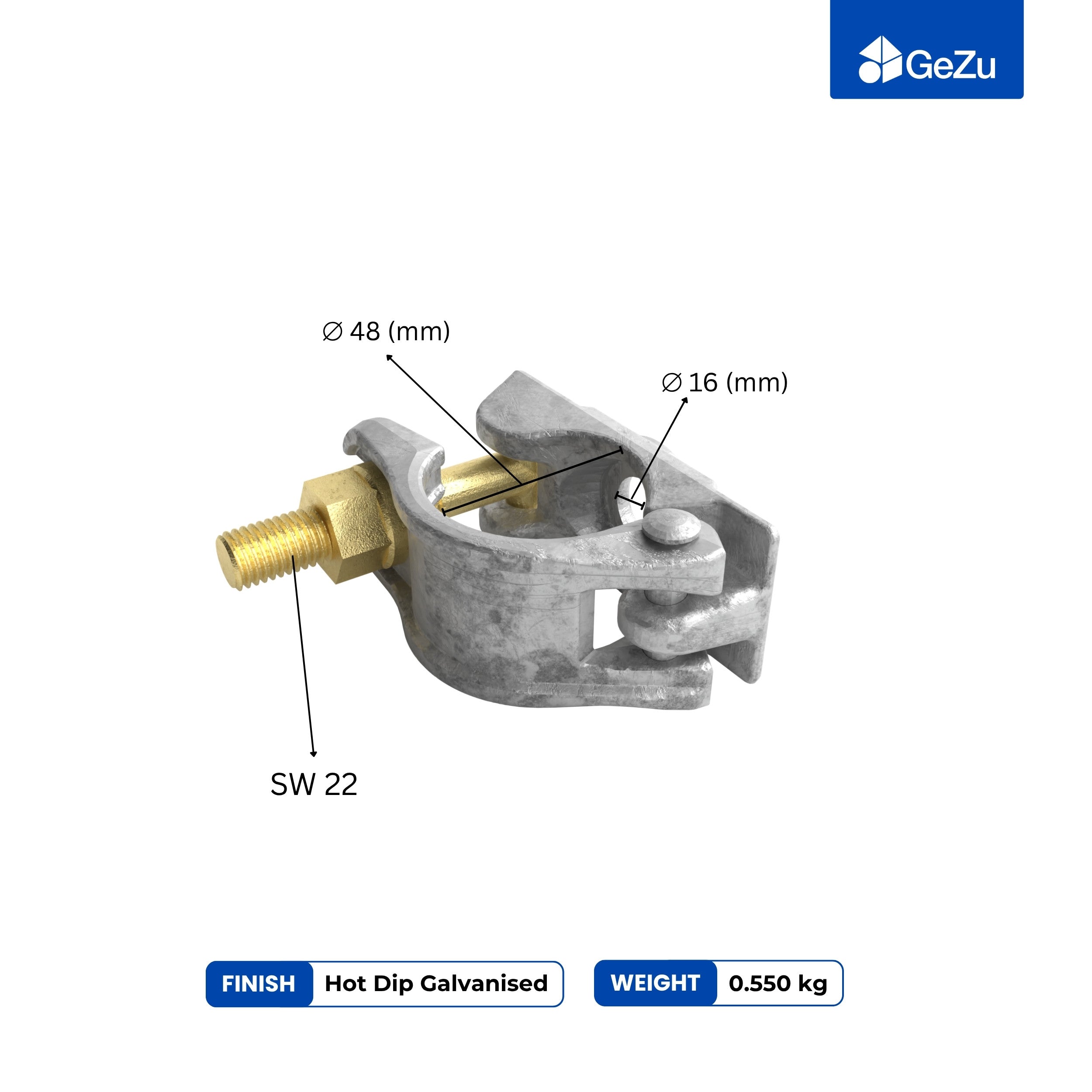
Scaffold Swivel Coupler
What it is: a coupler with a rotating centre that joins two tubes at any angle.
Use: diagonal bracing, which stops a frame racking sideways.
Features: two clamps on a central pivot.
Benefits: one fitting handles every brace angle.
Applications: facade and ledger bracing, ramps and odd-shaped frames.
Sizes and price: 48 x 48 mm from €7.95 each.
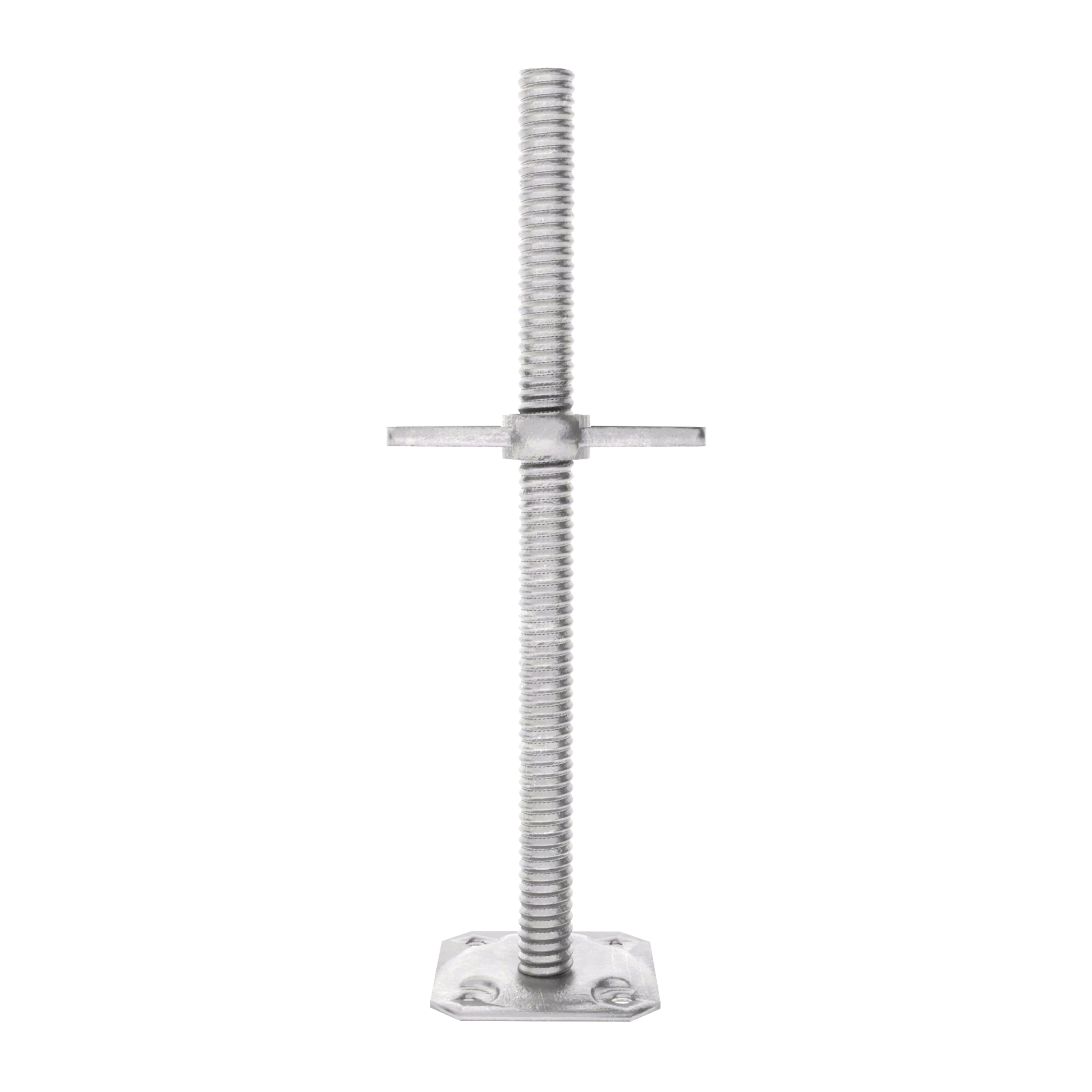
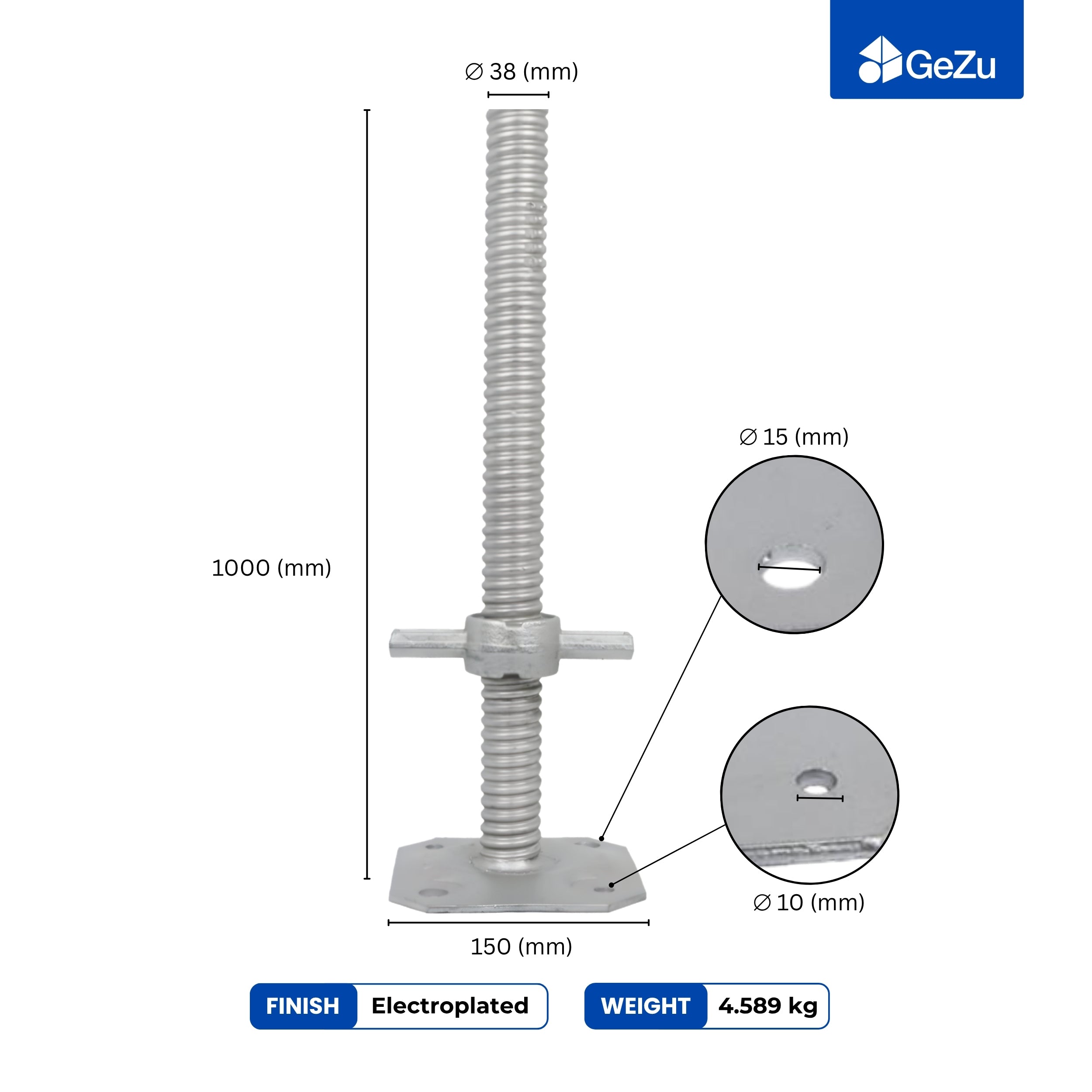
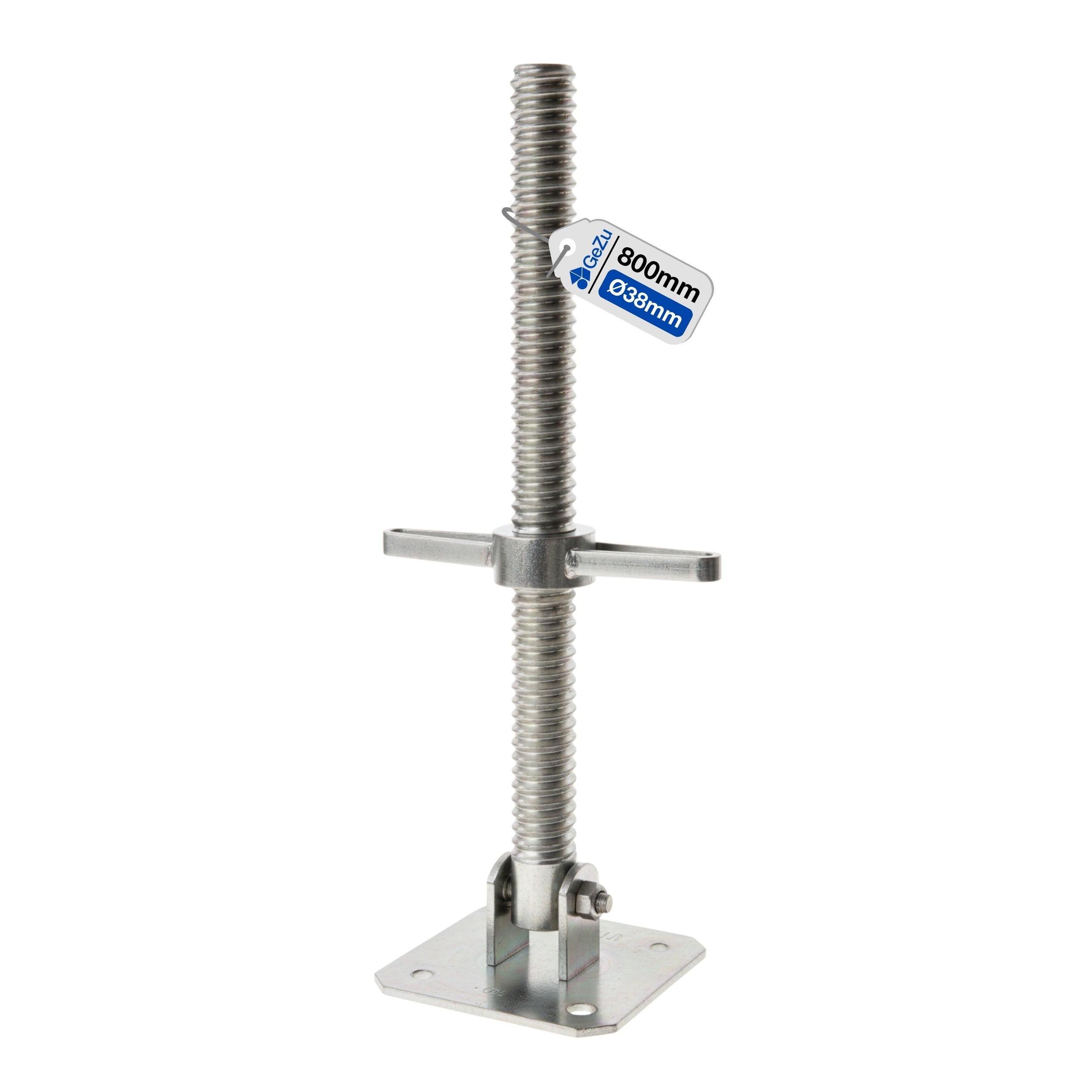
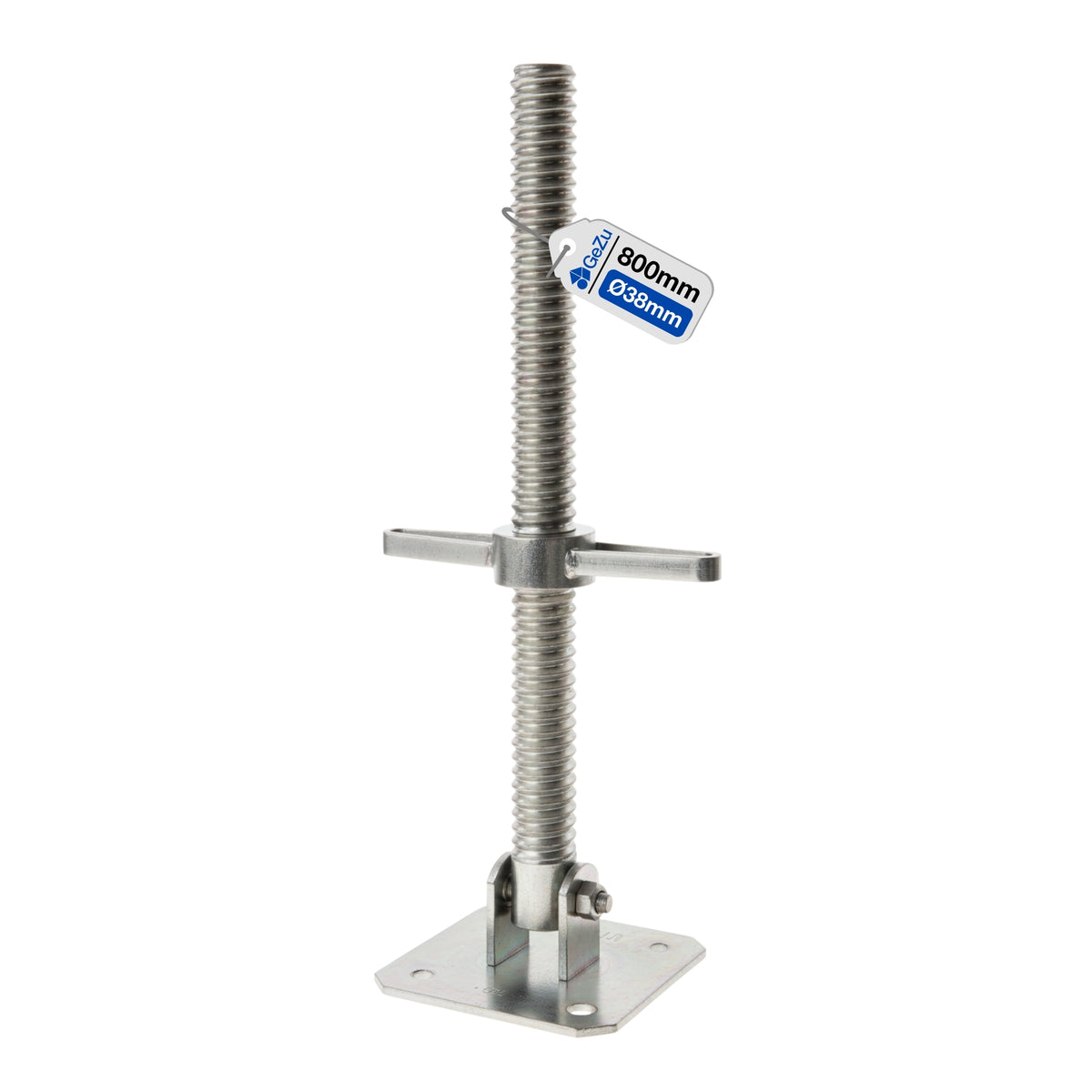
Adjustable Scaffold Base Screw Jack
What it is: a threaded jack with a base plate that sits under each standard.
Use: levelling the frame on uneven or sloping ground.
Features: a threaded spindle with an adjusting nut and a flat base plate.
Benefits: you level each leg precisely instead of packing it.
Applications: towers, tube-and-fitting scaffolds and temporary frames on gardens or patios.
Sizes and price: several lengths, from €9.29, all in our base jack collection.
FAQ
Is it cheaper to buy or hire scaffolding?
For one short job, hiring is cheaper. Buying only pays back once you've used the same kit several times, and you also take on storage, transport and inspection.
How much does scaffolding hire cost per week?
Published UK surveys put a mid-height tower at roughly £95 to £145 a week. A full scaffold on a two-storey house usually costs £500 to £1,500 for the first period including erection, then a weekly rate after that.
How long can you hire scaffolding for?
As long as you need it. Most firms charge a minimum period, often two weeks, then a weekly rate, and many offer better rates on longer hires, so ask for a whole-project quote.
Do you need permission to put up scaffolding?
On your own land you don't normally need permission. Scaffolding on a public pavement or road needs a licence from the local council, which the scaffolding firm usually applies for.
Can I put up my own scaffolding?
You can assemble a mobile tower yourself if you follow its instructions. Tube-and-fitting scaffolding beyond a small, low frame should be designed and erected by a competent scaffolder.