New vs Used Scaffolding Couplers: Which Should You Buy? (Honest Comparison)

Search for scaffolding couplers and you'll see plenty of second-hand listings promising big savings. Sometimes that's a fair deal — and sometimes it's a rusty gamble that costs more per year than buying new. This guide compares new and used couplers honestly: where used gear makes sense, where it doesn't, and the five checks any second-hand coupler must pass before you should trust it with a load.
The short answer
Buy new when the coupler is load-bearing (standards and traceability matter), when you need matching sets in quantity, or when your time is worth more than the discount. Consider used only for non-critical, decorative, or temporary light-duty projects — and only if you can inspect every single coupler before money changes hands.
What a coupler actually has to do
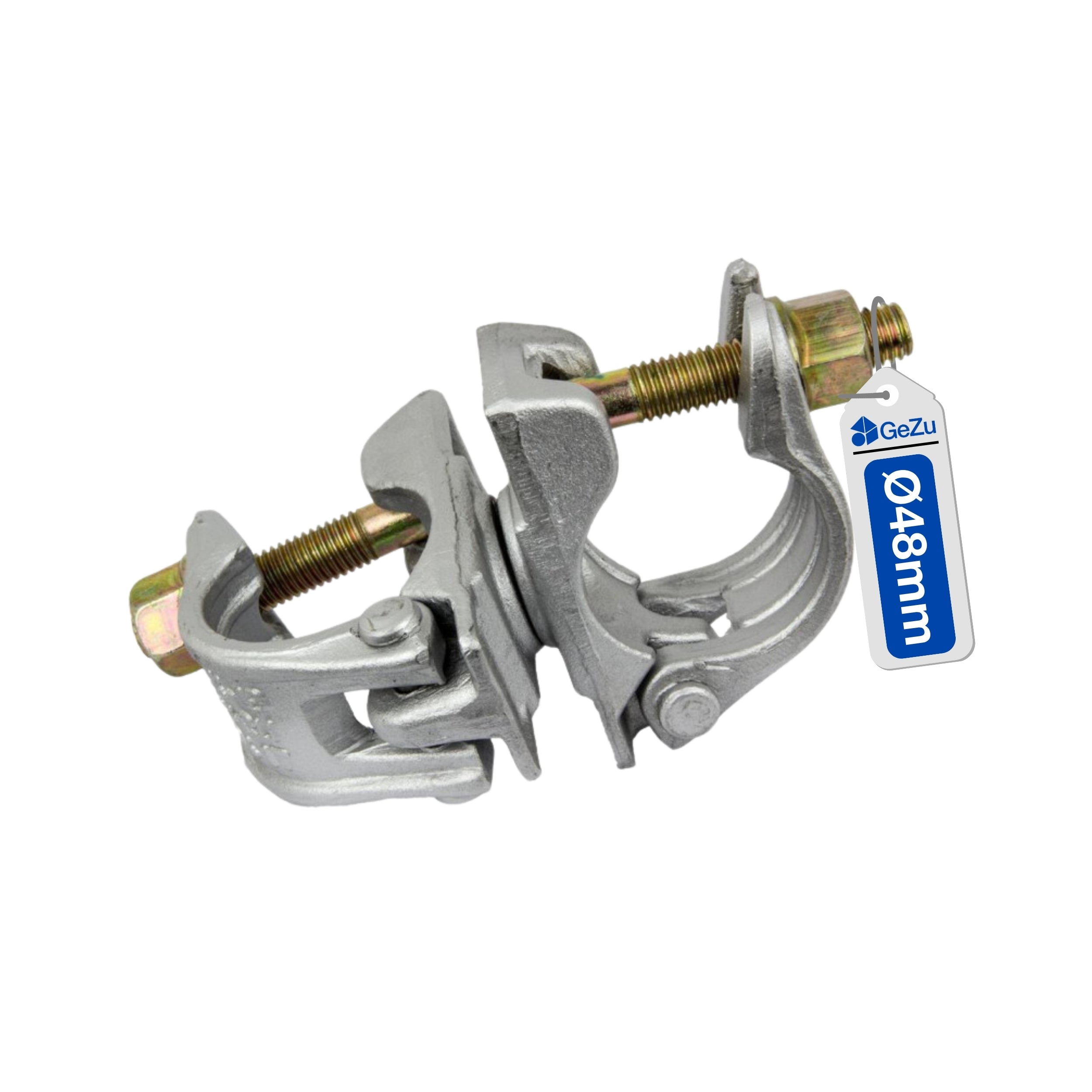
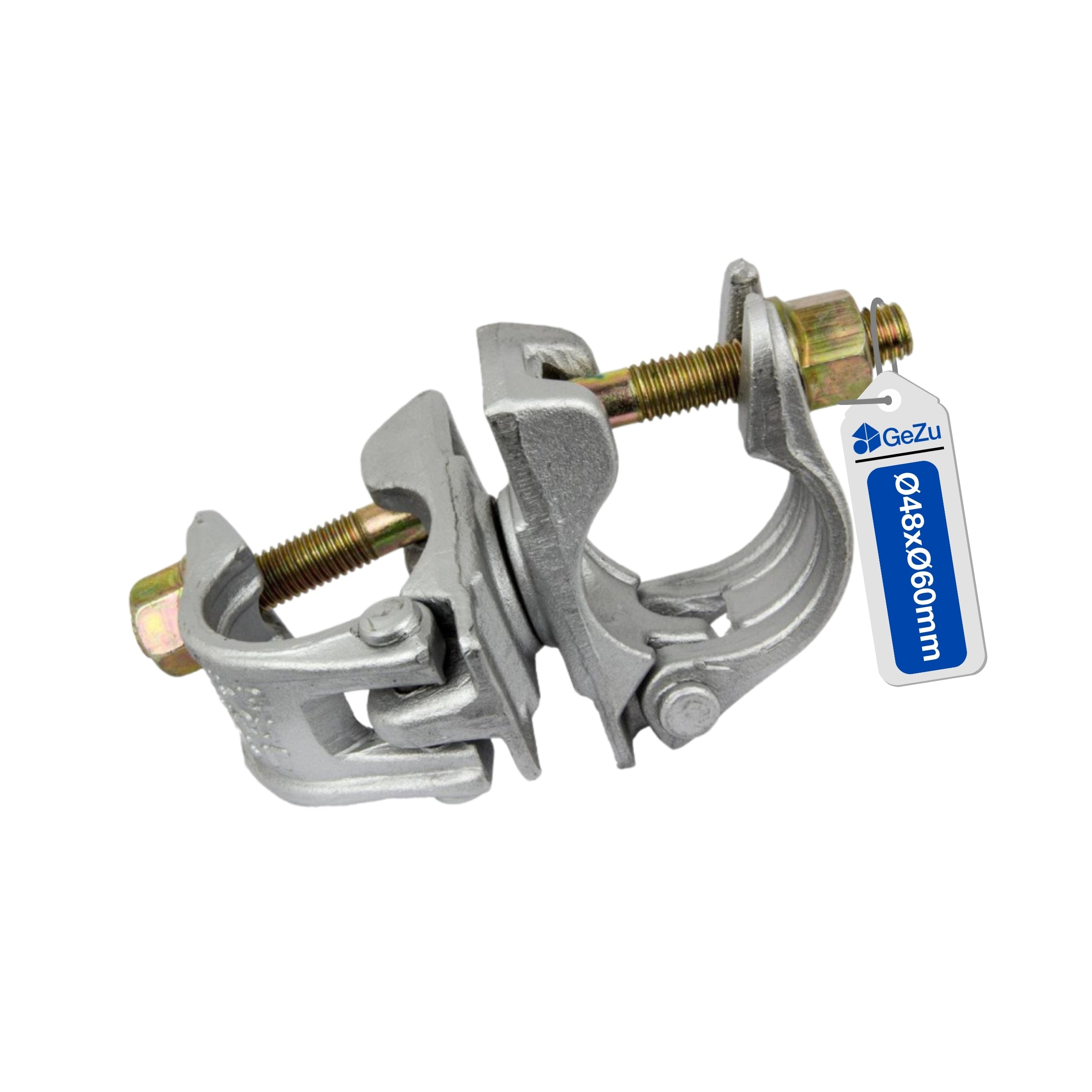
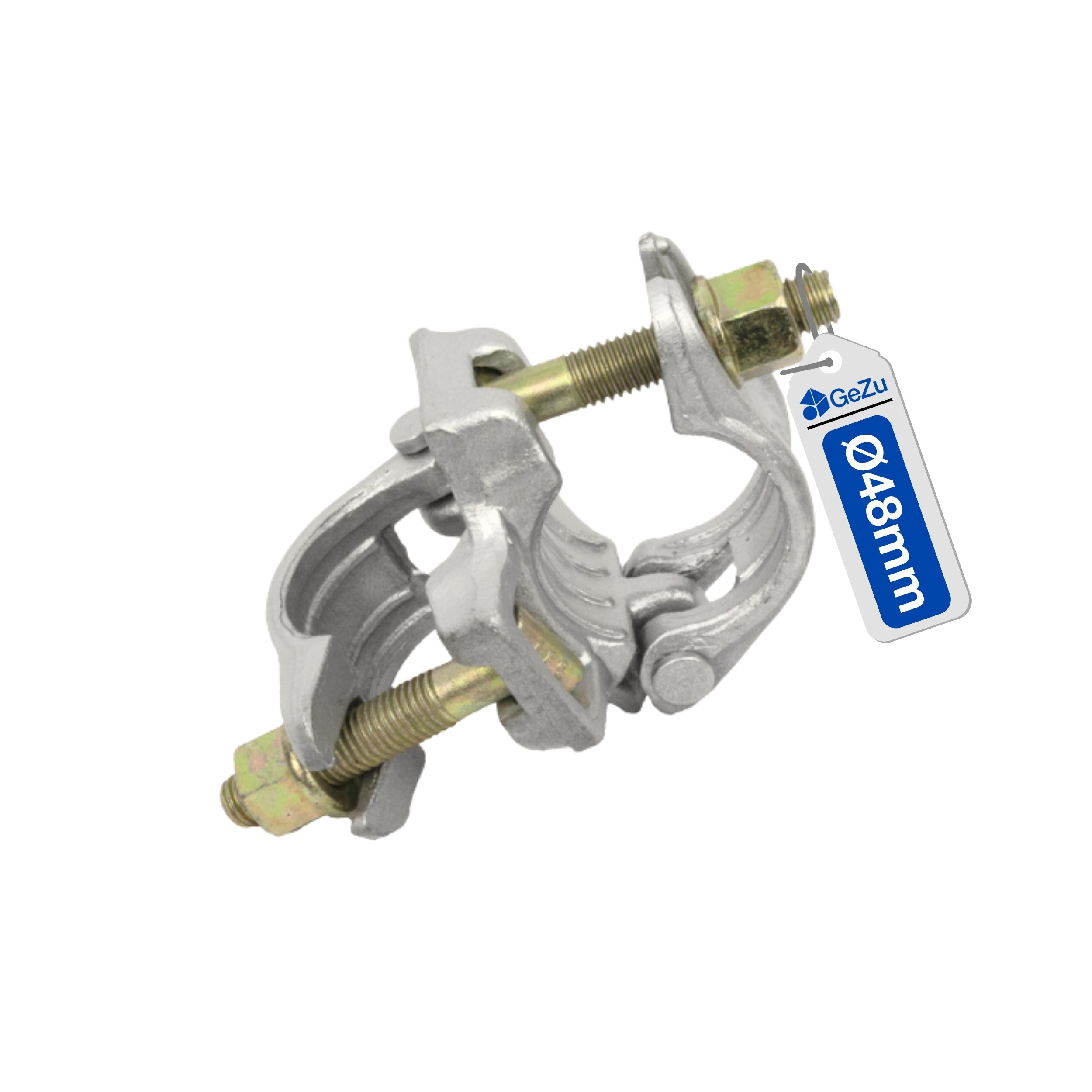
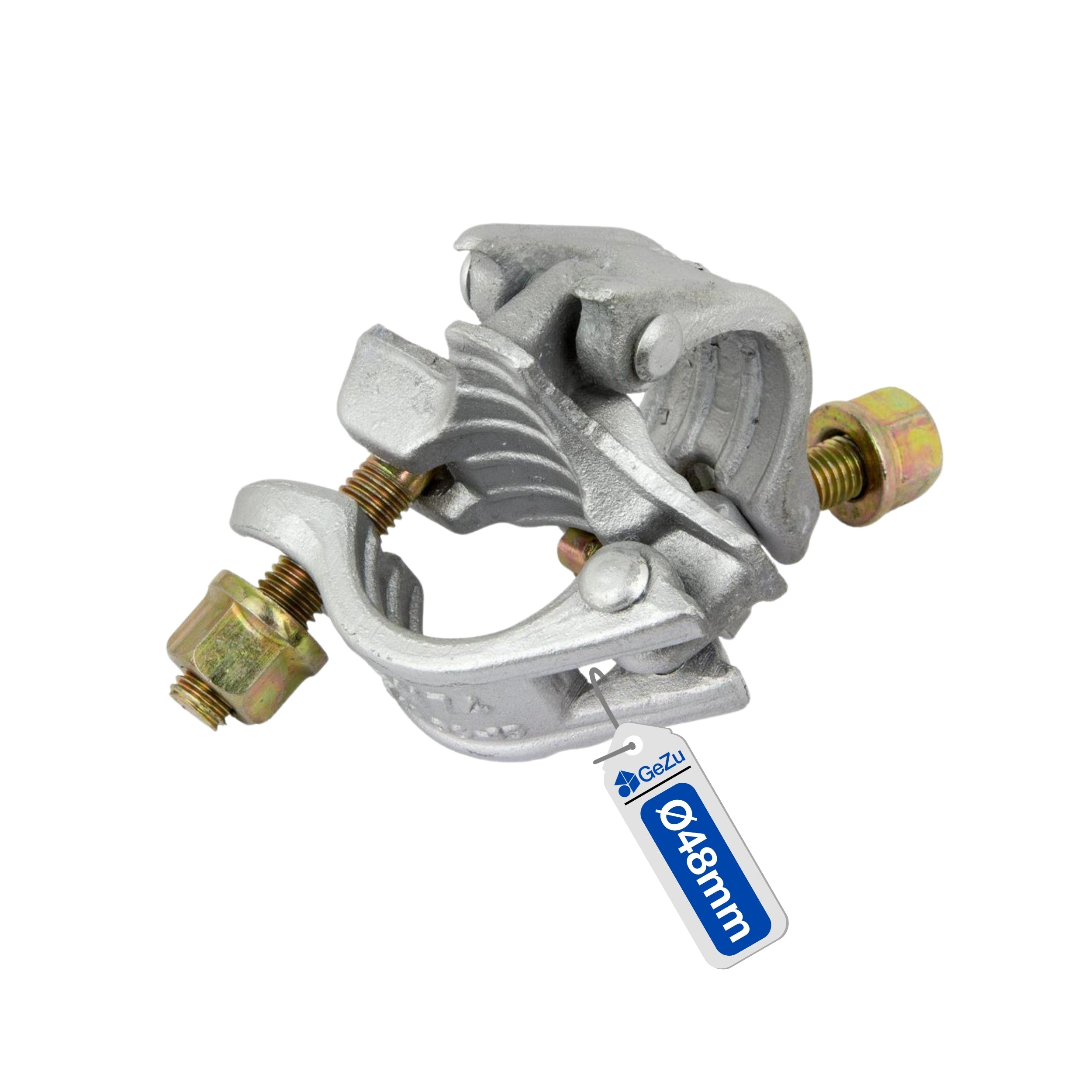
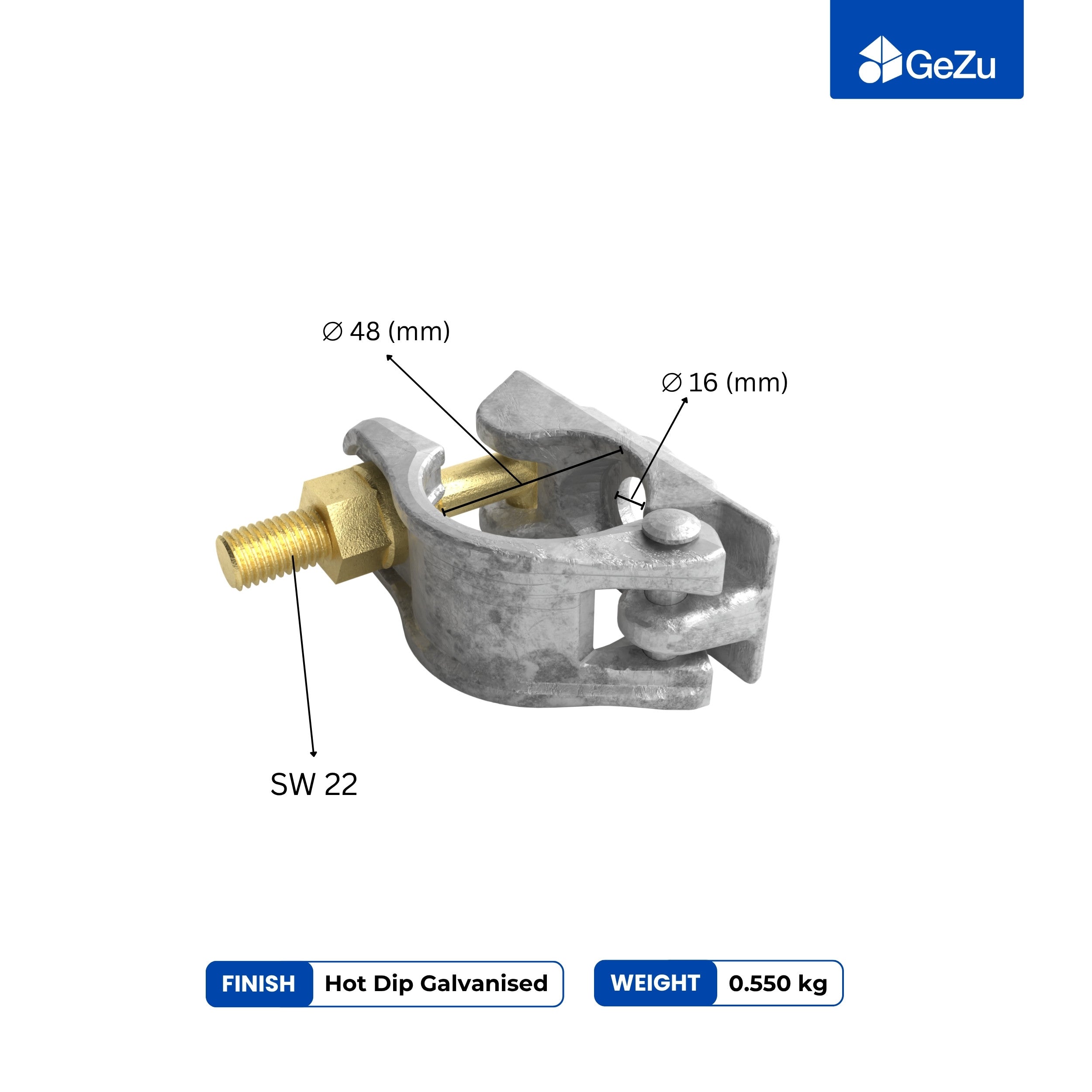
A scaffold coupler clamps steel tubes — usually Ø48.3 mm — into a rigid structure. On a working scaffold, a single right-angle coupler is expected to carry loads in the range of several kilonewtons. That's hundreds of kilograms hanging on a part that costs a few euros. The European standard for scaffold couplers, EN 74, exists precisely because this small part does a big job: it specifies the steel, the slip resistance, and the testing a coupler class must survive.
That context changes the new-vs-used question. You're not comparing prices on identical goods — you're comparing a known quantity against an unknown history.
New vs used at a glance
| New couplers | Used couplers | |
|---|---|---|
| Condition | Consistent, uniform batch | Varies piece by piece |
| Thread & jaw wear | None | Unknown — the #1 failure point |
| Corrosion | Fresh galvanised coating | Coating often worn or damaged |
| Traceability / markings | Legible class and maker markings | Frequently worn off |
| Matching sets | Easy, any quantity | Rarely uniform |
| Price | Full price, but low per-year cost | 30–60% cheaper upfront |
| Time cost | Order and go | Inspect every piece yourself |
The real cost: price per year, not price per piece
A galvanised coupler that starts life new can serve for many years when stored dry and re-tightened correctly. A used one has already spent an unknown share of that life on job sites: threads worn by over-tightening, jaws deformed by drops, coating ground away by handling. If a €2.50 used coupler gives you three seasons and a new one gives you ten, the "expensive" option costs less per year — before counting the afternoon you spent inspecting a mixed pallet of second-hand parts, or the project delay when a third of them fail your checks.
Five checks a used coupler must pass
If you do go second-hand for a light-duty project, reject any coupler that fails even one of these:
- Thread test. Run the nut along the full thread by hand. Grinding, tight spots, or visible flattening of the thread profile = reject.
- Jaw and rivet check. Open and close the flap fully. The rivet or hinge pin must have no play; the jaw must sit flat on a tube without rocking.
- Corrosion depth. Surface dullness is cosmetic; flaking, pitting, or scale you can pick with a fingernail is structural. Reject.
- Deformation. Place the coupler on a flat surface. Twisted bodies and bent flaps mean it has been overloaded or dropped from height.
- Markings. If the class and manufacturer markings are worn away, you cannot know what the coupler was rated for. For anything load-bearing, that alone is disqualifying.
For a structure people stand on — reject the whole idea and buy new. No checklist substitutes for known history on safety-critical parts.
Where used gear genuinely makes sense
Second-hand couplers are a reasonable choice for garden and furniture projects where a failure means a wobble, not an injury: greenhouse frames, tool racks, decorative railings, temporary event structures at ground level. If that's your project, the aesthetic of weathered steel can even be a plus. Pair them with new tubes cut to length — see our steel tubes — so at least the long members are straight and true.
Where new is the only sensible answer
- Anything load-bearing or at height — working platforms, access scaffolds, staircases, handrails people lean on.
- Bulk orders for a job. Trade work needs uniform parts that torque identically. Mixed second-hand batches slow every connection.
- Projects with an inspection or handover. Unmarked couplers fail paperwork even when they'd hold.
- Anything outdoors long-term. A fresh galvanised coating is what stands between your structure and rust streaks two winters from now.
Our scaffolding couplers collection covers fixed, swivel, and sleeve types in galvanised steel for standard Ø48.3 mm tube — each product page lists exact dimensions and finish. The two-socket swivel coupler is the one to bookmark for angled connections: it's our most-reviewed clamp for DIY tube builds.
Buying new without overpaying
- Count connection types first. Sketch the build and count right-angle vs swivel vs inline joints — over-ordering swivels (the pricier type) is the most common beginner mistake.
- Order in tiers. Quantity discounts typically start at small thresholds — our product pages show tiered pricing from 4 pieces.
- Match the tube. Couplers are sized to tube diameter. Standard scaffold tube is Ø48.3 mm; check your existing tubes before ordering, especially if mixing with older material.
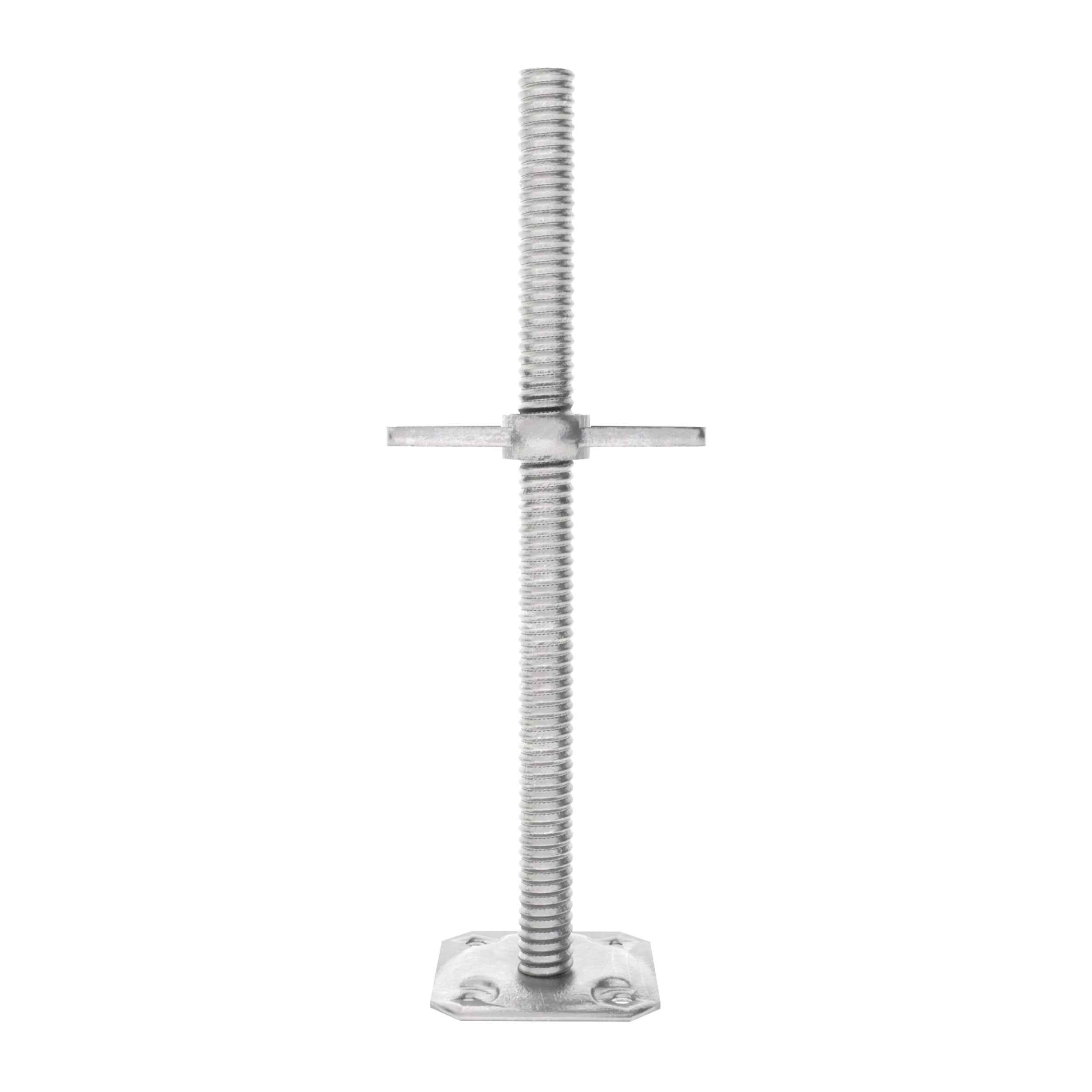
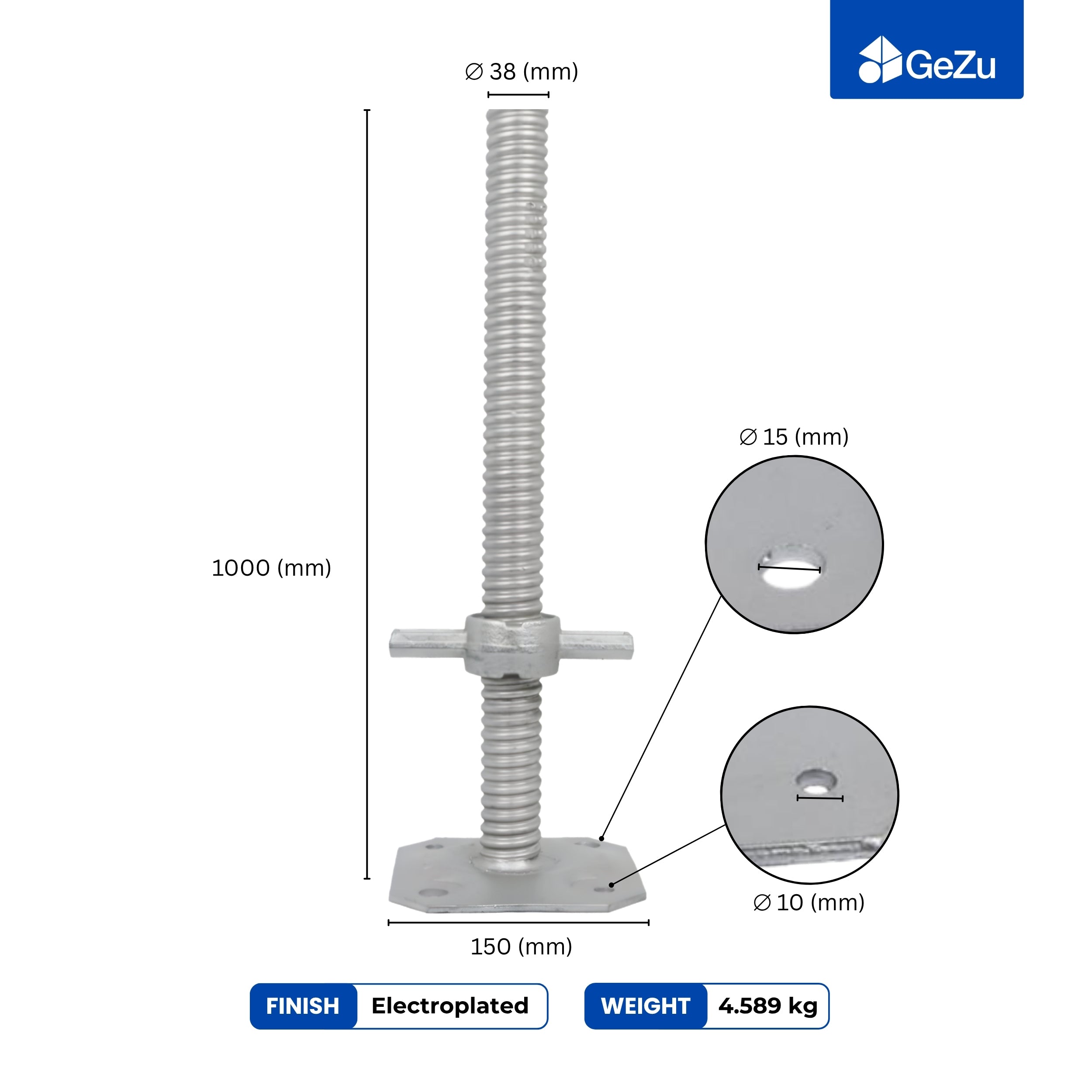
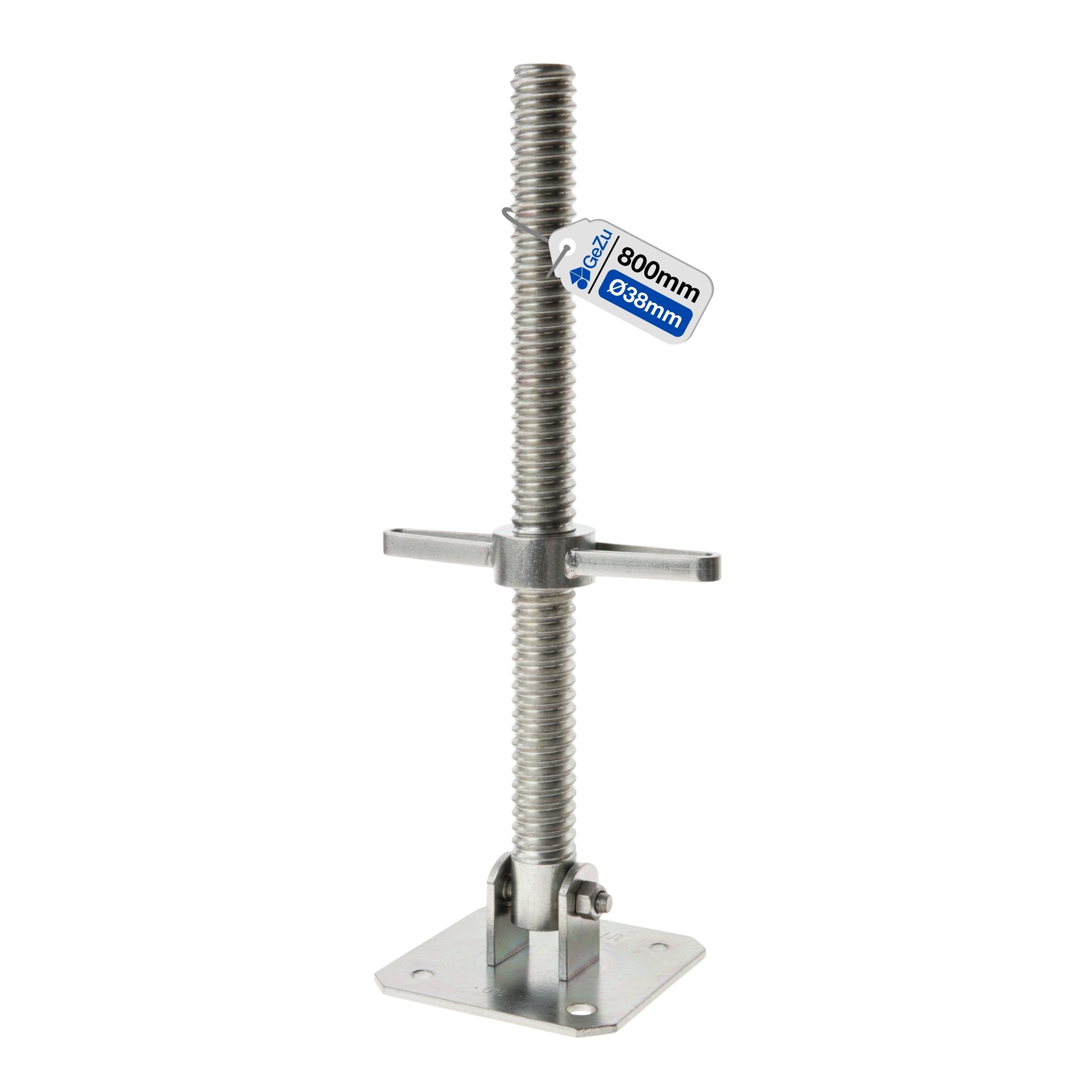
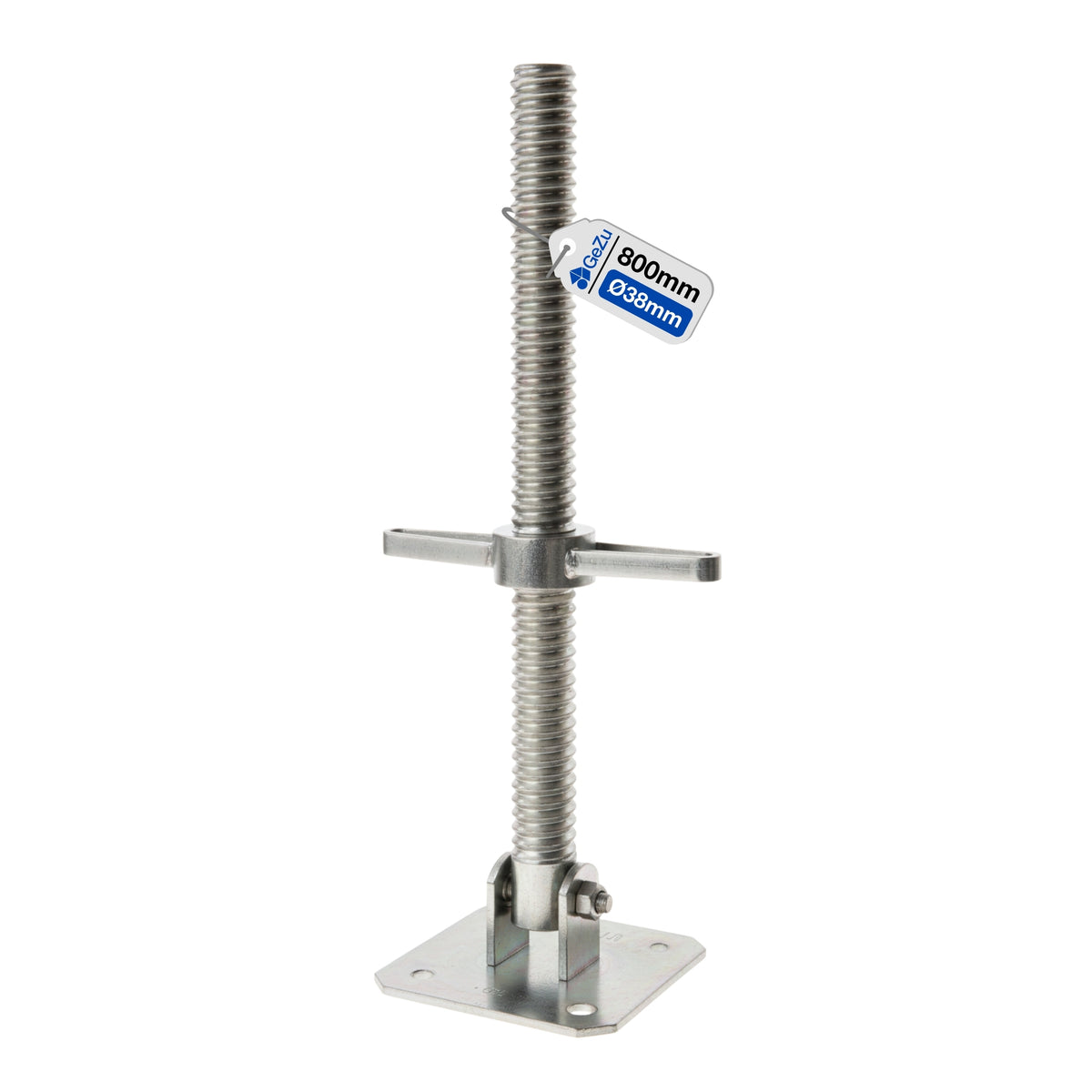
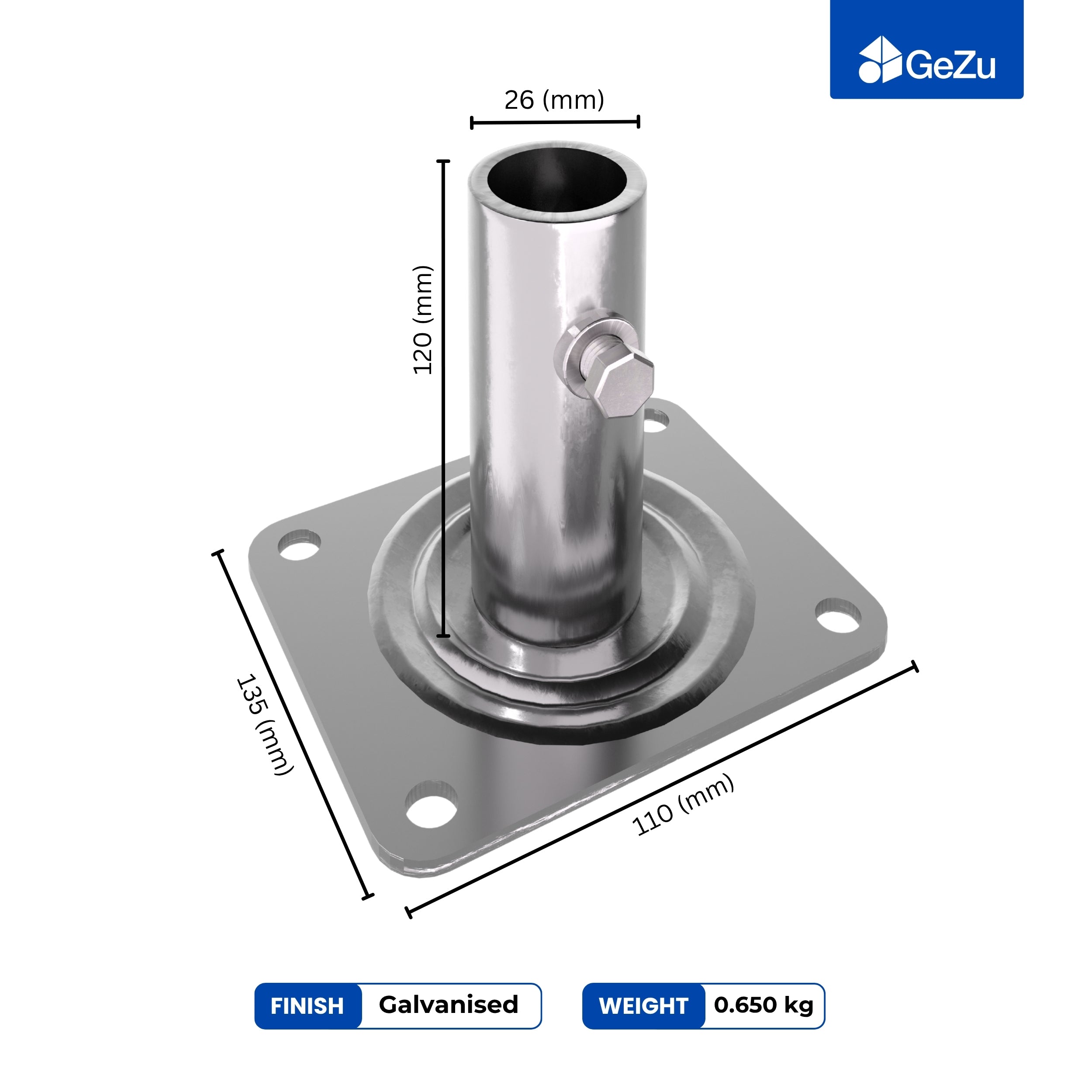
- Plan the feet. Ground-contact points need base plates or post supports, not bare tube ends.
FAQ
Are used scaffolding couplers safe?
For load-bearing use, only if their full history and markings are intact — which is rarely the case on the second-hand market. For light decorative builds, they can be acceptable after passing a hands-on inspection of every piece.
What does EN 74 mean on a coupler?
EN 74 is the European standard covering couplers used in scaffolding: material, slip resistance, and load classes. A legible EN 74 marking tells you what the coupler was designed and tested to do.
How long do galvanised couplers last?
Stored dry and not overloaded, galvanised couplers commonly serve for many years; the galvanised coating is the main defence against corrosion, which is why worn used coatings shorten life significantly.
Do all couplers fit all tubes?
No — couplers are made for specific tube diameters. The scaffolding standard is Ø48.3 mm, but lighter tube systems use smaller diameters, so always match coupler size to tube size.
Building something this weekend? Browse the full scaffolding materials range — couplers, tubes, base plates, and fittings ship from our Eindhoven warehouse with same-day dispatch on stocked items.